Top 5 Applications of Industrial 3D Printers in Manufacturing Today
Industrial-grade 3D printers have revolutionized modern manufacturing, transforming the way companies across industries produce. Today, industrial-grade 3D printers are used in a wide range of fields, from aerospace components to medical devices, offering unprecedented precision and customization capabilities. Five major applications include: rapid prototyping for automotive development, aerospace component manufacturing, medical device production, consumer electronics prototyping, and specialized mold making. These applications utilize additive manufacturing technology to shorten production cycles, minimize material waste, and achieve complex geometries that are impossible with traditional manufacturing methods. Advanced industrial-grade printers can now achieve micron-level precision and support a variety of materials, from engineering-grade thermoplastics to high-temperature resistant resins, making them indispensable tools for industries requiring high-precision, small-batch production capabilities.
Automotive Industry: Revolutionizing Rapid Prototyping and Custom Components

Accelerating Product Development Cycles
The automotive industry has increasingly adopted mechanical additive manufacturing (MAM) as a core tool for accelerating product development cycles, particularly in the realm of rapid prototyping. By integrating 3D printing technology into the early design process, automakers are able to significantly shorten development cycles while reducing overall costs. Large-scale SLA systems are widely used to create extremely detailed and dimensionally accurate functional models, including interior panels, dashboard components, ventilation duct systems, and technical housing parts.
These models enable design teams to conduct fit, framing, and functionality assessments at an early stage, identifying design issues before investing in expensive molds or tooling. Advanced automakers leverage variable spot size laser printing technology to improve efficiency, combining high-speed material testing with fine detail identification. This flexibility allows engineers to quickly identify multiple design changes within days or even weeks. Consequently, design approvals are faster, cross-departmental collaboration is more efficient, and manufacturers can respond more quickly to evolving market demands and customer expectations.
Customized Interior Components and Limited Production
Luxury and high-end automotive brands are increasingly relying on advanced 3D modeling and mechanical 3D printer technologies to offer customized interior components and support small-batch production. High-end vehicles typically require customized trim components, custom mounting brackets, personalized control interfaces, and other unique and stylish features, which traditional manufacturing processes struggle to achieve cost-effectiveness in small-batch production. Additive manufacturing technology eliminates the need for specialized molds, thus enabling the cost-effective production of small-batch or even single-piece customized components to meet the specific needs of particular models or customers.
Industrial-grade printers, combining engineered polymers and composite materials, can manufacture practical parts that can withstand the real-world working environments of automobiles. These parts undergo rigorous testing, including thermal cycling, vibration, and mechanical tensile testing, to ensure they meet automotive durability and performance standards. This approach allows manufacturers to achieve greater design flexibility and customization while maintaining superior quality.
Aerospace Manufacturing: Precision Components for Critical Applications
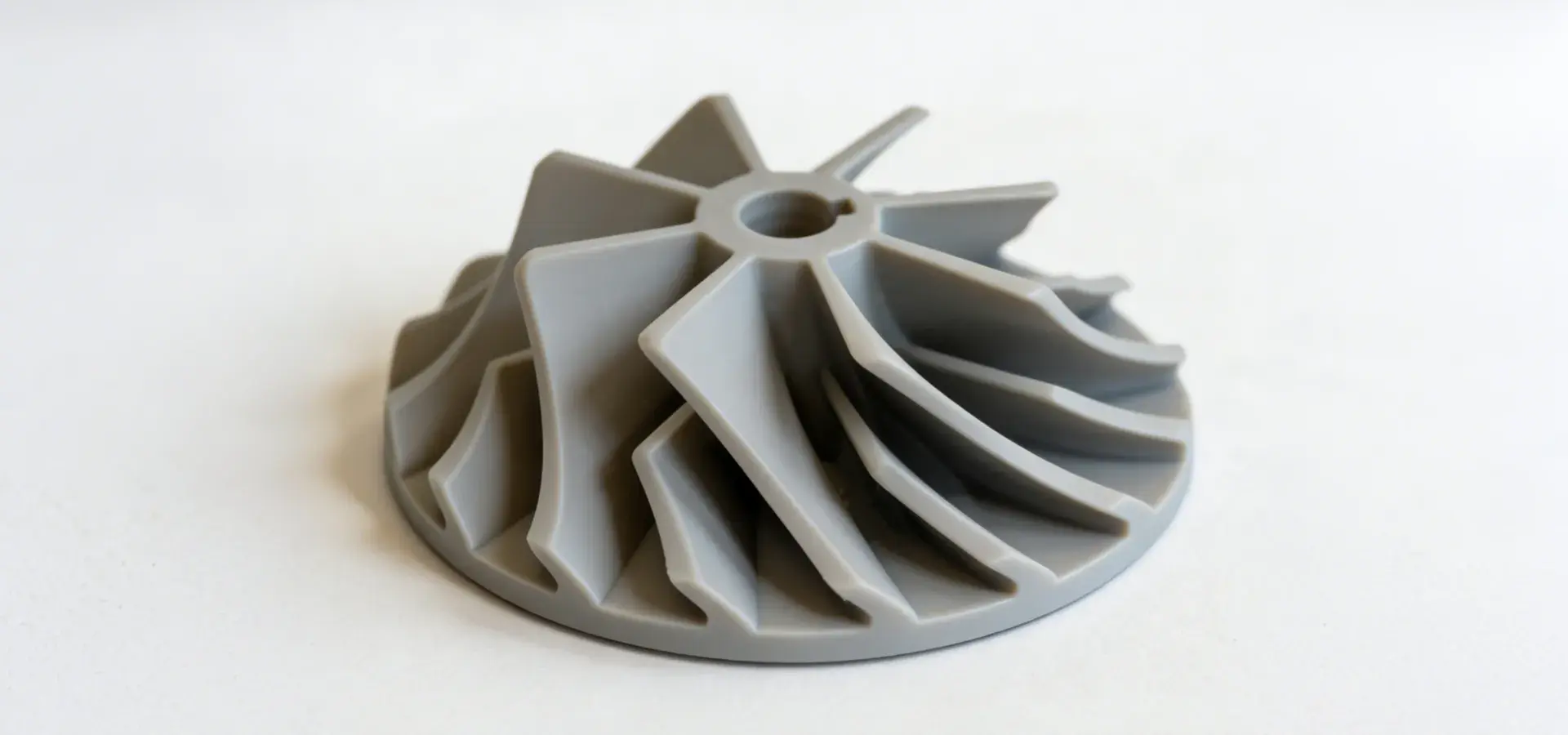
Complex Geometry Production
Aerospace applications demand extremely high precision and quality, making mechanical 3D printing crucial for manufacturing complex structural components. Aircraft manufacturers utilize advanced manufacturing techniques to produce lightweight brackets, complex connectors, and specialized cabin components that traditional machining methods cannot efficiently produce.
The aerospace industry places particular emphasis on the ability to create hollow internal structures and coordinated layouts to reduce component count while maintaining the flexibility of auxiliary systems. These design opportunities allow engineers to optimize weight distribution and material utilization, which are critical to aircraft performance.
Prototype Validation and Testing
Aerospace companies utilize mechanically printed frames for extensive model validation, and recently even achieved full-scale production. This approach enables thorough testing of new designs under simulated flight conditions, allowing for the identification of potential problems early in the development process.
Advanced Fabric Compatibility
Aerospace engineers can use high-temperature resistant adhesives and specialty polymers, ensuring close compatibility with the latest generation of materials. This fabric adaptability ensures that model testing accurately predicts the performance of actual components.
Medical and Dental Applications: Personalized Healthcare Solutions
Customized Dental Solutions
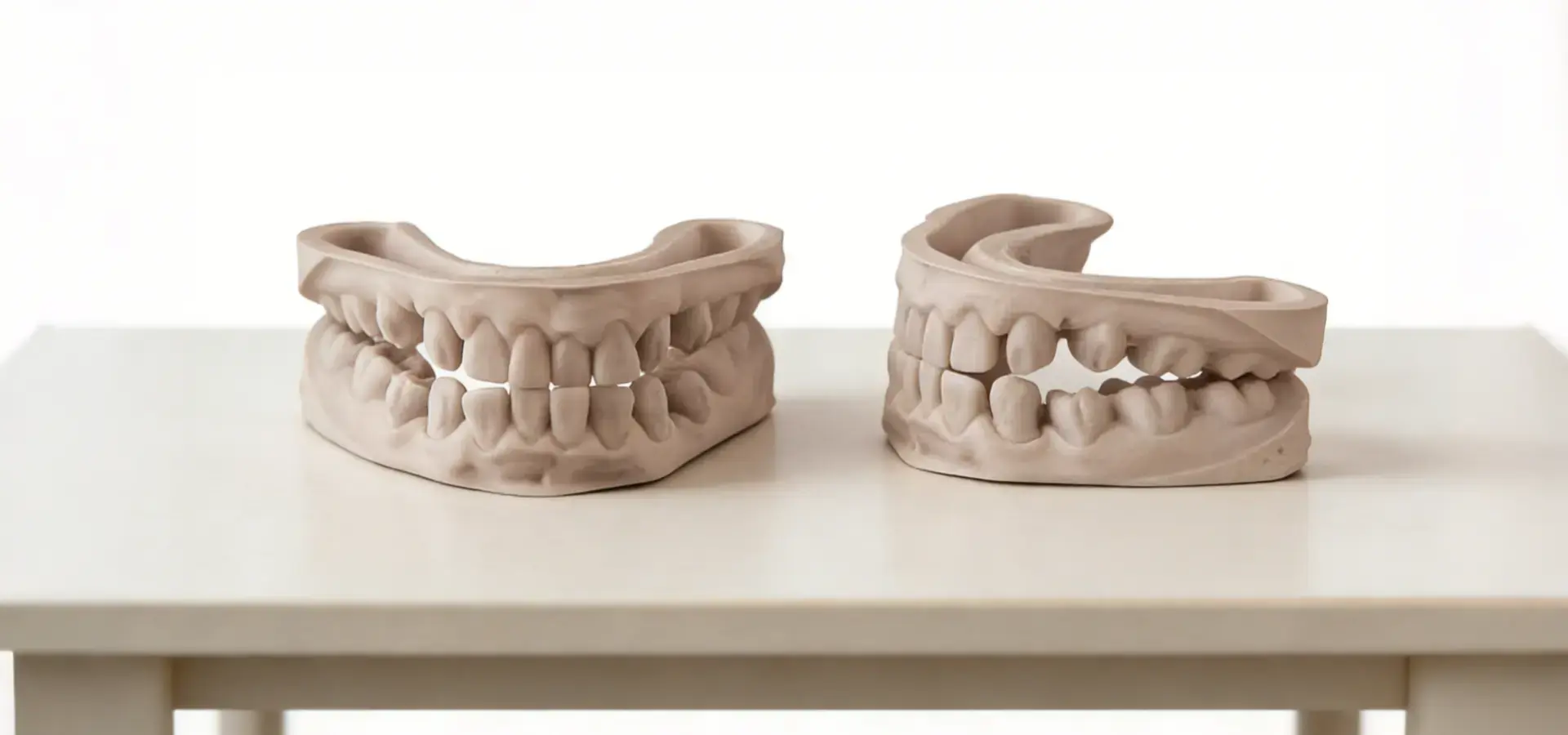
Innovations in mechanical 3D printer technology have transformed the dental industry, enabling the creation of personalized dental models, orthodontic appliance bases, and surgical guides. Dental research institutions utilize high-precision printers to create patient-specific treatment plans, improving treatment outcomes and reducing treatment times.
Modern dental applications demand extremely high layer resolution and surface coverage quality. Mechanical SLA systems provide the precision required to create detailed anatomical models and practical orthodontic appliances, ensuring a perfect fit for the patient.
Medical Device Prototyping
Medical device manufacturers rely on advanced manufacturing technologies to produce surgical instruments, orthopedic implant models, and patient-customized surgical guides. These applications require biocompatible materials and precise dimensions to ensure understanding, safety, and regulatory compliance.
The ability to rapidly reproduce reconstructive device solutions accelerates the development of medical technologies. Engineers can quickly test different solutions, optimize device functionality, and facilitate approval processes.
Surgical Planning and Education
Hospitals are increasingly using 3D-printed anatomical models for surgical planning and rehabilitation education. These models provide experts with clear references for complex surgical procedures, thereby improving surgical outcomes and reducing operation time.
Educators can utilize point-to-point anatomical models to enhance the student learning experience. Compared to traditional cadaver specimens, these printed models offer a more reliable quality and are easier to use.
Consumer Electronics: Rapid Innovation and Design Validation
Wearable Device Development
The consumer hardware industry utilizes mechanical printing technology to create prototypes of wearable devices, smartphone cases, and small electronic devices. These applications require precise dimensional control to ensure compatibility with electronic components and guarantee assembly accuracy.
Modern electronics manufacturers leverage the integration of CAD programs with mechanical printers to streamline the workflow from design to prototyping. This integration allows for rapid design modifications and immediate physical validation of form factors and dimensions.
Functional Prototypes for Market Testing
Electronic companies provide functional models for demonstrations, inquiries, and customer testing, sometimes investing in injection molding. This approach reduces budget risk while gathering valuable customer feedback to refine the final design.
Fast-paced customer hardware demonstrations require rapid prototype delivery cycles. Mechanical printing systems with higher printing speeds help companies maintain quality standards while meeting stringent development schedules.
Specialized Tools and Manufacturing Aids
Custom Fixtures and Tooling
Manufacturing plants utilize mechanical 3D printing technology to create custom designs, install equipment, and collect data to support production line operations. This equipment ensures reliable product quality, improves worker efficiency, and reduces manufacturing costs.
Custom tooling applications benefit from the planning opportunities offered by additive manufacturing. Engineers can create optimized tool geometries that are not cost-effective for small-batch applications using conventional machining methods.
End-Use Production Parts
Currently, some companies are using mechanical printing technology to directly produce end-use parts, particularly for small-batch applications where conventional manufacturing is too costly. This method enables on-demand production and eliminates inventory costs.
Advanced fabric alternatives, including flexible fibers, high-temperature polymers, and engineering-grade thermoplastics, expand their applicable end-use applications. These materials offer mechanical properties comparable to conventionally manufactured parts.
Industry Innovation Leader and Technological Advancement
Magforms: Integrated Manufacturing Solutions
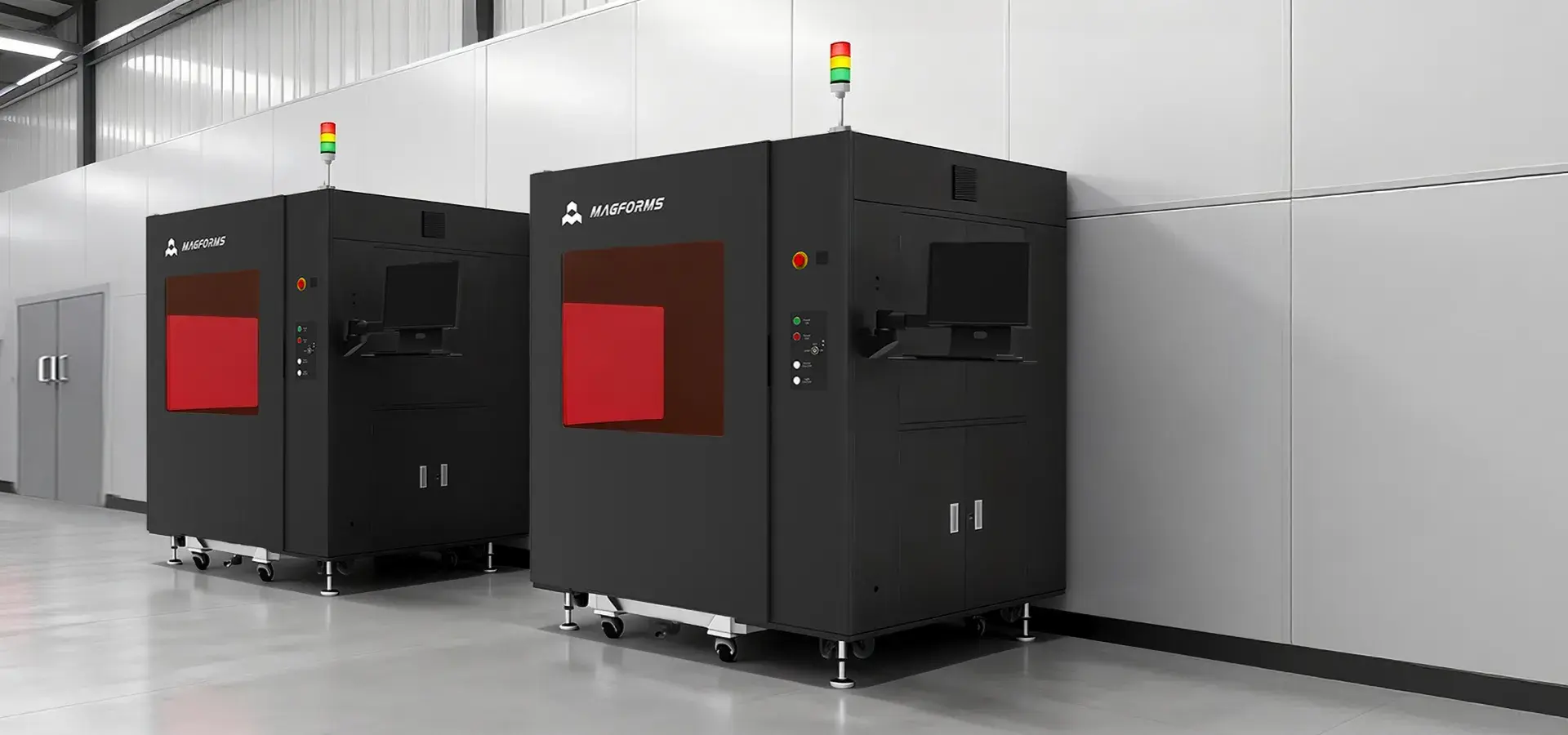
Magforms is at the forefront of mechanical 3D printer development, committed to providing integrated solutions that combine advanced equipment with optimized materials. Its systems utilize German Scanlab galvanometers and AOC lasers, ensuring exceptional reliability and consistent performance. The company's variable spot size laser technology increases printing speed by 30-50% while maintaining micron-level accuracy.
The SL800 embodies Magforms' unwavering pursuit of precision, with its robust marble base achieving a printing accuracy of ±0.1 mm. This high precision allows Magforms' product frames to meet the demands of fields with extremely high dimensional accuracy requirements, such as aerospace and medical.
Magforms' open-source design philosophy gives customers flexibility in fabric selection, breaking the limitations of traditional fabrics and avoiding common fabric restrictions in manufacturing. Its 22 patents and 30 registered trademarks demonstrate its deep innovation capabilities and continuous R&D investment.
The company operates in dozens of countries worldwide, serving more than 300 companies across various industries. Their 24/7 technical support team provides rapid response capabilities, ensuring minimal production downtime and offering comprehensive customer support.
Emerging Technology Trends
Advances in materials science are continuously expanding the applications of mechanical printing, with new polymer materials exhibiting superior mechanical properties and chemical resistance. These advancements enable 3D printing technology to be applied to previously limited applications requiring specific material properties.
Integrated AI-powered insights optimize printing parameters, reduce setup time, and improve consistency across multiple print runs. Powerful learning capabilities analyze print designs, predicting and preventing potential problems.
Automated post-processing improves workflow efficiency, reduces manual labor, and enhances surface finish consistency. Automated backside removal and surface treatment systems enable a fully integrated production workflow.
Choose Magforms as your trusted 3D printer manufacturer for superior industrial quality
Magforms combines cutting-edge technology with comprehensive support to deliver unparalleled industrial printing solutions. Our variable spot size laser technology and AI-optimized systems increase printing speed by up to 30% while maintaining exceptional accuracy, meeting your manufacturing needs. Whether you require rapid prototyping or large-scale production solutions, our portfolio ranges from desktop to industrial-grade systems and is compatible with open-source software.
Please contact our technical experts (info@magforms.com) to learn how we can enhance your productivity with integrated 3D printer manufacturing solutions. Our global support network and extensive industry experience ensure your investment yields maximum return through reliable, high-precision additive manufacturing solutions.
References
1. Gibson, I., Rosen, D., & Stucker, B. (2021). Additive Manufacturing Technologies: 3D Printing, Rapid Prototyping, and Direct Digital Manufacturing. Springer International Publishing.
2. Ngo, TD, Kashani, A., Imbalzano, G., Nguyen, KT, & Hui, D. (2018). "Additive Manufacturing (3D Printing): A Review of Materials, Methods, Applications, and Challenges." Composites Series B: Engineering, 143, 172-196.
3. Thompson, MK, Moroni, G., Vaneker, T., Fadel, G., Campbell, RI, Gibson, I., & Martina, F. (2016). "Additive Manufacturing Design: Trends, Opportunities, Considerations, and Constraints." CIRP Annals, 65(2), 737-760. 4. Wohlers, T., Campbell, I., Diegel, O., Huff, R., & Kowen, J. (2022). Wohlers 2022 Report: The Global Status of the 3D Printing and Additive Manufacturing Industry. Wohlers Associates.
5. Ligon, SC, Liska, R., Stampfl, J., Gurr, M., & Mülhaupt, R. (2017). “Polymers for 3D Printing and Custom Additive Manufacturing.” Chemical Review, 117(15), 10212-10290.
6. Singh, S., Ramakrishna, S., & Singh, R. (2017). “Materials Issues in Additive Manufacturing: A Review.” Journal of Manufacturing Processes, 25, 185-200.

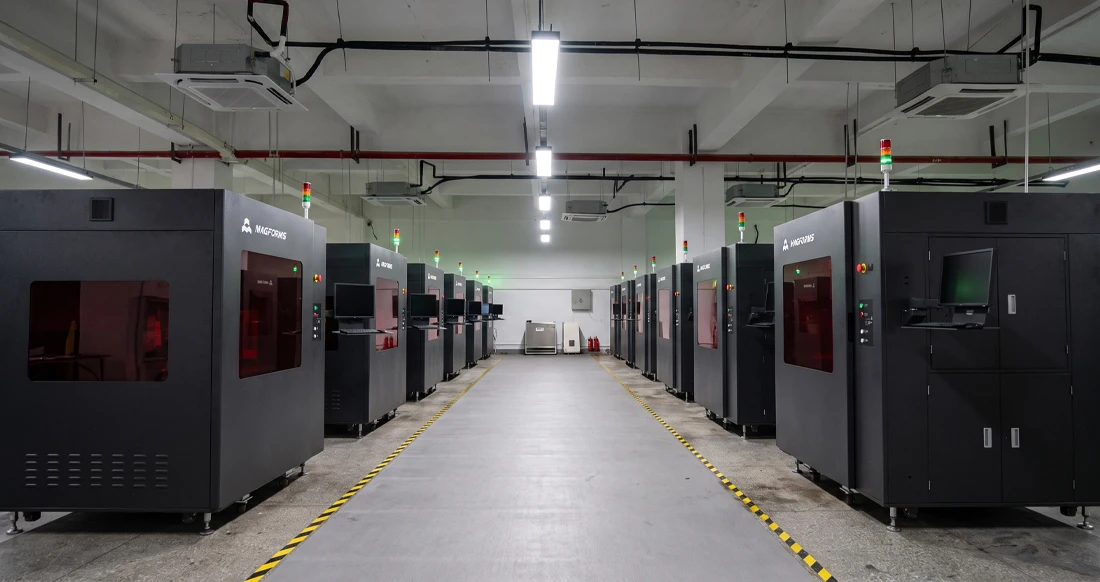
Magforms makes design and manufacture easier.
Popular Blogs
-
 Industry InsightsManufacturing Industry
FDM vs. SLA Printer: Which Technology Is Right for Your Project?
-
 Industry InsightsManufacturing Industry
Top 5 Applications of Industrial 3D Printers in Manufacturing Today
-
 Industry InsightsManufacturing Industry
Why Stereolithography 3D Printers Are Unmatched for Microfluidic Device Prototyping?