Why Stereolithography 3D Printers Are Unmatched for Microfluidic Device Prototyping?
Stereolithography 3D printer technology has revolutionized microfluidic device prototyping by delivering unparalleled precision and surface quality essential for microscale channel fabrication. The photopolymerization process inherent to SLA systems enables the creation of intricate microfluidic geometries with dimensional accuracy that traditional manufacturing methods simply cannot match. When developing lab-on-a-chip devices or complex flow networks, the superior resolution capabilities of stereolithography printing ensure consistent, reliable prototypes that accurately represent final product specifications, making it the preferred choice for research institutions and manufacturing enterprises worldwide.
Understanding Stereolithography 3D Printing Technology
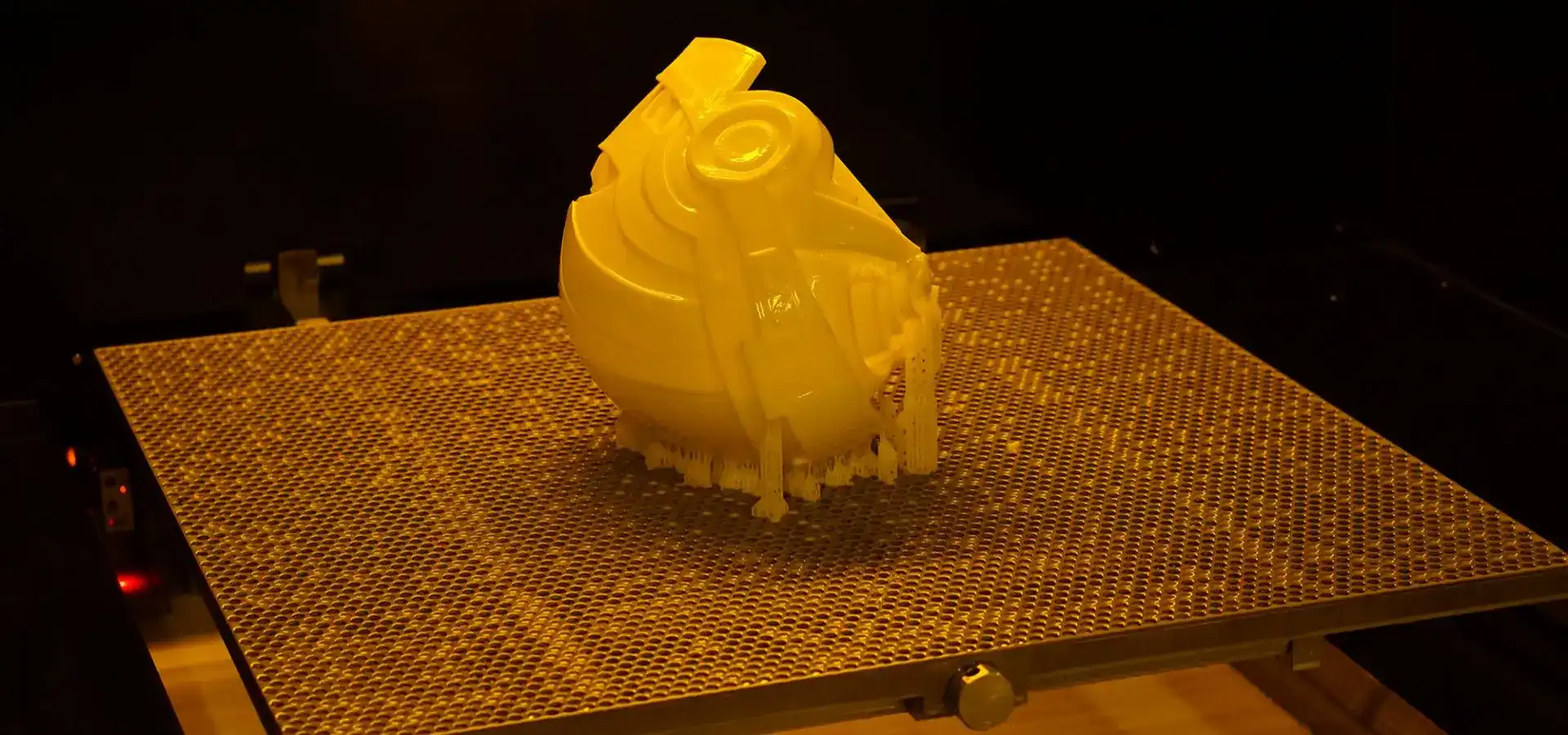
Stereolithography speaks to a modern added substance fabricating approach that utilizes bright light to specifically cure fluid photopolymer resin into strong plastic parts. This layer-by-layer photopolymerization handle conveys uncommon detail propagation, making it especially profitable for applications requiring microscale highlights and smooth surface finishes.
The Photopolymerization Process in Detail
The SLA workflow starts with a Stereolithography 3D printer that slices the material into thousands of thin cross-layers. Each layer receives a precise UV laser exposure, causing the fluid tar to solidify where the light strikes. This controlled curing process empowers the creation of complex inner geometries and fine highlights that would be incomprehensible to accomplish through conventional fabrication strategies. The construct stage continuously moves upward as each progressive layer bonds to the past one, eventually shaping a total three-dimensional part.
Specialized Resins for Microfluidic Applications receive a precise UV laser exposure, causing the fluid tar to solidify where the light strikes
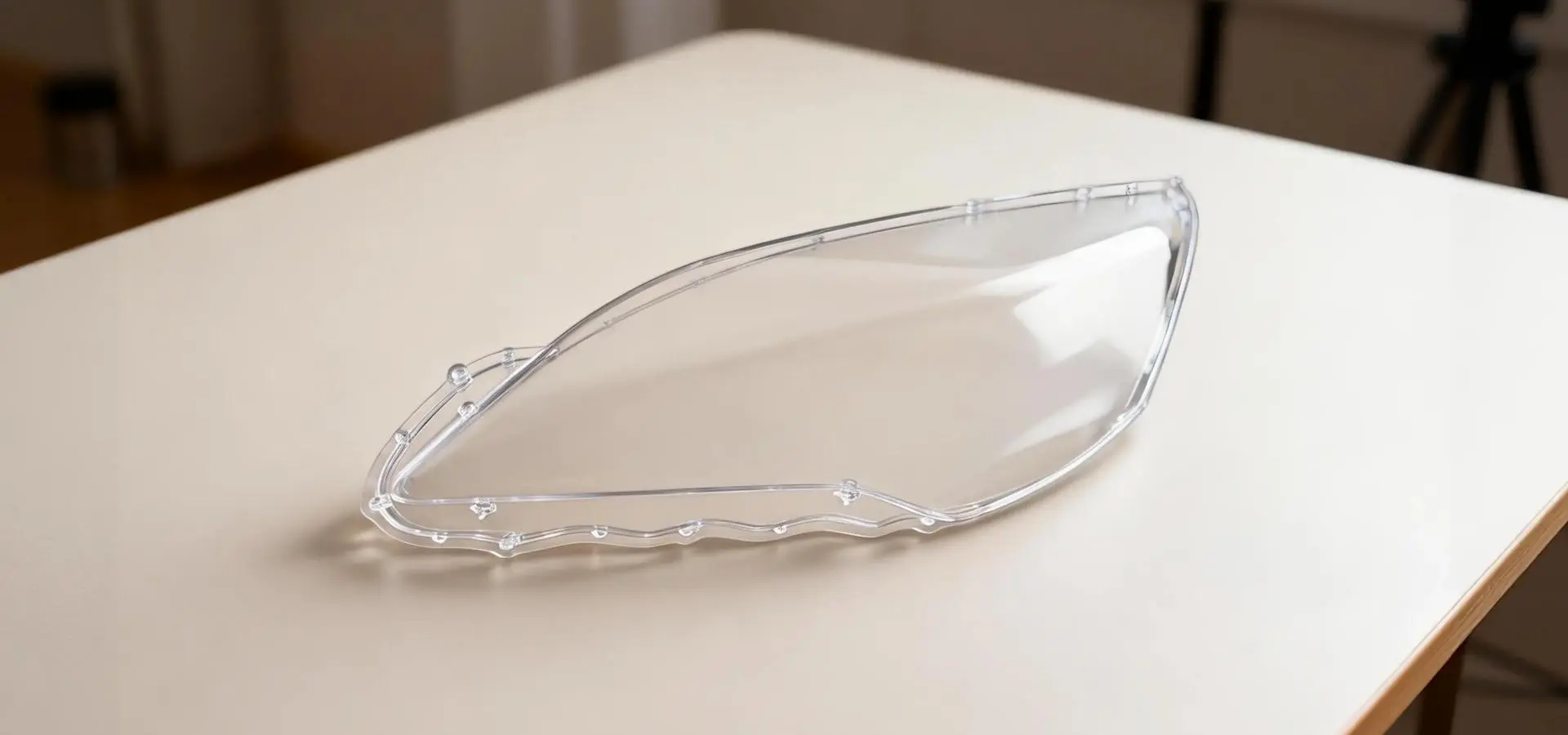
Modern stereolithography frameworks bolster a wide range of specialized materials custom-made for microfluidic device development. Biocompatible resin meets rigid security necessities for therapeutic applications, whereas straightforward details permit visual observation of liquid flow during testing stages. Chemical-resistant materials withstand exposure to different solvents and reagents commonly utilized in microfluidic investigations, guaranteeing gadget astuteness all through expanded testing periods.
Comparative Advantages Over Alternative Technologies
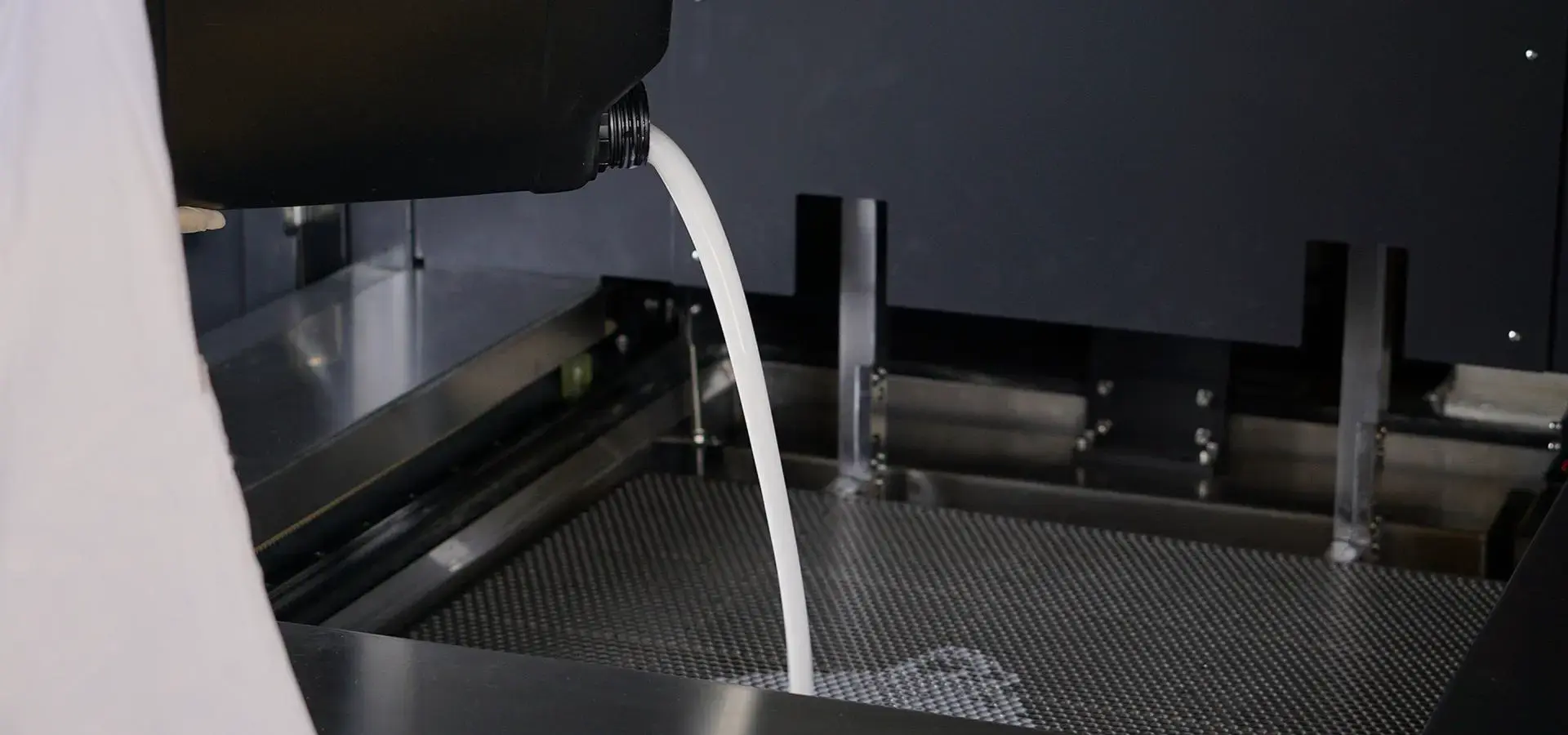
When compared to molded statement modeling (FDM) or specific laser sintering (SLS), stereolithography reliably conveys predominant surface quality and dimensional precision. FDM forms regularly create obvious layer lines that can disturb liquid stream designs, whereas SLS innovation battles with the fine determination prerequisites normal of microfluidic applications. The smooth surface wrap-up achievable through SLA dispenses with potential stream disturbances and empowers unsurprising liquid behavior inside model devices.
Key Advantages of Stereolithography for Microfluidic Device Prototyping
The unique characteristics of SLA technology provide several critical advantages that make it exceptionally well-suited for microfluidic device development. These benefits directly address the demanding requirements of microscale fluid manipulation and analysis systems.
Exceptional Dimensional Accuracy and Resolution
Stereolithography printing accomplishes layer statures as fine as 0.01mm, empowering the reliable generation of microchannels, valves, and blending chambers with exact dimensional control. This level of exactness guarantees that liquid stream rates, weight drops, and blending behaviors coordinate hypothetical forecasts, permitting analysts to approve plans successfully, some time recently committing to generation tooling. The reliable repeatability of SLA forms implies that different indistinguishable models can be delivered for parallel testing and validation.
Material Versatility and Chemical Compatibility
The broad library of accessible photopolymer resin gives choices for for all intents and purposes any microfluidic application. Straightforward materials encourage optical observing and examination, whereas specialized details offer resistance to natural solvents, acids, and bases commonly experienced in research facility situations. This fabric adaptability eliminates the need to compromise the gadget plan based on manufacturing restrictions, empowering ideal execution characteristics.
Rapid Iteration and Cost-Effective Development
Traditional microfluidic gadget creation regularly requires costly photolithography gear and cleanroom offices. SLA innovation democratizes the prototyping process by empowering fast plan cycles at a fraction of conventional costs. Plan alterations can be actualized and tried within hours or maybe even weeks, drastically quickening the advancement timeline for unused microfluidic applications.
These focal points collectively position stereolithography as a perfect arrangement for organizations looking to minimize improvement costs while maximizing development speed. The innovation especially benefits inquiry about teaching and startup companies that require adaptable prototyping capabilities without considerable capital investments.
Selecting the Best Stereolithography 3D Printer for Microfluidic Prototyping
Choosing the appropriate SLA system requires careful evaluation of technical specifications and operational requirements. The decision significantly impacts both short-term prototyping success and long-term research productivity.
Critical Technical Specifications
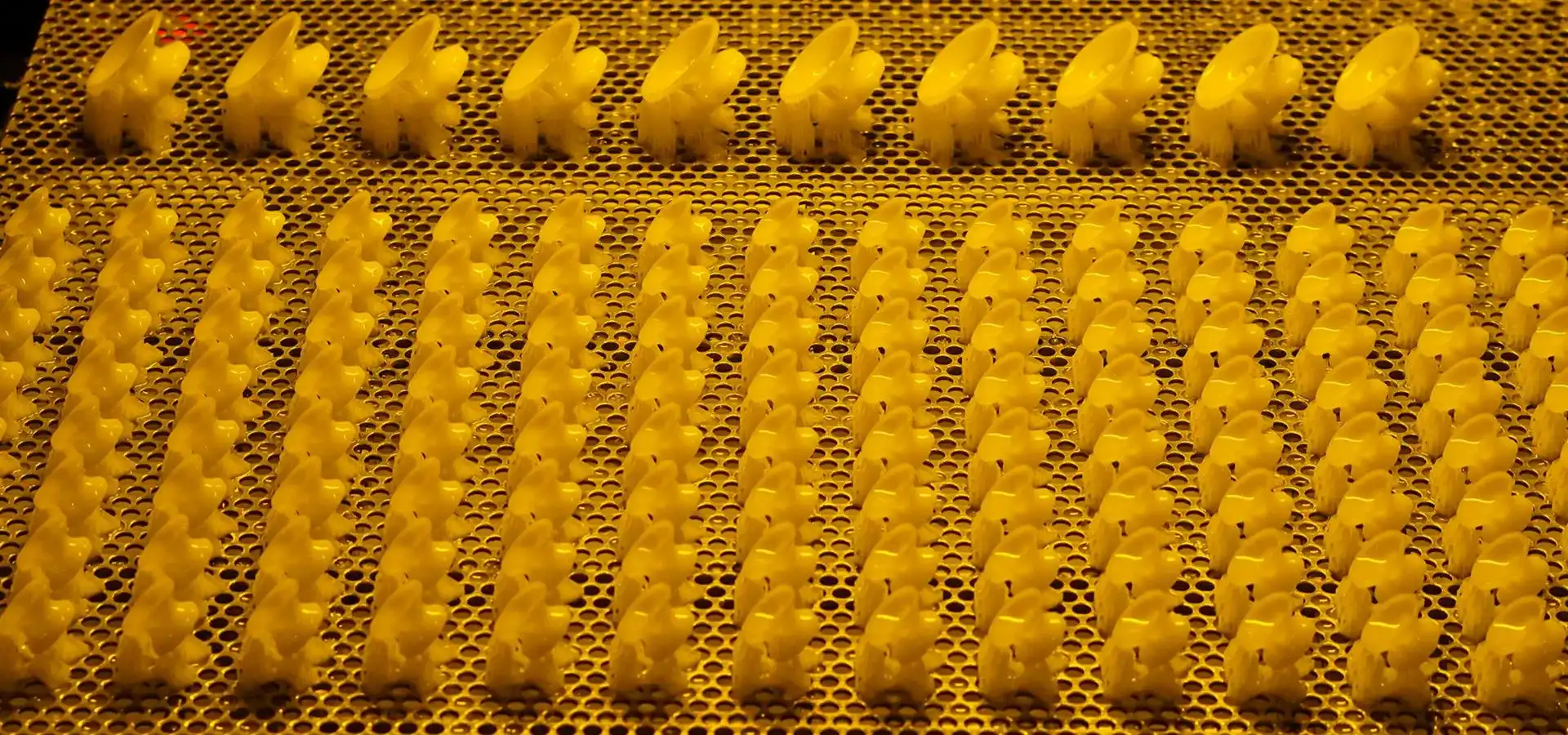
Resolution capabilities speak to the most crucial thought when selecting stereolithography hardware for microfluidic applications. Frameworks advertising XY determination of 25 microns or superior guarantee satisfactory detail generation for most microfluidic features. Z-axis layer tallness capabilities underneath 0.025mm empower smooth channel dividers and exact vertical include definition. Construct volume prerequisites change depending on gadget estimate and group prototyping needs, with bigger stages empowering concurrent generation of different devices.
Advanced Features and Performance Characteristics
Modern SLA frameworks join advanced advances that improve both printing quality and operational effectiveness. Variable spot-size laser innovation, as actualized in advanced frameworks, optimizes printing speed while keeping up accuracy. Expansive laser spots quicken inner filling operations, whereas fine spots guarantee precise form definition. This dual-spot approach can progress printing speeds by 30-50% compared to customary single-spot systems.
Maintenance and Reliability Considerations
Microfluidic investigate requests steady Stereolithography 3D printer to guarantee test legitimacy. Frameworks joining high-quality components from established producers illustrate prevalent long-term steadiness and diminished upkeep necessities. German-engineered galvanometers and exactness servo engines contribute to extraordinary situating precision and amplified operational life expectancies. These premium components legitimize their extra value through diminished downtime and reliable yield quality.
A comprehensive bolster framework gets to be similarly vital for supported research efficiency. Specialized back groups advertising fast reaction capabilities minimize disturbances when issues emerge, whereas broad documentation and preparation assets empower clients to maximize framework capabilities.
Applications of Stereolithography in Microfluidic Device Development
The versatility of SLA technology enables diverse applications across multiple microfluidic device categories. Real-world implementations demonstrate the practical advantages of stereolithography for both research and commercial development programs.
Complex Microchannel Networks and Integration
Advanced microfluidic frameworks regularly join complex channel systems with changing cross-sections, coordinate valves, and advanced blending components. Stereolithography exceeds expectations in creating these complex geometries without requiring the gathering of different components. Single-print gadgets dispose of potential spill focuses and rearrange gadget manufacture, while empowering plan highlights inconceivable through conventional fabricating approaches.
Lab-on-a-Chip Device Prototyping
Integrated investigation frameworks combining test arrangement, response chambers, and discovery components benefit massively from SLA capabilities. The innovation empowers quick investigation of distinctive channel geometries, response chamber volumes, and fluidic steering choices. Analysts can rapidly optimize gadget execution through iterative plan advancements, eventually accomplishing prevalent explanatory execution compared to gadgets constrained by manufacturing limitations.
Hybrid Manufacturing Approaches
Successful microfluidic gadget advancement frequently combines different manufacturing innovations to optimize both prototyping speed and generation versatility. SLA models serve as useful models for approval testing, while at the same time giving designs for infusion molding instrument advancement. This dual-use approach quickens time-to-market while guaranteeing smooth moves from model to generation phases.
Organizations actualizing crossover approaches report critical reductions in general advancement timelines and made strides in last item execution through improved plan optimization opportunities.
Procurement and Support: Why Partner with a Trusted SLA 3D Printer Supplier?
Selecting the right supplier partnership extends far beyond initial equipment acquisition. Long-term success depends on a comprehensive support infrastructure and ongoing technical collaboration.
Comprehensive Product Portfolios and Flexibility
Stereolithography 3D printers offer complete ecosystems encompassing hardware, materials, and software solutions optimized for seamless integration. Open-source designs provide flexibility in material selection, enabling cost optimization and application-specific material choices. This approach contrasts favorably with proprietary systems that lock users into expensive, limited material options.
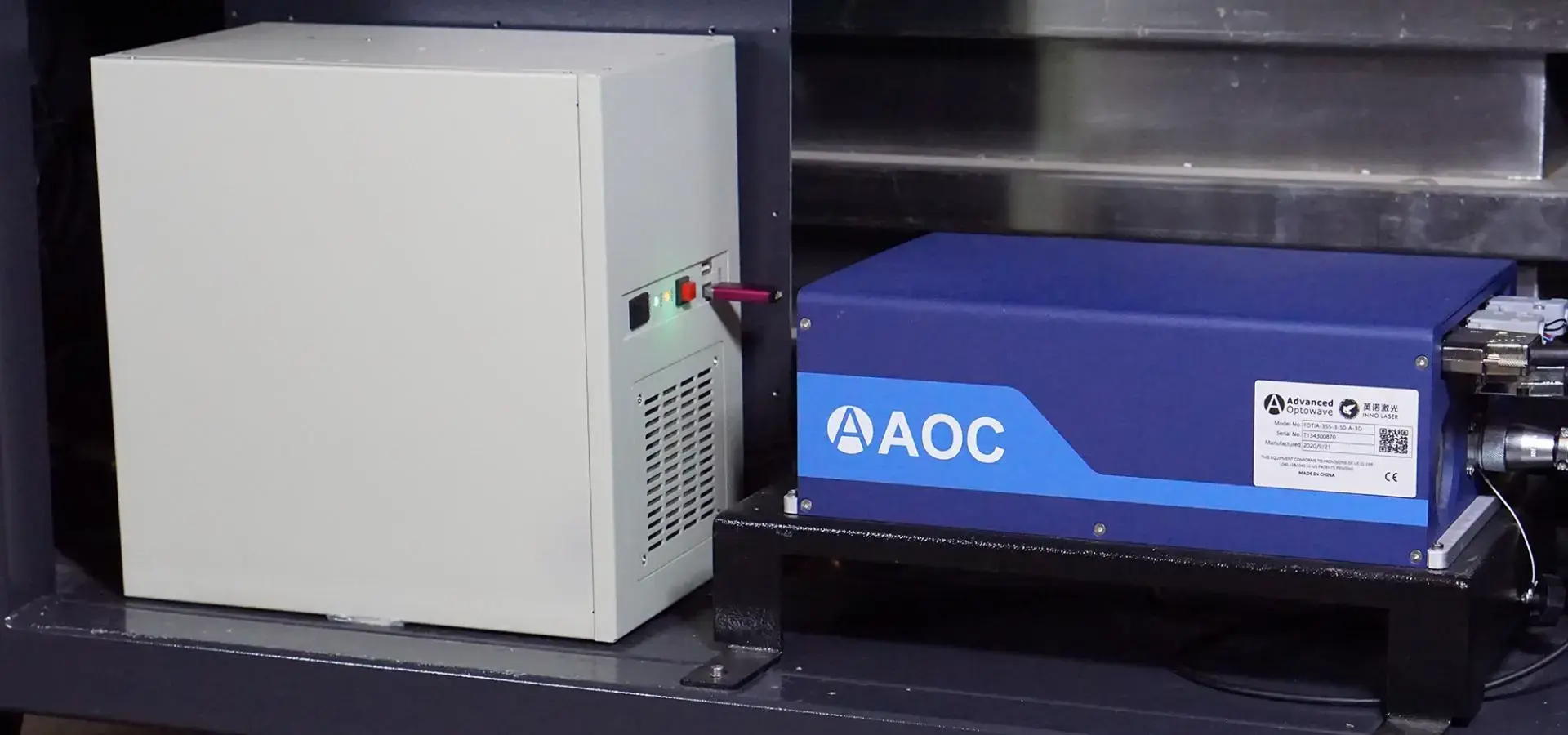
Magforms exemplifies this comprehensive approach through integrated supply chains combining optimized hardware and materials. Their systems feature German Scanlab galvanometers, AOC lasers, and Panasonic AC servo motors, ensuring exceptional performance and reliability. The SL600 model achieves ±0.1mm printing accuracy through its stable marble base design, delivering near-industrial-grade stability for demanding microfluidic applications.
Advanced Technical Innovation and Efficiency
Modern SLA systems incorporate cutting-edge technologies that significantly enhance productivity and performance. Variable spot-size laser printing technology can increase printing speeds by 30-50% compared to conventional methods. Deep learning algorithms enable an additional 20% speed improvement through optimized scanning patterns and process parameters.
These technological advances directly translate to reduced prototype delivery times and lower per-part costs, enabling more extensive design exploration within constrained development budgets. Organizations benefit from both accelerated innovation cycles and improved resource utilization.
Global Support Infrastructure and Expertise
Established suppliers maintain extensive support networks providing local expertise and rapid response capabilities. Technical teams offering 24/7 consultation and guaranteed response times ensure minimal disruption to critical research programs. On-site engineering support for complex issues demonstrates commitment to customer success beyond initial equipment sales.
The combination of global reach and local support creates resilient supply chains capable of supporting both domestic and international research collaborations. This infrastructure becomes particularly valuable for organizations operating across multiple locations or participating in collaborative research programs.
Conclusion
Stereolithography 3D printer has established itself as the premier solution for microfluidic device prototyping through its unmatched combination of precision, material versatility, and rapid iteration capabilities. The photopolymerization process delivers dimensional accuracy and surface quality essential for reliable microfluidic performance, while diverse material options enable application-specific optimization. Modern SLA systems incorporate advanced features like variable spot-size lasers and AI-optimized processing that significantly enhance productivity without compromising quality. Organizations partnering with established suppliers gain access to a comprehensive support infrastructure and ongoing technical innovation that ensures long-term success in microfluidic device development.
FAQ
Why does SLA offer superior precision compared to other 3D printing methods?
Stereolithography achieves exceptional precision through its photopolymerization process, which cures resin with pinpoint accuracy using focused UV light. Unlike FDM printing, which deposits molten plastic through nozzles, or SLS, which fuses powder particles, SLA creates smooth, precise features without visible layer lines. The liquid resin medium allows for much finer detail reproduction, typically achieving layer heights of 0.01mm and XY resolution of 25 microns or better.
Which resin types work best for microfluidic device prototyping?
Transparent resins prove most versatile for microfluidic applications as they enable visual monitoring of fluid flow and mixing behaviors. Biocompatible formulations are essential for medical device development, while chemical-resistant resins withstand exposure to solvents and reagents. High-resolution resins optimized for fine feature reproduction ensure accurate channel geometry and smooth internal surfaces that promote predictable fluid behavior.
How can I maintain optimal SLA printer performance over time?
Regular cleaning of the resin tank and build platform prevents contamination that can affect print quality. Replace FEP films periodically to maintain optical clarity and prevent adhesion issues. Keep UV lasers properly calibrated and replace them according to manufacturer schedules. Store resins in appropriate temperature and lighting conditions to preserve their curing properties. Implement routine maintenance schedules for mechanical components like galvanometers and servo motors to ensure continued positioning accuracy.
Transform Your Microfluidic Prototyping with Magforms Stereolithography Solutions
Magforms stands ready to revolutionize your microfluidic device development through our advanced SLA printing systems specifically engineered for precision applications. Our integrated approach combines optimized hardware featuring German Scanlab galvanometers and AOC lasers with specially formulated resins, delivering unmatched performance for microscale device fabrication. As a trusted stereolithography 3D printer manufacturer, we provide comprehensive support, including 24/7 technical consultation and rapid response guarantees. Contact our specialists at info@magforms.com to discover how our variable spot-size laser technology and AI-optimized processing can accelerate your research timelines while reducing development costs.
References
1. Waheed, S., Cabot, J. M., Macdonald, N. P., & Paull, B. (2016). 3D printed microfluidic devices: enablers and barriers to commercialization. Lab on a Chip, 16(11), 1993-2013.
2. Au, A. K., Huynh, W., Horowitz, L. F., & Folch, A. (2016). 3D-printed microfluidics. Angewandte Chemie International Edition, 55(12), 3862-3881.
3. Nielsen, A. V., Beauchamp, M. J., Nordin, G. P., & Woolley, A. T. (2020). Stereolithography 3D printed microfluidic devices for solid phase extraction of RNA. Analytica Chimica Acta, 1106, 90-98.
4. Kotz, F., Arnold, K., Bauer, W., Schild, D., Keller, N., Sachsenheimer, K., & Rapp, B. E. (2017). Three-dimensional printing of transparent fused silica glass. Nature, 544(7650), 337-339.
5. Gong, H., Woolley, A. T., & Nordin, G. P. (2016). High-density 3D printed microfluidic valves, pumps, and multiplexers. Lab on a Chip, 16(13), 2450-2458.
6. Romanov, V., Samuel, R., Chaharlang, M., Jafek, A. R., Frost, A., & Gale, B. K. (2018). FDM 3D printing of high-pressure, heat-resistant, transparent microfluidic devices. Analytical Chemistry, 90(17), 10450-10456.

Magforms makes design and manufacture easier.
Popular Blogs
-
 Industry InsightsManufacturing Industry
FDM vs. SLA Printer: Which Technology Is Right for Your Project?
-
 Industry InsightsManufacturing Industry
Top 5 Applications of Industrial 3D Printers in Manufacturing Today
-
 Industry InsightsManufacturing Industry
Why Stereolithography 3D Printers Are Unmatched for Microfluidic Device Prototyping?