High Resolution 3D Printer Speed vs Accuracy: What Matters?
When you buy high-tech manufacturing tools, the balance between speed and accuracy becomes crucial to the success of your business. A high-resolution SLA 3D printer can produce extremely detailed objects with micron-level accuracy. Achieving this precision typically requires longer print times, but industrial SLA systems ensure superior surface quality and dimensional stability that DLP or LCD systems cannot consistently match. You don't have to choose; just know how each measure affects your program. Speed affects throughput and cost-per-part, while precision makes sure that the parts fit properly, have a good surface, and meet strict industry standards. To make smart purchasing choices, you need to make sure that these performance traits match your workflow needs, material needs, and quality standards.
Understanding High Resolution 3D Printing: Speed and Accuracy Fundamentals
Defining Resolution in Additive Manufacturing
In a high-resolution 3D printer, resolution is made up of two different measurements that work together to show how adequate a part is. In professional systems, XY resolution is typically between 19 and 50 microns, representing the smallest horizontal feature that can be reliably printed. In DLP and mSLA technologies, this is determined by pixel size, while in SLA systems, it depends on the laser spot size and optical system accuracy. The layer height, or Z-axis resolution, determines the level of detail and smoothness in the vertical direction. More modern systems can make layers as thin as 10 microns. These requirements have a direct effect on your ability to make fine surfaces, sharp edges, and complex shapes that regular FDM machines can't always do.
Technology Comparison: SLA, DLP, and LCD Systems
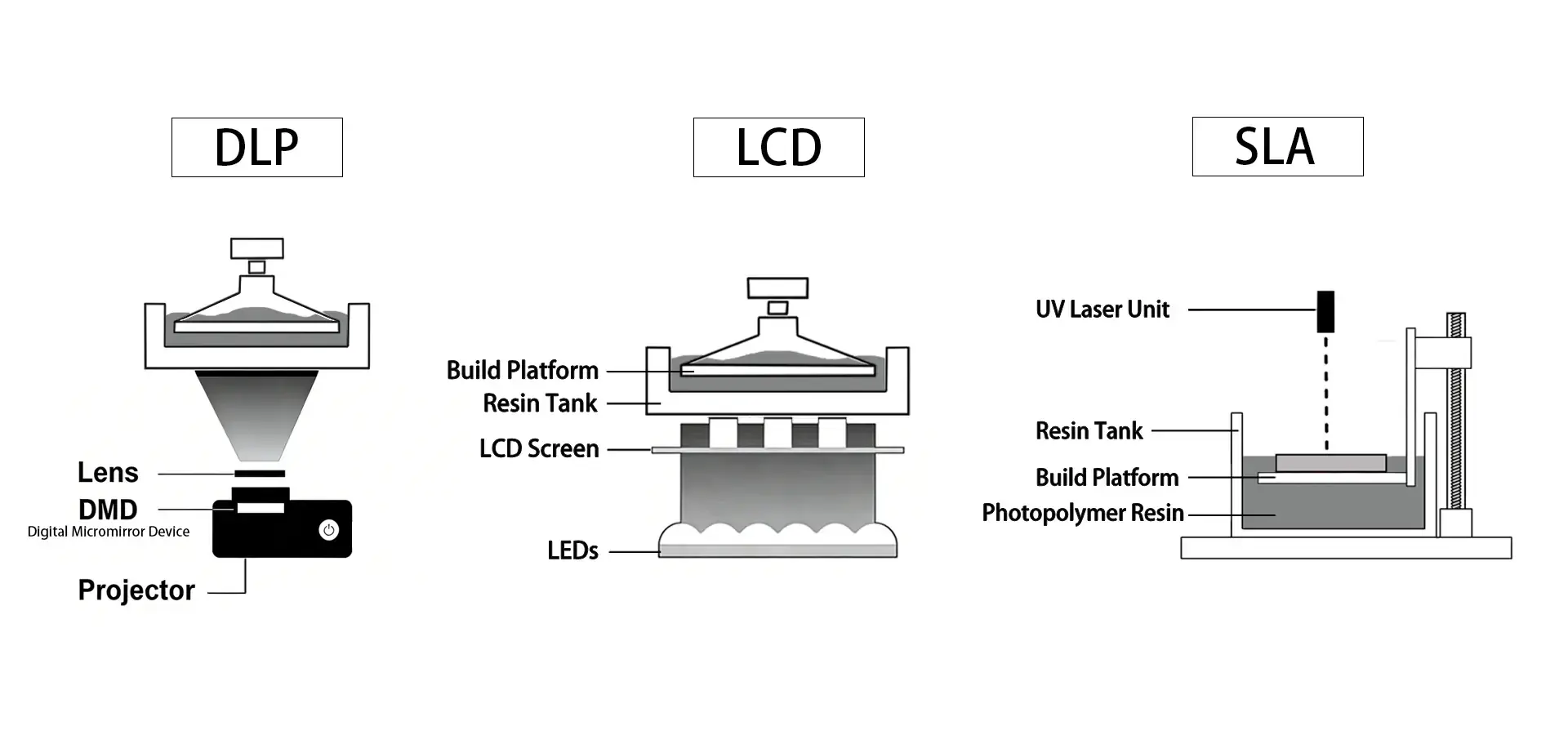
Stereolithography (SLA) uses a focused laser to cure resin point-by-point, offering unmatched precision and smooth surfaces comparable to injection-molded parts. Industrial SLA systems can achieve micron-level XY and Z resolution, making them ideal for aerospace, medical, and high-end engineering applications. Digital Light Processing (DLP) exposes entire layers at once, providing faster build times suitable for dental labs or small-batch production. Masked Stereolithography (LCD) uses LEDs under an LCD mask to cure layers, offering an affordable solution for small-scale prototyping, though with slightly lower precision than industrial SLA. Each technology has its own benefits. For example, SLA is great for precision engineering because it keeps dimensions stable, DLP is great for dental group production because it's fast, and LCD systems are easy to use for small-scale operations without losing quality.
The Speed-Accuracy Relationship
Print speed has a significant impact on layer bonding and the degree of polymerization of the resin. When contact times are cut short to speed up the process, not enough cross-linking can happen, which can damage the mechanical qualities and cause differences in dimensions. On the other hand, slower speeds and longer exposure times make sure that the resin cures completely, which leads to better bonding between layers and tighter standards. When printing complicated shapes with overhangs, hollow sections, or micro-features smaller than 200 microns, this connection becomes very important. Knowing how these two things work together lets technical teams adjust settings based on the needs of the application, like making the most of daily output for testing batches or making sure that aircraft parts are certified to be accurate.
Comparative Analysis: High-Resolution Printer Speed vs Standard Printers
Performance Benchmarks Across Technologies
Standard FDM printers operate at speeds of 50 to 150 mm/s with layer heights of 100 to 200 microns, making them suitable for concept models or functional prototypes where extreme detail is not critical. A high-resolution 3D printer that uses resin technology, on the other hand, can achieve XY precision of 25 to 50 microns and layer heights of 10 to 25 microns. This means that it can print details that filament-based systems can't physically record. This difference in precision is clear in tasks like dental crown modeling, where margin line accuracy within 30 microns is crucial for clinical success, or jewelry casting masters that need ash-free burnout and a smooth surface that doesn't need any extra cleaning.
Industry-Specific Application Requirements
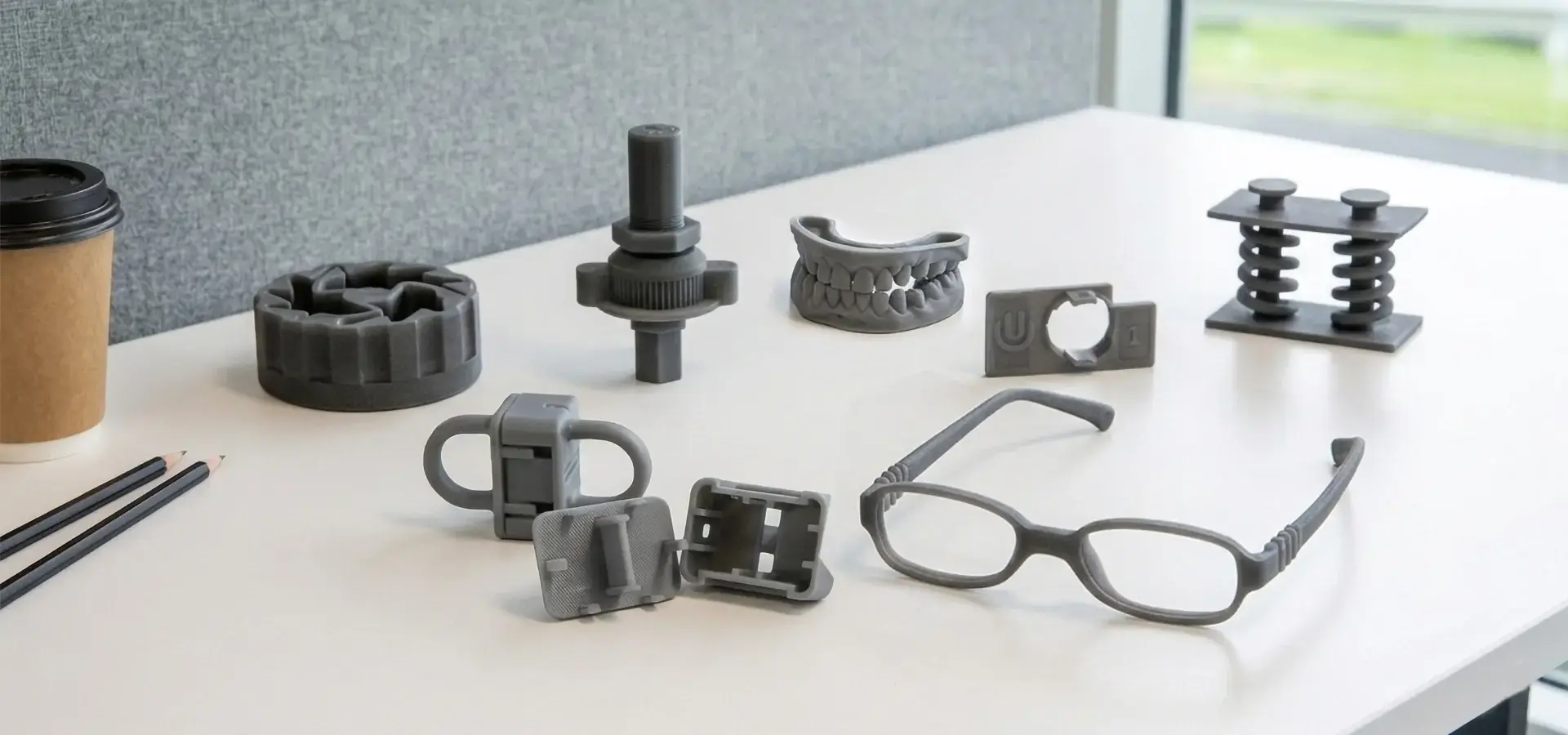
Dental labs that process 20 to 50 models every day try to be as fast as possible without sacrificing the important fit limits that affect how well patients do. DLP systems that meet this need can finish build cycles in 45 to 90 minutes while keeping the clarity needed for accurate surgery guides. For aerospace prototyping, optimization is different. Parts with internal channels, lattice structures, or mounting surfaces need to be completely stable in terms of size and quality of material, even if each build takes several hours. Consumer electronics teams working on housings for wearable tech need to be able to make changes quickly. They do this by using LCD technology, which can print in large batches overnight while still maintaining the quality of the surface needed for client shows.
Cost-Time-Quality Triangle
In the end, choices about procurement have to balance three different factors. Speeding up the printing process lowers the cost per part and cuts down on wait times. However, if the limits are pushed too far, it may lead to more failures and more wasted materials. Getting the most accurate results takes longer to make and costs more in resin formulations, but it gets rid of the need for expensive post-processing and part rejects. The key is to make sure that the tools you use can handle the tolerances you need. Spending too much on precision that you don't need drives up costs, and not defining enough resolution leads to quality problems that get worse over time.
Optimizing High-Resolution 3D Printer Settings for Best Performance
Critical Calibration Parameters
Systematically calibrating the exposure time, layer height, and peeling force settings is needed to get uniform results across production runs. The amount of resin polymerization is directly related to the exposure time. Layers that aren't exposed long enough become rigid and don't stick well, while layers that are exposed for too long lose their shape and details. Choosing the right layer height balances the smoothness of the surface with the time it takes to build. For example, 25-micron layers give exposed areas a great finish, while 50-micron settings speed up the building of structural parts where looks don't matter as much. Adjusting the peeling force stops delamination failures during the separation cycle. This is especially important when printing big cross-sections or using engineering resins with high viscosity.
Advanced Hardware Features
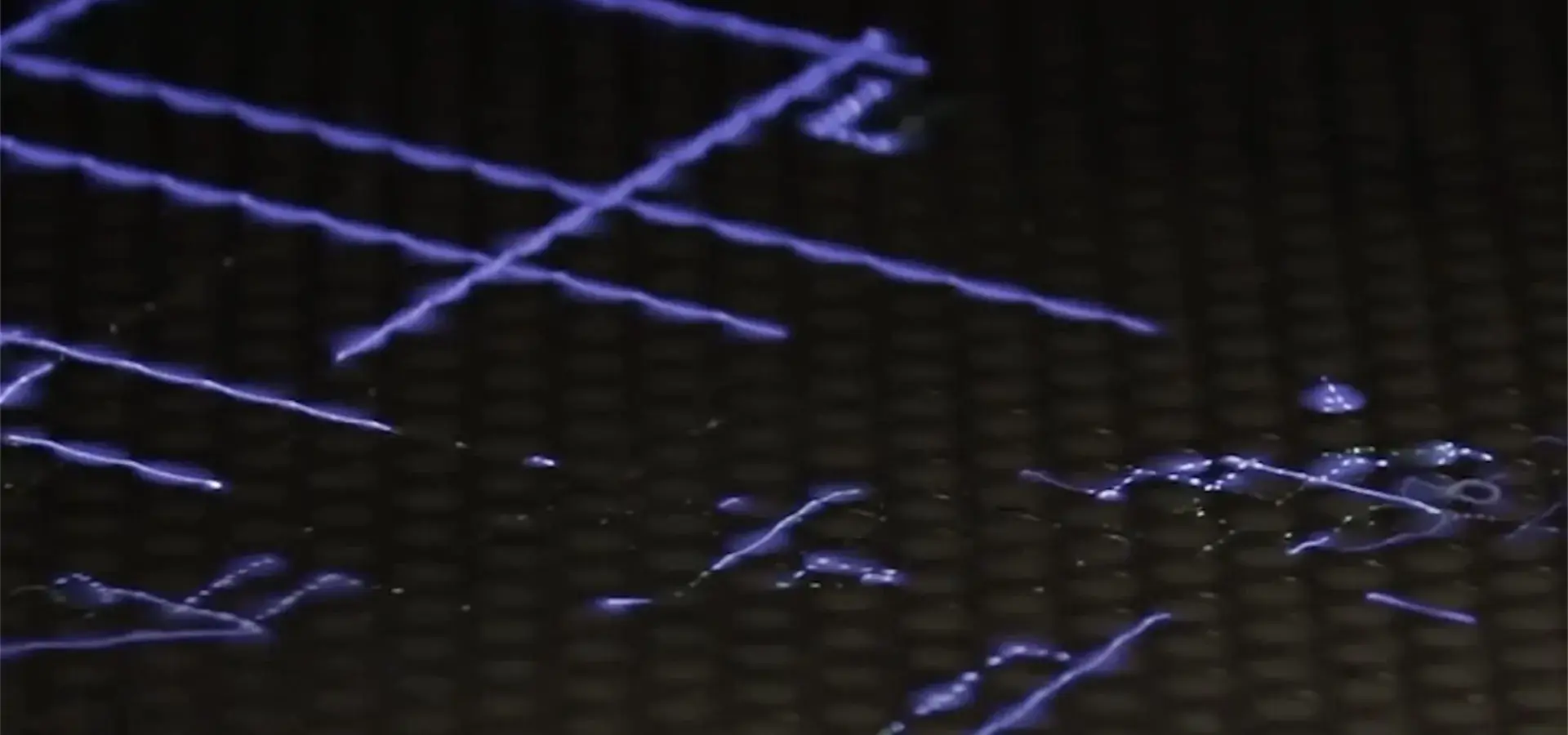
There are parts in modern systems that make the speed-accuracy relationship much better. During printing, variable spot-size laser technology changes the width of the beam on the fly. Larger spots are used for solid filling to speed up the process, and fine beams are switched to do detail work along edges and features. AI-optimized scanning paths cut down on unnecessary moves and keep heat stress from building up, which can cause warping, to a minimum. In industrial SLA systems, linear rail Z-axis setups minimize mechanical wobble, ensuring layer-to-layer accuracy within a few microns even across complex builds. Variable spot-size laser technology and AI-optimized scanning paths further enhance both speed and precision, capabilities that DLP or mSLA systems cannot fully replicate. These improvements to hardware let machines work faster while still keeping the tight limits needed for accurate tasks.
Software Optimization Tools
Slicing software is also very important for finding the right balance between speed and quality. Adaptive layer thickness methods change the Z-resolution automatically based on the shape of the model. They use bigger layers for vertical walls to save time and thinner layers for curved surfaces that need smooth edges. By optimizing the support system, less material is used, and less work is done after the fact, and parts are not damaged during removal. Auto-calibration processes take into account things like changing temperatures and the aging of resin, so output stays the same over multiple days of production without any help from a person.
Choosing the Right High-Resolution 3D Printer for Your Business Needs
Assessing Your Production Requirements
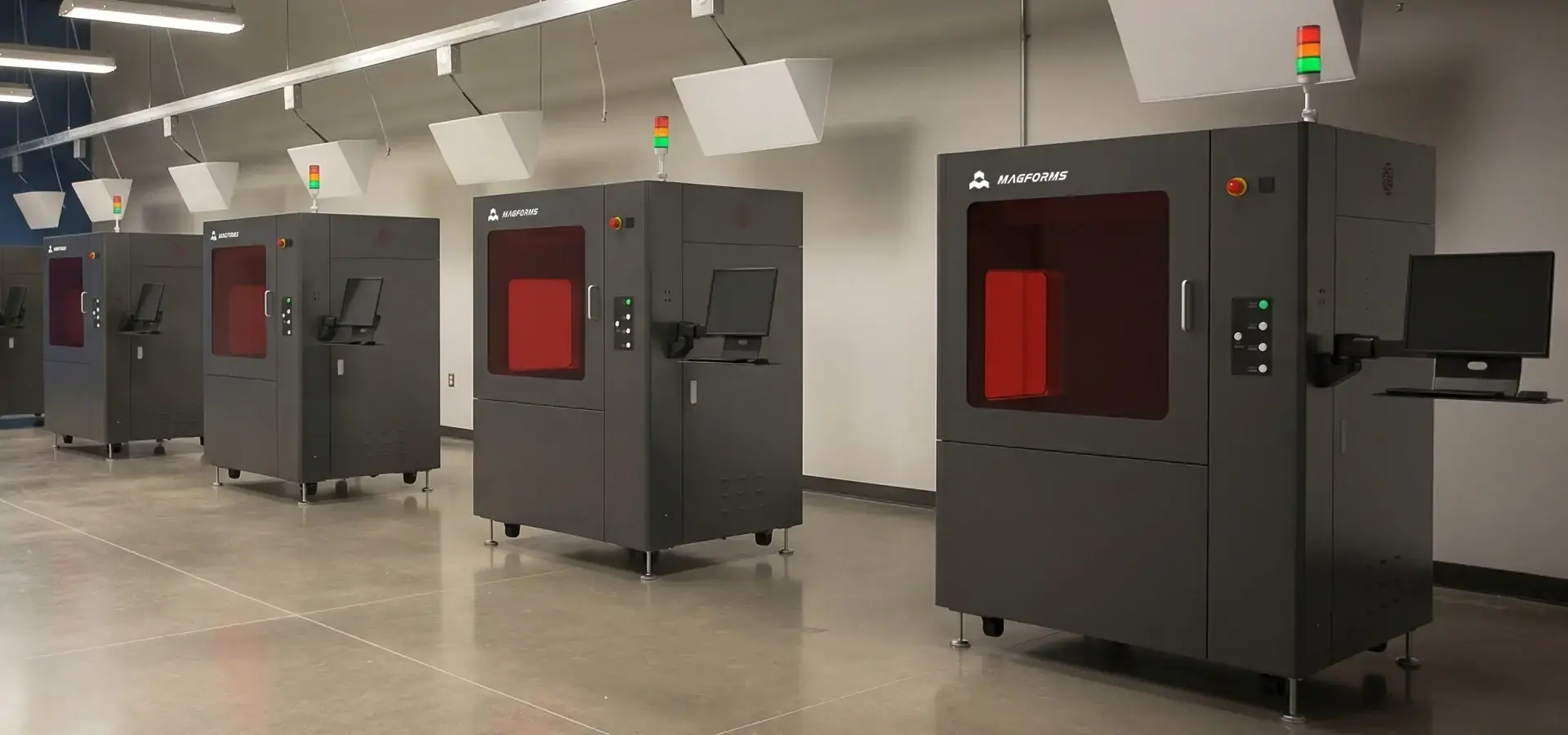
Start by putting numbers on your real needs instead of your ideal skills. Figure out how many parts you need to make each month, the average size of a build, and the tolerances that are needed for your normal uses. A dental lab that makes 200 models a month needs different tools than an aircraft supplier that checks 10 complicated parts every three months. Make a list of the materials you need, like safe resins for medical uses, jewelry-making formulas that can be cast, or high-temperature industrial plastics for testing cars. This evaluation keeps you from spending too much on capacity that you don't need and too little on equipment that slows down production within months of being installed.
Evaluating Manufacturer Capabilities
Leading brands offer unique value packages that fit a range of business types. Formlabs offers polished ecosystems with large material sets and streamlined processes that are good for teams that want things to be easy to use and produce regular results. Elegoo and Anycubic offer low-cost entry points that are compatible with open materials. This makes them appealing to startups that are on a tight budget but are willing to put in the time to build their processes. Prusa puts a lot of emphasis on dependability and community help for technical users who are happy optimizing their devices by hand. Aside from the brand's name, you should also look at practical factors such as the availability of local service, spare parts, how often the software is updated, and how well it works with your current digital processes.
Total Cost of Ownership Considerations
The purchase price is only one part of an investment's long-term value. Find out how much the material costs per liter and guess how much you'll use in a year based on how much you make. Specialty plastic systems may have price increases of 40 to 60 percent that add up over the years of use. Take into account the need for upkeep, such as new tanks, light sources, and tuning services. The amount of energy a system uses changes a lot; the difference between a system that uses 150W and one that uses 400W has a big effect on the running costs for continuous production schedules. Warranty terms and service reaction times have a direct effect on uptime. Equipment that isn't being used while it's being fixed for weeks at a time ruins production plans and hurts customer trust.
Why Magforms Delivers Comprehensive Value?
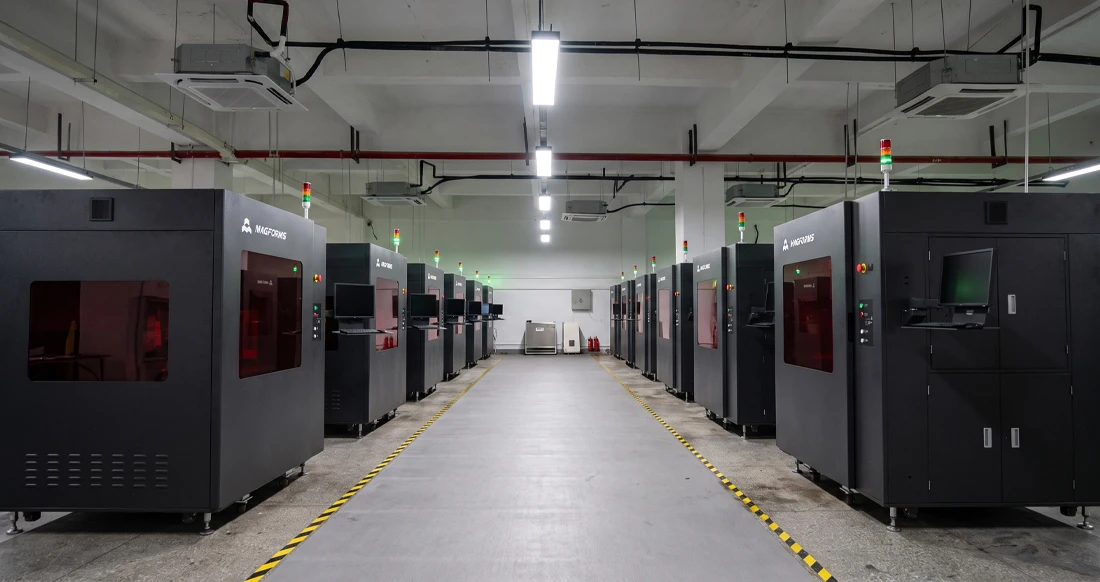
Magforms has solved the main problems that precision makers face by combining materials and tools in a way that makes compatibility decisions easy. Our systems print over 30% faster than the average in the industry by using variable spot-size laser technology and AI-optimized scanning lines. This cuts down on the time it takes to get important samples to market. At the same time, our micron-level accuracy—proven by thousands of hours of continuous operation testing—ensures that parts meet the standards needed for aircraft, medicine, and cars without having to go through expensive secondary machining.
The deep tuning between our own resins and hardware is what makes our solutions stand out. This combination gets rid of the size differences, print flaws, and unplanned downtime that happen when third-party materials are mixed with standard equipment. Our technical support team has years of experience working with dental, jewelry, engineering, and consumer electronics applications. They can help you with testing, material selection, and process fixing so that your production runs smoothly. We've shown that we're dedicated to providing reliable, high-performance solutions that can grow with your needs by getting 22 patents for our innovations and having over 300 businesses around the world rely on our technology.
Future Trends and Innovations in High-Resolution 3D Printing
Emerging Technologies Reshaping Production
Traditional workflow bottlenecks are being eliminated by hybrid production systems that combine additive and subtractive processes on a single platform. These all-in-one solutions print complicated shapes that can't be machined and then use precise CNC operations on important areas that need to be within very tight limits or have a certain finish. This method shortens the time it takes to make something while still meeting the standards for size control that controlled businesses require. New developments in material science are opening up more uses. For example, new resin chemistries offer properties that were only possible with injection molding before, like resistance to high temperatures above 200°C HDT, chemical resistance for harsh environments, and mechanical strength close to that of engineering thermoplastics.
AI-Driven Process Optimization
Machine learning techniques are changing how systems balance speed and accuracy during builds in real time. To get the best results, predictive models look at geometric complexity, material features, and environmental factors to change exposure times, support placement, and scanning techniques on their own. These smart systems learn from the thousands of successful builds they see to find failure-prone situations before they happen. They then suggest changes to parameters that make it more likely that the first attempt will work. Real-time tracking finds problems like missing layer curing or adhesion failures right away, stopping builds to avoid waste and letting problems be fixed right away instead of finding failures after hours of printing while not being watched.
Preparing for Next-Generation Equipment
Businesses that plan their purchases strategically can take advantage of new technologies without having to buy things that are out of date too soon. Give more weight to systems that have parts that can be upgraded, like light engines that can be replaced, build sizes that can be increased, and software-defined features that get new features through updates instead of hardware replacement. Build partnerships with manufacturers that consistently spend in research and development (R&D) and have a long-term presence in the market. This will ensure that you have access to help and materials throughout the lifecycle of your equipment. Think about modular designs, which let you add units to increase capacity instead of changing whole systems. This way, you can protect your initial investments while expanding to meet growing demand.
Conclusion
In high-resolution 3D printer technology, the debate over speed vs. accuracy is settled not by finding a middle ground but by aligning strategies. Procurement teams can choose equipment that gives real business value when they know how resolution requirements, technology choices, and optimization methods work together. Whether you're interested in fast prototyping, high-precision certification, or low-cost small-batch customization, making sure that the system's capabilities meet the needs of the application is the best way to make sure that your investment gives you a competitive edge instead of practical frustration. Staying up to date on changes in the industry and keeping relationships with flexible makers will help your company continue to be successful in precision manufacturing as technologies and material science improve.
FAQ
How does increasing print speed affect resolution quality in high-resolution 3D printers?
When you speed up the print, the contact time per layer goes down. This can cause the glue to polymerize too quickly and the bonds between layers to become weaker. This shows up as lower tensile strength, wrong measurements, and flaws on the surface of the final parts. Different technologies have different effects. For example, DLP systems, which expose entire layers simultaneously, can maintain quality at higher speeds compared to point-scanning SLA systems. Finding the speed limits at which quality starts to decline is part of strategic optimization. Next, you have to adjust the settings to get the most flow while staying within the acceptable error ranges for your high-resolution 3D printer application.
What materials achieve maximum accuracy in high-resolution resin 3D printing?
When it comes to accuracy, low-viscosity engineering resins made for precise uses always work better than normal formulas. When printed, these materials move easily, which lowers the peeling forces that can cause layers to shift. When they cure, they shrink very little, which keeps the dimensions stable. Ceramic-filled resins are ideal for dental and jewelry applications requiring high thermal stability while still maintaining good fine detail reproduction. On the other hand, clear resins need to be carefully exposed so that they don't overcure and deform fine details. When choosing materials, they should meet both the needs for accuracy and the post-curing processes. For example, some formulations don't get their final mechanical qualities until they go through thermal treatment cycles, which need to be taken into account when planning production schedules for your high-resolution 3D printer.
Should I prioritize speed or accuracy when selecting equipment for my business?
This choice relies on the circumstances of your production and the high standards you need to meet. To make sure the models fit correctly, dental labs that work on patient-specific models must be accurate to within 30 microns. This means that accuracy can't be compromised, even if it means builds take longer. Prototyping companies that work with consumer electronics clients can get parts made faster, which speeds up design changes. Parts used for idea validation rather than functional testing can have a little less detail. Many businesses find it useful to have machines with profile-based settings, like "high quality" modes for final parts and "draft" modes for internal verification. This lets them fit the output characteristics to their current needs without having to keep different machines.
Partner with Magforms for Precision Manufacturing Excellence
There is a lot to know about choosing a high-resolution 3D printer that goes beyond reading spec sheets. Magforms specializes in industrial SLA 3D printers, offering systems that balance speed and micron-level accuracy. Our SLA solutions excel in precision-critical applications like aerospace, medical devices, and engineering prototypes. Our integrated hardware-software approach ensures reliable performance, faster production, and consistent quality across thousands of layers. Our materials and tools that work together offer 30% faster production speeds without losing the micron-level accuracy that your applications need. We also offer full technical support to make sure that our products work seamlessly with your current workflows.
We know how hard it is for buying teams to manage vendor relationships, stick to budgets while still meeting quality standards, and make sure that the equipment gives the promised return on investment (ROI). That's why we offer honest advice, helping you figure out what you really need instead of pushing features you don't need. Our methods have been used successfully in a wide range of situations, from making surgical guides to precision casting masters, by more than 300 companies around the world. These companies work in the dental, aerospace, automobile, and consumer electronics industries.
Find out how Magforms' tried-and-true technology, which is backed by 22 patents and skilled technical teams, can change the way you make things. You can get help from our experts whether you're looking for a dependable high-resolution 3D printer maker, comparing suppliers for large-scale deployment, or looking into high-resolution 3D printer for sale options that balance performance with price. Email us at info@magforms.com to talk about your particular needs, get full technical specs, or set up equipment demonstrations that show how it works in the real world with your own parts and materials.
References
1. Gibson, I., Rosen, D., & Stucker, B. (2021). Additive Manufacturing Technologies: 3D Printing, Rapid Prototyping, and Direct Digital Manufacturing (3rd ed.). Springer International Publishing.
2. Lipson, H., & Kurman, M. (2019). Fabricated: The New World of 3D Printing. John Wiley & Sons.
3. Ligon, S. C., Liska, R., Stampfl, J., Gurr, M., & Mülhaupt, R. (2017). Polymers for 3D Printing and Customized Additive Manufacturing. Chemical Reviews, 117(15), 10212-10290.
4. Quan, Z., Wu, A., Keefe, M., Qin, X., Yu, J., Suhr, J., Byun, J. H., Kim, B. S., & Chou, T. W. (2015). Additive Manufacturing of Multi-Directional Preforms for Composites: Opportunities and Challenges. Materials Today, 18(9), 503-512.
5. Stansbury, J. W., & Idacavage, M. J. (2016). 3D Printing with Polymers: Challenges Among Expanding Options and Opportunities. Dental Materials, 32(1), 54-64.
6. Tofail, S. A., Koumoulos, E. P., Bandyopadhyay, A., Bose, S., O'Donoghue, L., & Charitidis, C. (2018). Additive Manufacturing: Scientific and Technological Challenges, Market Uptake and Opportunities. Materials Today, 21(1), 22-37.

Magforms makes design and manufacture easier.
Popular Blogs
-
 Industry InsightsManufacturing Industry
FDM vs. SLA Printer: Which Technology Is Right for Your Project?
-
 Industry InsightsManufacturing Industry
Top 5 Applications of Industrial 3D Printers in Manufacturing Today
-
 Industry InsightsManufacturing Industry
Why Stereolithography 3D Printers Are Unmatched for Microfluidic Device Prototyping?