How to Improve Print Accuracy with an Industrial SLA 3D Printer
To improve the accuracy of an Industrial SLA 3D Printer, manufacturers need a systematic approach that includes precise equipment calibration, proper photopolymer resin selection, environmental control, and preventive maintenance. Modern industrial stereolithography (SLA) technology systems can achieve highly accurate dimensional control at the micron level when optical calibration, laser scanning accuracy, motion control, and resin processing parameters are properly optimized. Choosing systems equipped with high-quality galvanometer scanners and low-shrinkage photopolymer resins helps reduce dimensional deviation, minimize rework, and improve production efficiency. Manufacturers in aerospace, automotive, dental, and consumer electronics industries can use Industrial SLA 3D Printer systems for functional prototypes, assembly verification, tooling validation, and selected end-use applications when accuracy requirements are properly matched with material and process capabilities.
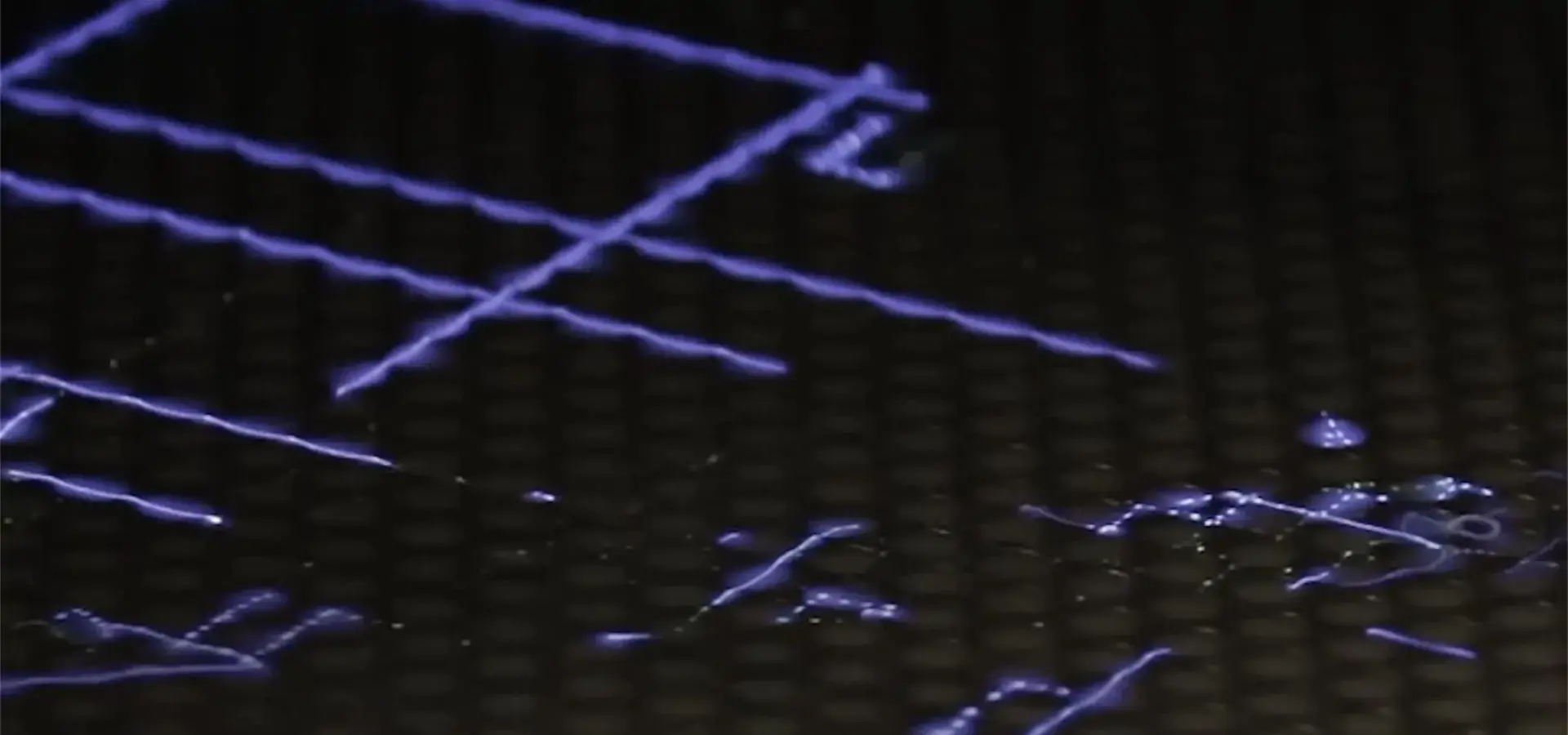
Understanding Print Accuracy Challenges in Industrial SLA 3D Printing
Print precision measures how closely a manufactured part fits its original CAD design in terms of both size and shape. In industrial stereolithography, standard deviations run from ±0.1 mm for parts smaller than 100 mm to ±0.1% × L for parts bigger than 100 mm. It is important to meet these standards when making surgical guides, precise samples for cars, or aerospace connections, because even small variations can cause failures or rejections by regulators.
A number of things make stereolithography processes less accurate. When galvanometer mirrors are not properly calibrated, laser scanning distortion may increase toward the edges of the build area, causing dimensional errors and reduced feature accuracy. Inconsistencies in the resin, such as changes in viscosity caused by changes in the surrounding temperature, affect how the layers cure and add stress inside the resin. Environmental factors such as dust contamination can affect optical components and laser energy delivery, while temperature and humidity variations may influence resin behavior and dimensional stability. Dimensional drift can also result from incorrect build orientation, insufficient support strategies, or inappropriate slicing parameters that increase deformation during printing.
These mistakes have real-world financial effects. Rejected parts lose more materials and take longer to create. Service bureaus risk losing their good name when customer orders don't match up in terms of size. When procurement workers know these root causes, they can look at equipment specs more critically and choose systems that are built to reduce these risks from the start.
👉 Industrial SLA 3D Printer types and solutions
Key Factors Affecting Print Accuracy and How to Optimize Them
For the best print precision, the tools, materials, process factors, and environmental controls must all be optimized at the same time. Each part does its own thing to make sure that the parts that come out of the build room meet very strict size requirements.
Hardware Precision and Calibration
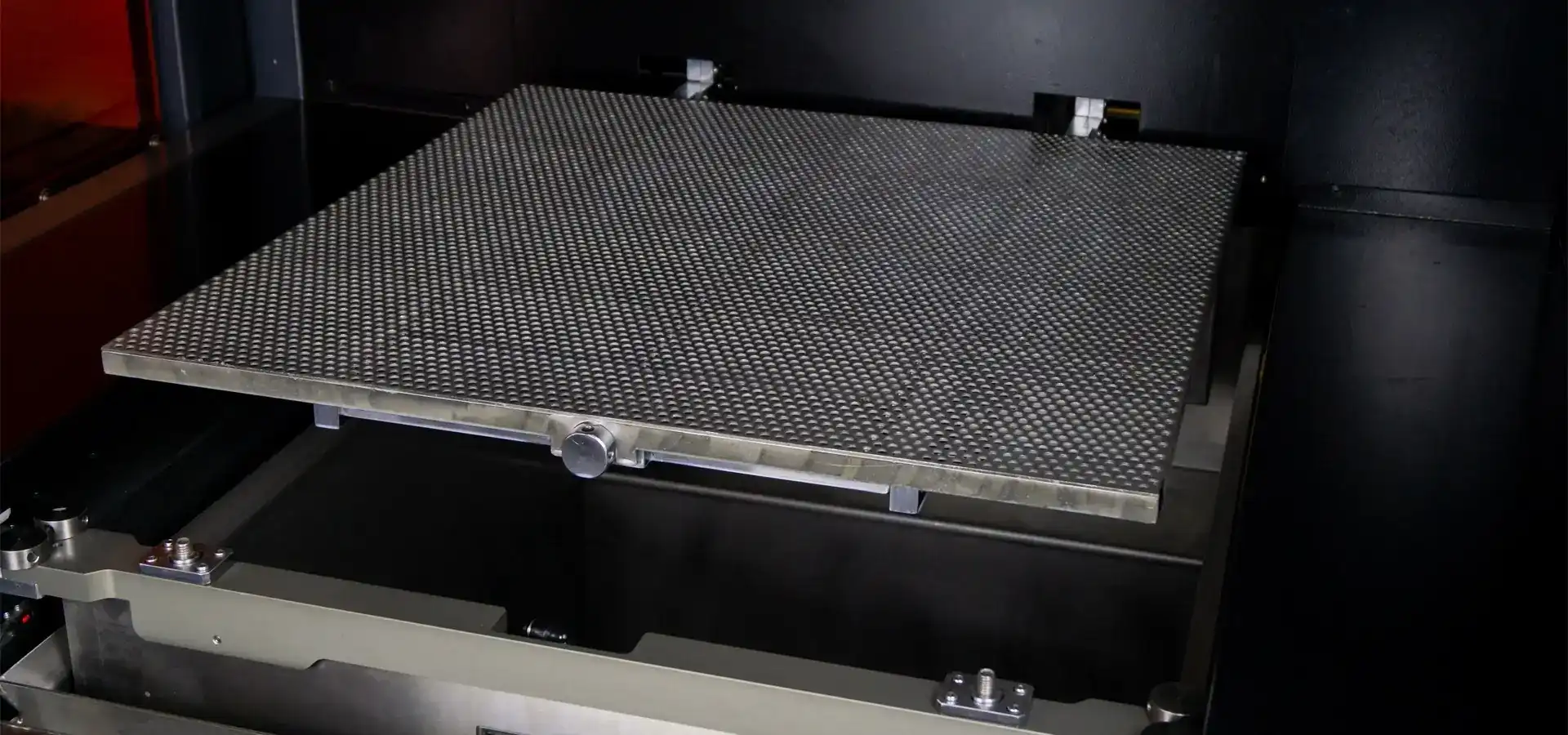
Laser sharpness and galvanometer accuracy are the building blocks of accurate stereolithography. When high-precision galvanometer scanners, such as Scanlab systems, are combined with reliable laser sources, they provide stable beam positioning and consistent energy delivery across the build area. This lowers the irregular distortion that leads to measurement mistakes. Panasonic servo motors provide high repeatability for platform movement, supporting accurate layer positioning under controlled operating conditions. This makes sure that each layer lines up perfectly with the one below it. Low-expansion marble bases and high-flatness mesh plates—with flatness levels ranging from 0.2 mm on small systems to 0.5 mm on large-format machines—help keep the build platform stable during long print sessions.
As part of regular calibration, the laser power must be checked, the mirrors must be lined up correctly, and the build plate must be leveled. Without regular testing, even high-quality parts slowly deviate from the specs, which lowers the quality of the part without being noticed.
Material Selection for Tight Tolerances
Resin chemistry and material formulation have a significant impact on dimensional accuracy and part stability in industrial SLA printing. Low-shrinkage resin formulations help reduce volumetric changes during polymerization, improving dimensional stability and reducing the risk of warping, especially for larger parts. Resin viscosity affects recoating performance and layer consistency. Excessively high viscosity can slow resin leveling and increase the possibility of surface defects or incomplete layer formation. Manufacturers can select application-specific photopolymer materials, such as transparent resins for optical prototypes, high-temperature resins for automotive engineering components, and flexible materials for functional seals or elastomer-like parts. Open material systems can provide greater flexibility by supporting a wider range of qualified industrial resins, depending on the machine's wavelength and process requirements.
Print Parameters and Software Optimization
Layer thickness and exposure settings in an Industrial SLA 3D Printer require a balance between resolution, dimensional accuracy, and production efficiency. Thinner layers catch finer geometric features but take longer to build; too much exposure causes lateral overcuring, which makes walls thicker than intended. Variable laser spot technology can help optimize this balance by adjusting beam size according to different printing requirements. It uses spots that are 0.5–0.6 mm wide for fast infill scans and 0.15–0.2 mm narrow for contours and supports. Compared to fixed-spot systems, this method speeds up printing by 30–50% without losing the clarity of the edges.
The way software is sliced has a direct effect on how accurate it is. The right direction of the part reduces the number of support contact points that need to be removed after processing, which protects the surface. Adaptive support structures spread out mechanical loads while printing, which keeps overhead parts from deforming. Some advanced slicing solutions use grayscale exposure control or other compensation methods to improve surface quality and reduce visible stair-stepping on curved geometries.
Environmental Control and Maintenance
As dust builds up on optical parts, it spreads laser energy, making curing patterns that aren't regular. Changes in temperature and humidity can influence resin viscosity, curing behavior, and printing consistency during long production cycles. Temperature changes make structural parts expand, which can cause precision systems to not line up properly. Industrial-grade systems address these risks through controlled operating environments, optical protection systems, and UV-resistant covers that prevent unwanted external light exposure.
Regular maintenance plans should include cleaning the glasses with lint-free cloths, inspecting the resin vat or material handling components for contamination, wear, or optical transmission issues, and greasing the HIWIN linear guides. Not doing these things speeds up the wear on parts, making it harder for the machine to keep micron-level standards.
Comparing Industrial SLA to Other 3D Printing Technologies for Precision
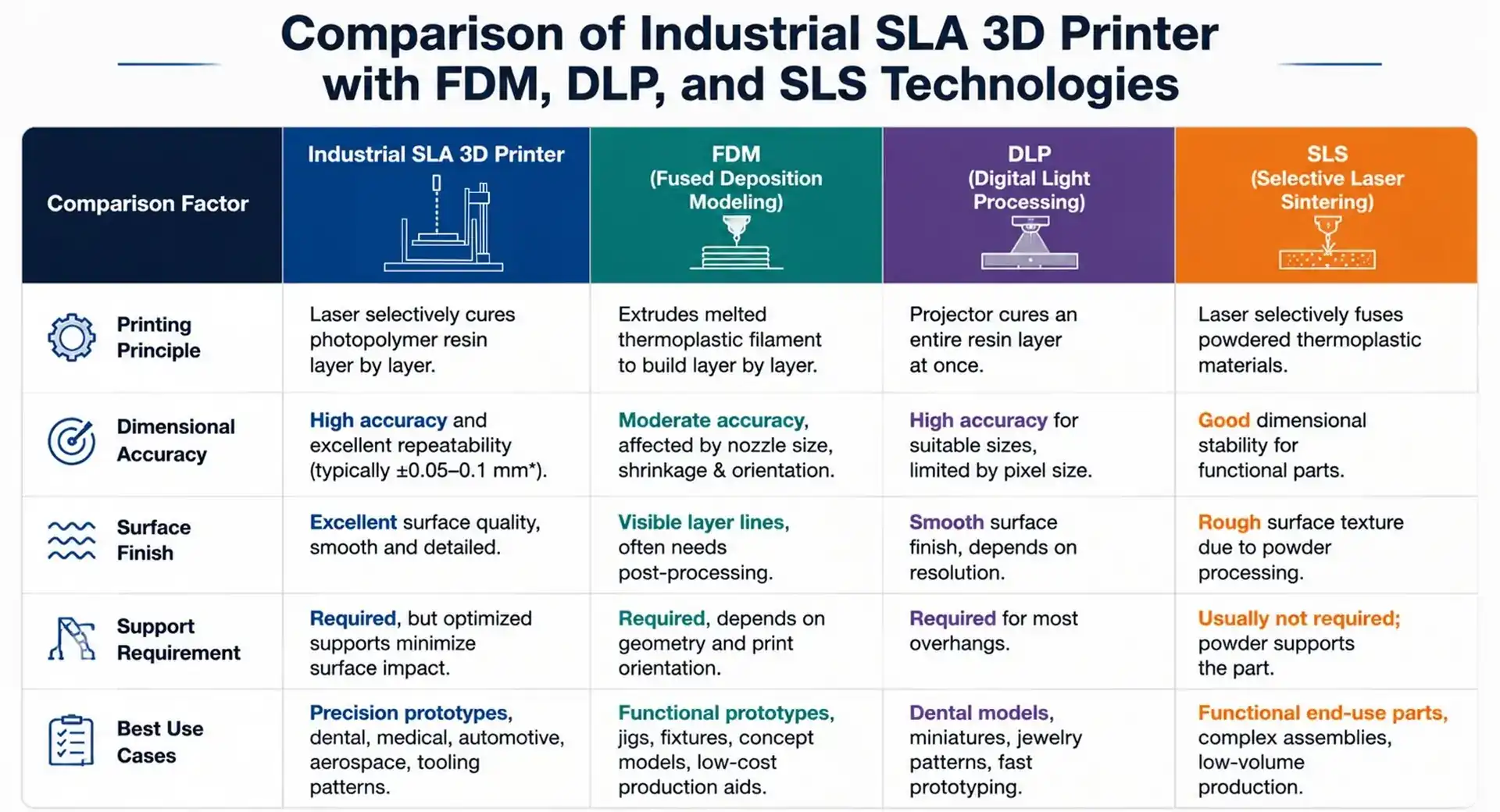
Industrial stereolithography stands out because it provides excellent surface quality and strong dimensional accuracy for precision applications. This makes it the best choice for situations where tight specs and a nice finish are needed. Procurement teams can make smart investment choices when they know how it compares to other additive technologies.
SLA vs. FDM
Fused Deposition Modeling (FDM) is widely used for functional prototypes, jigs, fixtures, and low-cost validation parts. However, because it builds parts through material extrusion, surface finish and dimensional accuracy can be affected by layer height, nozzle diameter, thermal shrinkage, and printing orientation. Industrial SLA systems typically provide smoother surface finishes than extrusion-based processes, making them suitable for applications requiring detailed features, visual prototypes, and reduced post-processing requirements.
SLA vs. DLP and SLS
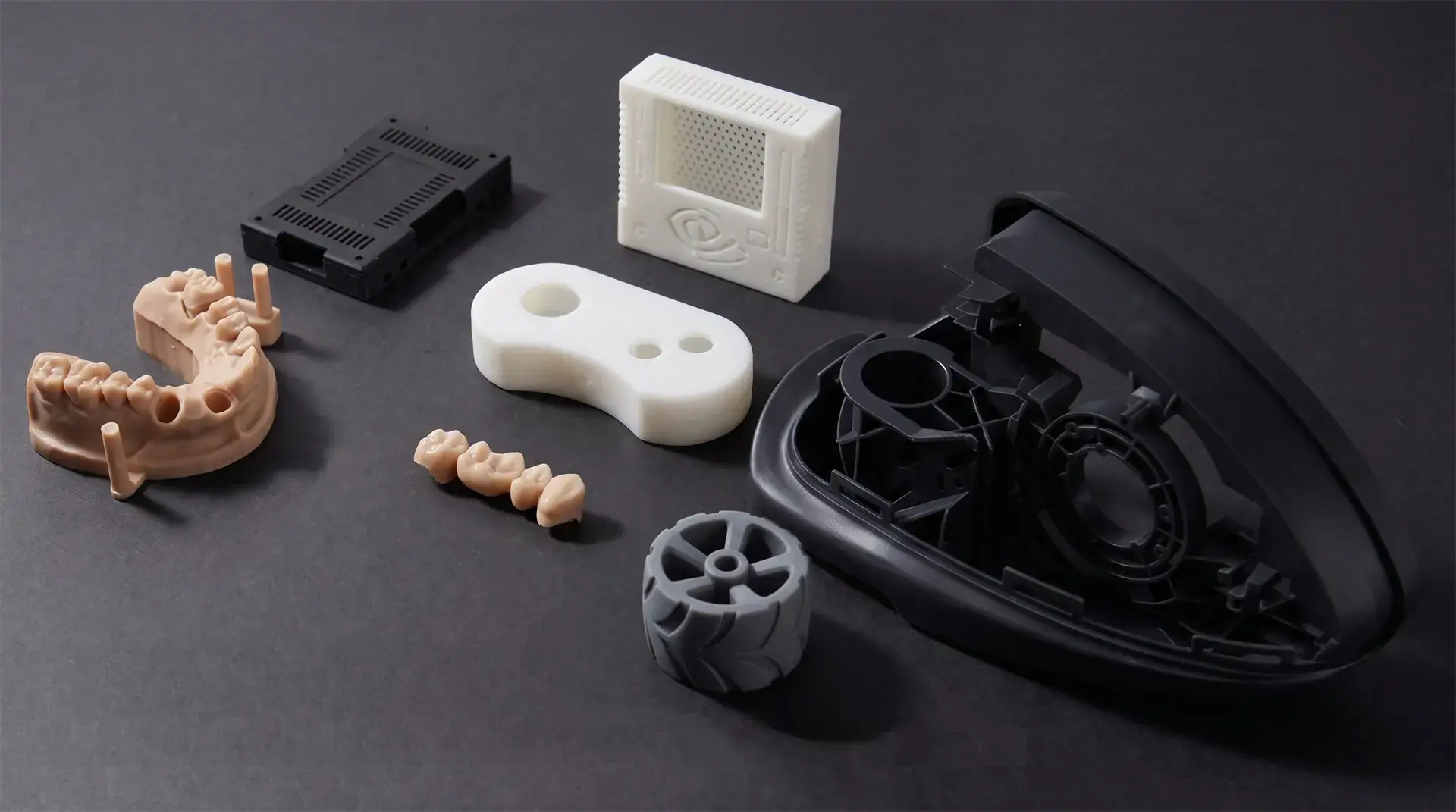
Digital Light Processing (DLP) technologies cure entire layers simultaneously, which can provide high productivity for suitable applications. However, pixel resolution, optical design, and build area scaling can influence feature accuracy across larger platforms. Selective Laser Sintering (SLS) is well suited for functional thermoplastic parts without support structures, although its powder-based process typically produces a different surface texture compared with SLA and may require finishing depending on the application. Speed, resolution, and the ability to work with a wide range of materials are all well-balanced in industrial SLA, which is important for making dental arch models, dashboard designs for cars, and housings for flight connectors.
Compared with injection molding, stereolithography provides advantages for low-volume production and rapid design iteration when expensive tooling is not justified. Manufacturers can easily and affordably move from testing to low-volume production with production-grade SLA systems.
Proven Strategies and Technologies to Enhance SLA Print Accuracy
To get the most accurate results, you need to use both organizational best practices and the technological improvements built into current tools. These tactics have been shown to work in businesses that need exact measurements all the time.
Advanced Calibration Routines
Precision calibration patterns for Industrial SLA 3D Printer systems can be used to evaluate laser positioning accuracy, scan field distortion, and dimensional consistency across the build area. Multi-point height measurements help verify build platform alignment and ensure consistent layer positioning throughout the printing process. Maintaining precise mechanical alignment of the build platform and resin management system helps minimize layer thickness variation, which can contribute to Z-axis dimensional errors.
These processes are made easier by automated calibration tools. Self-learning scanning systems keep improving print paths based on old build data. This makes them faster and more accurate over time by up to 20% compared to basic methods.
Resin Technology Advances
Advanced photopolymer formulations can incorporate improved toughness, reduced shrinkage, and stress-control characteristics to minimize deformation during curing, which keeps complex shapes from warping too much. Dimensionally stable resin formulations help maintain more consistent part performance under changing temperature conditions, which is important for parts that will be thermally cycling during their service life. Transparent resin formulations are increasingly used for optical prototypes, visualization models, and applications requiring light transmission properties. These include optical modeling and light-pipe production.
Real-Time Monitoring and Adaptive Feedback
Combining thermal monitoring, optical inspection, and process sensors can help detect abnormal conditions during printing before they affect final part quality. When process deviations occur, such as resin level changes or laser power fluctuations, adaptive control systems can adjust selected parameters to maintain printing stability. This helps reduce the risk of defects continuing into subsequent layers. This closed-loop control makes the accuracy between production runs a lot better.
Real-world Industrial SLA applications in dental and automotive manufacturing demonstrate that these tactics work. In aerospace applications, precision stereolithography can help reduce material waste by improving first-time-right production and minimizing prototype iteration cycles. With variable spot technology, which speeds up the making of panel parts without affecting fit tolerances, automotive development teams can shorten validation cycles by using SLA prototypes for faster design evaluation and functional testing. By combining open material systems, optimized dental resins, and controlled printing environments, dental laboratories can improve production consistency and first-pass success rates.
Maintenance and Troubleshooting to Sustain High Print Accuracy
To keep accuracy at its highest level, upkeep must be done proactively, and problems must be solved in a planned way. For machinery that is used for industrial production 24 hours a day, seven days a week, it needs organized care to keep its mechanical and optical accuracy over thousands of hours of use.
Comprehensive Maintenance Checklist
Laser energy loss due to dust building up on mirrors and lenses can be avoided by cleaning the optics regularly. Lubrication plans for linear motion parts keep them from binding, which can throw off the orientation of the layers. Audits of electrical connections find loose leads before they cause problems that happen from time to time.
Component replacement intervals for Industrial SLA 3D Printer vary by usage intensity. Industrial solid-state lasers typically provide long operating lifetimes, although actual service life depends on operating conditions, power settings, and maintenance practices. Galvanometer mirrors and motors rarely break down in systems that use Scanlab and Panasonic parts, but regular proof testing makes sure that the performance standards are still being met.
Diagnostics for Common Defects
Often, layers aren't lined up right because the build platform isn't mounted properly or the Z-axis lead screws are worn out. Incomplete curing may result from insufficient exposure energy, incorrect process parameters, degraded resin properties, optical contamination, or improper material handling. When big solid parts cool unevenly, internal stresses build up and cause warping. Strategic hollowing and draining holes help stop this from happening.
Motion control algorithms and slicing logic get major gains from firmware and software changes. Manufacturers like Magforms put out updates that fix problems found in the field. This way, the equipment's capabilities are always being improved without having to change the gear. By keeping up with these versions, you can get the newest improvements to accuracy.
Well-maintained equipment minimizes unplanned downtime—a critical concern for service bureaus operating on tight delivery schedules. The combination of premium components and disciplined upkeep extends machine lifespan while preserving day-one accuracy levels throughout the equipment's service life.
Conclusion
To make an Industrial SLA 3D Printer print more accurately, you have to carefully choose the right tools, material chemistry, process settings, environmental controls, and servicing habits. Systems that use high-precision parts like Scanlab galvanometers, Panasonic servos, and AOC lasers, along with variable spot technology and temperature-controlled rooms, can regularly get tolerances of a few microns. Open material systems and low-shrinkage resin options can expand application flexibility while helping manufacturers optimize material selection for different production requirements. Accuracy is maintained over long production runs with strict calibration processes, real-time tracking, and preventative maintenance. Manufacturers and procurement professionals can safely choose stereolithography solutions that produce reliable, high-fidelity parts that meet the strict needs of the aerospace, automotive, medical, and consumer electronics industries if they understand how these factors are linked.
FAQ
How does Industrial SLA 3D Printer accuracy compare to desktop SLA systems?
Precision galvanometer readers, high-power solid-state lasers, and temperature-controlled settings are some of the ways that industrial systems provide better accuracy. Under optimized conditions, many industrial SLA systems can achieve dimensional accuracy within approximately 0.1 mm for suitable part sizes and geometries, but desktop SLA systems generally provide lower production consistency compared with industrial platforms, making them more suitable for prototyping and small-scale applications rather than demanding production environments.
What materials provide the tightest tolerances?
The best physical stability is achieved with low-shrinkage industrial resins that are made to shrink as little as possible during polymerization. High-temperature recipes stay accurate even when they are heated and cooled many times. When made correctly, transparent resins combine clarity with tight tolerances. Magforms systems work best in this area by controlling temperature and exposure patterns in the best way possible.
How often should calibration occur?
Calibration frequency depends on machine utilization, production requirements, and manufacturer recommendations. High-volume production environments may require more frequent verification, while lower-use systems may follow longer maintenance intervals. Checks can be done every two weeks or once a month for businesses with lower traffic. Real-time tracking systems let workers know about drift before the quality of the dimensions gets worse. This lets condition-based maintenance happen instead of following set schedules.
Partner with a Trusted Industrial SLA 3D Printer Manufacturer
Magforms makes precise stereolithography products that are designed to work in tough B2B production settings. Our tools use Scanlab galvanometers, AOC lasers, and Panasonic servo motors to make sure that the placement is accurate to within 8 μm on all axes of motion. Variable spot technology boosts output by 30–50% while keeping the ability to reproduce micron-level detail. The built-in temperature control and open material compatibility for most 355 nm resins give you the most operating freedom on the market. Magforms is a company with 22 patents that provides cutting-edge technology and quick customer service. Our team answers questions within 24 hours, which keeps production from being held up, which costs a lot of money. Check out how our Industrial SLA 3D Printer options can help you make your manufacturing more accurate and faster. Email our experts at info@magforms.com to talk about your precise printing needs and to ask for a sample that is specifically made for your situation.
References
1. Gibson, I., Rosen, D., & Stucker, B. (2021). Additive Manufacturing Technologies: 3D Printing, Rapid Prototyping, and Direct Digital Manufacturing (3rd ed.). Springer.
2. Jacobs, P. F. (1992). Rapid Prototyping & Manufacturing: Fundamentals of Stereolithography. Society of Manufacturing Engineers.
3. Standard Specification for Additive Manufacturing File Format (AMF) Version 1.2, ISO/ASTM 52915-16. (2016). ASTM International.
4. Upcraft, S., & Fletcher, R. (2003). The rapid prototyping technologies. Assembly Automation, 23(4), 318–330.
5. Zeng, Y., Yan, Y., & Yan, H. (2020). Dimensional accuracy control in stereolithography additive manufacturing. Procedia CIRP, 89, 251–256.
6. Zhou, C., Chen, Y., Yang, Z., & Khoshnevis, B. (2013). Digital material fabrication using mask-image-projection-based stereolithography. Rapid Prototyping Journal, 19(3), 153–165.

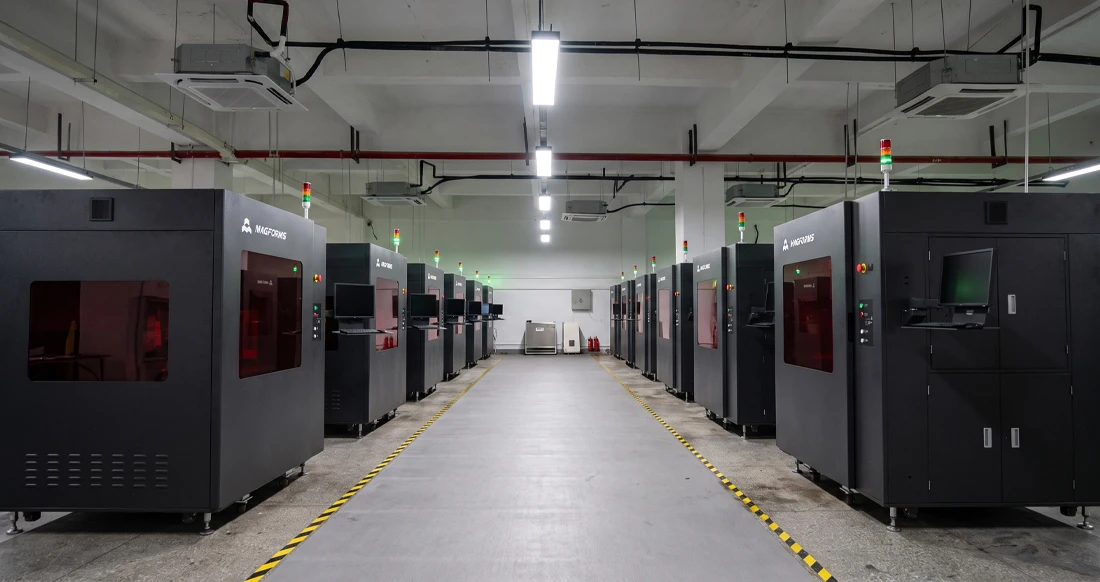
Magforms makes design and manufacture easier.
Popular Blogs
-
 Industry InsightsManufacturing Industry
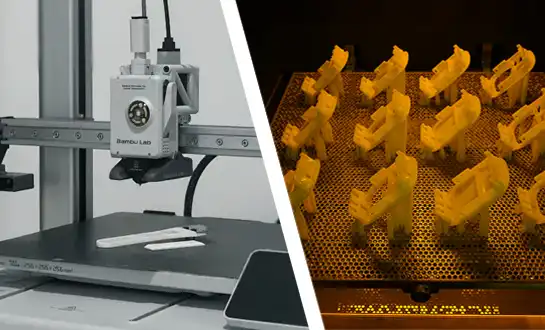
FDM vs. SLA Printer: Which Technology Is Right for Your Project?
-
 Industry InsightsManufacturing Industry
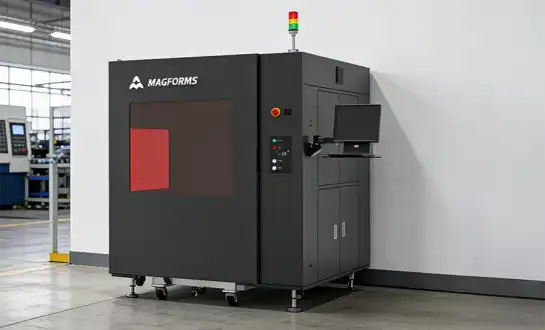
Top 5 Applications of Industrial 3D Printers in Manufacturing Today
-
 Industry InsightsManufacturing Industry
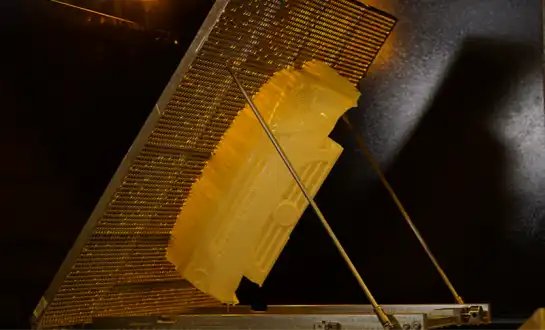
Why Stereolithography 3D Printers Are Unmatched for Microfluidic Device Prototyping?