Safety First: A Complete Guide to Ventilation and Handling for Resin Printers
Working with a resin printer requires careful attention to safety protocols, particularly regarding proper ventilation systems and material handling procedures. While SLA and DLP technologies deliver exceptional print accuracy and surface finish quality, the photopolymer materials used in these systems can pose health risks without adequate safety measures. Understanding exposure time requirements, material viscosity properties, and post-processing protocols becomes essential for maintaining a safe workspace. This comprehensive guide addresses critical safety considerations for operating UV curing systems effectively while protecting both operators and production environments from potential hazards associated with uncured resins and chemical emissions.
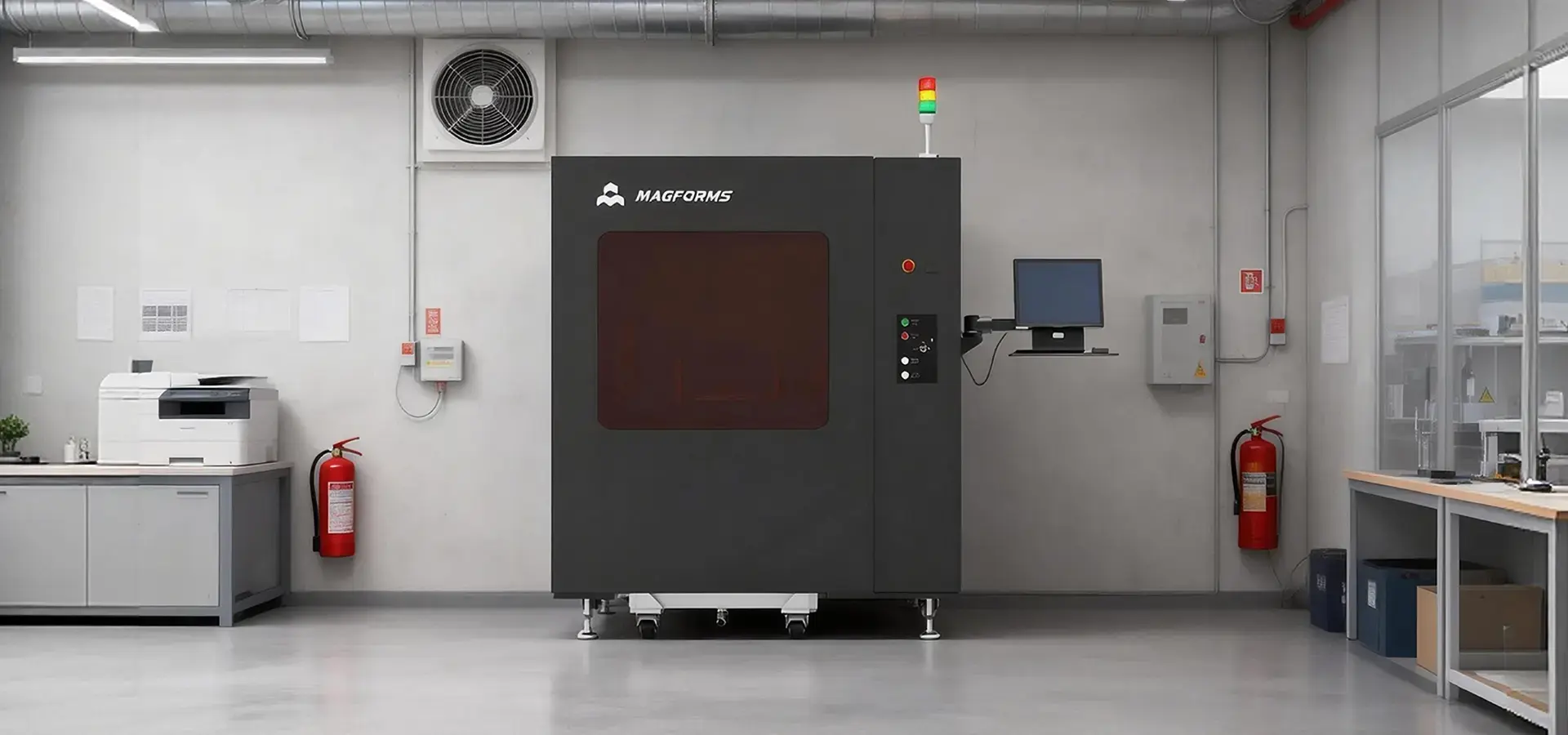
Understanding Resin Printer Safety Hazards
Operating photopolymer-based printing frameworks presents a few security considerations that vary significantly from conventional manufacturing forms. Uncured fluid tars contain chemicals that can cause skin aggravation, respiratory issues, and eye harm upon direct contact or inward breath. The UV curing process creates extra compounds that require legitimate ventilation management.
Liquid photopolymers remain perilous until totally cured through UV exposure. Skin contact with uncured materials can lead to sensitization responses, making future exposures progressively risky. Eye contact poses specific dangers, possibly causing corneal harm or chemical burns. Inward breath of vapors amid printing or post-processing operations can chafe respiratory systems and cause cerebral pains or nausea.
The construct stage and tar tank regions show defilement dangers during portion expulsion and cleaning methods. Fizzled prints or bolster structure evacuation regularly include taking care of somewhat cured materials that hold dangerous properties. LCD screen substitutions or concealing film changes may expose administrators to sullied surfaces requiring cautious purification protocols.
Temperature vacillations influence fabric consistency and vapor outflow rates, affecting security necessities over diverse working conditions. Higher surrounding temperatures increase vanishing rates, requiring improved ventilation capacity. Cold situations may require warming frameworks that might be associated with ventilation designs.
Understanding these risks empowers legitimate security convention advancement and risk relief techniques throughout the whole printing workflow.
Essential Ventilation Requirements
Effective ventilation frameworks shape the spine of secure gum printing operations. Legitimate wind current administration avoids vapor collection while keeping up ideal printing conditions for steady layer determination and surface quality.
Local deplete ventilation gives the most viable security by capturing emanations specifically at their source. Introducing deplete hoods over printing hardware expels vapors, and sometimes they scatter all through the workspace. Ducted frameworks ought to keep up negative pressure around printing ranges, drawing sullied discuss absent from operators.
Air trade rates must suit both security necessities and printing stability needs. Over-the-top wind stream can exacerbate the printing handle, influencing Z-axis development exactness and causing layer grip issues. Adjusted ventilation keeps up satisfactory discuss changes, while protecting controlled natural conditions vital for exact UV curing.
Filtration frameworks upgrade ventilation adequacy by evacuating particulates and chemical vapors, and sometimes discuss distribution or debilitate. Actuated carbon channels assimilate unstable natural compounds commonly found in photopolymer outflows. HEPA filtration expels fine particles that may carry tar residues.
Monitoring frameworks track ventilation execution and alert administrators to potential disappointments. Wind stream markers guarantee satisfactory depletion rates throughout printing operations. Vapor location sensors give early caution of over the top emanation levels that might demonstrate ventilation insufficiency or hardware malfunctions.
Personal Protective Equipment Guidelines
 Selecting appropriate personal protective equipment creates essential barriers between operators and hazardous materials. PPE selection must account for specific resin properties, exposure duration, and task requirements to ensure adequate protection levels.
Chemical-resistant gloves provide primary hand protection during all resin handling activities. Nitrile gloves offer excellent resistance to most photopolymer formulations while maintaining tactile sensitivity needed for delicate operations. Double-gloving techniques enhance protection during extended exposure periods or when handling particularly hazardous materials.
Eye protection prevents direct contact with the resin printer and shields against UV radiation exposure during equipment maintenance. Safety glasses with side shields block splashes from multiple angles. Face shields provide additional coverage during vigorous cleaning operations or when handling large volumes of liquid materials.
Respiratory protection becomes necessary when ventilation systems cannot adequately control vapor concentrations. Half-face respirators equipped with organic vapor cartridges filter harmful compounds from breathing air. Full-face respirators combine respiratory and eye protection for maximum coverage during high-exposure activities.
Protective clothing prevents skin contamination during printing and post-processing operations. Chemical-resistant aprons shield clothing and skin from splashes during resin handling. Long-sleeved coveralls provide comprehensive protection during extensive cleaning or maintenance procedures.
Proper PPE usage requires training and regular inspection protocols. Operators must understand donning and doffing procedures to prevent contamination during equipment changes. Regular inspection identifies damage or degradation that compromises protective capabilities.
Regular support keeps ventilation frameworks working at peak effectiveness. Channel substitution plans avoid clogging that diminishes wind stream capacity. Ductwork assessments distinguish harm or blockages that compromise framework execution. Fan engine support guarantees reliable wind current conveyance over changing operational demands.
Material Handling Best Practices
 Thoughtful workspace plan upgrades security while supporting proficient generation workflows. Physical format choices affect ventilation viability, defilement control, and crisis reaction capabilities.
Dedicated printing zones isolated resin printer from common workspace exercises. Physical boundaries or isolated rooms avoid cross-contamination and restrain presentation to the non-essential workforce. Negative weight connections guarantee wind current moves from clean ranges toward printing zones.
Storage arrangements for gums and cleaning materials require cautious thought of compatibility and security necessities. Chemical capacity cabinets secure materials from temperature vacillations whereas containing potential spills. Isolation anticipates incongruent materials from accidentally.
Spill control frameworks capture spilled materials; however, they spread throughout the workspace. Auxiliary control plate beneath printing gear collects minor spills amid ordinary operations. Retentive materials and neutralizing operators empower fast spill reaction and cleanup.
Lighting plan equalizes operational perceivability needs with fabric taking care of security. Satisfactory light empowers administrators to distinguish defilement or hardware issues rapidly. UV-filtered lighting anticipates untimely curing of spilled materials while keeping up secure working conditions.
Emergency gear arrangement guarantees quick get to amid occurrences. Eyewash stations give prompt purification capability for eye exposures. Crisis showers empower whole-body disinfecting when essential. Fire concealment frameworks address potential combustion dangers from certain gum formulations.
Emergency Procedures and Incident Response
Comprehensive emergency procedures enable rapid response to exposure incidents and equipment failures. Well-planned protocols minimize injury severity and prevent incident escalation.
Exposure response procedures address different contact scenarios with appropriate interventions. Skin contact requires immediate removal of contaminated clothing and thorough washing with soap and water. Eye exposures demand immediate irrigation with clean water for extended periods. Inhalation incidents necessitate moving affected personnel to fresh air immediately.
Spill response protocols contain releases quickly while protecting cleanup personnel. Small spills may respond to absorbent materials and local ventilation enhancement. Large releases might require area evacuation and professional cleanup services. Neutralizing agents can reduce the reactivity of certain spill materials.
Equipment failure responses address ventilation system problems and printing equipment malfunctions. Ventilation failures require immediate work cessation and area evacuation until repairs restore adequate protection. Printer malfunctions might release additional vapors or create contamination hazards requiring specific response procedures.
Communication protocols ensure that appropriate personnel receive timely incident notifications. Emergency contact lists include medical facilities, environmental services, and management personnel. Documentation requirements capture incident details for investigation and prevention analysis. Reporting procedures comply with regulatory requirements and organizational policies.
Training programs prepare personnel for emergencies through regular drills and education. Scenario-based exercises test response procedures and identify improvement opportunities. Equipment familiarization ensures personnel can locate and operate emergency systems effectively. Regular updates maintain current knowledge of procedures and equipment changes.
Maintenance and Long-term Safety Management
Ongoing maintenance programs sustain safety system effectiveness while supporting reliable production operations. Regular inspections and preventive maintenance prevent failures that could compromise worker protection.
Ventilation system maintenance schedules address filter changes, fan inspections, and ductwork cleaning. Filter replacement intervals depend on usage intensity and emission levels, but typically require monthly to quarterly attention. Fan motor maintenance prevents unexpected failures that eliminate exhaust capacity. Ductwork inspections identify corrosion or damage that reduces system effectiveness.
Equipment cleaning procedures remove the resin printer that could present ongoing exposure risks. Regular cleaning of the build platforms and resin tanks prevents contamination buildup. UV lamp maintenance ensures adequate curing performance for safety and quality. Slicing software updates may include safety-related improvements requiring implementation.
Documentation systems track maintenance activities and safety performance metrics. Maintenance logs record filter changes, inspections, and repairs for regulatory compliance. Exposure monitoring data identifies trends requiring corrective action. Incident records guide improvement initiatives and training program updates.
Training program updates maintain current safety knowledge as technologies and regulations evolve. New employee orientation covers fundamental safety requirements before equipment access. Refresher training addresses procedural changes and reinforces critical safety practices. Specialized training prepares personnel for unique materials or processes requiring enhanced safety measures.
Safety audits evaluate overall program effectiveness and identify improvement opportunities. Internal audits check compliance with established procedures and identify training needs. External audits provide an independent assessment of safety program adequacy. Corrective action programs address audit findings and prevent recurrence.
Conclusion
Implementing comprehensive safety protocols for resin printer operations protects personnel while enabling productive manufacturing capabilities. Proper ventilation systems, PPE usage, and emergency procedures create layered protection against photopolymer hazards. Regular maintenance and training sustain safety effectiveness throughout equipment lifecycles. Organizations investing in thorough safety programs realize improved worker confidence, regulatory compliance, and operational reliability. As printing technologies continue advancing, safety considerations must evolve accordingly, maintaining protection standards while embracing innovation opportunities that enhance both productivity and worker wellbeing.
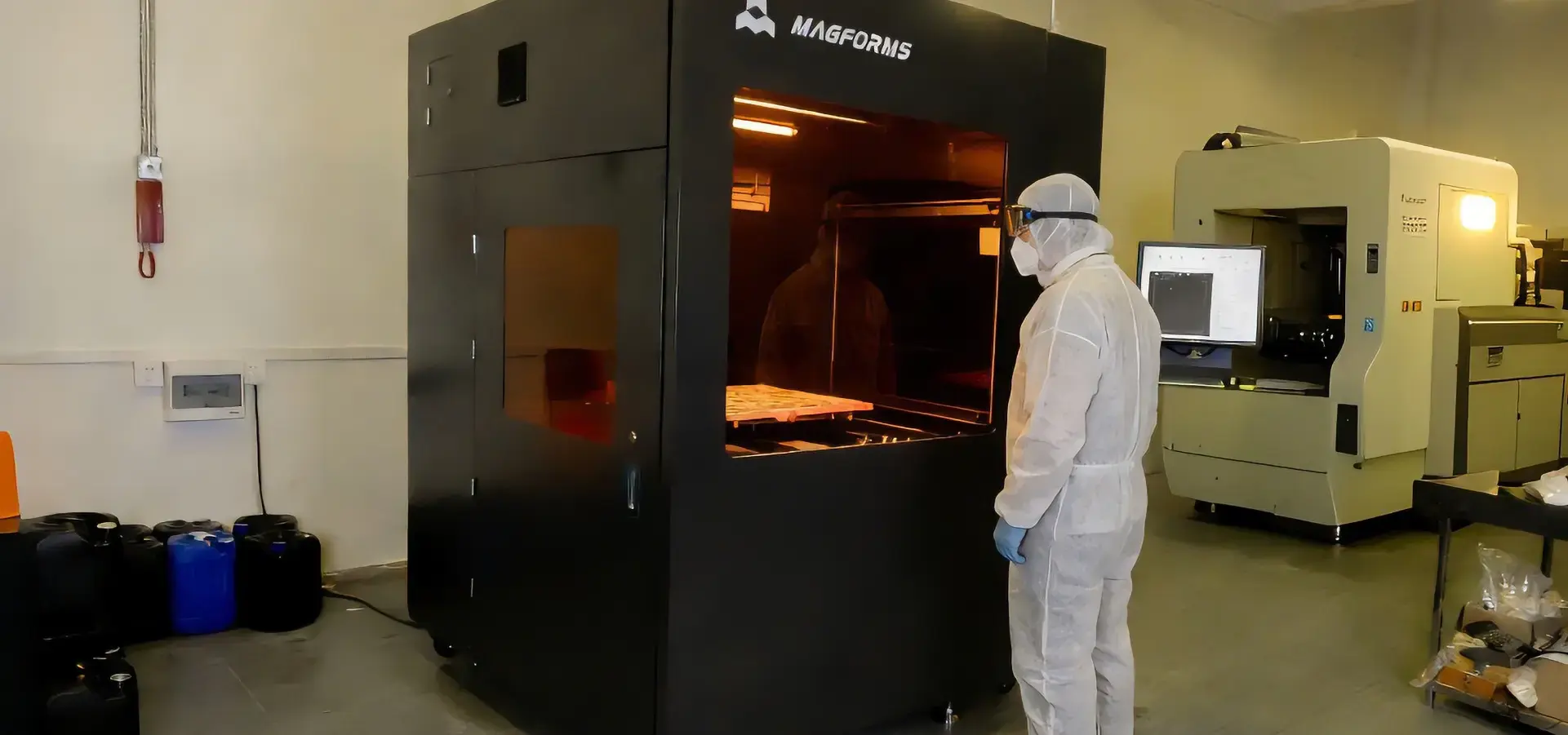
Choose Magforms for Superior Resin Printer Solutions
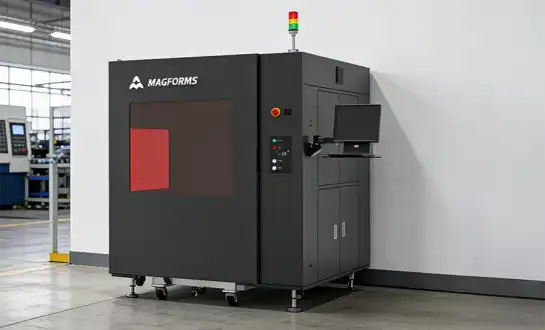
Magforms stands as a leading resin printer manufacturer offering advanced SLA systems with integrated safety features and comprehensive support services. Our industrial-grade equipment incorporates German Scanlab galvanometers and AOC laser technology, delivering exceptional print accuracy while maintaining operator safety through optimized enclosure designs and ventilation compatibility. Contact our technical specialists at info@magforms.com to discuss safety-optimized printing solutions tailored to your specific production requirements and workplace protection standards.
References
1. Smith, J.A., & Chen, L. (2023). "Industrial Safety Standards for Photopolymer 3D Printing Operations." Journal of Manufacturing Safety, 15(3), 45-62.
2. Rodriguez, M.P., Thompson, K.R., & Wilson, D.L. (2022). "Ventilation System Design for Resin-Based Additive Manufacturing Facilities." Indoor Air Quality Engineering, 28(4), 112-128.
3. Anderson, R.K., & Park, S.Y. (2023). "Personal Protective Equipment Selection for UV-Curing Polymer Processing." Occupational Health and Safety Review, 41(2), 78-94.
4. Lee, H.J., Johnson, B.M., & Davis, C.A. (2022). "Emergency Response Protocols for Photopolymer Exposure Incidents in Manufacturing Environments." Chemical Safety Journal, 19(6), 203-217.
5. Williams, T.D., & Kumar, P.R. (2023). "Long-term Health Effects of Occupational Exposure to Liquid Photopolymers." Environmental and Occupational Health, 32(1), 34-49.
6. Brown, A.L., Garcia, F.S., & Zhang, W. (2022). "Maintenance Strategies for Safety Systems in Resin 3D Printing Operations." Industrial Maintenance Quarterly, 44(3), 156-172.

Magforms makes design and manufacture easier.
Popular Blogs
-
 Industry InsightsManufacturing Industry
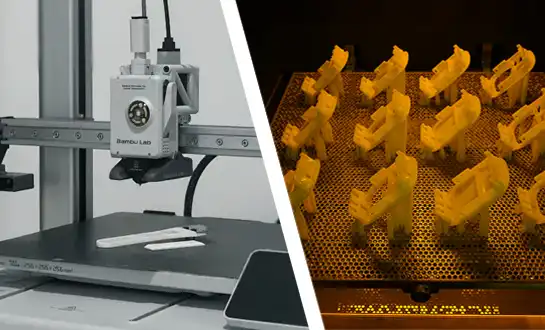
FDM vs. SLA Printer: Which Technology Is Right for Your Project?
-
 Industry InsightsManufacturing Industry
Top 5 Applications of Industrial 3D Printers in Manufacturing Today
-
 Industry InsightsManufacturing Industry
Why Stereolithography 3D Printers Are Unmatched for Microfluidic Device Prototyping?