SLA vs MSLA vs Industrial SLA 3D Printer: What Should You Know?
Choosing between SLA, MSLA, and Industrial SLA 3D Printer technologies depends on your precision requirements, production scale, material needs, and budget. Standard SLA uses laser scanning technology to produce highly detailed parts, MSLA uses an LCD masking system to cure each layer simultaneously for faster production of smaller components, while Industrial SLA 3D Printer systems integrate advanced optical systems, variable spot technology, and industrial motion components to support stable production of large, complex, and high-precision parts. Understanding these distinctions helps automotive, aerospace, medical, and service bureaus select equipment that balances speed, stability, and dimensional precision for their specific applications.
Understanding the Core Technologies Behind Resin-Based Additive Manufacturing
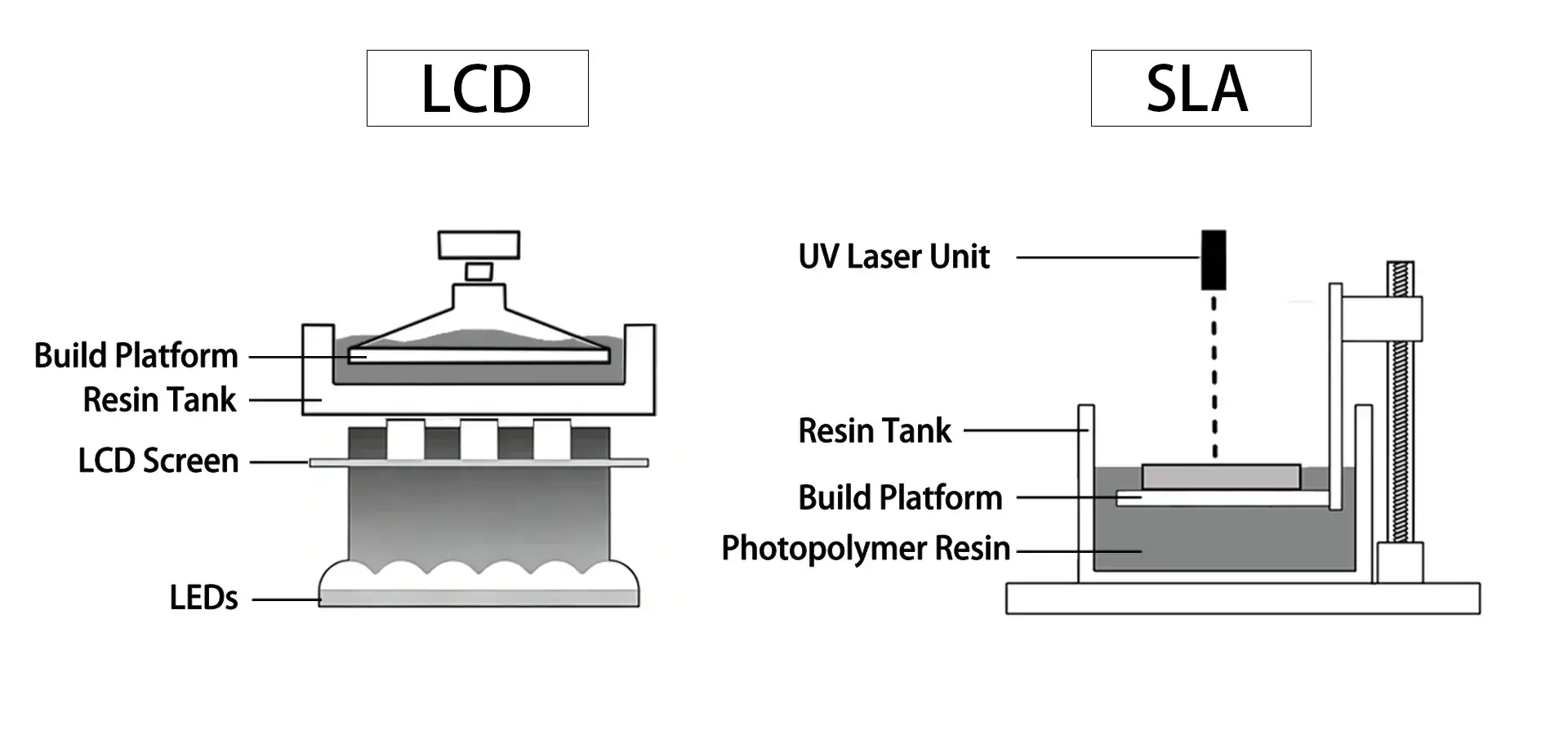
Stereolithography represents the foundation of photopolymer resin printing, where a controlled ultraviolet light source selectively cures liquid photopolymer resin layer by layer. Industrial SLA systems typically use 355nm laser technology combined with galvanometer scanning for high-precision applications. The process transforms 3D modeling data into physical objects through UV curing. Dedicated slicing software generates optimized support structures when required, while resin-based printing generally provides smoother surface finishes compared with many filament-based FDM processes.
Three widely used resin printing approaches include:
- Standard SLA – A focused laser beam selectively cures each layer by scanning the geometry point by point. This approach provides excellent surface quality and dimensional accuracy, although build speed can decrease for large cross-sectional areas.
- MSLA (Masked Stereolithography) – An LCD masking panel controls UV light exposure from an LED light source, allowing an entire layer to be cured simultaneously. This makes MSLA efficient for producing multiple small parts in each build.
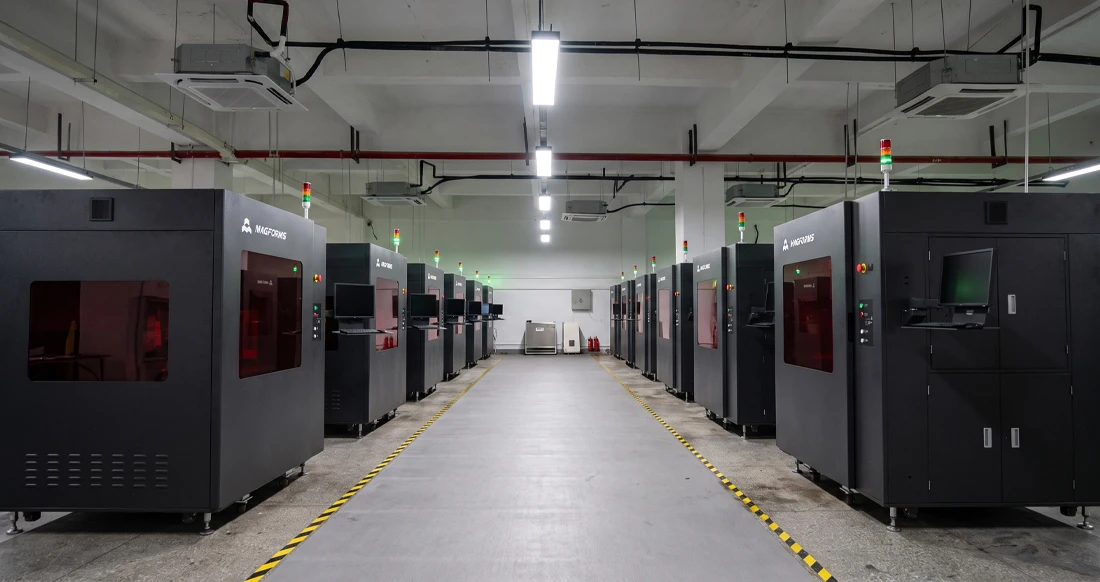
- Industrial SLA 3D Printer systems – Laser-based platforms equipped with galvanometer scanners, servo motion control systems, and industrial-grade components designed for demanding production environments requiring high stability, repeatability, and extended operation.
Laser safety systems and optical protection covers in professional SLA equipment help reduce operator exposure risks while protecting optical components and maintaining stable resin curing conditions. Build volumes vary widely, from compact desktop systems with smaller printing areas to large-format Industrial SLA 3D Printer platforms featuring build dimensions exceeding 800mm in the X/Y direction and large Z-axis capacities, accommodating everything from dental models to automotive interior components.
Material compatibility remains crucial across all three technologies. Some entry-level resin printers use closed material ecosystems, while open-system Industrial SLA 3D Printer platforms provide broader compatibility with 355nm photopolymer materials, including engineering-grade, transparent, high-temperature resistant, and flexible resin formulations when properly validated.
👉 What is SLA 3D printing technology
Performance Comparison: Speed, Accuracy, and Stability Across Platforms
Printing Speed Analysis
MSLA technology exposes entire layers simultaneously, which can reduce exposure time per layer compared with point-scanning methods, making it attractive for batch production of identical small components. Standard SLA requires the laser beam to scan each layer geometry, and scanning speed depends on laser power, galvanometer performance, layer settings, and machine architecture.
Industrial SLA 3D Printer systems leverage advanced scanning strategies to achieve remarkable throughput. High-performance galvanometer scanners, including Scanlab-based optical systems used in industrial SLA equipment, can achieve high scanning speeds depending on configuration and operating conditions. Variable laser spot technology can optimize the balance between productivity and detail reproduction by using larger laser spots for efficient area scanning and smaller spots for fine features and complex geometries.
Advanced scanning algorithms can optimize laser paths and exposure strategies to improve production efficiency. Actual improvements depend on part geometry, material characteristics, and machine configuration.
Dimensional Precision and Accuracy
Layer resolution alone does not guarantee final dimensional accuracy. In MSLA systems, XY resolution is mainly determined by LCD pixel size, optical design, and exposure control. Factors such as light uniformity, resin shrinkage, mechanical stability, and thermal conditions can also influence final part accuracy.
Standard SLA systems can achieve excellent dimensional accuracy due to precise laser positioning and controlled photopolymer curing. Laser spot size varies depending on the optical design, laser configuration, and application requirements. Compared with many MSLA systems, industrial SLA generally provides stronger advantages in large-format accuracy and production consistency. Actual dimensional tolerances depend on machine structure, resin properties, printing parameters, and post-processing conditions. Professional SLA systems typically provide tighter and more repeatable tolerances than entry-level resin printers.
High-end Industrial SLA 3D Printer platforms, such as systems equipped with industrial servo motors, precision linear guides, and advanced recoating mechanisms, achieve highly repeatable motion control. For example, the SL800 Industrial SLA 3D Printer utilize precision components including Panasonic servo motors and HIWIN linear guides to support stable platform movement and consistent layer formation. Combined with high-quality galvanometer scanners, these optical systems provide stable laser positioning and consistent beam control for accurate photopolymer curing. Specific industrial SLA systems can achieve different accuracy specifications depending on calibration, machine structure, and application requirements.
Mesh plate flatness directly impacts first-layer adhesion and overall dimensional consistency. Professional machines maintain flatness tolerances between 0.2-0.5mm, depending on build volume, compared to 0.5-1.0mm in budget equipment.
Stability and Reliability Metrics
Production environments cannot tolerate frequent failures. Desktop SLA and MSLA systems may experience interruptions during long printing jobs due to factors such as resin contamination, consumable wear, optical issues, or mechanical maintenance requirements. The actual downtime rate depends on equipment quality, operating conditions, and maintenance practices.
Industrial SLA 3D Printer systems are designed to improve production reliability through rigid structures, industrial-grade components, process monitoring, and optimized workflows. Actual print success rates depend on materials, part design, operator experience, and process control. Industrial laser systems are designed for long operational life, with actual service performance depending on laser type, operating conditions, and maintenance practices. Some industrial SLA systems use rigid metal structures and low-expansion materials such as low-expansion precision platforms to reduce vibration and thermal influence during long production cycles.
Precision linear guides, such as HIWIN motion components used in many industrial systems, provide reliable long-term operation when properly maintained and lubricated. Integrated temperature management systems help maintain more consistent resin conditions and reduce the impact of environmental temperature changes on printing stability.
👉 Industrial SLA 3D Printer types and solutions
Material Compatibility and Application Flexibility
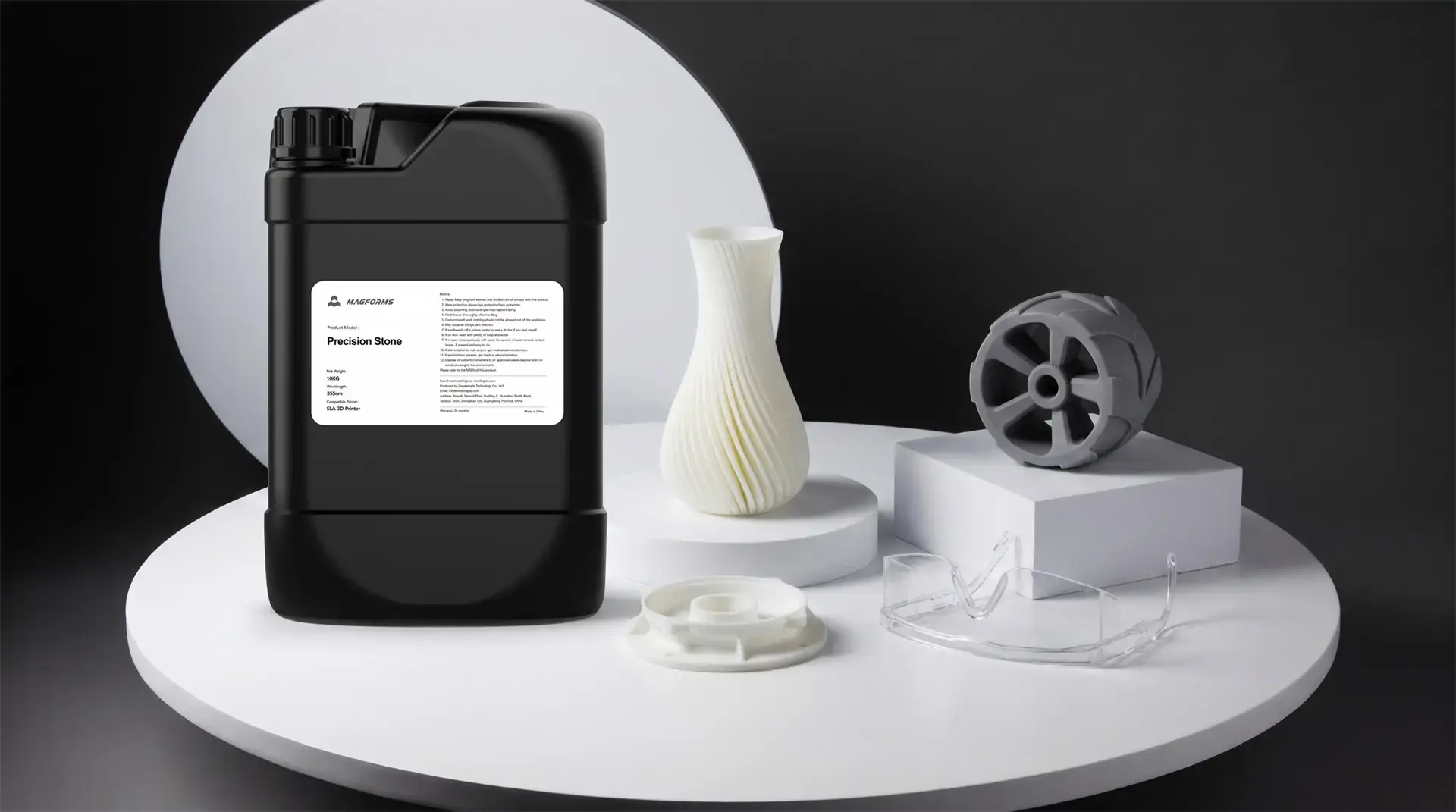
Some desktop MSLA printers use closed material ecosystems or recommend manufacturer-validated resin profiles to ensure consistent printing performance, while many open systems allow users to experiment with third-party photopolymer materials. Closed material ecosystems may increase material costs depending on supplier pricing and limit users’ flexibility when testing specialized resin formulations.
Standard SLA systems may support a range of photopolymer materials, although manufacturers usually recommend validated resins to maintain predictable curing performance and equipment reliability.
Industrial SLA 3D Printer platforms with open material strategies provide broader material flexibility and can support a wide range of 355nm photopolymer resins after appropriate process validation. This compatibility enables:
- Dental applications – When combined with validated biocompatible resins and appropriate workflows, Industrial SLA systems can support applications such as surgical guides, orthodontic models, and dental prototypes.
- Aerospace prototyping – Specialized high-temperature photopolymer materials can be used for selected validation applications where thermal performance requirements are met.
- Automotive development – Engineering resins with mechanical properties similar to ABS, PC, or PP can support functional prototyping and assembly verification in automotive development.
- Consumer electronics – Transparent formulations for light-pipe testing and flexible materials for wearable device prototypes
Material testing capabilities become particularly valuable for research institutions and service bureaus pursuing novel applications. Greater material flexibility allows teams to collaborate with resin developers and evaluate custom formulations, developing custom formulations optimized for specific mechanical properties, surface textures, or post-processing requirements.
Design Features That Enhance Operational Efficiency
Supported Platform Mechanisms
Post-processing represents 30-50% of total production time in resin-based rapid prototyping. Standard printers require operators to manually drain parts while resin drips across workspaces.
Professional Industrial SLA 3D Printer systems incorporate dual support rods that automatically tilt the platform holder, accelerating resin drainage by 60%. The platform can tilt or invert using these mechanisms. This design can help reduce manual cleaning time, especially in production environments handling frequent builds, directly improving throughput for high-volume operations.
Optical Protection and Safety Compliance
Laser-based SLA systems using Class IV laser sources require appropriate protective measures, including enclosed structures and safety interlocks, to reduce operator exposure risks. Transparent protective doors with appropriate optical filtering properties allow process monitoring while maintaining safety requirements. The optical protection cover shields galvanometers and focusing lenses from dust contamination that degrades beam quality, helping reduce contamination risks and maintenance frequency.
These safety features support compliance with relevant equipment safety requirements. For regulated medical applications, manufacturers must also consider applicable standards, material certifications, and validated production workflows.
Intelligent Control Software Architecture
Magforms iBuild 2.0 provides a dedicated workflow management and printing preparation solution for industrial additive manufacturing. The software interface is designed to simplify print preparation, parameter management, and production monitoring workflows. Engineers adjust print parameters, pause jobs for inspection, and review real-time layer progression without returning to the machine.
Advanced exposure control methods can help reduce visible layer transitions and improve surface quality. This computational approach adjusts laser energy at layer boundaries, blending transitions for a superior surface finish that minimizes sanding and these approaches can help reduce manual finishing requirements and improve overall production efficiency.
Evaluating Total Cost of Ownership Beyond Purchase Price
Initial Investment Analysis
Entry-level MSLA printers range from $300-$2,000, attracting hobbyists and design studios with limited budgets. Build volumes typically remain limited compared with industrial systems, making them more suitable for smaller prototypes and batch production.
Professional SLA systems are generally positioned above desktop resin printers, with pricing varying based on build size, optical configuration, automation level, and support services.
Industrial SLA 3D Printer platforms represent investments from $30,000 to $200,000+, depending on build volume and feature sets. These systems target production environments, making reliability and manufacturing efficiency the primary selection criteria rather than upfront pricing.
Operational Cost Considerations
Material expenses are an important part of ongoing operating costs. Resin pricing varies significantly depending on chemistry, performance requirements, supplier strategy, and application. Open material systems can provide additional flexibility when selecting materials based on cost and performance needs.
For service bureaus with high material consumption, broader resin compatibility can improve purchasing flexibility and help optimize operating costs over time. The actual return on investment depends on production volume, material selection, labor costs, and equipment utilization.
Component replacement follows predictable schedules. MSLA printers rely on LCD masking panels that gradually experience optical degradation with extended UV exposure. Replacement intervals vary depending on screen quality, exposure settings, and operating conditions. Industrial SLA laser systems are typically designed for long operational life, with maintenance requirements depending on laser type, operating conditions, and manufacturer specifications.
After-Sales Support Impact
Technical assistance response times directly affect production capacity utilization. Support models vary significantly between consumer and industrial equipment providers. Industrial equipment suppliers typically offer more dedicated technical support, training, and troubleshooting services. For production environments, equipment downtime can create significant operational losses, making reliability, maintenance availability, and technical support important purchasing considerations.
Magforms provides technical support services designed to respond efficiently to customer inquiries and application requirements, often resolving issues remotely through software diagnostics. On-site service provisions minimize downtime to under 48 hours for component failures, protecting production schedules for time-sensitive projects.
Training programs and application engineering support help teams optimize print parameters for new materials, reduce support structure volume, and improve first-print success rates through optimized parameters and validated workflows.
Industry-Specific Application Requirements
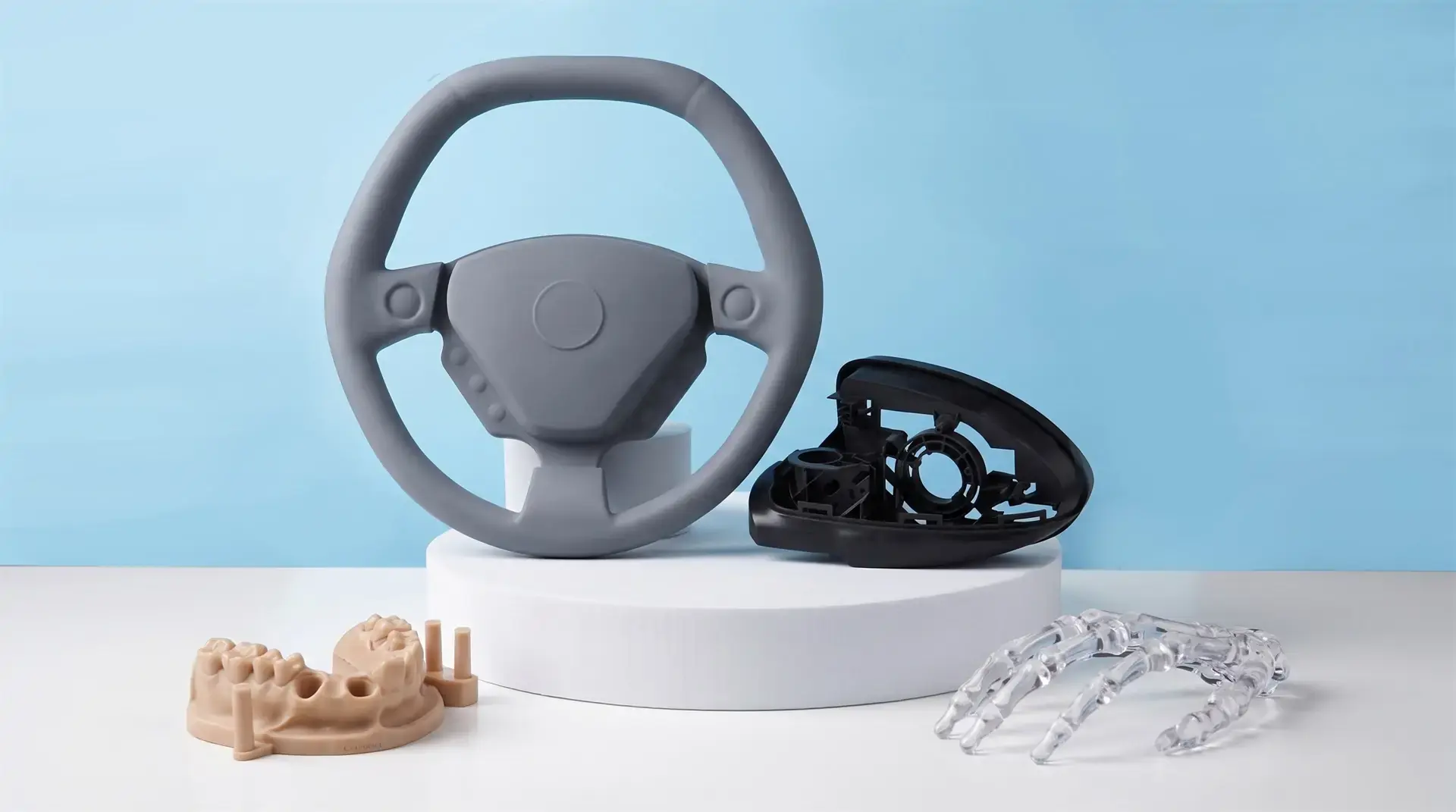
If you need dental lab production capabilities, precision becomes non-negotiable. Orthodontic applications require high dimensional consistency to ensure accurate model production and predictable clinical workflows to ensure proper fit, while implant surgical guides demand dimensional consistency for safe patient outcomes. Industrial SLA 3D Printer systems with precise motion control and optimized laser scanning can support dental workflows when combined with validated materials, documented processes, and applicable regulatory requirements.
Automotive development programs increasingly require shorter prototype iteration cycles. Variable spot technology enables overnight printing of dashboard components, door handle assemblies, and trim pieces that previously required 2-3 days on conventional equipment. Higher scanning efficiency and optimized printing strategies can shorten prototype production cycles and help automotive teams accelerate design iterations, bringing vehicles to market faster.
If you need aerospace component validation, material compatibility with high-temperature resins becomes essential. Parts must withstand thermal cycling, vibration testing, and dimensional inspection protocols. Open material strategies provide greater flexibility for testing specialized photopolymer formulations, subject to proper process validation and equipment guidelines.
If you need a 3D printing service bureau with versatility, the equipment must handle diverse client requirements daily—from transparent light pipes for consumer electronics to flexible materials for footwear prototypes. Limited material compatibility may restrict application flexibility for service providers handling diverse customer requirements, while open systems maximize equipment utilization across multiple industries.
If you need research and development flexibility, universities and corporate R&D teams benefit from platforms supporting experimental materials and novel applications. The ability to test custom resin formulations developed in-house accelerates innovation cycles without dependency on external suppliers.
👉 Explore how Industrial SLA technology is applied in real production environments through our Industrial SLA 3D printing application cases.
Quality Control and Consistency in Production Environments
Batch manufacturing demands repeatable results across hundreds or thousands of identical components. Desktop systems struggle with consistency, as environmental factors—ambient temperature, resin age, material storage conditions, and process parameters—introduce variables that alter curing behavior and dimensional outcomes.
Some Industrial SLA 3D Printer platforms integrate temperature management systems to maintain more stable resin conditions and reduce environmental influences during production, preventing viscosity changes that affect layer adhesion and detail reproduction. Automated resin management features, when available, can help maintain more consistent material conditions, especially when using filled or pigment-containing resins.
Real-time monitoring systems track laser power output, galvanometer positioning accuracy, and resin level consistency. Deviations trigger alerts before quality issues occur, enabling preventive intervention rather than scrapping completed parts during final inspection.
Statistical process control becomes feasible when equipment maintains tight performance tolerances. Medical device manufacturers and aerospace suppliers require documentation proving dimensional consistency across production lots. The servo motor precision and scanning accuracy in professional systems generate the measurement data necessary for regulatory compliance and customer certification requirements.
Maintenance Requirements and Long-Term Reliability
Preventive Maintenance Protocols
MSLA screens accumulate resin residue and suffer UV degradation, requiring periodic replacement depending on exposure intensity and equipment usage. Resin tanks and optical components require periodic inspection and replacement schedules depending on material compatibility, usage frequency, and equipment design, adding consumable costs of $50-$100 monthly for active users.
Standard SLA systems need optical cleaning quarterly and resin tank replacement after 100-200 builds, depending on material abrasiveness and part geometry.
Industrial SLA 3D Printer platforms extend service intervals through component quality and protective design. The optical protection cover prevents dust accumulation on galvanometers and focusing optics, extending cleaning intervals to annual schedules. Low-expansion precision platforms help maintain dimensional stability during repeated production cycles.
HIWIN linear motion components require lubrication every 2,000 operational hours, a simple procedure completed in under 30 minutes without specialized tools or factory technicians.
Component Sourcing and Global Support
Proprietary components create supply chain vulnerabilities. Manufacturers discontinuing older models leave equipment owners unable to source replacement parts, forcing premature equipment retirement despite functional mechanical systems.
Industrial SLA 3D Printer systems built from internationally recognized components—AOC lasers, Scanlab galvanometers, Panasonic servo motors, Schneider electrical components, Philips UV-blocking lamps—ensure part availability through global distribution networks. Using widely adopted industrial components can simplify maintenance planning and improve long-term serviceability, enabling repairs without dependency on original manufacturers.
This standardization particularly benefits multinational operations and equipment distributors serving emerging markets, where localized service networks provide faster response than factory-direct support models.
Making the Right Technology Selection for Your Operation
Decision Framework Based on Production Requirements
Small design studios and startup service bureaus benefit from cost-effective entry points. MSLA technology offers acceptable quality for non-critical applications—architectural models, conceptual prototypes, artistic reproductions—where dimensional tolerances of ±0.3mm meet requirements and batch speeds justify LCD limitations.
Growing service operations handling diverse clients across multiple industries require the material flexibility and accuracy that standard SLA provides. The moderate investment suits businesses transitioning from project-based work toward recurring production contracts.
Established manufacturers, research institutions, and high-volume service bureaus demand the performance that only Industrial SLA 3D Printer systems deliver. When equipment operates 16-24 hours daily. Component quality, motion precision, and environmental controls justify premium investments through reduced scrap rates, faster throughput, and eliminated downtime costs.
Three Critical Evaluation Questions:
- Does your application require accuracy better than ±0.2mm and repeatable dimensional consistency across production batches?
- Will material restrictions limit your service offerings or increase consumable costs beyond acceptable thresholds?
- Can your operation absorb equipment downtime lasting 3-7 days while awaiting technical support resolution?
Affirmative answers to any question indicate that Industrial SLA 3D Printer technology merits serious consideration despite the higher upfront investment.
Long-Term Strategic Value
Equipment purchases represent multi-year commitments affecting competitive positioning and operational capabilities. Desktop systems can effectively support many prototyping and design applications, although growing production requirements may require larger, more automated, and more stable industrial platforms.
Investing in professional-grade Industrial SLA 3D Printer platforms establishes foundation capabilities supporting business expansion into high-value market segments—medical devices, aerospace tooling, precision automotive components—where accuracy and material certification separate premium service providers from commodity competitors.
The combination of speed improvements, material flexibility, and reliability advantages compounds over thousands of operational hours, generating return on investment through higher equipment utilization rates, expanded service offerings, and reduced quality-related costs.
Conclusion
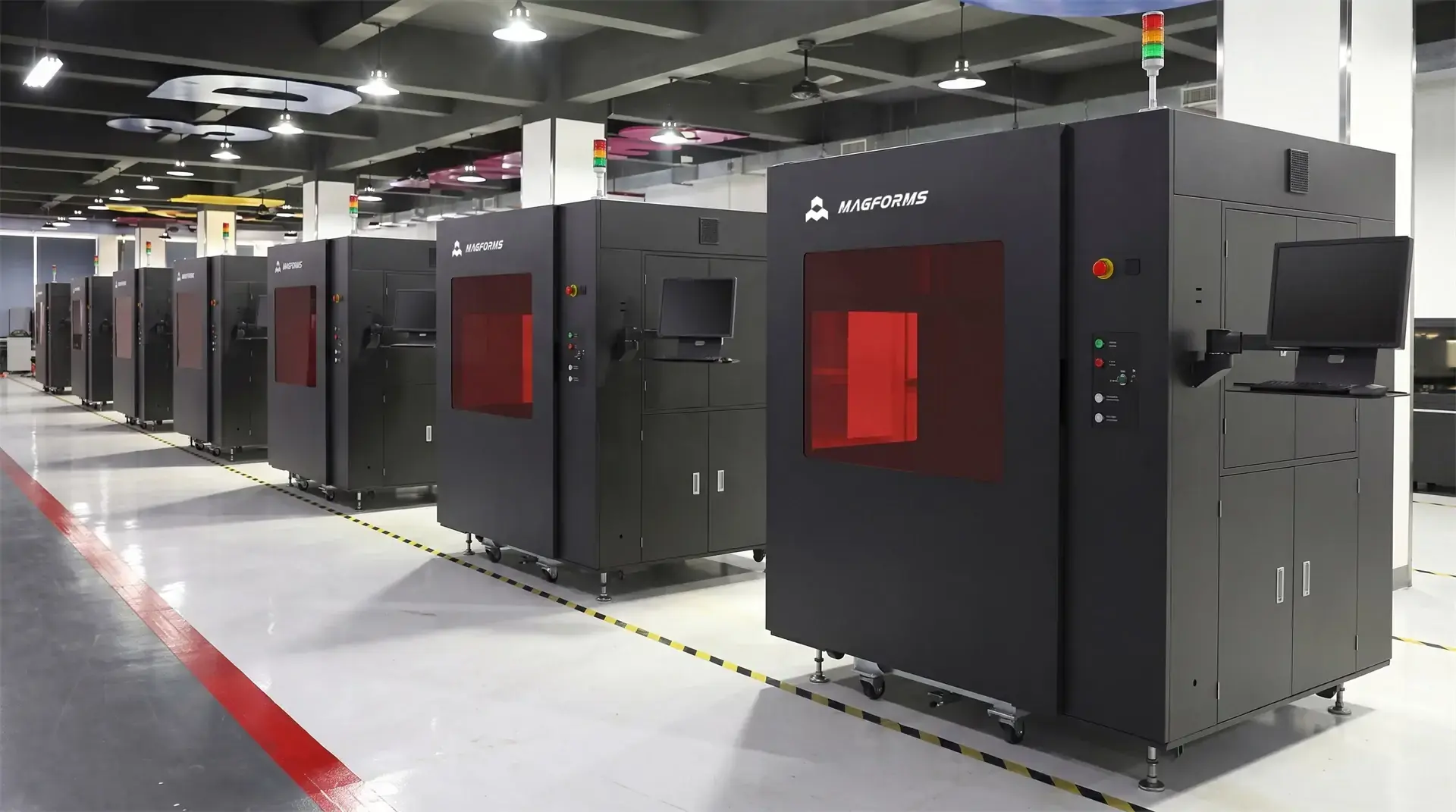
The distinction between SLA, MSLA, and Industrial SLA 3D Printer technologies extends beyond technical specifications to fundamental differences in production capability, material flexibility, and long-term reliability. While entry-level systems serve hobbyists and design visualization needs, many professional manufacturing applications benefit from the dimensional control, component quality, and operational stability offered by industrial platforms. Evaluating total cost of ownership—including material expenses, downtime risks, and support responsiveness—reveals that premium equipment investments deliver measurable returns through improved throughput, expanded service capabilities, and reduced quality-related costs for operations committed to additive manufacturing as core production methodology.
Discover Magforms Industrial SLA 3D Printer Solutions for Your Manufacturing Needs
Magforms develops Industrial SLA 3D Printer solutions by combining photopolymer material expertise with industrial hardware engineering. With 22 patents and 30 registered trademarks, the company serves over 300 enterprises across dozens of countries, delivering integrated solutions that eliminate compatibility issues between resins and equipment. The professional after-sales team responds to technical inquiries within 24 hours, backed by comprehensive training programs ensuring teams maximize their investment. Evaluate how Industrial SLA 3D Printer systems with variable spot technology, advanced galvanometer scanning, and open material compatibility can support your production and prototyping requirements. Contact info@magforms.com to discuss your specific application requirements and arrange sample part validation.
References
1. Gibson, I., Rosen, D., & Stucker, B. (2021). Additive Manufacturing Technologies: 3D Printing, Rapid Prototyping, and Direct Digital Manufacturing (3rd ed.). Springer International Publishing.
2. Jacobs, P. F. (1992). Rapid Prototyping & Manufacturing: Fundamentals of Stereolithography. Society of Manufacturing Engineers.
3. Stansbury, J. W., & Idacavage, M. J. (2016). 3D printing with polymers: Challenges among expanding options and opportunities. Dental Materials, 32(1), 54-64.
4. Melchels, F. P., Feijen, J., & Grijpma, D. W. (2010). A review on stereolithography and its applications in biomedical engineering. Biomaterials, 31(24), 6121-6130.
5. Kumbhar, N. N., & Mulay, A. V. (2018). Post-processing methods used to improve the surface finish of products that are manufactured by additive manufacturing technologies: A review. Journal of The Institution of Engineers (India): Series C, 99(4), 481-487.
6. Schmidleithner, C., & Kalaskar, D. M. (2018). Stereolithography. InTech Open Access Publisher, 1-22.

Magforms makes design and manufacture easier.
Popular Blogs
-
 Industry InsightsManufacturing Industry
FDM vs. SLA Printer: Which Technology Is Right for Your Project?
-
 Industry InsightsManufacturing Industry
Top 5 Applications of Industrial 3D Printers in Manufacturing Today
-
 Industry InsightsManufacturing Industry
Why Stereolithography 3D Printers Are Unmatched for Microfluidic Device Prototyping?