What Makes a High-End Industrial SLA 3D Printer?
In modern manufacturing, accuracy is important. The Industrial SLA 3D printer is the tool that aerospace engineers use when they need complex connectors, medical technicians use when they need biocompatible surgical guides, or automotive designers need perfect prototypes. This cutting-edge additive manufacturing technology has changed the way businesses make things by connecting digital ideas to real-world objects with an unprecedented level of accuracy. It's not enough to just look at technical specs when choosing equipment—you also need to solve real production problems that slow down your work and raise costs. Manufacturers have been unhappy for years with high failure rates, materials that don't work well together, and poor customer service after the sale. When procurement managers and engineers know what makes high-end industrial systems different from entry-level machines, they can make smart investments that improve production quality, cut down on downtime, and speed up the innovation cycle. This guide discusses the important things that make a high-quality industrial SLA 3D printer, such as the core technologies, the compatibility of the materials, and the real-world uses in many different areas. This content is set up to help people who make decisions look at performance metrics, compare top solutions, and find the features that give a measurable return on investment (ROI) in tough manufacturing settings.
Understanding Industrial SLA 3D Printing Technology
High-precision ultraviolet lasers carefully harden liquid photopolymer resin one layer at a time in industrial SLA 3D printing technology. his method produces high-density parts with near-isotropic mechanical properties, significantly more uniform than filament-based technologies. A computer-controlled galvanometer system moves a focused laser beam across the resin surface, following the cross-section of each layer. This is the first step in the basic process. When the UV light hits the liquid resin, photopolymerization is initiated, forming cross-linked polymer chains that solidify the material. When a layer is finished, the build platform moves vertically, either going down in top-down systems or up in inverted systems. This lets fresh resin flow over the hardened surface for the next layer.
How Industrial Systems Differ from Desktop Solutions

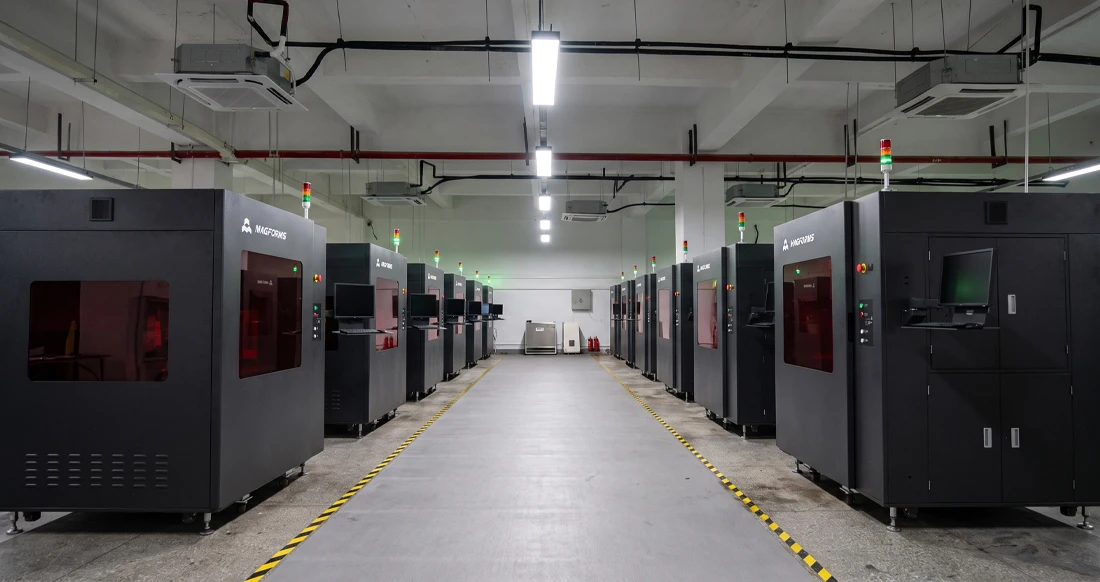
While desktop SLA units and Industrial SLA 3D printer systems may work in similar ways, the hardware inside them is very different. High-power solid-state lasers with spot sizes that can be adjusted typically between 80 μm and 300 μm are used in industrial systems. This lets them do both fine detail contouring and fast infill scanning. Dynamic focusing galvanometers in advanced motion control systems let them scan at speeds of up to 15 meters per second, which greatly increases throughput without lowering accuracy. Another important difference is the build volume. Most desktop printers can only print small parts. Industrial platforms, on the other hand, can print on areas that are wider than 600 mm in more than one dimension, so they can be used for both large prototypes and mass production. Environmental controls keep the working temperatures stable, so there are no changes in temperature that cause smaller machines to warp in size.
Resolution Capabilities and Precision Standards
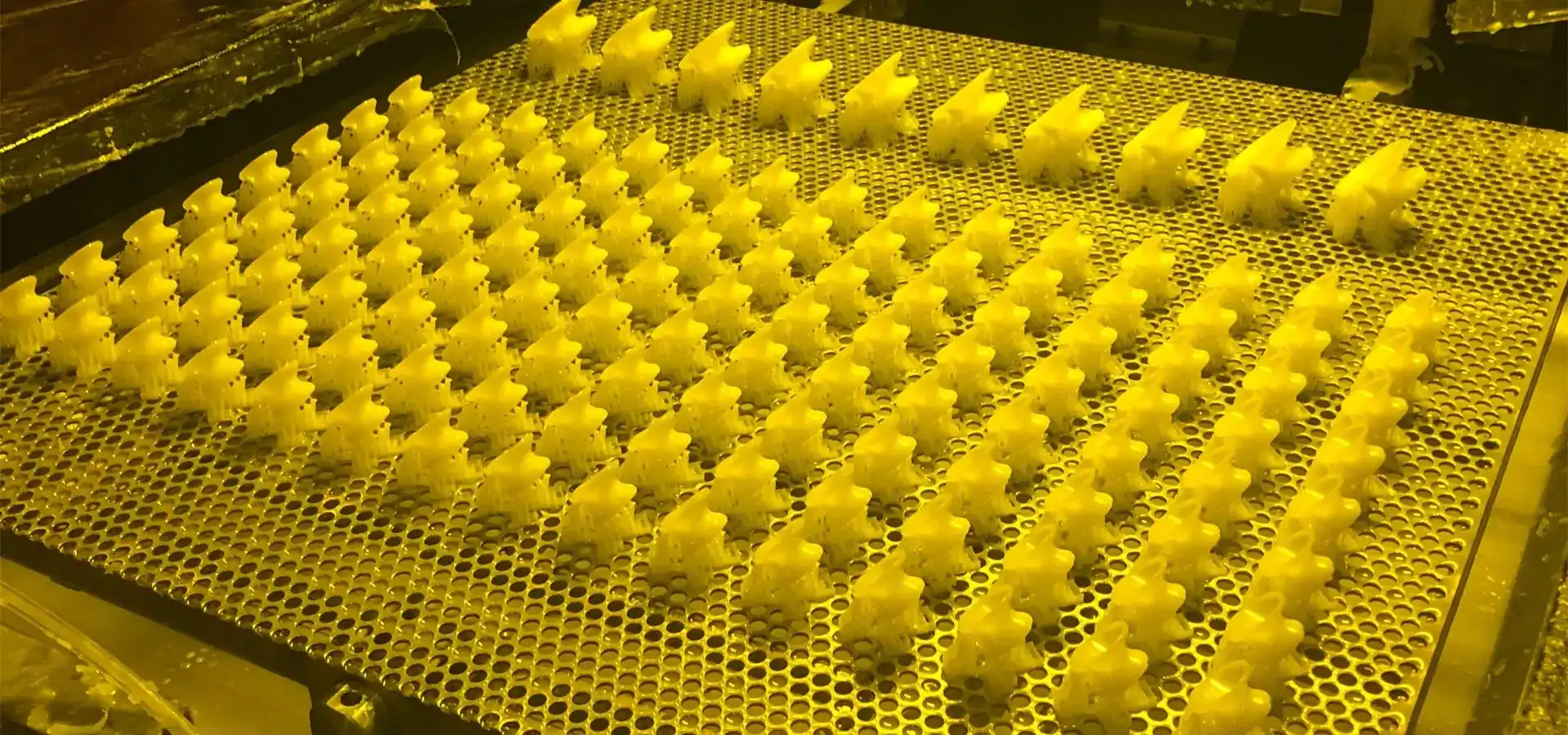
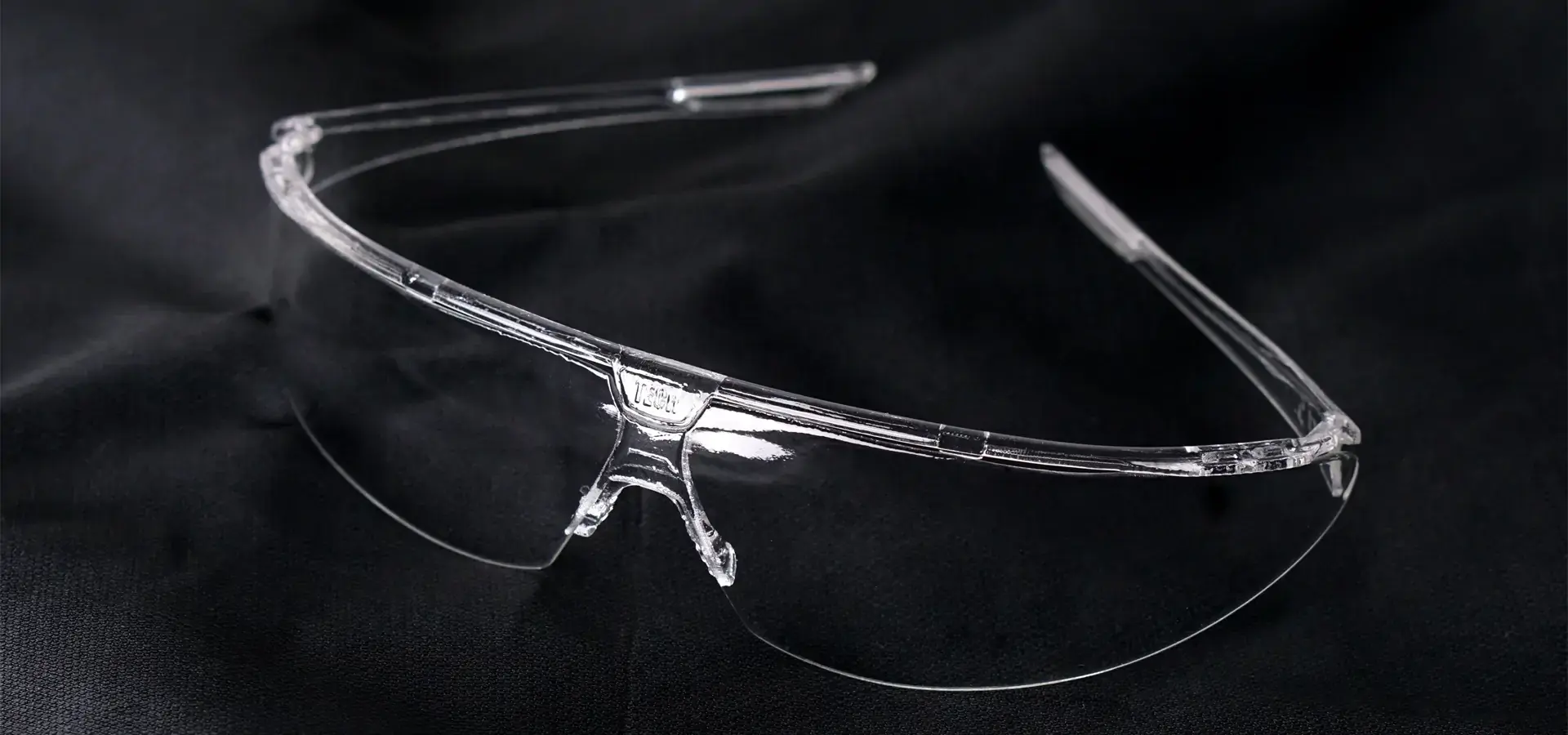
Layer thickness settings between 0.05 mm and 0.25 mm let operators find the best balance between speed and surface finish needs. Thinner layers get rid of visible steps for uses that need very smooth surfaces, like clear aligners or optical prototypes. Lateral features can be resolved down to the diameter of the laser spot, which is usually between 80 and 140 microns. This makes it possible to copy fine textures, sharp corners, and complex internal geometries that CNC machining can't do cost-effectively. For parts bigger than 100 mm, Industrial SLA 3D printer systems usually keep their tolerances within ±0.1%, which aligns with additive manufacturing data and workflow standards such as ISO/ASTM 52915, while dimensional accuracy is typically validated through internal QA protocols or ISO 2768 benchmarks. This level of accuracy is very important for making tools for aerospace, medical devices, and cars, where even small errors can affect how well they work or make sure they follow the rules.
Core Features That Define a High-End Industrial SLA 3D Printer
There are a number of technical differences between high-end systems and mid-range ones. Figuring out these differences helps procurement teams find machines that can keep up with long-term production needs.
Advanced Laser Optics and Scanning Systems
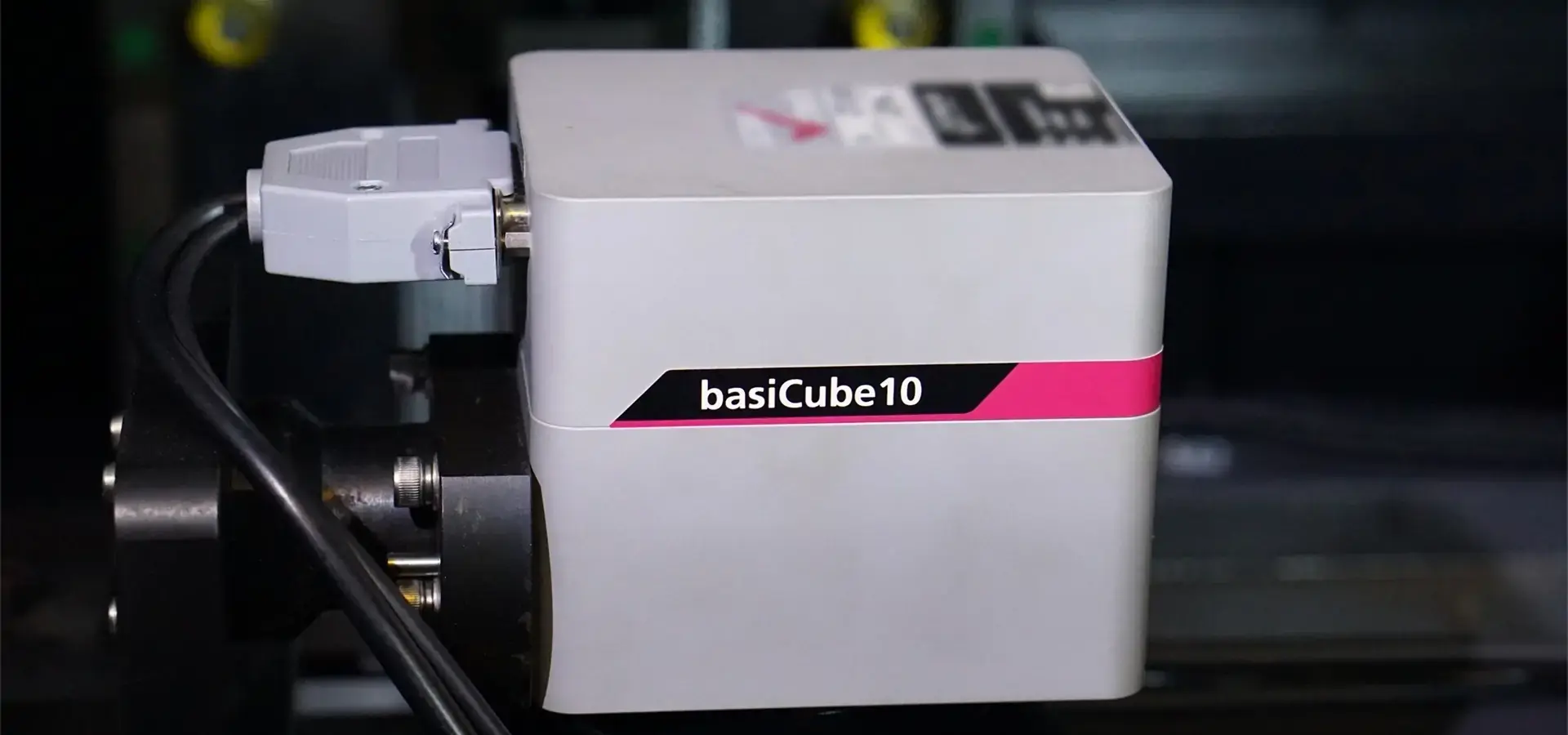
High-end industrial SLA 3D printer platforms incorporate modern laser technology to ensure uniform power output across the entire build area. Because the system can change the spot size, it can switch between fine detail mode for edges and wider beams for fill patterns inside the lines. This makes the quality and speed better. When compared to fixed-spot systems, this dual-mode operation can speed up printing by more than 30% while still maintaining accuracy at the micron level. AI-optimized scanning paths make them even more efficient by figuring out the best laser paths to cut down on curing time and thermal stress. These smart algorithms make it less likely that print defects like warping, layer delamination, or incomplete curing will happen, which happens a lot with less advanced systems when they are used for batch production.
Large Build Volumes with Automated Workflows
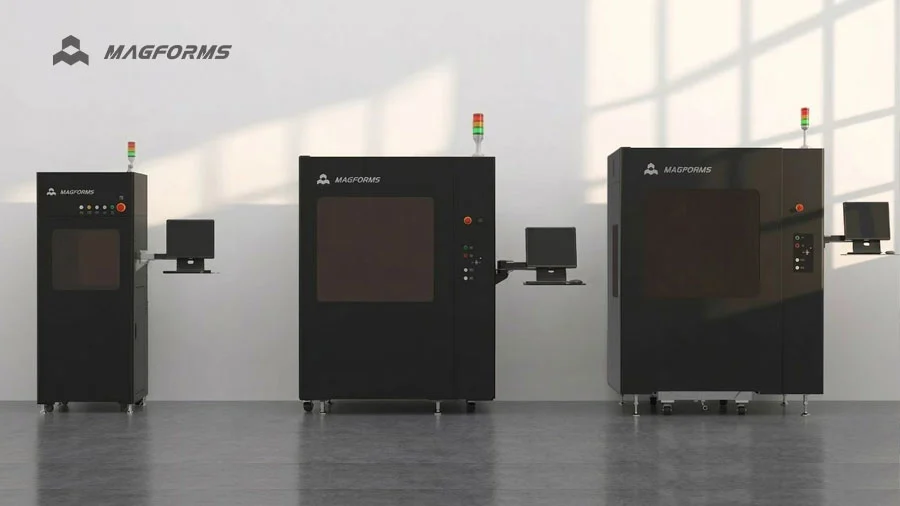
How much a production can grow depends on the size of the build envelope. Premium machines have platforms that are 600mm x 600mm x 800mm or bigger, which can fit big automotive panels, a lot of medical parts in one build, or big architectural models. This ability gets rid of the need to separate parts, which makes assembly simpler and less likely to have weak spots. Automation features set industrial platforms apart from alternatives that require a lot of manual work. Automated resin management systems keep an eye on the amount of material in vats and fill them up as needed during long print runs. This keeps expensive failures from happening because the resin ran out. Integrated mechanisms for removing parts require less work from the operator, and environmental controls keep the temperature and humidity at the right levels during multi-day production cycles. These features make sure that the quality is always the same and give technical staff more time to work on more important tasks instead of watching over machines.
Material Versatility and Resin Compatibility
Being able to work with different photopolymer formulations greatly increases the number of possible uses. High-end industrial SLA 3D printer systems can use a wide range of industrial-grade resins that were made to meet specific performance needs. Impact-resistant materials that are like ABS are used to make functional prototypes. Polypropylene-like engineered resins provide flexibility and enable functional living hinge applications. Transparent resins make lens prototypes clear to look at or help you see how fluid flows. High-temperature resins with heat deflection temperatures (HDT) exceeding 100°C maintain structural integrity under thermal stress, making them suitable for parts under the hood of cars or injection mold patterns. Specialized composite resins that contain ceramic particles, glass fibers, or other additives improve their electrical, mechanical, or wear resistance properties. Open-material architectures that can use resins from other companies give you more buying options and help you keep costs down. However, systems that are optimized for proprietary materials usually give better results because the chemistry and hardware are perfectly calibrated.
Software Integration and Industry 4.0 Connectivity
Industrial SLA 3D printer platforms can be turned into connected manufacturing nodes by using complex software ecosystems. Engineers can go straight from design software to getting ready to print without having to deal with file conversion problems that can lead to mistakes thanks to seamless CAD/CAM integration. Modern slicing algorithms create support structures automatically, find the best layer orientation, and make accurate time estimates. Remote monitoring lets operators keep an eye on the printing process, get alerts for problems that need attention, and change settings without having to be at the machine itself. This connectivity makes production in line with Industry 4.0 standards. It makes it easier to collect data for quality management systems, predictive maintenance scheduling, and process optimization projects that keep making output better and operations more efficient.
Industrial SLA 3D Printer Advantages Over Desktop and Other 3D Printing Technologies
Figuring out the strengths and weaknesses of different technologies helps people make choices about which one to use for different tasks.
Superior Surface Quality and Dimensional Accuracy
With surface roughness typically in the range of 1–5 μm Ra, Industrial SLA 3D printer technology consistently produces surface finishes of injection molding quality. This smoothness gets rid of the layer lines that are typical of FDM/FFF printing, which means that painted or plated parts don't need as much post-processing. The smooth surfaces also keep bacteria from growing on them in medical settings and lower aerodynamic drag in testing cars. Another big benefit is that the mechanical properties are isotropic. Photopolymerization makes parts that are fully dense and strong in all directions, unlike filament-based methods where interlayer adhesion makes Z-axis strength weak. This feature makes sure that the enclosures are waterproof and that the structure will work the same way no matter which way the load is applied, which is important for functional testing and end-use applications.
Speed and Throughput Optimization
Digital Light Processing (DLP) and Masked SLA (LCD technologies cure entire layers simultaneously using projected or masked light sources, which speeds up the cycle time for smaller parts. However, Industrial SLA 3D printer systems with variable spot lasers work better for larger build volumes. For large-scale production, the best balance is found when you can quickly fill internal volumes while keeping the detail resolution along the edges. Selective Laser Sintering (SLS) parts typically require controlled cooling within the powder bed to prevent warping, which can extend turnaround time compared to SLA before they can be safely taken out of powder beds. SLA parts, on the other hand, can be taken out and processed right away after they are finished. This time advantage is useful when quick design changes or prototyping are needed to stay ahead of the competition.
Solving Common Production Challenges
People didn't like how hard it was to handle the resin in traditional SLA implementations and how much work had to be done afterward. These problems can be fixed in modern high-end systems by using enclosed resin management, which keeps operators safer and makes material changes easier. Automated tools for removing supports and streamlined cleaning protocols cut down on manual work while keeping quality standards high. Perhaps the most important improvement is the rise in reliability. Failure rates are much lower than the average for the industry, as shown by thousands of hours of continuous operation testing and validation in the real world. This dependability directly leads to less unplanned downtime, less waste of materials, and stable production schedules that keep promises to customers.
Applications Demonstrating the Value of High-End Industrial SLA Printers
Implementations in different fields show that the strategic investment in high-quality additive manufacturing technology is paying off.
Aerospace and Automotive Manufacturing
Suppliers to the aerospace industry use Industrial SLA 3D printer systems to make lightweight parts with complex internal geometries that can't be made any other way. Conformal cooling channels in tooling, organic lattice structures that improve strength-to-weight ratios, and quick iteration of design changes all speed up development while lowering the costs of traditional prototyping methods. Automakers use these systems to make master patterns for vacuum casting and investment casting. This makes parting lines unnecessary and helps with manufacturing. Before expensive steel tools are made, dashboard prototypes go through a lot of tests to make sure they work well with airflow and ergonomics. Making functional snap-fit assemblies and parts for under the hood that can handle high temperatures lets design ideas be tested in the real world, which cuts development times by months.
Medical Device and Dental Applications
In orthodontics, Industrial SLA 3D printer platforms are used to make a lot of accurate dental arches that are thermoformed into clear aligners. Precision and high-quality surfaces mean that hand finishing is not needed, which saves time and effort and improves patient comfort and treatment effectiveness. Biocompatible resin formulations and micron-level accuracy make it possible to turn digital treatment plans into physical tools that fit the patient's anatomy perfectly. Custom implant prototypes, anatomical models for planning surgeries, and specialized instruments made for rare procedures all show how flexible these systems are for doctors. Following strict rules, like ISO 13485 for making medical devices, needs the level of consistency and traceability that only high-end industrial platforms can provide through tested processes and full documentation tools.
Consumer Electronics and Product Development
Consumer electronics need prototyping solutions that can keep up with the speed of the market because products are updated so quickly. Industrial SLA 3D printer systems let designers make prototypes that look and feel good and have surfaces that can be painted, plated, or given a texture right away. Focus group reviews, ergonomic testing, and design validation can all happen weeks or months before traditional methods would allow. Housings for wearable tech, parts for headphones, and phone add-ons that have complex snap features and close tolerances meet both aesthetic and functional needs. Being able to quickly make several different versions of a design speeds up decision-making and lowers the risk of spending a lot of money on tools for ideas that don't work in the market.
Cultural, Creative, and Footwear Industries
Industrial SLA 3D printer platforms are used by artists and designers in the cultural and creative sectors to make exact copies of intricate handicrafts, custom decorative models, and limited-edition collectibles with levels of detail that can't be reached with traditional methods. The technology protects cultural heritage and lets modern designers make changes to classic designs. Rapid shoe mold production and accessory prototyping are helpful for shoe designers. Within days, designers turn conceptual sketches into real samples that they test for fit, aesthetics, and the ability to be made before committing to making production tools. This adaptability helps the fast-fashion business model and makes it possible for brands to stand out in competitive markets through customization.
Making an Informed Purchase: Choosing the Best Industrial SLA 3D Printer
For strategic procurement to work, you need to balance more than just the main requirements.
Critical Evaluation Criteria
The main parts of technical evaluation are print accuracy, build volume, and production speed. But the quality of support after the sale often has a bigger impact on long-term satisfaction than the initial capabilities. Coverage for warranties, response times for service calls, and the availability of local technical expertise all have a big effect on operational continuity. When equipment breaks down, production lines can stop. This makes how responsive a supplier is an important differentiator. Total cost of ownership includes more than just the purchase price. It also includes the cost of materials, the cost of upkeep, and the ways to upgrade. Industrial SLA 3D printer systems with open-material architectures may have lower ongoing costs, while systems with closed ecosystems may be more reliable because the hardware and materials work better together. By figuring out the break-even points and operational costs over five years, you can see what the real economic value of each option is.
Comparing Leading Solutions
Market leaders such as 3D Systems, Formlabs, Prodways, and Stratasys dominate the SLA and photopolymerization segment, while companies like EOS are more prominent in powder bed fusion technologies. 3D Systems was one of the first companies to use stereolithography, and it still has large libraries of materials that can be used in tough situations. Formlabs changed industries by making professional-grade systems more accessible and offering a lot of training materials. Prodways focuses on production-scale throughput for manufacturers and service bureaus. Stratasys has platforms that combine multiple technologies for businesses that need a range of additive capabilities. EOS focuses on the automotive and aerospace industries and has validated processes that meet the certifications of those industries. Matching these vendor strengths to the needs of a specific application ensures optimal alignment. Aerospace suppliers may give more weight to systems that have a lot of material certifications and process validation paperwork. Medical manufacturers need options for biocompatible resins and the ability to integrate a quality management system. Companies that make consumer electronics like being able to quickly switch between materials and nest multiple parts together.
Procurement Strategy and Negotiation
Different manufacturers have very different ways of setting prices. Some vendors have reasonable entry prices, and you can get access to extra features by subscribing. Others offer a wider range of features in their base models, but they require a bigger initial investment. Finance options, leasing agreements, and policies for bulk ordering give organizations that are managing capital expenditure budgets a lot of freedom. To negotiate with a vendor well, you need to use competitive bids and focus on value instead of price alone. Requesting printed sample parts of proposed Industrial SLA 3D printer systems is a better way to confirm their claimed abilities than looking at specification sheets. Visits to installations that are already in place give information about performance, maintenance needs, and user satisfaction that can't be found in marketing materials. Getting to know technical sales reps who understand your problems well can often lead to custom solutions that aren't available through standard product lines.
 |
Industrial SLA Buyer Guide Find the Right Industrial SLA 3D Printer for Your Production Needs Compare build size, material compatibility, and ROI factors to select the ideal Industrial SLA 3D printer for your workflow.
|
Integrating Industrial SLA Technology into Production Workflows
Choosing the right equipment is only one part of a successful implementation.
Facility Requirements and Environmental Considerations
For resin handling, industrial SLA 3D printer installations need stable temperatures, low humidity, and enough airflow. Not only does the printer need to take up space on the floor, but there also need to be post-processing stations for washing, curing, and removing supports. For electrical needs, especially with large-format systems, dedicated circuits may be needed to keep power from fluctuating while the system is running. Photopolymer exposure risks are dealt with by safety protocols that include using the right personal protective equipment, storing materials properly, and properly getting rid of waste in a way that follows environmental laws. Training programs make sure that operators know how to safely handle things, run machines, and fix problems in a way that keeps the system running as much as possible while minimizing risks.
Material Selection and Supply Chain Management
Keeping enough resin on hand keeps production from stopping and keeps you from having too much stock that might break down before it's used. Having relationships with several material suppliers makes the supply chain more stable, but third-party resins need to be tested for compatibility to make sure they work well. Some companies that use Industrial SLA 3D printer systems create their own resin formulations that work best in certain situations. This gives them a competitive edge through better material performance rather than better equipment. Temperature-controlled storage keeps the properties of resin stable, which extends its shelf life and makes sure that print results are always the same. Lot tracking and material certification paperwork help with quality management in regulated industries by making it possible to follow a part from the time it is received as raw materials to the time it is delivered as a finished product.
Maintenance Programs and Performance Optimization
Manufacturers set up preventive maintenance schedules to cut down on unexpected failures. Accuracy and dependability are maintained by regularly calibrating the laser, cleaning the optics, and lubricating the mechanical system. By keeping an eye on the lifecycles of consumable parts like resin tank liners, build platform coatings, and filtration systems, replacements can be planned for planned downtime instead of having to be done quickly in an emergency. Performance optimization means making changes to the process all the time based on data from production. By looking at failure patterns, print success rates, and post-processing needs, it is possible to find ways to improve results by changing parameters, the support structure, or the orientation of the part. With this iterative method, Industrial SLA 3D printer platforms go from being static tools to assets that are always getting better.
Conclusion
Choosing a high-end industrial SLA 3D printer is a long-term strategic choice that affects the quality of production, the efficiency of operations, and the company's position in the market. Advanced laser optics, large build volumes, material versatility, and Industry 4.0 connectivity are some of the things that set premium systems apart. These features directly meet the needs of modern manufacturing environments for precision, throughput, and reliability. Procurement teams can make smart investments when they understand the basics of technology, evaluate core features, and match system capabilities to specific application needs. Real-world applications in the creative, medical, automotive, aerospace, and consumer electronics industries show that these systems really do help by speeding up development, lowering costs, and making products better.
To move forward, you need to work with suppliers who offer more than just equipment. You need to find suppliers who can provide full solutions that include materials, hardware, software, and support services that all work together without any problems. This all-around approach lowers the risks of implementation and raises the returns on investments in additive manufacturing.
FAQ
What resin types work with industrial SLA systems?
Industrial SLA 3D printer platforms support a variety of photopolymer formulations that are specifically suited to their intended performance. Standard choices include materials that are like ABS for resistance to impact, flexible resins for living hinges, and clear formulations for optical uses. Specialized composites that contain ceramic particles or glass fibers have better mechanical properties. High-temperature resins keep their structure strong above 100°C, even in harsh thermal environments. Biocompatible options that are medical grade meet the rules for use in dentistry and surgery. Material compatibility varies from manufacturer to manufacturer. Some systems can use resins from other companies, while others get the best performance from their own special formulations.
How does industrial SLA differ from desktop models?
Industrial systems integrate high-power solid-state lasers, advanced galvanometer scanning mechanisms, and significantly larger build volumes compared to desktop units. Industrial SLA 3D printer spot sizes that can be changed let you do both fine detail and quick fill patterns. Controls for the environment keep the working conditions stable, which is important for accurate measurements. Large parts that can't be made on desktop platforms can be supported by build envelopes that are bigger than 600 mm. With automated resin management and part removal, less work needs to be done by hand. These differences in hardware and capabilities make the higher investment worth it because they lead to better throughput, reliability, and fit for production environments rather than hobbyist uses.
What factors drive the total cost of ownership?
The purchase price only covers the initial cost of the item. Over the course of years of use, material costs add up. These costs vary a lot between proprietary and open systems. Ongoing costs are affected by maintenance needs, such as replacing worn-out parts and signing up for regular service contracts. When Industrial SLA 3D printer equipment breaks down, it causes downtime that lowers productivity and costs money to fix. Investing in training makes sure that system users get the most out of it while wasting as little as possible. Operating costs are affected by things like energy use, environmental controls in the facility, and equipment used after processing. Figuring out the costs of owning each system over five years is a more accurate way to compare them than just looking at the initial price.
Why Magforms Industrial SLA 3D Printer Systems Deliver Measurable Value?
Magforms stands out because it offers integrated solutions that cover the whole production ecosystem, rather than just providing equipment. Our systems use specially designed hardware and proprietary resins to work together perfectly. This gets rid of the compatibility problems that come up with mixed-vendor approaches and lead to mistakes in measurements and unplanned downtime.
When you combine variable spot-size laser technology with AI-optimized scanning paths, printing speeds go up by over 30% compared to the average in the industry. This makes lead times for rapid prototyping and small-batch customization much shorter. Because of this performance advantage, manufacturers can quickly meet the needs of the market while still maintaining micron-level accuracy that can reproduce fine textures, complex geometries, and tight tolerances needed by industries like aerospace, medical devices, and precision tooling.
Reach out to our team at info@magforms.com to talk about how our Industrial SLA 3D printer solutions can change the way you make things. We offer personalized consultations that match the system's features to the needs of each application, competitive quotes that show clear ways to get your money's worth, and expert post-sales support that keeps your manufacturing investment safe throughout its entire operational lifecycle.
References
1. Gibson, I., Rosen, D., & Stucker, B. (2021). Additive Manufacturing Technologies: 3D Printing, Rapid Prototyping, and Direct Digital Manufacturing (3rd ed.). Springer International Publishing.
2. Jacobs, P. F. (1992). Rapid Prototyping and Manufacturing: Fundamentals of Stereolithography. Society of Manufacturing Engineers.
3. Melchels, F. P., Feijen, J., & Grijpma, D. W. (2010). A review on stereolithography and its applications in biomedical engineering. Biomaterials, 31(24), 6121-6130.
4. Stansbury, J. W., & Idacavage, M. J. (2016). 3D printing with polymers: Challenges among expanding options and opportunities. Dental Materials, 32(1), 54-64.
5. Quan, H., Zhang, T., Xu, H., Luo, S., Nie, J., & Zhu, X. (2020). The photo-curing 3D printing technique and its challenges. Bioactive Materials, 5(1), 110-115.
6. Hofmann, M. (2014). 3D Printing Gets a Boost and Opportunities with Polymer Materials. ACS Macro Letters, 3(4), 382-386.

Magforms makes design and manufacture easier.
Popular Blogs
-
 Industry InsightsManufacturing Industry
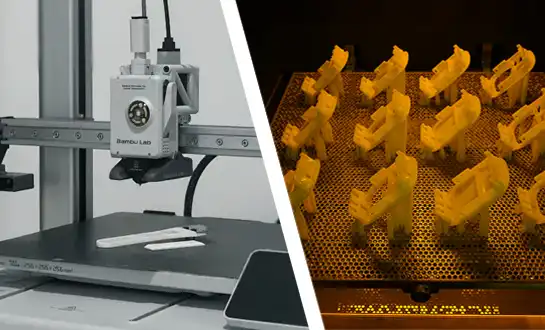
FDM vs. SLA Printer: Which Technology Is Right for Your Project?
-
 Industry InsightsManufacturing Industry
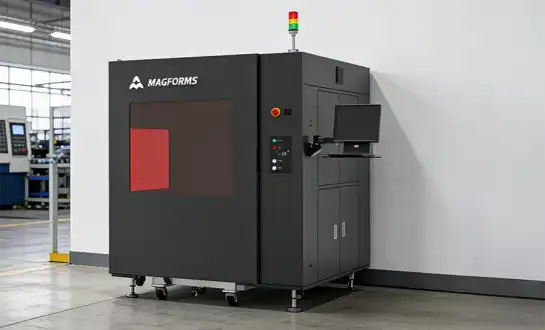
Top 5 Applications of Industrial 3D Printers in Manufacturing Today
-
 Industry InsightsManufacturing Industry
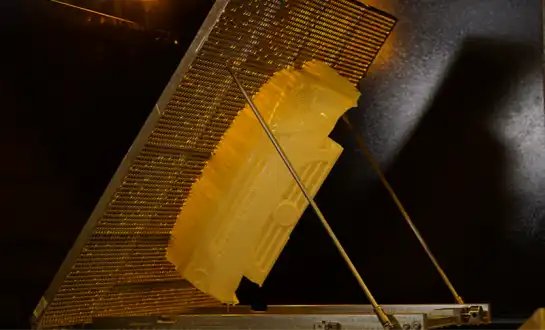
Why Stereolithography 3D Printers Are Unmatched for Microfluidic Device Prototyping?