Which 3D Printer Offers the Best Value for Money?
Matching your business needs with the right technology and support ecosystem is key to figuring out which 3D printer gives you the best value for your money. When looking at the total cost of ownership, the best 3D printer strikes a balance between accuracy, the ability to work with a wide range of materials, stability, and full after-sales service. For businesses that work in more than one industry, like dental customization and automotive prototyping, value comes from more than just the purchase price. It also comes from less downtime, compatibility with other materials, and long-term dependability, which ensures a steady return on investment (ROI) across production cycles.
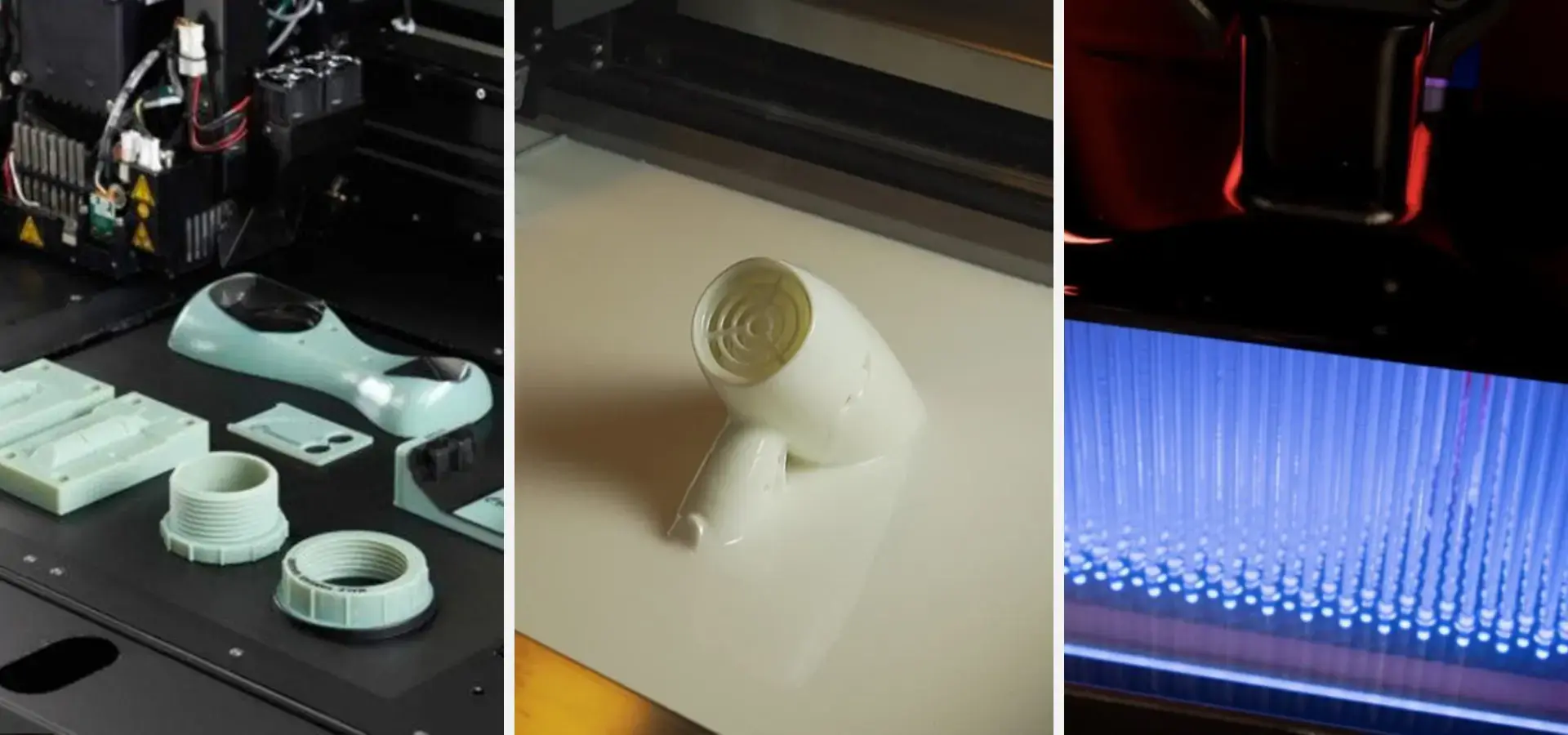
Understanding Value for Money in 3D Printers
What Value Really Means in Industrial Additive Manufacturing
In the realm of industrial additive manufacturing, value for money extends beyond the mere price tag. We've learned as procurement managers and technical directors that the real test is how well operations run over time. My team and I look at how printing accuracy, material flexibility, and maintenance needs affect our bottom line over the course of the year, not just when the budget is approved. When buying a 3D printer, you should think about the total cost of ownership. This includes the costs of consumables, getting help, integrating software, and the time it takes for operators to learn how to use it. When machines look cheap at first, they often have hidden costs like proprietary materials, the need to calibrate them often, or technical support times that are too slow to keep up with production schedules.
Key Performance Indicators That Define Real Value
Precision directly affects material waste and post-processing work. Dimensional accuracy of within ±0.1 mm ensures that parts fit together correctly on the production floor, which cuts down on the need for expensive rework cycles. Print resolution—whether it's 50 microns for resin systems or 0.2mm nozzle diameters for filament extrusion—determines the quality of the surface finish and how much work your team has to do by hand. Material compatibility affects how flexible operations can be. If your equipment exclusively uses proprietary resins or filaments, your procurement team will face single-source pricing and lack negotiation options. Open-platform systems that work with materials from other companies can lower costs while keeping quality standards high for engineering-grade polymers, flexible elastomers, and high-temperature composites.
For throughput, speed is important. When compared to traditional equipment, advanced scanning algorithms and motion systems can cut print times by 30% or more. These factors can directly affect your ability to meet client deadlines and work on multiple projects at once. This is crucial when working with demanding industries like consumer electronics or cars, where design changes happen quickly. Support after the sale is what makes a machine useful for production or just an expensive weight. Technical teams need quick responses for troubleshooting, easy access to spare parts, and thorough training that gives operators the skills they need to get the most out of their equipment without having to rely on a single vendor all the time.
Types of 3D Printers and Their Value Propositions
Fused Deposition Modeling for Versatile Production
Fused deposition modeling technology can be used for both prototyping and making functional parts at a low cost. Layer by layer, these systems extrude thermoplastic filaments, which makes them perfect for design studios and small factories that need long-lasting parts without having to pay a lot for them. The main benefit is easy access to materials and low operational complexity. For concept models, FDM machines can use standard PLA. For parts that will be used, they can use engineering-grade nylon, polycarbonate, and carbon-fiber-reinforced composites. Usually, build volumes range from small desktop formats to large-format industrial systems that can make single builds of car interior panels or furniture parts.
The main limitations are the finish on the surface and the accuracy of the shapes. Layer lines can still be seen, so presentations need to be processed afterward to be ready for clients. Removing the support structure can result in surface flaws on intricate geometries, and the technology typically struggles with fine features below ~0.4–0.6 mm, depending on nozzle diameter and slicing parameters. Still, FDM systems are useful for operations that care more about functional testing than aesthetic perfection because each part is cheap, and training isn't needed frequently.
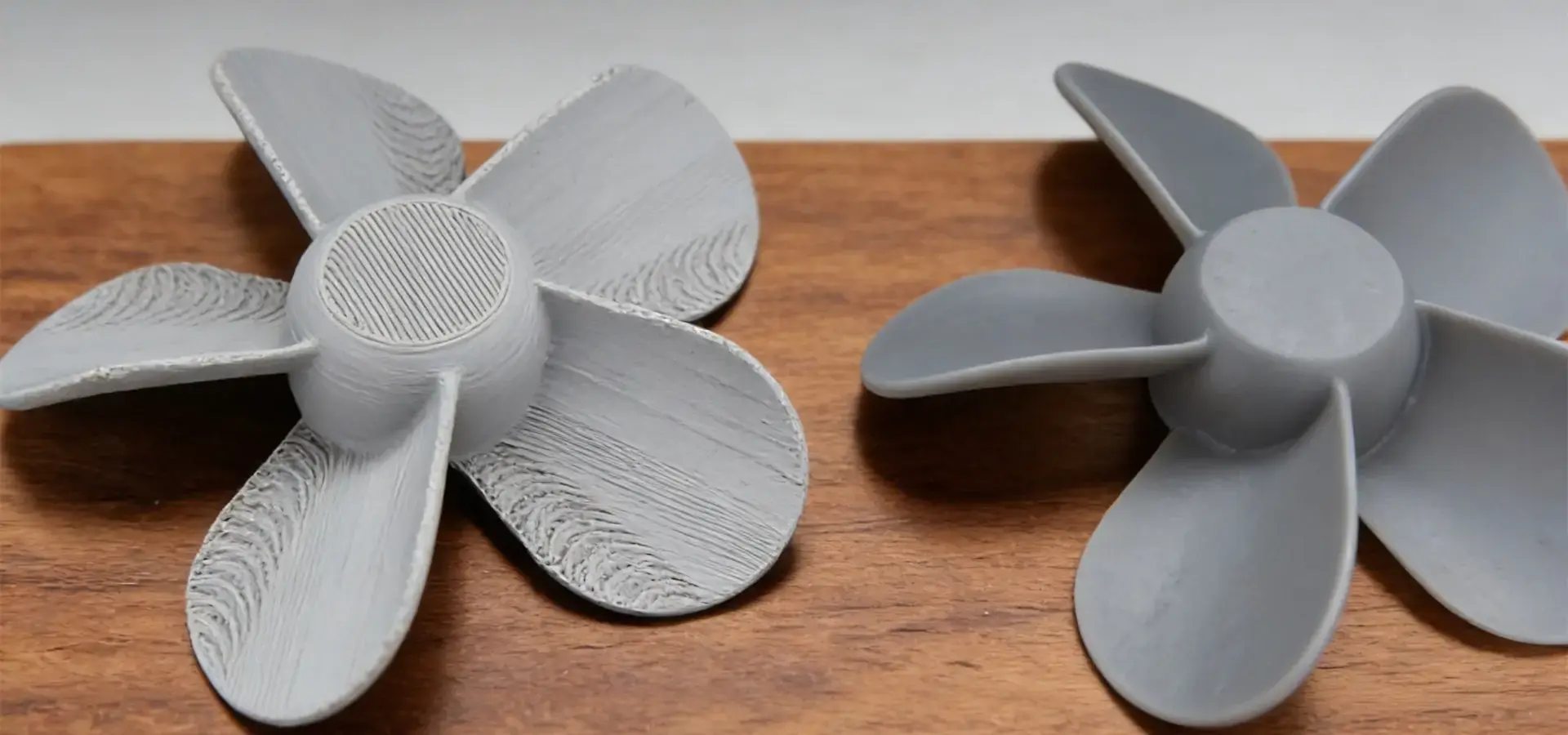
Stereolithography and DLP Resin Systems for Precision Applications
UV lasers are used in stereolithography apparatus technology to cure liquid photopolymer resins very precisely. With resolution reaching ~25–50 microns in the XY plane and layer heights down to 10–25 microns, SLA systems can make surfaces that look like they were made with an injection mold. Because of this, they are essential for making dental models, jewelry prototypes, and complicated mechanical assemblies that need to be very accurate. AI-optimized scanning paths and laser technology with variable spot sizes make it easier to obtain more details and work faster. Different types of resin chemistry are used for different purposes, such as tough engineering resins for making functional prototypes, castable wax resins for investment casting, biocompatible materials for testing medical devices, and clear resins for seeing how fluids flow.
Digital Light Processing (DLP) systems achieve comparable precision by projecting each layer using a digital projector, while Masked Stereolithography (mSLA) systems use an LCD panel to selectively mask UV light. Both approaches cure entire layers simultaneously, enabling higher throughput for certain geometries. In contrast to FDM's anisotropic layering, both technologies produce parts with near-isotropic mechanical properties, offering more uniform strength distribution compared to FDM's anisotropic layer bonding. The cons are higher costs for materials, requirements after curing, and more complicated maintenance plans that include handling resin and cleaning tanks.
Industrial-Grade Multi-Material Platforms
Large-format industrial systems are worth the extra money because they can print on multiple materials, switch between them automatically, and monitor quality all in one unit. These platforms help R&D departments in aerospace, automotive testing labs, and medical device companies that need to make sure that each batch is consistent and obeys the rules. Enclosed heated chambers keep temperatures stable, which keeps high-performance polymers like PEEK and Ultem from warping when they work at high temperatures. Dual extrusion systems let soluble support materials dissolve away without leaving marks on the part surfaces, which is crucial for internal channels that are complicated or features that need to be very delicate. Some platforms have monitoring sensors that work in real time and stop operations if they see something that doesn't seem right. This keeps expensive materials safe and stops batch failures.
These systems can build volumes ranging from 300x300x400mm to over 600x600x800mm, so they can handle large assemblies or many parts in one run. At scale, the lower per-part costs come from higher throughput and less operator involvement. However, the initial capital outlay and facility needs mean that an ROI model needs to be carefully thought out.
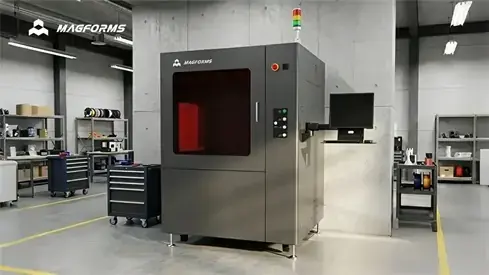 |
INDUSTRIAL SOLUTIONS High-Precision SLA Printers for Industrial Manufacturing Discover large-format SLA systems engineered for automotive, dental, medical, and engineering applications with micron-level precision. |
Comparing Leading 3D Printer Brands and Models for Value
Entry-Level Options for Small Enterprises and Startups
Businesses seeking to maintain their budgets often begin with established desktop models that are both affordable and dependable. The Ender series from Creality and the Mini models from Prusa are both excellent FDM platforms that cost less than $1,000. They can handle PLA, PETG, and other basic flexible materials accurately enough for concept testing and small-batch production. 3D printers work well for product design studios, making first prototypes, or for small 3D printing service providers building their client base. Many entry-level systems are open source, which means that active user communities offer help with problems and modifications, which helps make up for the lack of manufacturer support. You should expect to spend some time learning how to calibrate and maintain it, though.
Mid-Range Professional Systems for Growing Operations
As production needs to grow, mid-range professional platforms offer better consistency and a wider range of materials that can be used with them. Ultimaker's S-series and Formlabs' Form 3+ are both mature technologies with well-tuned hardware, easy-to-use software, and quick customer service networks in all major markets. These systems usually cost between $3,000 and $8,000 and are used by dental offices to make models for orthodontic devices, consumer electronics companies to make prototypes for housings for wearable tech, and auto suppliers to test how well interior parts fit. Fewer failures and better surface quality mean less work needs to be done after the machine is finished, which can add up to hidden costs for basic machines.
Material libraries for these platforms are put through a lot of tests to make sure they provide accurate print parameter profiles that take away the need to guess. Features that are connected to the cloud let you manage jobs and your fleet from afar, which is helpful when you need to run multiple machines during different shifts or coordinate work between facilities.
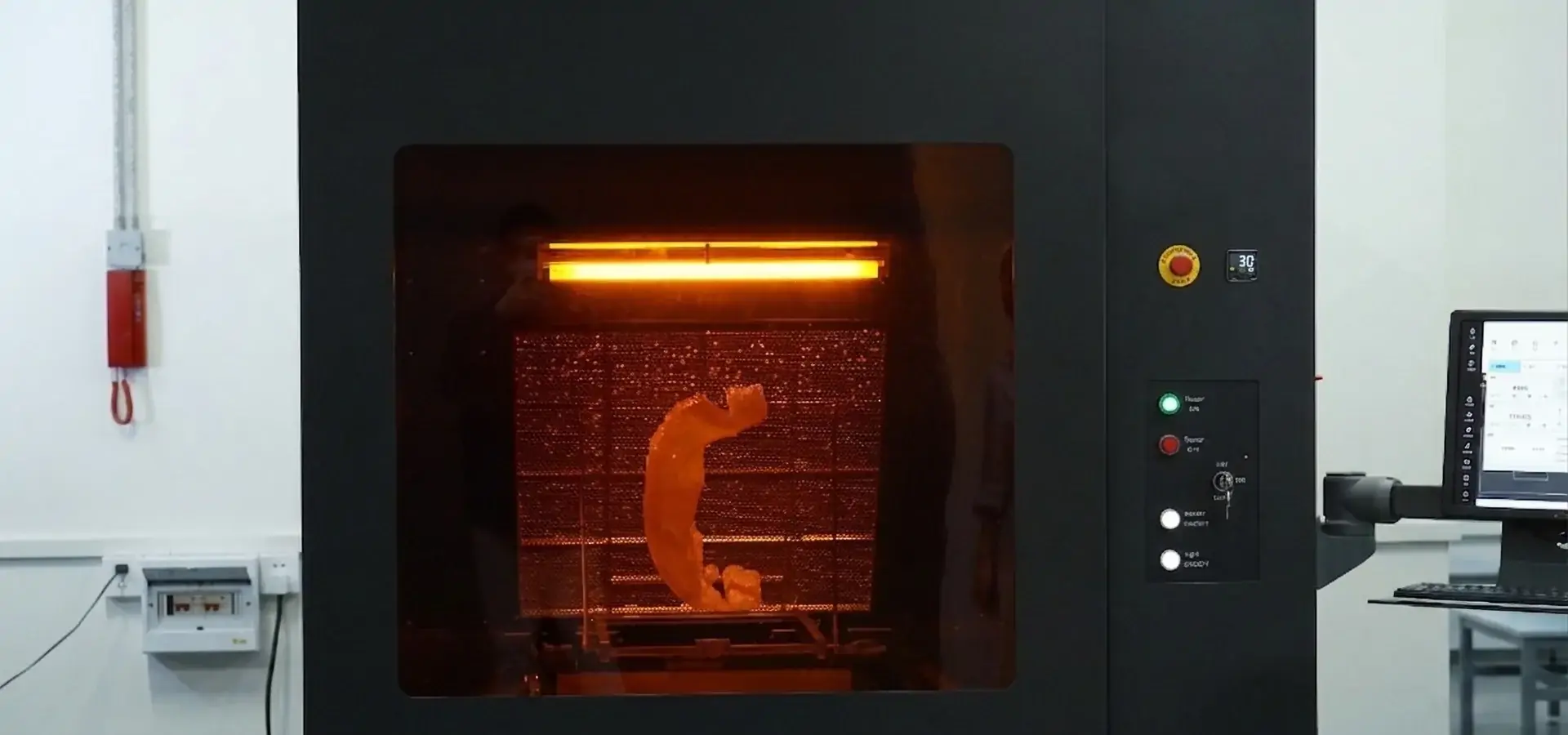
Industrial Solutions for Mission-Critical Production
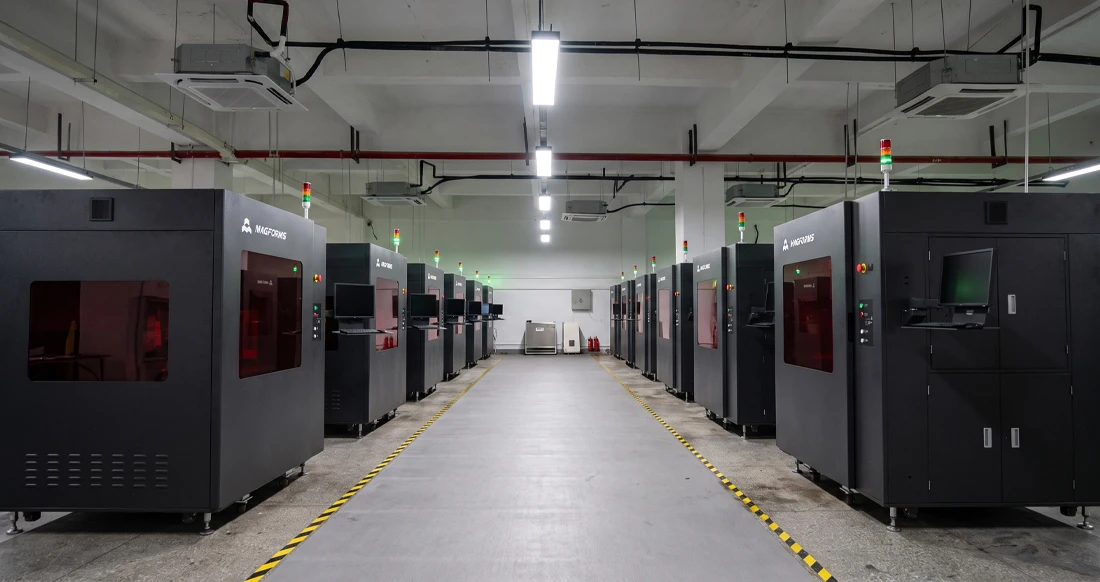
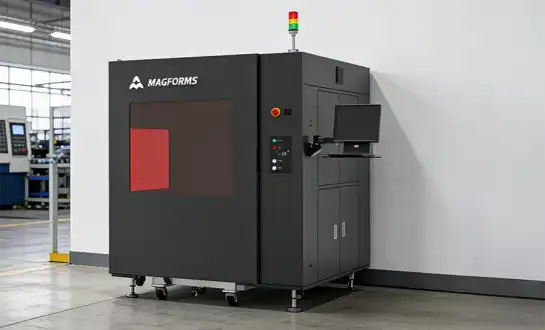
Businesses that need to make a lot of products quickly and with high quality standards can benefit from industrial platforms that combine materials and tools through coordinated engineering. Magforms’ integrated approach exemplifies this model by co-optimizing proprietary resin formulations with calibrated laser parameters and scanning algorithms, reducing cross-material variability and ensuring repeatable dimensional accuracy in production environments. Large SLA systems, such as the Helios-P600 and Helios-P800 models, can build things that are bigger than 500mm in more than one dimension. This makes it possible to make a lot of medical surgical guides, prototypes for aerospace connectors, or new lighting components for cars. The variable spot-size laser technology can achieve up to ~30% higher printing efficiency under optimized geometries and layer strategies compared to conventional SLA benchmarks.
Thousands of hours of continuous operation testing have led to failure rates that are below industry standards. This dependability is very important when production schedules promise to meet deadlines for client deliveries or regulatory submissions. The integrated material-equipment synergy makes sure that all batches are the same size, which cuts down on quality control rejects and material waste that hurts profits.
Procurement Considerations and How to Maximize Your Investment
Strategic Sourcing and Total Cost Analysis
Smart procurement is more than just negotiating prices. Buying a lot of equipment can often lead to volume discounts, and buying a lot of materials at once can help you get better prices over time. When we look at vendors, we check how many consumables and spare parts they keep in stock. If a machine is down for two weeks while it waits for a new print head, any savings are lost. Total cost modeling should guess that the business will run for three to five years. Figure out how much material you'll need based on production forecasts, how often you should do maintenance based on manufacturer instructions, and how long it will take to train operators until teams are fully productive. Equipment that costs more up front but has less operational friction usually gives a better return on investment (ROI) than cheaper options that need constant care.
Maintenance, Accessibility, and Technical Support Infrastructure
How long something lasts depends on how easy it is to maintain. Systems that make it easy to replace parts quickly, like hot-swappable print cores, tool-free tank access, or automated cleaning cycles, make routine maintenance easier for people who aren't tech-savvy. This lets smaller teams keep things running without having to hire dedicated technicians. How quickly technical support responds determines whether problems cause hours or days of downtime. Check out the vendor's customer service. Do they have regional service centers? How long does it take to get help for critical failures? Are there ways to do diagnostics from a distance? Magforms has a lot of experience in the field, which means that their technical teams know how to deal with real-world production problems and give useful troubleshooting advice instead of scripted answers.
Software Integration and Operator Training
Software for slicing that is easy to use and control panels that are simple to understand help operators get better faster. Training times are cut from weeks to days with systems that have well-documented workflows, profiles that are already set up for common materials, and clear error messages. Cloud platforms that let you queue jobs and check on their progress from afar make workflow more efficient, especially when design teams and production floors need to work together. Comprehensive training programs, like technical webinars, on-site workshops, or video libraries, make the money you spend on equipment go further. Operators who know the best places to put supports, how to strategically align parts, and the parameters that are specific to each material can get the most out of their hardware, which increases the success rate of the first print and the quality of the finished part.
Future Trends in 3D Printing Affecting Value Assessments
Multi-Material Capabilities and Process Innovation
New technologies let more than one material be deposited at the same time in a single build. This makes it possible to make integrated assemblies that combine rigid structures with flexible seals or clear windows with opaque housings. This cuts down on assembly steps and gets rid of the risks of adhesive bonding, which is especially helpful when making medical devices and consumer goods. Advanced scanning algorithms, higher-power laser systems, and better resin chemistries are making it faster, and this keeps pushing the limits of throughput. Complex builds used to take eight hours, but now the same jobs can be done in five. This has a direct effect on operational capacity without the need to expand the facility. In advanced resin systems, resolution improvements allow layer heights of less than 10 microns. This makes it possible to do things like microfluidic device prototyping or making very detailed jewelry master patterns that used to have to be done by hand or with traditional machines.

Sustainability and Operational Efficiency
Environmental concerns are becoming more and more important in buying choices. Heating systems that use less energy, support materials that can be recycled, and bio-based resin formulations all help companies meet their sustainability goals while sometimes cutting costs. Certifications for equipment's energy use and emissions help meet government rules in markets that care about the environment. Cutting down on waste by using better support generation algorithms and precise material deposition lowers the cost of consumables for each part. Closed-loop workflows may include filtering and reusing uncured resin under controlled conditions, though material degradation must be monitored to maintain print quality and consistency.
Digital Integration and Industry 4.0 Readiness
IoT-enabled devices with built-in sensors make predictive maintenance easier by keeping an eye on how parts wear and alerting operators before they break. This stops unplanned downtime and makes the best use of spare parts inventory by ordering replacements based on how they actually work instead of on arbitrary schedules. Production managers can keep an eye on many machines in different buildings from one central dashboard thanks to remote monitoring. Real-time quality metrics, tracking of material use, and automated job queuing make 3D printing part of larger manufacturing execution systems. This is important for companies that want to become part of Industry 4.0.
By storing part files instead of physical inventory, digital warehousing ideas make it possible for manufacturing to happen on demand, close to where the goods are used. This cuts down on shipping costs and supply chain risks. This model works especially well for businesses that have operations in different places or that serve markets where demand changes all the time.
Conclusion
To find the best 3D printer for the money, you need to make sure that your business needs are met by the right technology platform and support ecosystem. Startups that are on a tight budget can use entry-level FDM systems. As production needs grow, mid-range professional equipment can meet those needs, and integrated industrial solutions can meet the needs of mission-critical applications for reliability and accuracy. The real value of something is found by looking at how accurate it is, how versatile the materials are, how stable the operation is, and how quickly technical support can be provided throughout the lifecycle of the item. Companies that take the time to carefully evaluate suppliers and work with those that offer proven integration between hardware and materials will always be ahead of the competition in their fields.
FAQ
Which 3D printer type offers the best cost-effectiveness for small businesses?
For small businesses, FDM systems are usually the easiest way to get started because they can be bought for less than $1,000 and are reliable. With materials like PLA, PETG, and TPU, these can be used for common prototyping tasks and to make functional parts. But if you need a better surface finish or more intricate details, like for dental models or jewelry, mid-range SLA systems that cost between $3,000 and $5,000 will give you a better return on investment because they require less post-processing work, even though they cost more at first.
What are the ongoing operational costs for resin versus filament technologies?
Most of the time, resin materials cost more per kilogram than filament. For example, engineering-grade photopolymers typically cost $150–$300 per liter (with densities close to ~1.0–1.2 g/cm³), while FDM filaments range from $20–$80 per kilogram, making resin systems generally higher in material cost per unit volume. Resin systems also need resin tanks to be replaced every so often, and they may need consumables like isopropyl alcohol for post-processing. However, resin's higher accuracy often cuts down on rework and finishing work, which, depending on your application needs, can make up for the higher cost of the material.
Should I consider refurbished equipment to maximize value?
You can save a lot of money by buying used industrial systems. Sometimes the prices are 30% to 50% less than the prices of new equipment. The most important things to think about are the warranty coverage, the expected remaining life of each component, and whether or not the supplier offers full inspection reports. Check to see if important wear parts, such as laser modules or print heads, have been replaced or still have a lot of life left in them. Businesses on a tight budget can get a lot of value from reputable suppliers that offer certified refurbishment and meaningful warranties.
Partner with Magforms for Optimal 3D Printer Solutions
Magforms is ready to help your business find the best additive manufacturing solution for your needs and the size of your production run. Our unified method combines special materials with carefully designed hardware, which gets rid of compatibility problems that cause extra costs and production delays. We bring proven expertise to your procurement decision, having worked with over 300 businesses around the world and holding 22 patents that support ongoing innovation. Whether you need basic equipment for a new service bureau or large-format industrial systems for making aerospace parts, our technical team can help you choose the right 3D printer equipment, make the best use of materials, and integrate your workflow. Get in touch with us at info@magforms.com to talk about how our solutions can help your business be more competitive in your market.
References
1. Wohlers, T. (2023). Wohlers Report 2023: 3D Printing and Additive Manufacturing Global State of the Industry. Wohlers Associates, Inc.
2. Gibson, I., Rosen, D., Stucker, B., & Khorasani, M. (2021). Additive Manufacturing Technologies (3rd Edition). Springer International Publishing.
3. Sculpteo. (2023). The State of 3D Printing 2023: Industry Insights and Market Trends. Sculpteo Industry Report.
4. ASTM International. (2021). Standard Terminology for Additive Manufacturing Technologies (F2792-12a). ASTM Committee F42 on Additive Manufacturing Technologies.
5. Tofail, S.A.M., Koumoulos, E.P., Bandyopadhyay, A., et al. (2018). "Additive Manufacturing: Scientific and Technological Challenges, Market Uptake, and Opportunities." Materials Today, Volume 21, Issue 1, pp. 22-37.
6. Attaran, M. (2017). "The Rise of 3D Printing: The Advantages of Additive Manufacturing over Traditional Manufacturing." Business Horizons, Volume 60, Issue 5, pp. 677-688.

Magforms makes design and manufacture easier.
Popular Blogs
-
 Industry InsightsManufacturing Industry
FDM vs. SLA Printer: Which Technology Is Right for Your Project?
-
 Industry InsightsManufacturing Industry
Top 5 Applications of Industrial 3D Printers in Manufacturing Today
-
 Industry InsightsManufacturing Industry
Why Stereolithography 3D Printers Are Unmatched for Microfluidic Device Prototyping?