3D printer resolution and model design considerations
When selecting additive manufacturing technology for precision applications, understanding high-resolution 3D printer capabilities becomes crucial for achieving optimal results. Resolution parameters directly influence model design decisions, affecting everything from support structure placement to post-processing requirements. Modern industrial applications demand micron-level accuracy, making resolution specifications the primary factor in equipment selection. Advanced resin-based systems deliver exceptional detail reproduction, enabling complex geometries previously impossible with traditional manufacturing methods, revolutionizing industries from aerospace to medical device production.

Understanding 3D Printer Resolution and Its Impact on Model Design
Defining High Resolution Parameters in 3D Printing
In additive manufacturing, resolution refers to a group of technical parameters that determine the quality of the prints. XY resolution refers to the minimum feature size achievable in the horizontal plane and is typically determined by pixel size in mSLA systems, measured in microns. Z-axis accuracy is controlled by layer height. In these systems, pixel size and layer thickness work together to define overall print resolution. XY resolution corresponds to the LCD pixel dimensions, while Z resolution is determined by layer height. These parameters work synergistically to create dimensional accuracy requirements essential for professional use. Stereolithography (SLA) and Digital Light Processing (DLP) methods are much better at providing high precision than filament-based options. Masked stereolithography systems typically use pixel sizes ranging from 19–50 microns, depending on screen resolution and build area. This helps ensure consistent detail reproduction across the build platform, although slight variations may still occur depending on light uniformity.This helps ensure consistent detail reproduction across the build platform, although slight variations may still occur depending on light uniformity.
How Resolution Affects Model Design Decisions
When working with high-resolution systems, model direction has a big effect on the quality of the end part. For curved surfaces, the angled orientationangled orientation will reduce the appearance of the layers, and for detailed details, the right placement of supports will keep them from getting damaged during post-processing. When working with ultra-thin features, it's important to pay close attention to wall thickness because they need precise exposure tuning to avoid overcuring or structural weakness. When resolution powers go up, geometry limitations change in a big way. Smaller details can be safely printed, which opens the door to microfluidic channels, fine text etching, and complicated lattice structures. Some methods for improving design are hollowing strategies for big parts, placing drainage holes to get rid of uncured resin, and stress concentration analysis for support attachment points.
Resin Technology Advantages Over Filament Systems
Photopolymerization methods produce parts with more uniform mechanical properties compared to filament printing, reducing issues related to layer bonding, although slight anisotropy may still exist depending on curing conditions. The quality of the surface finish can approach injection-molded surface quality, though post-processing such as cleaning and curing is still required. Chemical compatibility with engineering-grade resins makes it possible to make samples that work and can stand up to testing in the real world. The ability to choose a variety of materials lets qualities be tailored to specific uses. Biocompatible resins are used in medicine, and high-temperature versions are used for functional testing in high-temperature environments such as automotive applications. Optical modeling is possible with clear materials, and elastomeric parts with controlled shore hardness values can be made with flexible formulas.
Comparing High-Resolution and Standard 3D Printers for Industrial Use
Performance Differences in Resolution Capabilities
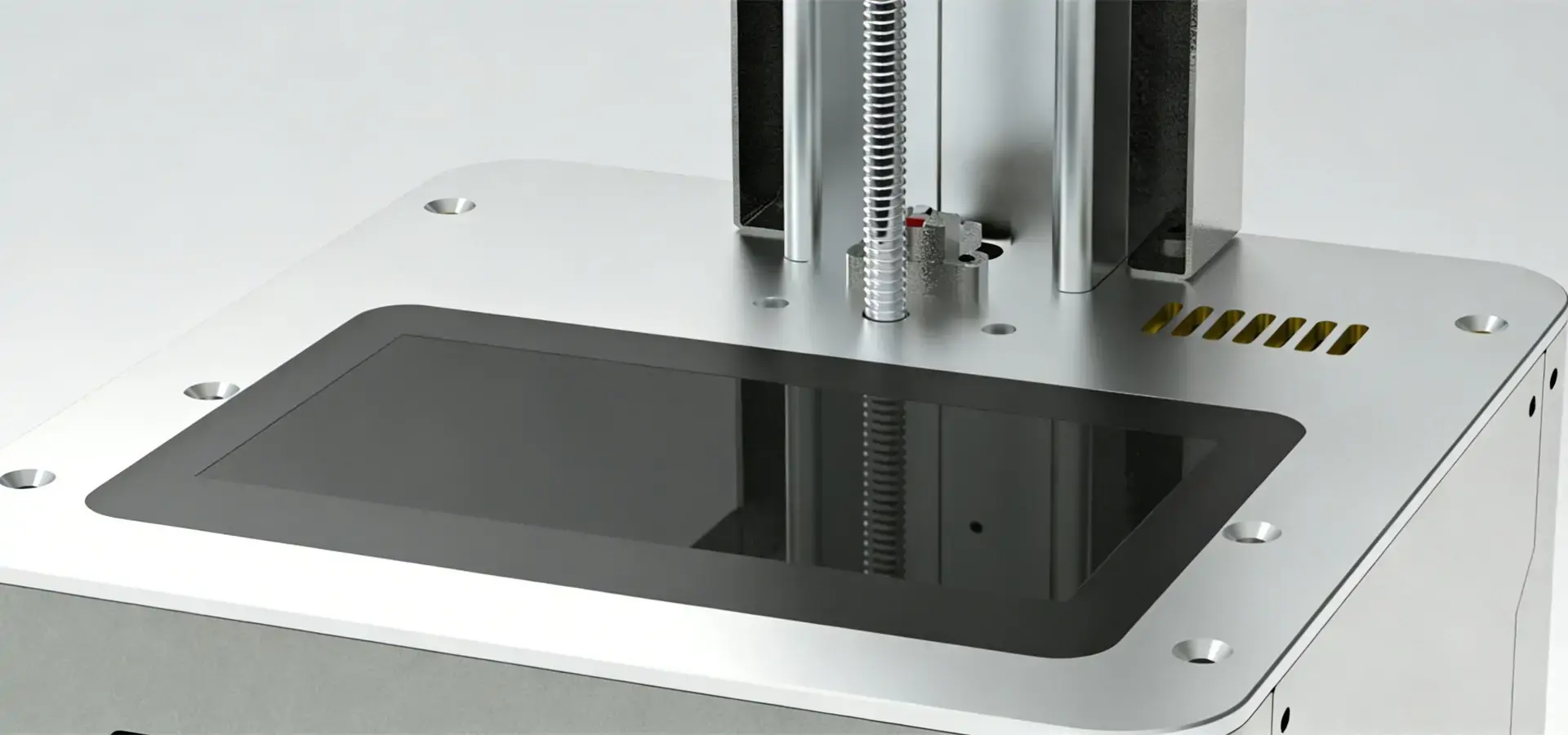
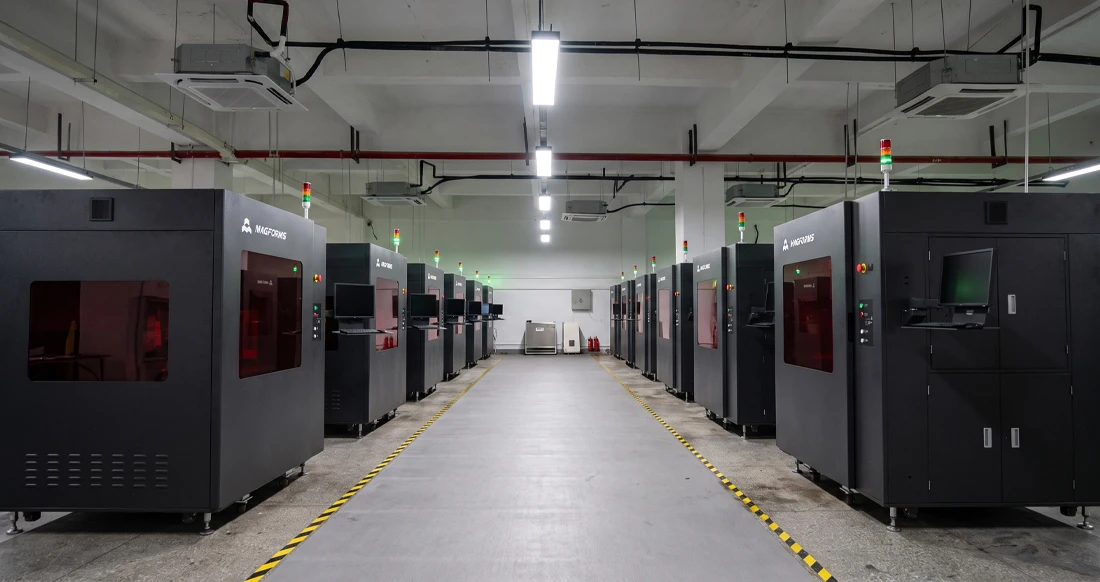
High-resolution 3D printer systems for industrial use keep tight tolerances even on big parts while delivering consistent accuracy over large build volumes. When part sizes get bigger, standard consumer units have trouble keeping their shape, may experience deformation or reduced dimensional stabilitymay experience deformation or reduced dimensional stability. Professional mSLA systems use uniform LED backlight modules combined with optical diffusion layers to ensure consistent light distribution across the build platform. Industrial systems differ from desktop options in terms of structural stability, motion control precision, and overall build consistency. Unlike laser-based SLA systems, mSLA printers rely on LCD masking and uniform light exposure rather than mechanical scanning components. Rigid frames and precision linear motion systems help minimize vibrations and maintain consistent print quality during long production runs.
Dimensional Accuracy and Speed Considerations
In mSLA systems, exposure is controlled at the pixel level rather than by a laser spot. Each layer is cured simultaneously, allowing consistent detail reproduction regardless of geometry. However, print speed is influenced by layer count rather than geometry complexity, which differs from laser-based systems.
Material Compatibility and Cost Analysis
Open-source equipment designs get rid of limits on private materials, which lets businesses run more cheaply by getting resin from different suppliers. Standard systems often force users to use expensive named materials, which makes running costs much higher. Testing for material compatibility shows that open platforms can handle a range of formulas, from basic photopolymers to advanced blends filled with ceramics. When material picking options are flexible, cost analysis shows that big savings are possible. Third-party engineering resins can be 40–60% cheaper than branded options while still having the same mechanical qualities. This economic benefit is especially important for high-volume production tasks where the cost of materials is a big part of the overall cost of doing business.
Key Model Design Strategies for Optimal High-Resolution 3D Printing
Critical Printing Parameters for Success
When choosing a layer height, you have to find a balance between the quality of the surface and the speed of production. High-resolution 3D printer systems can make layers as thin as 10 microns or as thick as 50 microns. Thinner layers make better surface finishes but take longer to print. Calibration of exposure time relies on the type of resin, the temperature of the environment, and the mechanical qualities that are wanted. With high-resolution powers, designing support structures gets more complicated. Tree supports keep surfaces from touching each other while still keeping the structure stable enough for printing. Cutting the point size down to 0.2 mm makes removal easy and doesn't damage the surface. To keep prints from failing, support density estimates take into account the shape of the part, the angles of the overhangs, and how the material shrinks.
Software Tools and Slicing Optimization
Anti-aliasing techniques in advanced slicing software smooth out the edges of pixels, making layer lines less noticeable on curved surfaces. Adaptive slicing changes layer heights automatically based on how complicated the surface is. This cuts down on print time without lowering quality. Hollowing algorithms make holes inside things with the right thickness of walls, which saves material and lowers healing stress. Professional software packages offer advanced support generation with factors that can be changed to fit different parts of the body. If you choose a raft or cover, the bed will stick properly, and you will not have to do as much work afterward. Exposure mapping lets you finetune the cure factors across different build platform parts, which makes up for differences in how the light hits the surface.
Troubleshooting Common Quality Issues
To stop warping, you need to pay close attention to how the parts are oriented and where the supports are placed. Large, flat surfaces shouldn't touch the build platform directly. Instead, they should be placed at an angle to reduce peel forces. Layer separation problems are often caused by not enough contact time or resin that is tainted, a high-resolution 3D printer, which needs to be measured in a planned way. Problems with surface roughness are usually caused by not placing the supports correctly or printing in the wrong way. Strategic placement keeps the structure's integrity while reducing the amount of support contact on important areas. As part of regular upkeep, the optical system is cleaned, the resin is filtered, and the FEP film is replaced. This keeps the print quality stable over long periods of time.
Procurement Considerations for High-Resolution 3D Printers in B2B Contexts
Matching Technology to Business Requirements
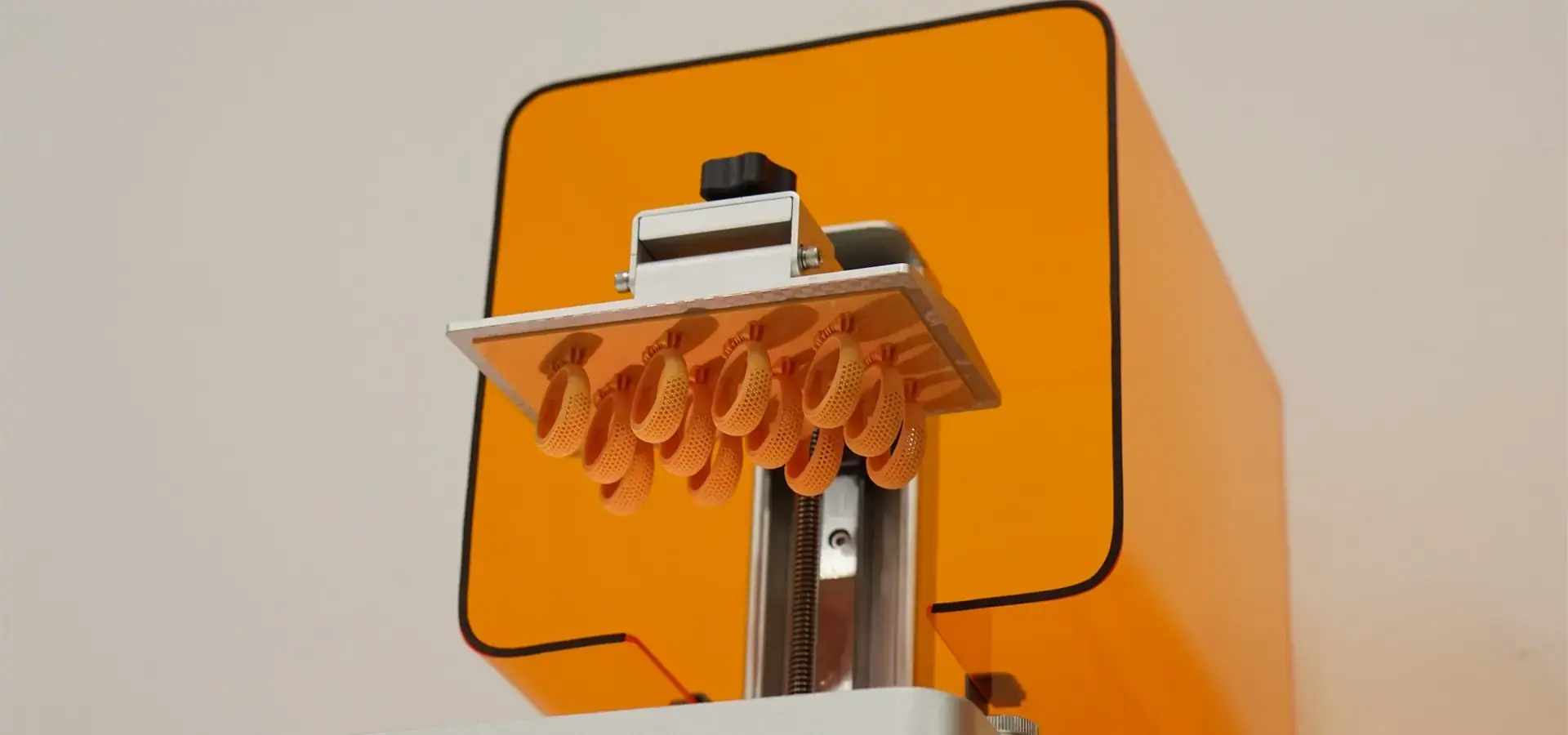
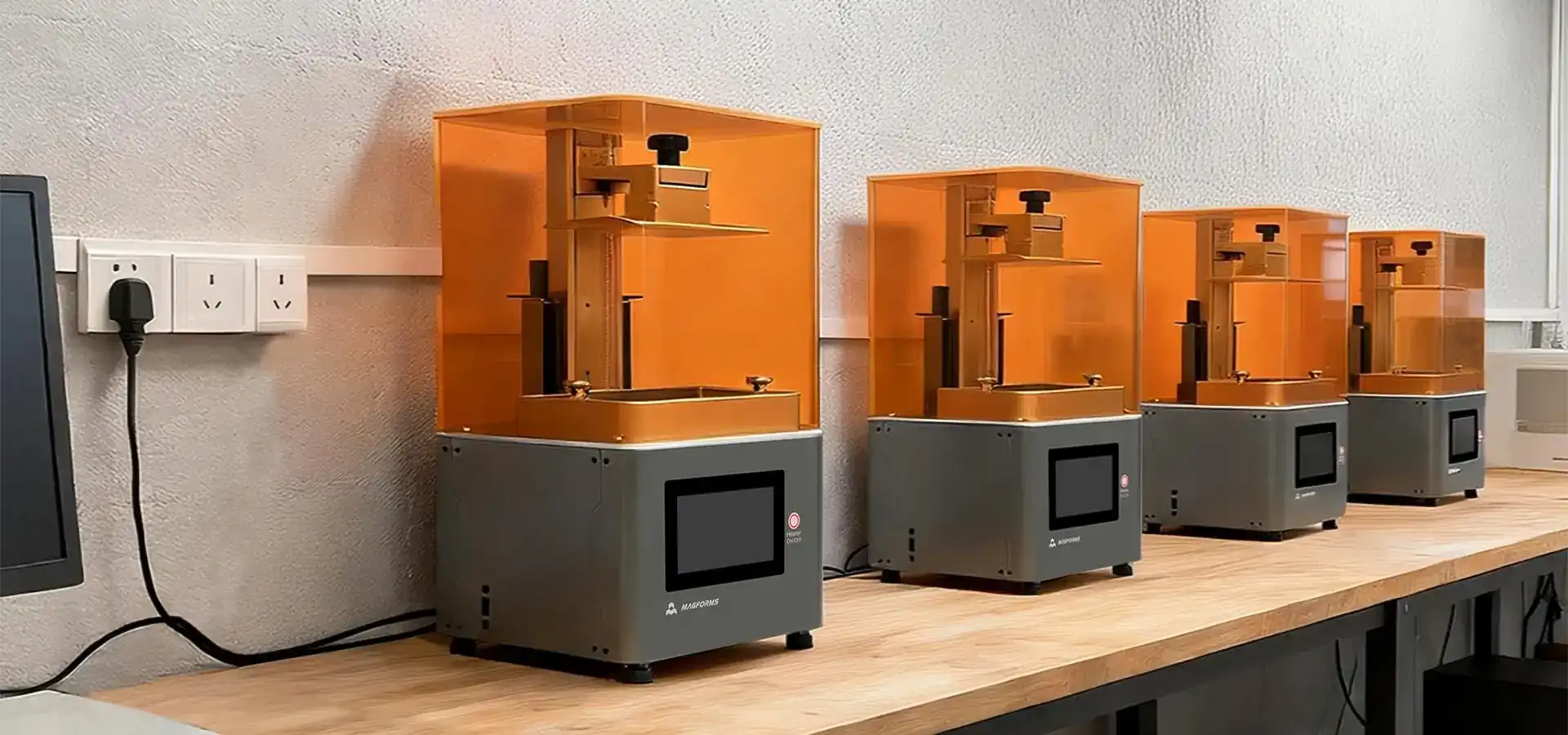
The size of the company and the amount of work it does directly affect the factors used to choose tools. Small design companies benefit from compact high-resolution 3D printer systems with modest build volumes but excellent detail reproduction. For large manufacturing operations to work, they need industrial-scale tools that can do batch production and make sure the quality of many parts at the same time. Budget issues involve more than just the initial cost of the tools. They also include material prices, maintenance needs, and training inputs. A study of the total cost of ownership shows that better systems usually offer better long-term value because they fail less often and cost less to run. When things go wrong in a working setting, service contracts and warranties protect against it.
Evaluating Supplier Capabilities and Support
In business settings, the level of technical help is necessary to keep work schedules. Fewer costly downtime events happen when suppliers offer remote help 24 hours a day, seven days a week, and promise reaction times. When problems happen, they can be fixed quickly because of on-site help and easy access to tools in the area. Training programs and ongoing technical education help get the most out of the tools and make sure that the quality of the prints is always the same. Staff skill development is sped up by detailed documentation, video lessons, and hands-on classes. As technology changes, economic benefits are maintained by regularly updating software and adding new features.
ROI Analysis and Financing Options
When figuring out the return on an investment, you should look at both ways to save money and ways to make money. Having prototyping skills in-house cuts down on the costs of hiring while speeding up the product development process. Service office possibilities give companies with extra capacity more ways to make money. Traditional equipment loans, leasing agreements, and rent-to-own plans are all options for getting the money you need. Bulk purchasing deals usually offer big savings for buying more than one item. Tax breaks and incentives from the government may help pay for the initial costs of investments, especially in research and development or efforts to update production.
Future Trends and Performance Optimization in High-Resolution 3D Printing
Emerging Technologies and Capabilities
Multi-material capabilities in resin printing are still emerging and are not yet widely supported in standard mSLA systems. Currently, mSLA systems have limited multi-material capabilities and typically require manual material changes between print cycles. Limited color capabilities are emerging in some resin systems, though they are not yet widely adopted in industrial mSLA applications. When artificial intelligence is added, the print settings are instantly optimized based on the shape of the part and the quality standards that need to be met. Machine learning systems look at old print data to figure out what settings will work best for new designs. Predictive repair systems check the health of machines and plan service visits before they break down.
Efficiency Optimization Strategies
Workflow automation cuts down on the amount of work that needs to be done by hand during the production process. Automated cleaning and part removal machines keep post-processing quality uniform while cutting down on labor costs. Inventory management systems keep track of how much of a material is used and reorder it automatically when levels drop below certain levels. Computer vision systems are used for quality control integration to look over parts right after they are printed and find problems before the post-processing process starts. Statistical process control keeps an eye on trends in measurement accuracy and lets workers know when calibration is needed. These methods keep quality standards high while cutting down on waste.
Strategic Recommendations for Competitive Advantage
Constantly keeping an eye on technology makes sure that you are aware of new powers and threats from competitors. Partnerships between businesses that sell materials and people who make software give people early access to new technologies. Regular attendance at trade shows and professional conferences keeps you up to date on changes in the market. Keeping competitive benefits as technology changes is possible by giving employees ongoing training programs that help them learn new skills. Cross-training programs make sure that operations don't stop when staff changes happen. Technical certification programs show how knowledgeable someone is and help them reach their career growth goals.
Conclusion
Modern manufacturing demands precision capabilities that only advanced resolution technologies can deliver reliably. Understanding the relationship between printer specifications and design requirements enables optimal equipment selection for specific applications. Strategic procurement decisions considering total ownership costs, supplier support capabilities, and future scalability requirements ensure long-term success. As technology continues advancing, organizations investing in high-resolution additive manufacturing gain competitive advantages through accelerated product development cycles and enhanced manufacturing flexibility.
FAQ
1. What resolution specifications should I prioritize for industrial applications?
XY resolution between 19-50 microns and Z-axis precision of 10-25 microns provide an optimal balance between quality and productivity for most industrial applications. Layer height selection depends on surface finish requirements, with 25-50 micron layers suitable for functional prototypes and 10-25 microns for aesthetic parts requiring smooth surfaces.
2. How do I calculate total ownership costs for high-resolution systems?
Total cost analysis includes equipment purchase price, annual material consumption, maintenance contracts, training expenses, and facility preparation costs. Factor in productivity gains from reduced post-processing requirements and potential revenue from service bureau operations. Most industrial systems achieve payback within 12-24 months through operational savings and increased capabilities.
3. What material compatibility features should I evaluate?
Open-source designs supporting third-party materials provide significant cost advantages over proprietary systems. Evaluate resin viscosity ranges, temperature stability requirements, and chemical compatibility with vat materials. Material certification documentation ensures compliance with industry standards for medical, aerospace, and automotive applications.
Partner with Magforms for Advanced High-Resolution 3D Printing Solutions
Magforms delivers cutting-edge high-resolution 3D printer technology designed specifically for demanding industrial applications. Our comprehensive portfolio spans desktop to industrial-scale systems, each engineered with premium components including high-precision motion systems and optimized LCD exposure modules. The integrated materials and equipment approach eliminates compatibility issues while delivering exceptional print quality and reliability. Contact our technical specialists at info@magforms.com to discover how our high-resolution 3D printer manufacturer solutions can optimize your production capabilities.
References
1. Gibson, Ian, et al. "Additive Manufacturing Technologies: 3D Printing, Rapid Prototyping, and Direct Digital Manufacturing." Springer, 2021.
2. Chua, Chee Kai, and Kah Fai Leong. "3D Printing and Additive Manufacturing: Principles and Applications." World Scientific Publishing, 2022.
3. Ngo, Tuan D., et al. "Additive Manufacturing Materials and Technologies for Industrial Applications." Advanced Manufacturing Review, 2023.
4. Thompson, Mary K., et al. "Design for Additive Manufacturing: Guidelines for Optimal Print Quality." Journal of Manufacturing Science and Engineering, 2022.
5. Rodriguez, Carlos M., and Sarah J. Chen. "High Resolution Photopolymerization: Process Optimization and Quality Control." Additive Manufacturing International, 2023.
6. Williams, David R., et al. "Industrial 3D Printing: Market Analysis and Technology Trends." Manufacturing Technology Review, 2023.

Magforms makes design and manufacture easier.
Popular Blogs
-
 Industry InsightsManufacturing Industry
FDM vs. SLA Printer: Which Technology Is Right for Your Project?
-
 Industry InsightsManufacturing Industry
Top 5 Applications of Industrial 3D Printers in Manufacturing Today
-
 Industry InsightsManufacturing Industry
Why Stereolithography 3D Printers Are Unmatched for Microfluidic Device Prototyping?