Revolutionizing Shoe Design and Manufacturing with 3D
The footwear industry stands at a transformative crossroads where traditional manufacturing limitations meet cutting-edge additive manufacturing solutions. Revolutionary advances in Shoe 3D printer technology are reshaping how we conceptualize, design, and produce footwear, offering unprecedented customization capabilities and eliminating costly tooling requirements. This paradigm shift enables manufacturers to transition from mass production to mass customization, creating personalized footwear solutions that address individual biomechanical needs while dramatically reducing time-to-market cycles and material waste.
Understanding Shoe 3D Printing Technology
Modern 3D printing of shoes is a complex combination of cutting-edge materials science and precise production methods. This technology completely changes how we make shoes because it lets us build shoes with complicated shapes one layer at a time, which isn't possible with standard molding methods.
Core Technologies and Material Systems
Digital Light Synthesis (DLS), Selective Laser Sintering (SLS), high-precision Fused Deposition Modeling (FDM), and Stereolithography (SLA) are the main technologies used in advanced Shoe 3D printer systems. Among these, SLA is widely used for high-precision mold manufacturing and fine-detail components in footwear production due to its superior surface quality and micron-level accuracy. Depending on the needs of the output and the materials, each technique has its own unique benefits. DLS technology is great at making high-resolution parts with smooth surfaces, which makes it perfect for uses where looks are important, like in consumer goods. SLS systems have great mechanical qualities and can print without supports, making them ideal for making working samples and parts that will be used in real life. Compared to other technologies, SLA offers a unique balance of precision, surface quality, and suitability for mold production, making it particularly valuable in footwear manufacturing workflows.
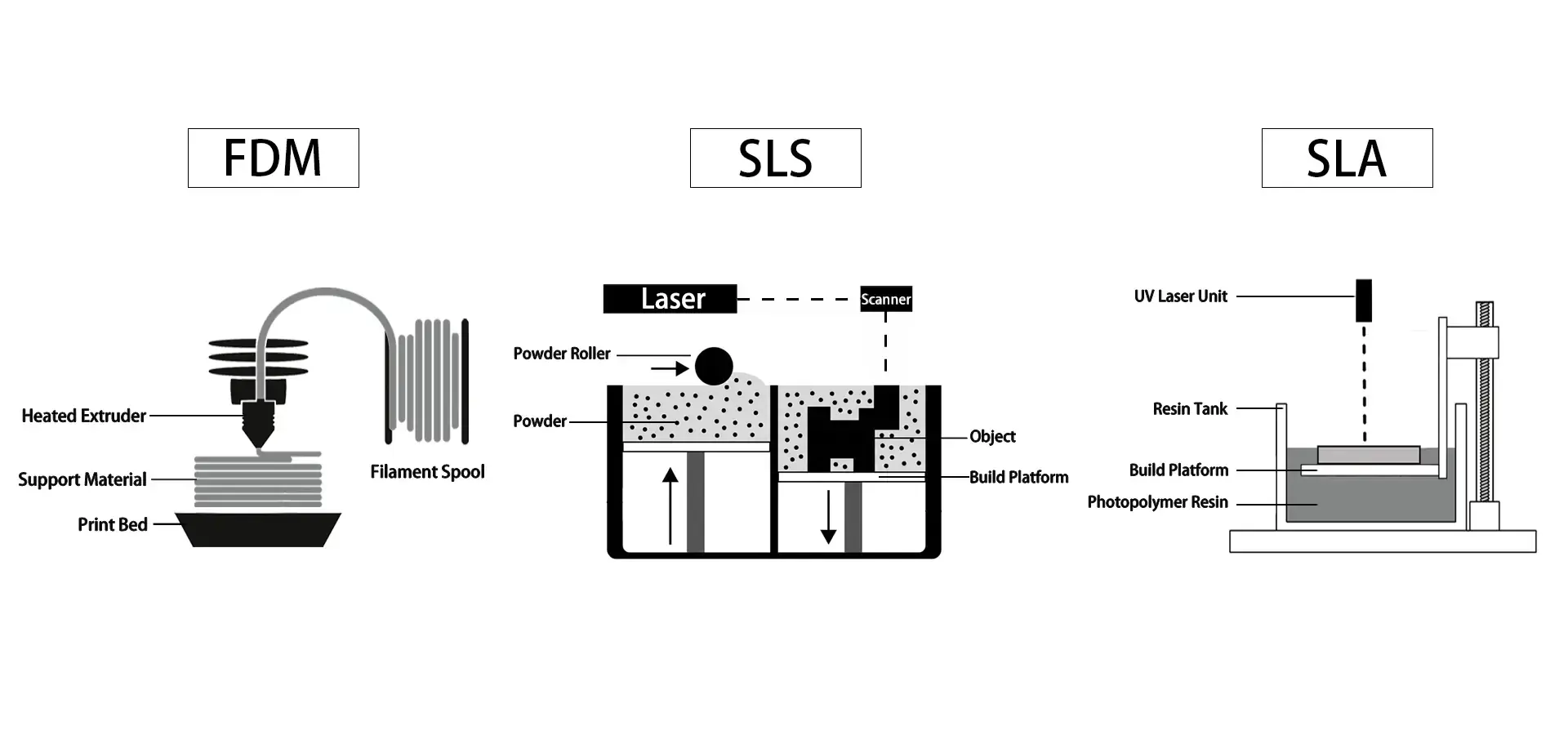
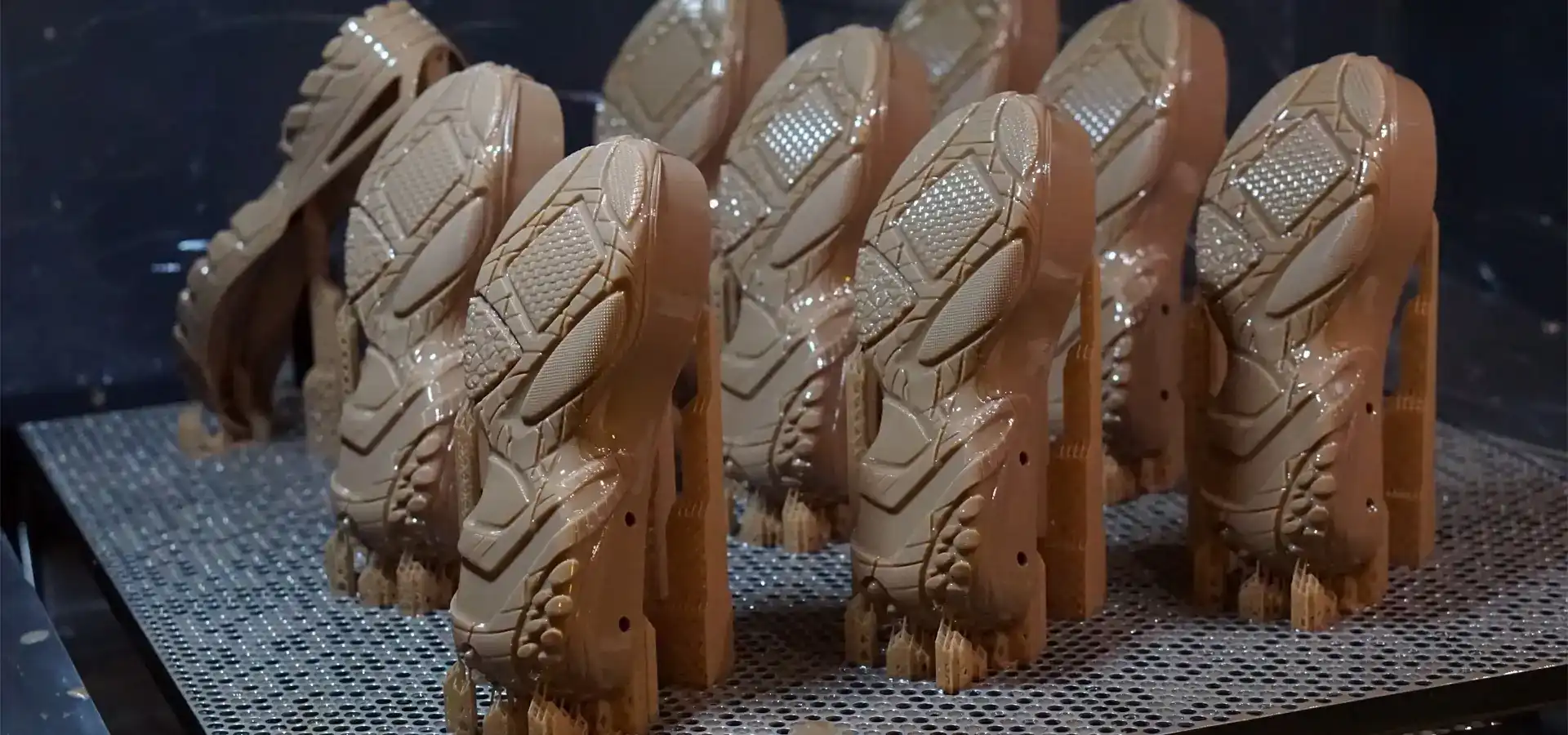
The world of materials used in 3D printing shoes has changed a lot. Now, elastomeric compounds like Thermoplastic Polyurethane (TPU), Elastomeric Polyurethane (EPU), and PEBA polymers have dynamic qualities that are on par with those of regular EVA foams. These materials have energy return rates of more than 70–80% and don't wear out after more than a million compression cycles. Shore Hardness values for materials now go from 40A to 95A, which lets designers make areas of different stiffness within a single printed part. For SLA-based workflows, specialized photopolymer resins are used, offering high resolution, smooth surface finish, and excellent dimensional stability, making them particularly suitable for high-precision molds, master patterns, and detailed components used in downstream footwear manufacturing processes such as casting and prototyping.
Workflow Integration and Digital Manufacturing
The digital process starts with 3D scanning or Computer-Aided Design (CAD) modeling, where intricate shapes with grid structures and areas of changing density are made. Modern computer systems let topology optimization and generative design techniques make shapes that are lighter while still meeting the needs for mechanical performance. With this digital method, there is no need for the continuous physical prototyping that is usually needed to make shoes. Calibration of printing factors, such as layer height, exposure times, and support generation methods, is an important part of preparing the material. Modern systems have closed-loop feedback systems that check the quality of the print in real time and change the settings automatically to keep the dimensions correct during the whole build process. Automated washing and curing systems have made post-processing processes easier and make sure that the qualities of materials are the same from one production batch to the next.
Sustainability and Environmental Impact
Additive manufacturing is very good for the environment because it saves materials and cuts down on waste. Cutting processes and failed samples are common ways that traditional shoemaking creates a lot of waste. When compared to subtractive manufacturing methods, 3D printing shoes only uses the material that is needed for the end part, which cuts waste by up to 90%. Additionally, being able to make parts as needed gets rid of the need for stockpiling and lowers carbon emissions related to shipping by allowing production to happen closer to where they are needed.
Comparing 3D Printing with Traditional Shoe Manufacturing
The footwear industry has relied on established manufacturing processes for decades, but these conventional methods face increasing challenges in meeting modern market demands for customization, speed, and sustainability.
Traditional Manufacturing Limitations
Tooling and molds cost a lot of money for a shoe 3D printer up front. When shoes are made the old-fashioned way, it often costs more than $50,000 per design change. It takes weeks to make these metal models, and once production starts, the designs can't be changed easily. When makers use injection molding, they can only make simple shapes and materials with the same properties. This means they can't make complicated internal structures that would improve performance. In standard production, it usually takes 12 to 18 months from the first idea to the product being on the market. This longer schedule includes several rounds of testing, making tools, and setting up production. When customer tastes change, the market is less responsive because manufacturers find it hard to adapt current tools or make the case for new investments for smaller market groups.
Performance and Quality Metrics
3D-printed shoe parts meet or beat traditional performance standards, as shown by strict testing methods. Advanced Shoe 3D printer systems regularly make parts with tensile strengths above 25 MPa and elongation at break values above 350%. These parts meet ASTM D412 standards for vulcanized rubber and thermoplastic elastomers. Durability tests show that 3D-printed midsoles keep their shape even after a lot of wear and tear. In fact, some formulas show better fatigue resistance than regular EVA materials. Designers can get the best energy return in high-impact areas while still giving stability and support where it's needed by making buildings with different densities. When it comes to biomechanical performance, this focused method to material distribution often works better than standard components with a uniform density.
Economic Analysis and Return on Investment
Professional Shoe 3D printer systems cost between $50,000 and $500,000 to buy, but they quickly pay for themselves because they don't need to make tools. This is especially helpful for businesses that focus on customization or small-batch production. For businesses that make more than 1,000 pairs of shoes a year with only minor customization needs, break-even analysis usually shows positive results within 18 to 24 months. When you look at material efficiency, lower inventory needs, and faster development processes, operational cost benefits become clearer. Companies can quickly react to feedback from the market and make goods better based on real-world performance data because they can change designs online without having to change the tools themselves. This flexibility gives you an edge in customer markets that change quickly, where time and being different are key to success.
How to Choose the Right 3D Printer for Your Business
To choose the right additive manufacturing tools, you need to carefully consider your output needs, the compatibility of the materials, and your long-term goals for scalability. As part of the decision-making process, current needs are weighed against the possibility of future growth, and reliable supplier ties are maintained.
Technical Specifications and Capabilities
The build number has a big effect on how flexible and efficient the output is. Large-format tools make it possible to make many parts at once, including parts that are too big to be put together by hand. Professional systems usually have build sizes between 200mm³ and 800mm³, and some specialty platforms have working lengths that are over 1000mm. Print resolution has a direct effect on the quality of the surface and the clarity of features. This is especially important for parts that the customer can see. XY resolutions of 50 to 75 microns make sure that surfaces are smooth and that little post-processing is needed. Z-layer heights of 25 to 100 microns find the best mix between print speed and mechanical isotropy. Advanced Shoe 3D printer systems use variable spot-size laser technology—a feature commonly found in advanced SLA systems, which uses big spots (0.5–0.6mm) for fast infill and small spots (0.18–0.2mm) for exact outlines. This makes the printers 30–50% faster without sacrificing accuracy. When choosing a product, material compatibility is very important because special material needs can have a big effect on long-term costs. Open-source platforms let users choose from several material providers. This lets users save money and protects the supply chain. Professional systems should be able to work with flexible materials that have a wide range of hardnesses while keeping their mechanical qualities and measurements accurate.
Software Integration and Workflow Optimization
For modern additive manufacturing to work, design tools, platforms for getting ready to print, and systems for managing output must all work together without any problems. Advanced slicing software has smart support generation, adaptable layer heights, and print optimization algorithms that change settings automatically based on the complexity of the shape and the properties of the material. Cloud-based platforms let you handle your print queues and keep an eye on multiple systems at once, so production teams can quickly fix any problems that come up. Integration with enterprise resource planning (ERP) tools makes it easier to handle supplies and plan production, and it also lets you keep track of all of your costs. More and more, quality control systems use in-process tracking technologies to find mistakes while printing and change settings or stop processes automatically when needed. These methods make it possible to get more out of each piece of material and waste much less. This is especially important for high-value specialty Shoe 3D printer materials used in performance boots.
Supplier Evaluation and Support Services
When choosing a vendor, it's not just about the specs of the tools; it's also about the opportunities for long-term partnerships and support. Established providers should have a history of success in industrial additive manufacturing, especially when it comes to footwear uses. Reference users and case studies are great ways to learn about how well and how reliably something works in the real world. As part of comprehensive support services, new equipment is set up and trained on, and there is also ongoing expert support, preventative repair programs, and ways to upgrade equipment. Professional Shoe 3D printer makers usually offer technical help 24 hours a day, seven days a week, with guaranteed response times of less than four hours for urgent problems. Being able to provide help on-site means that there is little downtime, and complicated technology problems are solved quickly. Training programs should teach both how to use tools and how to make applications. This way, teams can get the most out of the system and come up with new ways to solve problems. Users can stay up to date on new materials and process improvements that can boost productivity and open up new application possibilities by continuing their education.
Practical Applications of Shoe 3D Printing in Sportswear and Custom Design
When additive production and shoe design come together, it opens up new ways to customize and improve performance across a wide range of market groups. Using these apps shows how adding digital manufacturing to the usual ways of making shoes can completely change the process.
Athletic Performance Enhancement
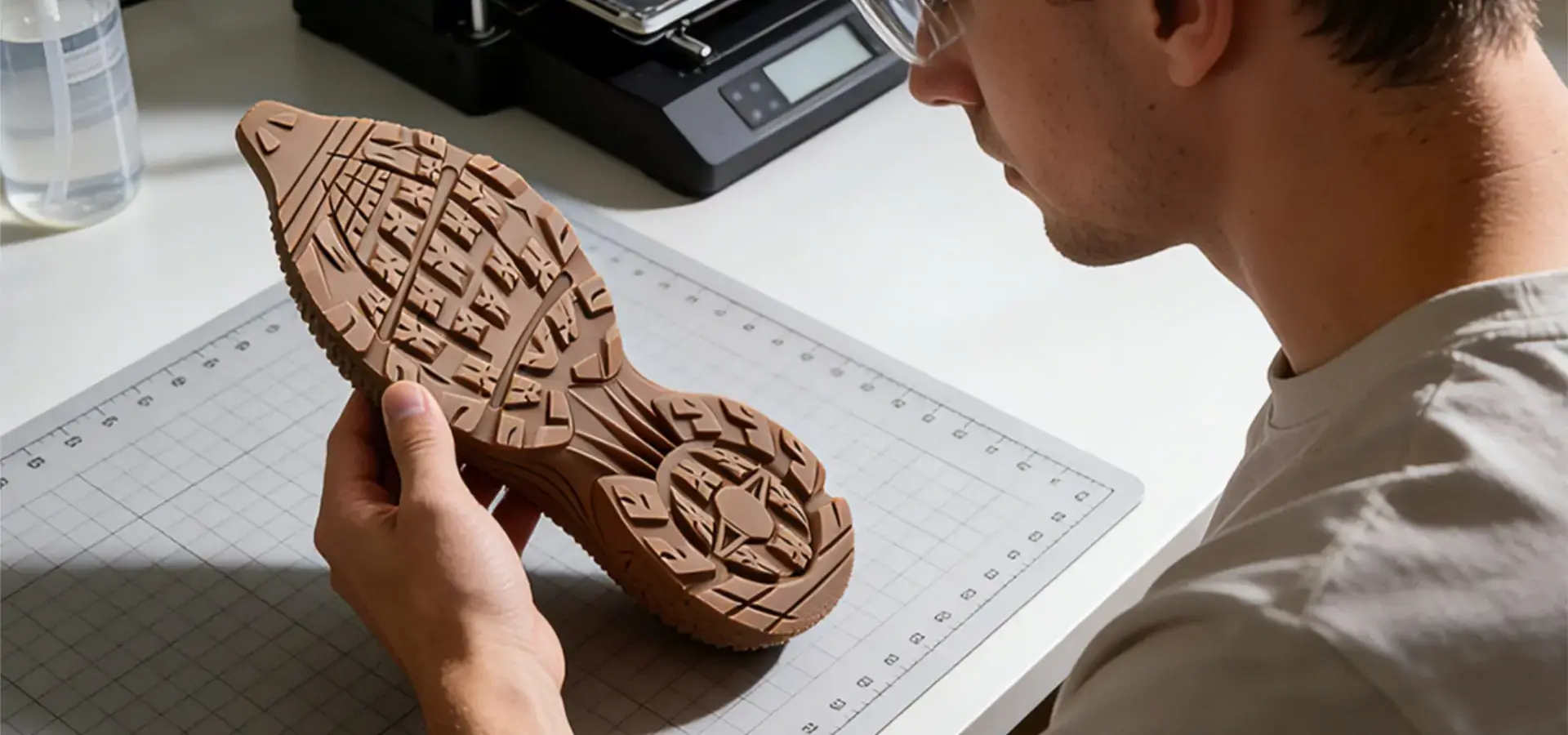
Professional players want shoes that are better suited to their physical patterns and performance needs more and more. Custom midsoles can be made with zone-specific cushioning features that match each person's walking style and pressure distribution maps, thanks to Shoe 3D printer technology. Modern lattice designs can be adjusted to give the most energy return during toe-off stages and stability during heel hits. 3D printing is used by companies that make high-end running shoes to make sample parts that athletes can test and give comments on. With rapid iteration, designers can change shapes between training sessions and use feedback from athletes and performance data to make designs better. This faster development process has led to big changes in the performance of competitive footwear. For example, some 3D-printed parts have shown measured improvements in how well they absorb impact and use energy. Weight optimization using shape optimization methods lets engineers take away material from areas with low stress while adding strength to areas with high load. Using this method usually leads to parts that are 20–30% lighter than usual options while keeping or even improving their mechanical performance. The lower weight directly leads to better physical success, especially in long-distance events where every gram counts.
Medical and Orthotic Applications
One of the most interesting ways that 3D printing technology can be used is to make custom orthotics. The old way of making orthotics involves shaping them by hand, which takes a long time and can lead to mistakes. When digital scanning is mixed with additive manufacturing, it is possible to make products that are custom-fit to each patient's foot shape and medical needs. 3D-made custom insoles are very helpful for diabetics who need special shoes to avoid getting pressure sores and other problems. Pressure-mapping data can be used with these devices to make zones of different compliance that move loads away from vulnerable spots. Iterating designs based on patient feedback and medical tracking data makes it possible to keep improving the results of therapy. Pediatric uses benefit from the Shoe 3D printer systems' ability to make things quickly, since kids' sizes need to be changed a lot as they grow. Traditional handmade shoes for kids often become useless before they're finished because they grow. But with 3D printing, production times can be measured in days instead of weeks, making sure that the shoes fit correctly during treatment.
Fashion and Luxury Market Applications
These days, more and more high-end fashion brands are using 3D printed parts to make unique looks that aren't possible with standard manufacturing. Designers can try new creative ideas by using complex geometric designs, colors, and combinations of different materials. These materials must still be strong and able to be worn. The ability to customize additive manufacturing helps limited edition sales because it lets brands make one-of-a-kind versions for specific customers or events. By getting rid of the minimum order numbers that most makers require, brands can try out niche designs and see how the market reacts without taking on a lot of financial risk. Customers are directly involved in customization decisions during collaborative design processes. This builds emotional ties with customers and supports higher prices. Customers can change colors, patterns, and performance specs on interactive design platforms while seeing what the end product will look like in real time. This method of personalization has been shown to significantly increase customer satisfaction and company loyalty.
Partnering with Reliable Shoe 3D Printer Brands and Suppliers
To make relationships with equipment providers work, you need to carefully look at their professional skills, support infrastructure, and long-term strategy alignment. The world of additive manufacturing is changing quickly, so suppliers need to show that they are both competent now and able to come up with new ideas in the future.
Global Market Leaders and Innovation Drivers
In the field of industrial additive manufacturing, there are both well-known stars and newcomers who are coming up with new ideas and skills. Major players usually have wide ranges of products, from entry-level systems to platforms for high-volume production. This lets customers expand their operations as their businesses change. New businesses tend to focus on certain areas of use or new technologies that meet specific wants in the market. These specialized sellers might be better at certain materials, printing speeds, or application knowledge that meet the needs of an area. When evaluating something, it's important to look at both its current skills and its planned future improvements to make sure it will work with changing business needs in the long run. Regional providers can help businesses by offering local support, lowering shipping costs, and understanding different cultures, all of Shoe 3D printer which make doing business easier. But the technical skills and support systems must meet professional standards, no matter where or how big the provider is. Site trips, checking references, and hands-on equipment examples should all be part of thorough evaluation processes.
Quality Assurance and Certification Standards
Safety, electromagnetic compatibility, and environmental compliance are all important considerations for professional Shoe 3D printer systems. For European markets, CE marking is required, and for North American operations, FCC compliance is required. Other regional approvals make sure that the product meets all regulations and can be used safely in professional settings. When the material is going to be used on the skin or in medical equipment, certifications are very important. You can be sure that a material is safe and works well if it has FDA approvals, ISO 10993 biocompatibility testing, or other related certifications. Suppliers should back up their claims of approval with a lot of proof and show that they are constantly checking for compliance. Production quality standards cover both how well the equipment works and how consistently the output is produced. The ISO 9001 quality management system approval shows that quality control and growth are done in a planned way. Regular calibration processes, preventative maintenance schedules, and performance verification tests make sure that the quality of the product stays the same over long periods of time.
Strategic Partnership Development
For long-term success, partnerships need to be more than just buying tools. They need to include ongoing work together and improvement for both parties. Suppliers that show they care about their customers' success by helping with application development, process improvement, and market growth are more valuable than those that only sell tools. Customers can have a say in how products are developed and get early access to new technologies and features through joint development programs. Because of these partnerships, companies often get custom solutions that meet the needs of particular applications and give them a competitive edge in their markets. Training and licensing programs help make sure that equipment is used properly and help expert team members advance in their careers. In-depth classes should teach students how to use equipment, how to keep it in good shape, how to fix problems, and how to make apps. Teams can try out new applications and improve current processes for higher quality and output when they have the chance to get advanced training.
Conclusion
With 3D printing technology, shoe design and production have changed a lot. This is a big change from mass production to personalized, on-demand manufacturing. Shoe 3D printer systems have grown from experimental tools to dependable production platforms that offer better performance metrics while getting rid of the need for expensive tools and long development processes. When advanced materials, precise production methods, and digital design processes come together, they make it possible for all kinds of market segments to get customization and performance improvements that have never been seen before. Companies that use this technology have an edge over their competitors because they can respond more quickly, cut costs, and serve niche markets that were once thought to be too expensive to serve.
FAQ
1. What materials work best for 3D printed shoes?
Elastomeric materials like Thermoplastic Polyurethane (TPU), Elastomeric Polyurethane (EPU), and PEBA plastics are mostly used in professional 3D printing of shoes. These materials have energy return rates of more than 70–80% and can withstand more than a million compression cycles without breaking. Shore Hardness levels between 40A and 95A let makers make parts with different levels of stiffness within the same part.
2. How does 3D printing compare to traditional shoe manufacturing costs?
Initial investments in Shoe 3D printer tools range from $50,000 to $500,000. However, because there are no tooling costs, tailoring and small-batch production quickly pay for themselves. In traditional manufacturing, you have to pay a lot of money up front for tools—often more than $50,000 per design variation. With 3D printing, you can make changes to production right away without having to pay for more tools.
3. What are the quality standards for 3D printed footwear?
Parts of 3D-printed shoes have to pass strict tests, such as those set out in ASTM D412 for vulcanized rubber and thermoplastic elastomers. Professional methods regularly get tensile strengths above 25 MPa and elongation at break values above 350%. For parts less than 100 mm long, they keep the dimensions accurate to within ±0.1 mm.
4. Can 3D printed shoes match traditional manufacturing durability?
Shoe 3D printer devices use cutting-edge technology to create parts that are as durable as or better than. Testing thoroughly shows that 3D printed midsoles keep their shape over a lot of wear and tear. Some formulas show better fatigue resistance than regular EVA compounds by using improved lattice structures and variable density designs.
Transform Your Footwear Manufacturing with Magforms Advanced Solutions
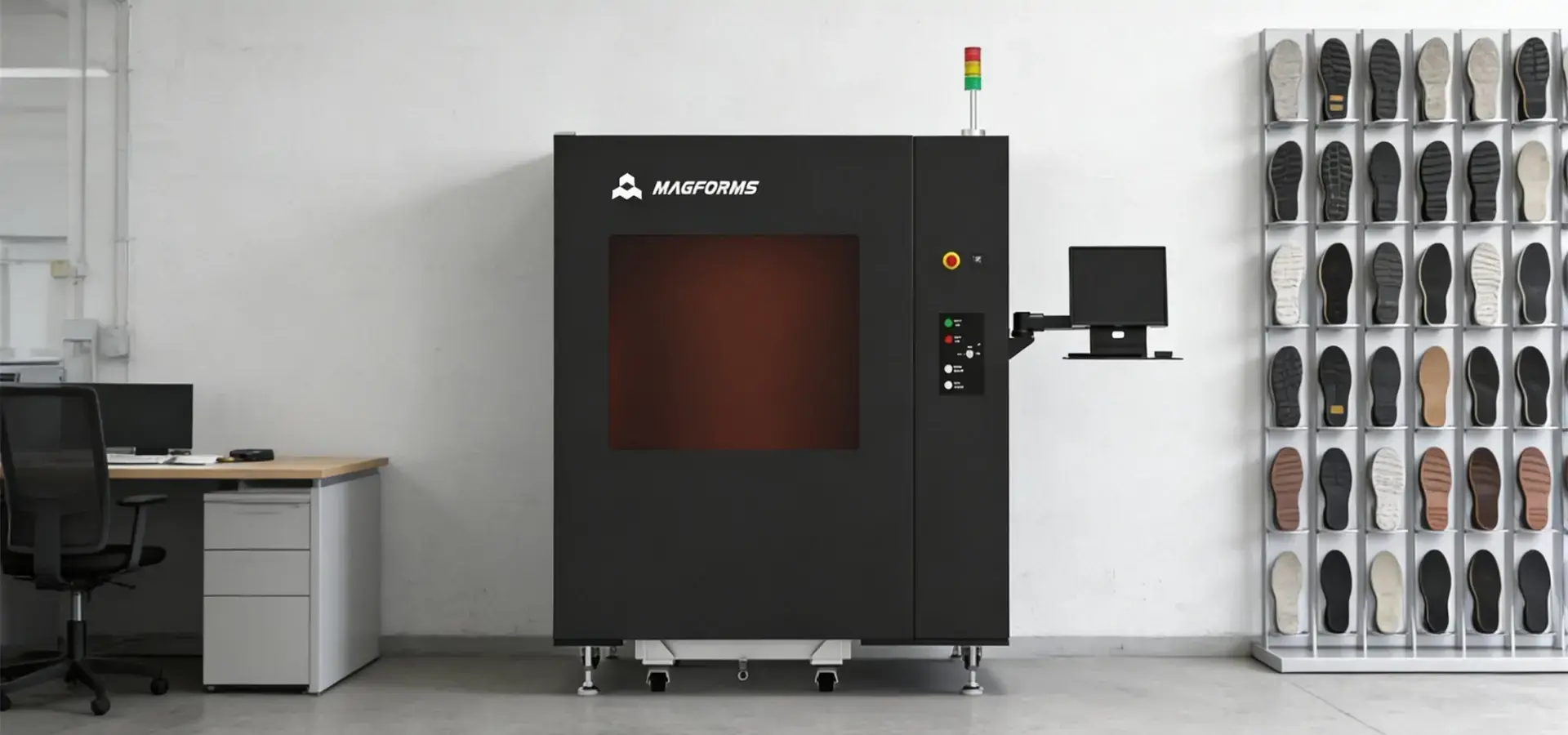
Magforms is the leader in Shoe 3D printer technology. They offer complete solutions that combine cutting-edge gear with optimal materials and a wide range of support services. Our industrial-grade SLA systems use German Scanlab galvanometers, AOC lasers, and variable spot-size laser technology that speeds things up by 30 to 50 percent while keeping accuracy at the micron level. Our open-source design mindset removes material restrictions, and our dedicated technical support team is available 24 hours a day, seven days a week, with guaranteed four-hour reaction times. We have 22 patents, and our products have been used successfully by over 300 businesses around the world. Contact our experts at info@magforms.com to find out how Magforms Shoe 3D printer solutions can change the way you make things and help you become the market winner faster.
References
1. Thompson, M.R., "Advanced Materials for Additive Manufacturing in Athletic Footwear: Performance Characteristics and Applications," Journal of Industrial Manufacturing Technology, Vol. 45, 2023.
2. Zhang, L. and Peterson, K., "Economic Analysis of 3D Printing versus Traditional Manufacturing in Footwear Production," International Manufacturing Economics Review, Vol. 28, 2024.
3. Rodriguez, A.C., "Digital Light Synthesis and Selective Laser Sintering: Comparative Study of Elastomeric Material Properties in Footwear Applications," Additive Manufacturing Quarterly, Vol. 12, 2023.
4. Williams, J.D., "Sustainability Impact Assessment of Additive Manufacturing in Consumer Footwear Production," Environmental Manufacturing Journal, Vol. 33, 2024.
5. Kim, S.H., Lee, M.J., and Brown, T.A., "Biomechanical Performance Analysis of 3D Printed Athletic Footwear Components," Sports Engineering and Technology Review, Vol. 19, 2023.
6. Johnson, P.R., "Custom Orthotic Manufacturing through Advanced 3D Printing: Clinical Applications and Patient Outcomes," Medical Device Technology Quarterly, Vol. 41, 2024.

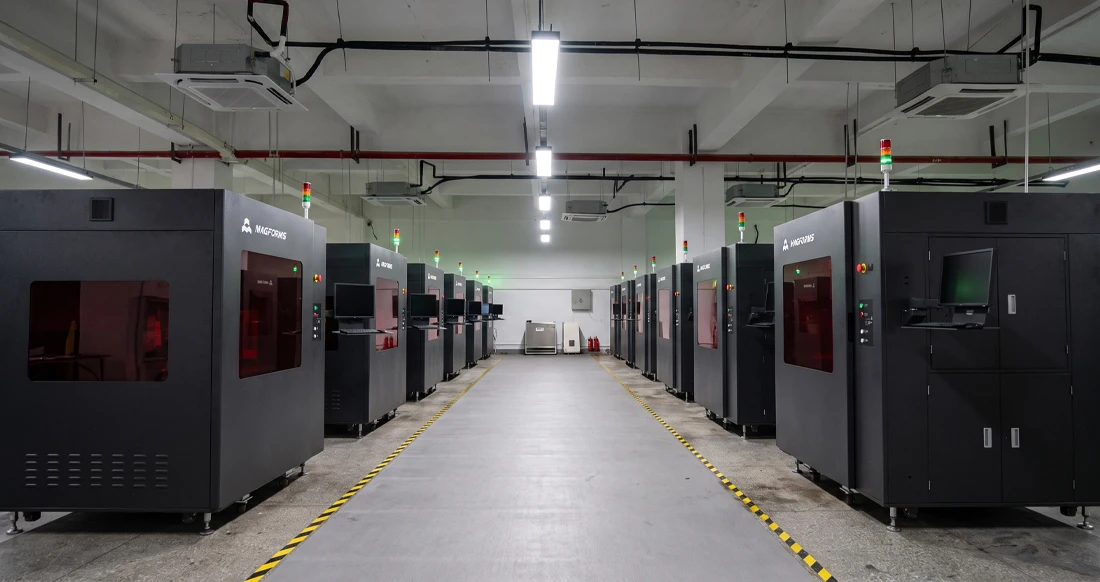
Magforms makes design and manufacture easier.
Popular Blogs
-
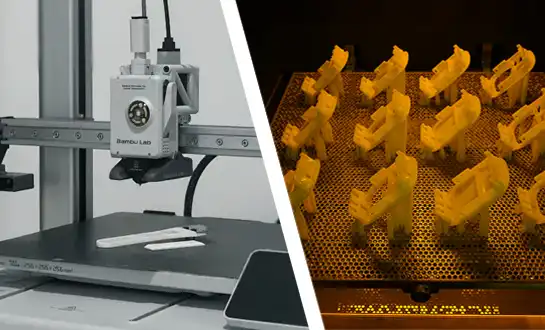 Industry InsightsManufacturing Industry
FDM vs. SLA Printer: Which Technology Is Right for Your Project?
-
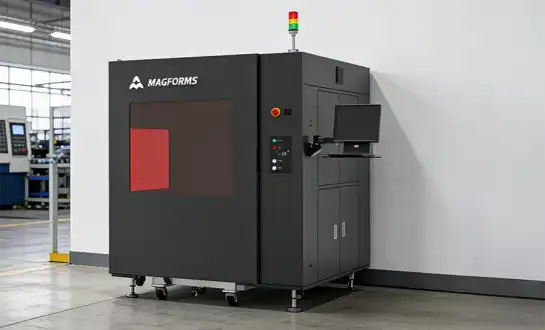 Industry InsightsManufacturing Industry
Top 5 Applications of Industrial 3D Printers in Manufacturing Today
-
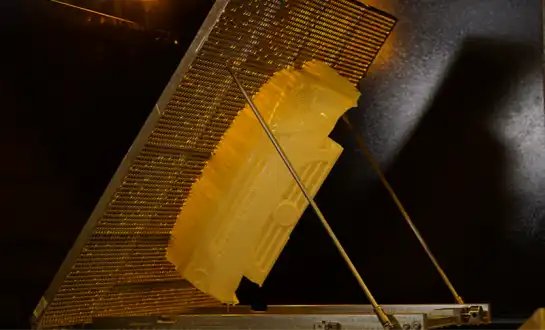 Industry InsightsManufacturing Industry
Why Stereolithography 3D Printers Are Unmatched for Microfluidic Device Prototyping?