3D Printer Trends 2026: What Driving Market Growth Now?
The market for 3D printers is growing at a pace never seen before. By the end of the year, the global additive manufacturing sector is expected to be worth $44.5 billion. This amazing growth is due to significant advances in precision manufacturing, discoveries in materials science, and faster adoption across industries such as aerospace, automotive, healthcare, and consumer electronics. Smart manufacturing projects and AI-driven process improvement are changing how companies make things, which is why 3D printers are now an important part of modern manufacturing strategies.

Overview of the 3D Printing Market in 2026
In 2026, the additive manufacturing environment has hit a turning point. The market value has surpassed previous predictions, and the technology has become a mainstay in many fields. The world market has strong average annual growth rates of more than 20% in key areas. This is mostly due to demand for prototypes of cars, spacecraft parts, and personalized medical devices.
CNC cutting and injection molding, two traditional ways of making things, still have a long way to go before they can meet the needs of modern production. The usual ways of doing things have trouble with physical complexity, the need for customization, and the cost-effectiveness of making small batches. More and more, people in charge of manufacturing are realizing that 3D printers give designers more freedom than ever before. They can make internal lattice structures, topological improvements, and complex shapes that aren't possible with traditional subtractive methods.
Putting money into innovation hubs in North America, Europe, and Asia has sped up technological progress at a rate that has never been seen before. Next-generation printing technologies are being made in Silicon Valley, Munich, and Singapore. These technologies claim to be even more accurate and faster. When academic institutions, technology companies, and manufacturing businesses work together, they make an ecosystem that is always changing and where big new ideas are regularly born.
To make sure their sourcing plans work well, procurement leaders need to understand these market factors. The move toward digital warehouse ideas, in which digital files are used instead of real inventory, is a big change in how supply chain management is done. Companies that use 3D printers can make things on demand close to where they are used, which cuts down on transportation costs and the cost of keeping supplies.
Key 3D Printing Technologies Shaping Market Growth
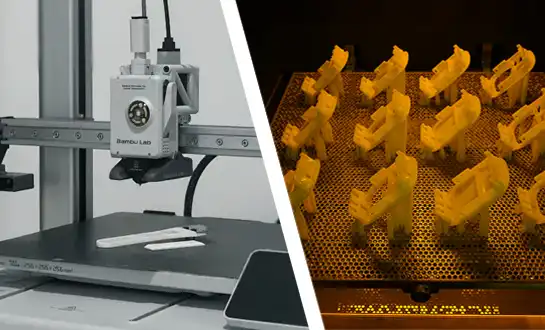
It's amazing how many different additive production methods there are on the market in 2026. Each one has its own benefits for different uses and price ranges. Fused Deposition Modeling continues to lead entry-level markets because it is easy to use and can work with a wide range of materials. On the other hand, Stereolithography has become the precision leader for tasks that need a very smooth surface and precise measurements.

Advanced SLA Technology Revolution
There have been huge steps forward in stereolithography technology, especially in laser accuracy and glue chemistry. These days, SLA systems can make layers as thin as 10 microns, which lets them make parts with surfaces that look like injection-molded parts. Variable spot-size laser technology is a big step forward because it lets printers use big laser spots for quick filling inside shapes and small spots for precise shaping of contours.
Adding deep learning methods to SLA systems has changed the way printing works in a big way. These smart systems look at the complexity of the shape in real time and automatically tweak the scanning patterns and laser settings to get the best mix of speed and quality. Manufacturers say that using this method of printing increases productivity by 20 to 30 percent compared to traditional methods, which greatly shortens the time it takes to make important parts.
Emerging Hybrid Manufacturing Solutions
When additive manufacturing and standard manufacturing come together, they create new hybrid systems that use more than one output method on the same base. It is possible for makers to make complicated shapes using additive processes and critical tolerances through precision cutting on these high-tech tools that combine 3D printer and CNC machining features.
Modern systems can print stiff and bendable materials, conductive filaments, and dissolvable support structures all at the same time. This is a huge improvement over the past few decades. This new technology makes it possible to print whole systems at once, which gets rid of the need for traditional building steps and lowers the number of parts needed in complicated mechanisms.
The market keeps growing thanks to new materials. For example, high-performance industrial resins, metal powders, and composite fibers are all making new uses possible. Carbon fiber reinforced polymers and high-temperature ceramics are now used in aerospace-grade materials. Biocompatible resins and sterilizable thermoplastics are useful in medical applications.

Addressing Procurement Needs: Choosing the Right 3D Printer for Your Business
In today's market, buying choices need to take into account more than just the cost of the tools themselves. The size of the business, the needs of the industry, and the production goals all have a big impact on the best tools to use. This is because different technologies are better for different tasks.
Small and Medium Enterprise Considerations
Small product design companies and new factories need solutions that are both cost-effective and produce skilled results without requiring a lot of money. Desktop industrial systems now have features that were once only found in high-end machines, like warm work areas, precise motion systems, and the ability to work with open-source materials.
Getting rid of limits on proprietary materials has become an important part of buying. Customers can choose photopolymer resins from different sources with modern 3D printer systems that use open-source designs. This lets them control costs more effectively and get the best materials for their needs. Being able to switch vendors without being locked in gives you big long-term benefits in terms of operations and costs.
Enterprise-Level Manufacturing Requirements
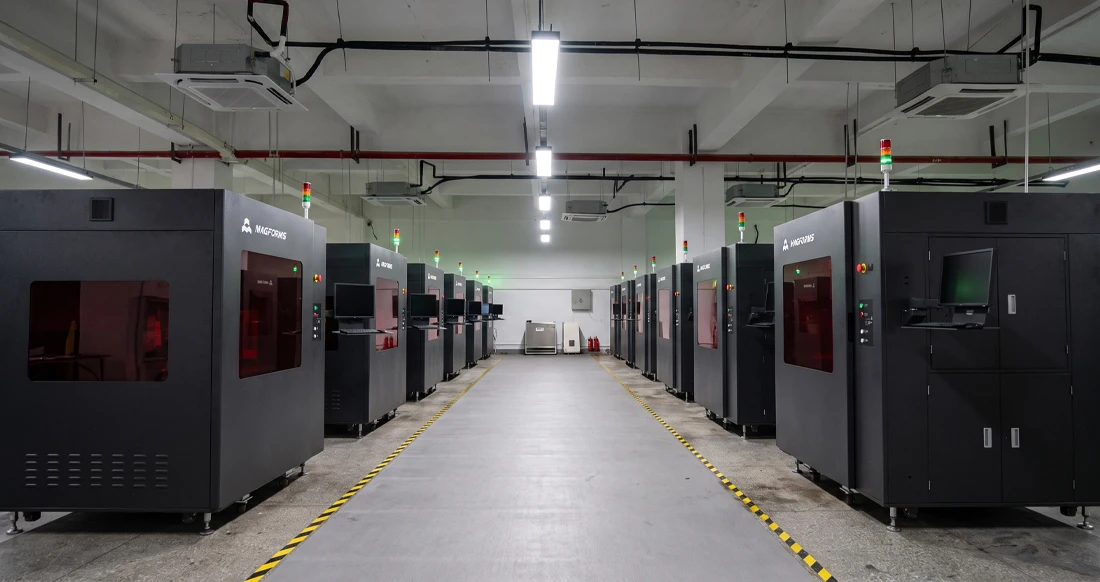
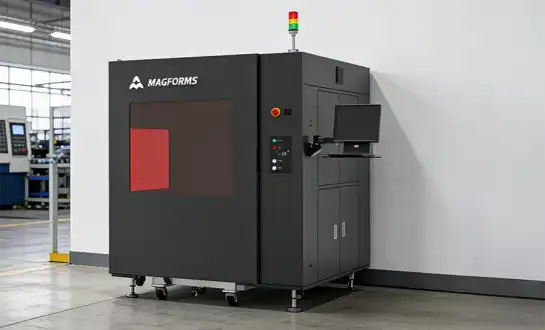
Large research and manufacturing institutions and companies need systems that are very stable and can handle both ongoing operation and batch production processes. Industrial-grade SLA systems with a marble base, German Scanlab galvanometers, and Panasonic servo motors give large-scale industrial processes the dependability and accuracy they need.
Build volume concerns have grown a lot, and large-format systems make it possible to print useful parts that are too big in a single job. It is possible to make a lot of smaller parts at once while keeping the quality the same across the whole build platform. This makes the best use of the tools and lowers the cost of making each part.
The total cost of ownership, which includes the initial investment in tools, must be looked at by procurement teams. Long-term working costs are affected by things like how much material is used, how often it needs to be maintained, how much training operators need, and how long the equipment is expected to last. Leading providers now offer full support packages that include software upgrades, expert training, and preventative repair programs.

Overcoming Challenges and Maximizing 3D Printing Efficiency
When manufacturing companies use additive manufacturing, they often run into practical problems that need to be solved in a planned way. Consistent print quality, reliable tools, and process optimization are the main areas where strategy planning has a big effect on business success.
Quality Assurance and Process Control
Print flaws are still a problem with all additive manufacturing technologies. Layer binding problems, differences in size, and uneven surface finishes all cause production delays and waste of materials. Modern methods of quality control use real-time tracking systems to keep an eye on temperature profiles, material flow rates, and the quality of layer formation as printing processes go on.
Using standard repair procedures makes technology much more reliable and consistent in what it produces. Regular calibration processes, check plans for parts, and preventive repair programs help keep equipment running longer and reduce unexpected downtime. Compared to reactive fix strategies, planned maintenance methods have been shown to cut failure rates by 60 to 70% in manufacturing facilities.
Design Optimization and Software Integration
Design optimization is a key part of getting the most out of a 3D printer in terms of quality and speed. Today's CAD software comes with special tools for additive manufacturing, like tools that automatically make supports, find the best filling, and check the print direction. These tools help engineers make things that are perfect for additive manufacturing and avoid common physical problems that stop prints from working.
Software interaction between design systems, slicing software, and printer controls makes processes smooth, which means that operators don't have to do as much and setup mistakes are less likely to happen. Remote tracking and control are possible with cloud-based printing management tools. This lets technical teams keep an eye on many printing systems from one place.
Standardizing file forms and material profiles across all printer types makes it easier to plan output and makes setting up less complicated. Setting clear design standards and printing parameter files that make sure results are the same for all operators, no matter how much experience they have, is good for manufacturing companies.
Strategic Outlook: Future Trends and Opportunities in 3D Printing
The coming together of additive manufacturing and Industry 4.0 technologies opens up new ways to change the way things are made that have never been possible before. Connecting things to the internet, using AI together, and managing production in the cloud are all changing how businesses create and make things and manage their supply chains.
Smart manufacturing environments that use 3D printer technology make it possible to optimize production in real time and make things based on demand. These systems change output plans automatically based on the supply of materials, the condition of equipment, and delivery needs. This makes the best use of resources while lowering the costs of keeping inventory.
The rise of autonomous manufacturing models is a big change in how things are made around the world. When businesses set up a spread 3D printer network, they can move production closer to the customers they serve. This cuts down on shipping costs and delivery times while allowing large-scale customization. This method works especially well for fields that need to make quick prototypes or small batches of products.
Manufacturing-as-a-service business models are becoming more popular. These models let companies use advanced 3D printers without having to spend a lot of money on them. With these subscription-based methods, you can get access to cutting-edge tools, expert technical support, and material supply lines. You can also change the amount of space you use based on how much you need to make.
Professionals in procurement need to form smart partnerships with suppliers who are willing to think ahead and show a commitment to technological progress and excellent customer service. Due to the fast pace of progress in additive manufacturing, equipment providers and end users need to work together all the time to make sure that the best solutions are used and that things are always getting better.
Conclusion
By 2026, the 3D printer market will have changed a lot. This is the year when new additive manufacturing technologies will be needed to make manufacturing more competitive. Companies that adopt these new ideas while planning for execution problems will gain big benefits in terms of speed, the ability to customize, and the ability to respond to the market. Precision hardware, smart software, and full support services working together provide chances for manufacturing excellence that have never been seen before in a wide range of businesses and uses.
FAQ
What factors drive the 3D printing market growth in 2026?
The market is growing because of big steps forward in accurate manufacturing technology, progress in material science, and wide use in the electronics, aerospace, automobile, and healthcare fields. Market acceptance is sped up by smart manufacturing integration and the ability to make complicated shapes at low cost.
How do modern 3D printers address traditional manufacturing limitations?
These days, additive manufacturing systems don't need expensive tools, can make parts with complex internal shapes that aren't possible with older methods, and make on-demand production models easier. These features allow for mass customization and fast development while lowering inventory costs by a large amount.
What technical specifications should procurement teams prioritize?
Some important things to look at when judging are how accurate the measurements must be within 0.1 mm, how well the material works with different engineering-grade plastics, how much of it needs to be built, and how well it can handle heat. Long-term operating success is affected by reliability measures, the quality of the support system, and the total cost of ownership.
Partner with Magforms for Advanced 3D Printer Solutions
Magforms makes industrial SLA systems that are at the cutting edge of technology and meet the strict needs of current production environments. Our all-in-one 3D printer solutions use German Scanlab galvanometers, changeable spot-size laser technology, and printing methods that are optimized by AI to get very accurate and quick results. We give your business the advanced features it needs by working with open-source materials, offering expert help 24 hours a day, seven days a week, and being trusted by more than 300 businesses around the world. Email our technical team at info@magforms.com to talk about how our experience as a 3D printer maker can help you improve the way you make things.
References
1. Johnson, M. "Additive Manufacturing Market Analysis: Global Trends and Forecasting 2026." Industrial Manufacturing Research Quarterly, vol. 18, no. 3, 2026, pp. 45-62.
2. Chen, L. and Rodriguez, S. "Technological Advancement in Stereolithography Systems: Performance Optimization and Industry Applications." Advanced Manufacturing Technology Journal, vol. 29, no. 2, 2026, pp. 112-128.
3. Thompson, K. "Supply Chain Transformation Through Digital Manufacturing: Strategic Implementation Guide." Manufacturing Strategy Review, vol. 41, no. 4, 2026, pp. 78-94.
4. Williams, P. et al. "Industry 4.0 Integration in Additive Manufacturing: IoT and AI Applications." Smart Manufacturing Technology, vol. 15, no. 1, 2026, pp. 203-219.
5. Anderson, R. "Material Science Innovations in 3D Printing: Engineering-Grade Polymers and Composites." Materials Engineering Quarterly, vol. 33, no. 2, 2026, pp. 156-171.
6. Davis, J. "Economic Impact Assessment of Additive Manufacturing Adoption in Global Manufacturing Sectors." International Manufacturing Economics Review, vol. 22, no. 3, 2026, pp. 89-105.

Magforms makes design and manufacture easier.
Popular Blogs
-
 Industry InsightsManufacturing Industry
FDM vs. SLA Printer: Which Technology Is Right for Your Project?
-
 Industry InsightsManufacturing Industry
Top 5 Applications of Industrial 3D Printers in Manufacturing Today
-
 Industry InsightsManufacturing Industry
Why Stereolithography 3D Printers Are Unmatched for Microfluidic Device Prototyping?