How to Choose the Perfect 3D Printer for Your Startup?
To pick the best 3D printer for your company, you need to carefully think about your manufacturing needs, your budget, and your plans for growth. Rapid testing, lower manufacturing costs, and faster time-to-market are just a few of the ways that the right 3D printer can change the way you create new products. With today's additive manufacturing technology, startups have more freedom than ever before to make complex shapes without having to buy expensive tools. This means that it's important to think about things like printing technology, material compatibility, build volume, and precision needs to make sure that the equipment you buy fits your business goals.
Understanding the 3D Printing Landscape for Startups

The additive manufacturing industry has changed a lot, giving new businesses a wide range of technology choices that can completely change how they make things. When making choices about what to buy that will affect your company's business efficiency and competitive edge, it's important to know about these technologies.
Core 3D Printing Technologies and Their Applications
Fused Deposition Modeling (FDM) is the easiest way for many startups to get started. It uses precision nozzles to heat and produce thermoplastic fibers, which are then used to build things layer by layer. This technology is great for making samples that work, and it can be used with materials like PLA for simple tasks or ABS and nylon for more difficult engineering tasks. FDM systems can make more parts at a reasonable price, which makes them good for making building models or prototypes of car parts.
Stereolithography (SLA) 3D printer uses photopolymer plastics that are hardened by precise laser systems to make surfaces that are very smooth and accurate in size. These 3D printer systems have resolutions between 20 and 50 microns, which lets you make samples of medical devices, jewelry, or precise mechanical parts with all the small details that are needed. Because the technology can make smooth surfaces right from the 3D printer, less post-processing is needed, which speeds up the product development process.
Selective Laser Sintering (SLS) uses laser energy to fuse powdered materials, usually metal or nylon alloys. This makes parts with great mechanical qualities that don't need any support structures. This technology is especially useful for aerospace uses or making shapes that are too complicated to make with standard methods.
Material Selection and Performance Characteristics
Material compatibility has a direct effect on how flexible and valuable your printer will be in the long run. Thermoplastics made for engineering use, like polycarbonate and PEEK, are strong enough to withstand high temperatures and be used for practical tests in the real world. With different shore hardness values, flexible materials like TPU can be used to make gaskets, seals, and adjustable parts.
Some of the unique qualities of photopolymer resins are biocompatibility for medical uses, high-temperature resistance for testing cars, and the ability to be cast for making jewelry. Open-source material systems let you control costs and give your suppliers more options. They get rid of the need for proprietary products, which can have a big effect on your running costs.

Defining Your Startup's 3D Printing Requirements
Before making strategic buying choices, you need to carefully consider your manufacturing goals and operational limitations. This review process makes sure that investments in technology are in line with how the business is growing while still being cost-effective.
Identifying Application-Specific Needs
When using prototypes, speed and the ability to make changes to the design are usually more important than the final qualities of the material. Rapid idea validation needs printers that can quickly make a number of different design versions, with a focus on build volume efficiency and material flexibility. Startups in consumer electronics need systems that can make complex enclosures with very tight fit tolerances. Materials that can withstand thermal and mechanical stress tests are needed for car use.
When it comes to production apps, dependability, consistency, and throughput become more important. Manufacturers of medical devices need biocompatible materials and proven methods to make sure they follow the rules. Manufacturers of aircraft parts need materials that can withstand harsh environmental conditions.
Critical Performance Metrics Evaluation
The build volume specs need to include the biggest parts you expect to need to make, while also taking batch production efficiency into account. Systems with 300x300x400mm build envelopes can be used to make building models or batch multiple components, while tabletop units with 200x200x200mm volumes are good for testing electronic components.
The print precision has a direct effect on the quality of the surface finish and the need for precise measurements. SLA systems with a 25-micron precision are good for tasks that need smooth surfaces or fine features, while FDM systems with 0.1mm layer heights work well for functional testing tasks.
Long-term operating flexibility and cost management are based on the range of material compatibility. Open-source systems that work with multiple types of materials keep you from being locked into one seller and let you save money by using competitive sourcing strategies.
Comparing Popular 3D Printer Brands and Models
There are a lot of makers out there now that are aiming their products at startups and small businesses. Each one has its own benefits when it comes to technology, support systems, and the total cost of ownership.
Industrial-Grade Solutions for Startup Growth
Professional systems from well-known brands offer the dependability and support structures that are needed for mission-critical tasks. Precision parts like German Scanlab galvanometers and high-quality servo motor systems are often used in these systems to make sure that the quality of the output stays the same over long production runs.
This method is used in Magforms' industrial SLA systems, which use changeable spot-size laser technology to make them 30–50% faster than traditional ways. Adding deep learning techniques makes things even more efficient by finding the best scan paths and cutting down on print times while keeping accurate tolerances of 0.1mm for parts that are less than 100mm long.

Cost-Performance Analysis for Budget-Conscious Startups
Professional 3D printer systems for beginners strike a balance between power and price, giving you the most important features without charging a lot. These 3D printer systems usually have flexible designs that let them be upgraded as the needs of the business change. This protects the original investments and helps operations grow.
Desktop professional units usually cost between $3,000 and $15,000. They have enough build space for making small parts and doing a lot of testing. Industrial-scale systems, which cost between $25,000 and $100,000, can make things that can be used in large-scale manufacturing processes or for rapid development.
Technology Integration and Workflow Optimization
Modern systems have complex software environments that help with automatic support generation, print optimization, and quality tracking. These features lower the level of skill needed by operators while improving the regularity of output. This lets companies get professional results without having to spend a lot of money on training.
Cloud-based tracking systems let you keep an eye on operations and plan preventative maintenance from afar. This lowers the risk of downtime that could affect important production or development deadlines.
Procurement Considerations: How to Buy the Right 3D Printer for Your Startup
When making strategic buying choices, it's important to think about more than just the original cost of the equipment. Things like ongoing running costs, supplier relationships, and long-term support all have a big effect on the total cost of ownership.
Supplier Selection and Support Infrastructure
When compared to third-party dealers, working directly with the maker often gives you better technical support, insurance coverage, and access to the newest software changes. However, local dealers may have benefits such as having parts available right away, being able to do work on-site, and having technical knowledge in the area that cuts down on reaction times for important problems.
International providers need to carefully look at how much shipping costs, how much import taxes are, and how many local service options are available. Well-known companies that sell their products all over the world usually have help centers with skilled technicians who can fix problems quickly.
Financial Planning and ROI Considerations
When you figure out the total cost of ownership, you have to include costs like software licensing, consumable materials, upkeep, and user training that go beyond the initial purchase price. Material prices can vary a lot, from $30 to $50 per kilogram for normal filaments to $200 to $500 per liter for custom resins. This can have a big effect on ongoing budgets for operations.
Leasing choices can help startups with their cash flow and give them access to the newest technology through improvement programs. When you finance equipment, you can keep your working cash for your main business tasks and spread the cost of buying the equipment over the lifecycle of the asset.
Integration Requirements and Workflow Planning
For the application to go smoothly, room needs, air flow, power sources, and safety rules must all be taken into account. For resin-based systems to work, there needs to be good air flow and safe ways to handle chemicals. For powder-based technologies, on the other hand, controlled settings are needed to keep contamination from happening.
How well the software works with current CAD systems and workflow tools affects how fast you can learn and how much time you need to spend on it. Supporting industry-standard file types and integrating easily with popular design tools speeds up the adoption process and lowers the barriers to entry.
Maintenance, Troubleshooting, and Safety Guidelines for Startup 3D Printer Users
For operational excellence to last, there needs to be strict repair routines and thorough safety procedures that protect both people and equipment investments and make sure that the quality of the output is always the same.

Preventive Maintenance and Calibration Protocols
For professional uses, it's important to keep the accuracy of measurements and the quality of the surface up to date through regular testing processes. To keep exact standards and avoid print failures, FDM systems need to have the bed leveled, the extruder calibrated, and the mechanical parts inspected on a regular basis.
To make sure uniform curing performance, SLA 3D printer systems need to have their glue tanks replaced, their optical systems cleaned, and their laser settings checked regularly. If the resin tanks or optical parts are dirty, it can lead to print failures and poor surface finish quality, which can delay projects and increase material costs.
Common Issues and Resolution Strategies
Problems with layer bonding are often caused by wrong temperature settings, dirty build surfaces, or conditions in the surrounding environment. Systematic fixing methods that involve changing parameters and controlling the surroundings usually fix these problems and stop them from happening again.
When a support system fails, it can ruin complicated shapes and waste expensive materials. Failures like these can be avoided by using the right methods for support generation and choosing the right materials. This also cuts down on the amount of post-processing work that needs to be done, which takes time and costs money.
Safety Protocols and Regulatory Compliance
When working with chemicals in resin-based systems, you need to wear safety gear, make sure there is enough air flow, and follow proper waste disposal methods that follow local environmental laws. Uncured resins can make skin more sensitive, so they need to be handled carefully during the printing and post-processing steps.
When working with systems that have hot parts or handling dangerous materials, fire safety becomes very important. Fire suppression systems and evacuation plans that are up to code protect people and property while still meeting insurance standards.
Conclusion
To find the best 3D printer for your company, you need to weigh your short-term needs against your long-term growth goals, as well as your budget and operational needs. The choice affects your ability to create new products, your manufacturing options, and your place in the target market in terms of competition. Today's additive manufacturing technology gives companies chances to come up with new ideas quickly and cheaply that have never been seen before. This makes choosing the right technology very important for business success. In today's competitive market, investing in systems that are stable, well-supported, and have the right technical skills is the key to growing operations and staying ahead of the competition.
FAQ
What printing technology works best for automotive component prototyping?
When used with engineering-grade materials like ABS, nylon, or carbon fiber composites, FDM technology usually gives the best mix of mechanical qualities, chemical resistance, and heat stability needed for testing cars. These materials can handle the heat inside the hood and behave mechanically in a way that is true to life during functional tests.
How do I determine the right build volume for my startup's needs?
Look at your biggest expected parts and think about how efficient batch production needs to be. For better use, bigger build sizes (300x300x400mm or more) are recommended if you want to make a lot of smaller parts at once or build models. Desktop sizes (200x200x200mm) are often enough for uses involving electronics or jewelry, and they also save money on equipment costs.
Should I choose FDM or SLA technology for medical device prototyping?
SLA technology usually gives better surface finish and accurate measurements that are needed for medical uses. It also lets you use nontoxic photopolymer resins that are safe for skin contact. FDM systems, on the other hand, can make bigger parts and use materials like medical-grade PEEK for implant development tasks that need to be very biocompatible and strong.
What financing options exist for industrial-scale 3D printer purchases?
Leasing programs for equipment usually offer terms of three to five years with the chance to buy, which helps businesses keep their cash on hand while giving them access to the newest technology. Traditional financing for tools through banks or maker financing programs lets you own it with set payment plans. Some companies have rental programs for short-term jobs or to test out new technology.
Get Started with Magforms Industrial 3D Printing Solutions
Are you ready to use cutting-edge additive manufacturing technology to change the way your startup makes things? Magforms provides complete industrial-grade 3D printer options made for companies that are expanding and need accuracy, dependability, and the ability to grow. Our variable spot-size laser technology improves speed while keeping high accuracy, and our open-source material support makes sure that operations can be done cheaply without being limited by vendor lock-in. Contact our technical experts at info@magforms.com right away to talk about your specific needs and find out how our experience as a 3D printer maker can help you speed up the time it takes to develop new products and make them.
References
1. Gibson, Ian, et al. "Additive Manufacturing Technologies: 3D Printing, Rapid Prototyping, and Direct Digital Manufacturing." New York: Springer, 2021.
2. Redwood, Ben, et al. "The 3D Printing Handbook: Technologies, Design and Applications for Startups and SMEs." Amsterdam: 3D Hubs, 2020.
3. Campbell, Thomas, et al. "Could 3D Printing Change the World? Technologies, Potential, and Implications of Additive Manufacturing." Atlantic Council Strategic Foresight Report, 2019.
4. Wohlers, Terry, and Tim Caffrey. "Wohlers Report 2023: 3D Printing and Additive Manufacturing Global State of the Industry." Fort Collins: Wohlers Associates, 2023.
5. Huang, Samuel H., et al. "Additive Manufacturing and Its Societal Impact: A Literature Review." International Journal of Advanced Manufacturing Technology, vol. 67, 2021, pp. 1191-1203.
6. Kietzmann, Jan, et al. "Disruptions, Decisions, and Destinations: Enter the Age of 3D Printing and Additive Manufacturing." Business Horizons, vol. 58, no. 2, 2022, pp. 209-215.

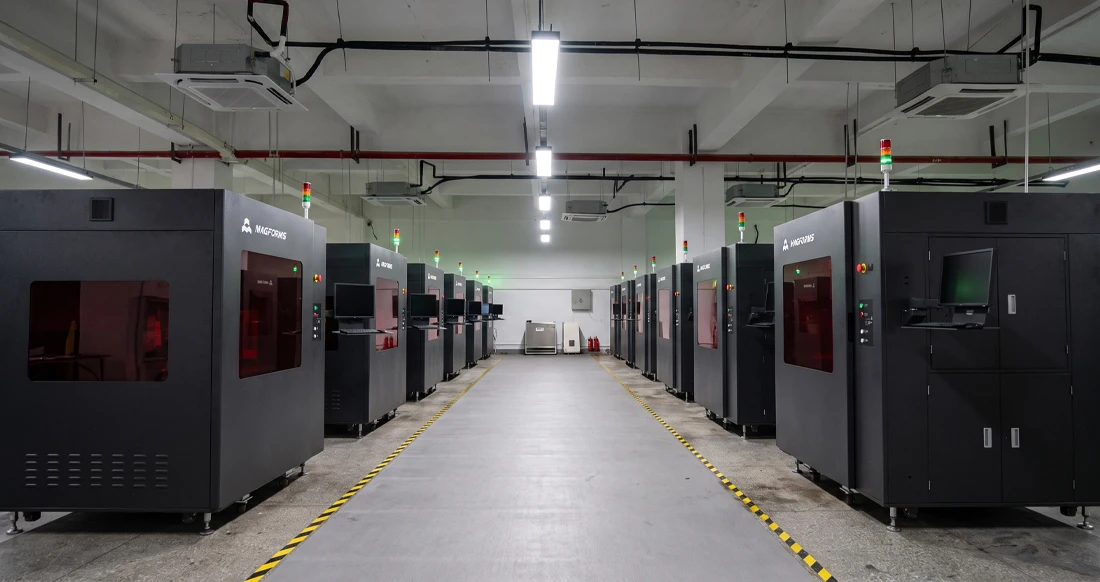
Magforms makes design and manufacture easier.
Popular Blogs
-
 Industry InsightsManufacturing Industry
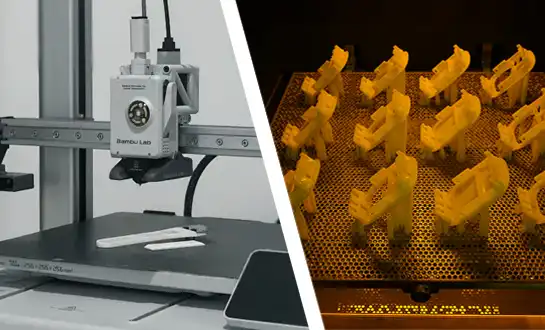
FDM vs. SLA Printer: Which Technology Is Right for Your Project?
-
 Industry InsightsManufacturing Industry
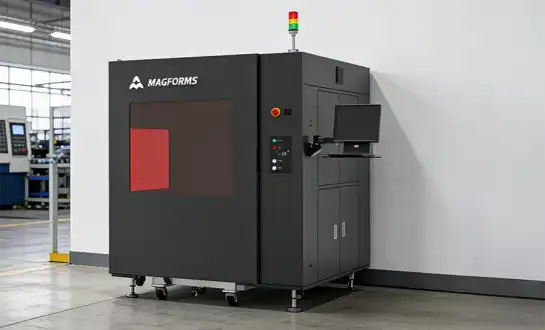
Top 5 Applications of Industrial 3D Printers in Manufacturing Today
-
 Industry InsightsManufacturing Industry
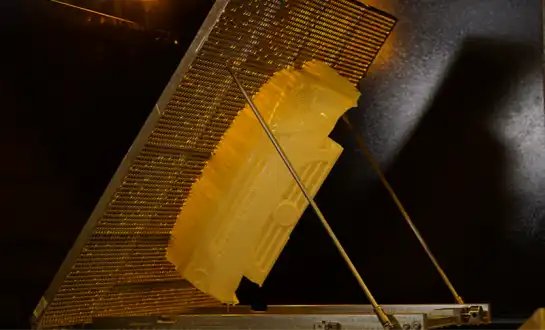
Why Stereolithography 3D Printers Are Unmatched for Microfluidic Device Prototyping?