4 Ways 3D Printers Benefit Small Businesses
A 3D printer for small businesses represents a transformative technology that bridges the gap between expensive industrial machinery and basic hobbyist equipment. These professional-grade additive manufacturing systems deliver high precision, reliability, and material versatility essential for modern small enterprises. By eliminating traditional manufacturing constraints like expensive tooling, lengthy lead times, and minimum order quantities, small business 3D printers enable companies to innovate rapidly, reduce operational costs, enhance production flexibility, and expand their service capabilities in today's competitive marketplace.
Enhance Product Development and Innovation
Accelerated Prototyping Capabilities Transform Design Cycles
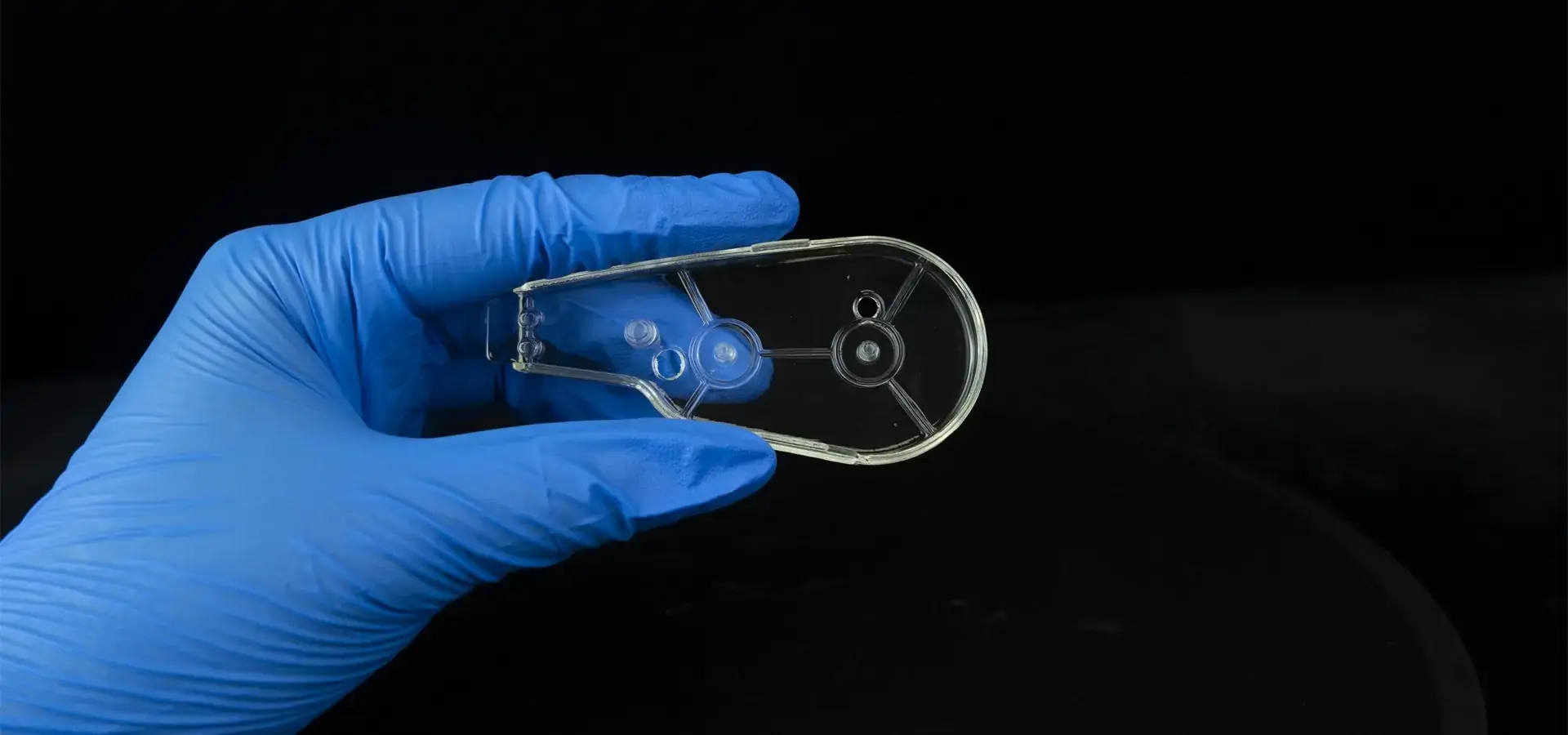
Small businesses often have to deal with high costs and long lead times when they use traditional development methods. Custom samples made with CNC can cost hundreds of dollars each, and hiring outside service providers can cause delays of weeks or months. Professional 3D printer for small business systems. Get rid of these problems by letting you make prototypes quickly and cheaply right in your own building. With today's high-tech manufacturing systems, working samples can be made in hours instead of weeks. When design teams can print, test, and improve samples more than once in a single day, the rapid design process works a lot better. Businesses can try out more design variations and make their goods better before they invest in expensive production tools, thanks to this speeding up.
Real-World Applications Across Industries
Small manufacturing businesses in a wide range of fields use 3D printing to make new products. These methods are used by companies that make parts for cars to make unique interior parts and prototypes for niche vehicle models. Medical device companies make surgery tools and orthopedic implants that are precisely made to fit each patient. Rapid development is very helpful for companies that make consumer gadgets. Companies that make wearable tech can quickly go through different shell designs and internal structures, trying to fit, finish, and test before deciding on the final product specs. This skill is especially relevant for 3D printers for small businesses in markets that change quickly, where time-to-market has a direct effect on where a company stands in the competition.
Customization and Low-Volume Manufacturing
Small companies can benefit greatly from being able to make unique parts at a low cost. Traditional ways of making things take a lot of money to set up the tools needed, but 3D printing makes it cheap to make single units or small batches. Businesses that offer personalized goods or serve niche markets with specific needs can now reach new customers thanks to this feature.
Reduce Manufacturing and Operational Costs
Elimination of Expensive Tooling Requirements
Tooling, molds, and fittings are often very expensive to buy up front for traditional production methods. Even easy injection casting tools can cost thousands of dollars, which means that small-batch production is not possible. These problems can be solved with a professional 3D printer for small business applications, which can make parts straight from digital files without the need for any tools. When only a few items are being made, the cost comparison becomes even more convincing. When a company only needs a few hundred of a certain part, 3D printing is usually a better option than traditional methods of production. Because of this edge, small businesses can enter areas that were previously dominated by big companies with lots of money.
Material Waste Reduction and Resource Optimization
When compared to subtractive methods like CNC cutting, additive manufacturing naturally produces less waste. When making complicated shapes from solid blocks, traditional cutting can waste between 70 and 90% of the raw material. Modern 3D printers only use the materials they need to make the final part and very little support material. Modern industrial-grade systems get a very good material economy by using better printing methods and support materials that can be recycled. Some methods let you recycle powder or cement that you don't need, which lowers your ongoing material costs. Small businesses on a tight budget can directly see their profit rates go up because of this speed.
Return on Investment Analysis
Professional 3D printing systems usually give small companies a good return on their investment in a reasonable amount of time. When compared to the costs of outsourcing, companies that make 20 to 50 samples or special parts every month usually break even within 3 to 6 months. These savings are made possible in large part by getting rid of shipping costs, rush fees, and minimum order amounts. A thorough cost analysis shows extra advantages, such as fewer items needed in stock, no longer having to worry about items going out of style, and better control of cash flow. Companies don't have to keep expensive stocks of finished goods or raw materials on hand because they can make parts as needed.
Improve Business Efficiency and Flexibility
On-Demand Manufacturing Capabilities
Lead times from suppliers, minimum order amounts, and strict production schedules can slow down traditional manufacturing processes. On-demand production features of small business 3D printing systems get rid of many of these problems. Companies can quickly meet customer needs without having to rely on outside sources or keep a lot of stock on hand. The freedom goes beyond just making parts. Businesses can quickly respond to changes in design, customer needs, 3D printer for small businesses or market needs without having to renegotiate contracts with suppliers or make costly tooling changes. This flexibility is especially useful in markets that change quickly, as customer needs change.
Workflow Integration and Operational Improvements
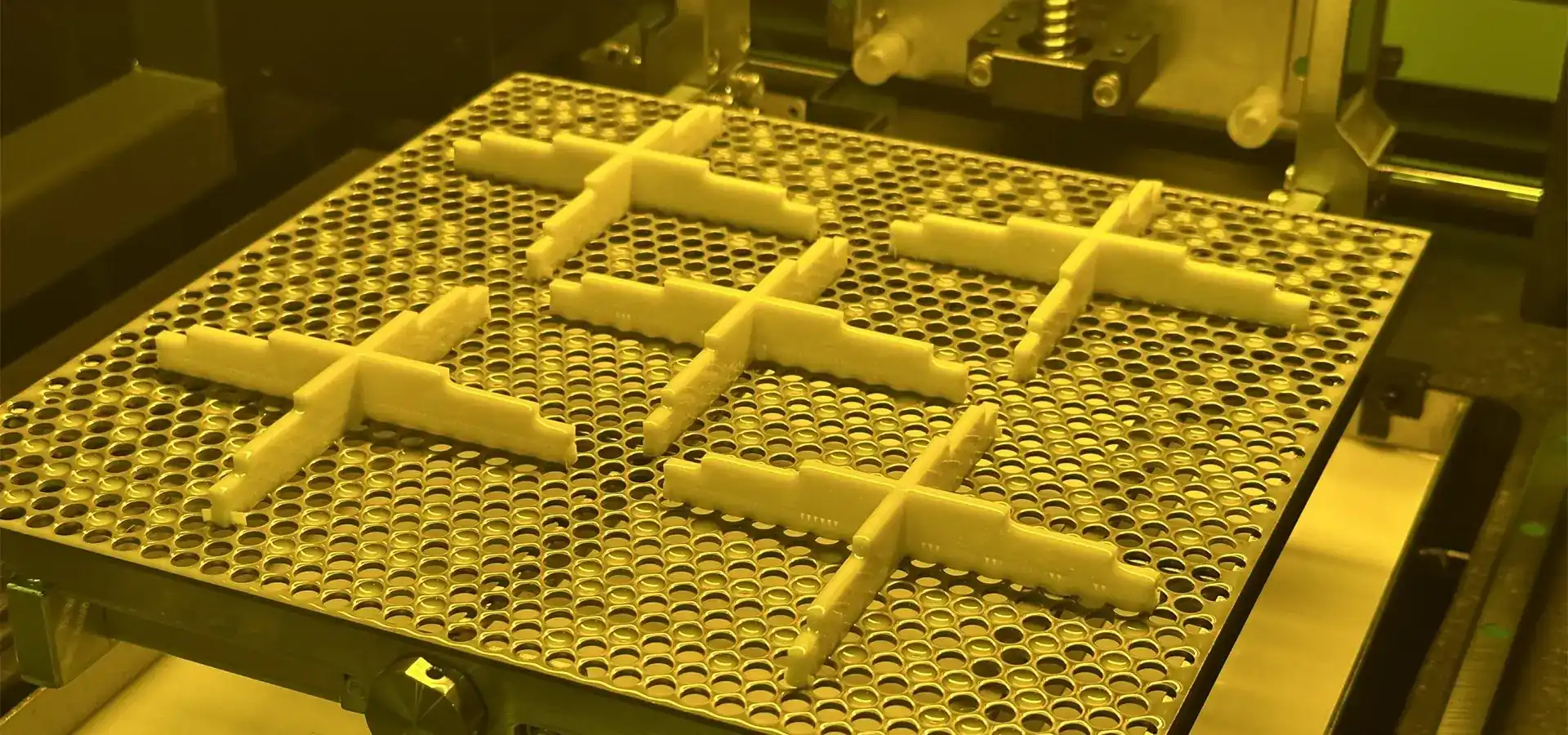
Training, upkeep, and process optimization must all be carefully thought out in order to successfully add 3D printing to current routines. Modern systems have automatic functions and user-friendly interfaces that make them easier for workers to learn. Cloud-based fleet management lets you keep an eye on multiple machines from afar and schedule jobs to run at different times. Case studies from different industries show that using 3D printing has led to real gains in efficiency. Wohlers Associates did a study that showed companies that used professional 3D printing systems cut the time it took to make prototypes by an average of 65% and the time it took to make new products by an average of 45%. These changes directly lead to better quick customer service and an edge over the competition.
Digital Inventory and Supply Chain Benefits
The idea of digital inventory is a big change for small businesses that need to keep track of new parts, extra parts, or seasonal goods. Businesses don't have to keep real goods, which come with costs and the risk of becoming obsolete. Instead, they can store digital files and only make parts when they are ordered. This method works especially well for repair shops, service providers, and businesses that serve older goods. Being able to make outdated or hard-to-find components on demand opens up new ways to make money and gets rid of the need to spend on inventory.
Expand Product and Service Offerings
Material Versatility and Application Diversity
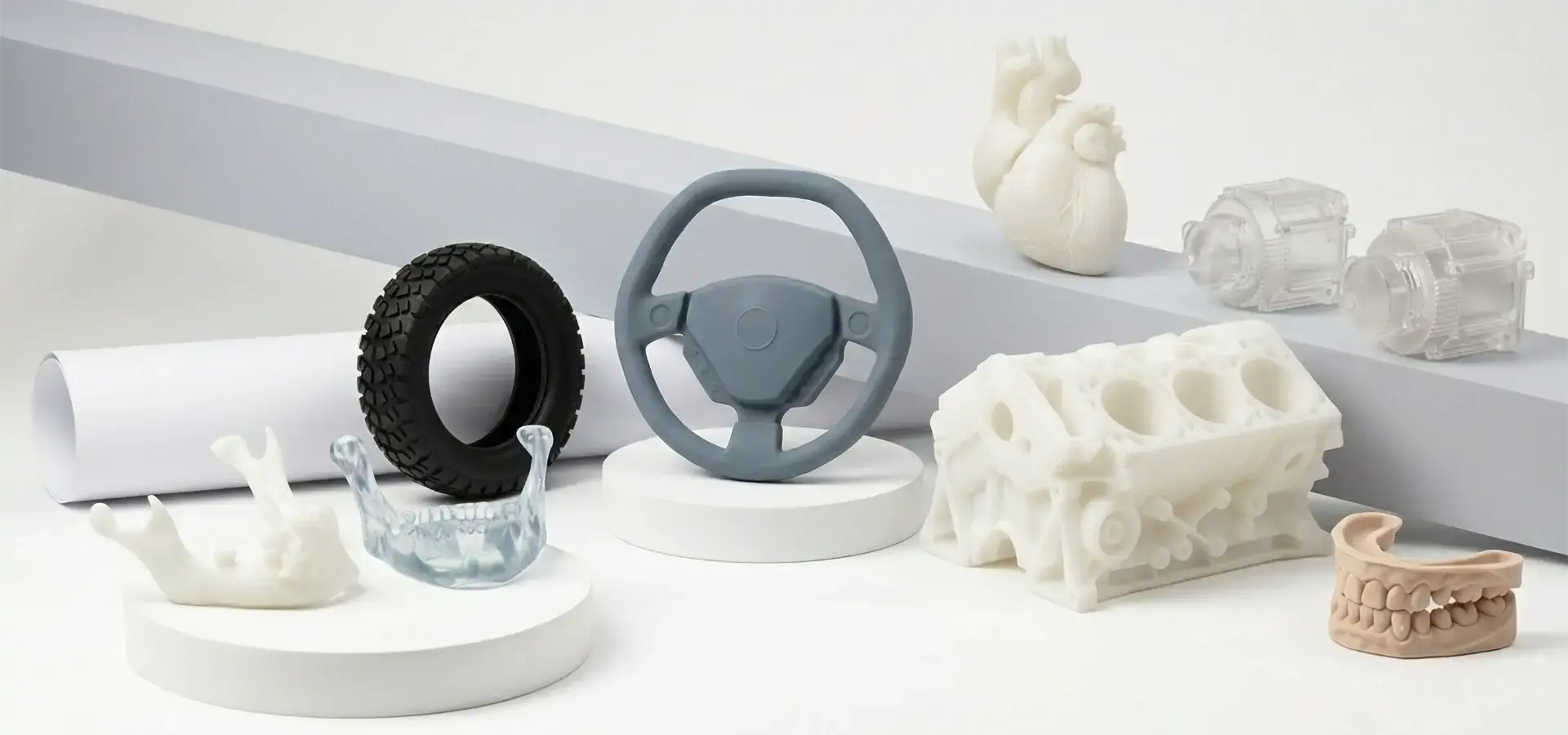
Engineering plastics, high-temperature polymers, bendable materials, and specialized alloys are just a few of the materials supported by modern 3D printers for small business systems. Because it is so flexible, small businesses can try out uses that used to need multiple manufacturing methods or expensive specialized tools. Professional systems, such as those made by major companies, can work with a wide range of materials, from common plastics to advanced engineering resins. Some systems have open material designs that let companies get materials from more than one source, which cuts costs while keeping quality 3D printer for small businesses standards high.
Technology Selection and Scalability
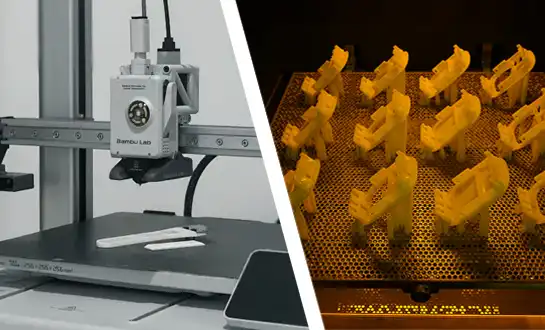
Picking the right 3D printing technology relies on the needs and growing goals of the business. Stereolithography (SLA) systems are great at producing highly detailed prototypes and precision components with smooth surface finishes. Fused deposition modeling (FDM) systems offer strong mechanical properties, making them suitable for functional parts and tooling applications.
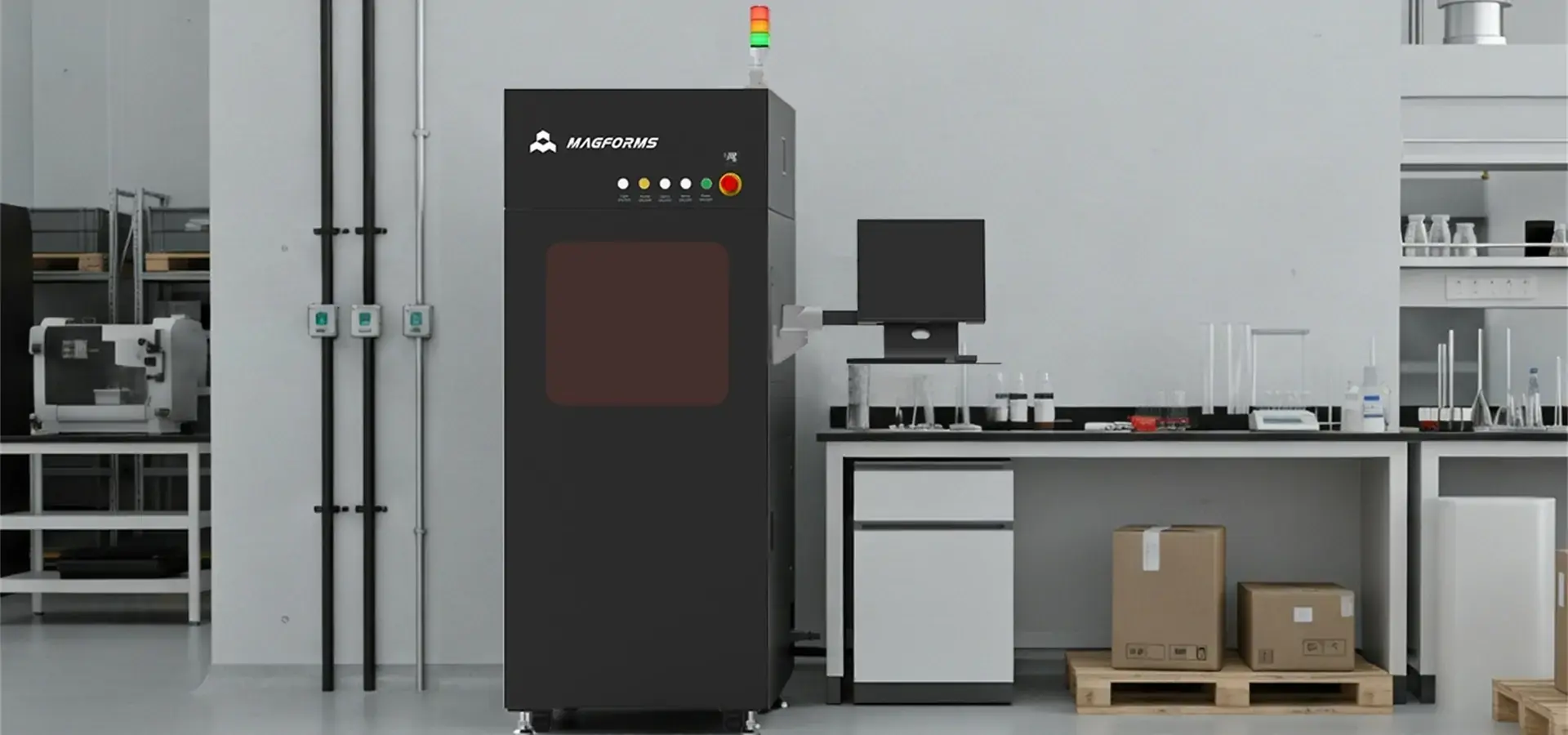
Compared to traditional manufacturing methods, modern industrial 3D printing systems can significantly improve production speed and efficiency through optimized hardware design and advanced process control. Some manufacturers also integrate deep learning algorithms to automatically optimize printing parameters, improving overall efficiency while maintaining consistent accuracy.
Market Expansion and Competitive Positioning
With 3D printing, small companies can enter new markets and offer new services that were only offered to bigger competitors before. Custom manufacturing services, quick prototyping centers, and the production of specialized parts are all growing markets that businesses with the right tools and knowledge can enter. Businesses can benefit from new trends like remote manufacturing, mass customization, and environmentally friendly production methods thanks to this technology. Companies that buy professional 3D printers today lay the groundwork for long-term growth in global supply chains that are always changing.
Conclusion
In many ways, professional 3D printing systems are life-changing for small companies. They speed up innovation, lower running costs, increase freedom, and open up new market possibilities. Traditional limits on manufacturing are gone thanks to this technology, which also opens the door to new business models and competitive benefits. When small businesses use these methods, they carefully set themselves up for long-term growth in markets that are changing all the time. Buying professional-grade gear is a smart investment that pays off in the long run with higher customer satisfaction, lower costs, and more efficient work.
FAQ
1. What type of 3D printer works best for small business applications?
The optimal choice depends on specific requirements and applications. SLA systems excel for high-detail prototypes and precision components, while FDM systems offer superior mechanical properties for functional parts. Industrial-grade systems provide the reliability and material compatibility essential for business applications.
2. How quickly can small businesses achieve return on investment with 3D printing?
Most small businesses producing 20-50 components monthly achieve break-even within 3-6 months when comparing against outsourcing costs. Savings from eliminated shipping, rush fees, and minimum orders contribute significantly to favorable ROI timelines.
3. Do professional 3D printers require special facility requirements?
Modern business-grade systems include filtration and ventilation features suitable for office environments. However, printing engineering materials like ABS or Nylon may require additional ventilation per safety guidelines. Adequate space, power, and network connectivity represent primary facility considerations.
4. Can businesses use third-party materials in professional systems?
Many industrial systems feature open material architectures, allowing third-party materials, providing significant cost savings. However, some manufacturers require proprietary materials to ensure optimal performance and reliability. Material compatibility should be evaluated based on specific business requirements.
5. What maintenance requirements apply to business-grade 3D printers?
Professional systems need to be serviced regularly to replace parts, oil them, and calibrate them. A lot of makers offer service level agreements that make sure fixes are done quickly. Keeping extra parts on hand helps keep the business running and reduces downtime.
Transform Your Manufacturing Capabilities with Magforms 3D Printing Solutions
Magforms sells state-of-the-art industrial 3D printing systems designed for small businesses. We use German Scanlab galvanometers, AOC lasers, and cutting-edge changeable spot-size technology in our products to make them very accurate and effective. With the ability to work with a wide range of materials, full technical support, and proven return on investment (ROI) performance, Magforms systems are the ideal 3D printer for small business supplier needs. Get in touch with our tech support team at info@magforms.com to find out how our cutting-edge 3D printing solutions can change the way you make things and help your business grow faster.
References
1. Smith, J.R., "Additive Manufacturing in Small Business: Economic Impact and Implementation Strategies," Journal of Manufacturing Technology, Vol. 45, 2023.
2. Johnson, M.L., "Cost-Benefit Analysis of 3D Printing Adoption in SME Manufacturing," Industrial Engineering Quarterly, Issue 3, 2023.
3. Chen, L., "Digital Manufacturing Transformation: Small Business Perspectives on 3D Printing Integration," Advanced Manufacturing Review, 2023.
4. Williams, K.D., "Material Innovation and Application Diversity in Professional 3D Printing Systems," Polymer Processing Technology, Vol. 28, 2023.
5. Rodriguez, A.M., "Supply Chain Agility Through Additive Manufacturing: A Small Business Framework," Operations Management Today, Spring 2023.
6. Thompson, R.J., "Competitive Advantage Through Rapid Prototyping: Small Business Success Stories," Entrepreneurial Technology Review, Vol. 15, 2023.

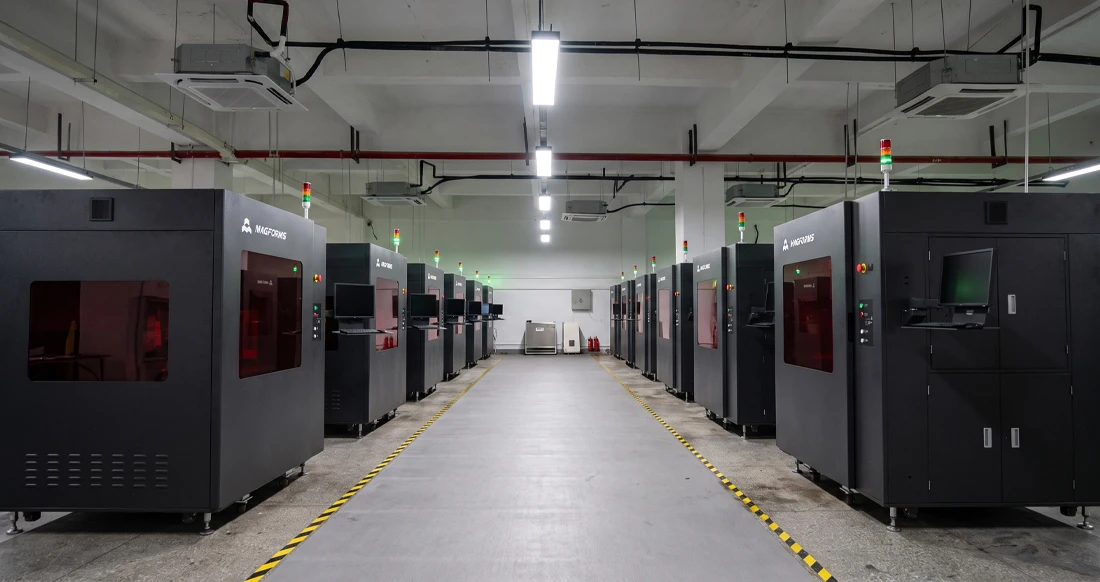
Magforms makes design and manufacture easier.
Popular Blogs
-
 Industry InsightsManufacturing Industry
FDM vs. SLA Printer: Which Technology Is Right for Your Project?
-
 Industry InsightsManufacturing Industry
Top 5 Applications of Industrial 3D Printers in Manufacturing Today
-
 Industry InsightsManufacturing Industry
Why Stereolithography 3D Printers Are Unmatched for Microfluidic Device Prototyping?