What Factors Should You Consider When Choosing an SLA 3D Printer?
When selecting an SLA 3D Printer for your business, you need to evaluate precision capabilities, material compatibility, build volume requirements, and long-term operational costs. The right stereolithography system should deliver consistent accuracy, support diverse resin types, accommodate your production scale, and provide reliable technical support. Key factors include laser quality, galvanometer precision, post-processing requirements, and supplier expertise in your specific industry applications.
Understanding SLA 3D Printing Technology
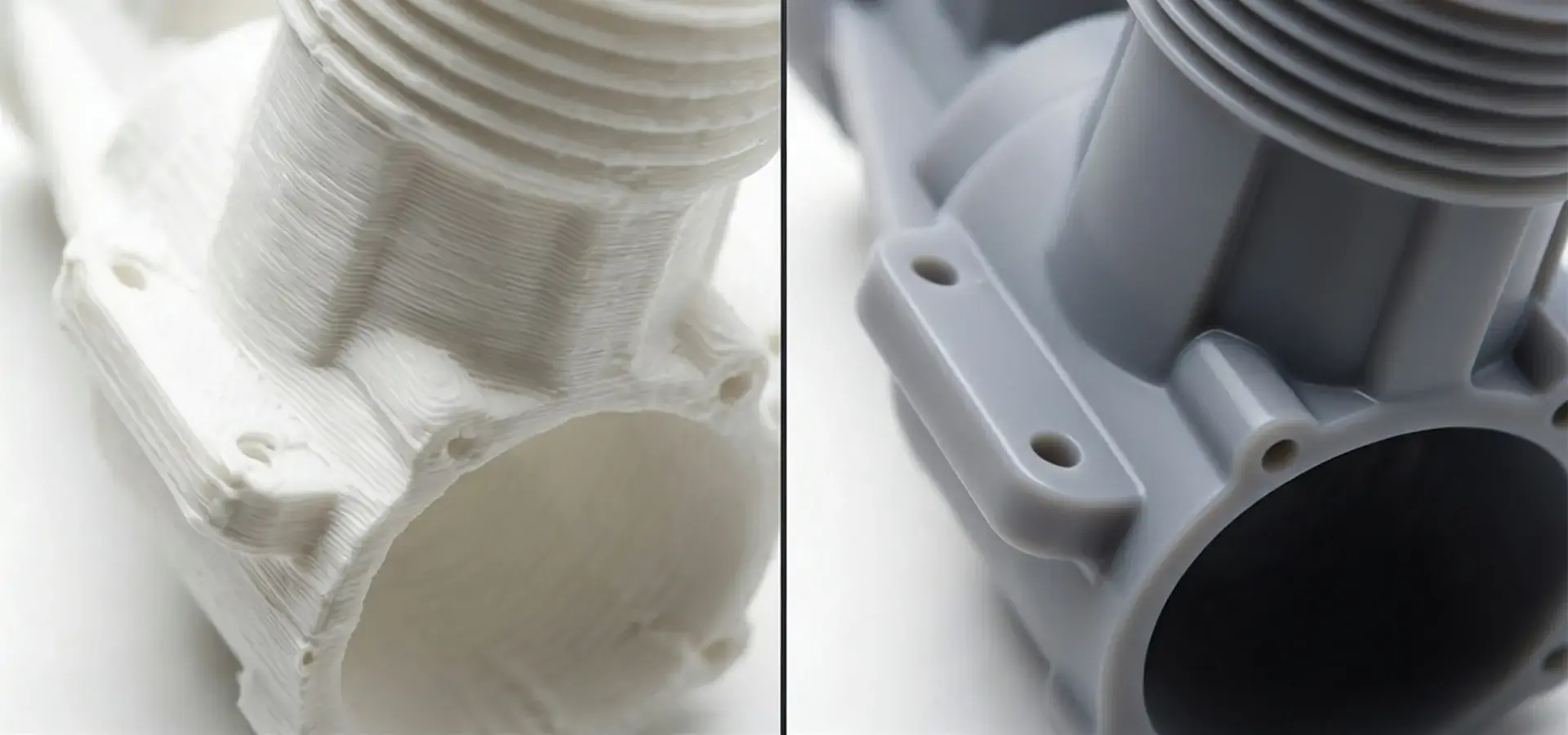
Using UV lasers to cure liquid photopolymer resins one layer at a time, stereolithography is the basis of precision additive production. A strong laser beam draws cross-sectional patterns on the surface of a resin vat. This starts photopolymerization reactions that harden the material into exact geometric shapes. As each layer is finished, the build platform can move a little bit, making room for new plastic to flow across the surface that has hardened. The main strength of the technology is that it can make surface finishes that are good enough for injection moulding with little need for post-processing. In contrast to filament-based systems that have trouble with layer adhesion and clear print lines, SLA 3D Printer systems make sure that all printed parts have the same mechanical qualities. This feature comes in very handy for uses that need watertight covers, smooth edges, and precise measurements within narrow tolerances.
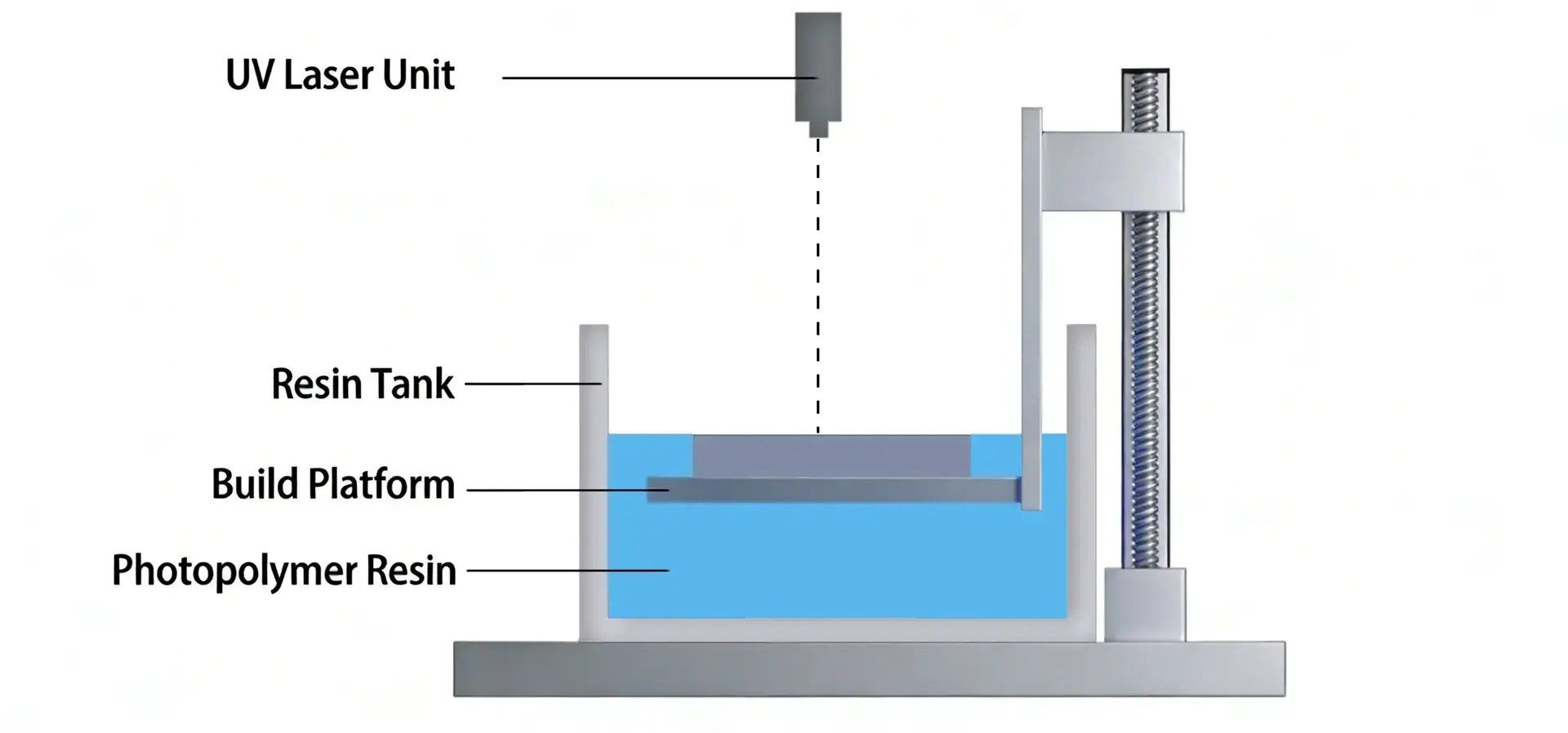
A professional stereolithography system has several important parts that work together to make the print quality and dependability. The laser source consistently sends out UV energy, and the galvanometer mirrors direct the beam with an accuracy of less than a micron. Build platforms keep the Z-axis moving precisely, and resin handling systems keep the flow of material steady over long print cycles. Modern systems use variable spot-size laser technology, which lets them print quickly with big beam diameters while still letting surface features have fine detail resolution. This new idea solves the problem that the printing industry has had for years: how to balance speed and accuracy.
Key Criteria for Selecting the Right SLA 3D Printer
Successful procurement begins with understanding your specific application requirements and matching them to appropriate system capabilities. Print quality metrics, build volume specifications, and material compatibility represent the foundational criteria that determine whether a system can meet your production objectives.
Precision and Resolution Requirements
The smallest features that your system can accurately reproduce are limited by its XY resolution, which is usually between 25 and 140 microns, based on the size of the laser spot. The Z-axis layer height affects both the smoothness of the surface and the speed of the build. Layer heights can be adjusted from 10 microns to 300 microns, so they can be optimized for either detail or output. Modern industrial systems can place parts with an accuracy of within ±0.1mm for parts that are less than 100mm long. This meets the strict requirements for medical devices, aerospace applications, and automotive parts. Precision galvanometer systems SLA 3D Printer from top makers are used to make sure that the beam stays in the same place during long production runs.
Material Compatibility and Performance
Your system's flexibility and long-term value will depend on how well it can handle different resin chemistries. For general prototyping, standard photopolymers work well. On the other hand, engineering-grade materials, such as ABS, polypropylene, and high-temperature polymers, are like industrial plastics. Biocompatible resins can be used in dentistry and medicine to make unique surgical guides, orthodontic models, and temporary prosthetics. Castable materials make it easier to make jewellery and do investment casting because they burn out smoothly and leave no residue. For gaskets, seals, and prototypes of market goods, flexible resins can mimic the properties of rubber.
Build Volume Considerations
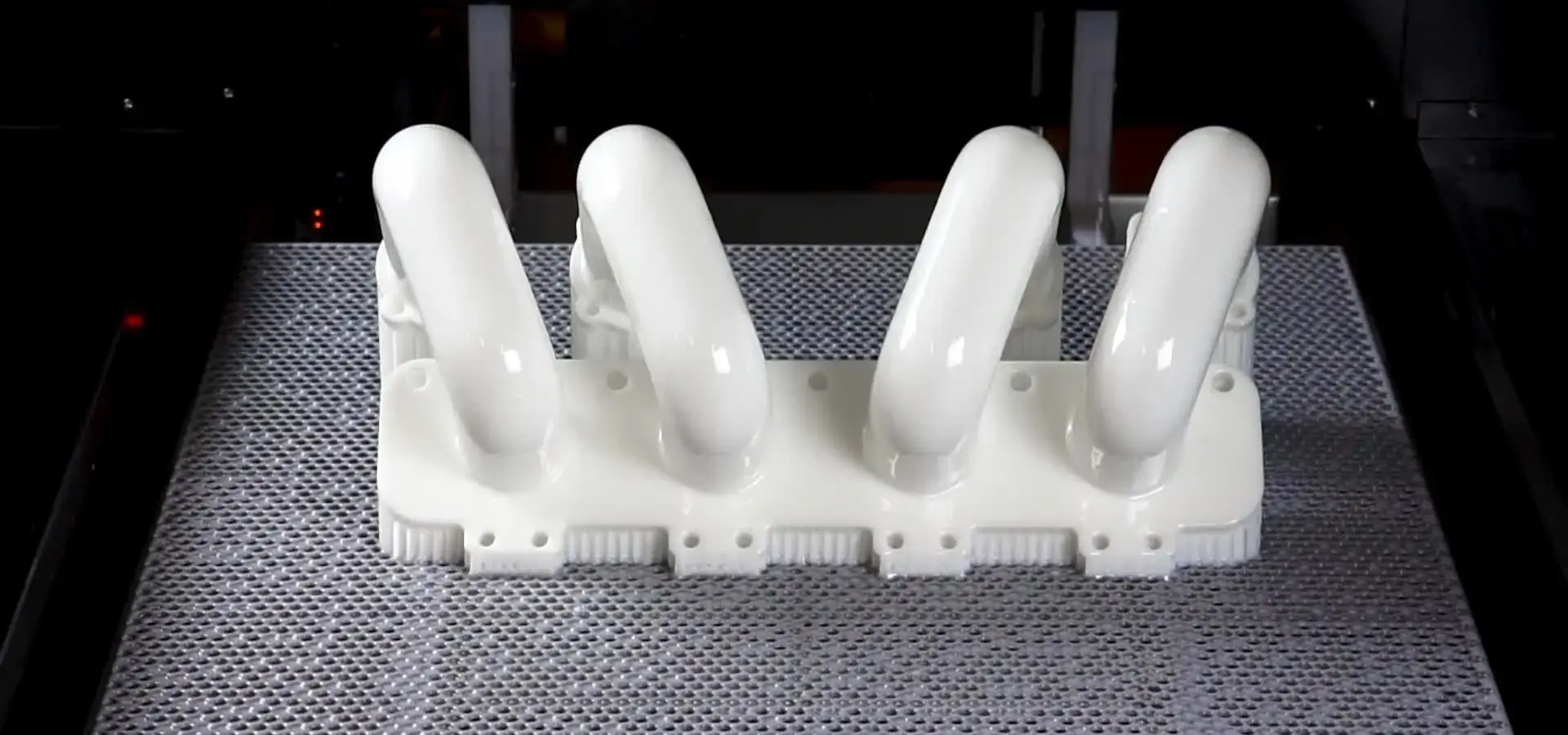
The build envelope needed for your applications is based on the production size. Most desktop systems can build things with a volume of 100 to 200 mm per axis, which is good for small parts and jewellery. Industrial platforms can handle dimensions of 600 mm or more, which lets many parts or a single big assembly be made at once. When you need to make more than standard quantities of car interior panels, architectural models, or aerospace ducting components, you need to be able to print on a large scale. For small-batch production, being able to print multiple parts at once increases throughput and lowers the cost per part.
Comparing SLA 3D Printers: Market Options and Performance
The stereolithography market encompasses solutions ranging from entry-level desktop units to production-scale industrial systems. Understanding the distinctions between these categories helps align investment decisions with operational requirements and growth projections.
Desktop vs Industrial Systems
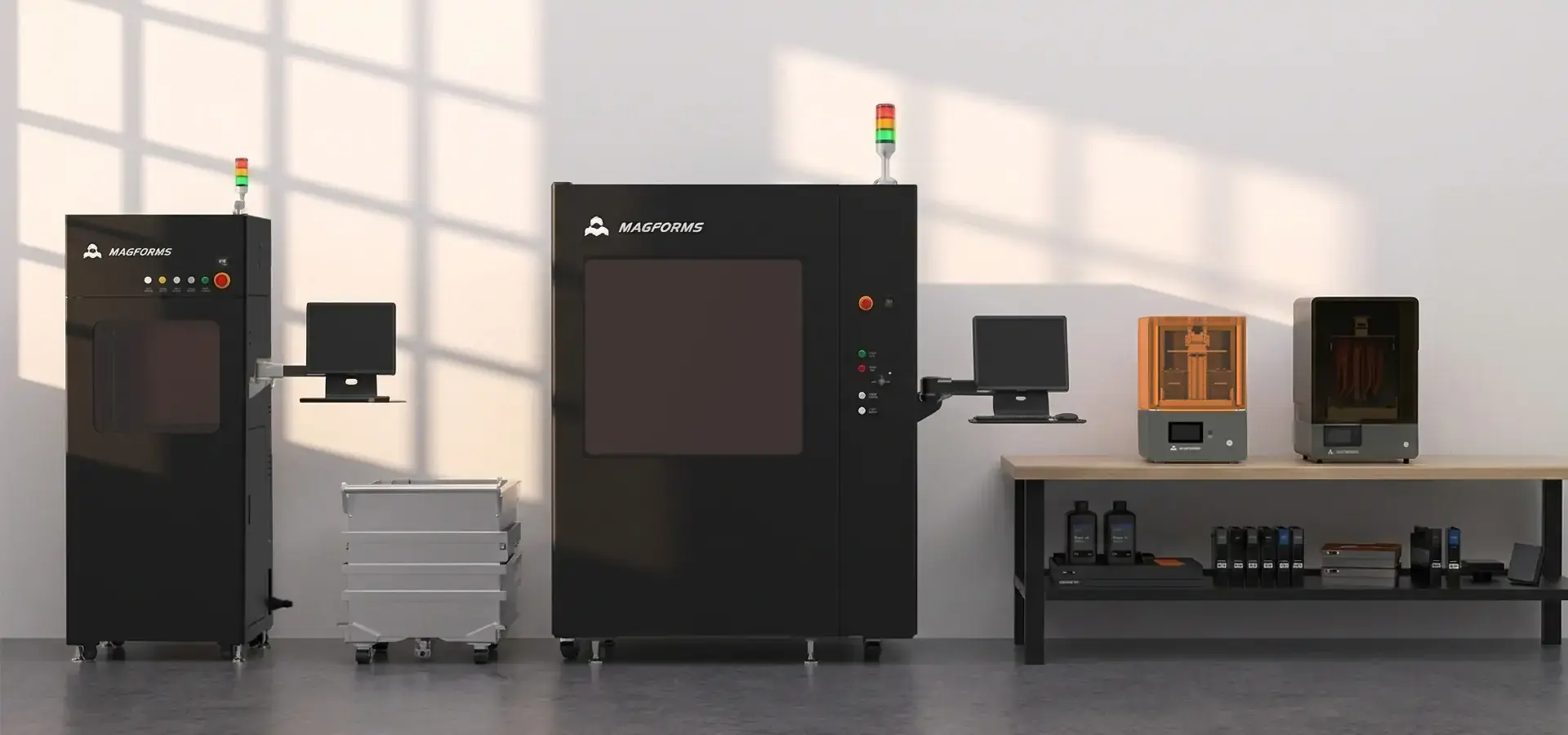
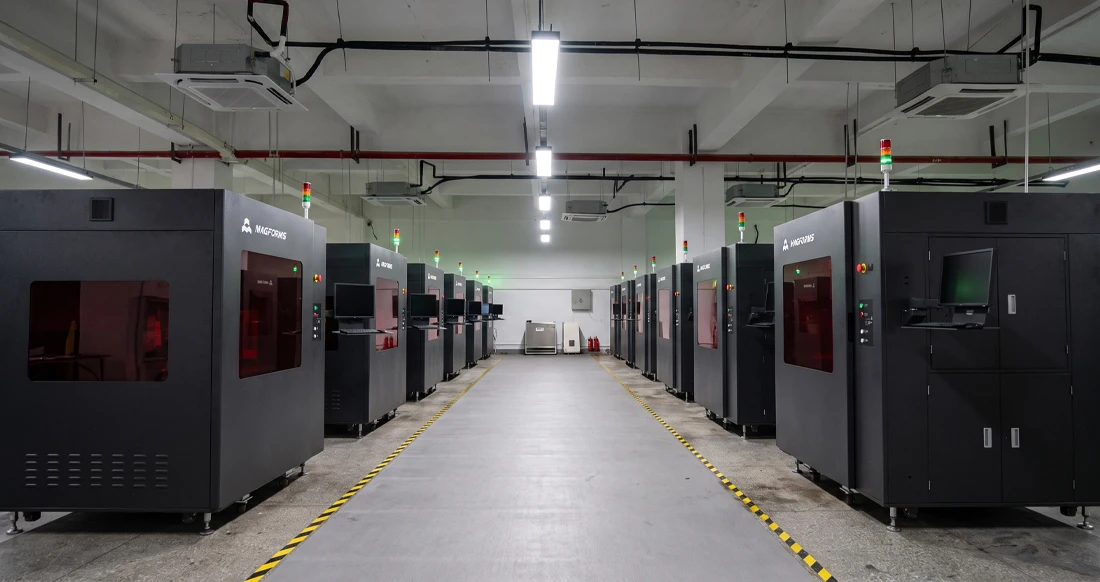
Desktop SLA 3D Printer models provide accessible entry points for design studios, small-scale prototyping, and specialized applications like jewelry production. These systems typically cost between $3,000-$15,000 and offer reliable performance for parts under 150mm dimensions. Industrial platforms deliver enhanced capabilities through robust mechanical construction, larger build volumes, and advanced process control features. The integration of precision components like German Scanlab galvanometers and AOC laser systems ensures consistent performance during high-volume production cycles. Marble bases and temperature-controlled environments minimize vibration and thermal variations that can affect dimensional accuracy.
Technology Comparisons
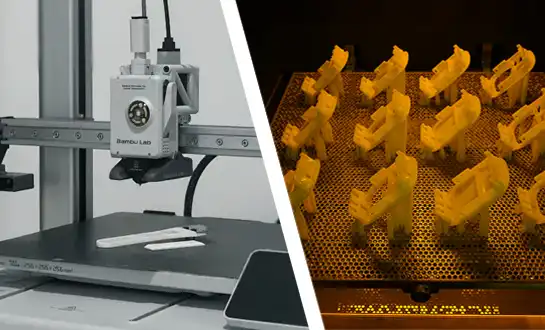
When evaluating stereolithography against alternative additive manufacturing technologies, several key differentiators emerge. Compared to FDM systems, SLA technology eliminates layer adhesion weaknesses and achieves superior surface quality without extensive post-processing. The isotropic strength characteristics of photopolymer parts ensure consistent mechanical properties regardless of build orientation. Digital Light Processing (DLP) systems offer faster layer curing through full-surface exposure but may compromise resolution and material compatibility. Selective Laser Sintering (SLS) handles production-grade thermoplastics but requires extensive post-processing and powder handling infrastructure.
Leading Manufacturer Capabilities
Established manufacturers like Formlabs have SLA 3D Printer built strong reputations through consistent quality and comprehensive material ecosystems. Their systems integrate seamlessly with proprietary resins and software platforms, though material costs may limit flexibility for cost-conscious operations. Emerging manufacturers focus on open-source compatibility, allowing customers to select resins from multiple suppliers. This approach reduces material costs and provides greater flexibility in optimizing formulations for specific applications. The trade-off often involves more complex parameter optimization and potentially reduced technical support depth.
Practical Considerations for Procurement and Maintenance
Beyond technical specifications, successful SLA 3D Printer procurement requires careful evaluation of total ownership costs and operational requirements. Initial equipment investment represents only the beginning of your financial commitment, with ongoing expenses for materials, maintenance, and support significantly impacting long-term profitability.
Total Cost of Ownership Analysis
At the end of the selection process, technical skills are matched with specific business goals and practical limits. To be good at procurement, you need to find the best options for your specific needs by balancing performance requirements, budget constraints, and long-term growth plans.
Maintenance and Service Requirements
Different industries have different needs that affect the order of system selection objectives. For practical testing of prototype parts in the automotive industry, high-temperature resins and tight tolerances are needed. For regulatory compliance, companies that make medical devices need to use biocompatible materials and verified process controls. When testing complex geometries in harsh circumstances, aerospace applications put a high value on dimensional stability and advanced material properties. Rapid development and a variety of material choices make consumer electronics prototyping useful for testing ergonomics and functionality.
Supply Chain Considerations
Manufacturer evaluation goes beyond just looking at the specs of the equipment and also looks at the quality of technical support, training programs, and the possibility of a long-term relationship. Companies that have been in the business for a long time and have a good track record give you more confidence in the implementation and ongoing help. How well you can optimize processes and fix complicated problems is directly related to how much technical help you can get from customer service channels. When manufacturers offer complete training programs and documentation tools, employees can learn faster and work more efficiently.
Making the Final Decision: Matching Solutions to Your Business Needs
At the end of the selection process, technical skills are matched with specific business goals and practical limits. To be good at procurement, you need to find the best options for your specific needs by balancing performance requirements, budget constraints, and long-term growth plans.
Application-Specific Requirements
Different industries have different needs that affect the order of system selection objectives. For practical testing of prototype parts in the automotive industry, high-temperature resins and tight tolerances are needed. For regulatory compliance, companies that make medical devices need to use biocompatible materials, an SLA 3D Printer, and verified process controls. When testing complex geometries in harsh circumstances, aerospace applications put a high value on dimensional stability and advanced material properties. Rapid development and a variety of material choices make consumer electronics prototyping useful for testing ergonomics and functionality.
Vendor Selection Criteria
Manufacturer evaluation goes beyond just looking at the specs of the equipment and also looks at the quality of technical support, training programs, and the possibility of a long-term relationship. Companies that have been in the business for a long time and have a good track record give you more confidence in the implementation and ongoing help. How well you can optimize processes and fix complicated problems is directly related to how much technical help you can get from customer service channels. When manufacturers offer complete training programs and documentation tools, employees can learn faster and work more efficiently.
Integration Planning
For system integration to go smoothly, changes to workflow, training needs for staff, and getting the building ready must all be carefully planned. Before installing the post-processing equipment, the location, air needs, and safety rules must be spelled out. Staff training includes safe ways to handle things, ways to make processes run more smoothly, and regular maintenance rules. Because stereolithography is so complicated, you need to know a lot about resin chemistry, UV exposure parameters, and quality control processes to get the same results every time.
Conclusion
Selecting the optimal SLA 3D Printer requires careful evaluation of precision requirements, material compatibility, build volume needs, and total ownership costs. The technology's ability to produce high-quality prototypes and functional parts makes it invaluable across diverse industries, from automotive and aerospace to medical devices and consumer electronics. Success depends on matching system capabilities to specific application requirements while considering long-term operational costs and support needs. By focusing on these critical factors and partnering with experienced manufacturers, organizations can implement stereolithography solutions that enhance productivity, reduce development costs, and accelerate innovation cycles.
FAQ
1. What is the main difference between SLA and FDM 3D printing technologies?
SLA technology uses UV lasers to cure liquid resin layer by layer, producing parts with smooth surface finishes and isotropic strength properties. FDM systems extrude heated filament, resulting in visible layer lines and potential weakness between layers. SLA achieves superior dimensional accuracy and surface quality but requires post-processing for uncured resin removal.
2. How important is post-curing for SLA printed parts?
Post-curing with UV light and controlled temperature is essential for achieving specified mechanical properties and biocompatibility. Under-cured parts may exhibit dimensional instability and potential toxicity, while proper curing ensures full cross-linking of polymer chains. Most applications require 15-60 minutes of additional UV exposure, depending on part thickness and material specifications.
3. What maintenance is required for consistent SLA printing performance?
Daily maintenance includes cleaning resin vats, checking laser optical components, and calibrating build platforms. Weekly deep cleaning removes cured resin residue and replaces filtration components. Monthly calibration verifies dimensional accuracy and laser power output. Professional service may be required quarterly for complex systems to maintain optimal performance.
4. Can SLA systems use third-party resins effectively?
Open-source systems allow third-party resin compatibility, providing cost savings and material flexibility. However, optimal results require parameter optimization for each resin formulation. Closed systems using proprietary materials offer simplified operation and guaranteed compatibility, but may limit cost control and material options.
5. What safety considerations apply to SLA 3D printing operations?
Uncured photopolymer resins require careful handling with appropriate personal protective equipment, including gloves and safety glasses. Adequate ventilation removes potentially harmful vapors during printing and post-processing. Proper waste disposal procedures must be established for contaminated consumables and failed prints.
Partner with Magforms for Advanced SLA 3D Printing Solutions
Magforms delivers cutting-edge stereolithography systems designed for demanding industrial applications across automotive, aerospace, medical, and manufacturing sectors. Our systems integrate premium German Scanlab galvanometers, AOC lasers, and Panasonic servo motors to ensure exceptional precision and reliability. With variable spot-size technology increasing printing speeds by 30-50% while maintaining micron-level accuracy, Magforms equipment addresses the critical balance between efficiency and quality that defines successful production operations.
Our open-source design philosophy provides complete material flexibility, eliminating vendor lock-in while reducing operational costs. The integrated approach combining optimized materials and hardware delivers superior performance with proven reliability through extensive testing and global deployment. Contact our technical experts at info@magforms.com to discuss your SLA 3D Printer requirements and discover how our solutions can enhance your manufacturing capabilities while reducing development costs and accelerating innovation cycles.
References
1. ibson, I., Rosen, D., Stucker, B., & Khorasani, M. (2021). Additive Manufacturing Technologies: 3D Printing, Rapid Prototyping, and Direct Digital Manufacturing. Springer International Publishing.
2. Ngo, T. D., Kashani, A., Imbalzano, G., Nguyen, K. T., & Hui, D. (2018). Additive manufacturing technologies for advanced composites: A critical review. Composites Part B: Engineering, 143, 172-196.
3. Standard Test Method for Tensile Properties of Plastics (ASTM D638-14). (2014). American Society for Testing and Materials International.
4. ISO/ASTM 52900:2015 Additive manufacturing - General principles - Terminology. (2015). International Organization for Standardization.
5. Melchels, F. P., Feijen, J., & Grijpma, D. W. (2010). A review on stereolithography and its applications in biomedical engineering. Biomaterials, 31(24), 6121-6130.
6. Quan, H., Zhang, T., Xu, H., Luo, S., Nie, J., & Zhu, X. (2020). Photo-curing 3D printing technique and its challenges. Bioactive Materials, 5(1), 110-115.

Magforms makes design and manufacture easier.
Popular Blogs
-
 Industry InsightsManufacturing Industry
FDM vs. SLA Printer: Which Technology Is Right for Your Project?
-
 Industry InsightsManufacturing Industry
Top 5 Applications of Industrial 3D Printers in Manufacturing Today
-
 Industry InsightsManufacturing Industry
Why Stereolithography 3D Printers Are Unmatched for Microfluidic Device Prototyping?