A Guide to Choosing the Right 3D Printer for Your Business
A strategic choice that can change your manufacturing skills and competitive placement is choosing the best 3D printer for small business operations. Additive manufacturing technology is used by businesses in all kinds of fields today to cut costs, speed up product development, and make production on demand without having to make the big investments that are usually needed for standard tools. These professional systems are between consumer-level devices and heavy industrial gear. They provide reliable performance for companies that need regular output quality and a wide range of materials. Knowing your exact production needs, spending limits, and growth goals will help you find a solution that gives you the best return on investment and supports long-term operating efficiency.
Understanding Your Business Needs and 3D Printing Applications
Figuring out exactly how additive manufacturing will fit into your current processes is the first step in choosing the right tools. Each industry has its own problems and chances, which affect both the choice of technology and the plan for putting it into use.
Identifying Core Use Cases for Professional 3D Printing
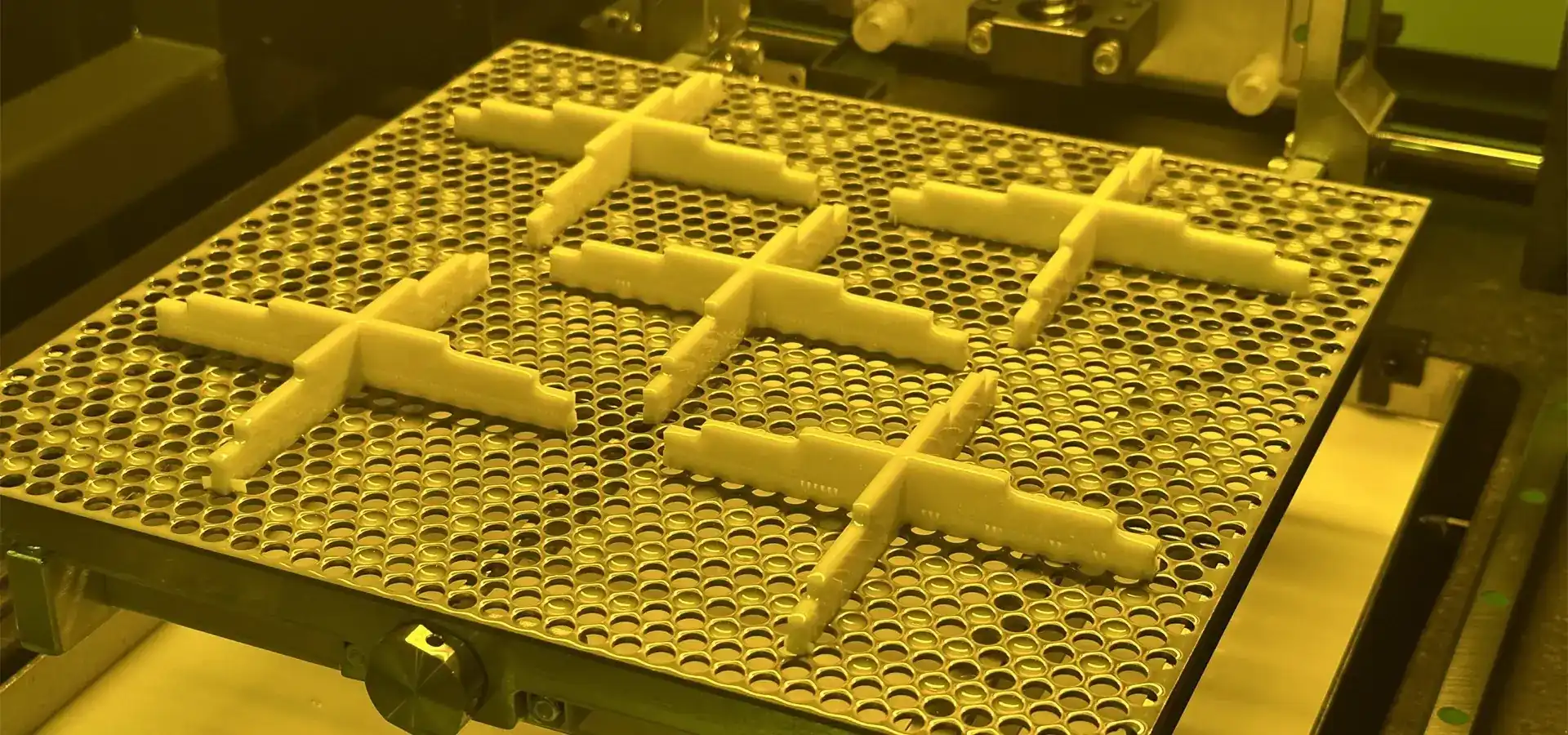
Professional printing systems are used in many different ways by modern businesses, and each one needs a different set of features and performance standards. Rapid prototyping is still the most common way to get started because it lets design teams try out ideas quickly without having to wait weeks for outside production services. Custom tooling production lets companies make jigs, tools, and assembly aids that are exactly what they need for production. Compared to standard machining, this can significantly reduce costs, often by 30–70% depending on complexity and production volume. A 3D printer for a small business works really well for small-batch manufacturing, which is becoming more and more important. Companies that make custom goods, replacement parts, or specialized parts benefit from not having to meet minimum order amounts or pay high costs to set up expensive tools. Bridge production is what happens between original orders and full-scale production. It lets businesses make money while they build lasting tools.
Industry-Specific Applications and Requirements
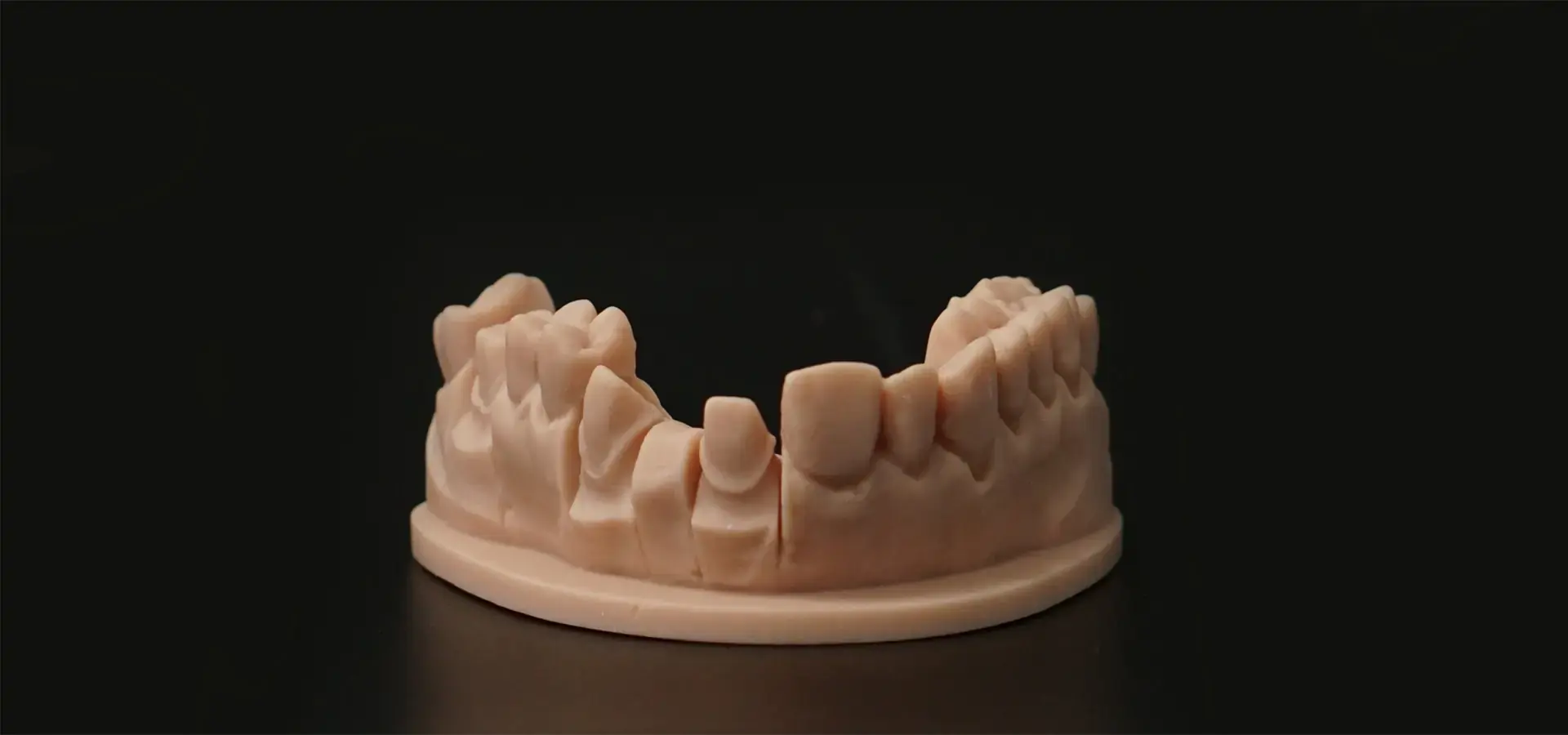
Professional printing is used by automakers to make working prototypes, custom internal parts, and unique tools. The technology makes it possible to quickly test design ideas and helps make special vehicles when it wouldn't be cost-effective to make them in large quantities. Additive manufacturing can make internal channels and lattice structures that aren't possible with traditional methods. This is especially useful for aerospace uses that need complex shapes and lightweight structures. Biocompatible materials are used by medical and dentistry workers to make surgical guides, custom prosthetics, and models that are unique to each patient. The ability to personalize professional printing systems is a great fit with the trend in healthcare toward more individualized care. Companies that make consumer goods depend on rapid prototyping to help them make new products quickly and try different shape options before investing in injection molding tools.
Production Volume Considerations
Knowing your usual output needs has a big impact on choosing the right equipment and planning your operations. Consistent small-batch production runs need different skills than single samples or special parts that are only made once. For high-precision uses, you need to choose a different technology than for useful parts that need to be fast and cheap. Making sure your investment supports long-term business goals means looking at both current needs and expected growth. A lot of successful projects start with desktop-industrial systems that can handle urgent needs and still have room for more production as the needs of the business change.
Key Factors to Consider When Choosing a 3D Printer for a Small Business
When choosing the right tools, you need to carefully consider a lot of different factors that have an immediate effect on both operating success and financial returns. Structured methods that 3D printers for small businesses give different factors different amounts of weight based on business needs are helpful for professional buyers.
Technology Selection and Performance Requirements
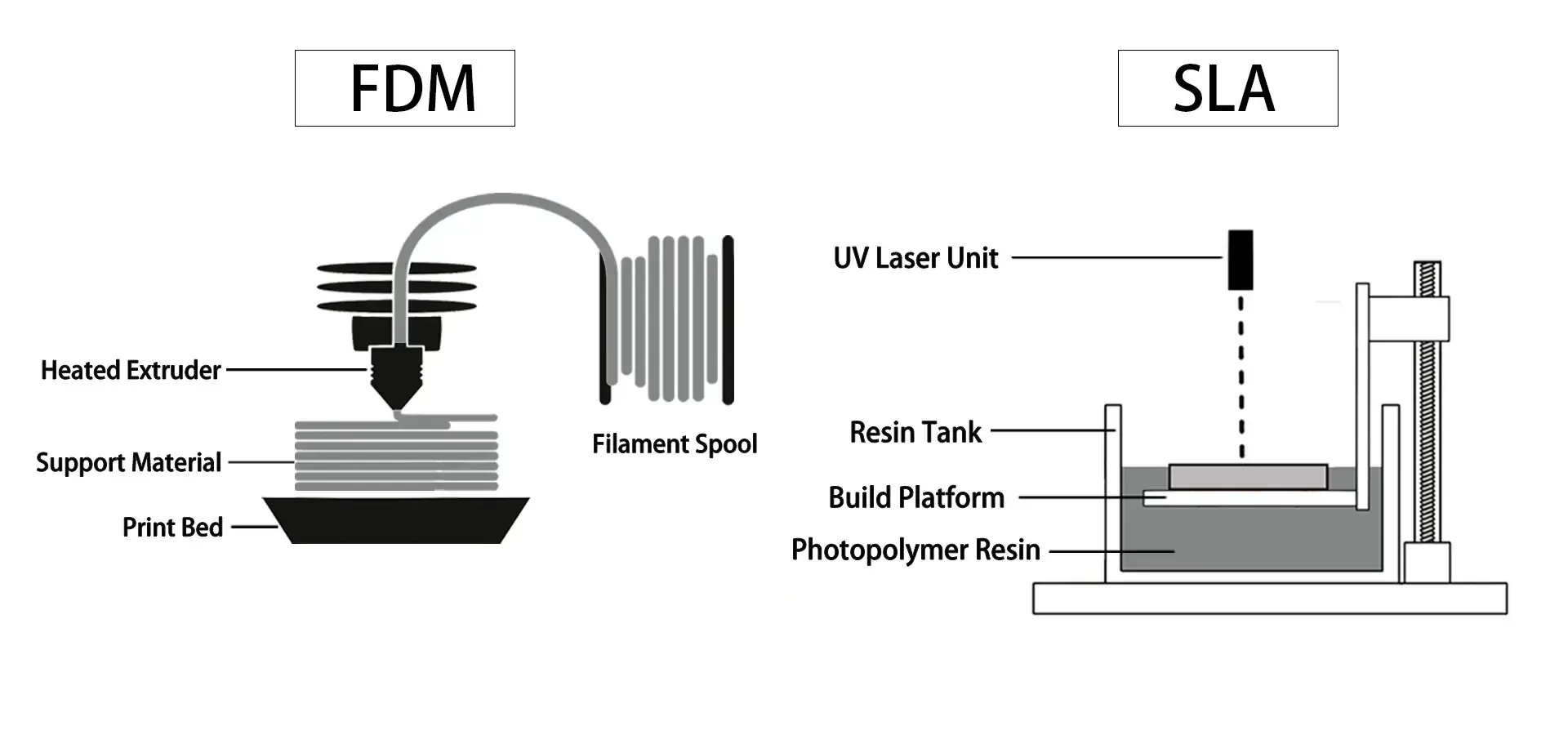
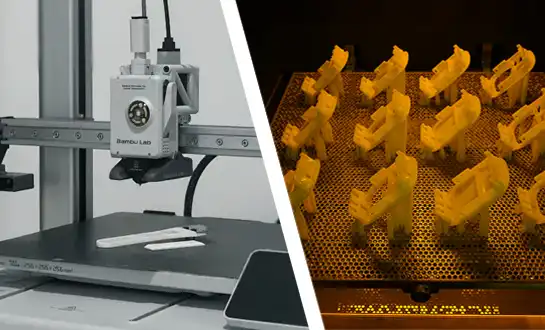
Choosing a print technology has a big impact on what it can do, what materials it can use, and how it works. Fused Deposition Modeling (FDM) methods are great at making useful parts out of engineering-grade thermoplastics because they have great mechanical properties and can work with a wide range of materials. Stereolithography (SLA) technology has a smooth surface and can resolve small details very clearly, which makes it perfect for visual prototypes and other uses that need smooth surfaces. How many parts are needed depends on both the size of the part and how efficiently you want to make it. Bigger build areas can hold bigger parts or make it possible to make a lot of smaller parts at once, which increases the yield per print cycle. These days, professional systems usually have build volumes ranging from around 250 × 250 × 250 mm to 400 × 400 × 400 mm, which is a good balance between the usefulness of the surface and the size of the equipment. Printing accuracy affects both the quality of the part and how well it works in the application. To use a professional 3D printer for small business purposes, the dimensions must be accurate to within ±0.1 to 0.2mm, and for some special uses, they must be even more accurate. The ability to resolve layers affects the quality of the surface finish and the ability to reproduce small details.
Material Compatibility and Operating Costs
Material environment compatibility has a big effect on both the freedom of operations and the long-term costs. Open-system printers can use parts from other companies, which helps keep costs down and gives you more options for suppliers. Closed systems usually give more uniform results, but they limit the materials that can be used and may raise running costs by using unique consumables. Some engineering materials, like ABS, ASA, Nylon, and Polycarbonate, need special ways to handle heat, like hot build rooms and high-temperature extrusion systems. For functional applications, these materials have better mechanical qualities, but they need more complex tools to work with. An operating cost study should look at how much material is used, how much energy is used, how much maintenance is needed, and how easy it is to get replacement parts. Professional systems that are meant to run all the time usually have better long-term cost efficiency, even though they cost more at first.
Connectivity and Integration Features
Modern professional printers can link to a network so that jobs can be managed and monitored from afar. Cloud-based fleet management makes it easy to coordinate work and keep track of production across many devices. Being able to integrate with current CAD workflows and industrial execution systems speeds up processes and cuts down on the need for manual work. Features for quality control, such as tracking in real time, automatic calibration, and error recognition, cut down on failed prints and wasted materials. In work settings, where regularity and dependability have a direct effect on business results, these skills become more and more important.
Comparing 3D Printer Types and Materials for Small Businesses
Knowing the differences between technologies and their strengths helps you make smart choices that match the powers of your tools with your business goals.
FDM Technology Advantages and Applications
Using a wide range of engineering thermoplastics, Fused Deposition Modeling methods are great at making things that work well and have good mechanical features. These systems are popular for 3D printers for small business implementations focusing on practical prototyping and small-batch production because they usually have the lowest running costs and a wide range of available materials. Professional FDM systems have built rooms that are closed off and actively heated. This makes it possible to reliably print materials like ABS, ASA, and Nylon that need controlled temperatures. Advanced models have features like automatic bed leveling, filament runout recognition, and the ability to be monitored from afar so that they can be used without being watched. You can choose from basic PLA for testing to glass-filled nylon for high-strength uses. Electrically conductive fibers, metal-filled composites (not fully metallic parts), and chemically resistant polymers are examples of specialty materials that can be used in a wider range of businesses.
SLA Technology Benefits and Use Cases
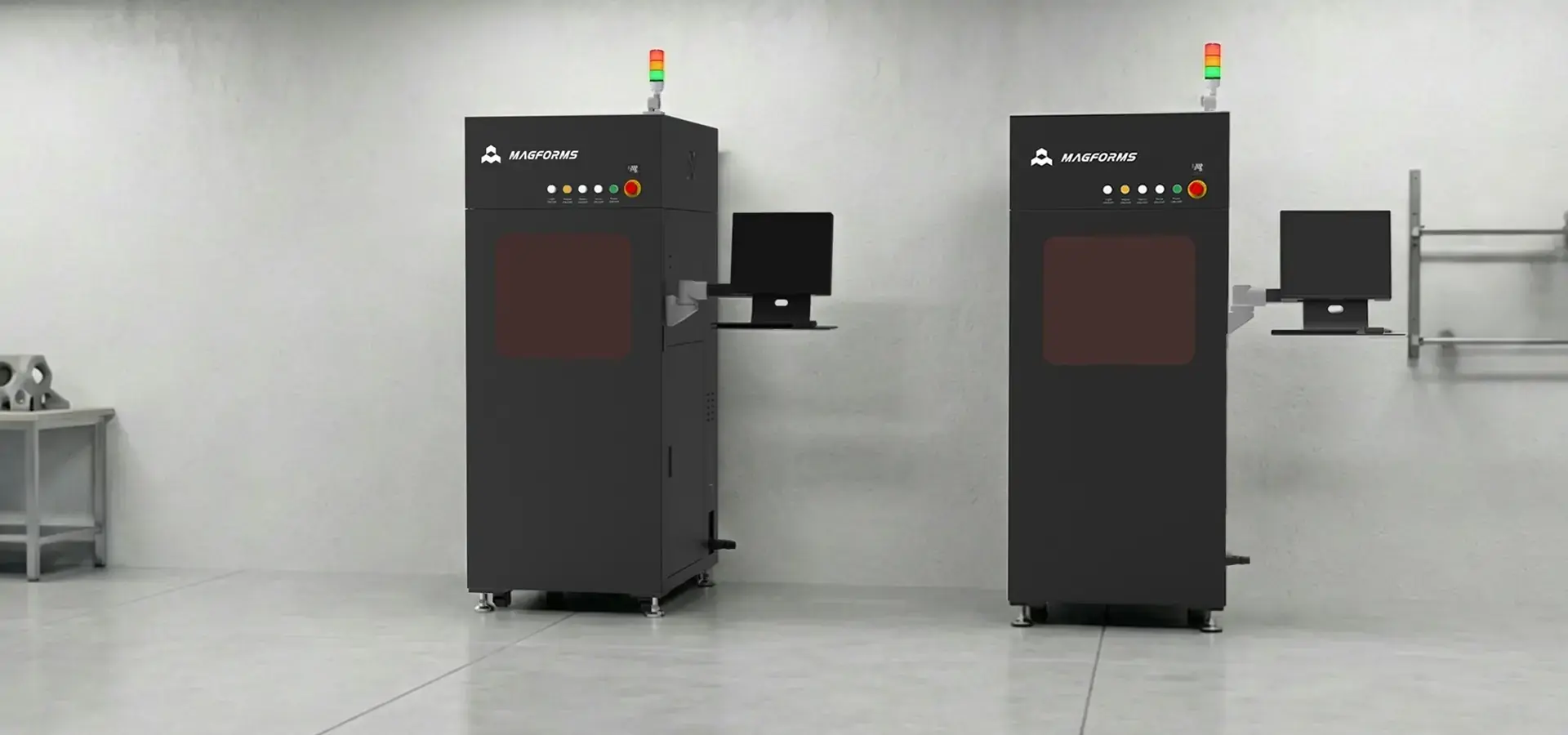
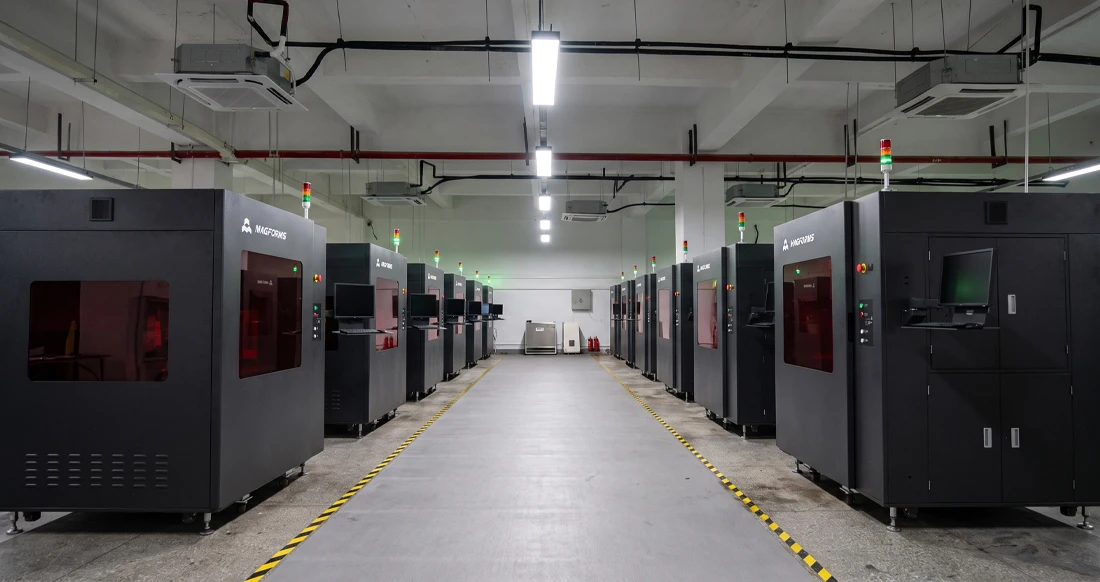
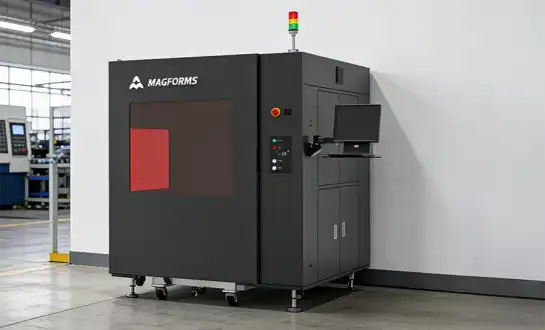
Photopolymer resins that are fixed by precise laser exposure are used in stereolithography systems to make parts with a smooth surface and high precision for small details. This technology works really well for tasks that need smooth surfaces, complicated shapes, or very accurate measurements. Professional SLA systems, like those made by top companies, have cutting-edge features like changeable spot-size laser technology that speeds up printing without lowering quality. There are large-format SLA tools that can handle bigger parts or make it easy to make a lot of parts at once. There are different types of resin materials, such as standard formulations for general development, engineering resins with better mechanical qualities, biocompatible materials for medical uses, and special formulations for making jewelry or using them at high temperatures.
Material Selection Guidelines
When choosing the right materials, you need to make sure that the qualities of the materials meet the needs of the application while also taking cost and processing options into account. Engineering thermoplastics have great mechanical qualities and chemical protection for practical uses, while standard materials are good for prototyping a 3D printer for small businesses and visualizing at a low cost. Biocompatible materials can be used in medical and food-contact settings, but they usually need special treatment and cleaning after use. High-performance materials, such as PEEK or metal-filled composites, can be used in more situations, but they need to be processed more precisely and at higher temperatures. When you look at costs, you should not only look at the price of materials per kilogram, but also the quantity of the parts, the success rate of the print, and the post-processing needs. Some materials need extra tools or steps that raise the total cost of ownership.
Procurement and Buying Guide: How to Purchase Your Ideal 3D Printer
To effectively navigate the procurement process, you need to know about the different types of suppliers, your financial choices, and the support needs that will ensure long-term success.
Evaluating Manufacturers and Suppliers
Established makers with a history of trustworthiness offer a higher level of assurance that their products will work and that they will be available for help in the future. Magforms and other companies like it stand out because they do a lot of research and development. They have 22 patents and 30 registered brands that show they are good at intellectual property and new technology. A company's global market position shows how stable it is and how well it can help customers in other countries. Suppliers that work with a wide range of customers usually have more knowledge and better help systems. Local distribution networks make it easier to get expert help and parts more quickly. Quality licenses and compliance standards make sure that business equipment meets safety standards. It is recommended that professional systems have the right airflow, emission controls, and safety features to work in an office or garage.
Financing and Budget Considerations
Depending on features and size needs, a professional 3D printer for small business systems usually costs between $15,000 and $100,000. Leasing choices can help your cash flow and may come with repair packages that make planning your operations easier. The full cost of ownership analysis should look at the price of buying the equipment, the cost of setting it up and teaching people how to use it, the continued costs of materials, the need for upkeep, and any possible upgrade paths. Professional systems usually have higher starting costs that are worth it because they are more reliable, print faster, and have lower running costs per part. Businesses that need more than one system or are planning a planned growth may be able to save a lot of money with volume purchase deals. Special pricing plans are often available to schools and government organizations.
Warranty and Support Requirements
Full guarantee coverage keeps you safe when your equipment breaks down and gives you peace of mind during busy production times. Professional systems should come with warranties that last at least one year, with choices for longer warranties that fit the risk level of the business. The level of technical help has a big impact on how quickly and efficiently operations run and problems are solved. Leading sellers offer a variety of ways to get help, such as by phone, email, and remotely. Response time promises keep the business running even when there are problems with the tools. Training programs help workers get the most out of their tools and avoid problems as much as possible. Comprehensive training that covers operation, upkeep, and maintenance makes output more efficient and less dependent on outside help.
Maximizing ROI: Tips for Effective 3D Printer Use and Maintenance
Systematic methods to design optimization, maintenance planning, and efforts for ongoing growth are needed to get the most out of machine performance and operating efficiency.
Design Optimization and Workflow Integration
Good design techniques have a big effect on how well prints come out, how much material is used, and how efficiently production is done. Design for additive manufacturing principles help find the best way to position parts, meet support needs, and get a smooth surface finish. When you prepare your files correctly and optimize the slicing parameters, you get uniform results 3D printer for small business and fewer failed prints. Integration with current CAD tools speeds up the process of going from design to production while keeping quality control standards in place. Standardized ways of naming things, managing files, and getting approvals stop mistakes and make sure that everything can be tracked. Batch production planning makes the most of the build room and lowers the cost of each part. When compared to making each part separately, strategic part nesting and direction optimization can boost output by 20 to 40 percent.
Preventive Maintenance and Calibration
Maintenance plans help tools last longer and keep the quality of the prints consistent. To make sure they work at their best, professional systems need to be calibrated, parts oiled, and worn parts replaced on a regular basis. Controlling the environment affects both the quality of the prints and the life of the tools. Controlling temperature and humidity correctly keeps materials from breaking down and ensures that printing conditions are always the same. Filtration systems keep the air clean and keep sensitive parts from getting messed up. Managing the stockpile of consumables keeps output going while keeping carrying costs as low as possible. Keeping replacement parts, materials, and repair tools on hand in a smart way helps avoid unplanned downtime.
Performance Monitoring and Continuous Improvement
Key performance indicators help keep track of how much equipment is being used, how well prints are going, and the cost per part, which are all measures that help improve operations. Analysis of production data on a regular basis finds trends and ways to improve things. Quality control methods make sure that the work is always the same and find problems before they get in the way of production plans. Statistical process control methods that have been changed to work with additive manufacturing help keep quality standards high. Operator training and skill development make things run more smoothly and with fewer mistakes. Keeping up with new materials, methods, and best practices on a regular basis helps you get the most out of your tools and maximize your return on investment.
Conclusion
Technology choices, business needs, and long-term strategic goals must all be carefully considered when choosing the best 3D printer for small business applications. To be successful, you need to make sure that the equipment's powers are matched to its intended uses and that it has enough help and room to grow. Professional systems are much better than household tools because they are more reliable, can work with a wider range of materials, and can make more things, which means they require a bigger investment. The important thing is to know what you need now and plan for future growth and new capabilities.
FAQ
1. What budget range should small businesses expect for professional 3D printing equipment?
Professional 3D printers for small business systems typically range from $15,000 to $80,000, depending on technology type, build rate, and advanced features. Industrial systems for testing and small-batch production that are easy to use start at about $15,000. Large-format SLA systems with advanced features can cost $60,000. When making a budget, you should think about the total cost of ownership, which includes supplies, repairs, and training.
2. How do I choose between FDM and SLA technology for my business needs?
Choosing a technology is mostly based on what the application needs and what materials are preferred. FDM systems are best for useful parts that need engineering thermoplastics, bigger parts, or uses where mechanical qualities are very important. SLA technology is great for making samples with lots of small details, surfaces that are smooth, and uses that need very fine feature resolution. When making choices about technology, think about both what you need now and what you might need in the future.
3. What financing options are available for small business 3D printer purchases?
Most makers and wholesalers have leasing plans that are made just for business users. Leasing equipment can help your cash flow and may come with repair packages. There are also traditional business loans, equipment financing, and volume buy deals that you can choose from. Businesses that invest in modern manufacturing technology may be able to get help from the government in the form of tax breaks and programs.
Contact Magforms for Your 3D Printing Solution
Are you ready to use skilled additive manufacturing technology to change your business? Magforms provides a complete 3D printer for small business solutions backed by the best creativity and support in the business. Our integrated method blends high-performance tools with materials that have been optimized to give you the best dependability and accuracy for tough jobs. Magforms systems give your business the performance boosts it needs to stay competitive with changeable spot-size laser technology, AI-optimized processing, and high precision, typically within tens of microns.
Our skilled expert team is available 24 hours a day, seven days a week, and guarantees a response time of less than one hour. This will keep your production plans on track. Magforms has the skills and tools to help you succeed, whether you need fast development, small-batch production, or compatibility with specific materials. Email us at info@magforms.com right now to talk about your unique needs and find out how our 3D printer for small business manufacturer solutions can help you reach your growth and innovation goals faster.
References
1. Gibson, Ian, et al. "Additive Manufacturing Technologies: 3D Printing, Rapid Prototyping, and Direct Digital Manufacturing." Springer International Publishing, 2021.
2. Thompson, Mary K., and Giovanni Moroni. "The Design for Additive Manufacturing Guidelines and Framework." Journal of Manufacturing Science and Engineering, American Society of Mechanical Engineers, 2020.
3. Wohlers, Terry, and Tim Caffrey. "Wohlers Report 2023: 3D Printing and Additive Manufacturing Global State of the Industry." Wohlers Associates, 2023.
4. Campbell, Thomas, et al. "Could 3D Printing Change the World? Technologies, Potential, and Implications of Additive Manufacturing." Atlantic Council Strategic Foresight Report, 2022.
5. Ford, Simon, and Tim Minshall. "Invited Review Article: Where and How 3D Printing Is Used in Teaching and Education." Additive Manufacturing Research Group, University of Cambridge, 2021.
6. Kellner, Thomas, and Michael Stern. "The Economics of Additive Manufacturing: Applications in Business and Industry." Manufacturing Technology Review, Industrial Press, 2023.

Magforms makes design and manufacture easier.
Popular Blogs
-
 Industry InsightsManufacturing Industry
FDM vs. SLA Printer: Which Technology Is Right for Your Project?
-
 Industry InsightsManufacturing Industry
Top 5 Applications of Industrial 3D Printers in Manufacturing Today
-
 Industry InsightsManufacturing Industry
Why Stereolithography 3D Printers Are Unmatched for Microfluidic Device Prototyping?