Aerospace Component Production Using Industrial SLA 3D Printer SL800
To meet strict industry standards and safety requirements, aerospace manufacturing demands exceptional accuracy, reliability, and material performance. When you use traditional methods, you often have trouble with their flexibility, complexity, and wait times. With its high-resolution printing, excellent dimensional accuracy, and smooth surface quality, the Industrial SLA 3D Printer SL800 provides an effective solution for aerospace prototyping, tooling, and engineering validation. This guide talks about the SL800 as a cutting-edge piece of technology that can help solve problems in aerospace fabrication. It can help makers and procurement workers improve part quality, speed up processes, and make supply lines more efficient.
Understanding Industrial SLA 3D Printing in Aerospace Manufacturing
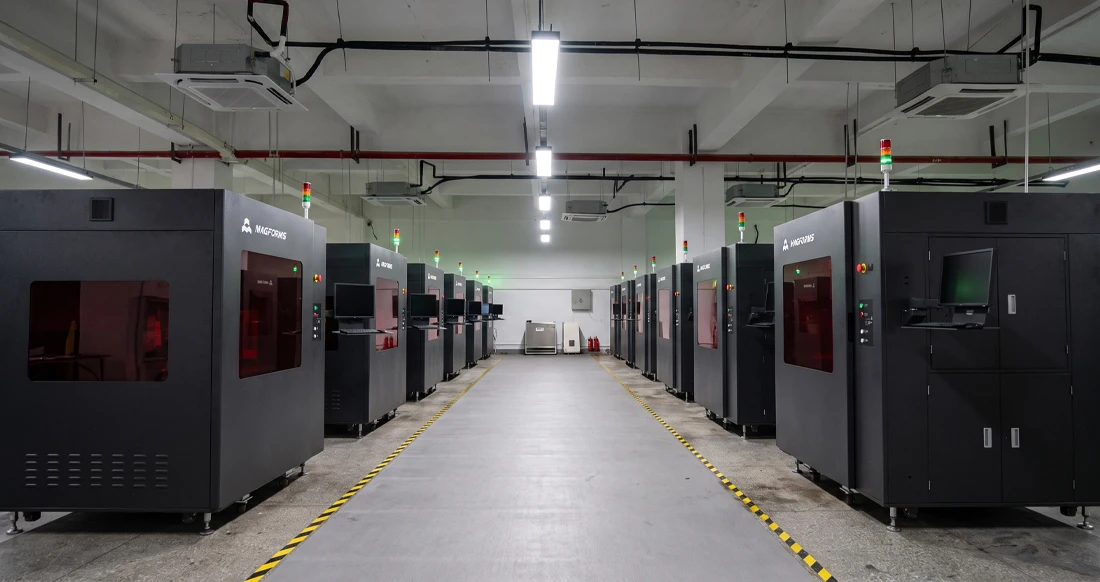
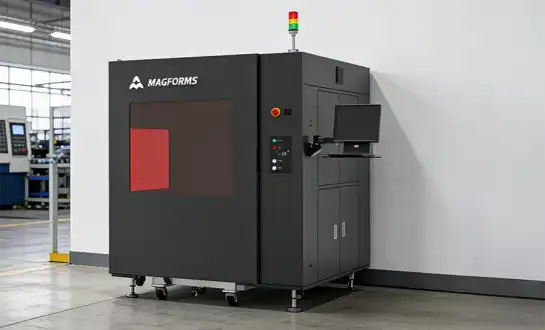
Stereolithography is now an important tool for aircraft companies that need to make parts with complicated shapes and close tolerances. The SL800 Industrial SLA 3D Printer uses a UV laser to selectively cure liquid photopolymer resin layer by layer. This enables the production of highly accurate aerospace prototypes, tooling, molds, and functional engineering components with excellent surface quality and fine feature resolution.
👉 What is SLA 3D printing technology
How SLA Technology Transforms Aerospace Production
A German Scanlab galvanometer and an AOC laser work together in the SL800 system to produce a very stable laser output that can be used for 24/7 commercial production. This precise laser system makes a spot shape that is more like a perfect circle, which means it can form things more accurately than other systems. The printing method delivers excellent surface finish, precise dimensional accuracy, and high-resolution features. These are all very important for aerospace uses, where failed parts can have very bad results.
Material Capabilities for Aerospace Applications
This Industrial SLA 3D Printer is unique because it has an open material system that works with most 355 nm resins on the market. This includes engineering-grade photopolymer resins suitable for aerospace prototyping, tooling, and functional testing. The temperature control feature maintains stable resin viscosity throughout printing. When B2B procurement experts understand these basics, they have the technical knowledge to understand how Industrial SLA 3D printing fits into aerospace manufacturing workflows.
Key Benefits of Using the Industrial SLA 3D Printer SL800 for Aerospace Components
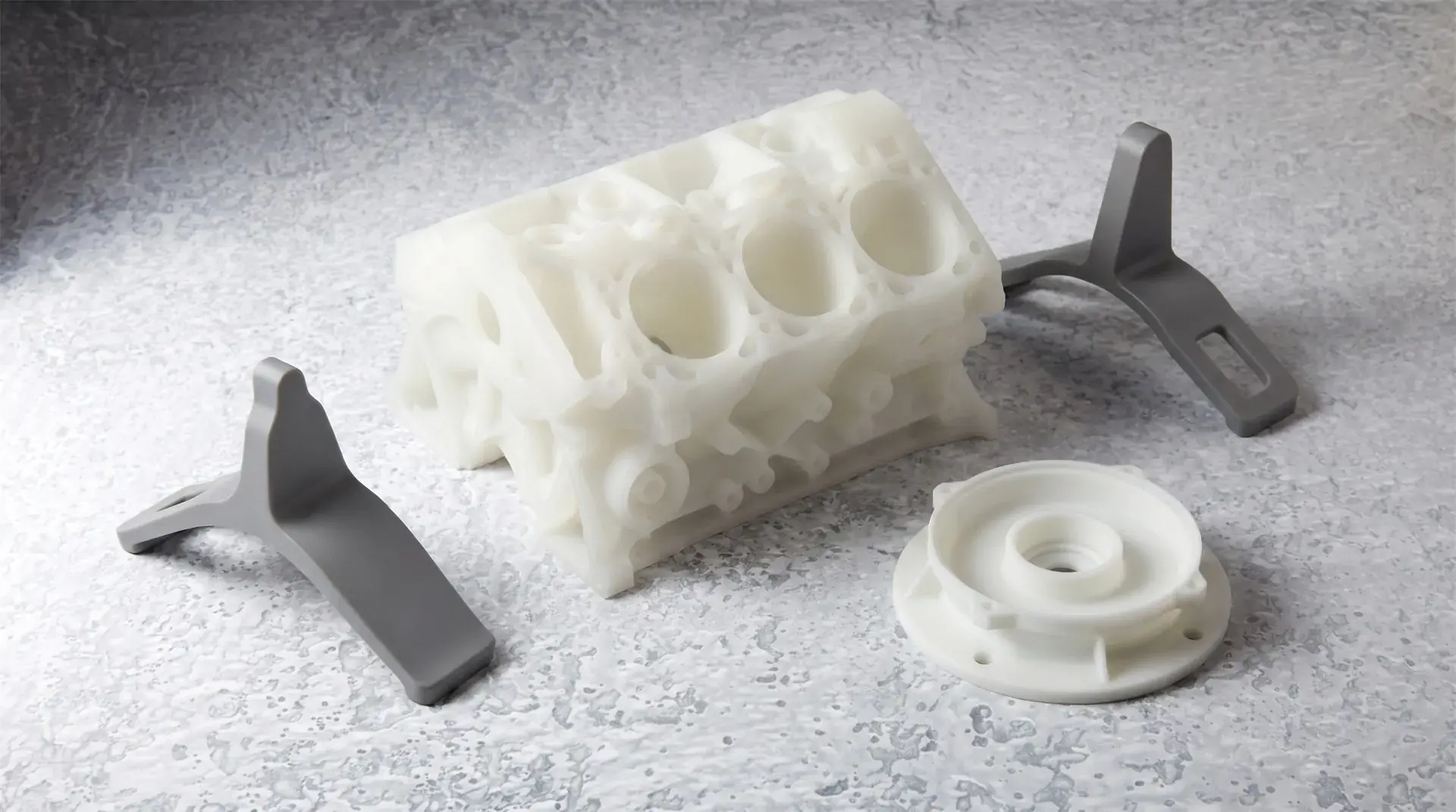
The SL800 offers excellent accuracy and repeatability, helping manufacturers produce components that meet demanding dimensional requirements after appropriate inspection and validation. Its large build volume and optimal print speed cut wait times by a large amount, which makes production more efficient overall.
Unmatched Dimensional Precision
For parts measuring 100 mm or less, the SL800 is very accurate; the error is only ±0.1 mm, and for larger parts, it stays within ±0.1% × L. All of the motors, such as those for the platform, recoater, and liquid level block, are high-precision Panasonic servo motors. Accuracy in positioning the platform is up to ±8 μm, accuracy in positioning the liquid level is up to ±0.03 mm, and accuracy in positioning the recoater marble platform stays below 0.02 mm. This level of accuracy makes sure that aircraft fittings, brackets, and structural parts pass strict inspections without having to be fixed, which can be expensive.
Accelerated Production Speed
The Scanlab galvanometer can run at speeds of up to 12 m/s, but most of the time it works at speeds between 6 and 10 m/s. Using changeable laser spot technology, the device changes the size of the laser spot on the fly while printing. Smaller laser spots (0.1 to 0.2 mm) are better at handling supports and curves, while larger laser spots (0.5 to 0.6 mm) are better at scanning filler areas. Compared with conventional fixed-spot SLA systems, this adaptive scanning strategy can improve printing efficiency by optimizing different scan regions. The optimized scanning algorithms continuously improve scanning efficiency for different geometries.
Complex Geometry Capabilities
In addition to being fast and accurate, the SL800 Industrial SLA 3D Printer is great at making complex, light geometries that are difficult or inefficient to manufacture using conventional machining methods. The variable spot module makes a micro-spot that is 0.15 to 0.2 mm in size. This lets you print very small features like internal cooling channels, lattice structures, and aerodynamic features. Edge smoothing and scan optimization help reduce the visual stair-step effect between layers. The SL800 is a good choice for aircraft makers who want to boost productivity and part performance while still following the rules. It is accurate, efficient, and gives designers a lot of freedom.
👉 Industrial SLA 3D Printer types and solutions
Comparison: Industrial SLA SL800 Versus Other 3D Printing Technologies in Aerospace
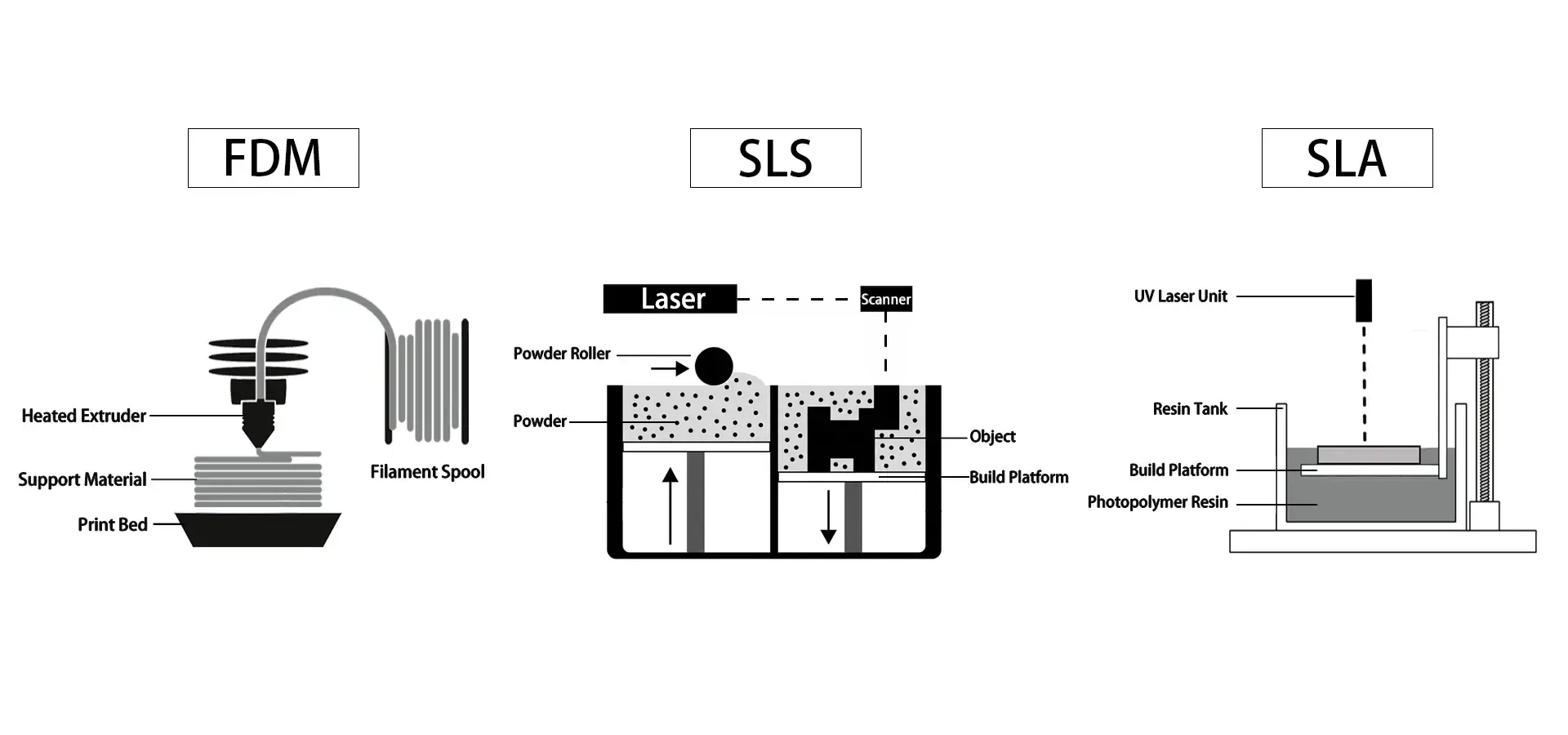
To make smart purchases when looking for additive manufacturing tools for aircraft, it's important to know the differences between SLA, SLS, FDM, and DLP technologies.
Surface Finish and Resolution Advantages
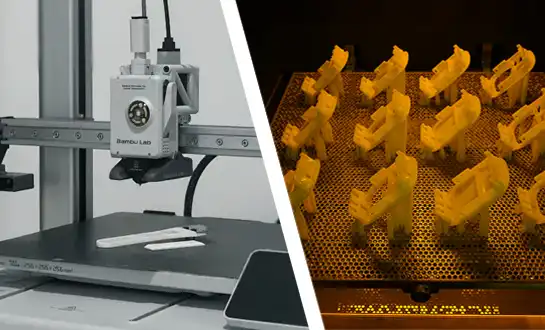
The stereolithography process used by the SL800 produces smoother surfaces, finer feature resolution, and better dimensional consistency than typical FDM and SLS processes. Each additive manufacturing technology offers different advantages. FDM and SLS provide access to a wider range of engineering materials, while SLA excels in dimensional accuracy and surface quality. FDM makes layer lines that can be seen, and SLS makes surfaces that are porous and need a lot of post-processing. The SL800, on the other hand, produces parts with smooth surfaces that require significantly less finishing than many other additive manufacturing processes. This gets rid of the need for long cleaning and finishing processes, which cuts down on labor costs and speeds up time-to-market.
Material Versatility and Build Volume
The Industrial SLA 3D Printer SL800 has a larger build volume than DLP systems, so it can make larger aerospace prototypes and tooling while still supporting a wide range of materials. The open material system gets rid of manufacturer lock-in, so aircraft engineers can test and approve special resins for a wide range of uses, including engineering prototypes, tooling, assembly fixtures, and transparent inspection components.
Cost-Effectiveness and ROI Analysis
In terms of cost and return on investment (ROI), the SL800 strikes a good mix between the initial investment and the operational savings that come from less post-processing and better first-time-right yields. The machine has a well-thought-out internal layout, 2 mm-thick metal enclosure walls, and a stable marble floor that doesn't expand or contract over time. This system has high-quality HIWIN linear guides and lead screws from Taiwan. It has a longer service life and can print at high Z without damaging any parts. Because of these technical decisions, the failure rate is very low, which makes it a strategic tool for B2B procurement teams that want to get long-term value.
Best Practices for Integrating the SL800 Industrial SLA Printer Within Aerospace Production
To get the most out of the SL800's uptime and performance, you need to follow specific working and repair procedures that are designed to meet aerospace quality standards.
Operating and Maintenance Protocols
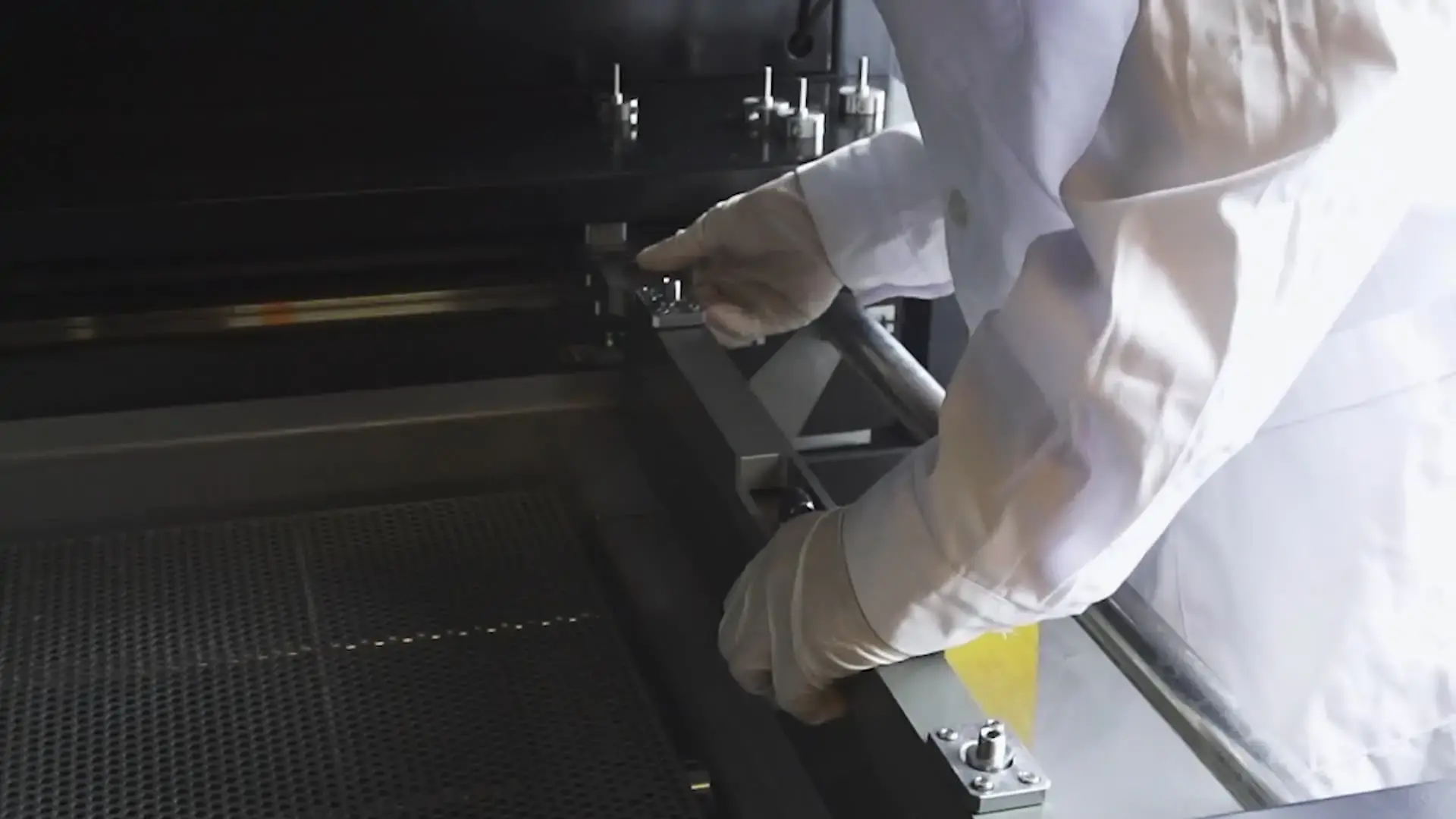
Schneider electrical parts, Philips UV-blocking lamps for reliable UV protection, and high flatness mesh plate designs with tolerances ranging from 0.2 mm on smaller models to 0.5 mm on the 800-series machines are some of the well-known brands that are used in key parts that make sure the machines run smoothly. Regular calibration checks make sure that the laser power stays stable, the galvanometer is accurate, and the resin leveling is always the same. The optical security cover keeps dust from getting on sensitive parts, and the clear glass front door keeps the operator safe by blocking direct laser light.
Quality Assurance and Aerospace Compliance
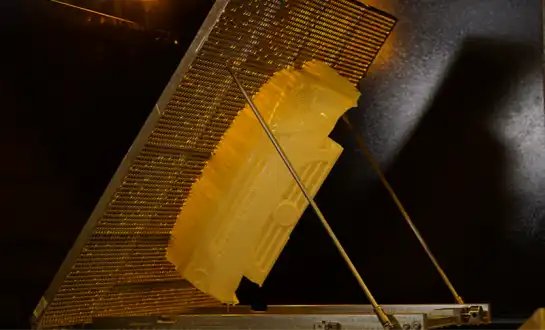
Quality control remains essential throughout aerospace component manufacturing. To make sure that industry quality standards and certification requirements are met, the printer has strict post-processing processes that include cleaning, curing, and mechanical testing. The platform is easy to use because it has two support rods on each side of the platform holder. These lift the platform at an angle after printing, which lets the extra resin flow back into the vat. Support bars can be used to flip the platform over so that the resin drains even faster. This increases speed and cuts down on the time needed for cleaning up after processing.
Real-World Performance Validation
Leading aerospace manufacturers report significant improvements after adopting the Industrial SLA 3D Printer. The high success rate and low amount of waste make the process more efficient while cutting down on time and material costs. Printed parts can be used right away to check the assembly and the design of the mold, so there is no need for an intermediate development step. These improvements help aerospace manufacturers shorten development cycles while supporting prototype validation and production tooling workflows.
Purchasing Guide: How to Choose and Procure the SL800 Industrial SLA 3D Printer
When looking for the right stereolithography system for your aircraft manufacturing needs, you need to look at its technical specs, service options, and pricing.
Technical Specifications Evaluation
The SL800 meets important needs in aircraft by being high positioning precision and consistent dimensional accuracy, having a large build area for big parts, and being able to work with engineering-grade resins with elevated heat deflection temperatures suitable for functional testing and tooling applications. By combining the best features of tools from the world's top brands, the system makes up for the flaws in other platforms and provides complete solutions. Customers gain from equipment that is very adjustable and can be changed to fit their needs.
Service and Support Considerations
Service that you can count on, warranty coverage, and the name of the provider are all very important to technical success. Magforms has a big, highly trained after-sales team that can help customers quickly and professionally. They answer customer questions within 24 hours. This ability to respond quickly stops production delays that can affect the whole aircraft supply chain. The commissioning engineers on the team have a lot of experience with a wide range of systems and bring the best practices from both the local and foreign markets to every installation.
Procurement Options and Deployment
To suit different business-to-business buying strategies, flexible financing, leasing, and bulk purchase choices for Industrial SLA 3D Printer make it possible for organizations ranging from small component processing factories to big aerospace OEM research teams to grow without spending a lot of money. Full shipping, installation, and hands-on training services for tech teams help make the launch go smoothly. The Magforms iBuild 2.0 interface is clean and easy to use. It works quickly and without any lag, and it's designed to be fast on mobile devices so that operations can be more flexible. This buyer's guide helps procurement workers make smart choices so that their investment in future-proof aircraft manufacturing technology pays off.
Conclusion
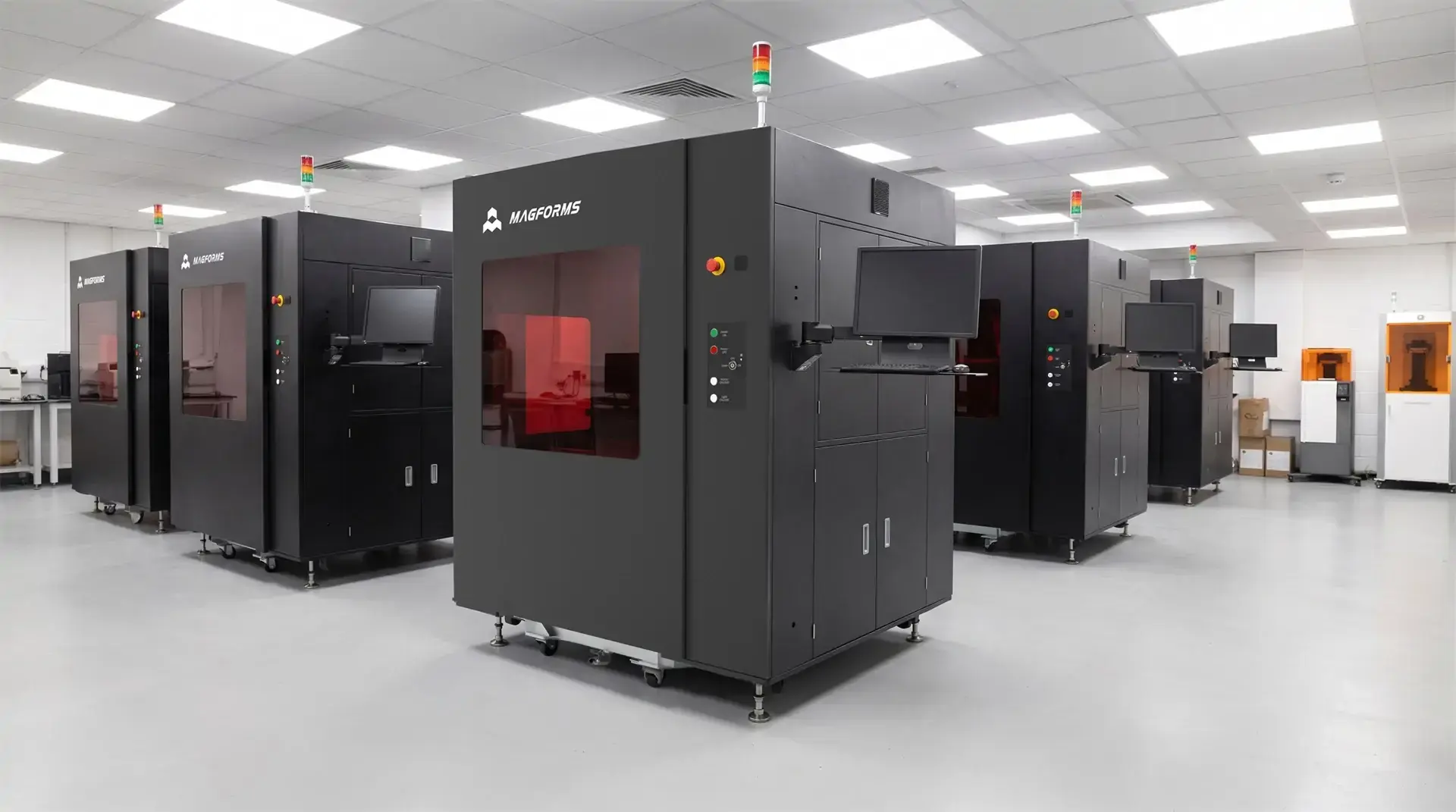
The SL800 is a smart investment for aircraft companies that want to get around the problems with traditional ways of making things. It fixes important problems in the industry, like unstable dimensions, slow production cycles, and being locked into one seller, by using German precision parts, smart scanning technology, and open material compatibility. This Industrial SLA 3D Printer has been used in proven reliable through thousands of hours of continuous industrial operation. It has the accuracy, speed, and stability needed for critical aerospace components requiring high dimensional consistency and process reliability. The full support environment makes sure that your team gets the most out of their investment right away.
FAQ
What resins are compatible with aerospace requirements?
The SL800's open material system works with most 355 nm photopolymer resins, even engineering-grade photopolymer resins that can handle high temperatures, chemicals, and have good engineering properties suitable for prototype validation, fixture production, and functional testing. The system's temperature control helps maintain consistent curing performance even when ambient temperature changes.
How does printing accuracy compare to competitive systems?
The SL800 is as accurate as or more accurate than other industrial systems at placing the platform (±8 μm) and making parts (±0.1 mm) that are less than 100 mm in length. It can also handle more work at once thanks to its variable spot technology and self-optimizing scan paths.
Can the SL800 handle large aerospace components?
The 800-series build space can hold large parts, and the mesh plate's smoothness is kept at 0.5 mm across the whole platform. The HIWIN linear guides and low-expansion marble construction keep the dimensions stable even during long print jobs for big setups that take several days.
Partner with Magforms for Advanced Aerospace Manufacturing Solutions
Aerospace companies that want to improve the quality, speed, and dependability of the parts they make will find that the SL800 Industrial SLA 3D Printer makes a real difference. Magforms is an experienced Industrial SLA 3D Printer seller that blends the development of proprietary materials with equipment engineering to give combined solutions that solve the industry's compatibility problems. Our 22 patents and 30 filed brands show that we are always coming up with new ideas, and the fact that we serve over 300 businesses in dozens of countries shows that we can be trusted. Email our team at info@magforms.com to talk about your unique problems with aerospace production, get full technical specs, or set up a demonstration at your location. Flexible choices for buying things work for businesses of all kinds, from small processing plants to large aerospace companies. Let us help you change the way you make things by giving you technology that is made for the needs of current aircraft manufacturing.
References
1. Gibson, I., Rosen, D., Stucker, B., & Khorasani, M. (2021). Additive Manufacturing Technologies (3rd ed.). Springer International Publishing.
2. Chua, C. K., & Leong, K. F. (2017). 3D Printing and Additive Manufacturing: Principles and Applications (5th ed.). World Scientific Publishing.
3. Ngo, T. D., Kashani, A., Imbalzano, G., Nguyen, K. T., & Hui, D. (2018). Additive manufacturing for aerospace applications: A review. International Journal of Precision Engineering and Manufacturing-Green Technology, 5(4), 503-528.
4. Joshi, S. C., & Sheikh, A. A. (2015). 3D printing in aerospace and its long-term sustainability. Virtual and Physical Prototyping, 10(4), 175-185.
5. Huang, J., Chen, Q., Jiang, H., Zou, B., Li, L., Liu, J., & Yu, H. (2020). A survey of design methods for material extrusion polymer 3D printing. Virtual and Physical Prototyping, 15(2), 148-162.
6. Stansbury, J. W., & Idacavage, M. J. (2016). 3D printing with polymers: Challenges among expanding options and opportunities. Dental Materials, 32(1), 54-64.

Magforms makes design and manufacture easier.
Popular Blogs
-
 Industry InsightsManufacturing Industry
FDM vs. SLA Printer: Which Technology Is Right for Your Project?
-
 Industry InsightsManufacturing Industry
Top 5 Applications of Industrial 3D Printers in Manufacturing Today
-
 Industry InsightsManufacturing Industry
Why Stereolithography 3D Printers Are Unmatched for Microfluidic Device Prototyping?