What Makes an Industrial SLA 3D Printer Different from Standard 3D Printers?
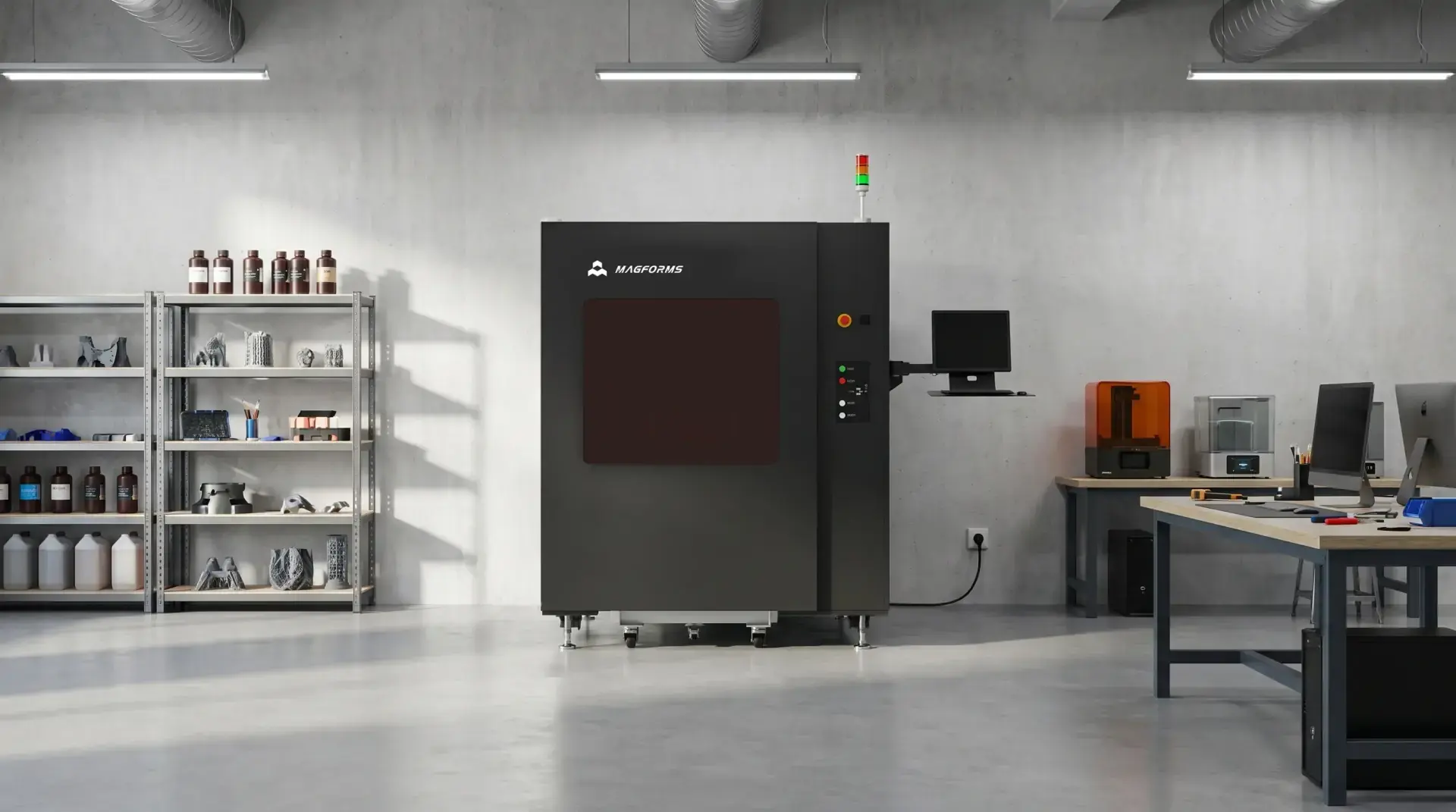
It is important to understand the key differences between industrial-grade systems and standard desktop or professional 3D printers when evaluating 3D printing technology for business applications. An Industrial SLA 3D Printer is a high-precision additive manufacturing system that uses Stereolithography technology to selectively cure photopolymer resin layer by layer through controlled UV laser exposure. It differs from desktop 3D printers because it integrates more advanced laser systems, rigid mechanical structures, and broader material compatibility for demanding production environments. These systems address common production challenges such as the high cost and long lead times of traditional tooling for small-batch production, the difficulty of achieving injection-molding-like surface quality during prototyping, and dimensional consistency challenges in large-scale prototype manufacturing. This detailed guide examines the technical differences, performance advantages, and purchasing considerations that technical directors, procurement managers, and manufacturing engineers should evaluate before investing in industrial Stereolithography equipment.
Understanding Industrial SLA 3D Printing Technology
Today, Stereolithography is one of the earliest and most established additive manufacturing technologies, while continuing to evolve for high-precision industrial applications. A high-power UV laser selectively cures liquid photopolymer resin layer by layer through a photopolymerization process to create solid three-dimensional parts. The advantages of industrial systems come from their integrated architecture, precision components, and ability to maintain consistent performance during extended production operations.
Core Technology Architecture
Professional Stereolithography systems rely on precision optical components, laser scanning systems, galvanometers, and motion control systems to achieve accurate resin curing. Many industrial Stereolithography systems use UV laser sources, commonly including 355 nm solid-state lasers, to provide controlled energy for photopolymer curing. They provide consistent optical energy output, supporting stable production workflows when combined with industrial-grade thermal management and motion control systems. The beam quality of AOC laser systems used in industrial equipment directly influences exposure accuracy, dimensional consistency, and surface quality. When integrated with German Scanlab galvanometer systems, these lasers can achieve high-speed scanning while maintaining precise control of the laser path.
When the galvanometer system works with the laser source, it precisely controls the direction of the laser beam across the resin surface. This coordinated system ensures that each layer receives the appropriate exposure energy for consistent curing, which helps achieve consistent mechanical performance throughout the build volume. Industrial-grade equipment is designed to maintain consistent optical performance across larger build areas through optimized calibration and optical control.
👉 What is SLA 3D printing technology
Material Chemistry and Compatibility
Another advantage of Industrial SLA 3D Printer systems is their ability to support a wide range of application-specific photopolymer materials. Depending on the equipment design and wavelength requirements, users may select engineering, flexible, high-temperature, or biocompatible resins for different applications. This flexibility allows manufacturers to select materials based on performance requirements instead of being restricted to a limited resin ecosystem.
System Architecture and Build Environment
Professional Stereolithography equipment is built with rigid structures and precision components to maintain stability during extended production runs. Industrial systems often incorporate reinforced frames, vibration control measures, and thermal management features to support consistent accuracy over long operating periods.
Temperature control systems maintain stable resin viscosity and printing conditions to support consistent curing behavior. This helps reduce print variation caused by environmental changes and improves overall process stability, especially when processing engineering photopolymer materials with specific temperature requirements.
Technical and Performance Differences: Industrial vs Standard SLA Printers
When you look at certain technical features and how they affect manufacturing processes in the real world, you can see the difference in performance between industrial Stereolithography equipment and normal PC models.
Dimensional Accuracy and Repeatability
Industrial SLA systems differentiate themselves from desktop solutions through more precise motion systems and improved process control. Panasonic servo motors used in industrial systems provide precise control for build platforms and recoater mechanisms, supporting stable layer formation and repeatable positioning. Industrial SLA systems can achieve highly precise Z-axis positioning and layer control through advanced motion systems. Depending on the machine architecture, positioning repeatability can reach the micrometer level, while resin leveling and recoating systems help maintain consistent layer thickness. This level of control helps ensure consistent layer curing and strong interlayer bonding throughout the build process.
When combined with high-quality galvanometer scanners and optimized optical systems, industrial SLA platforms can achieve well-controlled laser spot profiles and consistent energy distribution. Optimized scanning strategies help reproduce fine details, sharp edges, and complex geometries with high dimensional accuracy. Actual tolerances depend on resin properties, part geometry, build orientation, post-processing, and machine calibration.
Print Speed and Throughput
In business environments, production efficiency directly influences manufacturing costs. Some advanced Industrial SLA 3D Printer systems use variable laser spot technology, allowing larger spot sizes for efficient area exposure and smaller spot sizes for detailed features and complex geometries.
Depending on part geometry and process settings, this adaptive approach can improve productivity compared with fixed-spot scanning systems. Advanced scanning algorithms can optimize laser paths and reduce unnecessary movement, improving overall production efficiency while maintaining print quality.
Surface Quality and Detail Resolution
Industrial Stereolithography is widely recognized for producing smooth surfaces with minimal visible layer lines. This advantage comes from the combination of fine laser control, optimized exposure strategies, and the inherent resolution capabilities of photopolymer materials.
Variable spot technology allows the system to switch between different laser spot sizes to balance productivity and detail resolution. Advanced exposure strategies and optimized process parameters can reduce visible layer transitions and achieve very smooth surface finishes, depending on resin selection and post-processing conditions.
Operational Stability and Maintenance
Dependability of equipment has a direct effect on how well it makes things and how much it costs to own them all. Industrial SLA systems typically use industrial-grade components selected for durability and repeatable performance. HIWIN linear guides from Taiwan offer long-lasting use and stable high-Z printing, even during tall builds that need hundreds of vertical moves.
Schneider-made electrical parts make sure that power management and control signal security are reliable. UV protection systems and appropriate enclosure designs help reduce operator exposure to ultraviolet radiation during operation. Flat build platforms and stable mechanical structures contribute to consistent part adhesion and print reliability.
👉 Industrial SLA 3D Printer types and solutions
Application Scope and Industry Use Cases
Because of what they can do, Industrial SLA 3D Printer systems are essential in many fields where accuracy, surface quality, and material performance are very important.
Automotive Manufacturing Applications
Rapid revision of prototype parts is needed for fit-checking, functional testing, and design proof during the development cycle for cars. Professional Stereolithography machines can produce highly accurate prototypes of panel components, interior trim parts, and specialized brackets. Because of their dimensional accuracy, these prototypes can be assembled with existing vehicle components for fit and functional evaluation. This lets problems with interference or ergonomics be found early in the development process.
Large-format Industrial SLA 3D Printers are used by automakers for more than just testing. They also make master models for vacuum casting and investment casting. These patterns can support downstream manufacturing processes such as vacuum casting and investment casting for low-volume production applications. This helps niche car models or motorsports uses, where standard production numbers aren't cost-effective. The surface finish of Stereolithography master patterns directly influences the quality of downstream casting processes.
👉 Industrial SLA 3D printing applications
Aerospace Component Development
For aerospace uses, parts must meet strict standards for accuracy and material certifications. Industrial SLA 3D Printer systems can produce prototypes, validation models, and tooling components used during aerospace development processes. Engineers can evaluate lightweight design concepts by producing complex prototype geometries that may be difficult to manufacture using conventional methods.
Small-batch production is useful for specific uses where the number of items needed can range from one to dozens. Aerospace certification requires strict documentation, material traceability, and validation procedures. Professional equipment makers offer detailed quality assurance standards in these areas. The mechanical and structural stability of properly cured engineering resins meets the needs for basic testing, which lets you confirm their functionality before moving on to metal production.
Medical and Dental Manufacturing

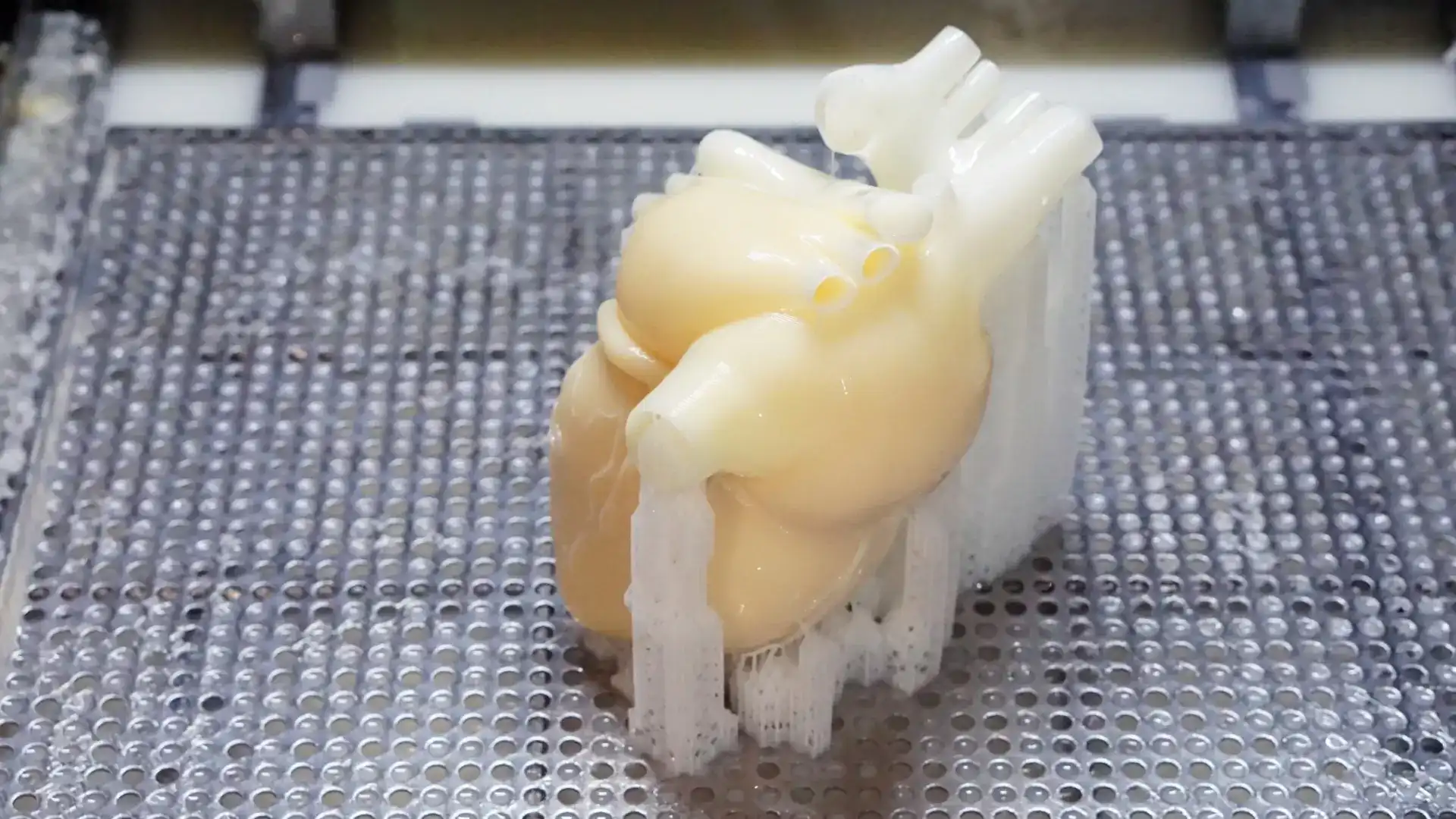
Precision Stereolithography is used in healthcare to make medical and oral products that are specific to each patient. Dental labs make unique models for planning treatments, surgery guides for putting in implants, and bases for clear aligners that are made by thermoforming. Dimensional accuracy plays an important role in ensuring that dental models, surgical guides, and medical prototypes meet their intended application requirements.
For surgery planning, companies that make medical devices make surgical guides, orthopedic implant test pieces, and anatomical models. When used with appropriately certified biocompatible resins, SLA systems can produce models and components intended for specific medical applications. When compared to standard testing methods, being able to quickly change designs based on clinical feedback speeds up product development cycles and lowers costs.
Consumer Electronics Development
Electronics companies are under a lot of pressure to release new products quickly and make design changes often. This speed is made possible by Stereolithography methods, which make look-and-feel samples with surfaces that can be post-processed through painting, texturing, or electroplating processes when required. Designers use actual models that correctly show the final product design intent to test things like ergonomics, button placement, and how something looks.
The technology can make exact features and tight specs, which are useful for internal component housings, mounting structures, and connector assemblies. Stereolithography prototypes have snap-fit features, threaded inserts, and alignment features that work properly. This lets you check the prototypes mechanically as well as visually. When marketing needs choices within days instead of weeks, the speed benefits of Industrial SLA 3D Printer systems are very important.
Comparing Technology Options
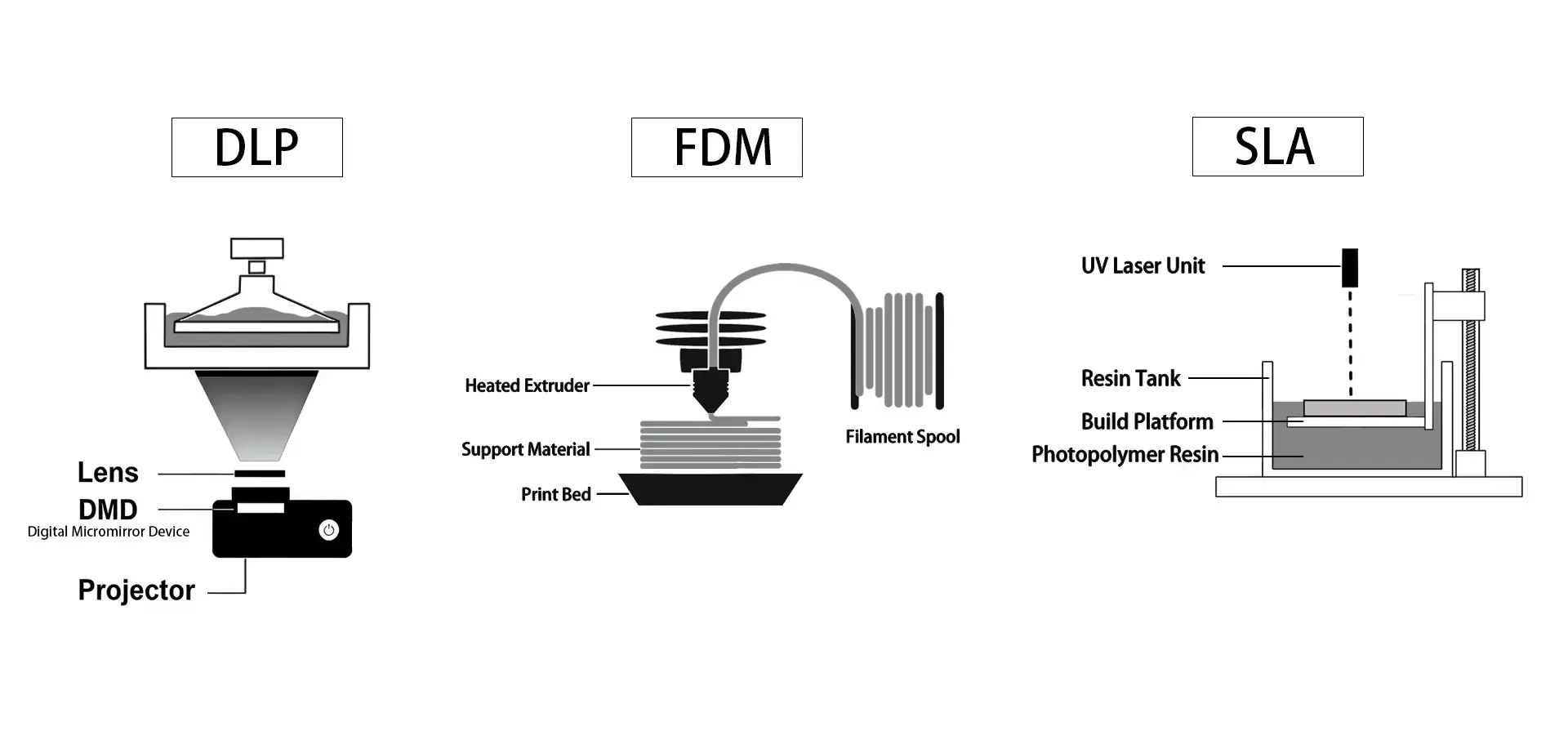
Even though Stereolithography has its own benefits, knowing how it stacks up against other additive manufacturing technologies helps buying teams choose the best options. Selective Laser Sintering (SLS) can produce functional nylon parts with good mechanical performance and does not require traditional support structures. Fused Deposition Modeling (FDM) is a cost-effective extrusion-based technology widely used for prototypes, functional parts, and engineering applications.
Digital Light Processing (DLP) and LCD-based resin printing both use vat photopolymerization processes similar to SLA, but they expose entire layers through projected or masked light rather than scanning a laser beam. These approaches can provide faster layer exposure for certain geometries, while industrial SLA systems are often preferred for large-format accuracy, optical control, and production consistency. Technical teams can match technology skills with specific application needs instead of just choosing equipment based on its initial buy price when they understand these trade-offs.
Procurement Considerations for Industrial SLA 3D Printers
To make smart buying choices, you need to look at more than just the technical specs. Long-term happiness with Industrial SLA 3D Printer investments is affected by the total cost of ownership, the ability of the supplier to support the investment, and the ability of the tools to grow.
Investment Analysis and Pricing Structures
Industrial SLA 3D Printer systems require a higher initial investment than desktop solutions, with pricing influenced by build volume, optical configuration, automation features, material compatibility, and production requirements. Entry-level industrial SLA systems can vary significantly in price depending on specifications, automation level, and supplier support. Companies should evaluate total cost of ownership rather than focusing only on the initial equipment price. These machines can make enough parts for most prototyping needs while still keeping professional-grade quality.
Material Compatibility and Supply Chain Flexibility
Material lock-in is a hidden cost for some companies that make tools. Some closed resin ecosystems may limit material selection through proprietary consumables or software restrictions. These limitations may increase material costs and reduce flexibility when selecting alternative resin formulations. This limitation stops people from trying out new materials and stops them from lowering costs by buying in bulk.
Supplier Evaluation Criteria
The technical capability and service infrastructure of the equipment supplier significantly influence long-term equipment performance and customer experience. When production plans depend on tools being available, full after-sales help is a must. Response time, spare-parts availability, installation support, and field service capability all contribute to production continuity.
How to Make an Informed Buying Decision for Industrial SLA 3D Printers
To choose the right Stereolithography tools, you need to do a thorough analysis that is in line with your business needs and long-term goals.
Defining Production Requirements
Start by making a clear list of your present and future output needs. The minimum build volume needs to be based on the size ranges of the parts, and the usual numbers affect whether or not advanced features such as variable spot technology or optimized scanning strategies should be evaluated based on their impact on throughput and part requirements. Material needs that are specific to an application tell us whether open material compatibility is an important trait or just a nice-to-have one.
Requirements for accuracy should be carefully thought through. Precision motion systems and high-quality optical parts found in professional tools are needed for tasks that require functional components requiring tight dimensional control and reliable assembly fit. However, idea models that are only used for visual communication might not need high-precision features, which means that cheaper choices might be enough.
Equipment Comparison Framework
Making a structured comparison grid helps you look at different choices in an unbiased way. Key factors should include the size of the build volume, the accuracy of the positioning, the laser power and spot size, the scanning speed, the types of materials that can be used, and the layer thickness choices. In addition to technical specs, you should also look at practical factors such as how easy it is to unload the platform, how to change the resin, and how easy it is to do upkeep.
The features of software affect how much work gets done every day. Smooth, easy-to-use control systems cut down on the time it takes to train operators and the number of mistakes they make. Operators can get the most out of their tools by using advanced features like automatic support generation, build orientation optimization, and print time estimate. Remote monitoring capabilities allow operators to track production status and respond more quickly to process issues.
Evaluating Magforms Industrial SLA Solutions
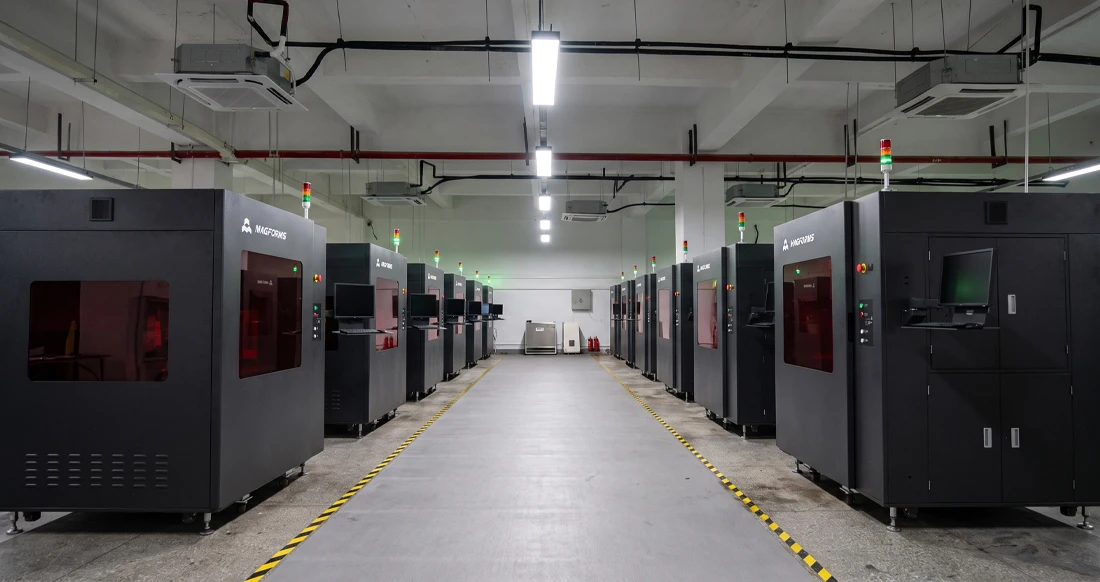
Magforms Industrial SLA equipment combines industrial-grade components with Stereolithography expertise to deliver stable and precise additive manufacturing solutions. The base of the platform is made up of AOC lasers that provide constant output for ongoing industrial production, German Scanlab galvanometers that guarantee quality, and Panasonic servo motors that allow exact positioning with little error buildup.
The variable laser spot technology changes between 0.5-0.6 millimeter spots for quick filling and 0.15-0.2 millimeter micro-spots for small details, which makes the system 30–50% faster than standard ones. Advanced scanning strategies optimize exposure paths and improve process efficiency, going up to 20% above what was possible before. These technological benefits directly lead to faster project finishes and more cost-effective production.
Conclusion
Industrial SLA 3D Printer equipment is not the same as normal PC types in a lot of ways, not just size and price. Professional systems provide industrial operations with improved accuracy, reliability, production efficiency, and material flexibility. Platforms can handle demanding applications in the automotive, aerospace, medical, electronics, and other precision manufacturing sectors thanks to high-quality parts from well-known suppliers, advanced features such as variable spot technology and optimized scanning strategies, and the ability to work with a wide range of materials. A systematic review of technical capabilities, total ownership costs, and supplier support quality helps with purchasing choices. This makes sure that investments give long-term value that is in line with strategic manufacturing goals.
FAQ
What lifespan can I expect from an Industrial SLA 3D Printer?
High-quality industrial SLA equipment can often provide many years of service when properly maintained. Actual lifespan depends on operating conditions, maintenance practices, component replacement schedules, and production intensity. Laser source replacement intervals depend on the laser technology, operating conditions, and manufacturer specifications. Regular upkeep, such as cleaning the optical system, replacing the recoater blades, and lubricating the motor parts, greatly increases the operating life.
Can industrial stereolithography systems handle multiple materials?
Yes, skilled Industrial SLA 3D Printer tools can handle a wide range of materials. Open-system machines let users work with biocompatible materials, industrial resins, flexible materials, high-temperature plastics, and clear formulas from several different sources. Switching between materials needs full vat cleaning and system draining, but the process only takes hours instead of days and gives you more options for how the system is used than with unique systems.
How much faster are industrial models compared to desktop stereolithography printers?
Industrial systems may achieve significant productivity improvements compared with desktop SLA printers due to larger build volumes, faster scanning systems, optimized workflows, and higher operational stability. Actual speed differences depend on machine configuration and part requirements.
Partner with a Trusted Industrial SLA 3D Printer Manufacturer
Magforms has a lot of experience with Stereolithography from years of working with precise manufacturing customers in the medical, aerospace, automobile, and electronics industries. Our industrial-grade gear is made with high-quality parts like AOC lasers, German Scanlab galvanometers, and Panasonic servo systems. It is designed for stable operation through industrial-grade components and optimized process control. The open material platform works with most 355 nm resins that are available around the world. This gets rid of private limits and lets you find the cheapest materials. Intelligent scanning systems and variable spot technology make processes 30–50% faster than the old ways of doing things. Accuracy at the micron level meets the tight requirements for functional development and molding uses. Our skilled after-sales team provides responsive technical support to help customers maintain stable production operations. Whether you run a service bureau that needs reliable tools for a wide range of client projects or a manufacturing company that wants to speed up the development of new products, Magforms Industrial SLA 3D Printer solutions give you the performance, flexibility, and support you need to get the most out of your investment. Get in touch with info@magforms.com to talk about your unique needs and find out how our industrial Stereolithography tools can help you make more things.
References
1. Gibson, I., Rosen, D., & Stucker, B. (2021). Additive Manufacturing Technologies: 3D Printing, Rapid Prototyping, and Direct Digital Manufacturing. Springer Publishing.
2. Jacobs, P.F. (2019). Stereolithography and Other RP&M Technologies: From Rapid Prototyping to Rapid Tooling. Society of Manufacturing Engineers.
3. Wohlers, T. (2023). Wohlers Report 2023: 3D Printing and Additive Manufacturing Global State of the Industry. Wohlers Associates Inc.
4. Chua, C.K., & Leong, K.F. (2022). 3D Printing and Additive Manufacturing: Principles and Applications. World Scientific Publishing.
5. American Society for Testing and Materials. (2021). ASTM F2792-12a: Standard Terminology for Additive Manufacturing Technologies. ASTM International.
6. Redwood, B., Schöffer, F., & Garret, B. (2020). The 3D Printing Handbook: Technologies, Design and Applications for Manufacturing Professionals. 3D Hubs Publishing.

Magforms makes design and manufacture easier.
Popular Blogs
-
 Industry InsightsManufacturing Industry
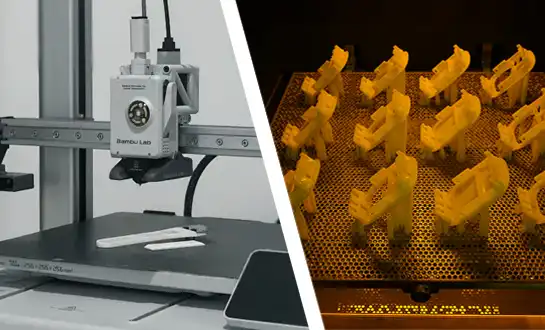
FDM vs. SLA Printer: Which Technology Is Right for Your Project?
-
 Industry InsightsManufacturing Industry
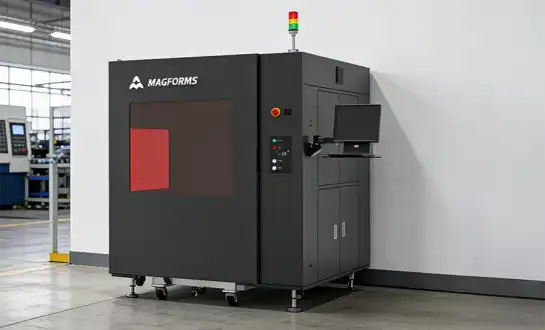
Top 5 Applications of Industrial 3D Printers in Manufacturing Today
-
 Industry InsightsManufacturing Industry
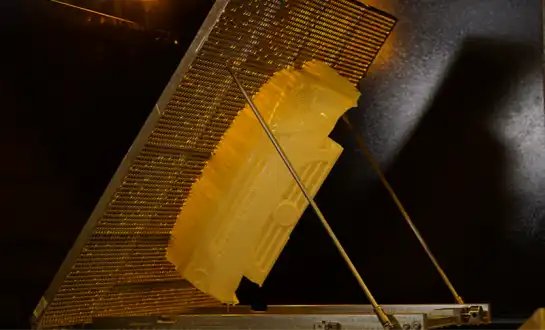
Why Stereolithography 3D Printers Are Unmatched for Microfluidic Device Prototyping?