Industrial SLA 3D Printer SL800 in Dental and Medical Modeling Applications
The medical and dental fields need production solutions that can accurately copy complex body features. The SL800 Industrial SLA 3D Printer meets these requirements with stereolithography technology, which converts liquid photopolymer resin into highly accurate medical models with controlled dimensional consistency. The SL800 achieves precise laser beam positioning through its AOC laser system and German Scanlab galvanometer technology, while its precision motion components support stable platform movement during the printing process. This level of optical and mechanical precision supports the production of surgical guides, orthodontic models, anatomical models, and medical prototypes that require reliable dimensional consistency. Magforms designed this system to address common challenges in industrial 3D printing procurement, including inconsistent print quality caused by unreliable components, limited material flexibility, and insufficient technical support that can increase production downtime. The SL800 has Schneider electrical parts, Panasonic servo motors, and Taiwan HIWIN linear guides. Its industrial-grade components support stable long-term operation, making it suitable for medical device manufacturers and dental laboratories requiring reliable production performance.
Understanding Industrial SLA 3D Printing Technology
In stereolithography, a UV laser selectively initiates photopolymerization inside a vat of liquid resin, solidifying the material layer by layer to create three-dimensional parts. Compared with many fused deposition modeling and selective laser sintering workflows, SLA typically provides smoother surface finishes and higher feature resolution, making it suitable for applications where fine details and surface quality are important. These characteristics are particularly valuable for anatomical models, dental applications, and medical prototypes where fine details, surface quality, and material compatibility are important. The SL800 uses variable laser spot technology, allowing the system to balance printing efficiency and detail resolution. Larger spot sizes can improve scanning efficiency in broad areas, while smaller laser spots help achieve finer details for contours and complex geometries.
👉 What is SLA 3D printing technology
How Photopolymerization Ensures Medical-Grade Accuracy
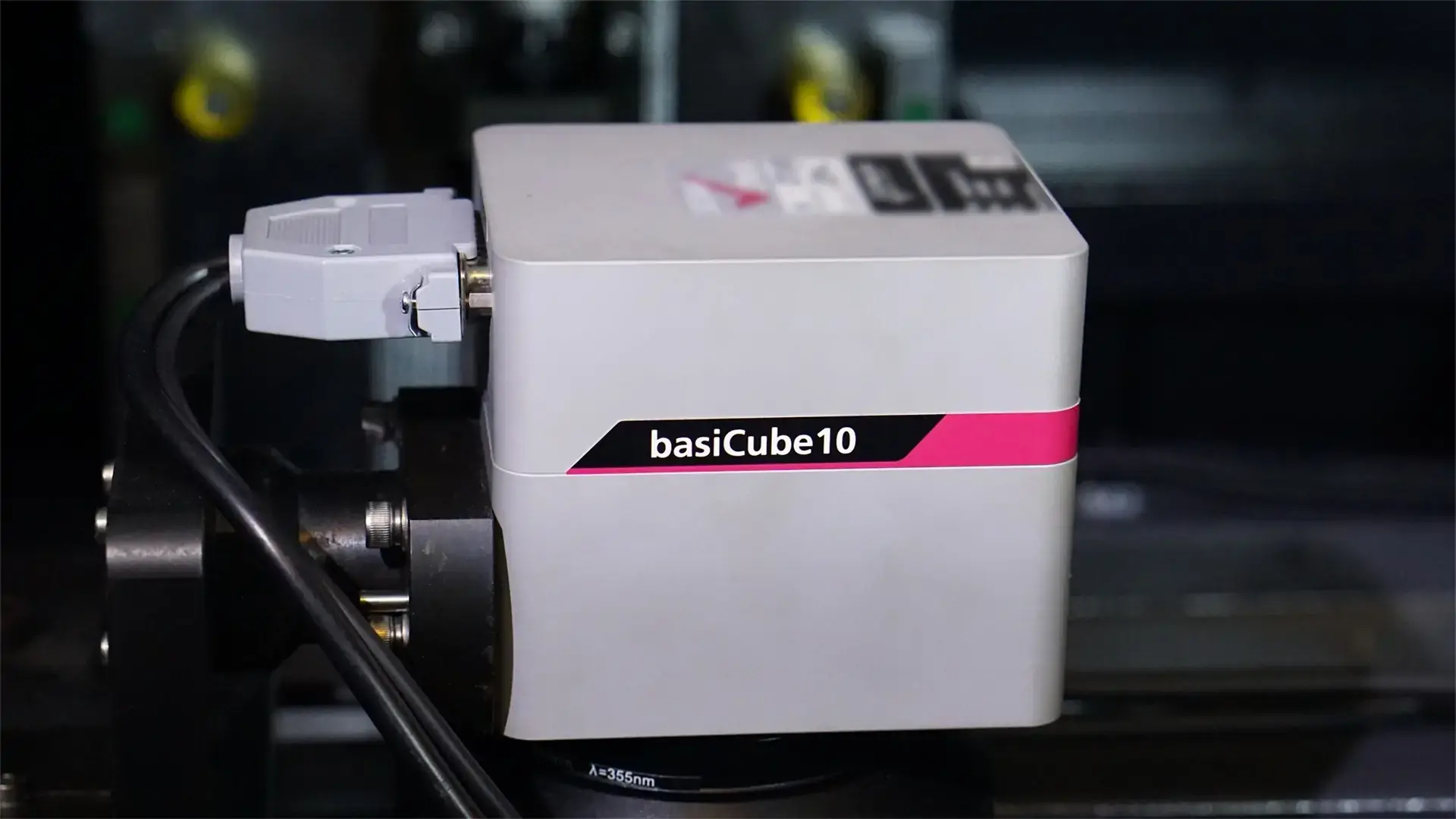
When the AOC laser exposes the resin surface, photoinitiators generate reactive species that initiate polymerization and cross-linking reactions, transforming liquid resin into a solid polymer structure. The laser beam is directed by a German Scanlab galvanometer scanning system along predefined paths, with scanning speeds of up to 12 m/s. The optimized optical system helps maintain consistent laser spot characteristics, improving exposure uniformity and reducing variations during scanning. In practical medical and dental applications, dimensional accuracy is typically evaluated through standardized measurement methods, process validation, and application-specific requirements. The SL800 is designed to provide the repeatability and precision required for dental models, surgical guides, and medical prototypes when properly calibrated and processed.
Material Versatility for Healthcare Applications
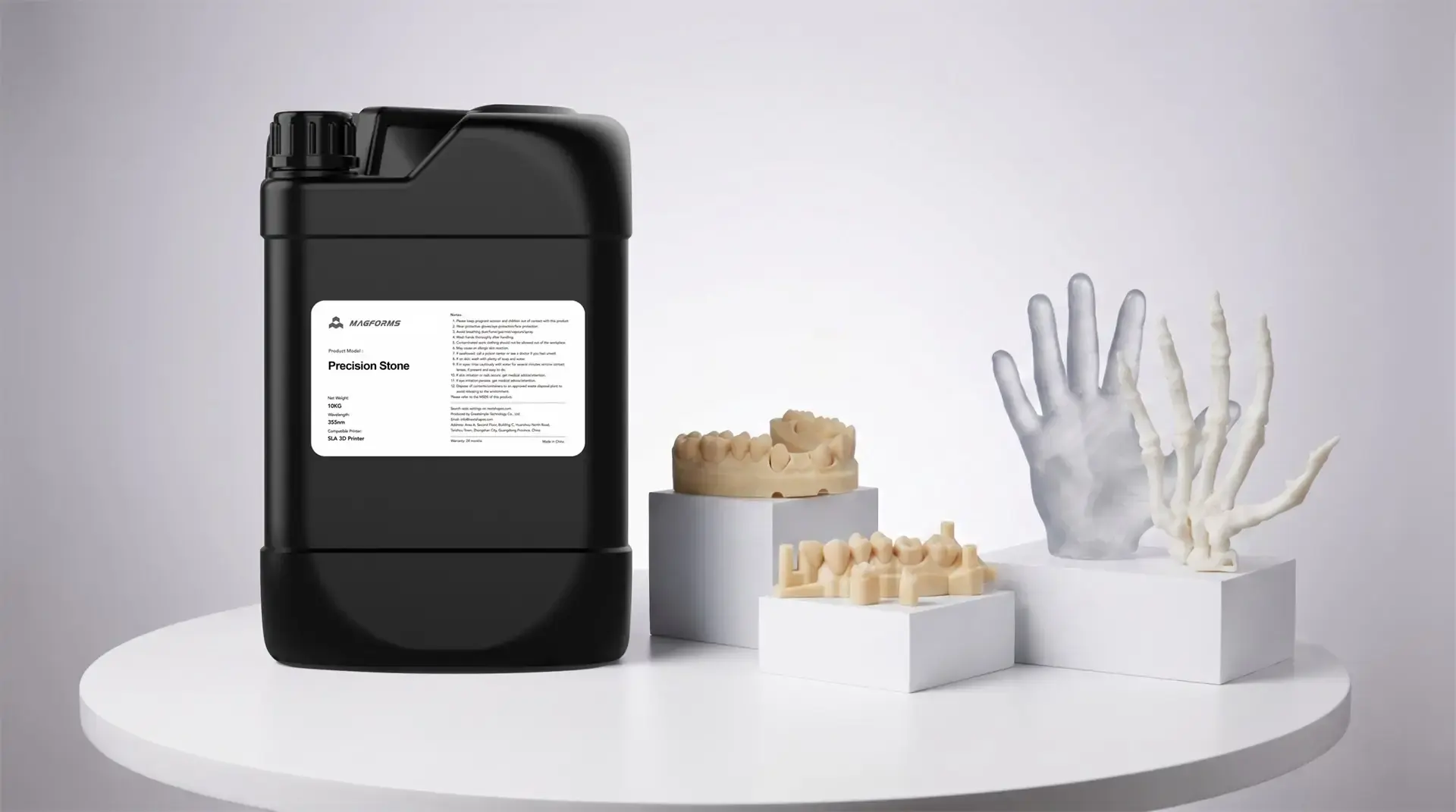
The SL800 has an open material environment that works with most 355 nm resins. This open material approach provides users with greater flexibility in resin selection and helps reduce dependence on a single material supplier. For dental applications such as crown and bridge patterns, laboratories can use compatible castable resins. Medical applications may utilize biocompatible photopolymer materials that are developed and validated according to applicable regulatory requirements, such as ISO 10993 biological evaluation standards. Built-in temperature management helps maintain more stable resin viscosity during printing, improving process consistency under changing environmental conditions.
Advantages of the SL800 Industrial SLA 3D Printer in Dental and Medical Modeling
Medical modeling requires accurate reproduction of complex anatomical structures, consistent batch production, and compliance with applicable healthcare manufacturing requirements. The SL800 addresses these requirements through optimized hardware and software integration, helping reduce production costs while maintaining high levels of dimensional consistency.
👉 Industrial SLA 3D Printer types and solutions
Uncompromised Dimensional Precision Through Premium Components
Stability is the first step in making medical printing accurate. The SL800 is designed with many features that guarantee accurate results every time:
- Platform stability of the Industrial SLA 3D Printer: The build platform uses Panasonic servo motors and precision motion components to achieve stable movement control. Accurate resin level management helps maintain consistent layer formation during long printing cycles. Stable platform movement and controlled resin handling help minimize layer alignment errors, supporting consistent production of dental models and surgical guides.
- Structural rigidity: A 2 mm-thick metal enclosure and low-expansion marble base help reduce the influence of temperature variation and vibration, supporting dimensional stability during extended printing operations.
- Flatness specifications: The build platform is designed with controlled flatness across the build area to support consistent resin curing and layer accuracy during large-format printing. This keeps big anatomical models like full-arch dental casts or orthopedic jigs from warping.
These engineering features can help dental laboratories improve first-pass production consistency by reducing common issues related to positioning, exposure, and process stability. This can help reduce material waste and production delays.
Accelerated Production Without Quality Trade-Offs
When medical facilities need custom surgery guides within 48 hours, speed is important. Compared with fixed-spot stereolithography approaches, the SL800’s variable spot technology can improve scanning efficiency by adapting laser parameters for different areas of the model. Larger laser spots improve efficiency when scanning broad regions, while smaller spots provide enhanced detail resolution for complex geometries such as dental structures and anatomical models. Advanced scanning algorithms optimize path planning and help improve workflow efficiency across repeated production jobs.
Cost-Effectiveness for Batch Manufacturing
Beyond the buying price, B2B sourcing teams look at the total cost of ownership. There are several ways that the SL800 is good for business:
- Reduced scrap rates: Improved process consistency can help minimize material waste and repeat production costs.
- Energy efficiency: Optimized laser power control uses less electricity than older SLA systems.
- Minimal maintenance: Low maintenance: High-quality parts like HIWIN linear guides extend service times, which lowers costs for downtime and repair calls.
- Open material compatibility allows users to evaluate different photopolymer resin suppliers based on application requirements, availability, and cost considerations.
For dental laboratories and medical manufacturers with sufficient production volume, the SL800 can help improve operational efficiency and may support a favorable return on investment depending on utilization rate, workflow optimization, and production requirements.
SL800 vs. Other Industrial 3D Printing Technologies for Medical Use
Multiple additive manufacturing technologies are used in medical and dental production. Understanding how stereolithography compares with other processes helps manufacturers identify the advantages and suitable application scenarios of the SL800 Industrial SLA 3D Printer.
Stereolithography Versus Selective Laser Sintering
Selective laser sintering (SLS) uses a laser to selectively fuse powdered materials layer by layer, producing durable parts that are often used for functional prototypes and end-use applications. Compared with SLA, powder-based processes such as SLS typically produce rougher surface textures due to powder particle bonding. Additional finishing may be required when applications demand very smooth surfaces, such as detailed dental models. The SL800 is designed to achieve smooth surface finishes suitable for dental and medical modeling applications. With appropriate cleaning and post-curing procedures, SLA-printed models can support thermoforming and other downstream manufacturing processes. Material costs vary significantly depending on application requirements, certification needs, and supplier selection. SLA resin systems may provide cost advantages for certain dental and medical modeling workflows due to efficient material usage and application-specific formulations.
Addressing FDM Limitations in Medical Modeling
Fused deposition modeling (FDM) is widely used for cost-effective prototyping and functional parts. However, its layer-based extrusion process creates different performance characteristics compared with SLA. Because FDM parts are formed through layer-by-layer material extrusion, mechanical properties can vary between printing directions. The Z-axis strength is often lower than the in-plane directions, although the difference depends on material selection and process parameters. For medical applications requiring fine surface details, tight dimensional control, or specific sterilization compatibility, SLA is often preferred. Through controlled photopolymerization and post-curing processes, SLA parts can achieve more balanced mechanical properties compared with many extrusion-based methods.
DLP Technology: Speed Versus Build Volume
Digital light processing can cure an entire resin layer at once, which can provide faster production speeds for suitable applications. DLP systems can achieve high printing speeds, although build size, optical uniformity, and resolution trade-offs depend on the specific machine architecture. For applications requiring large build areas or high-volume production of multiple patient-specific models, large-format SLA systems such as the SL800 may provide workflow advantages. The Industrial SLA 3D Printer SL800's 800 × 800 mm build envelope can hold multiple patient cases at once or a single big anatomical model. Batch processing capability is available across different additive manufacturing technologies. The advantage of the SL800 comes from combining a large build area with SLA’s surface quality and detail resolution.
Practical Applications of the SL800 in Dental and Medical Modeling
The practical value of stereolithography is demonstrated through its applications in dental and medical workflows. The SL800 Industrial SLA 3D Printer is designed to support healthcare-related manufacturing processes that require precision, repeatability, and workflow efficiency.
Orthodontic Treatment Planning and Aligner Manufacturing
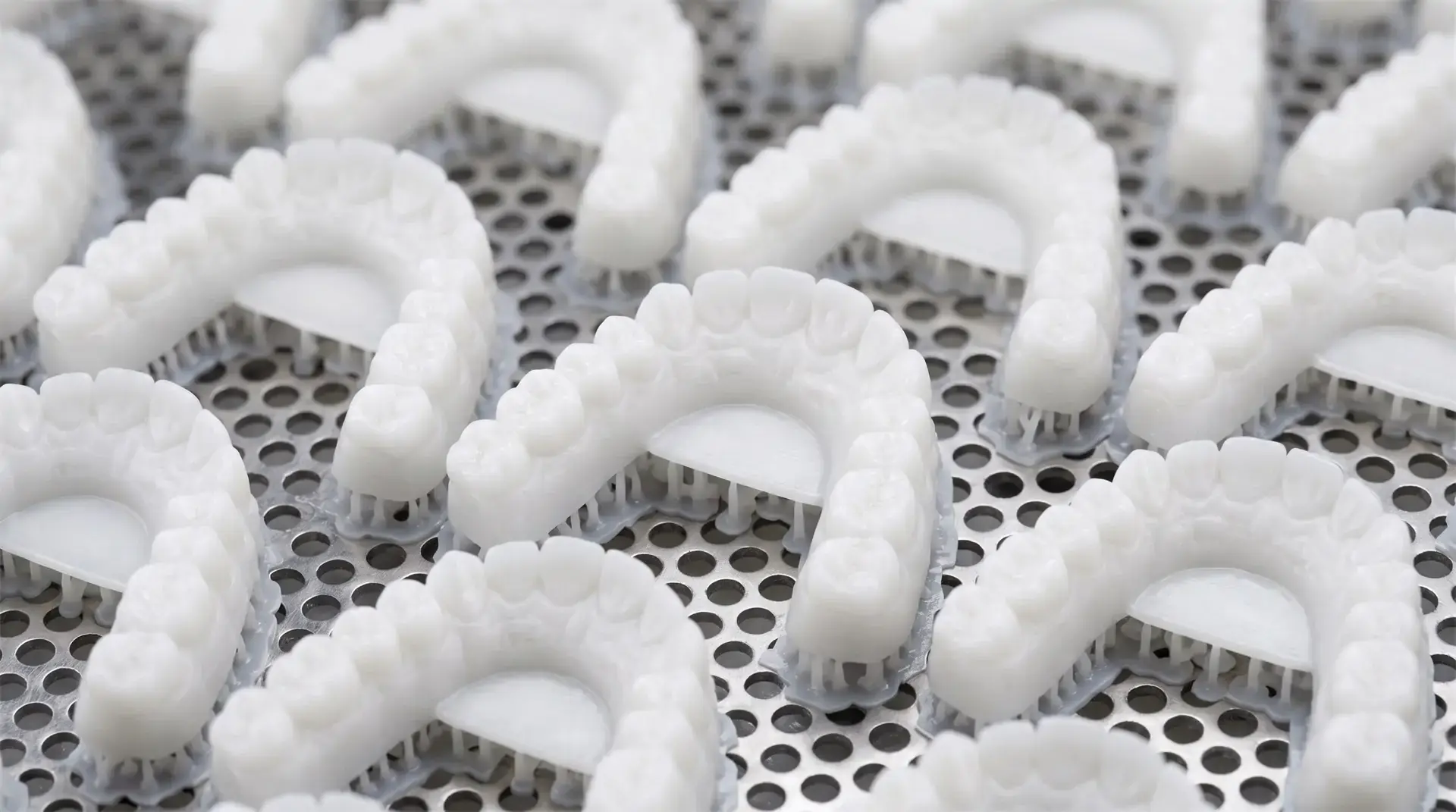
Clear aligner workflows typically require sequential dental arch models that represent different stages of the planned treatment process. A dental lab in the Midwest of the United States uses the SL800 to print 15–20 full-arch cases overnight in groups of 300 models per week. The printer's optimized laser scanning strategy and exposure control help improve surface quality and reduce visible layer effects on printed dental models. Improved surface quality can contribute to better thermoforming results by reducing surface irregularities that may affect downstream processing. After switching to the SL800, this lab cut the number of aligner remakes from 8% to below 2%. This directly improved patient happiness and material economy.
👉 Learn more about practical application cases
Surgical Guide Fabrication for Implant Dentistry
For guided implant surgery, surgical guides require accurate positioning features to ensure proper placement of implant components according to the treatment plan. A European company that makes dental implants checks the accuracy of SL800 prints with a CMM and always finds that the setting of the guide sleeve is within 0.08 mm of what the CAD file says it should be. High dimensional accuracy helps reduce positioning deviations during implant placement procedures and supports predictable clinical workflows. Documentation related to printing parameters, material traceability, and process validation can support manufacturers during their regulatory documentation preparation for medical products.
Anatomical Models for Surgical Rehearsal
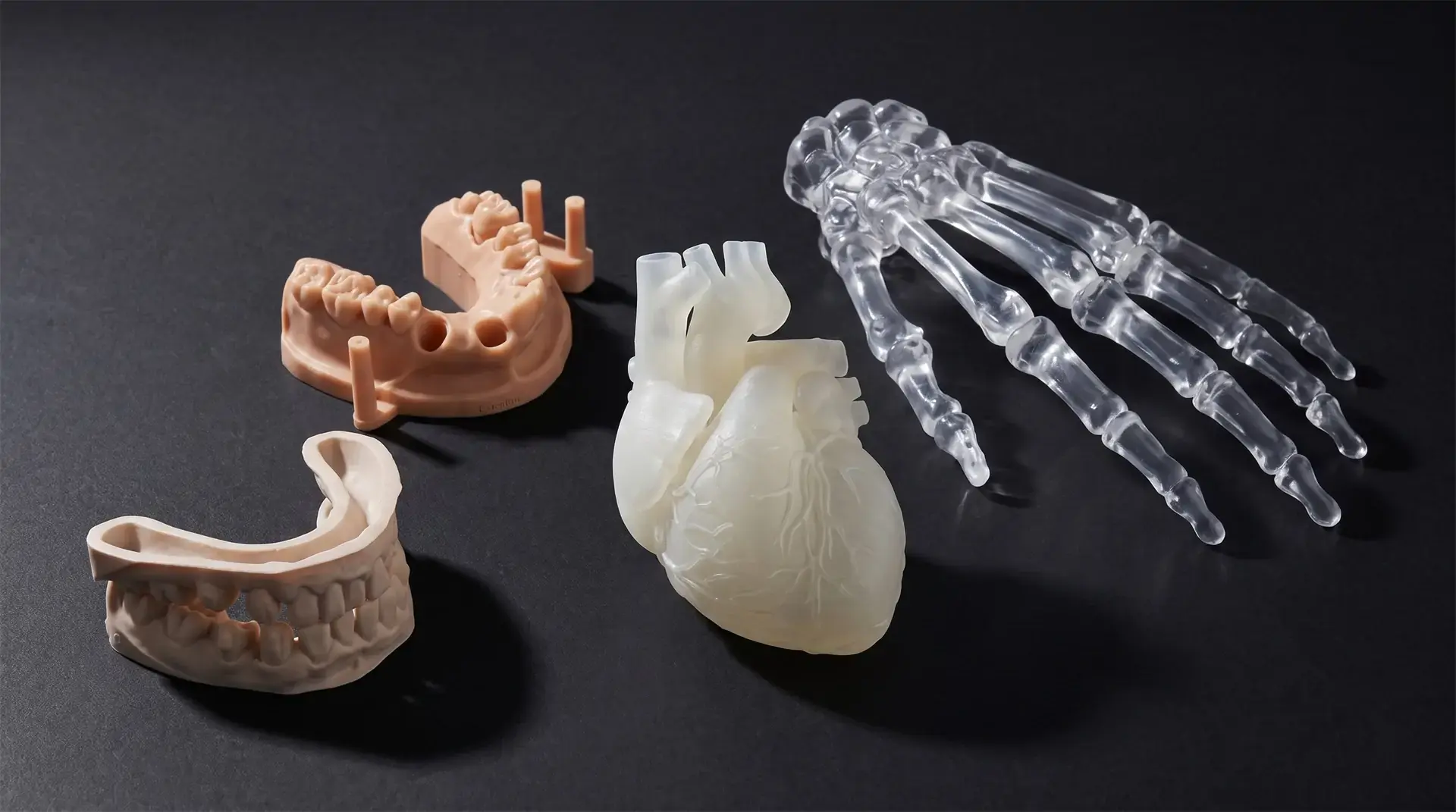
Cardiovascular doctors use heart models that are unique to each patient to plan complicated fixes for birth defects. Using suitable medical-grade photopolymer materials, healthcare institutions can produce patient-specific anatomical models with the SL800 for surgical planning and education purposes. Physical anatomical models allow surgeons and medical teams to rehearse complex procedures, improve preoperative understanding, and support surgical planning. These models can help surgical teams improve preoperative planning and potentially increase procedural efficiency.
Regulatory Compliance and Quality Management
Manufacturing medical devices is governed by strict quality standards. The SL800 provides process monitoring and repeatability features that can support manufacturers operating under medical quality management systems such as ISO 13485. Process monitoring data, including printing parameters and material information, can help manufacturers maintain production records required within regulated medical device development workflows. Digital process records can improve traceability and reduce manual documentation workload compared with workflows that rely entirely on offline recording methods.
Procurement Guide: Buying the SL800 Industrial SLA 3D Printer
Strategic equipment procurement requires evaluation of both technical specifications and long-term operational considerations. Magforms provides SL800 purchasing solutions designed to support the requirements of different dental laboratories, medical manufacturers, and industrial users.
Assessing Production Capacity Requirements
The choice of build amount is based on projected output. Dental laboratories with medium- to high-volume production requirements can benefit from a large-format SLA workflow that enables multiple models to be produced within a single build cycle. Medical device development teams that need to make changes to designs quickly put the printer's variable spot speed optimization at the top of their list. Optimized scanning strategies can help reduce overall production time depending on model geometry, layer settings, and selected materials.
Service Level Agreements and Warranty Coverage
When equipment breaks down, it directly affects when things get made. Magforms provides technical support services designed to help customers maintain stable production operations and reduce equipment downtime. Remote diagnostic capabilities can help technical teams identify issues more efficiently and provide troubleshooting support when available. Standard warranty coverage and extended service agreements can be provided according to customer requirements and production needs. Customers learn about preventive maintenance during installation, which gives in-house teams the tools they need to do regular calibration checks that cut down on service calls.
Financing Structures for Capital Equipment
Large cash outlays are hard for businesses that are growing. Magforms works with partners that finance tools and offer lease-to-own plans with terms ranging from 36 to 60 months. This arrangement keeps working capital safe while letting output capacity grow right away. Tiered discounts are part of bulk purchase deals for deployments of multiple units. For multi-unit deployments, volume-based purchasing programs may provide additional commercial advantages depending on order requirements and agreements.
Material Supply Chain Considerations
Magforms provides resin solutions optimized for specific SLA applications, with material selection based on printing requirements and application performance, while the SL800's open material system gives you more options for where to get materials. These special resins are tested for consistency from batch to batch, and records of analysis show the mechanical qualities and biocompatibility test results. To keep costs down and make sure quality, procurement teams often use a mix of tactics. For example, they might use Magforms resins to make certified medical devices and look into third-party materials for prototyping work that isn't controlled.
Conclusion
Medical and dental manufacturers can use the SL800 Industrial SLA 3D Printer as a production solution designed to support precision requirements, workflow efficiency, and cost management. With high-quality parts like AOC lasers, Scanlab galvanometers, and Panasonic servos, The SL800 combines industrial-grade components, controlled SLA processing, and flexible material options to support demanding dental and medical manufacturing workflows. Intelligent scanning algorithms and variable spot technology help improve production efficiency while maintaining surface quality through optimized process control. This directly improves per-part economics in service bureaus that are in a competitive market. Open material compatibility keeps buying teams from being locked into one seller, giving them more sourcing options that protect long-term business margins. With technical documentation capabilities and application support, the SL800 can assist medical device manufacturers in preparing the production records and process information needed for their regulatory workflows.
FAQ
What resin materials work with the SL800 for medical applications?
The SL800 can work with most photopolymer resins that have a wavelength of 355 nm. Some medical-grade photopolymer materials may be evaluated according to ISO 10993 biological evaluation requirements, depending on their intended application. Castable resins are often used in dentistry for crown patterns, model resins are used for orthodontic arches, and surgery guide resins that are stable in an autoclave are also popular. The open system design lets you try special materials like clear resins for visualization models or high-temperature mixtures to see if they can withstand steam sterilization.
How does dimensional accuracy compare with injection molding?
For mass production, injection molding is still the best method, but the SL800 can make parts with tolerances of ±0.1 mm for pieces smaller than 100 mm, which is good enough for medical guides and tooth tools that need to be very precise down to the micron level. Panasonic servo positioning and Scanlab galvanometer control contribute to stable laser movement and repeatable SLA printing performance.
What financing options support SL800 acquisition?
Magforms works with companies that loan tools and offer payment plans with set amounts due over 36 to 60 months. Lease-to-own agreements help businesses keep their cash savings while letting them start making things right away. There are volume savings of up to 18% on Industrial SLA 3D Printers that are bought in bulk, which makes them more cost-effective for companies with multiple locations or distributors joining new markets.
Partner with Magforms for Advanced Stereolithography Solutions
When making healthcare products, you need precise tools and quick expert help. Magforms has 20 years of experience with 3D printing materials and industrial-grade hardware building. The SL800 Industrial SLA 3D Printer is a complete answer for dental labs and companies that make medical devices. Magforms application engineers can provide technical guidance, workflow optimization support, and troubleshooting assistance according to customer service agreements. This way, your production plans won't be delayed. If you are a surgical guide manufacturer operating within an ISO 13485 quality management environment or a dental service bureau looking at Industrial SLA 3D Printer suppliers to increase your capacity, Magforms can help. They offer custom procurement packages that include warranty extensions, material supply agreements, and financing plans that fit your operational budget. You can email our technical sales team at info@magforms.com to set up a time to see the SL800 in action, get sample parts printed in the materials you want, or talk about batch prices for deployments of multiple units.
References
1. Gibson, I., Rosen, D., Stucker, B., & Khorasani, M. (2021). Additive Manufacturing Technologies, 3rd Edition. Springer International Publishing.
2. Stansbury, J. W., & Idacavage, M. J. (2016). "3D printing with polymers: Challenges among expanding options and opportunities." Dental Materials, 32(1), 54-64.
3. Dawood, A., Marti, B. M., Sauret-Jackson, V., & Darwood, A. (2015). "3D printing in dentistry." British Dental Journal, 219(11), 521-529.
4. ISO/ASTM 52915:2020. Specification for additive manufacturing file format (AMF) Version 1.2. International Organization for Standardization.
5. Revilla-León, M., & Özcan, M. (2019). "Additive manufacturing technologies used for processing polymers: Current status and potential application in prosthetic dentistry." Journal of Prosthodontics, 28(2), 146-158.
6. Tack, P., Victor, J., Gemmel, P., & Annemans, L. (2016). "3D-printing techniques in a medical setting: a systematic literature review." Biomedical Engineering Online, 15(1), 115-142.

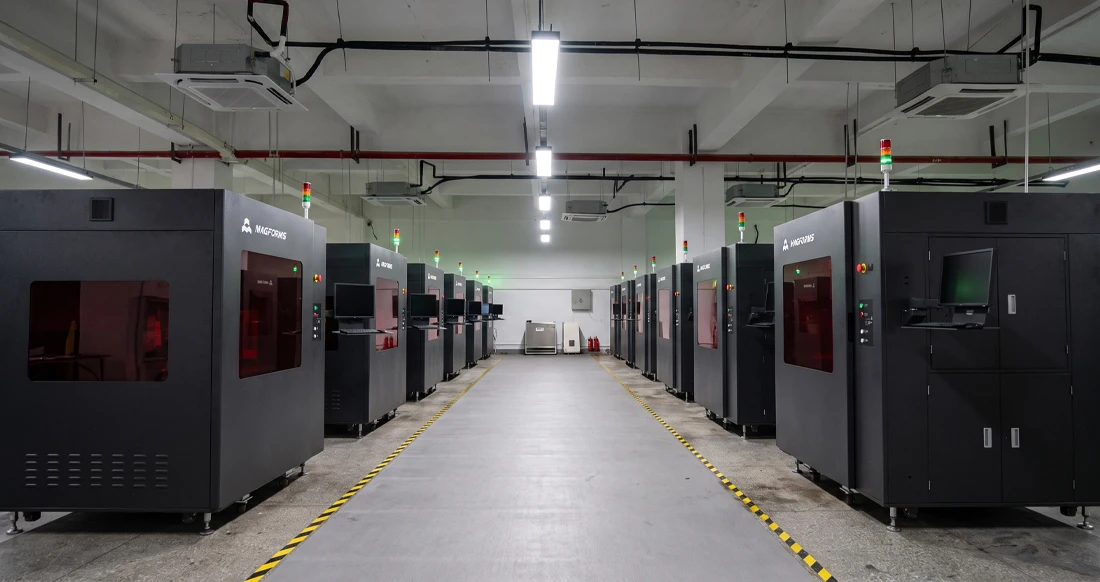
Magforms makes design and manufacture easier.
Popular Blogs
-
 Industry InsightsManufacturing Industry
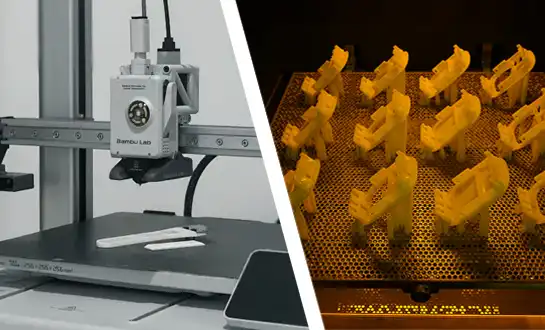
FDM vs. SLA Printer: Which Technology Is Right for Your Project?
-
 Industry InsightsManufacturing Industry
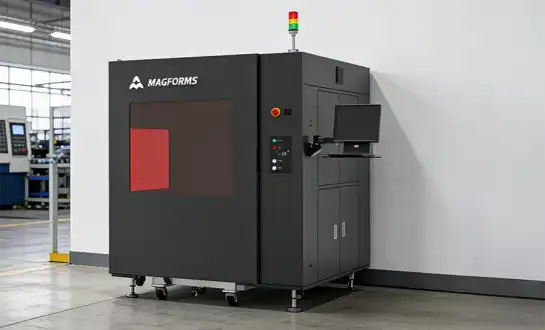
Top 5 Applications of Industrial 3D Printers in Manufacturing Today
-
 Industry InsightsManufacturing Industry
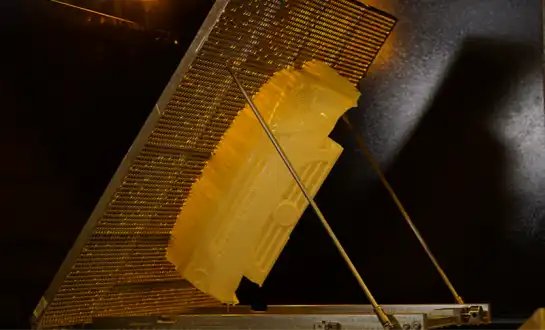
Why Stereolithography 3D Printers Are Unmatched for Microfluidic Device Prototyping?