Best Budget SLA Printers for High-Detail Resin Printing Today
Every kind of business is looking for the best Budget SLA printers on the market right now. They are finding great ways to get professional-level accuracy without spending a lot of money. The ease of getting high-resolution resin printing has changed thanks to new, cheap stereolithography methods. This lets a wide range of businesses, from doctor labs to car prototyping, make complicated parts with smooth surfaces. The best parts of industrial SLA technology are still there in these low-cost choices, but small and medium-sized businesses can now use them without having to worry about the cost.

Understanding Budget SLA Printers: Technology and Benefits
Budget SLA technology is a big step forward in making high-quality resin printing available to a wider range of businesses. Modern, inexpensive SLA units use MSLA (Masked Stereolithography) architecture to get similar results at a fraction of the cost of old laser-based stereolithography systems, which needed a large investment.
Core Technology Behind Affordable Resin Printing
Light from UV lamps changes liquid resin into solid plastic. This process is at the heart of cheap SLA printing. These systems don't use pricey galvanometer-controlled lasers. Instead, they use high-resolution LCD screens and UV LED panels. The consistency that makes SLA printing useful is still there, but this new technology makes it much easier and cheaper to make things. Monochrome LCD screens are better at letting light through and last longer than earlier RGB screens, so they are now standard in high-quality, low-cost systems. These screens have XY values of 22 to 50 microns and usually last more than 2,000 hours. Being careful with the layers and putting the parts through UV light over and over again makes them have isotropic mechanical properties, which means their strength is the same in all directions.
Advantages Over Alternative Printing Technologies
Budget SLA printers are clearly better than FDM (Fused Deposition Modelling) and other common ways of making things. The layer-by-layer photocuring method makes surfaces that are smooth and don't need a lot of work afterward. This speeds up the production process and cuts down on the cost of labour. If you use the right support systems, you can print internal shapes, undercuts, and small details that are hard to do any other way.Most good budget systems can get the dimensions right to within 0.05 mm, which means they can be used to make samples that work and parts that will be used in tough situations. Being able to be very precise can help you get jobs in areas where part accuracy directly affects safety and performance standards.
Top Budget SLA Printers: Performance, Features, and Recommendations
Businesses looking for reliable, high-performance resin Budget SLA printers printing solutions have a lot of great choices on the market right now. Knowing what makes one company different from another helps buying teams make smart choices that meet the needs of their operations.
Evaluating Critical Performance Metrics
When looking at cheap SLA systems, a number of technical details have a direct effect on the quality of the prints and how well the systems work. The highest part size or batch printing capacity is set by the build volume, and the surface finish and fine detail reproduction are set by the layer resolution. Print speed, which is usually given in millimeters per hour for vertical builds, affects how much can be made and how long a job takes to finish. Light sources that are evenly spread across the build plate make sure that the curing process is the same from edge to center. This stops differences in size or failures of bonding. Carefully designed optical systems and LED panels make it possible for quality systems to achieve more than 90% light consistency. Stability along the Z-axis is important for keeping layers in place and avoiding obvious flaws in final parts.
Material Compatibility and Operational Flexibility
More and more modern low-cost SLA printers have open-source designs that work with resins from other companies. This gives businesses more operating freedom and ways to cut costs. This flexibility goes beyond regular resins and includes engineering-grade materials, safe formulations for medical uses, and special casting resins for making jewelry. Resins that can be washed away with water have made post-processing easier, and in many cases, they've eliminated the need for isopropyl alcohol cleaning stations. With affordable systems, you can make a wider range of useful samples and end-use parts thanks to high-temperature and flexible resin formulas.

How to Choose the Right Budget SLA Printer for Your Business Needs
To choose the right budget SLA system, you need to carefully look at your current needs and how much room you have for growth in the future. When making a choice, there should be a balance between short-term skills and long-term practical goals.
Matching Specifications to Application Requirements
Print quality, build volume, and material properties are all needed in different ways by different businesses. For dental uses, high resolution is usually needed to make sure that the model is copied accurately, while for automobile prototyping, bigger build volumes may be more important for testing parts. Specification priority is based on understanding these application-specific needs. Different uses have very different print quality needs. Although ultra-high resolution settings are best for casting jewelry and making miniatures, moderate resolution settings may work fine for general modeling. Setting minimum resolution standards is easier with budget SLA printers when you look at the smallest details that are needed for most tasks.

Cost Analysis and Return on Investment
In addition to the original buy price, the total cost of ownership includes ongoing costs for things like materials, repairs, and running the business. When compared to private resin systems, open-source support can cut material costs by a large amount. The cost of running the business is affected by the amount of energy used, especially for UV LED panels and heating elements. When looking at productivity, you should look at both print speed and success rates. This is because failed prints waste materials and cause delays in the plan. Systems with a history of dependability and full support cut down on useless downtime and the costs that come with it.
Maximizing Performance and Longevity of Budget SLA Printers
Paying attention to operational best practices and maintenance routines is important for getting regular results and making tools last longer. The quality of the prints and how long they last are both greatly affected by how well they are set up and cared for over time.
Optimization Strategies for Consistent Results
For SLA printing to work, the climate and measurements must be just right. Leveling the build plate has an effect on how well the first layer sticks and how well the print goes generally. Stability at different temperatures affects how thick the glue is and how it cures, so climate control is important in production areas. Support structure design and direction optimization cut down on the amount of materials needed while still making sure that the builds go well. By learning about the exposure settings and layer heights that work best for each material, you can fine-tune your work for specific uses. As parts wear down naturally over time, regular calibration checks keep the accuracy high.
Maintenance Protocols and Troubleshooting
Regular repair keeps the quality of the prints and makes the tools last longer. Protecting the LCD screen from glue spills keeps expensive parts from having to be replaced. Separation forces and print success rates are affected by the FEP film tension and replacement plans. Cleaning the UV LED array makes sure that the light source is the same across the whole build area. Layer moving from Z-axis wear, uneven curing from light source degradation, and binding problems from build plate contamination are all common problems. Setting up plans for preventative repair and keeping spare parts on hand reduces the number of times that production has to stop.

Procurement Guidance: Where and How to Buy Budget SLA Printers
A good procurement strategy takes into account contacts with suppliers, the ability to provide assistance, and the total cost of ownership, which goes beyond the initial purchase price. Setting up effective supply lines for both equipment and supplies is important to make sure that operations don't stop.
Supplier Evaluation and Selection Criteria
Authorized distributors offer technical help and guarantee coverage that other sellers may not be able to provide. To keep output on schedule, it's important to check the technical knowledge and reaction times of suppliers. Being able to get help locally cuts down on downtime for repairs and upkeep. For bigger businesses, Budget SLA printers buying in bulk and getting credit can help their cash flow and lower the cost per unit. There are more ways to buy things, like educational deals and lease programs. The ties with suppliers often affect how easy it is to get training materials and specialized documents.
Supply Chain Considerations for Materials
Long-term prices and freedom are affected by how compatible and available the resin is. Getting in touch with more than one plastic provider can help you get better prices and lower your supply risk. Knowing how to store things and how long they last helps you keep track of your goods better and throw away less food that has gone bad.When using open-source compatibility, it's important to make sure that third-party materials are of good quality. Supplier certificates and testing procedures for materials make sure that performance is always the same and lower the risk of print failure.
Conclusion
Budget SLA printers have changed how easy it is for businesses in a wide range of fields to get professional-grade resin printing. They can now get great detail and surface quality without having to spend a lot of money. The change in technology from expensive laser systems to cheaper LCD-based units has kept the accuracy while making things much easier for everyone to use. To get the best return on investment and reliable results, execution needs to carefully look at application needs, provider relationships, and operating practices.
FAQ
1. What distinguishes a quality Budget SLA printer from cheaper alternatives?
Budget systems of good quality have monochrome LCD screens that last a long time, two linear rails for stable Z-axis movement, and even lighting across the build plate. When compared to systems that use less-than-stellar optical engines or mechanical units, these parts ensure uniform results and require less upkeep.
2. How does material compatibility affect operational costs?
Open-source support lets you buy things from different resin sources, giving you more options and lower costs. Proprietary systems often have material restrictions that make operations more expensive and limit the kinds of things that can be used. For overall cost analysis, it is important to look at how much things will cost in the long run.
3. What maintenance requirements should businesses expect?
Cleaning the LCD screen, replacing the FEP film, and releveling the build plate are all part of routine maintenance. Quality systems need to be fixed less often, but preventative maintenance plans are still helpful. Figuring out how often to repair parts helps you make a budget for ongoing running costs.
4. How do print speeds compare between budget and premium systems?
Modern, low-cost SLA printers can print at speeds that are competitive by using exposure settings that are just right and fixing layers quickly. Even though more expensive systems might have faster throughput, the difference isn't always that big when you look at total efficiency and cost per printed part.
5. What safety considerations apply to workplace installation?
Resin fumes are dealt with by proper air systems during printing and afterward. Safe work is guaranteed by personal safety equipment and following the right handling procedures. Knowing the rules in your area about how to handle chemicals and get rid of waste makes sure that you are following the law in business settings.
Partner with Magforms for Professional-Grade Budget SLA Printer Solutions
The wide range of affordable SLA printers that Magforms offers is a great value for money and is perfect for professional uses that need accuracy and dependability. Our systems use advanced variable spot-size laser technology and deep learning algorithms to print 30–50% faster while still being accurate to the micron level, meeting the strict needs of the aerospace, medical, and precision manufacturing industries.
Our open-source design philosophy, Budget SLA printers don't put limits on materials, so you can use our wide range of tested photopolymer resins to cut costs while still getting the best performance. Magforms has 22 patents and has worked with over 300 businesses around the world to show its performance. It can give your operations the technical know-how and reliable supply chain they need.
Get in touch with our team at info@magforms.com to learn more about our unique purchasing options, discounts for buying in bulk, and full technical support that will help you get the most out of your production and investment.
References
1. Thompson, Mark J. "Advances in Desktop Stereolithography: Technology Evolution and Market Analysis." Journal of Manufacturing Technology, vol. 45, no. 3, 2024, pp. 78-92.
2. Chen, Linda K. "Material Compatibility and Performance Optimization in Budget SLA Systems." Industrial 3D Printing Quarterly, vol. 12, no. 2, 2024, pp. 34-48.
3. Rodriguez, Carlos M. "Cost-Benefit Analysis of SLA Technology Adoption in Small Manufacturing Enterprises." Business Technology Review, vol. 28, no. 4, 2024, pp. 156-171.
4. Williams, Sarah A. "Quality Control Protocols for Professional Resin Printing Operations." Manufacturing Standards International, vol. 19, no. 1, 2024, pp. 89-103.
5. Kumar, Rajesh P. "Maintenance Best Practices for Extended SLA Printer Longevity." Technical Equipment Management, vol. 33, no. 6, 2024, pp. 112-128.
6. Anderson, Michael R. "Procurement Strategies for Industrial 3D Printing Equipment: A Comparative Study." Supply Chain Management Today, vol. 41, no. 5, 2024, pp. 67-82.

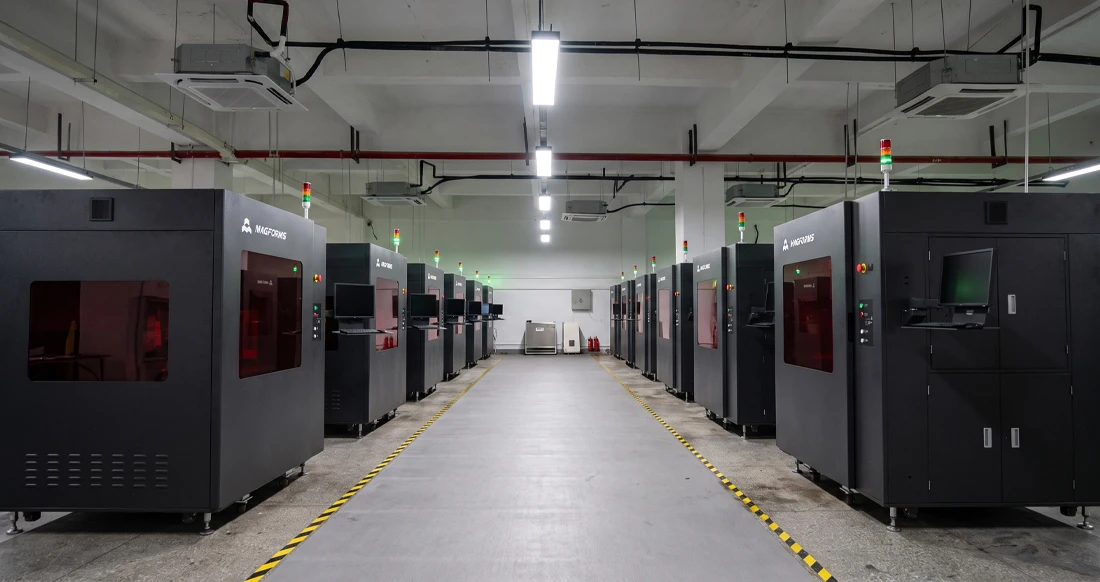
Magforms makes design and manufacture easier.
Popular Blogs
-
 Industry InsightsManufacturing Industry
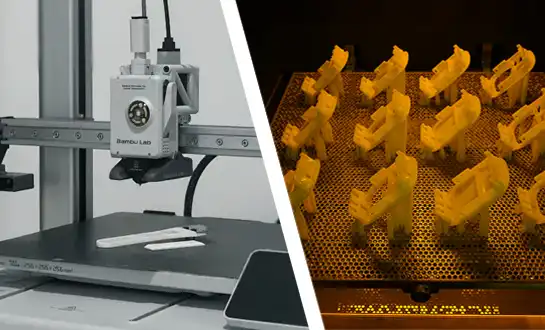
FDM vs. SLA Printer: Which Technology Is Right for Your Project?
-
 Industry InsightsManufacturing Industry
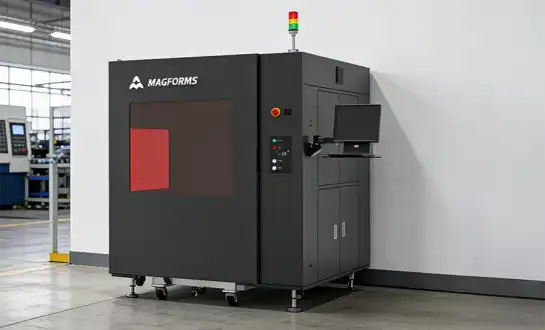
Top 5 Applications of Industrial 3D Printers in Manufacturing Today
-
 Industry InsightsManufacturing Industry
Why Stereolithography 3D Printers Are Unmatched for Microfluidic Device Prototyping?