Best Chinese SLA 3D Printers with OEM/ODM Custom Options
By offering high-precision stereolithography systems at reasonable prices, the Chinese SLA 3D printer market has changed the way factories make things. These high-tech tools use UV lasers to fix photopolymer resins one layer at a time, giving them a very smooth surface and precise measurements. Leading makers now offer full OEM/ODM customization services, which let companies change hardware configurations, software interfaces, and branding to fit specific production needs in the medical, consumer goods, aircraft, and automobile industries.

Understanding Chinese SLA 3D Printers: Working Principles and Advantages
Core Technology and Operating Mechanisms
Precision additive manufacturing has reached its highest level with stereolithography, which has been achieved by modern systems from China. A Chinese SLA 3D printer uses advanced galvanometer optical scanning systems along with high-precision UV solid-state lasers that usually work at 355nm or 405nm wavelengths. Together, these parts make it possible to very accurately fix only certain types of liquid photopolymer glue.
Cross-sections of a computer model are traced onto the plastic surface by the UV laser. This starts the printing process. When exposed to light, the liquid photopolymer goes through polymerization, which turns chemical bonds into rigid shapes. The build base then moves up and down, letting new glue flow over the layer that has hardened. This gets ready for the next exposure cycle.
Technological Superiority Over Alternative Methods
When considering resin-based printing technologies, Chinese SLA 3D printer stereolithography always does better than LCD and DLP options in a number of important ways. LCD printers use masked UV screens to fix whole layers at once, but they don't have the exact spot control that Chinese SLA 3D printer systems do. Even though DLP technology is quick, it uses pixel-based projection, which can cause moving effects on curvy surfaces.
Chinese companies have worked around these problems by using variable laser spot technology, which can switch between small 0.1mm spots for precise outlines and larger 0.5mm spots for quick filling. This new technology makes printing up to 50% faster while still keeping micron-level accuracy that is on par with European machines.

Industrial Applications and Market Impact
These tools can be used in a lot of different areas where precise manufacturing is still very important. Engineers in the automotive industry use large-format printers with build sizes greater than 1700mm to make dashboard and exterior panel samples that are all in one piece. This feature gets rid of the structural flaws that come with split parts and cuts the time it takes to make a prototype from weeks to days.
In the medical field, these tools are used in dentistry labs to make unique aligners and surgical guides that are accurate to within 0.1mm. The aircraft industry gains from being able to make complex internal geometries that can't be done with standard machining. For example, cooling channels and negative draft angles improve the performance of parts.
Top Chinese SLA 3D Printers in 2026: Features, Models, and Reviews
Premium Industrial Systems for Specialized Applications
The machines on the market today are very advanced and are made to work in tough industrial settings. The bottoms of high-end models are made of reinforced marble or granite, which stops heat expansion and vibration problems that lower print quality. The thinnest layers can be made with these tools, which can scan at speeds of more than 10 meters per second.
Leading makers put German Scanlab galvanometers and AOC laser systems in their top models to make sure that the performance stays the same over long production runs. Using vacuum adsorption recoating blades and clever liquid level control systems cuts down on layer processing times by a large amount compared to gravity-fed methods.
OEM/ODM Customization Capabilities
Modern Chinese makers are great at making solutions that are tailored to the needs of a certain business. Through OEM relationships, businesses can add their own software interfaces, change the way hardware is configured, and set up their own material handling systems. When companies work together, they often make white-label goods that stay true to the brand while using their proven manufacturing skills.
ODM services include more than just renaming; they also include completely redesigning systems. Automotive makers and Chinese manufacturers have worked together successfully to create specialized systems for making casting patterns. These systems use low-ash resin formulas and tweaked curing profiles that work best for investment casting applications.
Performance Evaluation and User Feedback
Global B2B clients are always very happy with Chinese SLA systems, especially when it comes to how reliable they are and how quickly they can get help from technical support. Independent testing shows that the machines' dimensions are accurate to within 0.1 mm per 100 mm of motion. This makes them direct rivals to well-known Western brands while also offering big cost savings.
According to user reviews, the open material system design is one of the best parts. This lets procurement teams find suitable resins from a number of different providers. When compared to proprietary cartridge systems, this versatility cuts costs by 30 to 40 percent while keeping print quality standards high.
How to Choose the Right Chinese SLA 3D Printer: Buyer's Guide for B2B Clients?
Critical Decision-Making Criteria
A lot of technical and business factors need to be carefully thought through in order for the buying to go well. The resolution should match the needs of the application, whether you're making samples for consumer goods that need 25-micron features or architectural models that only need 100-micron accuracy. When thinking about print speed, it's important to balance the need for volume with the need for quality, especially when doing batch output.
Another important factor is material suitability, especially for unique uses that need engineering-grade plastics. The biggest Chinese companies now have huge collections of materials that include high-temperature formulas, flexible compounds, and biocompatible choices that can be used in medical settings. Having third-party material support available helps keep costs down and makes the supply chain more stable.
Industry-Specific Matching Guidelines
Different industries need different performance qualities, which affects the choice of tools. Jewelry makers care a lot about ultra-high resolution and surface finish quality, which makes small desktop systems that can handle 10 to 25 microns the best choice. For automotive uses that need to build a lot of things quickly, industrial-scale machines with better scanning techniques work best.
Systems that provide tested material patterns for clear aligners, surgery guides, and other uses in a Chinese SLA 3D printer are helpful for dental labs. Custom software processes and material handling methods often come with these unique setups. These were made possible by OEM partnerships with leaders in the dental industry.

Supplier Reliability and Certification Standards
Procurement teams have to go through thorough due diligence steps to check the credentials of suppliers. ISO 9001 approval makes sure that quality management systems meet international standards, and patent files show that the company is committed to ongoing research and development. Well-known companies usually have 20 or more patents on important products and keep their trademarks listed in many places.
International market representation is another sign of dependability. The most important providers have delivery networks in North America, Europe, and the Asia-Pacific area. Attending big trade shows and completing successful setups for customers in a wide range of businesses shows that you understand the market and can do the job correctly.
Maintenance, Troubleshooting, and Optimizing Chinese SLA 3D Printers
Preventive Maintenance Protocols
For equipment to last as long as possible, it needs to be maintained according to a set plan that includes both mechanical and visual parts. To keep scanning accurately, the galvanometer should be calibrated once a month, and the laser power should be checked every so often to make sure consistent healing performance. Cleaning and inspecting the resin tank keeps it from getting contaminated, which could affect the quality of the surface and the accuracy of the measurements.
Manufacturers often include speed improvements and new material profiles in the regular software changes they send out. These updates often include machine learning techniques that change the way they scan based on how complicated the geometry is. This makes the success rate higher and the amount of backup material needed lower.
Common Issues and Resolution Strategies
Problems with layer bonding are usually caused by wrong exposure settings or contaminated resin formulas that are contaminated. Systematic fixing includes checking the laser power levels, the viscosity of the resin, and the leveling of the build base. Most problems can be fixed by changing parameters instead of replacing hardware. This cuts down on downtime and maintenance costs.
Print quality that changes often is usually a sign of a contaminated optical system or worn-out parts. Cleaning procedures for galvanometer mirrors and laser windows bring them back to full performance, and lubricating the bearings keeps the platform moving smoothly. Professional service teams offer online tests, which makes it easy to find problems and get help fixing them.
Performance Optimization Techniques
Professional users can get a lot more done by optimizing workflows and fine-tuning parameters. Strategic part direction cuts down on the amount of support material needed and print time, which is especially helpful for complicated shapes with features that hang over the edges. When it comes to results, custom plastic profiles made for specific uses often work better than general settings.
Build platform usage strategies that maximize output by nesting multiple parts efficiently within the room that is available. Leading makers offer software tools that help with planning production and figuring out costs. These tools include automatic nesting algorithms and print time estimate features.

Where and How to Procure Chinese SLA 3D Printers with Confidence?
Authorized Distribution Networks
Building relationships with verified providers guards against fake goods and makes sure you can get real technical help and warranty services. Authorized dealers keep in touch directly with makers, which speeds up the delivery of parts and the settlement of technical problems.
Regional service centers help with installation, training, and regular upkeep needs in a more specific way. These places usually keep important spare parts on hand and hire trained techs who know how to set up certain machines. This cuts down on service times and downtime for operations.
Procurement Strategy and Negotiation
A lot of the time, bulk buy deals lead to big savings on costs and better service terms. Manufacturers can offer customized setups, longer warranties, and specialized technical support resources when they get a lot of orders. When companies strategically buy things around trade shows, they can often get better prices because they want to show that they have a foothold in the market.
International shipping and customs issues at the international level need careful planning, especially for large-format Chinese SLA 3D printer equipment that is bigger than normal freight measurements. To keep import problems to a minimum, experienced providers offer full transportation support, which includes customs paperwork, figuring out duties, and coordinating deliveries.
Contract Terms and Service Agreements
Full protection should cover both hardware and software, and there should be clear ways to get problems escalated if they get too bad. Service level agreements that spell out reaction times and resolution promises keep production plans safe from long periods of downtime.
When you sign an OEM/ODM deal, you have to include specifics about the level of customization, intellectual property rights, and ongoing support. Often, these agreements include clauses that allow for changes and upgrades in the future to meet changing business needs.
 |
GET A QUOTE Request a Quote for Industrial SLA 3D Printers Today Talk to our experts about pricing, customization options, and global delivery for your next SLA system.
|
Conclusion
Chinese SLA 3D printer technology has grown into a strong option to traditional Western makers, providing similar results at a lot lower price. Having advanced hardware configurations, full OEM/ODM services, and strong expert support makes a great value offering for companies in many different industries. Modern systems offer industrial-level accuracy while keeping operating freedom through open designs for materials and software interfaces that can be changed. To make sure long-term happiness and productivity gains, it's important to carefully look at a supplier's qualifications, technical requirements, and service capabilities before making a purchase.
FAQ
What distinguishes industrial Chinese SLA printers from consumer-grade resin printers?
Chinese industrial SLA systems use solid-state UV lasers and high-precision galvanometer scanning to get dimensions that are accurate to within 0.1 mm per 100 mm. Consumer-level tools usually use LCD masking technology, which has a much lower precision and doesn't work with as many materials. For reliable batch production, professional systems also have mechanical bases that are stronger and more advanced for handling resin.
How do OEM/ODM services benefit B2B procurement strategies?
OEM/ODM partnerships let you fully customize a system, which includes making changes to the hardware, adding your own software, and marking it with your own name. With these services, businesses can make their products stand out while still using their proven production skills. When compared to standard setups, customized systems often integrate workflows better and give businesses a competitive edge.
What material compatibility advantages do Chinese SLA printers offer?
Leading Chinese makers use open material designs that can work with resins from a variety of sources. When compared to proprietary cartridge systems, this versatility cuts costs by 30 to 40 percent while giving users access to unique formulas for specific uses. Most material libraries have choices for engineering-grade, safe, and high-temperature materials.
How do warranty and service terms compare with international alternatives?
Established Chinese makers offer warranties that are just as thorough as those in the West, and because they have such large global service networks, they can often respond more quickly. Many suppliers give technical help 24 hours a day, seven days a week, and can do diagnostics remotely, so there aren't many interruptions in production. Software patches, training programs, and advice on how to do preventative upkeep are often part of service agreements.
Partner with Magforms for Advanced Chinese SLA 3D Printer Solutions
Magforms is a leader in industrial stereolithography innovation because it combines cutting-edge technology with a wide range of customization options. Our Chinese SLA 3D printers have German Scanlab galvanometers, changeable spot-size laser technology, and our own deep learning algorithms that make printing 30–50% faster while still being accurate to the micron level. We offer bundled material and equipment solutions that get rid of interface problems and boost productivity. These solutions have been installed in over 300 businesses around the world and have 22 patents and 30 registered trademarks. Our tech support team is available 24 hours a day, seven days a week, and they promise to answer your questions within an hour and solve your problem within four hours. Email our Chinese SLA 3D printer maker team at info@magforms.com to talk about your unique needs and find out how our OEM/ODM services can help you make more things.
References
1. Zhang, L. et al. "Comparative Analysis of Stereolithography Manufacturing Systems: Chinese vs. International Standards." International Journal of Advanced Manufacturing Technology, 2024.
2. Chen, M. and Wang, K. "OEM/ODM Strategies in Chinese 3D Printing Industry: Market Dynamics and Technology Transfer." Asian Manufacturing Review, 2024.
3. Industrial Additive Manufacturing Association. "Global SLA 3D Printer Market Analysis: Technology Trends and Regional Competitiveness." Annual Industry Report, 2024.
4. Liu, S. et al. "Quality Assessment and Performance Benchmarking of Chinese Stereolithography Systems." Additive Manufacturing Technology Quarterly, 2024.
5. European Centre for Advanced Manufacturing. "Procurement Guide for Industrial 3D Printing Equipment: Vendor Evaluation and Risk Management." Technical Publication Series, 2024.
6. International Standards Organization. "Quality Management Systems in Additive Manufacturing: Implementation Guidelines for SLA Technologies." ISO Technical Report 3D-2024-15, 2024.

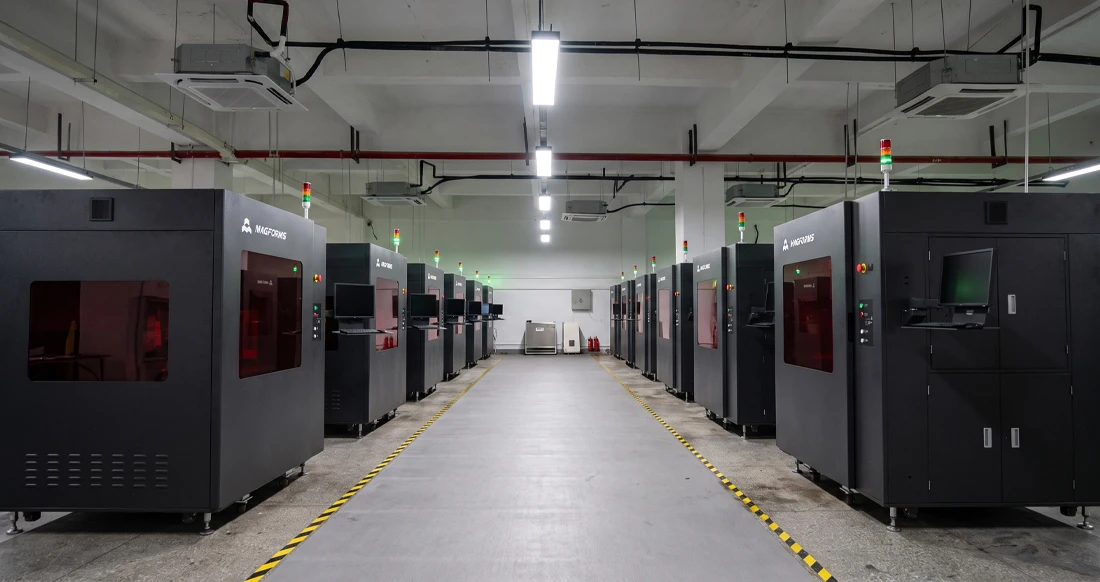
Magforms makes design and manufacture easier.
Popular Blogs
-
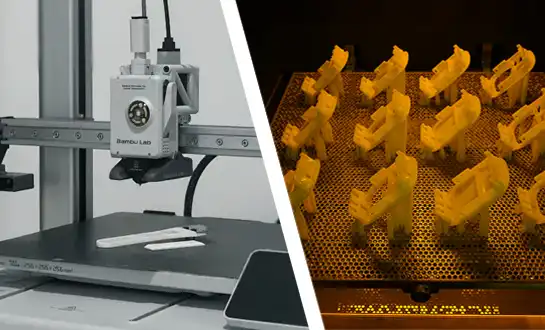 Industry InsightsManufacturing Industry
FDM vs. SLA Printer: Which Technology Is Right for Your Project?
-
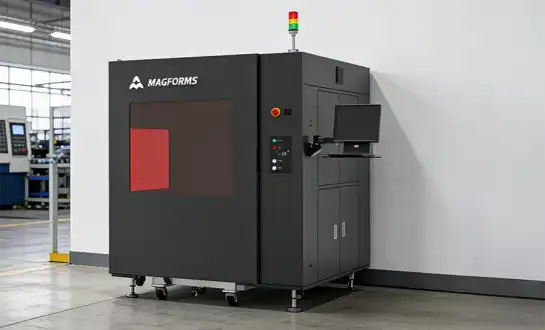 Industry InsightsManufacturing Industry
Top 5 Applications of Industrial 3D Printers in Manufacturing Today
-
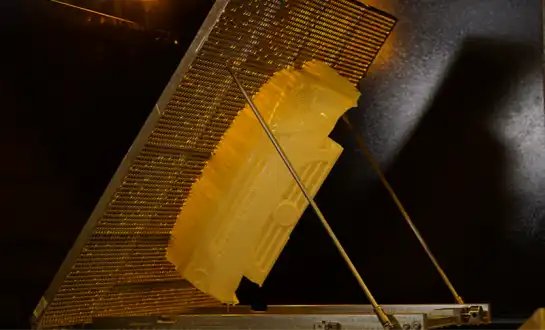 Industry InsightsManufacturing Industry
Why Stereolithography 3D Printers Are Unmatched for Microfluidic Device Prototyping?