Industrial SLA 3D Printer Buying Guide for Tech Leaders
To choose the best Industrial SLA 3D printer, you need to carefully look at its technical specs, working needs, and long-term strategy goals. This detailed buying guide talks about important choice factors like accuracy, fit of materials, build volume, and a breakdown of the total cost of ownership. For consistent, high-quality output in tough factory settings, tech leaders have to find a balance between the need for instant production and the ability to grow in the future. They also have to make sure that the reliability of their equipment meets strict industrial standards.
Understanding Industrial SLA 3D Printing Technology
Industrial stereolithography is a complex method of additive manufacturing that uses controlled UV light to turn liquid photopolymer resins into solid, precise parts. This cutting-edge technology works very differently from traditional ways of making things. It gives designers more freedom and better accuracy when working with complex shapes.
Core Working Principles and Hardware Components
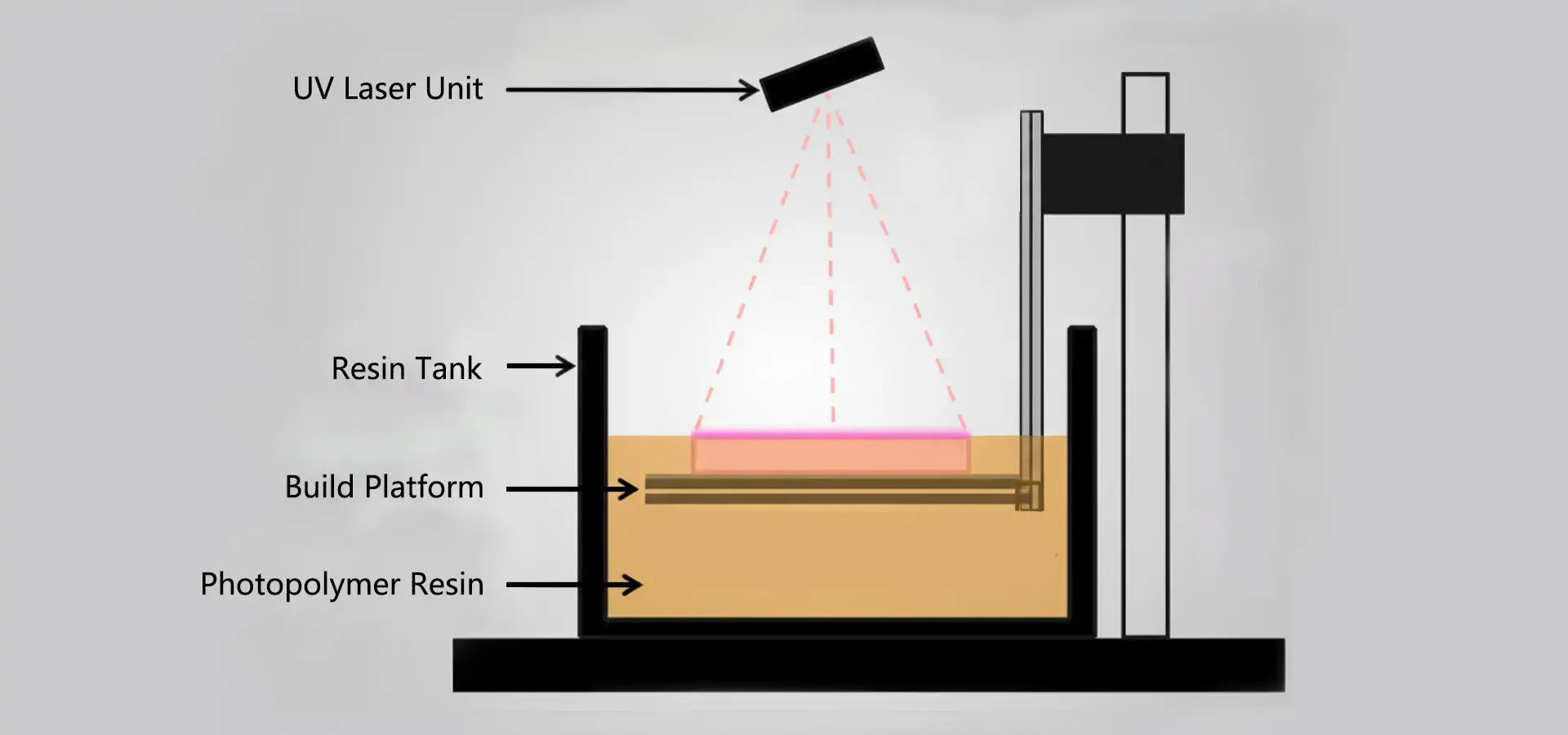
High-precision galvanometer scanning devices are used in stereolithography to move focused laser beams over areas of liquid resin. These systems, especially those with German Scanlab galvanometers and AOC lasers, have very accurate beam tracking and steady power output. The laser specifically fixes certain areas of each resin layer, which builds parts up vertically by exposing them over and over again.
The laser source, galvanometer mirrors, resin pot, build platform, and complex control systems are some of the most important hardware parts of an Industrial SLA 3D printer. Advanced Industrial SLA 3D printer models have Panasonic AC servo motors that move the base precisely and make sure that each layer is aligned within micron limits. Premium Industrial SLA 3D printer systems, like the SL600 model, have rock bases that make them very stable. This lets them print parts with an accuracy of 0.1 mm or less that are 100 mm or less.
Industrial-Grade Resin Materials and Properties
Modern commercial SLA systems can work with a wide range of photopolymer formulas that are made to meet the needs of different applications. For prototypes, standard materials give the best surface finish and most accurate measurements. Engineering-grade materials have better mechanical qualities, such as higher tensile strength, better resistance to impact, and better performance at temperatures above 100°C (heat deflection rates).
Specialty versions include clear resins for visual uses, bendable materials for gaskets and seals, and safe types that can be used to make medical devices. During UV curing, the chemical cross-linking process forms isotropic mechanical properties. This gets rid of the directional weakness that is common in layer-based production technologies. This feature makes sure that the part works the same way no matter what direction it is built in.
Resolution Factors and Safety Protocols
Print quality is affected by many things, such as the size of the laser spot, the thickness of the layers, and how fast the scanner is set to work. Systems with variable spot-size technology can use bigger spots (0.5 to 0.6 mm) for quick infill printing and switch to fine spots (0.18 to 0.2 mm) for fine surface details. This method greatly raises output without lowering the quality of the surface.
Safety rules include things like how to handle chemicals, how to set up the right ventilation systems, and what personal safety equipment is needed. Industrial settings need proper exhaust systems to get rid of photopolymer fumes and UV radiation protection to keep workers safe. Regular plans for calibration and repair make sure that the equipment works the same way every time and extends its life.
Industrial SLA 3D Printer Applications and Benefits
Stereolithography works great in many fields where accuracy, surface quality, and the qualities of the material are very important. The tech helps connect digital design with actual production, allowing for quick iteration processes and cheap small-batch production.
Aerospace and Automotive Applications
Industrial SLA systems are used by aerospace makers to make complex prototypes, tooling tools, and working parts that need to be very accurate. The technology makes it possible to make honeycomb structures, internal cooling channels, and lightweight frames that would not be possible with standard subtractive methods. The parts are very stable in terms of their size and have smooth surfaces that make them ideal for testing in a wind tunnel and figuring out how they work.
Automotive uses include sample dashboards that need to look good on the outside and useful parts like intake manifolds and special tools. Being able to make surfaces that are good enough for injection molding gets rid of the need for extra finishing steps and speeds up the design testing process. Large-format printing makes it possible to make full-size car panels in a single build, which greatly shortens the time it takes to develop new products.
Medical Device and Dental Manufacturing
The accuracy and biocompatible material choices of SLA technology are very helpful for making medical devices. To make sure that implants are placed correctly, surgical guides need to be very accurate, and handmade prosthetics need to have smooth surfaces and shapes that are unique to each patient. Rapid development of medical devices is possible with this technology. This lets makers test the shape, size, and function of the device before investing in expensive tooling.
Dental applications are one of the most common ones for industry SLA tools. Making clear aligners requires exact copies of the tooth arch, while making crowns and bridges requires perfect surface quality and accuracy in measurements. Because the technology can make many parts at once, it's perfect for dental labs that need to get a lot of work done quickly and consistently.
Comparative Analysis with Alternative Technologies
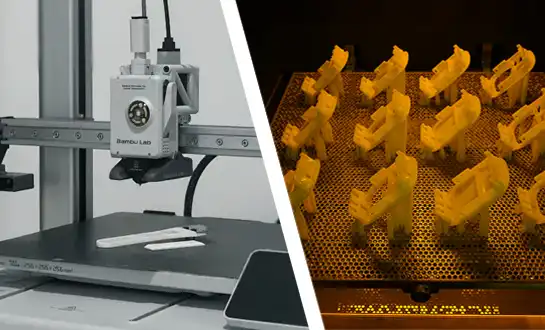
When compared to FDM printing, SLA technology provides better material qualities, surface finish quality, and consistency in measurements. FDM systems are great for prototyping that needs big parts with simple shapes, but SLA technology gives you the accuracy you need for practical testing and end-use apps. Because SLA parts are isotropic, they don't have the layer binding problems that happen with filament-based systems.
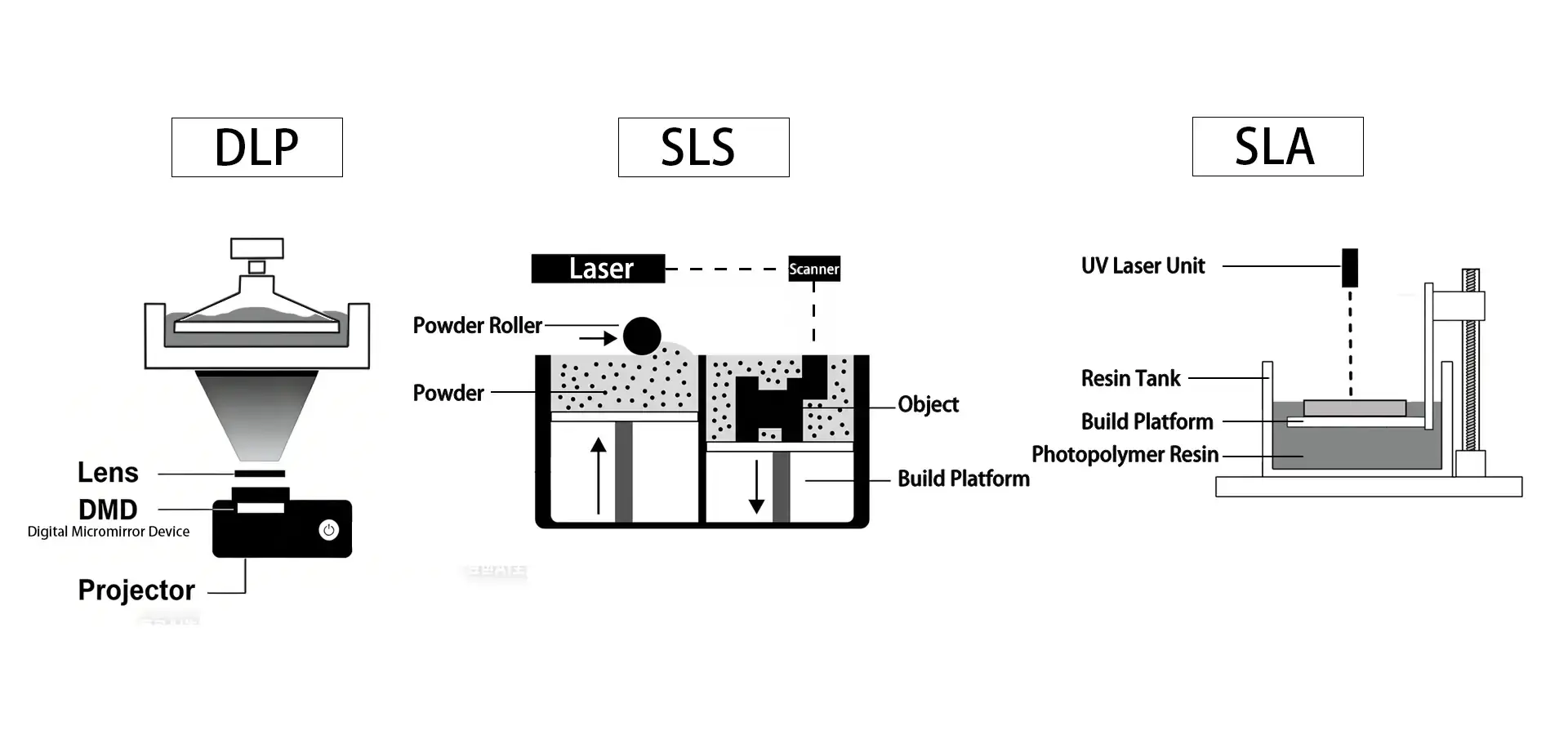
Digital Light Processing (DLP) technology is like SLA in some ways, but it uses different light sources and ways to cast images. Most of the time, SLA systems can build bigger things and spread light more evenly, while DLP systems may be able to print smaller things faster. Selective Laser Sintering (SLS) lets you choose from different types of materials, but it usually needs more work after the fact and can't match SLA's surface quality for uses that need smooth ends.
How to Choose the Best Industrial SLA 3D Printer in 2026?
To choose the right industrial SLA tools, you need to carefully look at the operational needs, technical specs, and long-term strategy goals. When making a choice, you have to weigh current needs against the ability to grow in the future while also making sure you get a good return on your investment.
Assessing Operational Requirements and Building Specifications
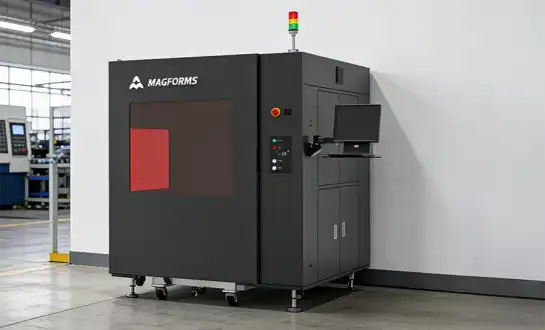
Analysis of production amount is the basis for choosing tools. Large-format systems that can print many parts at once are useful for businesses that do a lot of work. The size of the build platform has a direct effect on throughput. For industrial settings, systems with 600mm x 600mm or larger platforms are very productive.
The level of accuracy needed for each application is very different. For example, applications that use precision tools might need measurement accuracy of º25 microns, while applications that use prototypes might be fine with þ100 microns. Layer thicknesses that can be set anywhere from 25 to 100 microns let you find the best balance between print speed and surface quality for each part.
Another important factor for an Industrial SLA 3D printer is material suitability. Open-architecture Industrial SLA 3D printer systems let you get materials from outside sources, which gives you more buying options and lower costs. While proprietary material systems may improve performance, they also limit the suppliers you can work with and raise your long-term running costs. Being able to work with engineering-grade resins in an Industrial SLA 3D printer greatly increases the range of uses that can be done.
Critical Evaluation Criteria for Equipment Selection
Quality of construction and dependability have a direct effect on how well things are made and how much they cost to own. Systems that use high-quality parts, like German galvanometers and accurate stepper motors, are more reliable over time. Continuous operation is necessary in work settings that need to run 24 hours a day, seven days a week.
During the review process, there should be a focus on a few important technical factors that have a direct effect on business success and long-term value realization:
- Both print quality and upkeep needs are affected by laser performance specs, such as power output uniformity, beam quality, and expected service life.
- Software features like slicing algorithms, support generation automation, and print tracking features have a big impact on how well operators do their jobs and how many parts they successfully make.
- The design of the build platform, which includes features like heating, automatic leveling, and release devices, affects both the quality of the parts and the ease of use for the user.
- The costs of construction and running a business are affected by things like humidity levels, temperature control, and the need for air flow.
These rating factors work together to show how well the system works and how efficiently it runs. Deep learning techniques are used in more advanced systems to find the best scanning lines. This could increase print speeds by 20% while keeping the accuracy of the dimensions. When you put together better tools and smart software, you get big competitive benefits in production settings.
Cost Analysis and Investment Considerations
The original purchase price is only one part of the total cost of ownership. Other costs include supplies, repairs, training, and running the business. Leasing may help your cash flow and give you access to the newest technology through programs that let you update. Larger setups can often save a lot of money with volume rates and service contracts that last for more than one year.
Starting up prices and ongoing output are both affected by training and support services. Comprehensive training programs shorten the time it takes to learn new things, and professional technical help keeps downtime to a minimum when problems arise in the workplace. Support that can be reached quickly is very important in work settings where machine breakdowns directly affect delivery dates.
Maintenance and Operational Tips for Industrial SLA 3D Printers
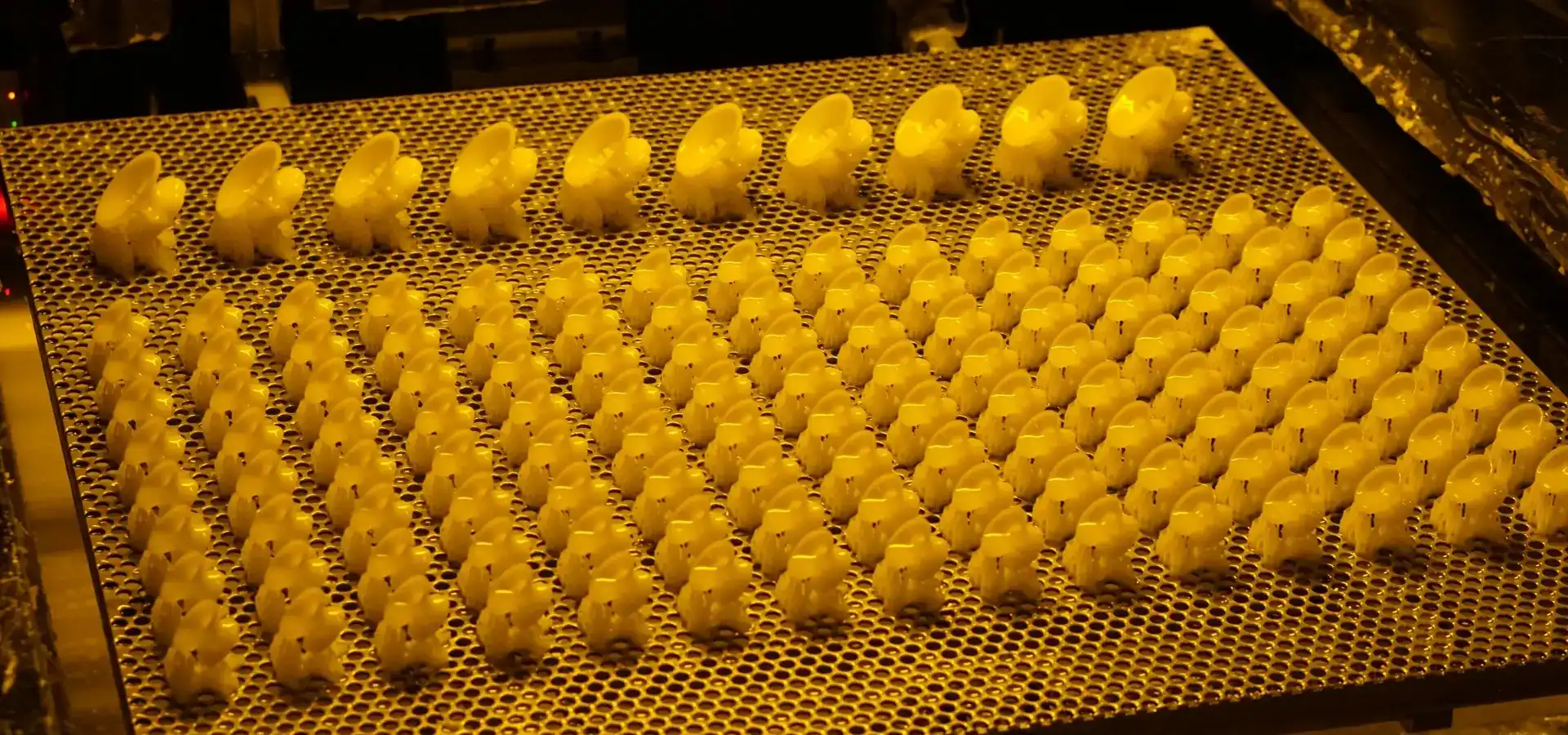
Consistent care practices keep tools running at their best, printing at their best, and lasting longer. In tough industrial settings, following the right operating processes will cut down on wasteful spending and boost output.
Routine Maintenance and Cleaning Protocols
As part of daily upkeep, the resin level is checked, the build base is cleaned, and optical components are checked. Resin pollution is a main reason why prints don't work, so it's important to filter and store resin properly. UV-blocking containers keep glue from forming too quickly, and temperature-controlled storage keeps the viscosity at the right level.
Maintenance that is done once a week includes more thorough cleaning tasks like checking the resin vat, making sure the laser is calibrated correctly, and checking the galvanometer system. To keep the quality of the beam and stop power loss, optical surfaces need to be cleaned with special tools and methods. Keeping good records of maintenance tasks lets you look for patterns and plan ahead for future maintenance needs.
As part of the monthly routine, complete calibration checks, cleaning of mechanical parts, and repair of wearable parts are all done. Build platform parallelism changes how well layers stick together and how accurate the measurements are, so they need to be checked and adjusted on a regular basis. Monitoring the environment makes sure that the temperature and humidity stay the same, which affects both the quality of the print and how well the material works.
Performance Optimization and Troubleshooting
Print parameter optimization is the process of finding the best balance between speed, quality, and dependability based on the needs of each part. Choosing the right layer width affects both the surface finish and the print time. Thinner layers give you more detail, but they take longer to build. Optimizing the exposure time makes sure that the hardening process is complete and stops over-polymerization, which can lead to errors in the dimensions.
The shape of the support structure has a big effect on both the success of the print job and the post-processing needs. Support creation methods that are automated, cut down on design time, while still making sure that parts have enough support during printing. Strategic placement of supports keeps surface marks to a minimum while still giving the structure the sturdiness it needs during the building process.
Controlling the environment makes sure that the printing conditions stay the same, which is important for getting accurate measurements and a smooth surface. Temperature changes can affect the viscosity and hardening properties of glue, and changes in humidity can affect the qualities of materials. Dedicated temperature control systems make sure that the best working conditions are always reached, even when the outside environment changes.
Future Trends and Strategic Perspectives in Industrial SLA 3D Printing
New materials, better processes, and the ability to connect to smart production systems are all changing the industrial SLA environment all the time. By understanding these trends, you can make smart plans and create a technology roadmap that will give you a competitive edge.
Material Innovation and Process Advancement
Next-generation photopolymer materials for an Industrial SLA 3D printer have better chemical protection, better mechanical qualities, and a wider range of temperatures. Carbon fiber-filled plastics for an Industrial SLA 3D printer have great strength-to-weight ratios that make them useful for aircraft applications. Ceramic-filled formulations for an Industrial SLA 3D printer allow for high-temperature uses above 200°C, with constant working temperatures.
Variable spot-size laser technology is a big step forward in making print speeds faster. Systems that can change the beam width on the fly while printing can increase speed by 30 to 50 percent while keeping the quality of the surface. This new idea fixes the problem that has kept SLA from being widely used in production settings: the trade-off between print speed and accuracy.
Robotic systems for part removal, washing, and sealing make automated post-processing integration more efficient. Standardized handling methods make sure that part quality stays the same while reducing the need for workers. Integration with factory execution tools lets you keep an eye on production and quality in real time.
Industry 4.0 Integration and Smart Manufacturing
Connected production lets you keep an eye on things from afar, do scheduled maintenance, and check the quality of your work automatically. Integration of the Internet of Things (IoT) gives real-time performance data, and machine learning techniques use past success rates to find the best print settings. These features make it easier for the tools to work without the person having to do as much.
Digital twin technology makes virtual copies of real printing systems. This lets simulations be used to improve performance and plan for future maintenance. This method cuts down on the amount of trial material needed while speeding up the process improvement for new shapes and materials. Advanced analytics find trends in print failures so that problems can be fixed before they happen.
Digitizing the supply chain with blockchain technology makes it possible to track materials and make sure they are real. This skill is becoming more important for businesses that are controlled and need to keep detailed records of where materials come from and how they were processed. Automated inventory management systems make buying and storing materials more efficient and reduce waste by keeping a better track of how long things last.
Conclusion
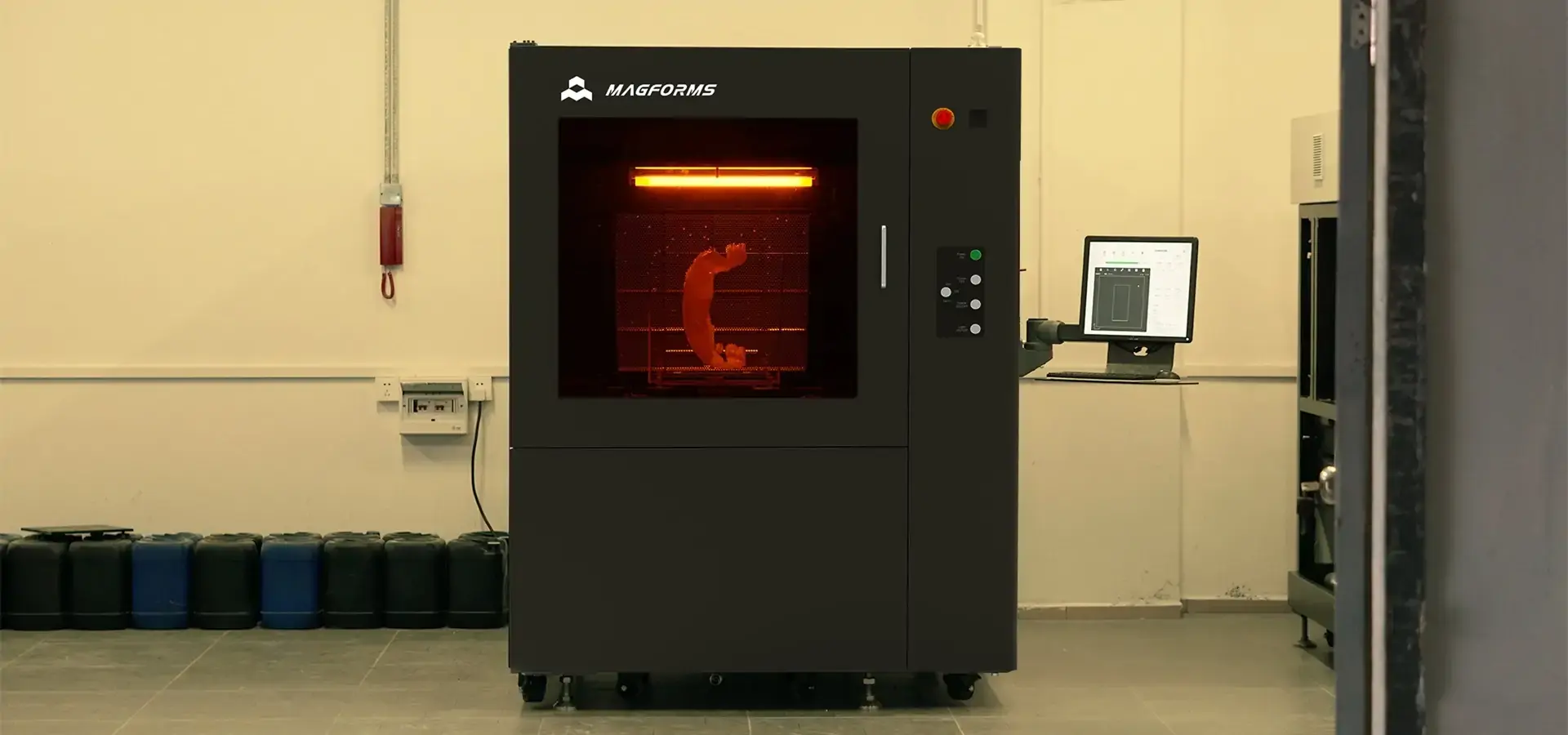
The technical specs, operational needs, and strategy goals must all be carefully considered when choosing an Industrial SLA 3D printer. The Industrial SLA 3D printer technology gives great accuracy, surface quality, and material flexibility for a wide range of industrial tasks. To be successful, you need to make sure that the Industrial SLA 3D printer you use fits your production needs and that you have the right support system in place. Modern Industrial SLA 3D printer systems with advanced laser technology, smart software, and the ability to work with a wide range of materials offer the best performance and freedom. Buying a good Industrial SLA 3D printer with full support services pays off in the long run because it works well and produces quality work every time.
FAQ
What are the most important factors when selecting an industrial SLA 3D printer?
Some of the most important factors are the need for a certain build volume, exact measurements, materials that work well together, and a study of the total cost of ownership. Whether or not large-format batch printing is needed depends on how much is being produced. For precision tooling, accuracy needs to be 25 microns, while for prototyping, they need to be Ѝ100 microns.
What are typical operating costs beyond the initial equipment purchase?
The costs of running a business include things like resin, filters that need to be replaced, UV drying and air systems, and regular maintenance. Material costs change a lot depending on the type of plastic used and the shape of the part. Annual service contracts usually cover all support needs and cost 10-15% of the equipment's buying price.
How do I determine the appropriate build volume for my applications?
The choice of build volume relies on the largest part size and the number of parts that need to be printed at once. For support systems, single large parts need bases that are 20–30% bigger than the parts themselves. Larger platforms are better for batch printing because they let more parts be made at the same time, which greatly increases processing efficiency.
Partner with Magforms for Advanced Industrial SLA Solutions
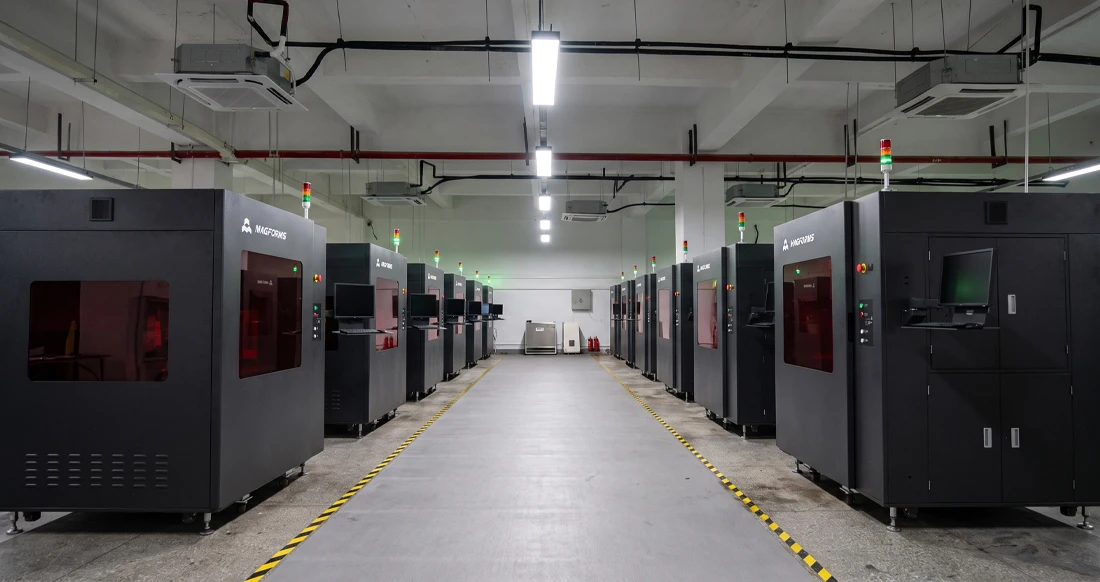
Magforms makes cutting-edge industrial SLA 3D printers by mixing German precision parts with new laser systems that can change the size of the spot for better performance. Our open-architecture design lets you choose from a variety of materials, and the built-in efficiency makes printing 30–50% faster than with other systems. Magforms has a track record of success working with over 300 businesses around the world and has 22 patents covering its technological innovations. It provides a wide range of options, from desktop computers to large-format industrial platforms. Our expert team offers full technical support, including training, maintenance, and process optimization, whether you need fast development or large-scale production systems. Get in touch with our industrial SLA 3D printer supply team at info@magforms.com to talk about your unique needs and find out how our advanced stereolithography solutions can help you reach your manufacturing and product development goals faster.
References
1. Gibson, Ian, David Rosen, and Brent Stucker. "Additive Manufacturing Technologies: 3D Printing, Rapid Prototyping, and Direct Digital Manufacturing." New York: Springer, 2021.
2. Thompson, Mary K., Giovanni Moroni, Tom Vaneker, Georges Fadel, R. Ian Campbell, Ian Gibson, Alain Bernard, et al. "Design for Additive Manufacturing: Trends, opportunities, considerations, and constraints." CIRP Annals 65, no. 2 (2016): 737-760.
3. Ngo, Tuan D., Alireza Kashani, Gabriele Imbalzano, Kate TQ Nguyen, and David Hui. "Additive manufacturing (3D printing): A review of materials, methods, applications and challenges." Composites Part B: Engineering 143 (2018): 172-196.
4. Ligon, S. Christian, Robert Liska, Jrgen Stampfl, Matthias Gurr, and Rolf Mlhaupt. "Polymers for 3D printing and customized additive manufacturing." Chemical Reviews 117, no. 15 (2017): 10212-10290.
5. Stansbury, Jeffrey w., and Mike J. Idacavage. "3D printing with polymers: Challenges among expanding options and opportunities." Dental Materials 32, no. 1 (2016): 54-64.
6. MacDonald, Eric, and Ryan Wicker. "Multiprocess 3D printing for increasing component functionality." Science 353, no. 6307 (2016): aaf2093.

Magforms makes design and manufacture easier.
Popular Blogs
-
 Industry InsightsManufacturing Industry
FDM vs. SLA Printer: Which Technology Is Right for Your Project?
-
 Industry InsightsManufacturing Industry
Top 5 Applications of Industrial 3D Printers in Manufacturing Today
-
 Industry InsightsManufacturing Industry
Why Stereolithography 3D Printers Are Unmatched for Microfluidic Device Prototyping?