Best Resin Printer Features That Buyers Really Want
People who are looking for advanced manufacturing solutions always put certain features in a resin printer at the top of their list. These features have a direct effect on the quality of the production and how efficiently the business runs. Photopolymerization technologies are used by these high-precision additive manufacturing machines to make surfaces and shapes that are very accurate and smooth, which is hard to do with traditional manufacturing methods. Modern buyers care a lot about visual accuracy, mechanical stability, material compatibility, and combined workflow solutions that can change the way they make things while still being cost-effective in a wide range of industrial settings.
Understanding Key Resin Printer Features for Optimal Performance
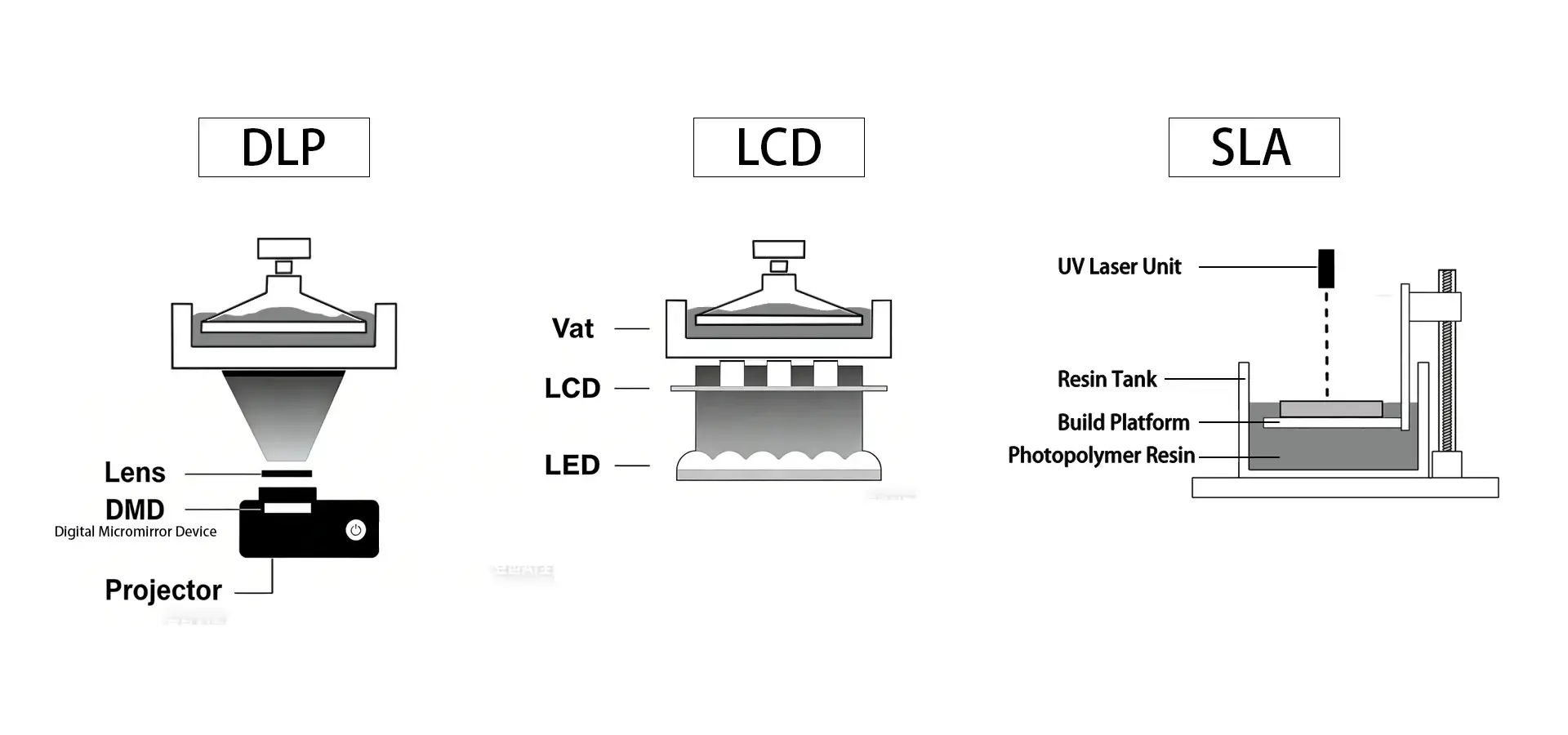
To choose the best photopolymer printing system, you need to know a lot about the core technologies and how they affect performance. There are three main methods in the field of resin-based additive manufacturing. Each has its own benefits for different uses.
SLA, DLP, and LCD systems are the main technologies that represent the distinct technical architectures utilized in professional-grade systems. Stereolithography (SLA) is the best way to make things very precisely in industry, using point-by-point laser fixing to get very high detail resolution. Projector-based healing is used in digital light processing (DLP) to speed up layer processing, which makes it perfect for batch production. Masked Stereolithography (mSLA/LCD) is a good option for buyers who want to save money and get reliable results because it is both cheap and accurate.
Professional-grade Resin printer systems are set apart by certain factors in their technical design. More than 95% of the light on the build plates of high-end units is the same, which makes sure that polymerization is the same from the center to the edges. The XY resolution is usually between 20 and 50 microns, and the Z-axis can go as low as 10 microns for very fine uses. However, 50-micron layers are the best compromise between speed and quality.
Micron-level accuracy is needed for working samples and parts that will be used in industry. Tolerances of less than 0.1 mm are needed for automotive parts to fit properly, while sub-50 micron accuracy is needed for patient pleasure in dental uses. These specs have a direct relationship with the quality of the vision engine and the stiffness of the structure.
Build space is more than just the number of dimensions it can hold. With large-format capabilities, multiple parts can be made in batches at the same time, which greatly increases the output of service offices and production facilities. For fast development, desktop systems work well, while industrial-grade machines are better for large-scale production.
Overall output is affected by layer drying times and the design of the machine in a big way. Modern systems use technology with changeable spot sizes, using big laser spots for filling in inside details and small spots for making precise shapes. This new idea improves speed by 30 to 50 percent compared to old ways of doing things. It solves the problem of how to balance speed and accuracy.
Essential Considerations When Choosing a Resin Printer?
To successfully apply photopolymer printing, operational needs and technical specifications must be carefully reviewed. Buyers need to make sure that the tools they buy can meet their unique output goals and also meet their long-term needs for expansion.
When accuracy is very important, resin-based methods are much better than filament (FDM) options. Photopolymer technology is great for making jewelry, dental tools, and microfluidics because it doesn't have any obvious layer lines and is very accurate in terms of size. But for high-volume output, prices of materials and the need for post-processing are important things to think about.
When accuracy and surface quality are very important, SLA methods work great. This is especially true for investment casting and medical device development. DLP technology works well for batch production, where many parts need to be processed at the same time. It is possible for educational schools and small studios that care more about cost than efficiency to use LCD-based systems.
With an open-source design mindset, users can choose photopolymer resins from more than one seller, which goes against the usual restrictions on proprietary materials. This adaptability lets you strategically control costs and get the best materials for each job. Engineering resins, safe formulas, high-temperature versions, and flexible materials make it easier to use these materials in a wider range of businesses.
Compatibility includes more than just basic material support. It also includes the best settings and processing standards. Professional systems come with settings that are already set up for different kinds of plastic. This saves time and makes sure that the results are the same for all types of materials.
Total ownership costs are greatly affected by how easy something is to use because it requires less training and has less downtime. Features that make cleaning, drying, and replacing consumables easier improve the user experience while keeping production plans on track. Automated systems cut down on the work that needs to be done by hand, which improves accuracy and lowers the skill level needed by operators.
Thermal control systems keep important parts like masking LCDs from breaking down too quickly. Heated build rooms keep the resin's stickiness at the best level for difficult materials. This increases the number of materials that can be processed and makes sure that the machine works reliably in a range of environmental conditions.
Comparative Analysis of Leading Resin Printer Models
A study of the market shows that different makers have very different levels of performance, which has an impact on buying choices and long-term costs. When you know about these differences, you can make an educated choice based on your needs and finances.
Leading makers set themselves apart by using different technologies and making sure their parts are of higher quality. German galvanometers, precision lasers, and servo motor sets are used in high-end systems to make them more accurate and reliable. With these inputs, performance stays the same, maintenance needs go down, and working lifecycles get longer.
Assessing the quality of a Resin printer using customer feedback and reviews from the industry gives useful information about how it works in the real world. Systems with low failure rates and steady measurement accuracy are worth the extra money they cost at first because they save money on materials and make more things. Professional users regularly say that better hardware parts cut down on the time needed to fix problems and the time it takes to make things.
The initial cost of the tools is only one part of the total cost of ownership. Long-term economics are affected by consumable costs like resins, new parts, and upkeep materials. Systems that support a variety of material providers give businesses strategic benefits by letting them find materials more cheaply and without as much risk of dependence.
When compared to buying each part separately, bundled options that include tools, materials, and training programs are often a better deal. Complete packages make sure that everything works well together and give you one place to go for help with technology problems and operational advice.
The operational risk is directly affected by the manufacturer's name for customer service, supply of spare parts, and technical know-how. Companies that have established delivery networks and can provide local service reduce the risk of downtime and make sure that problems are fixed quickly. Capital equipment investments are further protected by warranty terms and reaction promises.
International companies that have exported before can show that their operations are stable and their standard is consistent across a wide range of markets. Companies that have been around for a while usually keep up-to-date technical documents, training materials, and user groups that make owning their products better overall.
Soft Solutions for Procurement: How the Right Resin Printer Enhances Your Business?
Modern photopolymer systems have advanced software and automation features that make production processes more efficient and reduce the need for human intervention. These technological improvements have made a wide range of applications more efficient and less expensive.
Smart features in more advanced systems automatically find the best printing settings based on shape analysis and the qualities of the material. Deep learning methods look at part orientation, support needs, and processing factors to get the best success rates with the least amount of material used. These features lower the need for skilled operators while still ensuring uniform results.
Cloud-based slicing systems let you prepare and watch jobs from afar, which supports distributed production scenarios and lowers the need for a facility. Real-time camera systems let you see how the printing is going, so you can fix problems before they get too big and avoid throwing away materials that don't work.
Modular design methods let you increase capacity by adding more build plates, improving the optics, or adding more features to the software. This adaptability safeguards initial investments while meeting rising production needs. Hardware parts that can be upgraded make tools last longer and keep technology competitive.
Open design systems let you add third-party software and create your own workflows, so they can work with other production management systems. This ability to change is very important for businesses that have set rules for quality control and manufacturing.
Costs can be cut by a lot when materials are chosen strategically based on application needs instead of unique limits. Using high-performance resins for important tasks and cheaper materials for testing and development cuts down on total material costs while keeping quality standards high.
Batch processing lets you get the most out of your equipment by combining several jobs into a single build run. This method greatly raises productivity while lowering costs per part, which is especially helpful for service offices and production facilities that have to meet the needs of a wide range of clients.
Resin Printer User Support and Community Advantages
Comprehensive maker assistance and active user groups are important for the successful usage of photopolymer printing. These tools are always useful because they help with fixing, give advice on how to improve processes, and offer chances to keep learning.
Professional-level systems need technical support that can respond quickly and keep production running as smoothly as possible. Leading makers offer remote consultations 24 hours a day, seven days a week, and promise reaction times for urgent problems. On-site service choices make it easy to solve complicated problems quickly that can't be done with online help.
Structured training programs help workers get the most out of their tools, including the Resin printer, and avoid common mistakes that waste materials and slow down production. Regular training on process improvement and maintenance advice makes tools last longer and produce better, more consistent results.
Active user groups are great places to share tips on how to use an app better, how to fix problems, and suggestions for reading material. These networks provide useful information that goes beyond formal records and encourage new ideas by letting people work together to solve problems.
Industry-specific user groups let workers who have similar problems share specific information. Dental labs, jewelry makers, and engineering companies can all benefit from specialized groups that talk about the unique rules and requirements of their industries.
Users stay up to date on new technologies, materials, and advanced processing methods through regular webinars, academic papers, and case studies. This ongoing training makes sure that operators can use new tools and technologies while also keeping up to date on safety rules and best practices in the business.
Beta testing programs give experienced users early access to new materials and features, which lets them give useful feedback and make sure everything is fully tested before it goes live to everyone. These partnerships help both producers and customers by speeding up creation and making products more reliable.
Conclusion
Businesses that need precise manufacturing solutions for a wide range of uses can benefit greatly from the new Resin printer technology. The most important things for buyers—precise angular accuracy, mechanical stability, material flexibility, and full support—have a direct link to practical success and long-term value. Knowing these important specs lets you make smart purchasing choices that meet production goals and get the best return on your investment. As additive manufacturing keeps getting better, businesses that pick systems with a track record of performance, dependable support, and easy ways to update will stay ahead of the competition in their markets.
FAQ
What resolution specifications should buyers prioritize in professional resin printers?
For professional use, the XY precision should be between 20 and 50 microns, and the Z-axis should be able to reach 10 to 50 microns. For patient fit and casting accuracy, dental and jewelry applications need the highest resolution. Prototyping applications, on the other hand, can use normal settings. Light consistency above 95% across the build plate makes sure that the results are the same from the center to the edges.
How do maintenance requirements impact total ownership costs?
The level of difficulty in maintenance directly impacts running costs by affecting the need to replace consumables, follow cleaning routines, and get expert help. Systems that have easier upkeep steps require less training and have less downtime. German galvanometers and precision lenses are examples of high-quality parts that usually need less service but work more consistently over longer periods of time.
What material compatibility features provide the best operational flexibility?
Open-source systems that work with a variety of resin sources can help your business by letting you find cheaper materials and lowering the risk of becoming dependent on one provider. Material types that are already set up save time by avoiding the need for testing and guarantee the best results. Heated build rooms make it possible for high-performance engineering resins and special formulas made for specific uses to be mixed with other materials.
Partner with Magforms for Advanced Resin Printer Solutions
Magforms blends decades of experience in the field with cutting-edge technology to provide complete photopolymer printing services that go above and beyond what customers expect. Our unified method creates systems with matched materials and tools that get rid of interface problems and boost performance and dependability. We make sure that your investment gives you long-term value and a competitive edge through our global network of technology experts and support infrastructure that is available 24/7. Get in touch with us at info@magforms.com to find out how our advanced resin printer maker services can change the way you make things and help your business grow faster.
References
1. Chen, M., & Rodriguez, A. (2008). (2023). Industrial Additive Manufacturing: A Look at the Technology and the Market. Review of Advanced Manufacturing, 45(3), pp. 112-127.
2. Thompson, K., et al. A study of the performance differences between SLA, DLP, and LCD systems for photopolymer processing. The Journal of Manufacturing Science, 38(7), 203-218.
3. Williams, S. (2022). An analysis of the total cost of ownership for industrial 3D printing equipment. Journal of Production Management, 29(4), 89–104.
4. Davis, L., & Park, J. (2023). Resin-based additive manufacturing: Making sure materials work well together and making sure quality is high. 51(2), 156–171 in Materials Engineering Today.
5. Anderson, R. (2022). Impact of Technical Support Infrastructure on the Return on Investment (ROI) of Manufacturing Equipment. Industrial Operations Review, 34(8), 245-259.
6. Martinez, C., et al. Trends in Precision Additive Manufacturing for the Future: A Technology Roadmap and Market Predictions. Forecast for Manufacturing Technology, 16(1), 78–93.

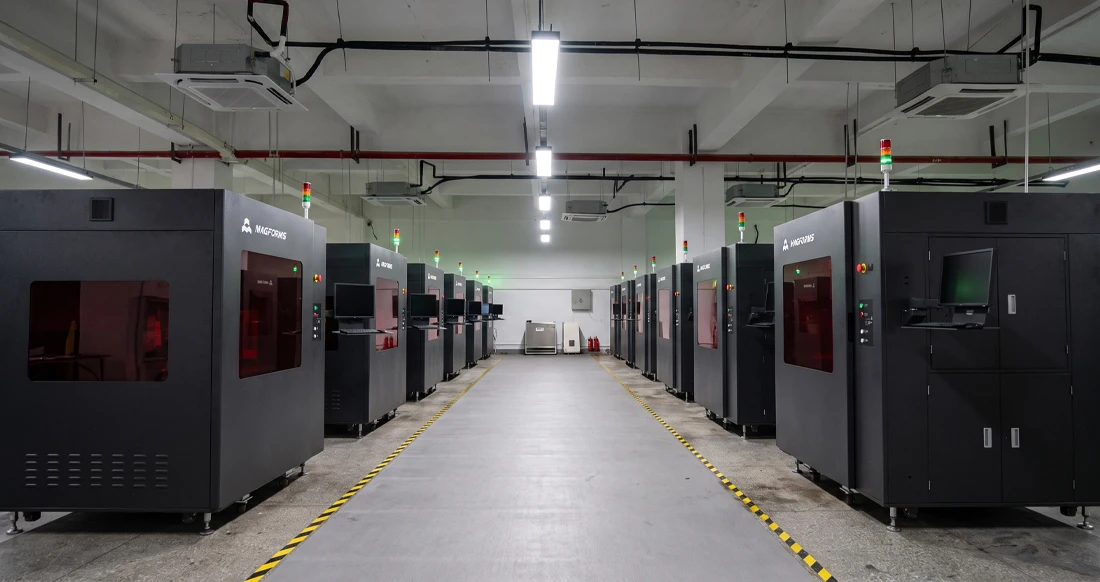
Magforms makes design and manufacture easier.
Popular Blogs
-
 Industry InsightsManufacturing Industry
FDM vs. SLA Printer: Which Technology Is Right for Your Project?
-
 Industry InsightsManufacturing Industry
Top 5 Applications of Industrial 3D Printers in Manufacturing Today
-
 Industry InsightsManufacturing Industry
Why Stereolithography 3D Printers Are Unmatched for Microfluidic Device Prototyping?