Big Format SLA 3D Printer for Large Prototypes & End-Use Parts
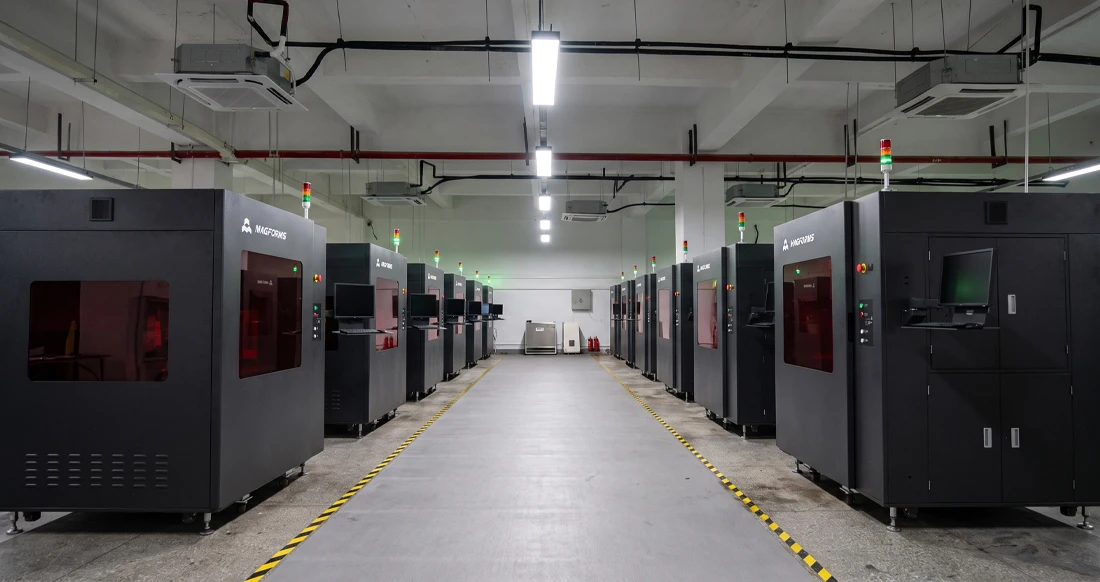
Big format SLA 3D printers are industrial-grade stereolithography systems designed to make builds that are bigger than 600mm x 600mm x 400mm. They use high-power UV lasers and accurate galvanometer scanners to cure liquid photopolymer resin layer by layer. These high-tech manufacturing systems get rid of the need to separate parts during large-scale prototyping. This lets engineers make single-piece parts like bumpers for cars, models for buildings, and housings for spacecraft in a single print run while still maintaining perfect surface quality and accuracy in dimensions.
Understanding Big Format SLA 3D Printing Technology
Large-format stereolithography builds on traditional photopolymerization by using bigger build rooms. It does this without changing the accuracy and smoothness of the technology's signature finishes. The main part of the process uses laser-based curing systems to specifically harden liquid resin based on digital plans. This makes parts with an accuracy level of about 0.1 mm.
Core SLA Principles and Laser-Based Photopolymerization
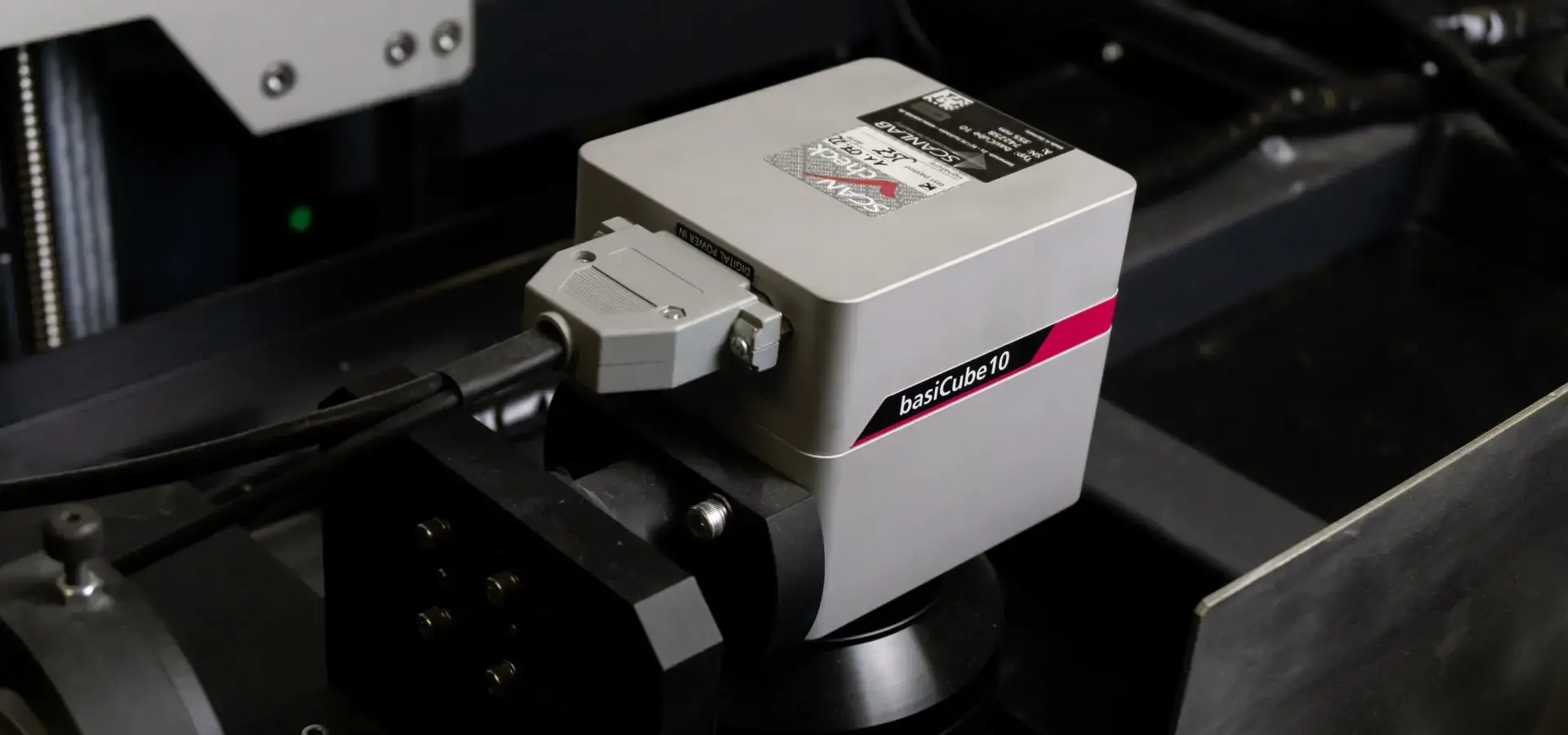
In big industrial systems, solid-state UV lasers with wavelengths of 355nm are used for the photopolymerization process. These lasers are guided across large resin vats by precise galvanometer detectors. With variable beam spot technology, these systems can switch between small 0.15mm spots for fine details and larger 0.8mm spots for fast interior filling. This makes the best use of both speed and clarity at the same time.
Modern optical systems use two or three lasers and dynamic stitching techniques to make sure that large scan fields are covered evenly and that the surface roughness stays below 1 micrometer right from the build platform. This technological method gets rid of the mechanical flaws and tolerance stack-up mistakes that come with putting together segmented samples.
Material Compatibility and Mechanical Properties
When compared to normal formulations, engineering-grade photopolymer resins made for large-format uses have better mechanical strength and dimensional stability. Some of these special materials are high-temperature versions, flexible elastomers, clear optical resins, and composite-reinforced versions that keep their qualities the same across large part shapes.
The hot resin vat systems can hold anywhere from 100 kg to 500 kg of resin. They have automatic level detection and recycling systems that make sure the temperature and viscosity of the resin are the same everywhere. This thermal management makes sure that big parts have the same mechanical properties all over, which gets rid of the problems with weak layer adhesion that come up with divided manufacturing methods.
Technology Comparison and Competitive Advantages
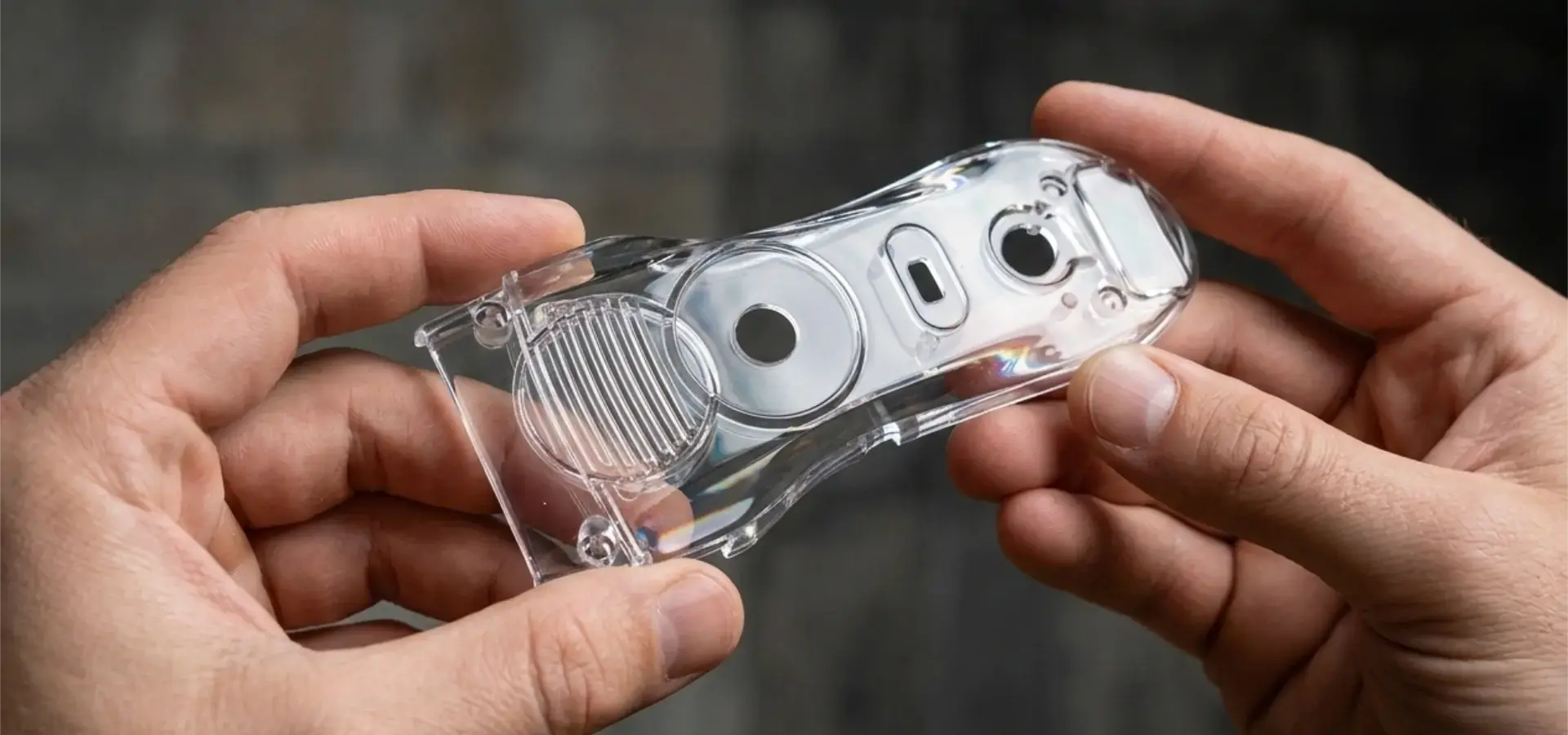
Large-format SLA is better than Fused Deposition Modeling (FDM), Selective Laser Sintering (SLS), and Digital Light Processing (DLP) when it comes to tasks that need smooth surfaces and fine details on the features. The layer-by-layer sealing process makes parts that can be used right away in wind tunnel tests, investment casting patterns, and precision cutting tasks, without needing a lot of extra work.
Key Considerations When Choosing a Big Format SLA 3D Printer
When buying industrial-scale stereolithography equipment, it's important to look at a lot of performance measures that match the needs of the business. The main things that engineering teams and buying managers think about are the build volume standards, the resolution capabilities, the printing speed, and how cost-effective the materials are.
Critical Performance Metrics and Operational Requirements
When it comes to industrial freedom, the ability to build large volumes has a direct effect. The best systems can offer working envelopes that are up to 2000 mm long and keep positional accuracy within 0.05 mm. Print resolution requirements should match the intended use. For example, car development might need 0.1mm layer heights, while jewelry making might need 0.025mm precision levels.
Processing speed in a Big format SLA 3D printer is especially important for big parts, where print times of several days make machine reliability even more important. When compared to fixed-beam systems, variable spot-size lasers can achieve 30–50% speed gains. This makes lead times much shorter for fast prototyping and small-batch production.
Maintenance Requirements and Equipment Reliability
For industrial uses that need steady uptime performance, being able to do upkeep and getting spare parts quickly are very important. Systems with flexible component designs let galvanometer scanners, laser modules, and coating systems be quickly replaced without having to wait for long periods of time.
Manufacturers of high-quality products provide detailed upkeep instructions, calibration guidelines, and professional training programs to make sure that their products work at their best throughout their entire lifetimes. Total cost of ownership estimates for business-to-business purchases are directly affected by the availability of local service networks and quick technical assistance.
Manufacturer Selection and After-Sales Support
When compared to new providers, established makers with a history of success in industrial markets offer more reliability and a wider range of support services. Companies like Magforms show their dedication by having 22 patents and 30 filed trademarks, which provide the technological roots that allow them to keep making new products and have a global market presence.
A brand's image includes not only the quality of the tools it sells at first, but also its long-term support services, such as software updates, help with process optimization, and technical advice tailored to each application. These things have a big effect on how businesses that invest in large-format additive manufacturing techniques lower their risks.
Optimizing Big Format SLA Printing for Large Prototypes & End-Use Parts
To get uniform quality results across large-scale stereolithography builds, many process factors must be precisely calibrated and work together. Setting the layer thickness, the exposure time, designing the support structure, and the post-processing processes all affect the quality and accuracy of the end part.
Process Parameter Calibration and Quality Optimization
Layer thickness optimization finds the best mix between print speed and surface quality needs. For example, 0.1 mm layers give samples great surface finishes, while 0.15 mm layers speed up production for functional testing parts. Changes in ambient temperature and resin chemistry can affect how evenly the build cures over big areas, so exposure factors need to take these into account.
When it comes to big parts, the design of the support system is becoming more and more important because of the way gravity and resin movement during recoating processes can change the dimensions. Strategic support placement cuts down on the amount of material needed while still making sure the structure stays strong during long build cycles.
Troubleshooting Common Large-Scale Printing Issues
When using large-format stereolithography, the biggest problems are warping and physical distortion, which are usually caused by uneven heating or not having enough support structures. Using hot build rooms and improved support patterns can help solve these problems and keep the accuracy of the dimensions across large part shapes.
Inconsistencies in the hardening of resin can show up as weak interlayer bonding or areas of uncured material, especially in parts with thick walls. Precision power meters are used to regularly calibrate the laser's power and check the focus. This makes sure that the energy transfer is consistent across the whole building area.
Maintenance Protocols and Equipment Longevity
Daily cleaning, weekly calibration checks, and monthly full system reviews are all part of routine maintenance plans. When you handle plastic the right way, you can avoid contamination problems that could lower the quality of your parts and make your tools last longer.
Cleaning the galvanometer mirrors, maintaining the laser optics, and leveling the build platform are all important maintenance tasks that have a direct effect on the quality of the prints and the stability of the system. Standardizing processes and training plans makes sure that everyone, including different workers and production shifts, does their job the same way.
Procurement and Supply Chain Insights for Big Format SLA Printers
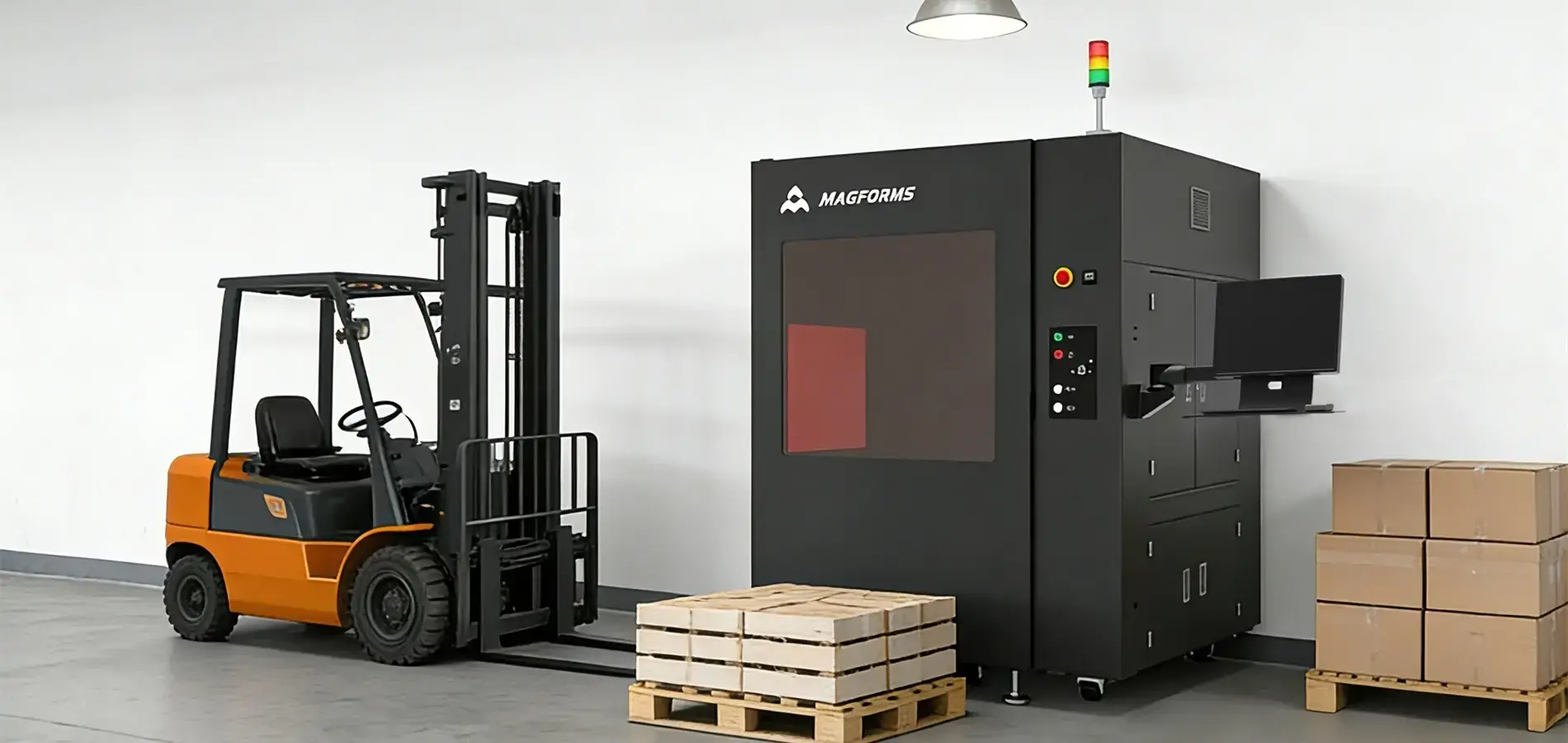
For large-format stereolithography systems, such as a Big format SLA 3D printer, business-to-business (B2B) sourcing tactics include finding established delivery networks and wholesale providers with low prices and full support services. Understanding total cost ownership models helps people make smart purchasing choices that balance the cost of the original investment with the costs of running the business in the long run.
Sourcing Strategies and Wholesale Distribution
Professional procurement outlets give you access to savings for buying in bulk, longer guarantee terms, and faster expert support. Digital platforms and industry trade shows make it easier for buyers to connect directly with manufacturers, which leads to talks about unique configurations and suggestions based on specific applications.
Regional wholesalers offer regional support benefits such as faster delivery of spare parts, on-site service, and expert advice in the customer's native language. These connections are especially helpful for businesses that need to respond quickly and keep production running as smoothly as possible.
Cost Analysis and Budget Planning
The costs of buying equipment are only the original investment. There are also ongoing costs like replacement parts, upkeep supplies, and training programs for operators. When doing a full cost analysis, you should think about how much glue will be used, when parts will need to be replaced, and how much more work could be done compared to traditional ways.
Material prices change a lot depending on the chemistry of the resin and the relationship between the buyer and the seller. Open-source suitable systems give you more control over costs than private material platforms. Long-term supply contracts and agreements to buy in bulk can cut operating costs for high-throughput uses by a large amount.
Essential Accessories and Supply Chain Management
For sites to be ready for production, they need extra tools like wash stations for after processing, UV curing rooms, and material handling systems. These add-ons have a big effect on how quickly work gets done and how well the end product is made, so they must be used in professional manufacturing settings.
Keeping track of spare parts inventory is important for keeping production running smoothly, especially for high-value parts like laser modules and galvanometer readers. By forming strategic relationships with approved service providers, you can get replacement parts and professional help quickly when you need them.
Future Trends and Value Proposition of Large Format SLA Printing
Innovations in large-format stereolithography keep adding new materials and automating processes, as well as increasing the size of the builds that can be done. These changes make it possible for the technology to be used more widely in fields that need to do a lot of precise things at once.
Technological Advancements and Market Evolution
Next-generation fixing systems in a Big format SLA 3D printer have adaptable exposure controls and multi-wavelength laser arrays that make the processing go faster while keeping the surface quality at a high level. Enhanced plastic formulations give products better mechanical qualities and longer shelf lives, which cuts down on waste and makes managing inventory easier.
Using artificial intelligence lets you plan maintenance ahead of time, keep an eye on quality automatically, and get suggestions for improving processes based on past performance data. These smart production features lower the level of skill needed by operators while raising standards of accuracy and output.
Return on Investment and Competitive Advantages
Large-format stereolithography gives a clear return on investment (ROI) by speeding up development cycles, lowering the cost of tools, and getting rid of the need for complicated assembly steps. Companies say that the time it takes to make a new product is 40–60% shorter than with standard manufacturing methods. This lets them get into the market faster and be more competitive.
The technology can make both samples and finished parts in the same system, which makes the best use of the tools and gives manufacturers options that aren't possible with traditional methods. This flexibility is especially helpful for businesses that serve a lot of different types of customers or have a lot of different products.
Industry Applications and Market Growth
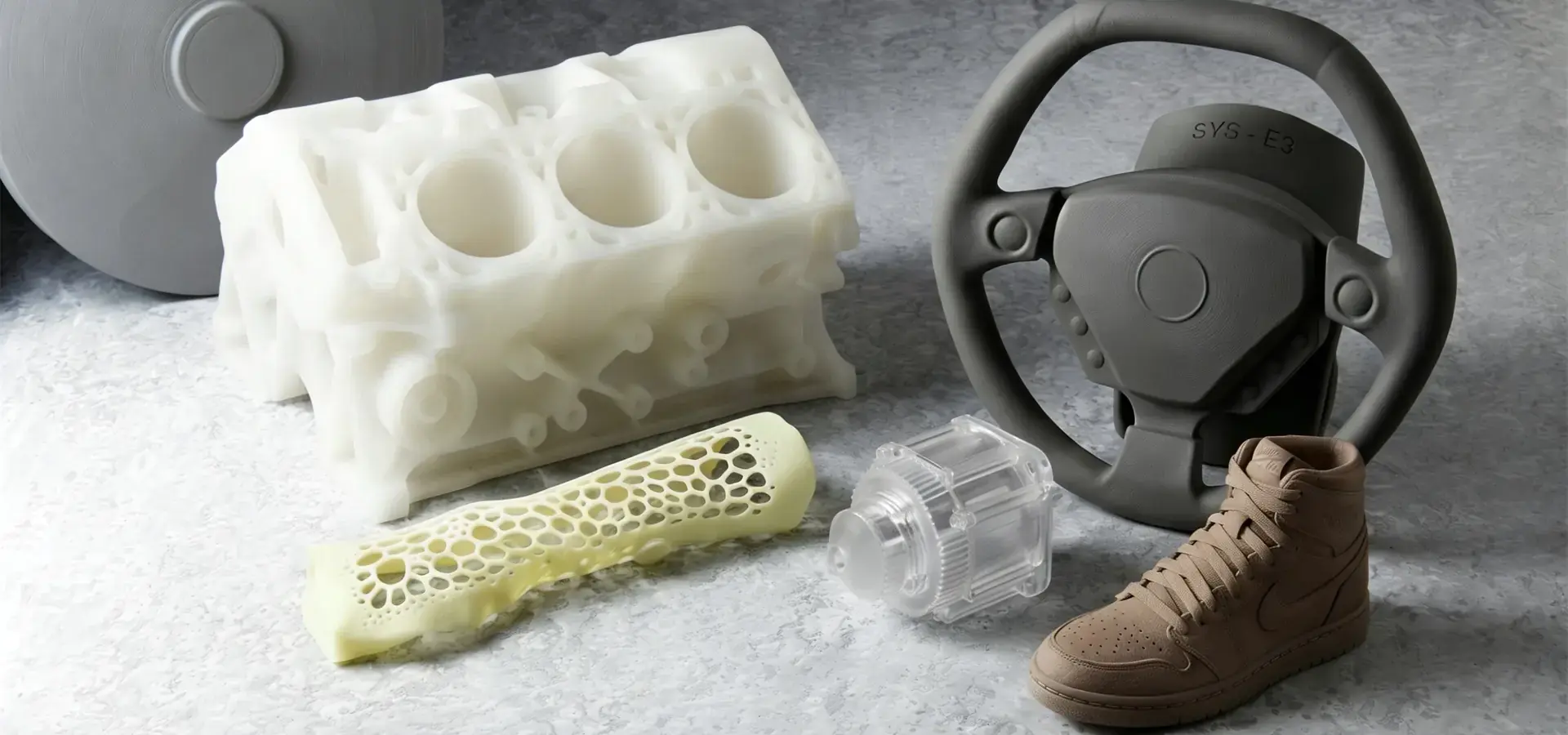
Large-format SLA is being used more and more by aerospace companies to make complex ducts, lightweight structural parts, and specialized tooling. These methods are used in the car industry to check full-scale designs, make wind tunnel test models, and make small numbers of parts for specialty vehicles.
Medical devices are being used for more and more things, like making implants that are specific to each patient, surgery guides, and anatomy models for planning surgeries. The biocompatibility and accuracy of the technology make it a good fit for continued growth in the healthcare industry sector.
Conclusion
Large-format SLA 3D printing technology has life-changing powers for businesses that need to precisely make large samples and end-use parts. The mix of larger build quantities, high-quality surfaces, and accurate measurements gives companies in many different industries a competitive edge. As technology keeps getting better at speeding up production, changing the properties of materials, and adding automation features, these systems become more and more attractive as options to standard ways of making things. When investing, people should think about not only the initial costs of the equipment but also the long-term operating benefits, such as shorter lead times, no more tooling costs, and more design freedom, all of which have a direct effect on how quickly products are developed and how active the market is.
FAQ
What build volumes can big-format SLA 3D printers achieve?
The build areas of modern large-format stereolithography systems can be anywhere from 600mm x 600mm x 400mm to 2000mm x 1000mm x 800mm, and some specialized systems can go even bigger. The choice of build volume should be based on the needs of the planned application and the available space in the building.
How do you ensure print consistency across large build areas?
To be consistent over large build amounts, you need to precisely calibrate the laser power, keep the resin at the same temperature, and create the support structure so that it works best. Advanced heat management stops changes in dimensions, and variable spot-size laser systems with dynamic stitching algorithms keep quality standards high throughout the whole build environment.
Can large-format SLA printers integrate with existing manufacturing workflows?
These systems work perfectly with CAD/CAM tools and quality control methods that are already in place. Standard file formats make it possible to directly use design software, and flexible post-processing equipment can be added to existing production processes without making major changes to the facility.
What maintenance requirements should buyers expect?
As part of daily care, the build platform is cleaned, and the glue level is checked. Once a week, the laser is calibrated, and the galvanometer mirror is inspected. Comprehensive system reviews every month make sure that the system is working at its best, and most regular maintenance tasks can be done by trained operators without the help of a technician.
How do material costs compare with traditional manufacturing methods?
Costs for materials depend on the type of resin used and the needs of the product. For engineering-grade photopolymers, costs usually range from $150 to $800 per kilogram. Large-format SLA often has big cost benefits for quantities less than 1000 units compared to the price of injection molding tools for low-volume production.
Partner with Magforms for Advanced Big Format SLA 3D Printer Solutions
Magforms is one of the best companies that makes big format SLA 3D printers. They make cutting-edge stereolithography systems with German Scanlab galvanometers, AOC lasers, and Panasonic AC servo motors to make sure they work well and are reliable. Our variable spot-size laser technology increases speed by 30 to 50 percent while keeping accuracy at the micron level. Deep learning techniques help make printing more efficient. With 22 patents and a global footprint that has helped over 300 businesses, we offer complete solutions that include compatibility with open-source materials and expert support that is available 24/7 with response times of less than an hour. Get in touch with our knowledgeable staff at info@magforms.com to find out how our bundled material and equipment options can improve your design skills and speed up your production processes.
References
1. Gibson, Ian, David Rosen, and Brent Stucker. "Additive Manufacturing Technologies: 3D Printing, Rapid Prototyping, and Direct Digital Manufacturing." Springer Science & Business Media, 2021.
2. Jacobs, Paul F. "Fundamentals of Stereolithography." Society of Manufacturing Engineers, 2020.
3. Chua, Chee Kai, and Kah Fai Leong. "3D Printing and Additive Manufacturing: Principles and Applications." World Scientific Publishing, 2019.
4. Ngo, Tuan D., Alireza Kashani, Gabriele Imbalzano, Kate T.Q. Nguyen and David Hui. "Additive Manufacturing Applications in Large-Scale Industrial Production." Composites Part B: Engineering, 2018.
5. Melchels, Ferry PW, Marco AN Domingos, Travis J. Klein, Jos Malda, Paulo J. Bartolo und Dietmar W. Hutmacher. "Additive Manufacturing of Tissues and Organs for Regenerative Medicine Applications." Progress in Polymer Science, 2022.
6. Stansbury, Jeffrey W., and Mike J. Idacavage. "3D Printing with Polymers: Challenges Among Expanding Options and Opportunities." Dental Materials: Official Publication of the Academy of Dental Materials, 2021.

Magforms makes design and manufacture easier.
Popular Blogs
-
 Industry InsightsManufacturing Industry
FDM vs. SLA Printer: Which Technology Is Right for Your Project?
-
 Industry InsightsManufacturing Industry
Top 5 Applications of Industrial 3D Printers in Manufacturing Today
-
 Industry InsightsManufacturing Industry
Why Stereolithography 3D Printers Are Unmatched for Microfluidic Device Prototyping?