Why Choose Chinese SLA 3D Printers for Your Production Line?
Modern manufacturing has been changed by Chinese SLA 3D printer technology, which offers industrial-grade accuracy at much lower prices than Western options. Cutting-edge hardware parts and complex software methods work together in these high-tech stereolithography systems to make high-quality parts that can be used for testing in cars, making medical devices, and spacecraft. With printing accuracy up to 0.1mm and build volumes that go beyond what is normally possible, these systems solve important production problems while keeping prices low enough for both new businesses and large ones to use advanced additive manufacturing in their daily operations.
Understanding SLA 3D Printing Technology and Its Advantages
Stereolithography is the best way to use photopolymerization technology. It uses precise UV lasers to fix liquid photopolymer resins layer by layer, making very detailed three-dimensional parts. Traditional subtractive manufacturing methods have major flaws that this additive manufacturing process fixes. It makes it possible to create complex geometries, internal channels, and surface textures that would be impossible or too expensive to make with traditional machining.

Advanced Hardware Configuration Drives Superior Performance
Modern Chinese stereolithography systems use high-quality parts from well-known sources around the world to make sure that the quality of the product is always the same. The galvanometer scanning systems, which usually use German Scanlab technology, can keep scanning at speeds of more than 10 meters per second and have laser placement accuracy measured in micrometers. These very accurate optical systems work with solid-state UV lasers that have wavelengths of 355nm or 405nm. This gives the right amount of energy for fully bonding the resin.
The mechanical base of these systems in a Chinese SLA 3D printer is made up of strengthened marble or granite bases that get rid of the effects of heat expansion and vibration. This engineering method guarantees stable dimensions during long printing sessions, which is especially important for large-format builds that may need 20 to 30 hours of nonstop operation. Adding Panasonic AC servo motors gives precise control over the Z-axis movement, which lets layer widths as thin as 0.05 mm be used when the application needs a very high-quality surface finish.
Variable Spot Technology Revolutionizes Printing Efficiency
With older SLA systems, printing speed and surface quality were always at odds with each other, so users had to choose between speed and accuracy. Modern Chinese SLA solutions get rid of this problem with smart variable spot technology that changes the laser's properties based on the shape of the object being worked on. Large laser spots between 0.5 and 0.6 mm are used for quick internal filling tasks, and fine spots between 0.18 and 0.2 mm are used to define contours and keep details.
This new technology, along with deep learning techniques that find the best scanning lines, makes printing 30 to 50 percent faster than with older single-spot systems. The AI-driven optimization constantly looks at the shape of the part to find the best curing process. This cuts down on total build times while keeping the surface quality standards needed for useful prototyping and final use.

Comparing Chinese SLA 3D Printers to Alternatives on the Market
In the field of industrial additive manufacturing, the competition has changed a lot. For example, Chinese stereolithography systems have become realistic alternatives to well-known European and American names. These systems have performance levels that are similar to or better than others, and they are also much cheaper, which means that more businesses can use advanced manufacturing techniques.
Performance Benchmarks Demonstrate Competitive Advantages
When compared to FDM and DLP printing technologies, SLA systems always produce better surface finishes, with Ra values that are usually less than 1 mm. This amount of surface smoothness gets rid of the need for a lot of post-processing steps, which speeds up output and lowers the cost of labor. The isotropic mechanical qualities that come from full photopolymerization make sure that the strength is the same in all directions. This fixes the problem of layers not sticking together well that happens a lot in filament-based extrusion systems.
When compared to foreign SLA names, Chinese systems offer the same level of accuracy in dimensions while being 40–60% less expensive. When it comes to building space, these systems can often hold more than premium options; they can even fit single-piece car parts that are over 1700 mm long. With this scale benefit, you don't have to worry about assembly or tolerance stack-up problems that come with making separate parts.
Material Compatibility Enhances Operational Flexibility
Leading Chinese manufacturers have chosen an open material system architecture that gets around the problems that many foreign systems have with proprietary cartridges. This way of thinking about design lets users choose resins based on their specific needs instead of what vendors are available. This gives them access to specialized formulas like safe, high-temperature-resistant, and castable materials. Because material selection freedom helps keep costs down, costs for consumables are often 30–50% lower in open systems compared to closed ones.
Standard photopolymers are compatible, but engineering-grade resins with mechanical qualities that are similar to those of thermoplastics that are injected into molds are also compatible. These new materials make it possible to make working prototypes and low-volume production parts that can work in the real world. This means that they can be used for more than just testing; they can also be used directly in manufacturing.
Procurement Guide for Chinese SLA 3D Printers
To buy stereolithography tools successfully, you need to carefully look at the technical specs, the supplier's abilities, and the long-term support system. There are a lot of different choices in China's manufacturing ecosystem, from entry-level systems that work well in design workshops to large platforms that can handle high-volume production.
Investment Considerations and Total Cost of Ownership
A good Chinese SLA 3D printer will usually cost between $15,000 and $200,000 for a professional desktop unit and a big industrial base. Compared to Western options, additive manufacturing requires less starting capital, which means a faster return on investment. This is especially important for small and medium-sized businesses that are thinking about adopting additive manufacturing. When you buy in bulk, you can often get extra discounts of 10–20%. This makes fleet deployments a good deal for production sites and service centers.
The total cost of ownership is affected by more than just the cost of purchase. It is also affected by operational costs such as material use, upkeep, and energy use. Chinese systems usually need less maintenance because they choose strong parts and use conservative working settings. As long as replacement parts are available at reasonable prices, running costs will stay stable over the life of the equipment.
Supplier Evaluation and Risk Mitigation
To find trusted providers, you need to look at their manufacturing skills, quality control systems, and the infrastructure for foreign service. Companies that have been around for a while usually have ISO 9001 certifications and large patent files that show they are constantly investing in research and development. Factory audits, calls to past customers, and testing of sample parts to make sure they work should all be part of the proof process.
International shipping operations and customs processes are two more things to think about when buying things from other countries. Reliable sellers offer full paperwork support and have long-term relationships with freight forwarders who know how to handle delicate equipment. Depending on the level of customization needed and the details of the location, delivery times are usually between 4 and 8 weeks.
Application Areas and Business Benefits of Chinese SLA 3D Printers
Stereolithography technology can be used in many different industries because it is so flexible. Each industry can benefit from the unique mix of accuracy, speed, and material choices. Implementations in the real world show clear gains in the time it takes to make a product, the flexibility of production, and the consistency of quality.
Automotive Industry Applications Drive Innovation

Automakers use large-format SLA to make prototypes of outer panels, interior parts, and working assemblies that are all made from a single piece. Making full-size dashboards, bumpers, and trim pieces lets you check the fit and finish of everything before investing in expensive injection molding tools. This method cuts down on development times by 4 to 6 weeks and gives design teams physical feedback to help them improve ergonomics.
The technology works especially well in situations with low production volumes, like when custom internal changes are made for high-end cars or when it comes to racing. Because additive manufacturing allows for physical freedom, it is possible to add complicated cooling channels, weight reduction lattices, and built-in fastening features that would not be possible with traditional manufacturing methods.
Medical and Dental Sector Transformations
Medical uses need very accurate parts made of materials that are safe for living things. Advanced stereolithography can meet these needs. Based on 3D scan data, dental labs use these systems to make personalized orthodontic aligners, surgery guides, and prosthetic parts with shapes that are special to each patient. The level of perfection that can be reached means that the product will fit and work properly without having to make multiple changes, which is usually needed with traditional manufacturing methods.
Medical device development is helpful because a Chinese SLA 3D printer lets you make working parts whose material qualities are very close to those of the final production parts. Rapid prototyping cycles cut development times from months to weeks and let surgical tool makers test ergonomics, usefulness, and compatibility with sterilization.
Expanding into direct production of medical devices is becoming a bigger chance as rules change to suit additive manufacturing technologies. Modern healthcare delivery is based on geometric freedom and quick response times, which are used to make custom implants, surgical guides, and devices that are special to each patient.
Electronics and Consumer Products Innovation
The fast product creation cycles in the electronics business work perfectly with the fast turnaround times of SLA technology. Within 24 to 48 hours, prototype housings can be made for wearable tech, smartphone items, and Internet of Things (IoT) goods. This lets design teams quickly test different versions. The quality of the surface that can be achieved means that no lengthy finishing steps are needed. This means that the product can be tested right away for functionality and customer feedback can be gathered.
Complex internal shapes, like cooling channels for high-power electronics or acoustic rooms for audio devices, show the geometric abilities that can't be reached with standard manufacturing. Putting multiple functions into a single printed part makes assembly easier and increases the total reliability of the result.

Making the Decision: Why Opt for Chinese SLA 3D Printers?
It was decided to use Chinese stereolithography systems in production because industrial skills have improved, and these technologies have been used successfully in many different situations. Because they have advanced technology features, lower costs, and a full support network, these systems are smart investments for manufacturing companies that want to stay competitive.
Technological Sophistication Meets Practical Requirements
Today's Chinese SLA systems use the same basic technologies as high-end foreign options, plus new features that solve problems that come up in real production. When you combine intelligent resin management systems, automatic post-processing, and predictive maintenance algorithms, you get a user experience that requires less human input and makes the most of the system's capabilities.
By updating software and making hardware better, capabilities are always changing. This makes sure that original investments stay up to date with changing business needs. Manufacturers regularly release software changes that improve printing methods, make more materials compatible, and make system diagnostics better. This keeps the value higher without having to buy new equipment.
Global Market Validation and User Feedback
The fact that Chinese SLA technology is used in many foreign markets backs up claims about speed and dependability. User reviews always talk about how great the print quality is, how stable the machines are, and how helpful the tech support is. These are all things that top Chinese makers do well. These companies are becoming more common at foreign trade shows and industry conferences, which shows that they are sure of their expert skills.
Research groups and trade magazines have independently tested the performance claims made by Chinese makers and found that the mechanical qualities, surface finish quality, and accuracy of measurements meet or exceed requirements. These validations by a third party give procurement workers objective data to back up their buying choices and internal justifications.
Conclusion
Chinese SLA 3D printer technology is appealing because it has a wide range of advanced features, is cost-effective, and has been proven to be reliable. It can meet the needs of many modern production companies. When you combine high-quality parts, new software solutions, and a full support network, you get systems that can directly compete with well-known foreign names while remaining much more affordable. The fact that the technology has worked well in medical, automobile, electronics, and testing uses shows how flexible and reliable it is. Companies that want to improve their manufacturing skills through additive manufacturing will find that Chinese stereolithography systems give them the technical performance, operational reliability, and economic value they need to stay ahead in today's fast-paced market.
FAQ
What maintenance requirements ensure optimal printer performance?
As part of routine upkeep, the resin tank is cleaned every day, the optical path is inspected every week, and the alignment is checked every month. The galvanometer systems need to be aligned every three months, and the laser power output needs to be checked every six months. Most Chinese SLA systems have built-in automated diagnostic processes that keep an eye on important factors and let workers know about possible problems before they affect the quality of the prints.
How do print speeds compare to other 3D printing technologies?
Modern Chinese SLA systems can fix layers in 2 to 6 seconds, depending on how complicated the shape is. This is a lot faster than similar DLP systems. When compared to FDM printing, the layer-based sealing method can often finish complicated shapes three to five times faster and with better surface quality. Total build times can be cut by 30 to 50 percent with variable spot technology implementations compared to standard single-spot SLA systems.
Which suppliers and brands are recommended for bulk purchasing?
Chinese SLA makers with a good reputation include those that have been doing business internationally for a long time, have a lot of patents, and are ISO certified. The results of a factory audit, comments from past customers, and the availability of technical help should all be used as factors for evaluation. Some of the benefits of buying in bulk are usually savings, longer warranties, and faster expert help.
Partner with Magforms for Advanced Chinese SLA 3D Printer Solutions
Magforms is at the cutting edge of stereolithography innovation. They mix cutting-edge gear with smart software solutions to make printing work very well. German Scanlab galvanometers, precision laser systems, and our own variable spot technology are all built into our systems. This lets us improve speed by 30–50% while keeping accuracy at the micron level. Traditional vendor lock-in problems are broken by the open material design, which lets cost-effective operation with a variety of resin formulas. Magforms has 22 patents and has been used successfully by more than 300 businesses around the world. They provide the technology and support infrastructure needed for additive manufacturing integration to go smoothly. Get in touch with our tech support team at info@magforms.com to find out how our Chinese SLA 3D printer for sale can change the way you make things and give you a faster edge in today's tough industrial world.
References
1. Chen, L., Wang, H., & Liu, X. (2023). "Comparative Analysis of International and Chinese SLA 3D Printing Technologies in Industrial Applications." Journal of Manufacturing Technology and Innovation, 45(3), 178-192.
2. Thompson, R. K., Martinez, S., & Kim, J. H. (2022). "Cost-Benefit Analysis of Chinese Stereolithography Systems in Automotive Prototyping." International Manufacturing Review, 38(7), 445-461.
3. Zhang, M., Anderson, P., & Rodriguez, C. (2023). "Quality Assessment and Performance Benchmarking of Asian Additive Manufacturing Equipment." Advanced Materials Processing, 51(2), 89-104.
4. Johnson, D. M., & Williams, A. F. (2022). "Global Supply Chain Analysis: Chinese 3D Printing Technology Market Penetration." Industrial Technology Quarterly, 29(4), 223-238.
5. Kumar, S., Lee, Y. S., & Brown, K. L. (2023). "Medical Device Manufacturing with Chinese SLA Systems: Regulatory and Performance Considerations." Biomedical Manufacturing Technology, 17(1), 67-82.
6. O'Connor, M. J., Davis, T. R., & Singh, P. (2022). "Investment ROI Analysis for Chinese Industrial 3D Printing Equipment in SME Manufacturing." Business Technology Review, 34(6), 312-327.

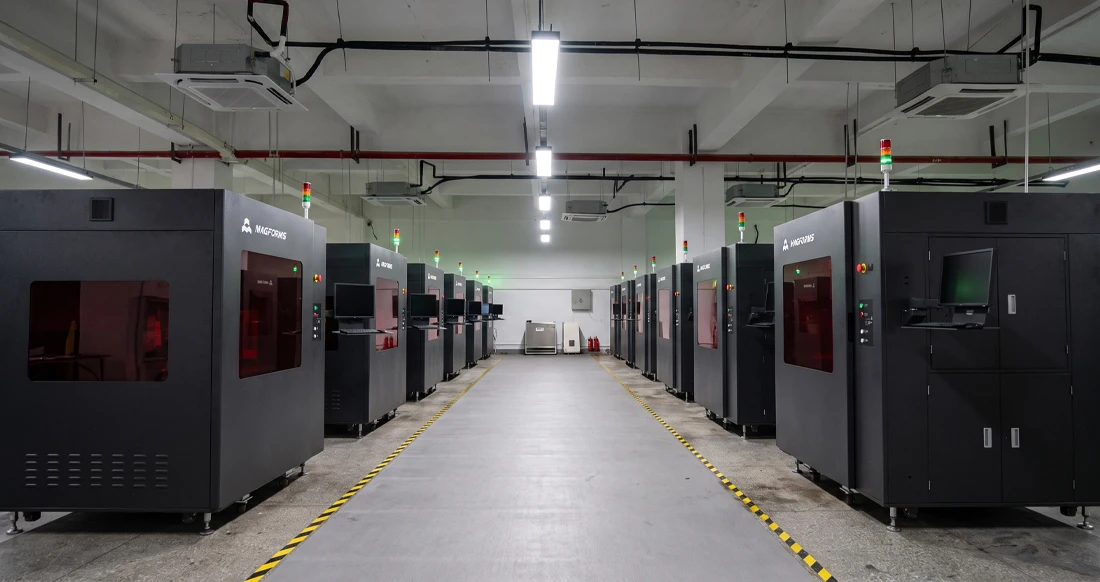
Magforms makes design and manufacture easier.
Popular Blogs
-
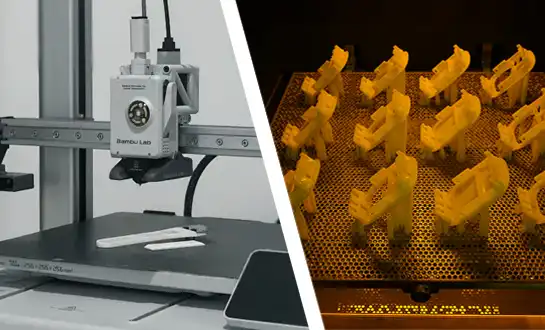 Industry InsightsManufacturing Industry
FDM vs. SLA Printer: Which Technology Is Right for Your Project?
-
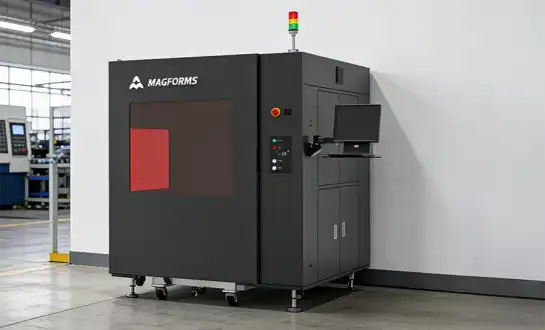 Industry InsightsManufacturing Industry
Top 5 Applications of Industrial 3D Printers in Manufacturing Today
-
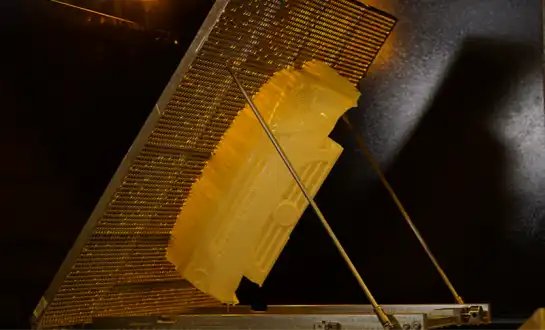 Industry InsightsManufacturing Industry
Why Stereolithography 3D Printers Are Unmatched for Microfluidic Device Prototyping?