Big Format SLA 3D Printer Solutions for Automotive and Aerospace
Advanced manufacturing technologies are changing the car and aircraft industries in ways that are truly revolutionary. Big format SLA 3D printers have become game-changing tools that let engineers make big, precise parts with a level of accuracy and dependability that has never been seen before. These industrial-grade systems get around the problems that come with traditional manufacturing by making parts that are all one piece. This makes assembly easier and keeps the high-quality standards needed in safety-critical applications. Manufacturers can speed up the innovation process, lower the cost of prototyping, and get better surface finishes that meet the strict requirements of modern aircraft and automobile engineering with the help of advanced stereolithography technology.
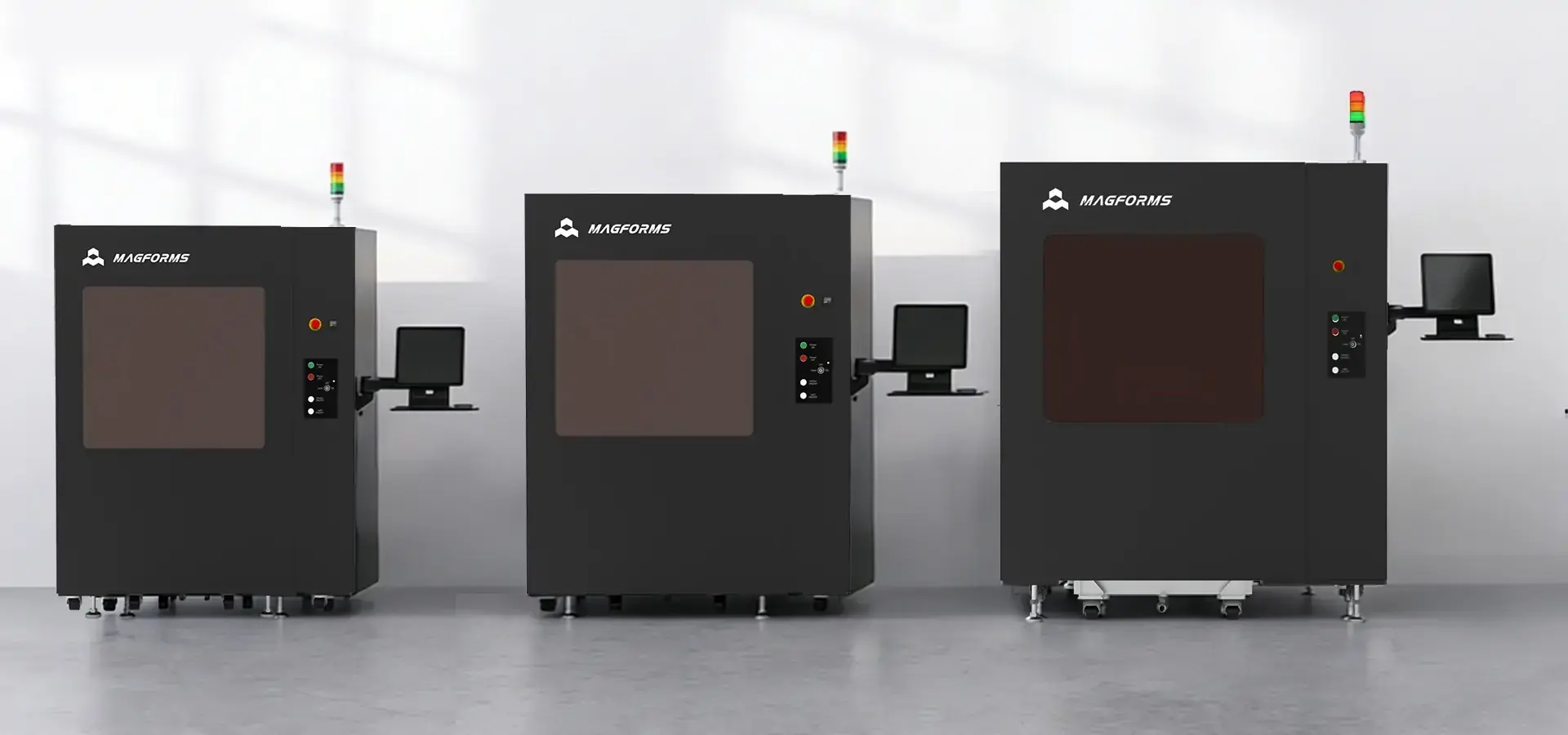
Understanding Large Format SLA 3D Printers and Their Role in Automotive and Aerospace
Large-scale stereolithography devices are the most advanced form of precise additive manufacturing technology. They are designed to meet the strict needs of aircraft and automotive uses. These high-tech machines use powerful UV lasers and accurate galvanometer scanners to fix liquid photopolymer resins layer by layer. This makes parts that are very accurate in terms of size and quality of surface.
Technical Architecture and Core Components
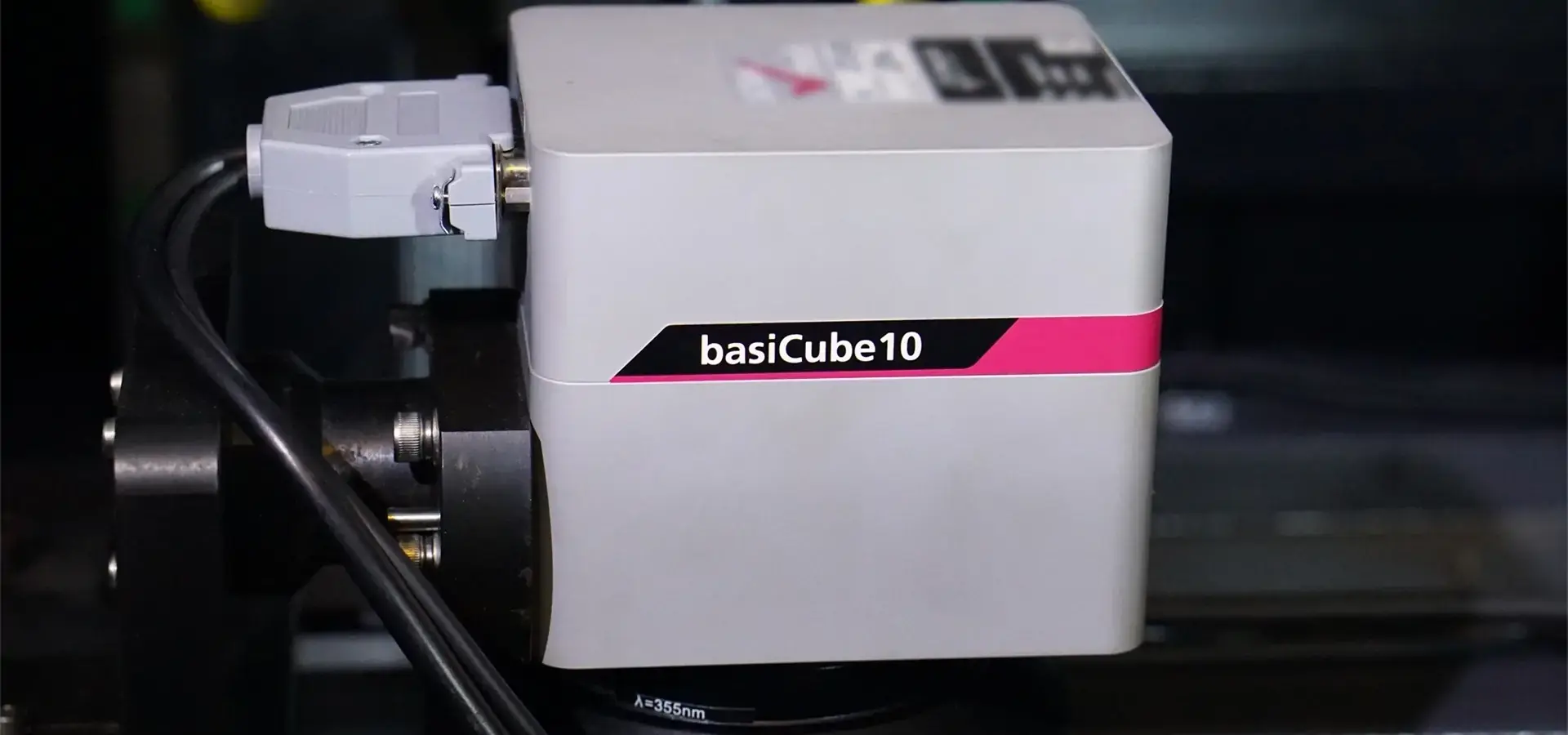
A big format SLA 3D printer's strong mechanical structure and advanced vision systems are what make it work. Modern industrial SLA machines have frames made of heavy-duty steel and granite that are strengthened to keep them from vibrating during long print processes. The optical system usually uses high-precision German Scanlab galvanometers along with solid-state lasers that work at a 355nm wavelength and provide consistent power output across very large build areas.
Variable beam spot technology is a big step forward in the ability to print on large surfaces. These systems change the size of the laser spot on the fly, going from 0.15 mm for fine detail work to 0.8 mm for quick interior filling. This makes the best use of both speed and accuracy. With this smart method, makers can print parts 30–50% faster than with traditional methods while still getting accuracy down to the micron level on parts longer than two meters.
Material Compatibility and Resin Selection
Large format SLA systems are flexible because they can work with different photopolymer formulas. High-performance engineering resins made for car use include flame-resistant ABS-like materials, flexible TPU-like compounds, and high-temperature-resistant mixtures that can handle the conditions in the engine area. Specialized resins with better mechanical qualities, chemical protection, and dimensional stability in harsh environments are useful for aerospace uses.
Traditional seller lock-in situations don't happen with open-source material compatibility. This lets buying teams find the best material prices while still meeting quality standards. This freedom is especially helpful for small and medium-sized businesses that are trying to be innovative but are limited by their budgets.
Comparative Advantages Over Alternative Technologies
Large format SLA systems offer better resolution, surface finish, and material flexibility than DLP and FDM technologies, which are necessary for making complex, useful parts. The laser-based curing method gets rid of the pixelation flaws that are common in DLP systems and makes the surface roughness values below 1 micrometer right off the printer. This great surface quality cuts down on the need for post-processing and speeds up the time it takes to get crucial parts to market.
Key Benefits of Using Large Format SLA 3D Printers in Automotive and Aerospace
Adopting big format stereolithography systems has huge benefits that directly help the car and aerospace businesses with the manufacturing problems they face. These benefits go beyond just being able to make prototypes. They also include being able to go into full-scale production and improving the supply chain.
Precision and Dimensional Stability
With large format SLA technology, printing tolerances of 0.1 mm are possible across build sizes that are higher than what is possible on a normal desktop. This level of accuracy makes it possible to make working systems that meet safety standards for both aerospace approval and automotive use. Maintaining tight tolerances over large surface areas gets rid of the need for divided part assembly. This cuts down on tolerance stack-up mistakes and the mechanical weaknesses that come with building things from multiple pieces.
In situations where long-term success is needed in changing environmental conditions, dimensional steadiness is especially important. Advanced plastic formulations have very little shrinking and heat expansion, which means that the shape of the part stays the same over the life of the product.
Rapid Prototyping and Iteration Capabilities
Modern big format SLA 3D printer systems are faster, which lets designers make changes to designs more quickly, which shortens the time it takes to make a product. Print times are cut by more than 30% compared to industry standards when variable spot-size laser technology and AI-optimized scanning paths are used together. This lets engineering teams test more than one design idea within tight development plans.
This speeding up is especially helpful for verifying automobile designs, where full-scale fit-check prototypes are needed to make sure of aerodynamic performance, assembly compatibility, and aesthetic appeal before spending a lot of money on tools. The same thing happens in aerospace, where fast production of complicated housing parts and structural elements that need a lot of testing and approval is helpful.
Cost Optimization and Supply Chain Benefits
Large-format printing makes it possible to combine multiple-piece systems into a single monolithic component. This cuts down on waste, assembly work, and the number of parts that need to be kept in stock. By making custom tools, jigs, and fixtures on demand, wait times that come with standard machining methods are eliminated, and the cost of tools is cut by up to 90%.
Large sacrificial designs can be used instead of expensive wax tools for complex shapes in investment casting, which saves a lot of money. Foundries say that wait times have gone down from months to days and that pattern quality and measurement accuracy have improved.
Evaluating and Selecting the Right Large Format SLA 3D Printer
To make good buying choices, you need to look at technical specs, operational needs, and long-term support factors in great detail. The selection process has to find a balance between the need for instant production and the chance to grow and improve technology in the future.
Critical Technical Specifications
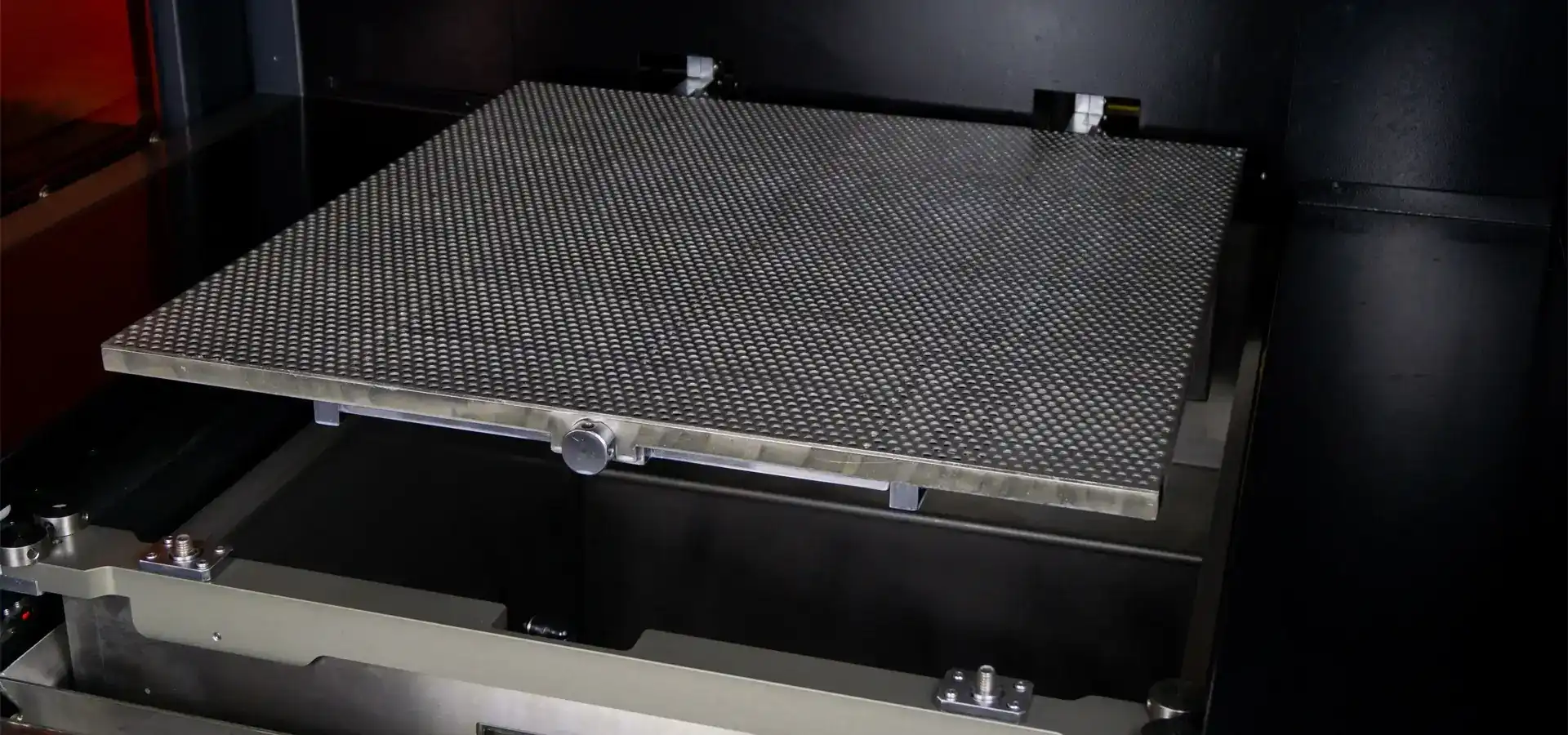
When looking at large-format systems, the most important thing to think about is the build volume. The best machines have build areas that are bigger than 600mm x 600mm x 400mm, and in some cases they can go up to two meters long. We need to carefully look at the connection between build volume and resolution, because bigger systems might lose accuracy if they don't have advanced vision adjustment systems.
Productivity and part quality are directly affected by laser power and screening speed. Multiple laser sources and dynamic stitching techniques are used by high-performance systems to cover big scan fields without seam lines. This makes sure that the surface quality is the same across the whole build platform. Variable laser spot technology lets you get the best of both speed and accuracy, which speeds up production without lowering quality standards.
Operational Considerations and Best Practices
With big-format machines, resin handling systems get more complicated, and they often need hot vats that can hold more than 100 to 500 kg. Automated level sensors and recycling systems keep the temperature and viscosity of the glue constant, which gives all printed parts the same mechanical qualities. For these systems to work, the building's needs must be carefully considered, such as for air flow, temperature control, and safety gear.
The post-processing steps get a lot harder as the part gets bigger, so you need washing and sealing tools that can handle big parts. The UV curing tanks need to be big enough to hold the whole build and make sure that all the complicated shapes get the same amount of exposure.
Total Cost of Ownership Analysis
In addition to the original cost of buying tools, procurement teams must also look at ongoing operational costs, such as the amount of materials used, the need for maintenance, and the availability of support services. When it comes to saving money, open-source materials that are compatible with proprietary systems may offer better expert help and sure performance.
When negotiating a service contract, quick response times should be a top priority. Leading providers should offer 24/7 remote advice and guaranteed settlement times. It's important to have access to local services to keep production downtime to a minimum, especially when shipping times are tight.
Practical Applications of Large Format SLA 3D Printing in Automotive and Aerospace
Large-format stereolithography can be used for many different types of manufacturing, from making fast prototypes to making parts that will be used in real products. Real-world examples show a measured return on investment (ROI) and process improvements in several different industries.
Automotive Design and Validation
One of the most interesting uses for big format SLA 3D printer technology is the full-scale development of car parts. Engineers often make whole dashboards, hood systems, and inner parts to make sure they fit right and test how well they move air. Being able to make samples that are clear or colored lets you fully evaluate a design, including how it looks and how well it works.
Large-format SLA systems make it possible to get very accurate measurements and high-quality surfaces, which are very helpful for wind tunnel tests. Composite resins with high stiffness allow for aerodynamic testing in real-world situations while still keeping the accuracy needed for data collection.
Custom tooling uses show a great return on investment (ROI) because they cut down on lead times and make things more flexible. SLA-printed tools and fittings are used by automakers for quality control inspections, assembly tasks, and setting up production lines. Being able to quickly change the designs of tools makes it possible for manufacturers to respond quickly to changes in designs and chances to improve production.
Aerospace Component Manufacturing
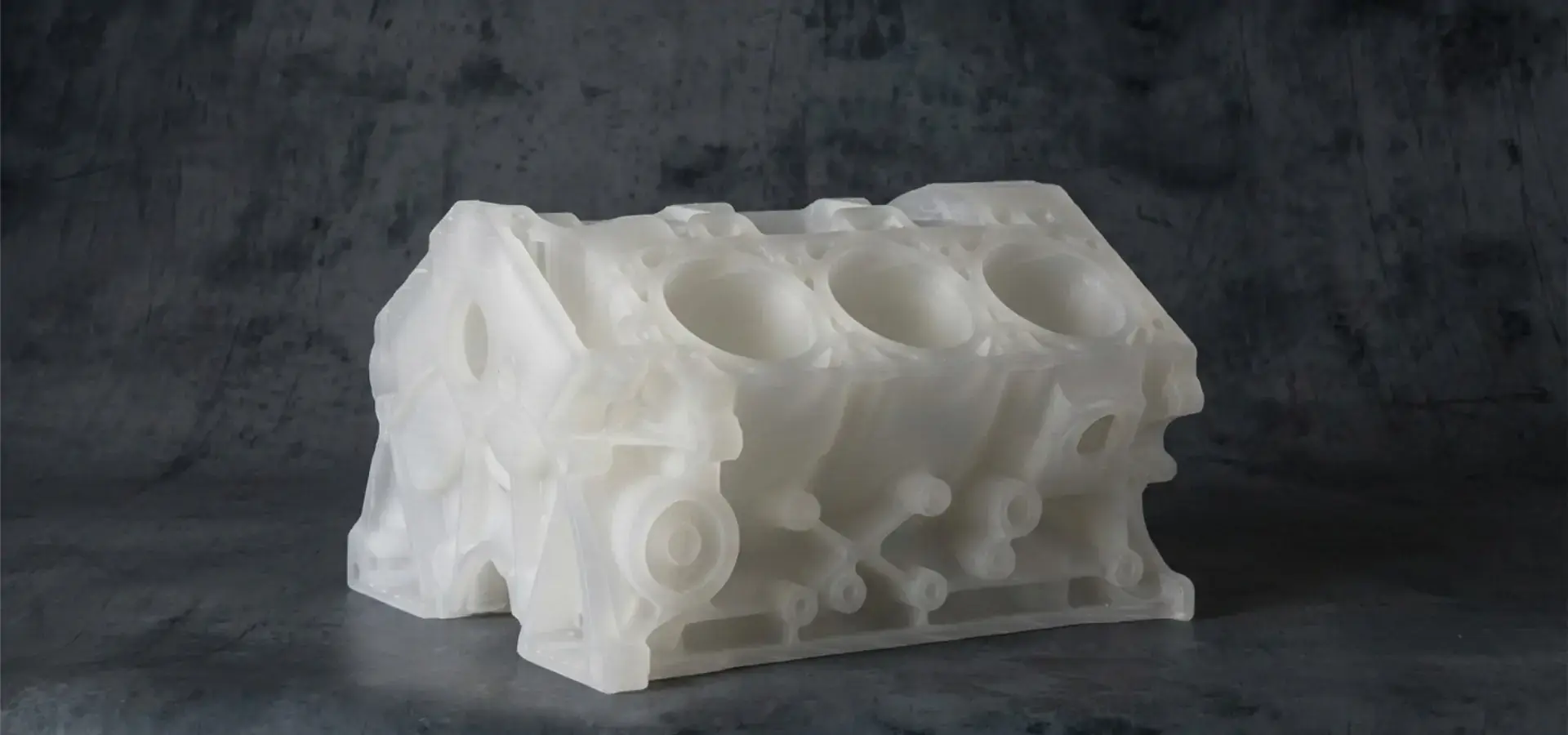
Advanced large-format SLA skills are perfect for aerospace uses that need the highest levels of accuracy and material performance. Making monolithic parts with internal shapes that are hard to achieve with standard production methods is useful for making complex housing parts, ducting systems, and structural elements.
Investment casting models are very useful because they let you make complicated metal parts using big "sacrificial masters." Specialized castable plastics burn off cleanly during the casting process and keep their dimensions very accurately during both the pattern-making and casting cycles.
To meet flight quality standards for certification, you have to carefully choose the materials you use and make sure your process works. The best SLA systems have detailed paperwork and tracking tools that help with certification needs while keeping production running smoothly.
Production Readiness and End-Use Components
As photopolymer materials have improved, it has become possible to make parts for end use that meet strict performance standards in both automotive and aerospace uses. High-temperature resins can handle the conditions inside an engine area while still keeping their shape and mechanical qualities. Chemical-resistant versions let them be exposed to fuels, hydraulic fluids, and other harsh chemicals that are common in aircraft settings.
Quality control methods must take into account the special features of SLA-made parts, such as checking the adhesion of layers and the sizes of big parts. Coordinate measure tools and 3D laser scanning systems can be used to do thorough inspections that make sure engineering standards are met.
How to Procure Large Format SLA 3D Printers for Your Business?
For buying strategies to work, technical skills must be in line with specific output goals, and total value must be maximized through thorough source evaluation and relationship management.
Needs Assessment and Specification Development
The first step in the buying process is a careful look at the present and future production needs, such as the range of part sizes, expected volumes, and material requirements. To make sure that investing in tools helps the business reach its long-term goals, this evaluation must look at both the current wants and the ability to grow in the future.
The technical specs should include information about the required build volume, the accuracy of the tolerances, the compatibility of the materials, and how the system will work with current production processes. The review should look at things like how much room is needed, what utilities are needed, and safety issues that are unique to big-format operations.
Supplier Evaluation and Selection
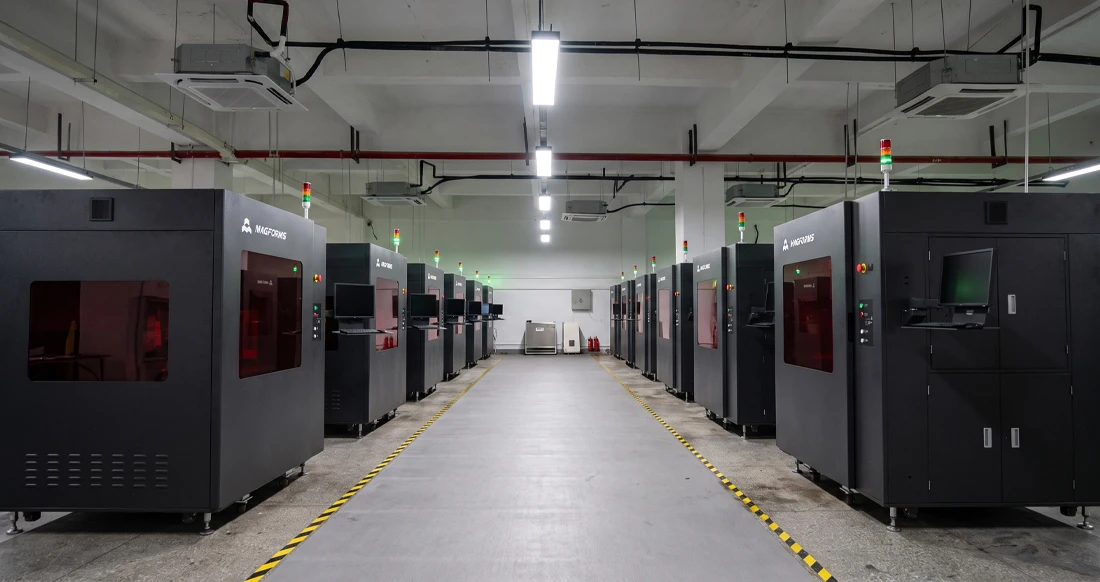
Leading companies that make big format SLA 3D printers offer a range of system designs, material compatibility, and support services. As an example of advanced engineering, Magforms uses German Scanlab galvanometers, AOC lasers, and Panasonic AC servo motors in all of their products to make sure they work perfectly and are reliable.
This model, the Helios-P800, shows how precise engineering can be. It has a stable marble base that makes printing parts up to 100 mm long accurate to within 0.1 mm. This level of accuracy, along with variable spot-size laser technology, is the next big step forward in technology that is needed for tough aircraft and car uses.
Service skills need to be carefully looked at, especially for providers from other countries. Magforms offers full technical help with promised response times and a global service network that covers the whole world. This makes sure that production is interrupted as little as possible, no matter where you are in the world. Their 22 patents and 30 filed brands show that they have the intellectual property that is needed to keep coming up with new ideas and stay ahead of the competition.
Contract Negotiation and Implementation
When you negotiate a good deal, you find a balance between the cost of the tools and the support services, warranty coverage, and ways to upgrade to new technology. Open-source material compatibility lets you save money in the long run and gives your supply chain freedom when you need to make more.
For adoption to go well, training programs and technical transfer services are necessary, especially for businesses that are new to big format SLA technology. Full training makes sure that the equipment is used correctly and reduces the chance of making mistakes that could affect the quality of the parts or the effectiveness of the equipment.
Conclusion
The car and aerospace businesses can now make a lot more things with large format SLA 3D printing technology. Precision, flexibility, and the ability to work with a variety of materials make it possible to use production techniques that were not possible with older methods. Companies want to stay ahead of the competition by coming up with new ideas and working more efficiently. Big format SLA 3D printer options give them the technology they need to create new products and make great ones. As materials science and system skills continue to improve, companies that are ready to use advanced additive manufacturing technologies will have even more chances to grow.
FAQ
What are the typical build volumes available for large format SLA printers?
Large format SLA systems can build up to 2000mm x 1000mm x 800mm, with the biggest commercial systems being able to do up to 600mm x 600mm x 400mm. The exact build amount should be chosen based on the number of parts and output needs that are expected to be the biggest. Magforms have different designs to meet the needs of different applications and the space limitations of different facilities.
How do big format SLA printers keep their accuracy across large build areas?
Modern optical systems use many laser sources and dynamic stitching techniques to make sure that the whole build platform is exposed to the same amount of light. With variable beam spot technology, small laser spots are used for fine details, and bigger spots are used for quick fills. Heavy-duty construction and frames strengthened with granite also keep vibrations to a minimum, which would otherwise mess up layer placement during long print cycles.
Can SLA technology replace traditional manufacturing processes in aerospace applications?
Traditional ways of making things in aircraft aren't totally replaced by SLA technology; it works with them. It works great for making quick prototypes, parts with complicated shapes, and small batches of products when other ways are too expensive. But traditional manufacturing may still be better for high-volume output and certain material needs. The best way to do things is usually a mix of techniques that use SLA benefits for some tasks while keeping standard methods in place for others.
Partner with Magforms for Advanced Big Format SLA 3D Printer Solutions
Magforms is a top company that makes big format SLA 3D printers and has a wide range of solutions designed especially for use in aerospace and the car industry. Our unified method combines advanced tech with specially designed materials, making sure that everything works together perfectly and that the performance is top-notch. With 22 patents and a track record of success with more than 300 businesses around the world, we can give your company the technical know-how and solid help it needs. For maximum productivity and little to no production interruption, our expert team is available 24 hours a day, seven days a week for consultations. Get in touch with our experts at info@magforms.com to find out how our advanced SLA solutions can help you reach your growth goals and improve your manufacturing skills.
References
1. Gibson, I., Rosen, D., & Stucker, B. (2021). "Additive Manufacturing Technologies: 3D Printing, Rapid Prototyping, and Direct Digital Manufacturing in Aerospace Applications." Springer International Publishing.
2. Thompson, M.K., Moroni, G., Vaneker, T., Fadel, G., Campbell, R.I., Gibson, I., & Bernard, A. (2023). "Design for Additive Manufacturing: Guidelines and Case Studies for Large Format SLA Systems." CIRP Annals - Manufacturing Technology.
3. Wang, X., Jiang, M., Zhou, Z., Gou, J., & Hui, D. (2022). "3D Printing of Polymer Matrix Composites for Automotive and Aerospace Applications: A Review." Composites Part B: Engineering.
4. Liu, R., Wang, Z., Sparks, T., Liou, F., & Newkirk, J. (2021). "Aerospace Applications of Laser Additive Manufacturing." Laser Additive Manufacturing: Materials, Design, Technologies, and Applications.
5. Attaran, M. (2020). "The Rise of 3D Printing: The Advantages of Additive Manufacturing Over Traditional Manufacturing in the Automotive Industry." Business Horizons.
6. Joshi, S.C., & Sheikh, A.A. (2022). "3D Printing in Aerospace and Its Long-term Sustainability Prospects." Virtual and Physical Prototyping.

Magforms makes design and manufacture easier.
Popular Blogs
-
 Industry InsightsManufacturing Industry
FDM vs. SLA Printer: Which Technology Is Right for Your Project?
-
 Industry InsightsManufacturing Industry
Top 5 Applications of Industrial 3D Printers in Manufacturing Today
-
 Industry InsightsManufacturing Industry
Why Stereolithography 3D Printers Are Unmatched for Microfluidic Device Prototyping?