Boosting Production Efficiency with Industrial SLA 3D Printer SL800 Technology
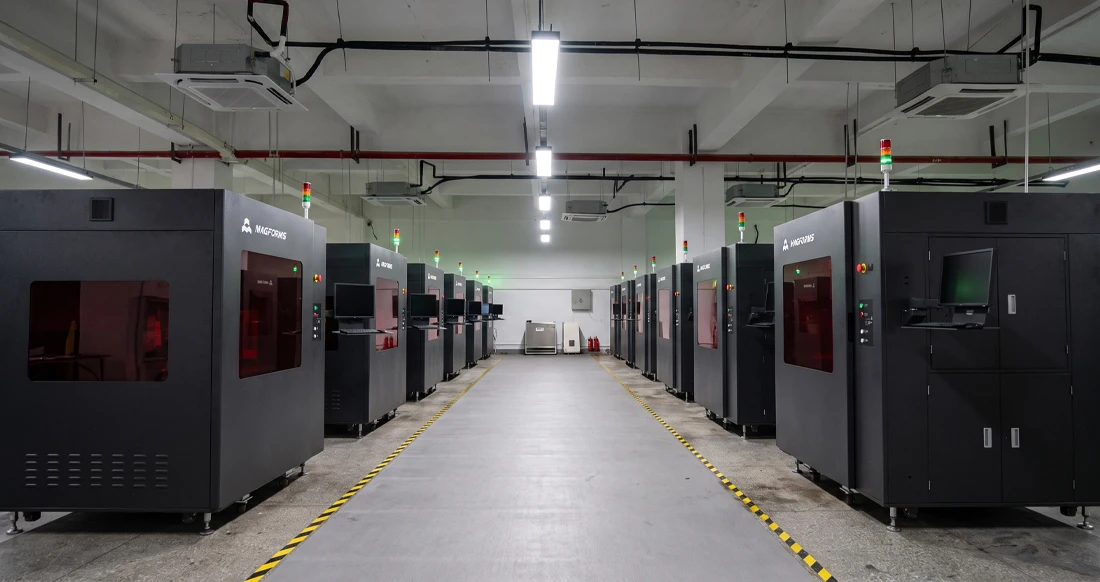
The industrial SLA 3D printer has become a game-changing tool for businesses that need accuracy, speed, and dependability in today's fast-paced production world. The SL800 technology from Magforms is a big step forward in stereolithography additive manufacturing. It combines advanced optical systems with smart robotics to make production results that are truly special. This printer solves the main problems that many fields face, from making prototypes for cars to making medical devices. It does this by providing accurate measurements to within ±0.1mm, laser technology with changeable spot sizes, and compatibility with most 355nm photopolymer resins. With high-quality parts from companies like German Scanlab galvanometers and AOC laser systems, the SL800 can meet the needs of both fast development and small-batch production.
Understanding Industrial SLA 3D Printing and the SL800 Technology
In stereolithography, a precise laser carefully cures liquid plastic to make solid parts. This process is called layer-by-layer photopolymerization. Several technical improvements have been made to the SL800 that make it stand out from desktop options.
Core Principles of SLA Manufacturing
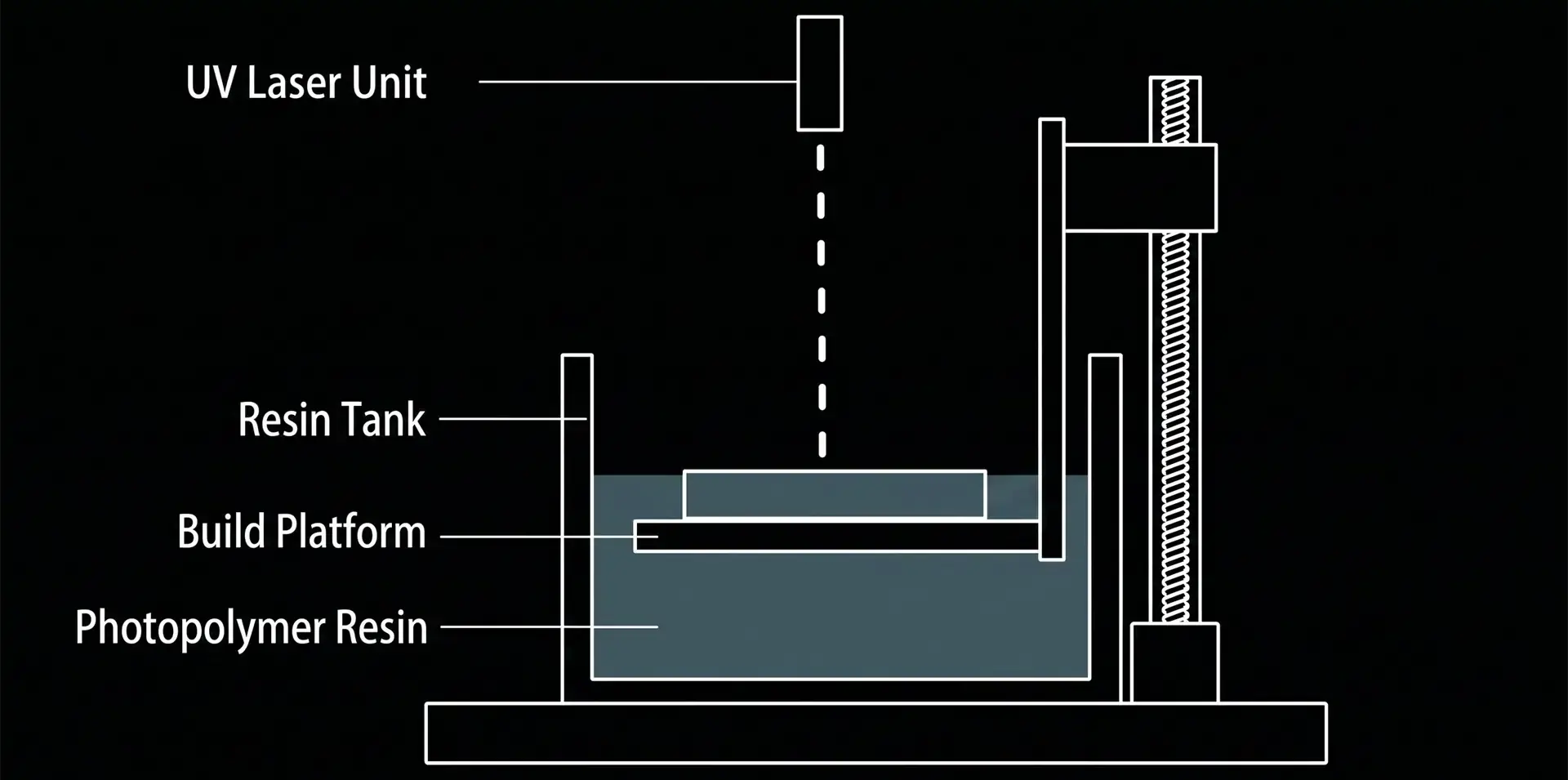
The industrial SLA 3D printer works by using galvanometer mirrors to direct a high-power solid-state laser to make images on a plastic surface. AOC lasers give the SL800 a stable output that can be used 24 hours a day, seven days a week. They are paired with a German Scanlab galvanometer that makes sure the build platform has circular spot geometry all the way around. Positioning accuracy of ±8 μm on the platform and ±30 μm control precision for resin level adjustment is achieved with this combination, which is much better than consumer-grade systems.
👉Understanding Stereolithography (SLA) technology fundamentals, where the layer-by-layer photopolymerization process is explained in detail.
Advanced Optical Systems and Build Platform Design
A low-expansion marble base and 2 mm-thick metal enclosure panels are built into the machine's design. This keeps the temperature stable during long print runs. HIWIN linear guides from Taiwan make the Z-axis move smoothly without damaging any parts. The platform, recoater, and liquid level are powered by Panasonic servo motors. The marble base and recoating system maintain flatness within 0.02 mm to ensure uniform layer deposition. An optical protective cover keeps dust from getting on parts, which means they don't need to be serviced as often and can last longer between visits.
Workflow Integration from CAD to Finished Parts
The iBuild 2.0 control software makes the production process easier by having an easy-to-use interface that is designed to work quickly. Before starting a print, users can add STL files, use automatic support generation, and see a preview of layer slicing. Based on collected data, the self-learning scanning system keeps improving print lines, which can boost speed by up to 20% compared to traditional systems. After printing, the platform's two support rods can be set up at an angle to let resin drain quickly, which cuts down on the time needed for cleaning after processing by a large amount.
Overcoming Production Bottlenecks with SL800: A Performance Optimization Approach
Traditional ways of making things often cause delays because of the time it takes to make tools, the waste of material from failed prints, and the fact that measurements aren't always accurate. These problems are fixed by specific engineering answers in the SL800.
Enhanced Printing Speeds Through Variable Spot Technology
The SL800's variable laser spot can change between 0.5 and 0.6 mm for infill scanning and 0.15 to 0.2 mm micro-spots for small outlines and supports. Intelligent switching makes cycle times 30–50% faster than with fixed-spot systems. With scanning speeds of 6–10 m/s with peak speeds up to 12 m/s, the galvanometer can quickly look at large areas while still being accurate when looking at small details. This two-mode method changes the speed of output without lowering the quality of the surface.
Enlarged Build Volume and Reduced Energy Consumption
The 800mm build envelope can hold big internal parts for cars, and prototypes for medical devices all at once, so there are no building steps needed. The built-in temperature control system keeps the resin's thickness at the right level no matter what the temperature is outside. This keeps prints from failing because the material gets too thick. This climate adjustment feature makes sure that drying properties stay the same whether the facility is cold or climate-controlled. This increases the success rate of the first print and lowers the cost of scrap material.
Implementation Strategies and Real-World Performance Metrics
When compared to outsourcing machining, manufacturers who use the industrial SLA 3D printer say that wait times for sample versions are cut by 40 to 60 percent. The high success rate of prints means that less resin is lost, and operators don't have to do as much work. This lets technical staff handle multiple production lines at once. Coordinate measuring tools are used to make sure that the parts always meet the required ±0.1% error on features bigger than 100mm. This meets the needs for direct assembly verification and mold design validation. The grayscale processing method makes layer lines less noticeable, which means that extra finishing steps are often not needed for non-cosmetic uses.
Industrial SLA 3D Printing Materials and Application Scenarios
Professional devices are different from amateur gear because they can use a variety of materials. The SL800's open material design lets you use a wide range of resins without any limits from the manufacturer.
Compatible Resin Categories and Mechanical Properties
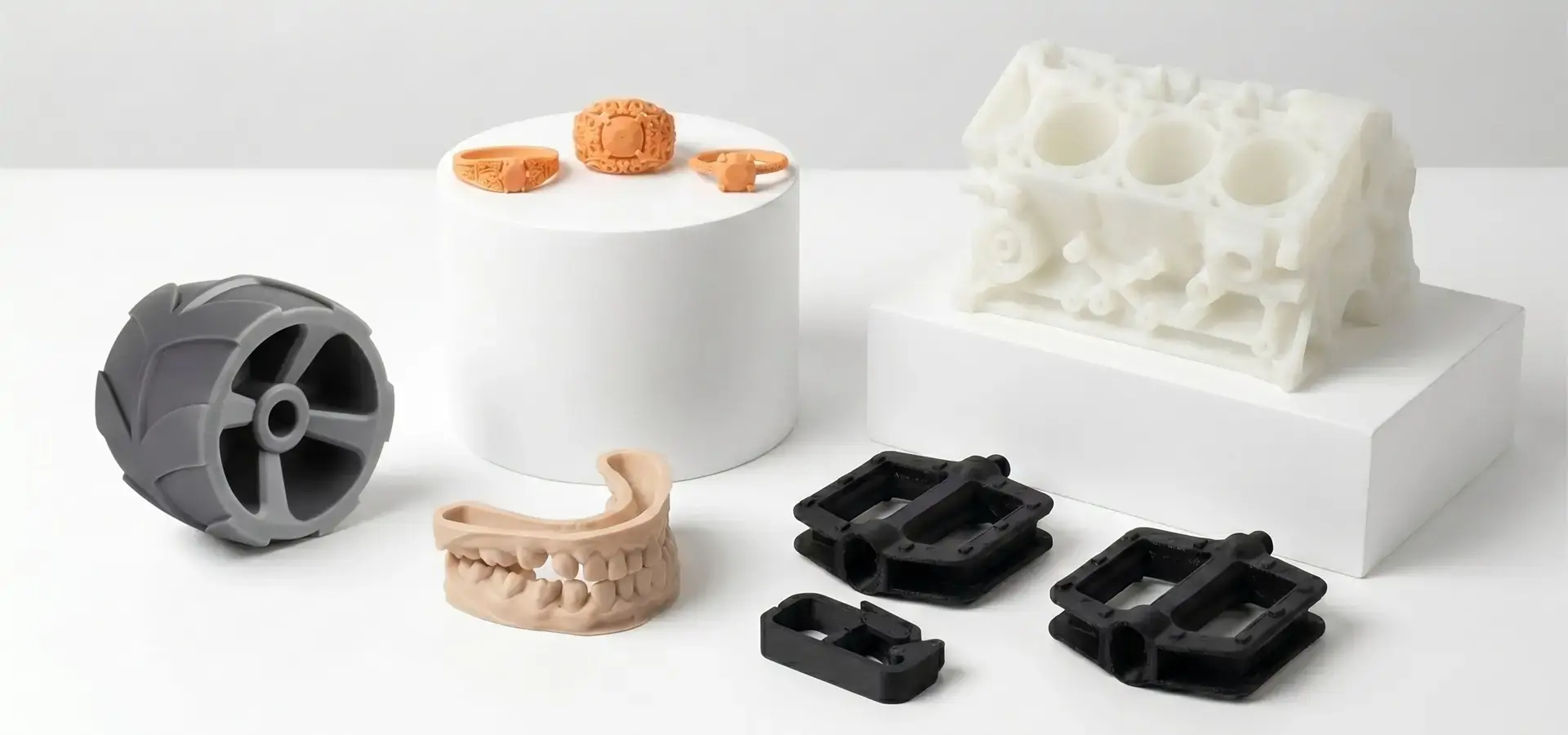
The open material system can work with most 355nm photopolymer resins. These include ABS-like materials for functional prototypes, PP-like materials for living hinges, clear resins for optical parts, high-temperature resistant options that can withstand temperatures above 100°C, and flexible elastomers for grips and seals. This variety of chemicals lets purchasing managers get materials from more than one source and get the best prices while keeping the quality of the prints. Clear printing with clear resin works especially well on the SL800, giving you great clarity with almost no failure risk. This makes it a market star in its own country.
Industry-Specific Use Cases
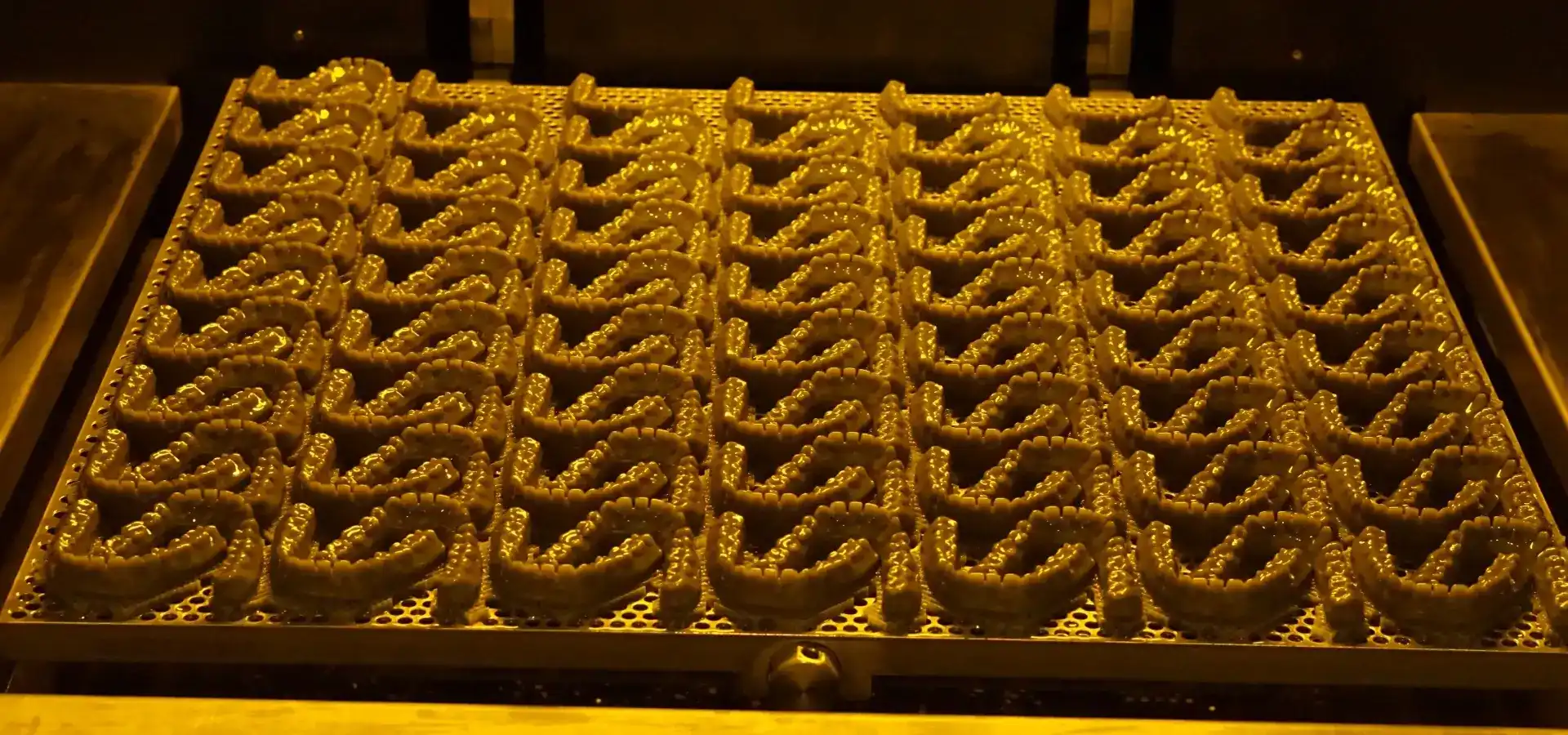
Automakers use the big build volume to make prototypes of dashboard sections and custom internal trim pieces, which speeds up the process of validating designs. Aerospace makers make complicated joints and brackets with odd shapes that would need a lot of CNC code. This lowers the cost per part for small production runs. In dentistry labs, the accuracy lets them make precise aligner molds and surgical guide forms that meet strict standards for biocompatibility. Consumer electronics companies make prototypes of headphone and wearable device housings to test the comfort and looks before committing to injection mold tooling. They do this by using a high-quality surface finish. Cultural creative companies and shoe designers make detailed decorative models and shoe mold masters, which are made within hours from digital ideas.
Scalable Batch Production and Customization Capabilities
Manufacturers can make anything from a single proof-of-concept part to dozens of them in a single build cycle thanks to smart software, reliable hardware, and an open selection of materials. The platform's angled resin draining system and reversed support layout make the most of the build height, which makes packing parts more efficient. This scalability supports a wide range of business models, from service companies that handle a wide range of client requests to original equipment manufacturers (OEMs) that set up their own rapid manufacturing facilities.
Comparing SL800 with Other Industrial SLA and Alternative 3D Printing Technologies
Knowing how competitors are positioned helps people who make buying decisions look at what the real value of a product or service is, not just the price.
Precision and Surface Finish Advantages
Selective laser sintering works great for practical nylon parts, but the surface is harder and needs a lot of work afterward. Digital light processing can cure layers faster, but it has trouble with big cross-sections and making sure that wide build areas are all exposed the same way. The industrial SLA 3D printer SL800's laser-based method gives it isotropic dynamic traits and a better sidewall surface quality, surface roughness can be reduced to near injection-molded quality levels under optimized post-processing conditions. The exact Scanlab galvanometer tuning keeps the laser spot shape round, which stops the elliptical distortion that happens at the edges of build plates in lower-tier systems.
Build Volume and Reliability Comparison
Desktop resin printers can only make 200mm cubes at a time and need to have their vats replaced often. The industrial-grade build of the SL800 allows it to work nonstop with little break. Low failure rates over thousands of hours of use are guaranteed by parts from Schneider, Philips, and other well-known names around the world. The 800-series machines have a mesh plate flatness requirement within 0.05 mm ensures consistent layer geometry across the build surface and stops the warping problems that happen with soldered platforms in rival equipment.
Cost-Benefit Analysis and ROI Considerations
Magforms' method of integrating materials and tools gets rid of compatibility issues that cause hidden costs in settings with more than one provider. High-end foreign names have higher prices and use more expensive proprietary resins. The SL800, on the other hand, gives you the same performance for less money, making it a better choice for tiny businesses. The promise of a 24-hour reaction after the sale keeps production from being held up, which can cause thousands of dollars in missed deadlines. Leasing choices give businesses that are in charge of capital spending budgets more financial freedom by letting them buy things without having to pay a lot of money up front.
👉For a deeper breakdown, see Industrial SLA 3D printing system categories and comparison.
Procurement Guide: Buying and Maintaining the SL800 Industrial SLA 3D Printer
Strategic buying choices include more than just technical details. They also include ties with suppliers, transportation, and ongoing support infrastructure.
Selecting Authorized Suppliers and Warranty Coverage
Working with approved Magforms dealers makes sure you can get original parts, follow tested installation steps, and get your warranty covered. The company takes part in industry shows all over North America and Europe, which gives people a chance to try things out before committing. Managers in charge of buying things should check the qualifications of suppliers, read service level agreements, and make sure that parts are available for things like recoater blades and resin vat liners.
Purchase Versus Leasing Options
For established producers with steady production rates, buying something outright can save them money in the long run. Startups and service companies that want to test the market like leasing agreements because they turn fixed capital costs into operating costs. Combining the initial purchase price with extended service packages in hybrid financing models strikes a balance between the cost of ownership over time and the affordability of the initial purchase price. When setting up the terms of an acquisition, companies should look at their production forecasts, cash flow estimates, and rates of machine usage.
Logistics, Installation, and Preventive Maintenance
When sending the industrial SLA 3D printer internationally, it needs to be properly packed to protect the optical parts and precision motion systems. Magforms works with customers to make sure that delivery times don't clash with their production plans. As part of their installation services, they offer optical path calibration, laser power verification, and training classes for operators. As part of preventive maintenance, the optical covers should be cleaned regularly, the galvanometer should be aligned every so often, and the resin vat should be checked for contamination on a regular basis. The skilled after-sales team answers technical questions within 24 hours and keeps downtime to a minimum by doing remote tests and shipping parts quickly when they need to be sent to the site.
Conclusion
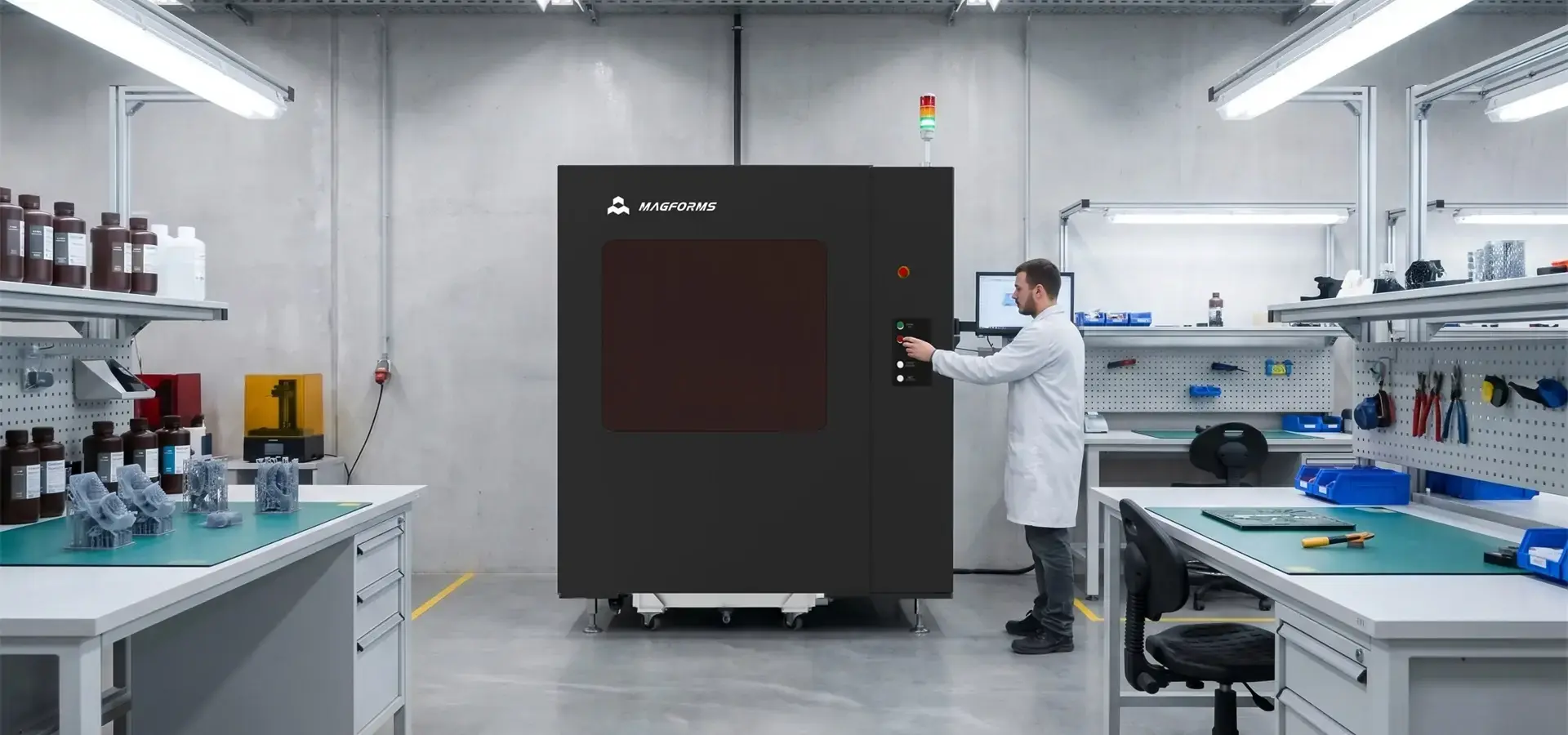
The SL800 is a complete option for companies that want to speed up the process of developing new products while still meeting strict quality standards. Its German optical precision, smart automation, and open material compatibility solve the main problems that purchasing professionals in the car, aircraft, medical, and consumer electronics industries have been pointing out. The use of top-notch parts ensures dependability that can handle ongoing production settings, and the variable spot technology and self-learning algorithms raise the bar for output. When businesses look at their industrial SLA 3D printer options, the SL800 stands out because of its performance, flexibility, and low total cost of ownership. This makes it a great choice for both short-term adoption and long-term growth plans.
👉Explore the Magforms SL800 industrial SLA 3D printer solution to assess real-world performance metrics and application fit.
FAQ
What distinguishes the SL800 from other industrial resin printers?
The SL800 has high-quality parts like AOC lasers, Scanlab galvanometers, and Panasonic servo motors that make it more stable and accurate. Its variable spot technology changes the laser's width while it prints, making it 30–50% faster than fixed-spot systems while still being able to print very small details. The self-learning scanning program keeps improving the efficiency of print lines by optimizing them all the time. Open material compatibility lets you choose from a wide range of 355nm resins, so you don't have to stick with one source.
How does the SL800 enhance production efficiency and reduce costs?
When dimensions are accurate to within ±0.1mm, printed parts can be used directly for assembly testing, which means that correction processes don't have to be repeated. The large build output and high first-print success rates keep material waste to a minimum. Batch production also lowers the cost per part. Less work needs to be done after the surface is finished well, which lowers the cost of labor. The built-in temperature control stops print failures caused by weather, so the quality of the output stays the same in all settings.
What materials work with the SL800 system?
The open design works with engineering resins, materials that are like ABS, flexible choices that are like PP, clear formulations, and high-temperature resistant resins that can withstand HDT above 100°C. Because of this, it can be used for everything from working prototypes to final production parts. This means that makers can choose materials based on mechanical needs instead of equipment limits.
Partner with a Trusted Industrial SLA 3D Printer Manufacturer
Magforms has decades of experience with 3D printing that can help you change the way you make things. We don't have to worry about compatibility issues that slow down production because we are a combined industrial SLA 3D printer seller that offers both advanced hardware and optimized materials. Our 22 patents and 30 filed brands show that we are always coming up with new ideas, and the fact that we serve over 300 businesses on six continents shows that we can be trusted. Precision German optics and smart technology work together in the SL800 to provide accuracy down to the micron level, faster output, and excellent surface quality. Our technical support team gets back to you within 24 hours to make sure your business keeps running smoothly. Contact us at info@magforms.com to talk about how the SL800 can help you with your unique production issues, to ask for example parts that show off our print quality, or to set up a facility tour.
References
1. Gibson, I., Rosen, D., & Stucker, B. (2021). Additive Manufacturing Technologies: 3D Printing, Rapid Prototyping, and Direct Digital Manufacturing (3rd ed.). Springer.
2. Jacobs, P. F. (1992). Rapid Prototyping & Manufacturing: Fundamentals of Stereolithography. Society of Manufacturing Engineers.
3. Melchels, F. P. W., Feijen, J., & Grijpma, D. W. (2010). A review on stereolithography and its applications in biomedical engineering. Biomaterials, 31(24), 6121-6130.
4. Stansbury, J. W., & Idacavage, M. J. (2016). 3D printing with polymers: Challenges among expanding options and opportunities. Dental Materials, 32(1), 54-64.
5. Wohlers, T., & Gornet, T. (2022). Wohlers Report 2022: 3D Printing and Additive Manufacturing Global State of the Industry. Wohlers Associates.
6. Zhang, J., & Jung, Y. G. (2018). Additive Manufacturing: Materials, Processes, Quantifications and Applications. Butterworth-Heinemann.

Magforms makes design and manufacture easier.
Popular Blogs
-
 Industry InsightsManufacturing Industry
FDM vs. SLA Printer: Which Technology Is Right for Your Project?
-
 Industry InsightsManufacturing Industry
Top 5 Applications of Industrial 3D Printers in Manufacturing Today
-
 Industry InsightsManufacturing Industry
Why Stereolithography 3D Printers Are Unmatched for Microfluidic Device Prototyping?