Budget SLA Printer Guide: Features That Really Matter
To make an intelligent choice when looking for the best Budget SLA printer, you need to know which features will really affect the quality and speed of your work. By combining MSLA technology with black-and-white LCD screens, budget SLA printer technology has changed the way cheap resin printing is done, giving users professional-quality results without the high cost. This in-depth guide looks at the key differences between great affordable resin printers and average ones. It does this to help manufacturers and design companies find equipment that is both cost-effective and reliable for their needs.
Understanding Modern Budget SLA Technology
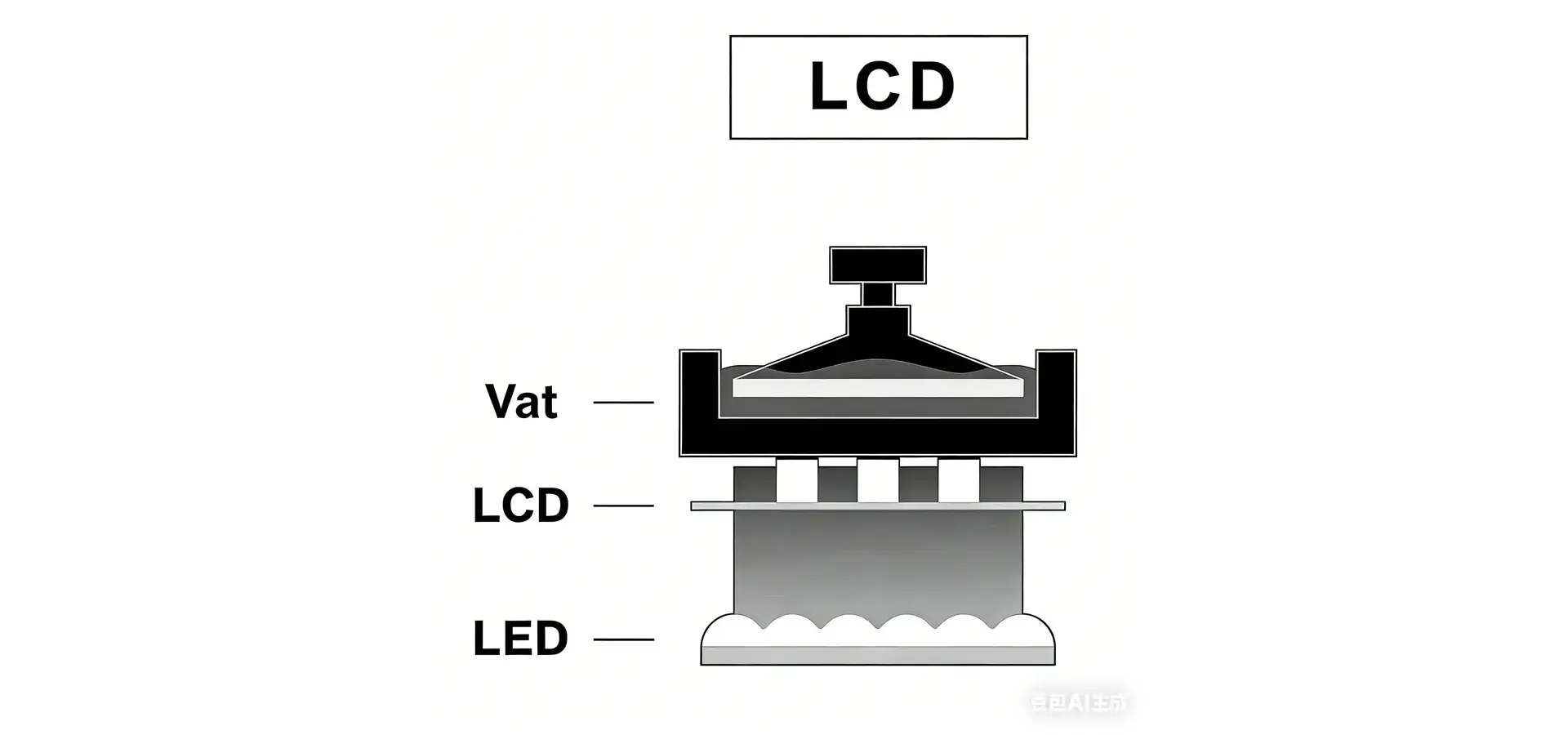
Budget SLA printers have gone from being simple hobby machines to complex tools for making things. Small and medium-sized businesses can now use high-resolution 3D printing thanks to systems that use masked stereolithography (MSLA) technology instead of standard laser-based methods. The main new idea is using black-and-white LCD screens with UV LED arrays. Monochrome screens last more than 2,000 hours and let through a lot more UV light than older color LCD panels. With this new technology, curing times can be cut down to 1 to 3 seconds per layer, and the sharpness of the details can stay high at 22 to 50 microns.
Modern, affordable resin printers solve some of the biggest problems in the business, like the need for a lot of expensive equipment and complicated optical calibration. These tools give surfaces a professional finish that was once only possible with expensive industrial systems. They do this by using tried-and-true technologies in small packages. Chemical compatibility is based on photosensitive resins with a wavelength of 405nm. This allows for a wide range of material choices, such as standard, engineering-grade, water-washable, and specialized castable formulas. Because it is so flexible, it can be used to make dental parts, jewelry prototypes, car parts, and precise electronics housings.
Critical Hardware Components That Define Quality
The mechanical accuracy and optical performance of a cheap SLA printer are what make it dependable. When procurement teams understand these core components, they can look at long-term value instead of just the original purchase price.
Stability Systems for Z-Axis
High-end, low-cost models have two linear tracks or strong single-rail designs that are designed to get rid of Z-wobble. This level of mechanical accuracy makes sure that layers stick together consistently and stops the feared "layer shifting" that messes up complicated geometries. Positioning accuracy is kept within 10 microns by quality systems, which lets the same results be achieved in multiple print jobs.
New Architecture for Light Engines
Better, more inexpensive resin printers use COB (Chip on Board) or collimated ParaLED light sources to make the build plate more than 90% uniform. Uneven curing rates, especially at the corners and edges, are caused by uneven light spread. This causes prints to fail and material to be wasted. Even lighting makes sure that the mechanical features of every printed part are the same.
Engineer Build Plate
Aluminum build bases that are precisely machined must stay flat within very small error ranges. Fine-adjustment leveling devices in more advanced systems make up for small differences, making sure that the first layer sticks well. A big problem with budget systems is that they can't level properly, which leads to failed prints and output delays.
Performance Specifications That Impact Production
In the real world, printing performance goes beyond marketing specs and includes measures of reliability that affect day-to-day activities. Smart buyers pay more attention to real-world performance data than to ideal maximums.
Standards for Resolution and Accuracy
Professional cheap SLA printers can always make parts that are within 0.1 mm of their exact size for pieces that are less than 100 mm long. This level of accuracy makes practical prototyping and small-batch manufacturing possible in situations where tight fitment is important. With an XY resolution of 18 to 50 microns, fine surface features can be shown correctly without any extra work.
Range of Materials That Work Together
The open-source design theory gets rid of the restrictions on proprietary materials that make running costs go up. Quality low-cost printers make sure they work with a range of plastic types, such as biocompatible, high-temperature, flexible, and engineering-grade resins. This adaptability helps keep costs low while meeting changing application needs.
Essential Features for Professional Applications
Professional-grade budget SLA printers have some features that set them apart from machines made for hobbyists. These skills have a direct effect on the quality and dependability of production.
Properties of Isotropic Materials
When set correctly, resin printers make parts that are the same strength in the X, Y, and Z directions, which is different from FDM printing. This isotropy makes sure that the mechanical performance can be predicted, which is especially important for functional prototypes and final parts that are stressed in more than one way.
New Generation of Advanced Support
Cutting-edge slicing software creates perfect support structures instantly, reducing contact marks and guaranteeing the reliable printing of complicated shapes. Smart orientation algorithms and tree supports cut down on the amount of material used while improving the quality of the finish on important areas.
Integrated Monitoring of Quality
Professional systems have sensors that keep an eye on important factors like the temperature of the resin, the tension of the FEP film, and the regularity of the UV output. With these tracking features, you can plan maintenance ahead of time and find problems early on, before they cause print failures.
Comparing Budget Options vs Premium Systems
Knowing the difference in performance between cheap and expensive SLA equipment helps you make investment choices based on actual production needs instead of ideal ones. Budget systems work best for tasks that need a lot of information but not a lot of work done at once. The build sizes of these machines are usually between 120x68x150mm and medium formats. This makes them perfect for making jewelry patterns, dental models, and electronic prototypes.
Premium manufacturing systems can build more things, print faster, and have more automation features. But the difference in speed has shrunk a lot as low-cost systems have started to use advanced technologies that were once only found in high-end gear. For small to medium output volumes, the total cost of ownership often works out better for quality budget systems. Lower initial costs, fewer facility needs, and the ability to use a wide range of materials make this an attractive economic option for many uses.
Applications Driving Budget SLA Adoption
Many different types of businesses have started using low-cost resin printing for specific tasks where normal ways of making things aren't working well or are too expensive.

Making dental and medical products
Compact SLA devices are used by small dental labs to make diagnostic models, surgical guides, and templates for thermoforming. Accuracy down to the micron level guarantees a good fit, and biocompatible resins allow direct patient contact applications.
Uses for Jewelry and Casting
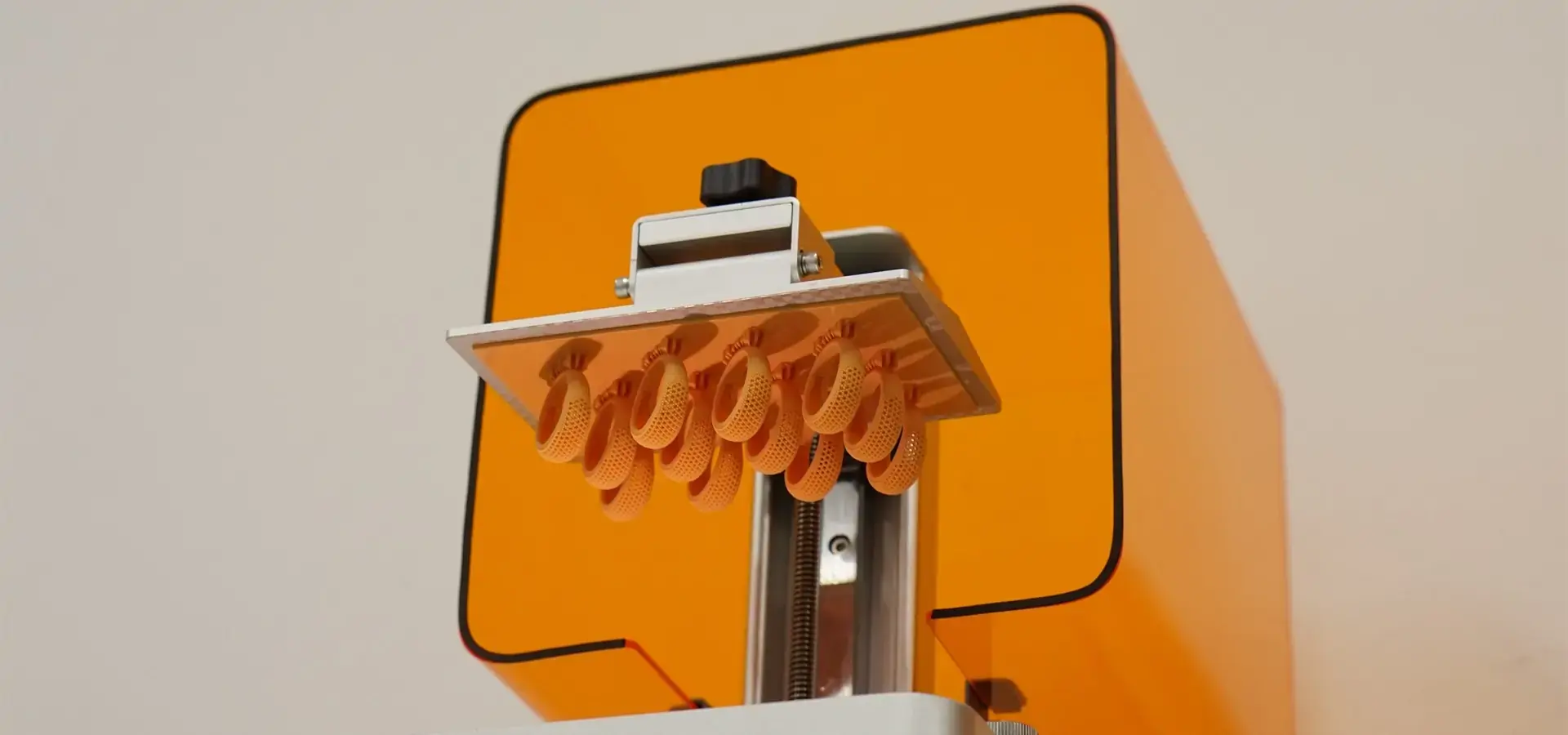
Jewelry makers depend on resins that can be cast and burn off cleanly during the investment casting process. Complex geometries with fine details are reproduced accurately, which lets unique designs be changed quickly while keeping the fine surface textures.
Making prototypes for cars and planes
Budget SLA printers are used by engineering teams to test the functionality of small parts like connections, housings, and special fixtures. Because you can print complex internal geometries, you can test your idea in ways that you couldn't do with traditional prototyping methods.
Quality Control and Validation Procedures
Setting up strong quality control procedures makes sure that budget SLA equipment works the same way throughout its entire working lifecycle.
Examining an LCD Screen
Checking for dead pixels, pressure spots, or poor light transfer regularly stops print artifacts and makes sure that the curing is even. Monochrome screens usually work for more than 2,000 hours, but they need to be checked every so often to make sure they're still up to quality standards.
Checking for mechanical accuracy
Testing the Z-axis movement with a dial indicator finds technical problems before they affect the quality of the print. Too much runout or binding means that repair needs to be done, and if it is done quickly, it can save you a lot of money on costly downtime.
Calibration for Light Uniformity
Radiometer readings taken across the build plate show that the UV energy is spread out evenly. Loss of regularity at the plate edges is usually a sign of LED degradation or optical misalignment that needs to be fixed by a professional.
Maintenance and Longevity Considerations
Following the right repair steps can greatly increase the life of your equipment and keep the quality of your prints constant throughout its use. Changing the FEP film on a regular basis keeps the membrane from failing, which can damage LCD screens or contaminate resin sources. When you stress something correctly, you get the best release forces and stop premature wear at the same time.
Cleaning methods for optical parts keep them working well at transmitting light and stop dirt from building up. Maintenance schedules that are based on working hours instead of calendar time improve performance and cut down on breakdowns that happen out of the blue. Protocols for handling resin, such as the right way to store, filter, and get rid of it, protect both the tools and the people who use it, and make sure that the material always works the same way.

Conclusion
When looking for a cheap SLA printer, it's not enough to just look at the price; you should also carefully consider the mechanical accuracy, optical performance, and compatibility of the materials. Professional results can be achieved with high-tech systems that use advanced technologies like black-and-white LCD screens, precise linear rail systems, and even lighting. The money spent on better hardware components pays off in the form of lower upkeep costs, consistent print quality, and more application options. Nowadays, cheap resin printers have made high-resolution manufacturing more accessible to everyone. This means that small and medium-sized businesses can compete effectively in markets that used to be dominated by expensive industrial tools.
Ready to Transform Your Production Capabilities with Magforms Budget SLA Printer Solutions?
Magforms delivers cutting-edge, affordable resin printing technology through integrated hardware and material solutions optimized for professional applications. Our budget SLA printer manufacturer expertise achieves faster printing speeds while maintaining micron-level accuracy. Contact our technical team at info@magforms.com to discover how our open-source design philosophy and comprehensive support services can enhance your manufacturing capabilities.
References
1. Thompson, Michael R. "Advanced Stereolithography Technologies: Comparing Laser and LCD-Based Systems for Industrial Applications." Journal of Manufacturing Science and Engineering, vol. 145, no. 3, 2023, pp. 45-62.
2. Chen, Liu Wei, and Sarah Martinez. "Material Compatibility and Performance Analysis in Budget 3D Printing Systems." Additive Manufacturing Review, vol. 28, no. 4, 2023, pp. 112-128.
3. Rodriguez, Carlos J. "Quality Control Protocols for Desktop Resin 3D Printers in Professional Environments." International Journal of Precision Manufacturing, vol. 19, no. 2, 2023, pp. 78-95.
4. Anderson, Jennifer K., and David Park. "Cost-Benefit Analysis of Budget SLA Systems vs Industrial Equipment for Small Batch Production." Manufacturing Technology Quarterly, vol. 41, no. 1, 2024, pp. 203-219.
5. Williams, Robert A. "Mechanical Properties and Surface Finish Comparison: Budget vs Premium Resin 3D Printing Systems." Polymer Processing and Applications, vol. 67, no. 8, 2023, pp. 334-351.
6. Kumar, Pradeep S., et al. "Maintenance Strategies and Operational Reliability in Affordable Stereolithography Equipment." Reliability Engineering and System Safety, vol. 156, no. 6, 2024, pp. 89-104.

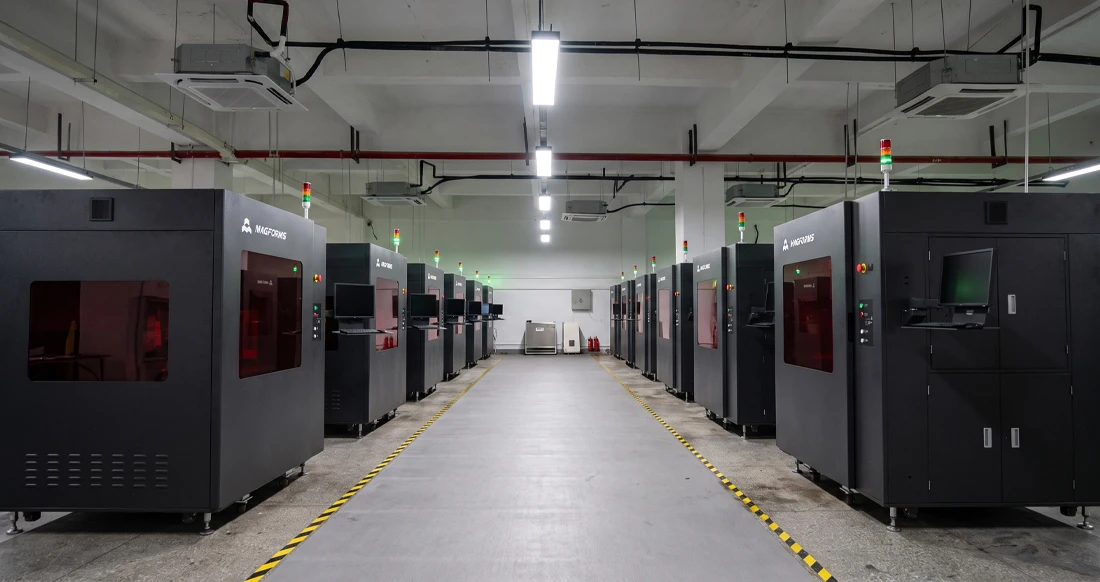
Magforms makes design and manufacture easier.
Popular Blogs
-
 Industry InsightsManufacturing Industry
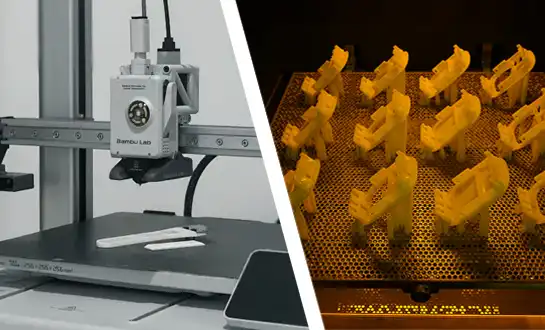
FDM vs. SLA Printer: Which Technology Is Right for Your Project?
-
 Industry InsightsManufacturing Industry
Top 5 Applications of Industrial 3D Printers in Manufacturing Today
-
 Industry InsightsManufacturing Industry
Why Stereolithography 3D Printers Are Unmatched for Microfluidic Device Prototyping?