Budget SLA Printers with Easy Setup and Reliable Prints
Budget SLA printer technology has transformed the 3D printing landscape, making high-precision stereolithography accessible to businesses across multiple industries. These cost-effective systems deliver professional-grade results while maintaining the ease of setup and reliability that modern enterprises demand. Unlike traditional industrial SLA systems that require substantial capital investment, today's budget SLA printers offer exceptional value through advanced MSLA technology, enabling companies to achieve micron-level accuracy without compromising operational efficiency or breaking procurement budgets.
Understanding Budget SLA Printers: What They Are and How They Work
Budget SLA printers are a big step forward in stereolithography technology because they make high-resolution resin printing more accessible to businesses all over the world. These systems use Masked Stereolithography (MSLA) technology and high-resolution LCD screens and UV LED arrays instead of pricey galvanometer laser systems. Because of this change in architecture, groups that couldn't afford the large capital costs needed for industrial laser-based systems can now use precise 3D printing.

The Core Technology Behind MSLA Systems
Projecting UV light onto a pool of photopolymer resin through a high-resolution black-and-white LCD screen is the basic idea behind how it works. These days, cheap SLA printers usually have LCD screens with 4K to 12K images and XY resolutions of 18 to 50 microns. The build platform moves vertically along precise linear lines, making layers one on top of the other while UV light fixes the resin in a way that matches the shape of each layer.
This type of technology has been completely changed by monochrome LCD panels, which transmit light more efficiently than older RGB screens and last longer—over 2,000 hours. The 405nm wavelength agreement makes it possible for businesses to use a wide range of materials, including normal, ABS-like, water-washable, and specialized industrial resins.
Applications Across Multiple Industries
Budget SLA printers are great for jobs that need to print fine details and have smooth surfaces. These methods are used by dental labs to make diagnostic models, surgery guides, and clear aligner bases that are thermoformed. The micron-level accuracy makes sure the right fit, which is important for patient care, and lowers the cost of outsourcing.
Budget SLA printers are used by manufacturing teams to make quick prototypes of housings for consumer goods, parts for the inside of cars, and ports for spacecraft. Because SLA prints have isotropic mechanical features, they are strong in all directions. This means they can be used for practical testing and confirmation.

Key Features and Performance Criteria for Budget SLA Printers
Modern budget SLA systems have a number of important features that make it easier to integrate them into professional processes and keep the quality of the output uniform. When procurement teams understand these specs, they can make choices that are in line with their business needs and quality standards.
Essential Hardware Specifications
Any cheap SLA printer's heart is its optical engine, and monochrome LCD technology holds it together for solid performance. High-quality systems have COB (Chip on Board) or collimated light sources that make the light level across the whole build plate more than 90% the same. This standard stops edges from delaminating and makes sure that the drying process is the same all over the printing area.
Z-axis steadiness has a direct effect on the quality of the print and the regularity of the layers. Professional-grade, low-cost SLA printers have either two linear rail systems or a strong single-rail setup that stops Z-wobble. Layer heights can be anywhere from 10 to 100 microns, which lets users find a good mix between printing speed and surface finish needs.
Different applications have different needs when it comes to building space. Small systems have printing areas that are about 120x68x150 mm, which is good for small parts and jewelry. Medium-format printers can print more jobs at once and make samples that are bigger, but they can still be used on desktop computers.
User-Friendly Setup and Operation
These days, cheap SLA printers put an emphasis on being easy to use by coming with preset parameters and simple user interfaces. With touch screen controls and wireless connection, watching and managing jobs can be done from afar, which cuts down on the time an operator has to spend on-site. Automatic systems that check the amount of glue and heat up keep the printing conditions at their best without any help from a person.
Resin management systems have features like filling spouts that don't drip and built-in cleaning systems. These design features keep material waste to a minimum and lower the risk of contamination during changes to materials. Flexible removing films and quick-release build plates speed up the post-processing process.
Performance Benchmarks and Reliability
Print speed is an important measure of performance, and the layer curing times for current cheap SLA printers are between 1 and 3 seconds. This fast processing makes it possible to finish complex parts in hours instead of days, which speeds up the development process. Different resin formulas and part shapes can be optimized with exposure settings that can be changed.
Because they can be accurate to within 0.05 mm, cheap SLA printers can be used for practical tasks that need exact fitment. Stable temperatures and regular UV output make sure that the same results are achieved in each production run, which is important for business quality control.
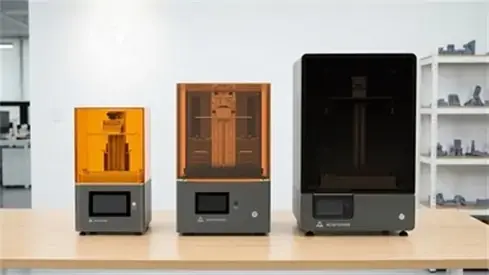 |
Product Selection Guide What to Look for in a Budget SLA 3D Printer Understand build volume, XY resolution, light uniformity, and Z-axis stability to choose the right SLA system for your workflow.
|
Comparing Budget SLA Printers with Alternatives: Making an Informed Choice
Comparing technologies in a way that takes into account both short-term needs and long-term standards for growth is helpful when making purchasing decisions. Budget SLA printers are one of a kind in the world of additive manufacturing. They have clear benefits over other technologies while still being affordable.
Budget SLA vs. DLP Technology
Digital Light Processing (DLP) printers use different light sources, but use resin-based chemistry that is similar. Digital micromirror devices (DMD) are used in DLP systems, and they can print big, solid things a little faster. But cheap SLA printers usually have better edge definition and even exposure across the whole build area, which makes them better for tasks that need to reproduce fine details.
The way running costs are set up also varies by technology. When it comes to new screens and light sources, budget SLA printers typically have lower operating costs. When compared to LCD-based systems, DLP projector parts need to be replaced more often and usually cost more.
Comparison with FDM Technology
Most groups that are trying to save money choose Fused Deposition Modeling (FDM) printers as an option. FDM systems are great at making big, useful parts out of industrial thermoplastics, but cheap SLA printers do a better job of reproducing small details and surfaces with a smooth finish.
When choosing a tool, material concerns are very important. Fiber-reinforced composites and high-temperature plastics are just a few of the industrial materials that can be used with FDM. Budget SLA printers use photopolymer resins, which are great for getting accurate measurements and smooth surfaces, but they might need more drying time after the fact to get the best mechanical qualities.

Professional SLA Systems vs. Budget Options
Industrial SLA systems use galvanometer-controlled laser scans, which let them make bigger parts and work faster. These methods are worth the extra money because they increase productivity and make more materials compatible. On the other hand, cheaper SLA printers can print just as well on smaller parts while needing a lot less money up front.
Maintenance needs are very different between groups. Professional systems usually need specific service contracts and techs who are skilled, but cheap SLA printers let you do maintenance yourself with just a little training, and spare parts are easy to find.
Procurement Insights: Where and How to Buy Budget SLA Printers?
When you buy cheap SLA printers strategically, you need to carefully consider the providers, warranty terms, and ongoing support options. Because additive manufacturing is done all over the world, there are many different ways to get materials, and each has its own benefits for different types of businesses.
Supplier Evaluation Criteria
Authorized sellers and direct ties with manufacturers are the best ways to make sure that the buying goes smoothly. These relationships make sure that customers can get real goods with full warranties and quick technical help. Established wholesalers usually keep local stock and service options, which cuts down on lead times and business delays.
The name of a supplier in the community of additive manufacturing is a good way to tell if they could be a good partner for a long time. Companies with a lot of patents and a history of success show that they are committed to constant innovation and market security. Companies like Magforms, which have 22 patents and work with over 300 companies around the world, show that they have the technical know-how and market reach to make buying relationships work.
Warranty and Support Considerations
The full scope of a warranty should include both hardware parts and software changes. Premium suppliers offer choices for longer warranties and preventative repair plans that cut down on unplanned downtime. Access to technical help, such as online troubleshooting and on-site service, has a direct effect on the continuity of operations.
Training programs and the quality of the materials have a big impact on how well people accept new technologies. Suppliers who offer complete training tools, online lessons, and hands-on workshops make it easier for teams to work together and learn faster. This training support is especially helpful for businesses that are switching from old-fashioned ways of making things.
Cost Optimization Strategies
Organizations that are looking to deploy more than one unit can save a lot of money by using volume purchasing deals. A lot of the time, the bulk price includes more than just gear. It can also include consumables, spare parts, and longer service agreements. Early communication with providers about plans for future growth allows for organized price talks and good terms.
Financing choices and rental programs can help you better control your cash flow and give you access to the latest technology. Some providers have trade-in programs for new technology, which protects initial investments and makes it easier to update tools as business needs change.

Brand Trust and Service: Building Confidence in Your Budget SLA Printer Supplier
Building ties with trusted suppliers is a key part of success for businesses that want to buy cheap SLA printer technology. Because 3D printing systems are so complicated and need to be integrated into production processes, they need ongoing assistance that goes far beyond just delivering the tools.
Industry Leadership and Innovation
Leading cheap Budget SLA printer makers show their dedication by always coming up with new ideas and improving technology. Long-term technology roadmaps can be trusted when companies spend in research and development, as shown by their patent collections and regular product updates. This focus on innovation makes sure that new skills and economic benefits are available.
Being present in markets in several different areas shows that a provider is stable and can provide global support. Companies that already have business in more than one country can offer localized service and follow the rules in each area. This geographic reach is especially useful for international companies that need to install tools in a standard way.
Technical Expertise and Support Infrastructure
For complicated projects, professional technical support teams with experienced engineers and application experts are a must. Rapid reaction options, such as guaranteed settlement times and 24/7 online advice, keep work interruptions to a minimum. For important uses, advanced suppliers offer ways to escalate problems and the ability to provide help on-site.
Premium suppliers are different from commodity suppliers because they have more application understanding and business experience. Teams with a lot of experience in certain vertical areas can give specific advice and suggestions for how to improve things. This knowledge shortens the time it takes to apply and increases the return on investment.
Long-term Partnership Value
For cheap SLA printer projects to go well, people need to keep working together throughout the lifecycle of the equipment. Continuous growth and keeping a competitive edge are made possible by suppliers who offer regular training updates, process optimization advice, and technology roadmap direction.
Magforms is a good example of this partnership method because it has a global market footprint and a complete support infrastructure. The company shows its dedication to long-term customer relationships and market growth by sending its goods to dozens of countries and taking part in international trade shows. Their professional classes and technical training programs help people in a wide range of businesses and uses successfully adopt new technologies.
Conclusion
Budget SLA printers have changed how easy it is to get high-precision 3D printing technology. They allow businesses in many fields to get professional results without spending a lot of money. The advanced MSLA technology, easy-to-use interface, and reliable performance that serve both prototyping and small-volume production needs make these systems a great deal. Carefully choosing a supplier, carefully going over all the technical requirements, and building strong support relationships are all important for a good application. Budget SLA printers are the key to competitive edge and operational excellence in today's demanding production climate for companies that value innovation, quality, and the chance to build long-term partnerships.
FAQ
What maintenance routine is recommended for budget SLA printers?
As part of regular care, the build plate and resin vat are cleaned every day, the LCD screen is checked for dead pixels or damage every week, and the tuning is checked every month. Depending on how often it is used, the FEP release film should be changed every 500 to 1000 print hours. To keep print quality high, keep an eye on the resin levels and clear out contaminated material on a frequent basis.
How do I choose between budget SLA and DLP printers for my business needs?
Budget SLA printers work great for tasks that need to reproduce fine details and edges consistently across the whole build area. For dental models, jewelry designs, and precise samples, SLA is the way to go. DLP systems might be faster for moving big, solid things, but they usually have higher costs for consumables and need to change the light source more often.
Are budget SLA printers suitable for low-volume production runs?
Budget SLA printers work well for small-scale production for specific uses that need high accuracy and smooth surfaces. They're good for making tooth appliances, unique jewelry, and samples for electronics. But if you want to make more than 100 units a month, you should think about how much the materials cost and what needs to be done afterward.
What material compatibility should I expect from budget SLA printers?
Standard 405nm photopolymer resins, such as general-purpose, ABS-like, water-washable, and specialty formulas, can be used with most cheap SLA printers. Look for open-source methods that let third-party materials be used. This will give you more options for materials and help you keep costs down. Check the approval for high-temperature or biocompatible plastics if they are needed for certain tasks.
How do the print resolutions of cheap and expensive SLA systems compare?
Budget SLA printers can usually print parts with an XY precision of 18 to 50 microns, which is the same as many expert systems for small to medium-sized parts. Instead of basic resolution, the main changes are in build volume, printing speed, and advanced features. Most testing and small production tasks can be done with enough accuracy with budget tools.
Transform Your Production with Magforms Budget SLA Printer Solutions
Magforms makes cutting-edge budget SLA printer technology that is both easy to set up and very reliable for printing. Our systems use varying spot-size laser printing technology and deep learning techniques that make printing 30–50% faster while keeping accuracy at the micron level. Our open-source design and combined material solutions give you the freedom to keep costs low while still getting results that look like they were made by professionals. Our world footprint, which includes more than 300 businesses in dozens of countries, shows that we are successful in a wide range of industrial settings. For more information on how our Budget SLA printer options can help you speed up product development and make manufacturing easier, email our technology experts at info@magforms.com. Let us help you figure out the best way to set up your system based on your needs and operating goals.
References
1. Gibson, Ian, et al. "Additive Manufacturing Technologies: 3D Printing, Rapid Prototyping, and Direct Digital Manufacturing." Springer International Publishing, 2021.
2. Melchels, Ferry P.W., et al. "A Review on Stereolithography and Its Applications in Biomedical Engineering." Biomaterials Journal, Vol. 31, 2020.
3. Jacobs, Paul F. "Fundamentals of Stereolithography." Society of Manufacturing Engineers, 2019.
4. Ligon, S. Christian, et al. "Polymers for 3D Printing and Customized Additive Manufacturing." Chemical Reviews, American Chemical Society, 2022.
5. Standard, ASTM. "F2792-12a Standard Terminology for Additive Manufacturing Technologies." ASTM International, 2021.
6. Chatham, Christopher A., et al. "A Review of the Process Physics and Material Screening Methods for Polymer Powder Bed Fusion Additive Manufacturing." Progress in Polymer Science, Elsevier, 2020.

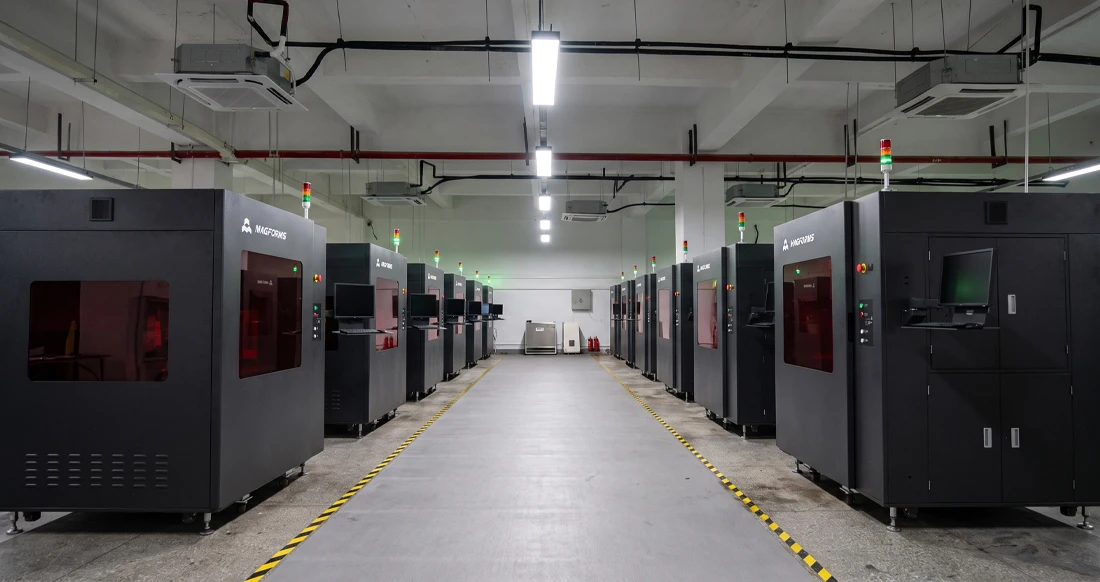
Magforms makes design and manufacture easier.
Popular Blogs
-
 Industry InsightsManufacturing Industry
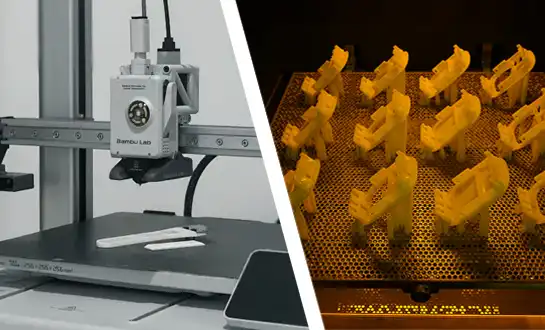
FDM vs. SLA Printer: Which Technology Is Right for Your Project?
-
 Industry InsightsManufacturing Industry
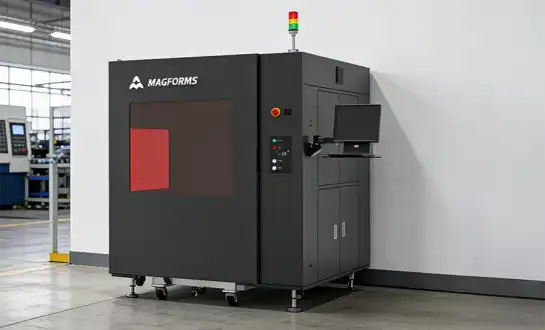
Top 5 Applications of Industrial 3D Printers in Manufacturing Today
-
 Industry InsightsManufacturing Industry
Why Stereolithography 3D Printers Are Unmatched for Microfluidic Device Prototyping?