Can a 3D Printer Replace Traditional Manufacturing?
Can a 3D printer fully replace traditional manufacturing? The answer isn't a simple yes or no. While additive manufacturing excels in rapid prototyping, customization, and low-volume production, conventional methods remain superior for high-volume manufacturing and cost-efficiency at scale. The future likely belongs to hybrid approaches where both technologies complement each other, with 3D printer technology increasingly handling specialized applications that traditional methods cannot efficiently address.
Understanding 3D Printing Technology and Its Advantages
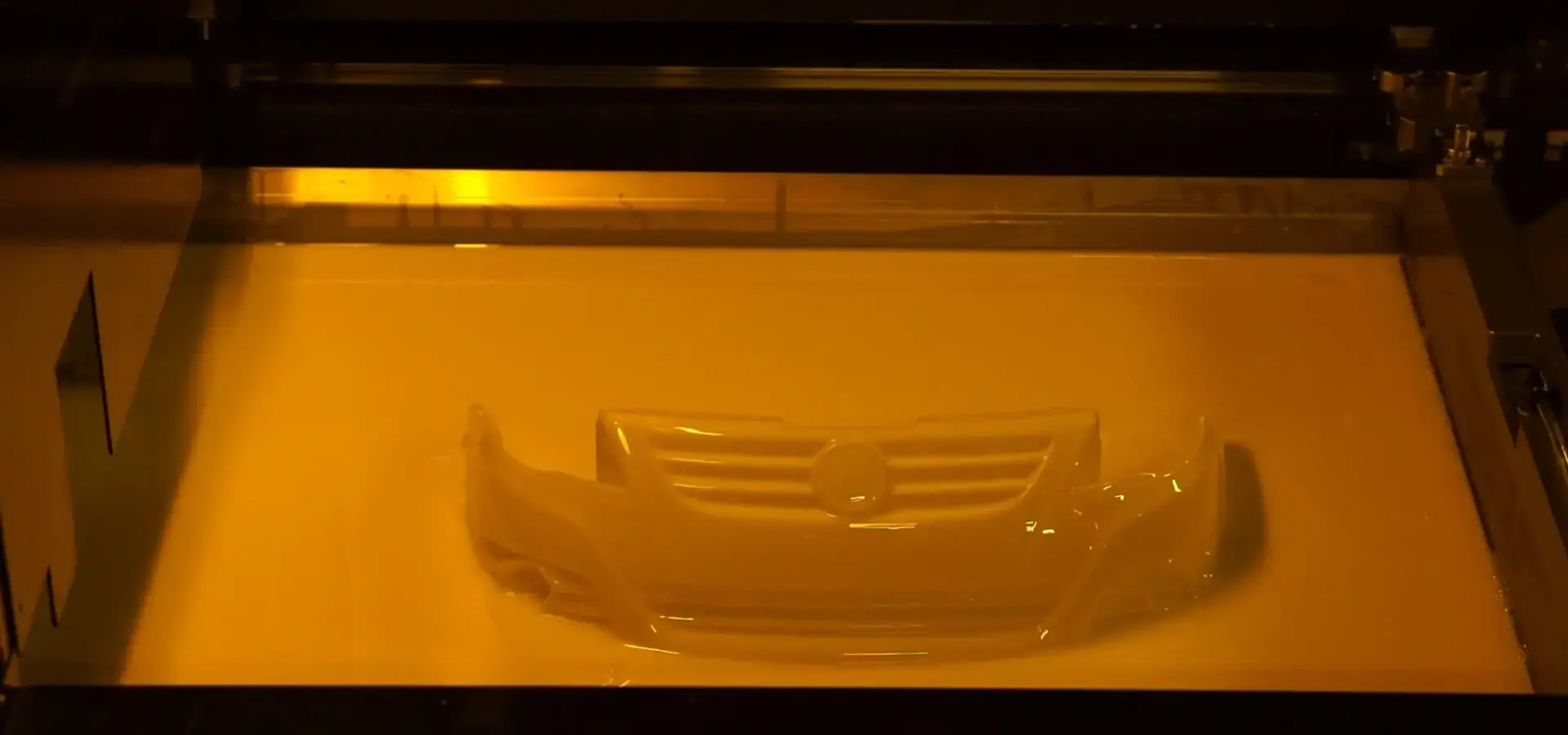
Using different materials like metals, plastics, and resins, additive manufacturing builds things layer by layer from computer plans. Subtractive methods take away material from solid blocks, but this method exactly adds material where it is needed, which completely changes how we make things.
Core Technologies and Industrial Applications
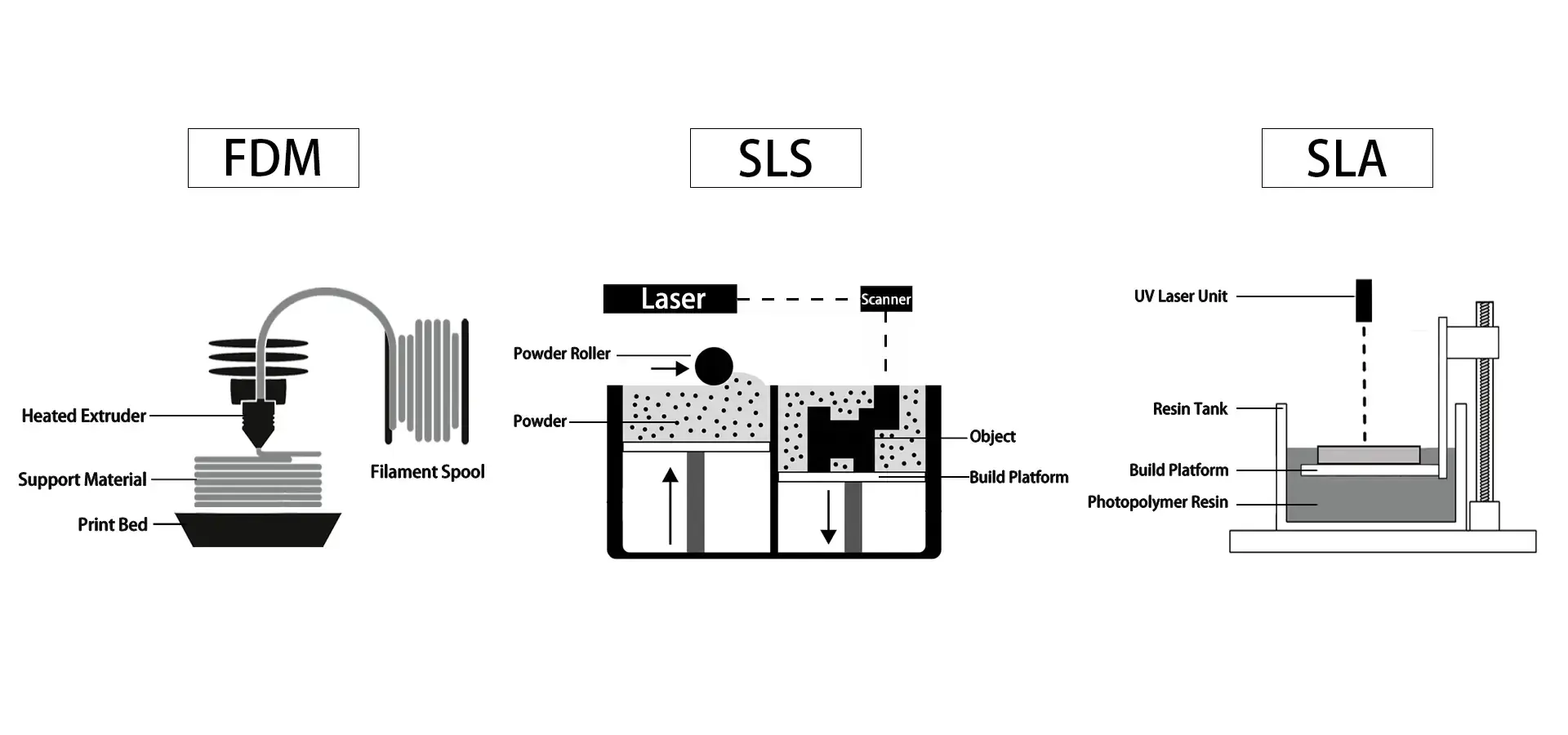
There are different printing methods used in different industries, and each has its own benefits for certain uses. Fused Deposition Modeling (FDM) systems are great for making quick prototypes out of thermoplastics, while Stereolithography (SLA) systems make detailed models with great surface finishes and accurate measurements. Selective Laser Sintering (SLS) can work with complicated shapes without the need for support structures, which makes it perfect for making samples that work. These tools are useful for businesses in more ways than just making prototypes. Modern SLA systems with German Scanlab galvanometers and AOC lasers can print with an accuracy of 0.1 mm, which is very close to industrial-grade accuracy, and can be used in many situations where standard cutting isn't as good.
Key Benefits of Transforming Manufacturing Processes
With rapid prototyping, engineering teams can make changes to designs in hours instead of weeks, which speeds up the product development process by a huge amount. In competitive markets where time-to-market affects success, this speed edge is very useful. Another important benefit is design freedom, which lets engineers make internal structures, lattices, and topological improvements that would not be possible with traditional cutting. When compared to subtractive methods, additive processes with a 3D printer can cut the cost of raw materials by up to 90% by reducing the amount of trash they create. This benefit of sustainability helps the company meet its environmental goals while also cutting costs. Digital inventory lets businesses store plans instead of actual parts, which cuts down on storage costs and lets them make things on demand close to where they are used. Low-volume production is now possible because of the removal of expensive tooling costs. This creates new market possibilities for customized goods and specialized uses that traditional manufacturing can't serve effectively.
Comparing 3D Printing with Traditional Manufacturing Methods
When making a lot of something, traditional manufacturing works best because economies of scale lower the cost per unit. But these methods have a lot of problems, such as long wait times, high costs for tools, and complicated inventory management needs that can put a strain on working capital.
Cost Analysis and Production Volume Considerations
Conventional methods like CNC cutting and injection casting are only cost-effective when they produce a certain amount of goods. For injection casting, the cost of the tools can be between $10,000 and $100,000, which makes small-batch output too expensive. With additive manufacturing, you don't have to make these big expenses, so you can make money with just a few units at a time. Depending on the complexity of the part and the amount of material needed, the break-even point is usually somewhere between 100 and 1000 units. When this level is reached, additional ways usually end up being cheaper. Above that, the speed and lower unit cost of standard production become very appealing.
Quality and Performance Trade-offs
The level of the surface finish changes a lot between technologies. For most uses, traditional cutting gives better surface finishes, while additive methods might need extra work to get the same results. Modern SLA systems, on the other hand, can now make layers as thin as 10 microns, which means that the visible quality is almost layer-less and is good for end-use applications. Another thing to think about is the mechanical features. It is common for parts that are traditionally made to have isotropic strength, while parts that are additively produced may have directional weakness along layer lines. But new plastic mixes and better printing settings are making it easier to make parts with mechanical qualities that are the same as or better than those of traditionally made parts.
Real-World Implementation Scenarios
For custom tools, jigs, and low-volume internal parts, automakers use additive manufacturing. For high-volume structural parts, they use standard methods. This mixed method gets the best cost-benefit analysis for a range of business needs. Aerospace businesses use additive manufacturing to make frames and pipes that are too complicated to machine in the traditional way or would cost too much. The efficiency benefits of being able to make internal cooling pathways and reduce weight through lattice structures make the higher unit costs worth it.
Practical Applications and Case Studies in B2B Procurement
Different fields are successfully using additive manufacturing to speed up new ideas and cut costs in a wide range of situations. Knowing how these things are used in the real world helps procurement pros find ways to improve their own processes.
Automotive Industry Innovation
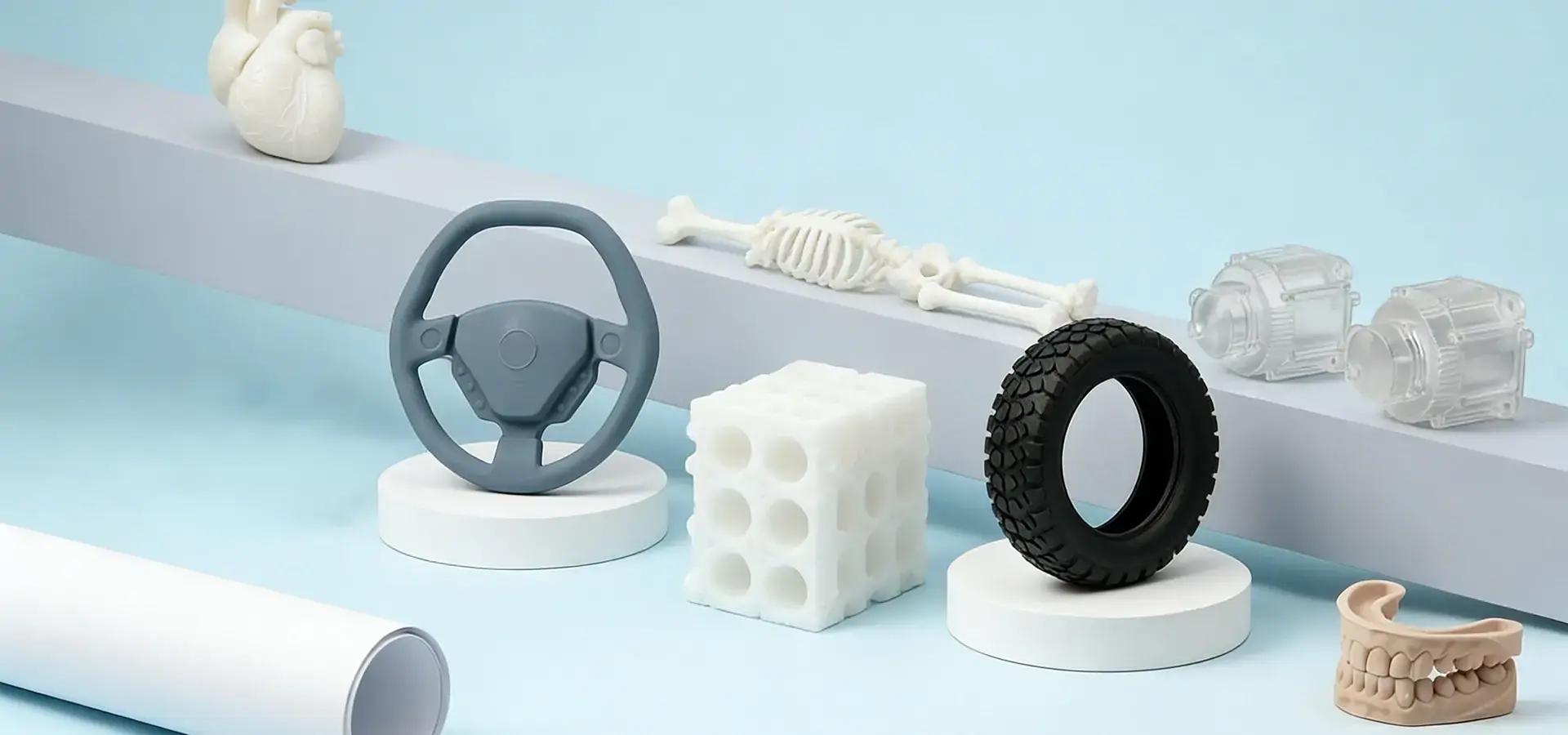
Automotive companies use industrial printing systems to make unique tools and do fast prototyping of inner parts. These apps cut down on development times from months to weeks and make it possible to customize niche car types at a low cost. This technology is especially good at making complicated shapes for air intake pipes and custom brackets that would normally need expensive, multi-step machining. German car suppliers say that using advanced SLA methods to make low-volume tools cuts costs by 40 to 60 percent. Making prototypes that work and can survive thermal and mechanical testing speeds up the approval process and cuts down on the time it takes to get new car platforms on the market.
Medical and Dental Applications
Using additive printing in healthcare shows how it can be used for mass customization. Dental labs use high-precision printing methods to make aligners, surgery guides, and implant models that are exactly right for each patient. The fact that these uses safe materials and need accuracy down to the micron level shows that the technology is mature. Medical device companies use the technology to make implants and surgical tools that are customized for each patient. Personalized healthcare solutions are now possible thanks to the ability to directly use MRI data from patients in production processes. This was not possible with older manufacturing methods.
Aerospace and Defense Requirements
Because aerospace uses need very high levels of accuracy and material performance, it's a great place to try new additive technologies. Companies use metal printing systems to make heat exchanges, complicated ductwork, and lightweight frames that improve performance while lowering weight. The technology can combine several made parts into a single printed part, which makes assembly easier and lowers the risk of failure. Internal cooling lines and designed shapes give performance benefits that make high-priced products worth it in high-value situations.
Procurement Challenges and Solutions
For execution to go smoothly, printer calibration, maintenance procedures, and methods for getting materials must all be carefully thought out. Purchasing teams need to find trusted sources of materials and come up with quality control methods that make sure output is always the same. When choosing equipment, you have to weigh the starting cost against the long-term costs of running it. Industrial systems that use variable spot-size laser technology and AI-optimized scanning lines can boost productivity by 30–50% compared to traditional methods. This makes the higher initial costs worth it because they improve throughput and lower the need for workers.
Strategic Procurement Insights for 3D Printing Solutions
Using additive manufacturing well in business settings depends on strategic buying in a big way. It can be hard for B2B buyers to make decisions about technology that will last and work reliably over time.
Equipment Segmentation and Selection Criteria
Small design companies and new service providers that need cost-effective ways to do development and small production runs can use entry-level industrial systems. The build areas of these systems are usually between 115x65mm and 200x200mm, and the accuracy is good enough for most design testing tasks. Mid-range industrial platforms are made for well-known makers who need more output and more builds. Systems with 300x300x400mm build areas can make a lot of different parts at once, or one big part that would normally have to be put together from many smaller parts. High-end industrial systems have cutting-edge features like laser technology with varying spot sizes, deep learning algorithms, and quality parts from well-known companies around the world. These systems offer 30–50% faster performance while still keeping high levels of accuracy and dependability for demanding uses.
Material Compatibility and Cost Management
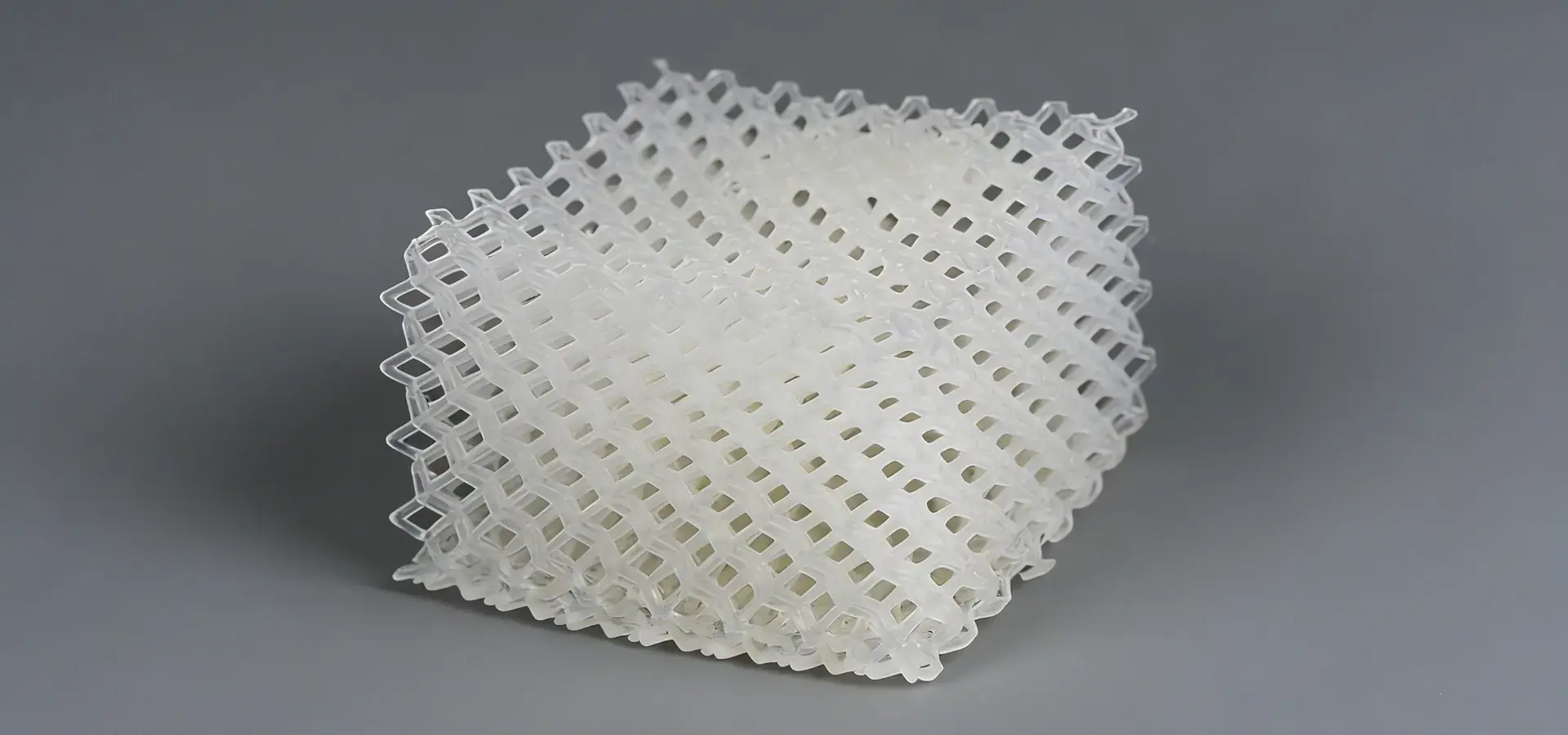
Customers can get photopolymer plastics from different suppliers with open-source 3D printer equipment designs. This gives them more choices for materials and lowers costs. In comparison, private systems force users to buy expensive materials that are only available from a certain brand, which limits their ability to change how they do business. Standard stiff photopolymers, high-impact tough resins, flexible elastomers with Shore A hardnesses ranging from 50 to 90, and special formulations for high-temperature uses are all types of materials. Engineering-grade materials, such as carbon fiber composites and PEEK polymers, make it easier to use these materials in challenging industry settings.
Supplier Evaluation and Partnership Development
Reliable providers offer a wide range of technical support services, such as setting up equipment, teaching operators, and ongoing upkeep. Response times of one hour for expert advice and promises of a solution in four hours make sure that problems don't stop output too much when they happen. For industrial uses, where downtime directly means lost income, warranty support, and the availability of parts are very important factors to think about. Long-term value is higher for suppliers with large global service networks and local expert help than for those with lower prices at first but less support infrastructure. Quality licenses and experience in the field show that the provider can handle tough industrial uses. Companies with 20 or more patents and a history of working with 300 or more businesses in a wide range of industries make it easier to trust that a relationship will last.
Future Outlook: Will 3D Printing Replace Traditional Manufacturing?
Instead of full replacement scenarios, manufacturing is moving toward communities that combine digital and traditional ways of making things. As materials science, processing speeds, and robotics get better, the limits of current technology are quickly falling away.
Technological Advancement Trajectories
Variable spot-size laser technology and AI-optimized processing lines are making it possible for additive manufacturing to be used for higher-volume jobs. Modern industrial systems can process things 30–50% faster than old-fashioned methods while still meeting exact standards. As new materials are made, the number of uses that can be made with additive manufacturing keeps growing. More and more, high-performance polymers, metal alloys, and composite materials have characteristics that are the same as or better than those of traditionally made parts. This means that the technology can be used in more fields.
Supply Chain Transformation Potential
Additive technology's ability to allow decentralized manufacturing could completely change the way global supply chains work. Companies can store design files instead of actual goods with digital warehousing ideas. This brings production closer to where it is needed and lowers the cost of transportation. This move toward spread manufacturing makes us less reliant on large, centralized factories and complicated shipping networks around the world. Regional production makes the supply chain more reliable and less harmful to the environment by cutting down on transportation lengths.
Integration Strategies for Procurement Managers
For adoption to work, methods must be well-balanced and include both additive and traditional production. Hybrid production strategies that integrate a 3D printer use the best parts of each technology while minimizing their flaws. This makes manufacturing environments stronger and more adaptable. When managing risk, things to think about are how quickly technologies develop, how stable suppliers are, and how much training workers need. Gradual adoption lets businesses gain experience and trust while keeping their current processes running as smoothly as possible. As technology keeps getting better and better, the time for investments becomes very important. Procurement managers have to weigh the benefits of being early adopters against the risk of technology becoming outdated, taking into account both present needs and plans for growth in the future.
Conclusion
When people ask if additive manufacturing can replace old ways of making things, the answer is more complicated than a simple change. The technology is great for customization, fast testing, and low-volume production, but traditional manufacturing is still much better for high-volume situations and some types of materials. Integrated techniques where both technologies work well together are likely to be common in the future of manufacturing. As skills keep getting better, additive methods will be able to handle more complex tasks. If procurement workers know how these strengths work together, they can make manufacturing strategies that are more resilient and adaptable by using the best aspects of both methods.
FAQ
Can additive manufacturing handle mass production volumes effectively?
Even though additive technology keeps getting faster and cheaper, standard manufacturing is still better for very large production runs of more than 1,000 to 10,000 units, based on how complicated the part is. The break-even point is moving, though, as working speeds rise and material costs fall.
What material options are available for industrial applications?
Modern systems can handle a wide range of materials, such as industrial thermoplastics (ABS, ASA, Nylon, and Polycarbonate), high-temperature composites (Carbon Fiber PEEK), flexible elastomers (TPU), and special resins for safe, clear, and castable uses. With open-source ideas, you can get things from several different places.
How do you ensure consistent quality and reliability?
For quality assurance, you need standard operating factors, regular testing procedures, and the right environmental controls. Professional systems with precise parts and built-in quality control help keep output regular while lowering the number of failures and wasteful materials.
What are the total cost implications, including equipment and materials?
A total cost analysis must take into account the prices of buying tools, materials, labor, and upkeep. The starting cost of the equipment may be high, but the savings on tooling costs and material waste usually make up for it within 12 to 24 months for the right uses.
How do you select the right technology for specific applications?
The choice of technology is based on the level of accuracy, surface finish, material properties, build volume, and output number that are needed. FDM systems are better for making working samples and bigger parts, while SLA systems are better for making detailed models and smooth finishes. Talking to sellers with a lot of knowledge can help you match the technology's abilities to your needs.
Transform Your Manufacturing with Advanced Industrial Solutions from Magforms
Magforms offers complete additive manufacturing solutions that include state-of-the-art tools, materials that work best, and skilled technical support to help you make more things faster. Our industrial-grade systems have German Scanlab galvanometers, AOC lasers, and varying spot-size technology that makes them 30–50% faster while keeping the accuracy at 0.1mm. As a top 3D printer maker with 22 patents and a track record of serving more than 300 businesses around the world, we offer bundled material and equipment options that get rid of interface problems and make sure production runs smoothly. At any time, day or night, our technical support team is available to help you. They promise an answer within one hour and offer full training programs. Contact us at info@magforms.com to find out how our advanced printing solutions can help you make your production processes more efficient and give you an edge in the market.
References
1. Wohlers, T., Campbell, I., Diegel, O., & Kowen, J. (2022). Wohlers Report 2022: 3D Printing and Additive Manufacturing Global State of the Industry. Wohlers Associates.
2. Gibson, I., Rosen, D., Stucker, B., & Khorasani, M. (2021). Additive Manufacturing Technologies: 3D Printing, Rapid Prototyping, and Direct Digital Manufacturing. Springer International Publishing.
3. Attaran, M. (2017). The rise of 3-D printing: The advantages of additive manufacturing over traditional manufacturing. Business Horizons, 60(5), 677-688.
4. Ford, S., & Despeisse, M. (2016). Additive manufacturing and sustainability: an exploratory study of the advantages and challenges. Journal of Cleaner Production, 137, 1573-1587.
5. Schniederjans, D. G. (2017). Adoption of 3D-printing technologies in manufacturing: A survey analysis. International Journal of Production Economics, 183, 287-298.
6. Holström, J., Partanen, J., Tuomi, J., & Walter, M. (2010). Rapid manufacturing in the spare parts supply chain: Alternative approaches to capacity deployment. Journal of Manufacturing Technology Management, 21(6), 687-697.

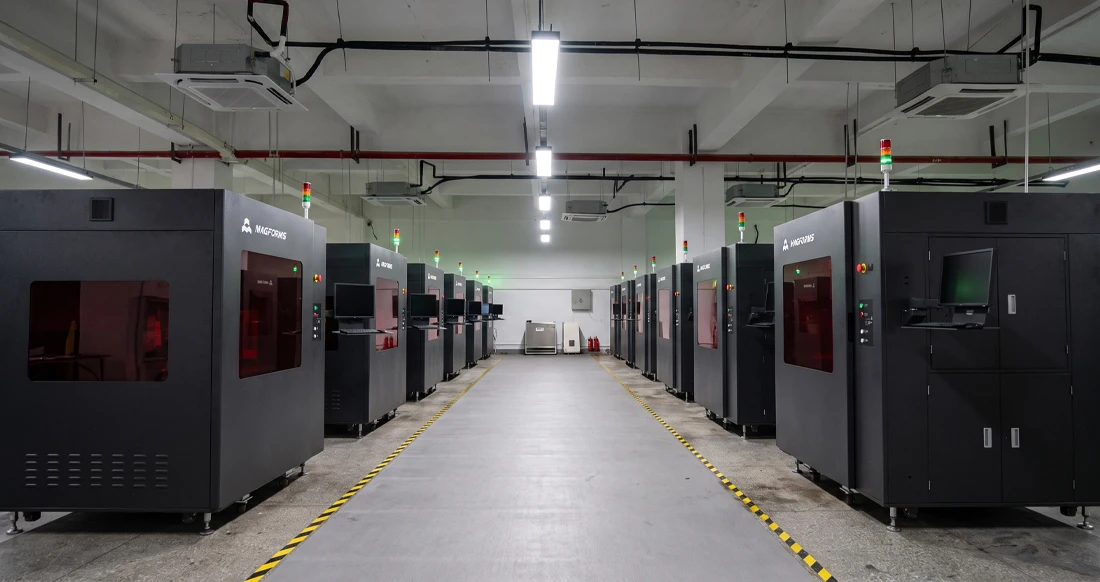
Magforms makes design and manufacture easier.
Popular Blogs
-
 Industry InsightsManufacturing Industry
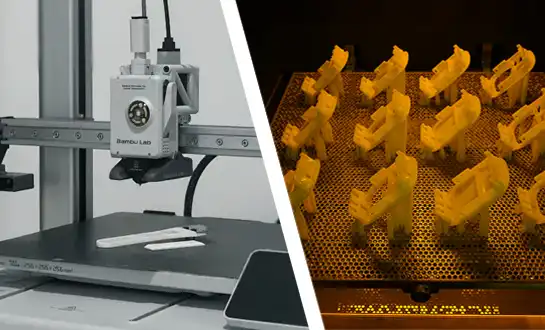
FDM vs. SLA Printer: Which Technology Is Right for Your Project?
-
 Industry InsightsManufacturing Industry
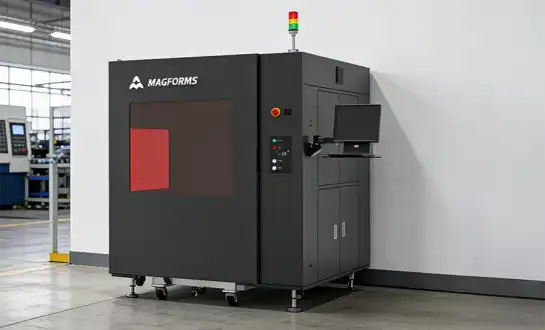
Top 5 Applications of Industrial 3D Printers in Manufacturing Today
-
 Industry InsightsManufacturing Industry
Why Stereolithography 3D Printers Are Unmatched for Microfluidic Device Prototyping?