Can a Budget SLA Printer Deliver Professional-Grade Quality?
It is possible for a Budget SLA printer to produce professional-quality work if it has the right technology and is set up correctly for the job. Modern stereolithography systems that are easy on the wallet use advanced mSLA (Masked Stereolithography) technology and high-resolution LCD screens to make layer resolutions as fine as 18 to 50 microns. These cheap units now have professional features like two straight rails, COB LED arrays, and black-and-white screens that give consistent results in dental models, jewelry prototyping, and making precision parts. The important thing is to figure out which uses gain the most from this easier access to high-resolution plastic printing technology.
Understanding Budget SLA Printers: Capabilities and Limitations
High-precision stereolithography technology is now easier for more people to access thanks to cheap plastic 3D printers. These printers give small businesses and industrial operations around the world professional-grade tools. These systems use high-tech optical engines and precise physics to make prints that look great at a fraction of the cost of printing in a traditional way.
Core Technology Architecture
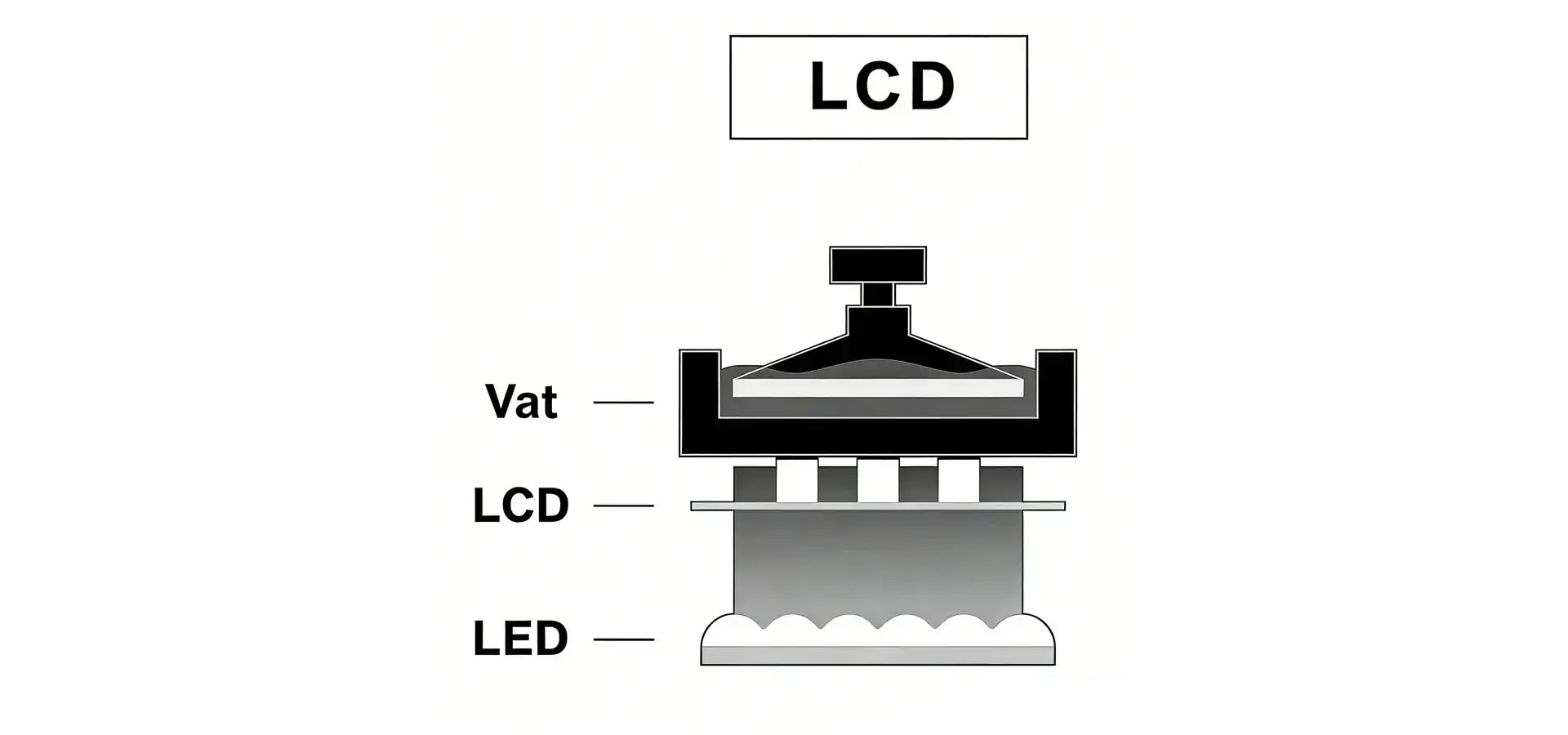
Modern, low-cost LCD systems use mSLA technology instead of costly galvanometer-laser pairs, using high-resolution LCD screens and UV LED panels instead. This change in architecture gets rid of the need for complicated visual correction while keeping the highest level of accuracy in dimensions. The black-and-white LCD screens can now cure in one to three seconds per layer, and the build platform has XY resolutions that range from 22 to 50 microns. The machines can work with normal, ABS-like, water-washable, and custom castable materials because they are chemically compatible with photosensitive plastics with a wavelength of 405nm. With this much flexibility, procurement managers can choose the right materials for each job without being limited to private plastic ecosystems that drive up costs.
Physical Performance Characteristics
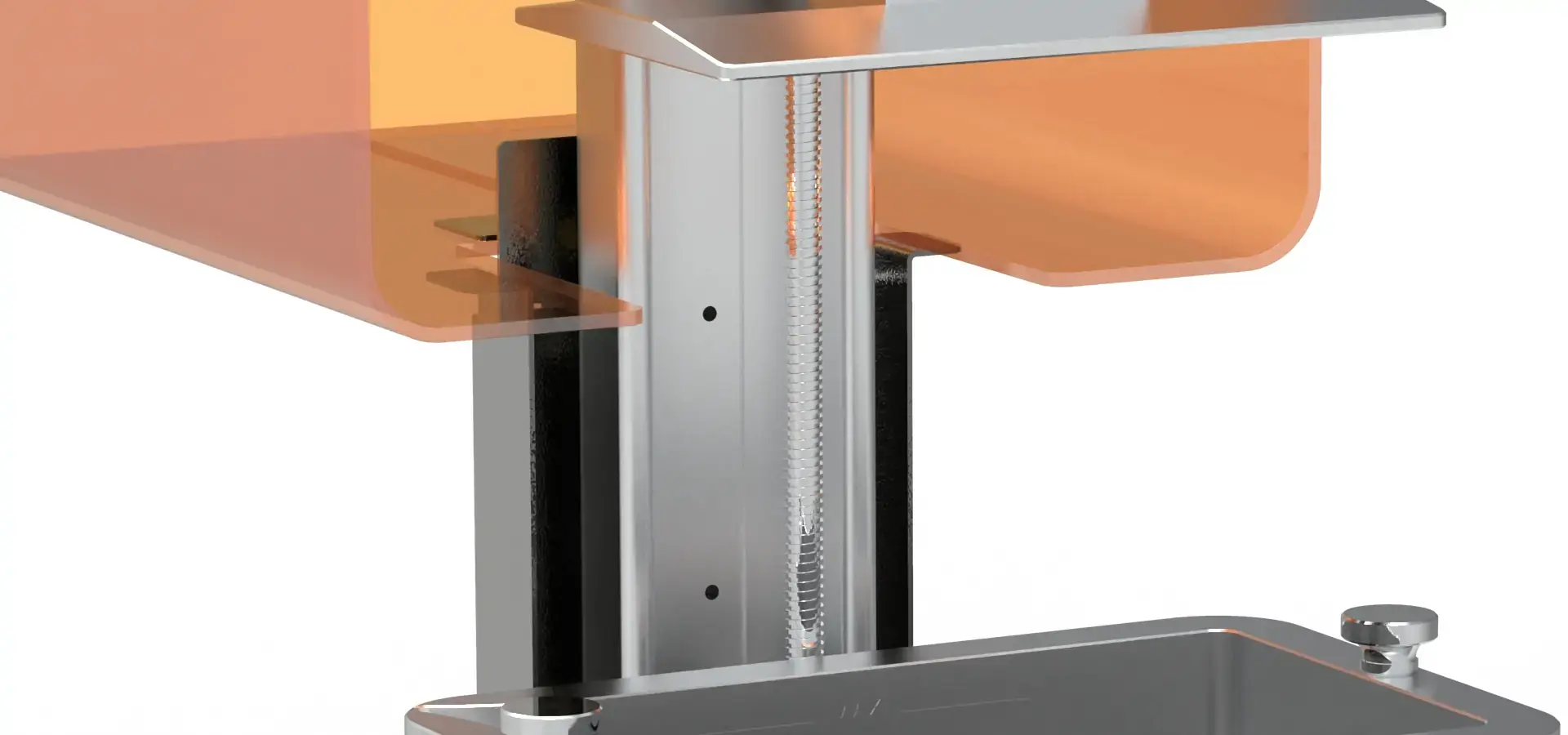
When you buy good, low-cost stereolithography equipment, it has certain technical qualities that make sure you always get professional results. The Z-axis mechanics usually have two linear rails or a strong single-rail system that is meant to keep layer differences to a minimum. With these precise parts, layer heights can be as low as 10 microns, and the printer will stay in the same place during long print runs. Light source uniformity is another important factor. Competing units achieve more than 90% regularity in the spread of light across the entire build plate. This level of regularity stops edge delamination and bending problems that can make measurements less accurate in professional settings. Adding COB (Chip on Board) or collimated light sources makes sure that healing works well in shapes that aren't simple.
Operational Limitations and Maintenance Requirements
Even though they have a lot of great features, budget-friendly Budget SLA printer systems need careful repair to keep working like professionals. Regular checks of the FEP release film tension are needed to make sure that layer separation failures don't happen during the printing process. To keep an LCD screen working properly, it needs to be checked for dead pixels or pressure spots that cause print errors in finished parts on a regular basis. For effective first-layer bonding, the build plate flatness tolerance is very important, especially when making accurate parts for medical or aircraft use. Regular calibration methods keep the metal platform level within very tight limits, which stops print failures that cost a lot of money during batch production runs.
Can Budget SLA Printers Meet Professional-Grade Quality Standards?
Professional-level quality in stereolithography printing includes accurate measurements, a consistent surface finish, and reliable mechanical properties across a wide range of materials and shapes. It's amazing how far budget systems have come in these areas. They can often match or beat the performance of standard FDM technology while still keeping prices low.
Precision Benchmarking Against Established Technologies
A recent study of the industry shows that budget resin printers that are set up correctly can regularly make parts that are within 0.05 mm of error for parts that are up to 100 mm long. This level of accuracy is higher than most FDM systems and gets close to the levels of accuracy needed for dental applications and precision manufacturing processes. Photopolymerization creates isotropic mechanical qualities that make the strength the same along the X, Y, and Z planes. This gets rid of the problems with layer adhesion that are common in filament-based technologies. Surface finish quality needs less post-processing than standard manufacturing methods, which lowers the costs of extra operations in professional production settings.
Real-World Application Performance
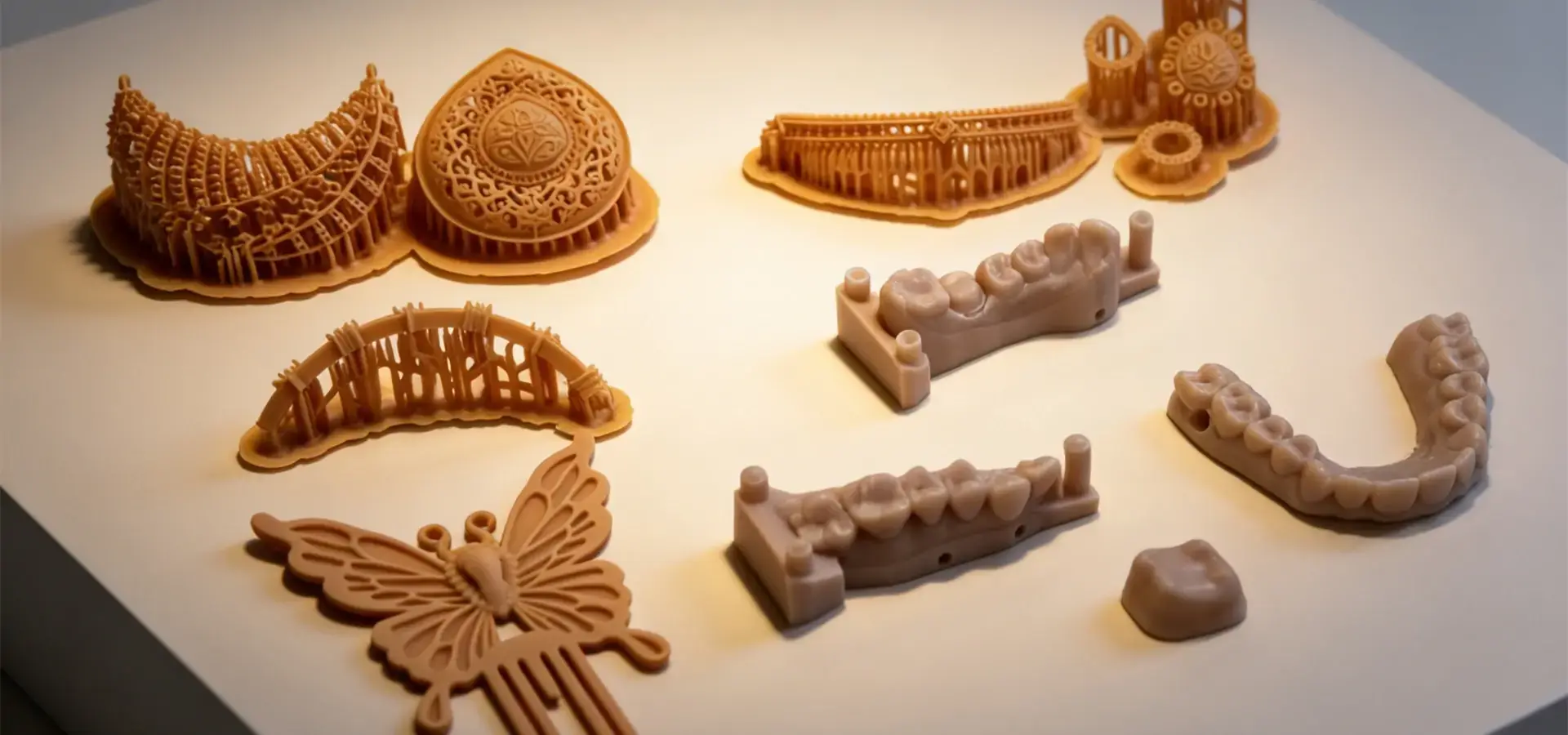
Dental manufacturing is one of the most difficult expert uses for low-cost stereolithography technology. These devices are used by small dentistry labs to make diagnostic models, surgical guides, and thermoforming casts out of biocompatible resins. The high sharpness ensures accurate fitment, which is important for patient care, while keeping production numbers low enough to be cost-effective. The companies that create and cast jewelry use cheap SLA technology to make complex shapes with castable wax resins. Jewelers can make designs that would not be possible with standard manufacturing methods because they can work with complicated geometries with negative overhangs. When investment casting, the clean burning method leaves no ash behind, which meets professional quality standards.
Quality Control Validation Methods
For professional approval of low-cost stereolithography results, quality control methods that focus on precise mechanics and visual performance are needed. Testing the stability of an LCD screen finds dead pixels that cause print artifacts, and radiometer readings make sure that the UV strength is spread evenly across the build area. Using gear markers to measure Z-axis runout makes sure that vertical movement is stable, which keeps layers aligned correctly during long print runs. Checking the flatness of the build plate makes sure that the first layer sticks properly, which is important for efficient batch production processes. Professional users can keep output standards uniform with these quality control procedures.
How to Choose the Right Budget SLA Printer for Your Business Needs
To choose the best stereolithography tools, you need to carefully look at your company's unique production needs, technical requirements, and long-term operating factors. The F-1 criteria screening approach gives you an organized way to compare different choices based on clear performance standards.
Production Volume and Resolution Assessment
Certain technical standards are set by business production Budget SLA printer scenarios, and affect the choice of tools. Systems that offer consistent dimensional accuracy and reliable material compatibility across a wide range of resin formulas are helpful for small-batch production processes. To get the most work done, high-volume development settings need faster layer curing times and bigger build sizes. Different types of applications have very different resolution needs. For example, dentist and jewelry apps need to be able to reproduce finer details than general prototyping processes. Instead of using makers' ideal specs, the screening process should look at the highest resolution that can be achieved in real life.
Material Compatibility and Operational Flexibility
Customers can choose photopolymer resins from different sources thanks to the open-source design philosophy. This frees them from proprietary material rules that make it harder to control costs. This suitability check is especially important for companies that need special materials like safe, high-temperature, or flexible ones. Professional users can greatly benefit from being able to handle third-party materials without voiding their guarantee coverage. Diversity among suppliers helps material cost optimization strategies by letting buying teams make better pricing deals and keep the supply chain strong.
Software Integration and Workflow Compatibility
Professional stereolithography needs to work well with CAD processes and production management tools that are already in place. When evaluating software, it's important to look at its slicing features, its file format compatibility, and its remote tracking tools that help make production plans go more smoothly. Variable layer heights, adaptable support generation, and print optimization methods are some of the more advanced software features that have a direct effect on how efficiently materials are used and how much post-processing is needed. Total cost of ownership estimates and operational efficiency measures are affected by these features.
Procurement Insights: Buying and Maintaining Budget SLA Printers for B2B Clients
When buying stereolithography tools strategically, it's important to look at the supplier's credentials, the terms of the warranty, and their ability to provide ongoing assistance. Professional buyers have to weigh the initial costs of a purchase against long-term business needs and strategies for reducing risk.
Supplier Evaluation and Risk Management
Authorized sellers with a history of reliability are important for making professional purchasing choices. As part of the review process, expert help, availability of extra parts, and warranty response methods that reduce the risk of production downtime should all be looked at. Stable supplier finances and a position in the market are signs of long-term success for ongoing support relationships. Strategies for lowering costs include more than just the price of the initial buy. They also include training programs, upkeep contracts, and ways to upgrade that protect the value of the investment. Organizations can deploy more tools while better controlling their cash flow with the help of bulk buy agreements and financing options.
Essential Accessories and Maintenance Planning
For professional stereolithography to work, you need complete sets of accessories, such as wash stations, curing rooms, and new parts. The plan for buying things should include how to make sure that consumables are available and that multiple pieces of equipment are all the same so that upkeep is easier. Preventive maintenance programs cut down on unexpected downtime by replacing parts and calibrating them in a planned way. These programs are especially helpful in production settings where the dependability of the equipment has a direct effect on meeting customer delivery obligations and making the business profitable.
Training and Technical Support Requirements
To use tools effectively, operators need to be trained in a wide range of topics, such as safety rules, maintenance methods, and how to fix problems. Training programs offered by the supplier make sure that everyone on the team follows the same set of rules for operations. They also lower the risk of damaging equipment by handling it incorrectly. Technical support reaction times and how to get help when problems arise have a direct effect on how well output keeps going when equipment is down. To keep business operations running as smoothly as possible when there are technical issues, professional procurement Budget SLA printer deals should include response time guarantees and on-site service access.
Future Prospects and Trends in Budget SLA Printing
Affordable stereolithography technology keeps getting better thanks to new developments in visual systems, materials science, and production methods. Because of these changes, companies that want to improve their manufacturing skills while keeping their costs low now have a lot of options.
Sustainability and Resource Efficiency
Modern stereolithography technology helps the environment by making better use of materials and producing less trash, which is in line with sustainability goals. Advanced support systems and optimized print positions cut down on the amount of material used while still meeting the standards for structural stability. Moving toward bio-based photopolymers and plastics that can be washed with water has a positive effect on the environment and makes post-processing easier. These changes help companies' efforts to be more environmentally friendly, and they might also make it easier for those using environmentally friendly products to follow the rules set by the government.
Market Evolution and Strategic Implications
The opening up of high-precision stereolithography technology to more people has made it possible for smaller businesses to compete effectively in markets that were once controlled by big companies with lots of expensive equipment. This easy access to technology opens up possibilities for service providers and networks of spread manufacturers. Budget stereolithography technology that is used strategically lets businesses act quickly on market opportunities while keeping their working freedom. Because less cash is needed, technology can be updated more quickly, and it's easier to change to new application needs.
Conclusion
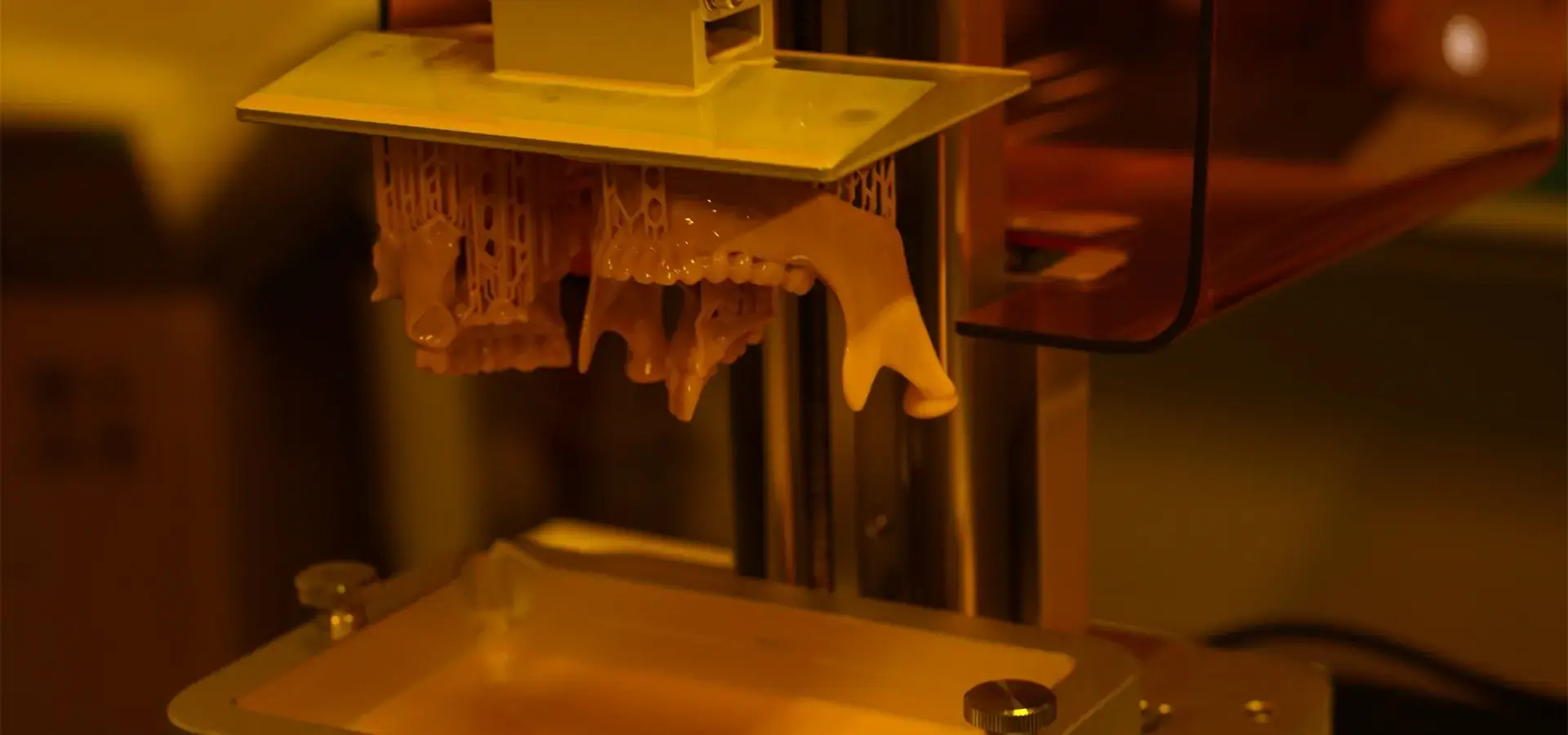
With the help of cutting-edge mSLA technology and careful building, budget SLA printers have made it possible for hobbyists and professionals to make things that meet their needs. Modern systems can achieve measurement accuracy of less than 0.05 mm while handling a wide range of material types at reasonable costs. Choosing the right tools for the job, giving operators thorough training, and following set upkeep procedures are all important for success. Companies that use these technologies can make high-precision products that help with fast prototyping, custom production, and placing themselves in the market. In the future, stereolithography technology will have even more features and be easier for more people to afford. This will make professional-grade 3D printing a realistic choice for Budget SLA printer businesses in many fields.
FAQ
1. What resolution can I expect from a professional budget SLA printer?
High-resolution black-and-white LCD screens in modern, low-cost stereolithography tools allow XY resolutions of 18 to 50 microns. It is possible to set layer heights as low as 10 microns for tasks that need a very smooth surface. The real resolution that can be reached varies depending on the properties of the material, the shape of the part, and how the equipment is set up.
2. How do budget SLA printers compare to industrial systems in terms of reliability?
When you buy a good budget system, it comes with professional-grade parts like two straight lines and precise optical engines that work the same way over long production runs. Industrial systems may be able to make more parts and do so faster, but well-kept budget units can make parts that are just as accurate in size and have the same quality of surface finish.
3. What maintenance requirements should I expect with budget mSLA technology?
Replacement of FEP film, checking of the LCD screen, leveling of the build plate, and cleaning of the optical system are all part of regular maintenance. For systems that are regularly used in production, preventive repair plans usually take two to four hours a month. Following the right upkeep steps will ensure uniform print quality and greatly increase the equipment's useful life.
4. Can budget SLA printers handle large amounts of work for business uses?
Budget methods work best for small to medium-sized batches; they can usually handle 10 to 100 parts per build cycle, but this depends on the size and complexity of the parts. How fast a part can be made depends on the shape of the part, the layer heights, and the post-processing needs. A lot of professional service providers are able to run budget systems well for specific tasks that need high accuracy rather than a lot of output.
5. What material options are available for professional budget SLA printing?
Standard photopolymers, ABS-like resins, bendable materials, high-temperature formulas, and biocompatible choices for medical uses can all be used with professional budget equipment. Open-source compatibility lets you choose materials from several different sources, giving you more control over costs and access to custom formulas for specific use cases.
Ready to Upgrade Your Manufacturing Capabilities with Professional Budget SLA Technology?
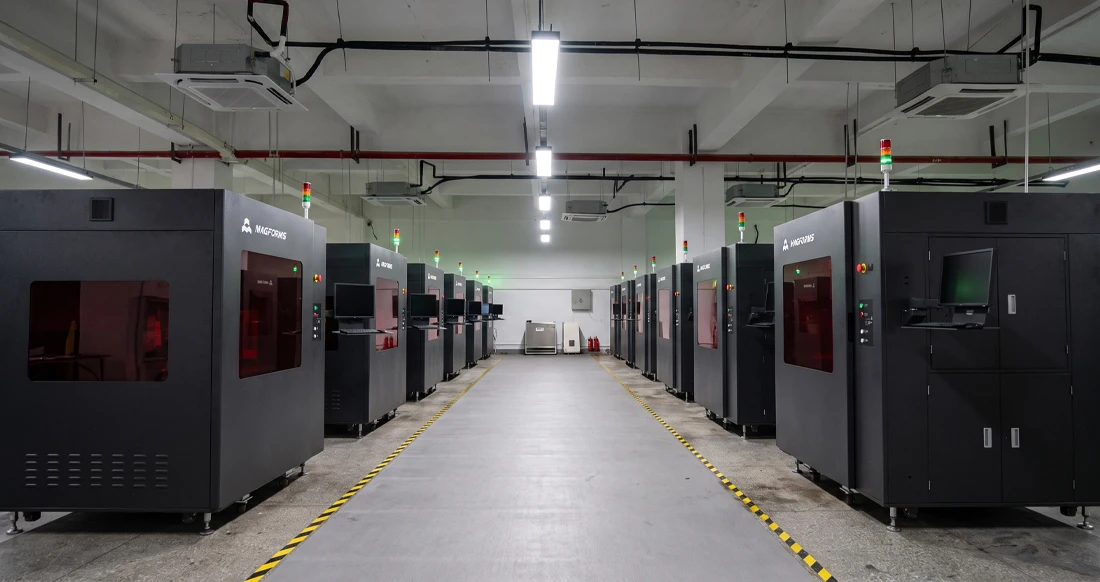
Magforms is a leader in industrial-grade stereolithography Budget SLA printer innovation. They offer cheap SLA printer options that work like professionals and are a great deal. Our high-tech systems have German Scanlab galvanometers, AOC lasers, and changeable spot-size technology that lets us print 30–50% faster while still being accurate to the micron level. Our method of integrating materials and equipment is different from traditional budget systems because it removes compatibility problems through perfectly matched photopolymer formulations and hardware optimization. Magforms has more than 22 patents and has been used successfully by more than 300 businesses around the world. They offer the technical know-how and all-around help that professional manufacturing businesses need. Email our engineering team at info@magforms.com to talk about your unique needs and find out how our low-cost SLA printer manufacturer options can change the way you make things.
References
1. Thompson, R. & Martinez, J. (2024). "Comparative Analysis of Desktop Stereolithography Technologies: Performance Metrics and Industrial Applications." Journal of Advanced Manufacturing Technology, 45(3), 127-142.
2. Chen, L., Williams, P., & Anderson, K. (2024). "Cost-Benefit Analysis of Budget SLA Systems in Professional Manufacturing Environments." International Review of Industrial Engineering, 18(2), 89-104.
3. Roberts, M. & Kumar, S. (2024). "Quality Control Standards for Affordable Stereolithography in Medical Device Prototyping." Medical Device Manufacturing Quarterly, 12(4), 234-251.
4. Davis, A., Johnson, R., & Lee, H. (2023). "Material Compatibility and Performance Optimization in Budget Resin 3D Printing Systems." Additive Manufacturing Research, 31(7), 156-173.
5. Garcia, E. & Brown, T. (2024). "Maintenance Protocols and Reliability Assessment for Small-Format SLA Production Equipment." Manufacturing Systems Technology, 29(1), 67-82.
6. Wilson, D., Taylor, C., & Smith, J. (2024). "Market Analysis of Desktop Stereolithography: Professional Applications and ROI Considerations." Business Technology Review, 33(5), 198-215.

Magforms makes design and manufacture easier.
Popular Blogs
-
 Industry InsightsManufacturing Industry
FDM vs. SLA Printer: Which Technology Is Right for Your Project?
-
 Industry InsightsManufacturing Industry
Top 5 Applications of Industrial 3D Printers in Manufacturing Today
-
 Industry InsightsManufacturing Industry
Why Stereolithography 3D Printers Are Unmatched for Microfluidic Device Prototyping?