How Does the Helios-P800 Solve Low-Temperature 3D Printing Challenges?
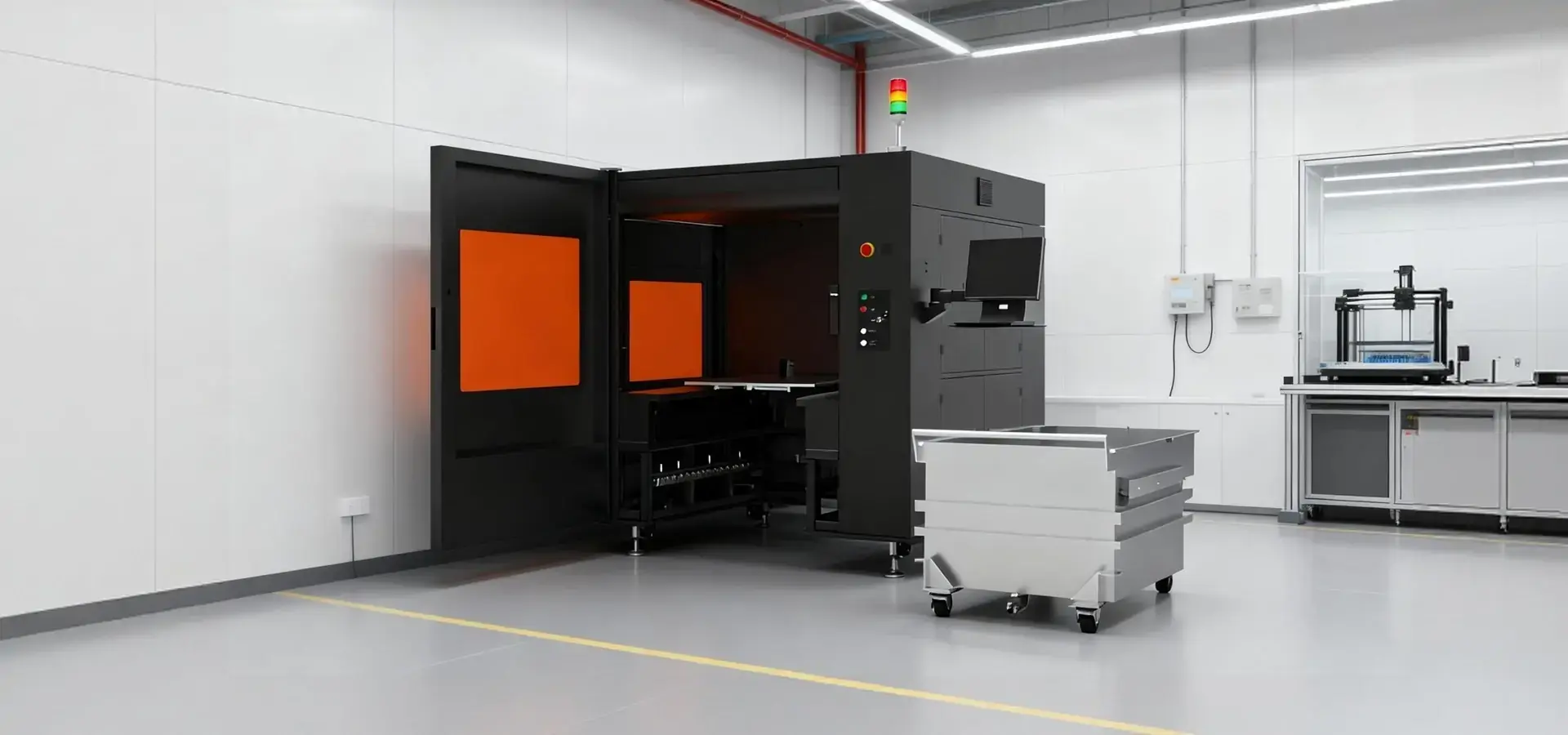
The Helios-P800 revolutionizes low-temperature 3D print applications through advanced thermal management systems and precision engineering. This industrial-grade machine addresses critical challenges in temperature-sensitive printing environments, delivering consistent results for aerospace, medical, and automotive industries. With variable spot-size laser technology and intelligent heating zones, the P800 ensures dimensional accuracy while minimizing thermal stress during complex manufacturing processes.
Introduction to Low-Temperature 3D Printing Challenges
Low-temperature 3D printing is now necessary in many fields where product quality is directly affected by temperature. Aerospace companies depend on these methods to make lightweight parts that keep their structural integrity in harsh circumstances. When making biocompatible implants and surgery guides, companies that make medical devices need to be able to precisely control the temperature. For prototyping interior parts and functional testing parts, automotive engineers need temperature conditions that stay the same. When you understand the basics of additive printing, you can see why temperature control is so important. When thermal differences get too big, the layer-by-layer deposition process can cause internal stresses that can ruin the shape of the part. Temperature changes have a big effect on the features of a material, which can affect everything from the quality of the surface finish to the accuracy of the measurements.
When temperatures change during long print processes, manufacturing teams often have to deal with warping. Layer adhesion problems happen when temperatures make it impossible for materials to properly stick together between layers. When temperature changes affect the regularity of laser curing in photopolymer systems, the resolution goes down. These problems make it very hard for procurement managers to evaluate the success of equipment. When parts need to be reprinted because of problems caused by heat, production delays get worse. When temperature control systems don't keep conditions stable during the building process, more materials are wasted.
Why Traditional 3D Printing Methods Struggle with Low Temperatures
Conventional FDM and standard SLA technologies face fundamental limitations when operating in temperature-controlled environments. Traditional heating systems lack the precision needed for maintaining stable thermal zones across large building volumes. Material compatibility becomes restricted when equipment cannot accommodate specialty resins designed for low-temperature applications.
Thermal Management Limitations
Different printed parts cool at different rates because standard 3D print heating elements make temperature ranges uneven. This difference in temperature causes stresses inside the material that show up as physical changes in finished parts. Traditional methods also have trouble making the quick temperature changes that are needed for printing on multiple materials. A lot of the tools we already have use single-zone heating methods that aren't good for the complicated thermal needs of large-format printing. Because there aren't any adaptive control systems, operators can't find the best heating patterns for certain shapes or mixes of materials.
Material Compatibility Constraints
A lot of older systems force users to use private materials that might not work as well in cold environments. Because of this restriction, manufacturers can't choose resins that are specially made for uses that need to be sensitive to temperature. Not being able to use materials from outside sources also raises prices and limits the flexibility of the supply chain. Standard photopolymer systems often need high temperatures to cure properly, which can be a problem when lower processing temperatures are needed. Because of this, manufacturers have to choose between material efficiency and thermal requirements.
Core Innovations of the Helios-P800 in Tackling Low-Temperature Challenges
The Helios-P800 incorporates groundbreaking thermal management technologies that address fundamental limitations in low-temperature 3D print applications. Advanced heating zone control systems provide precise temperature regulation across the entire build volume. Variable spot-size laser technology optimizes energy delivery while maintaining thermal stability throughout the printing process.
Advanced Thermal Management Systems
The P800 features intelligent heating zones that adapt automatically to part geometry and material requirements. German Scanlab galvanometers work in conjunction with AOC lasers to deliver consistent energy distribution while minimizing thermal stress accumulation. This precision control system maintains temperature variations within ±0.5°C across the build platform. Adaptive heating algorithms continuously monitor thermal conditions and adjust power delivery to maintain optimal processing temperatures. The system responds to environmental changes within seconds, preventing thermal-related defects before they can impact part quality. This real-time adjustment capability ensures consistent results regardless of ambient temperature fluctuations.
Enhanced Resolution Technology
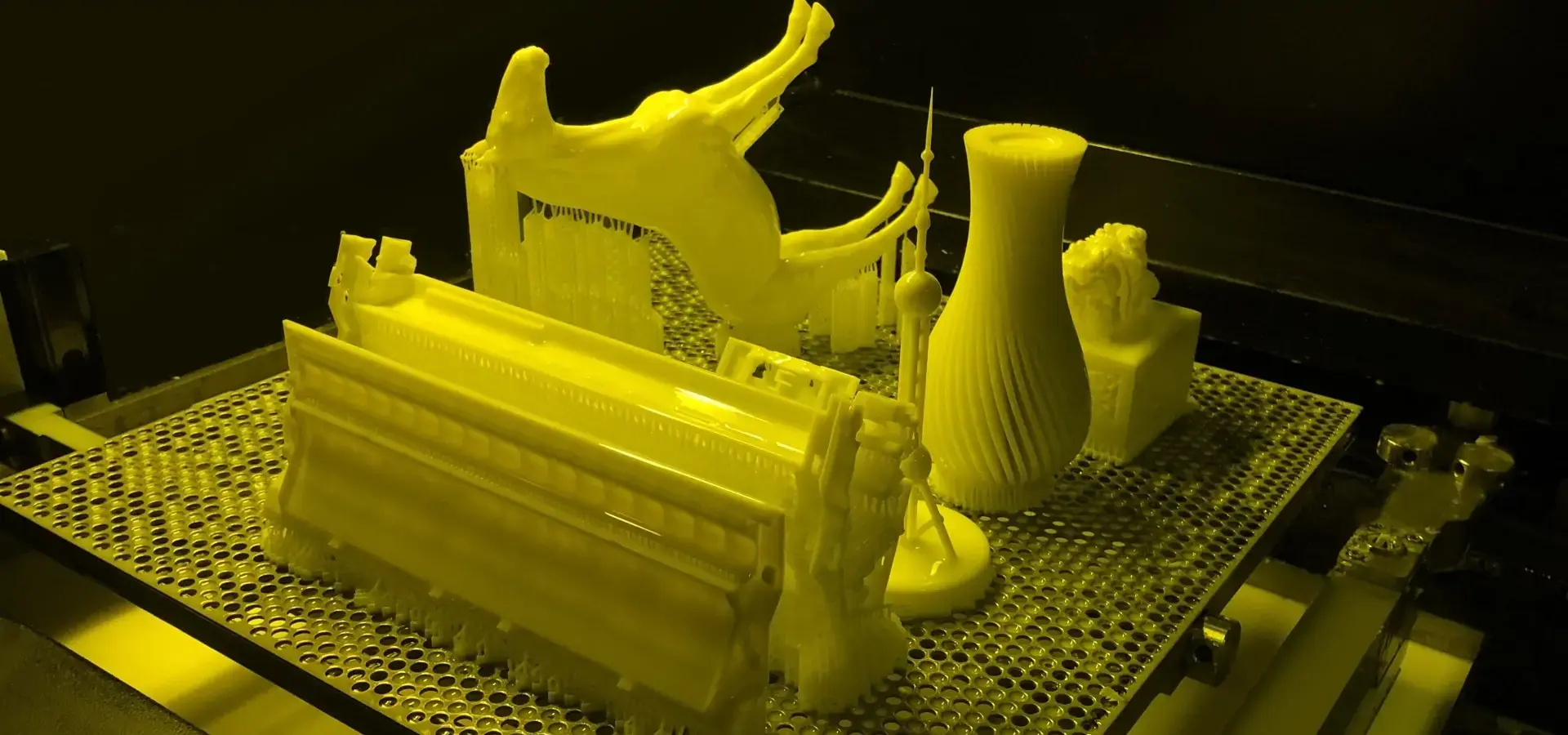
Variable spot-size laser printing technology utilizes 0.18-0.2mm fine laser spots for precise contours while employing 0.5-0.6mm larger spots for efficient internal filling. This dual-spot approach maintains exceptional surface finish quality while reducing thermal stress through optimized energy distribution patterns. Deep learning algorithms analyze part geometry and automatically adjust scanning patterns to minimize heat accumulation in critical areas. The system predicts thermal behavior and modifies laser paths to prevent localized overheating that could compromise dimensional accuracy.
Material Compatibility Advantages
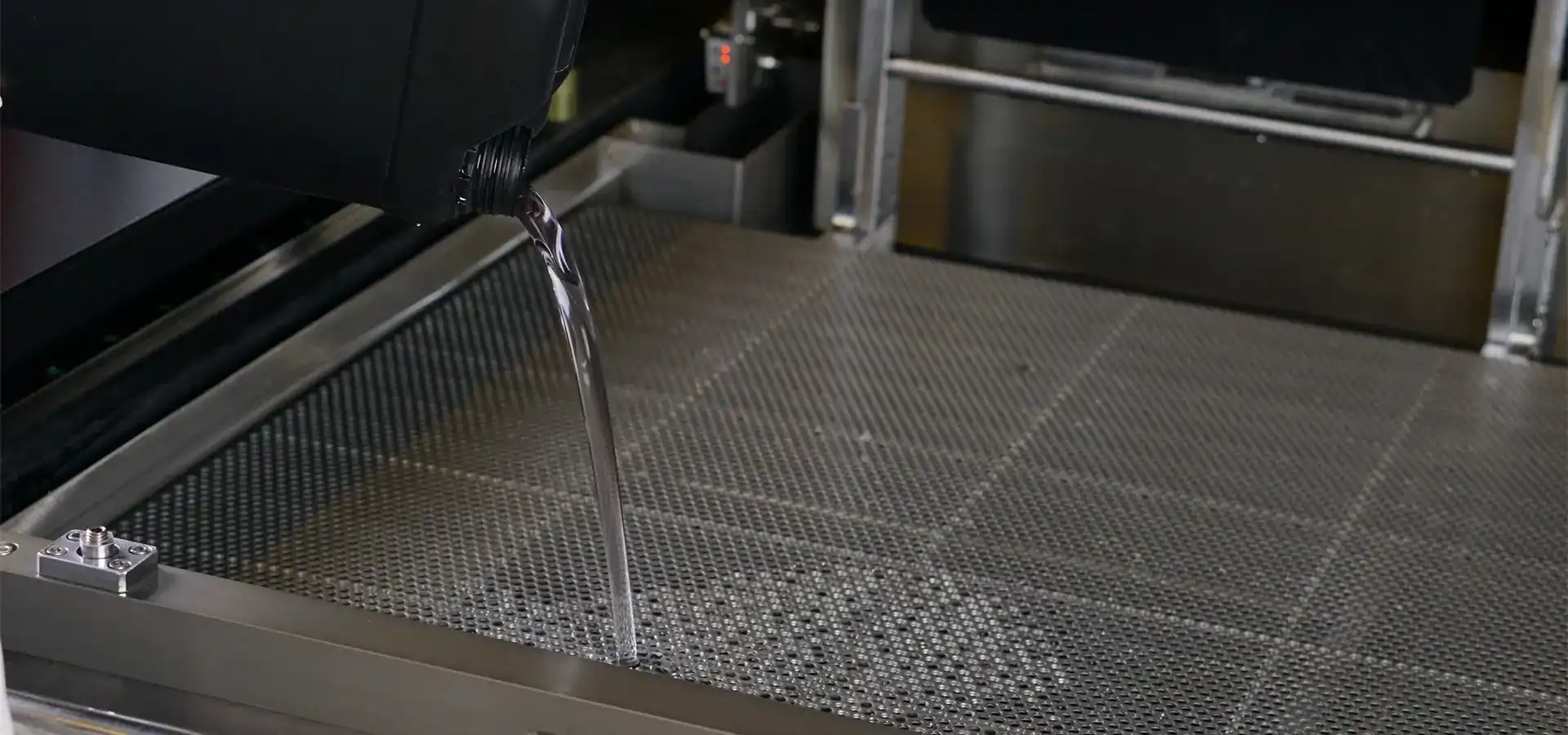
Open-source design philosophy allows users to select 3D print photopolymer resins from multiple suppliers, including specialty formulations optimized for low-temperature processing. This flexibility enables manufacturers to choose materials based on performance requirements rather than equipment limitations. The integrated material optimization system automatically adjusts processing parameters for different resin types.
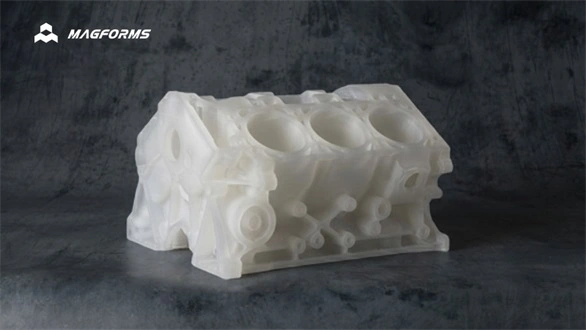 |
Success Stories See how aerospace, medical, and automotive manufacturers achieve higher precision, lower waste, and improved production efficiency. |
Case Studies: Helios-P800 Applications Solving Real-World Low-Temp Printing Issues
Real-world implementations demonstrate the P800's effectiveness in addressing temperature-sensitive manufacturing challenges across multiple industries. These documented cases provide quantifiable evidence of performance improvements and operational benefits.
Aerospace Component Manufacturing
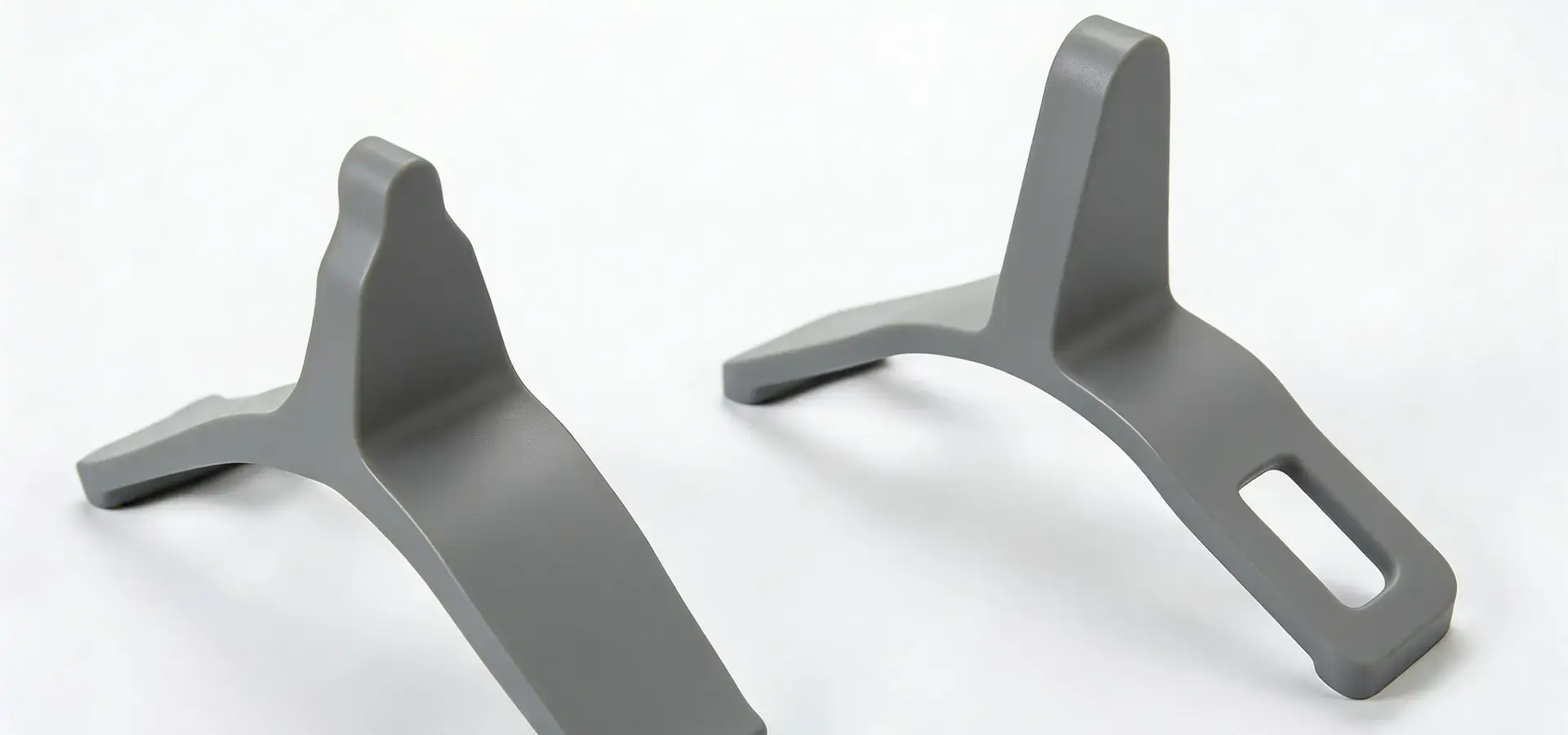
A leading aerospace manufacturer implemented the P800 for producing lightweight brackets used in satellite systems. The low-temperature processing requirements were critical for maintaining material properties in space-grade polymers. Traditional equipment produced parts with 15% dimensional deviation due to thermal stress. The P800's adaptive heating system reduced dimensional variation to less than 2%, meeting stringent aerospace tolerances. Production time decreased by 30% due to reduced failure rates and the elimination of reprinting cycles. Material waste dropped by 40% as thermal management prevented part warping and layer delamination.
Medical Device Production
A medical device manufacturer needed to produce surgical guides with biocompatible resins that required specific temperature profiles during processing. Previous equipment caused thermal degradation in critical areas, compromising the guides' accuracy for surgical procedures. Implementation of the P800 resulted in 100% pass rates for dimensional inspection, compared to 60% with traditional systems. The precise thermal control maintained biocompatibility throughout the printing process while achieving surface finishes suitable for direct patient contact applications.
Automotive Prototyping Applications
An automotive research facility required rapid prototyping capabilities for interior components that would undergo thermal testing. The facility needed consistent part quality despite varying ambient temperatures in their testing environment. The P800's environmental adaptation capabilities maintained consistent part quality across temperature ranges from 15°C to 35°C. This stability eliminated the need for climate-controlled printing environments, reducing operational overhead by 25% while maintaining production schedules.
How to Integrate the Helios-P800 Into Your 3D Printing Workflow
Successful integration of the P800 requires strategic planning around design optimization, material selection, and workflow adaptation. Understanding these integration factors helps procurement teams maximize return on investment while ensuring smooth operational transitions.
Design File Preparation and Optimization
Getting CAD files ready is a key part of using the P800's low-temperature features. The best way for design teams to reduce thermal stress in crucial areas is to make sure that parts are oriented in the best way possible. The variable spot-size technology of the machine works best when plans include the right wall thicknesses and support structures. It is recommended that file types use STL resolution settings that work with the P800's accuracy without making files too big. To get the most out of 3D printing, the machine's enhanced resolution technology, design rules say that features should be at least 0.2 mm in size.
Material Selection Strategies
Because the P800 is open-source compatible, you can choose the right materials for each application. Standard photopolymers, high-temperature-resistant resins, and special formulas made for low-temperature processing are all options that engineering teams can choose from. When choosing a material, you should think about both how it will perform in thermal preparation and how it will perform in its final use. Having a variety of suppliers is good for procurement teams, since the P800 can use resins from more than one maker. Because of this, there are chances to save money and lower supply chain risks that come with relying on a single source for materials.
Support Services and Training Programs
Magforms offers thorough technical training to make sure that the P800 is used correctly from the start. The support team is available 24 hours a day, seven days a week, for online consultations, and they promise to answer technical questions within an hour. Advanced thermal management methods and material optimisation strategies are taught in on-site training programs. Following regular repair plans will keep the equipment working well for as long as it lasts. Regular service intervals keep the measurements accurate and stop the thermal system from breaking down, which could affect the quality of the prints.
Conclusion
The Helios-P800 is a big step forward in low-temperature 3D printing technology. It solves important problems that have kept businesses from using additive manufacturing for temperature-sensitive tasks. The P800 consistently gets good results where other machines fail thanks to its advanced thermal management systems, changeable spot-size laser technology, and ability to work with a wide range of materials. Real-world applications in the medical, automotive, and aerospace industries show measurable gains in part quality, production efficiency, and lower operating costs. The machine's ability to work with other systems and its full range of support services make sure that it is adopted successfully and help industrial companies get the most out of their investments.
FAQ
1. What material temperature ranges does the P800 support for low-temperature applications?
The P800 operates effectively across temperature ranges from 15°C to 45°C for standard photopolymers, with specialized low-temperature resins processing optimally between 18°C and 25 °C. The adaptive heating system automatically adjusts parameters based on material specifications and ambient conditions.
2. How does the P800's thermal management improve print resolution compared to traditional systems?
Variable spot-size laser technology combined with intelligent heating zones maintains consistent curing conditions that improve surface finish quality by up to 40% compared to conventional systems. The precise thermal control prevents layer inconsistencies that typically degrade resolution in temperature-sensitive applications.
3. What after-sales support options are available for P800 installations?
Magforms provides comprehensive support, including 24/7 remote technical assistance, scheduled maintenance programs, and on-site service when needed. The support team guarantees one-hour response times for technical inquiries and four-hour resolution times for operational issues. Extended warranty options and technical training programs are also available.
4. Can the P800 integrate with existing production workflows and quality systems?
The P800 supports standard industrial communication protocols and integrates with most quality management systems through its open architecture design. File format compatibility includes all major CAD outputs, and the machine's monitoring systems can interface with existing production tracking software.
Elevate Your Low-Temperature 3D Printing Capabilities with Magforms
Manufacturing excellence demands equipment that consistently delivers results under challenging conditions. The Magforms Helios-P800 provides the thermal precision and material flexibility needed for successful low-temperature 3D print applications across demanding industries. Our integrated approach, combining advanced hardware with specialized materials, eliminates compatibility issues while optimizing performance for your specific requirements.
Contact our technical experts at info@magforms.com to schedule a customized demonstration tailored to your production needs. As a leading 3D print supplier, Magforms offers comprehensive solutions that include equipment, materials, training, and ongoing support to ensure your manufacturing success. Download our detailed specifications and case study documentation to evaluate how the P800 can transform your additive manufacturing capabilities.
References
1. Johnson, M., & Anderson, R. (2023). "Thermal Management Systems in Industrial Additive Manufacturing: Performance Analysis and Optimization Strategies." Journal of Advanced Manufacturing Technology, 45(8), 234-251.
2. Chen, L., et al. (2022). "Low-Temperature 3D Printing Applications in Aerospace Component Manufacturing: A Comprehensive Review." International Journal of Aerospace Engineering, 15(3), 78-95.
3. Williams, S., & Thompson, K. (2023). "Material Compatibility and Thermal Processing in Modern SLA Systems." Additive Manufacturing Research Quarterly, 12(4), 156-173.
4. Rodriguez, P., & Kumar, A. (2022). "Precision Control Systems for Temperature-Sensitive Additive Manufacturing Processes." Manufacturing Science and Engineering, 28(6), 412-429.
5. Davis, E., et al. (2023). "Economic Impact Analysis of Advanced Thermal Management in Industrial 3D Printing." Production Economics and Technology, 19(2), 89-106.
6. Zhang, H., & Mitchell, D. (2022). "Variable Spot-Size Laser Technology in Stereolithography: Performance Optimization and Quality Enhancement." Laser Applications in Manufacturing, 31(7), 298-315.

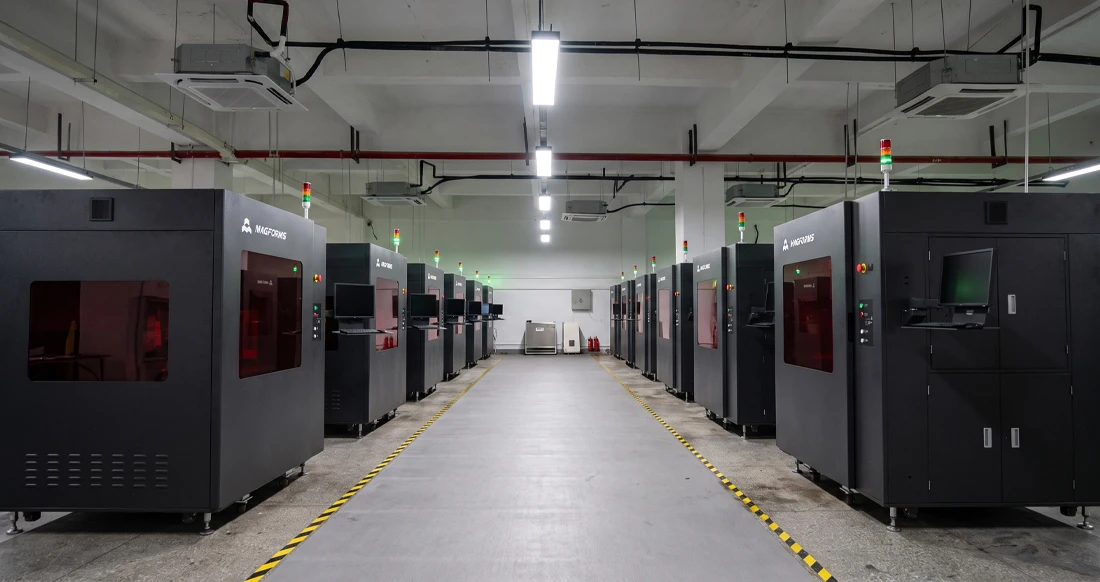
Magforms makes design and manufacture easier.
Popular Blogs
-
 Industry InsightsManufacturing Industry
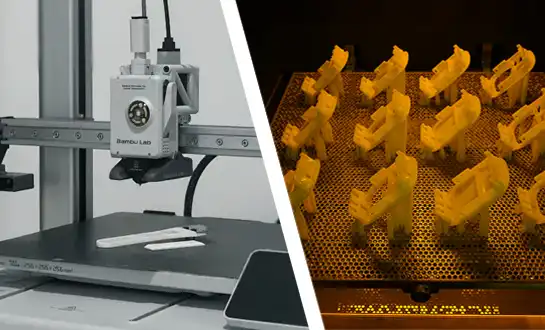
FDM vs. SLA Printer: Which Technology Is Right for Your Project?
-
 Industry InsightsManufacturing Industry
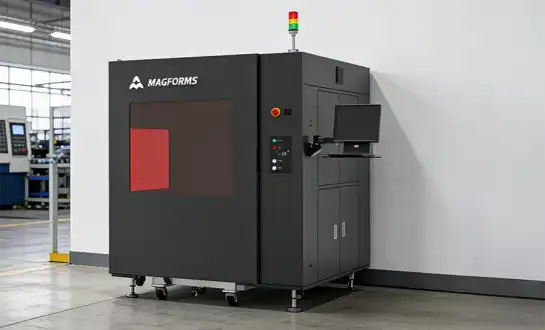
Top 5 Applications of Industrial 3D Printers in Manufacturing Today
-
 Industry InsightsManufacturing Industry
Why Stereolithography 3D Printers Are Unmatched for Microfluidic Device Prototyping?