Can a High Resolution 3D Printer Reduce Post-Processing Work?
A high-resolution 3D printer can significantly reduce post-processing work by delivering superior layer precision and smoother surface finishes straight from the build plate. These advanced systems, which often use SLA, DLP, or mSLA technologies, create parts with high feature fidelity, achieving 10–50 micron XY resolution depending on laser spot size and optical calibration. This level of detail minimizes visible layer lines, eliminates the stair-stepping effect on curved surfaces, and reduces the need for labor-intensive sanding, polishing, or filling. We've seen production schedules compress by days and labor costs drop substantially when manufacturing teams switch to precision resin-based printers optimized for high-detail output.
Understanding Post-Processing Challenges in 3D Printing
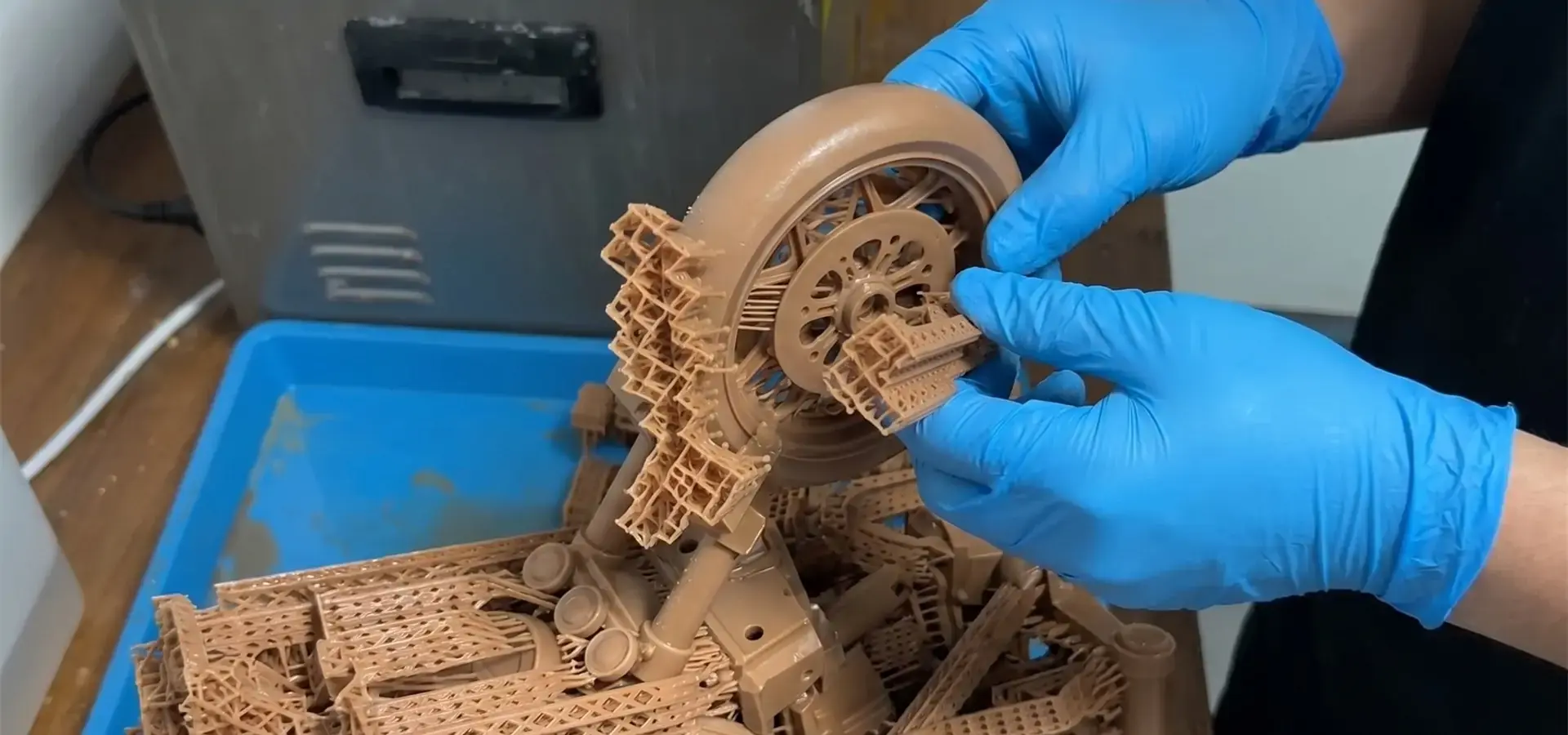
Post-processing is still one of the parts of additive manufacturing processes that takes the most time and costs the most money. The printer's output seldom meets the final quality standards without additional work. Steps like support removal, surface smoothing, UV sealing, and finishing can add hours or even days to the production schedule, which has a direct effect on operational expenses and time to market.
Why Post-Processing Becomes a Bottleneck
Printers with lower resolution make layer lines and rough textures that are easy to see and need a lot of work by hand. Ra values can indicate that the surface roughness is too high for real-life prototypes or parts. Technicians have to fix or throw away parts that warp, don't stick together well, or aren't the right size because of these problems. This increases the cost of materials and labor. These delays or mistakes are not acceptable for companies that are prototyping interior parts for cars or flight engineers who are testing precision connections.
The Cost of Manual Finishing
To get the look you want, manual finishing includes sanding with increasingly finer grits, adding primer coats, wet sanding again, and polishing. Skilled labor costs a lot, and doing the same thing over and over again makes mistakes more likely because of tiredness. When dental labs create aligner models or surgical guides, the margins must be accurate to within ±30 microns. If they aren't, they have to be reprinted, which costs money and time. When buying, teams understand these problems; they can see how important it is to buy precise hardware that cuts down on work that needs to be done later.
How Does High-Resolution 3D Printing Technology Work to Minimize Post-Processing?
By producing parts that are closer to the final specifications from the beginning, precision printing technologies completely change the economics of additive manufacturing. SLA printers employ a focused UV laser to selectively cure photopolymer resin layer by layer. DLP systems use a digital light projector to cure entire layers simultaneously through projected images, while mSLA machines use an LCD panel to mask UV backlight, curing entire layers at once while achieving high resolution at a lower cost. The goal of all of them is the same: to close the gap between printed and finished parts.
The Role of Optical Precision
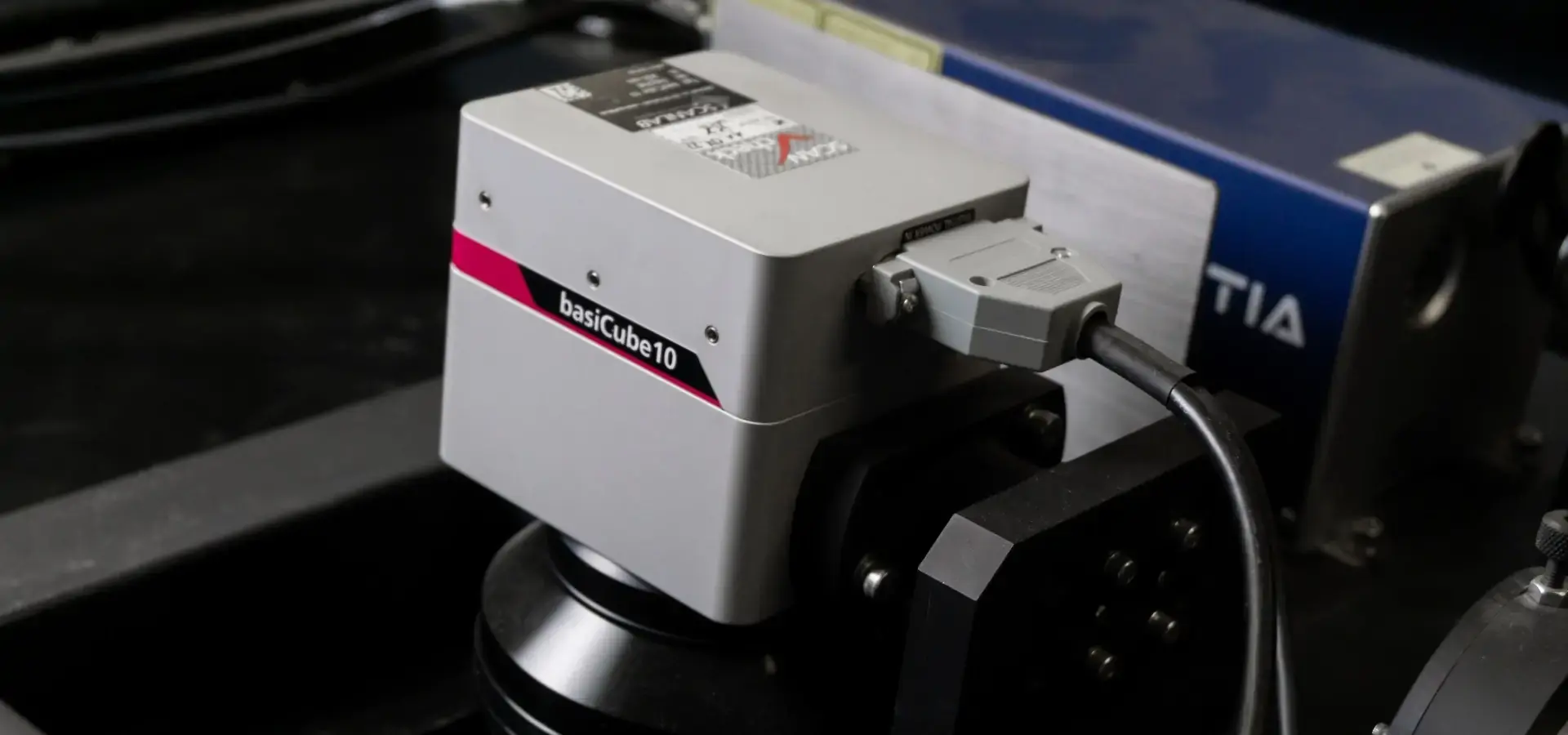
Modern high-resolution SLA 3D printers rely on precision optical systems, including galvanometer-controlled laser paths and beam-shaping optics, to ensure consistent energy distribution and dimensional accuracy across the build area. A well-collimated vertical light path significantly reduces this effect. In laser-based SLA systems, feature resolution is defined by laser spot size and scanning precision, enabling the production of fine text, intricate geometries, and complex features that are difficult to achieve with traditional FDM systems. Magforms' own equipment uses variable spot-size laser technology and optimized scanning strategies to make printing over 30% faster while keeping accuracy at the micron level.
Material Selection and Surface Quality
Advanced industrial resin made for precision printers have better flow properties and less shrinkage during polymerization. Controlled drying conditions make surfaces smoother and give them Ra values approaching those of injection-molded parts under optimized conditions for clear resins, high-temperature versions, and flexible materials. When you choose materials that work well together, you don't have to sand or chemically smooth them as much. Material-equipment synergy is essential. Third-party resins that don't work well with each other can lead to problems with bonding, dimensional drift, or partial curing, which makes post-processing more difficult instead of easier.
Calibration and Consistent Quality
Over thousands of production hours, the print quality stays high thanks to regular upkeep on the optical parts, the Z-axis movement, and the leveling of the build platform. Linear tracks keep Z-wobble to a minimum, making sure that orientation between layers is accurate to within tens of microns under calibrated conditions. The resin vats are mechanically strong and chemically resistant. This focus on hardware security leads directly to fewer mistakes and less finishing work.
Evaluating High-Resolution vs. Standard 3D Printers: Impact on Post-Processing Workload
People who make decisions about purchases often compare the initial cost of precision tools to the practical savings that will be made in the long run. When you look at how much post-processing is needed and how efficiently they produce things, normal FDM printers and advanced resin-based systems are unique.
Surface Finish Quality and Finishing Requirements
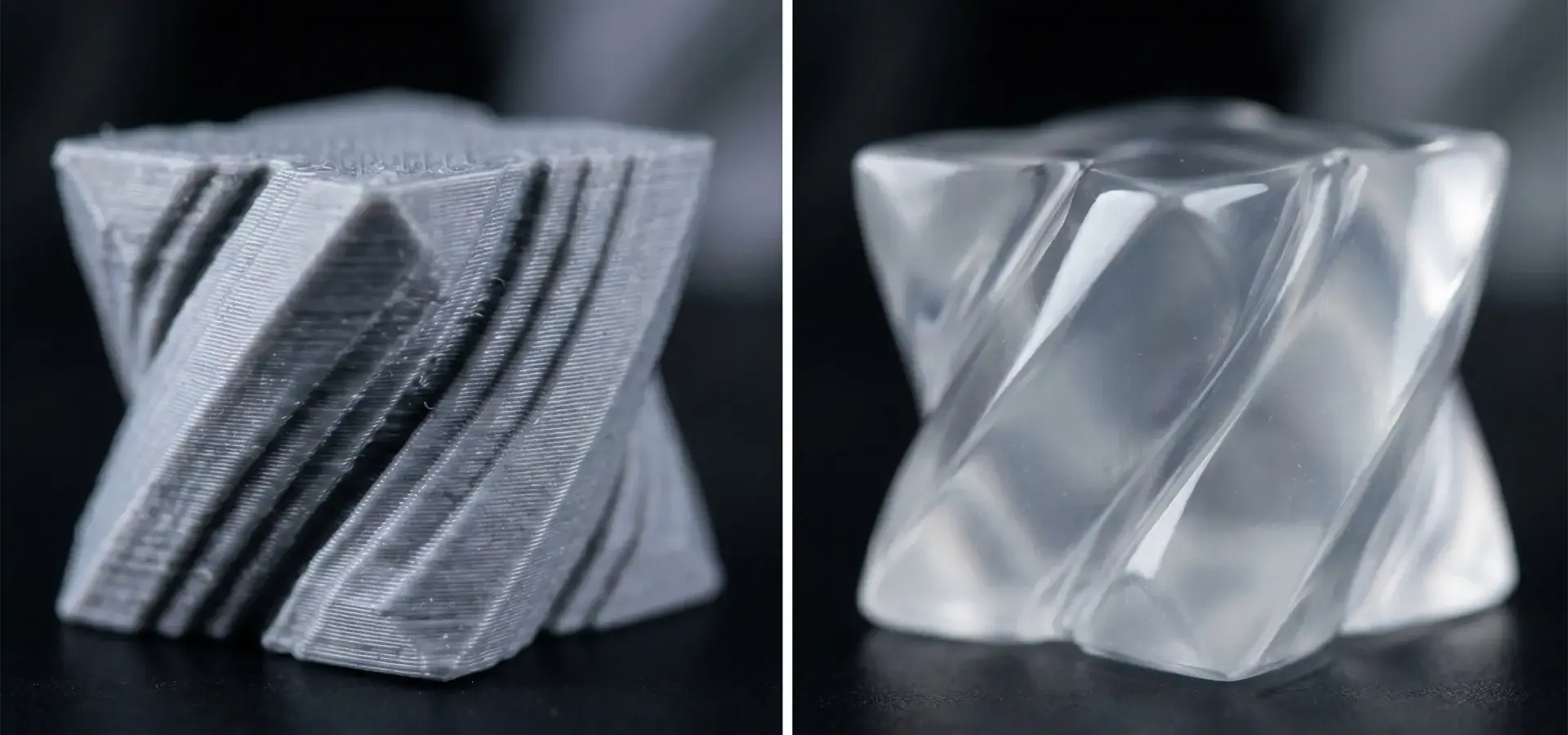
Standard FDM printers with 0.4 mm nozzles and typical layer heights around 100–300 microns make layer lines that can be seen and need to be sanded and primed more than once. When you make parts on a high-resolution 3D printer with 25-micron XY precision and 10-micron layer heights, the surfaces are almost always smooth and don't need any finishing at all. When we switched from FDM to SLA for testing housings for consumer electronics and shells for wearable tech, we saved 60 to 80% of the time it took to do the post-processing work.
Print Speed vs Total Throughput
Some people say that precise printers might be slower per layer than FDM machines. In some cases, SLA printing may take longer per build compared to FDM, depending on geometry and settings. However, for appearance-critical or precision parts, FDM prints may require several hours of manual finishing, but the SLA part only needs an hour of washing, drying, and light touch-up. The precise method is better in terms of total cycle time and labor costs, especially when batch stability is important. Magforms' combined material and equipment optimization makes printing speeds over 30% faster than the average in the industry. This closes the speed gap while keeping the quality of the surface at a high level.
ROI and Total Cost of Ownership
Investing in new printing technology cuts down on the cost of labor, the waste of materials from failed prints, and the time lost during repair processes. Manufacturers of medical devices that print surgical guides can meet ISO 10993 biocompatibility requirements while maintaining tight dimensional tolerances without having to do any extra work. When aerospace makers make small batches of precision connectors, they don't have to do any hand deburring or checking work again. When precision printers are used for high-mix, low-volume production runs, plants report ROI improvements of 40 to 60% over the course of a year.
Best Practices to Further Reduce Post-Processing When Using High-Resolution 3D Printers
Getting high-tech tools is only the beginning. To get the most post-processing decrease, you need to pay attention to design, operation, upkeep, and the choice of materials.
Design for Manufacturability Principles
Parts designed with the limitations of additive manufacturing in mind require less support material and have a more aesthetically pleasing finish. Putting parts at the right angles lowers the number of support touch points and surface flaws. Adding drain holes to big molds and hollowing them out stops resin from pooling, which speeds up the curing process. When fillets and chamfers are used instead of sharp corners in CAD models, the structures are stronger and there are fewer stress points that lead to cracks after the fix. Working with experienced design engineers cuts down on revision cycles and raises the success rate of the first print.
Software Tools and Slicer Optimization
Slicer settings change the anti-aliasing algorithms, layer exposure times, and lift speeds, all of which have a direct effect on how smooth the surface is. Adaptive layer height allows you to concentrate on the necessary details while accelerating less important areas. Support density and touchpoint diameter settings ensure that the part remains stable during printing and is easy to remove afterward. Modern slicing software from PreForm, Materialise Magics, or other industrial-grade slicing software has advanced features like grayscale anti-aliasing that make stair-stepping on curved surfaces smoother. This means that layer lines are less noticeable, and you don't have to sand as much.
Preventive Maintenance and Calibration
Over time, dust and resin buildup on optical parts make the light less even and the picture less accurate. Every 500 to 1,000 print hours, clean optical components and laser path elements, and replace any old parts to keep the output quality stable. Magforms offers a wide range of support services after the sale, such as upkeep plans for machines, software updates, and professional training programs that help businesses maintain their precision over many years of use. Regular calibration checks using test prints and accurate measuring tools can catch drift before it impacts production batches.
Leveraging Advanced Materials and Finishing Techniques
Specialized UV-curable resins with low viscosity and high reactivity adhere more fully, making the product less sticky and more stable in its shape. Ceramic-filled plastics and tough industrial versions can handle heat deflection temperatures above 200°C, which lets functional testing happen without any thermal distortion. Some methods used after printing, such as isopropyl alcohol (IPA) cleaning or controlled solvent rinsing, can improve the surface finish even more without having to do any work by hand. Putting on clear coats or UV-stable topcoats keeps parts from turning yellow and breaking down in the environment, which makes them last longer.
Customized solutions are available when you work with providers who understand the problems you're having with production. With extensive experience in the field, Magforms possesses a well-stocked inventory of perfectly matched materials and tools. This gets rid of compatibility problems that lead to failed prints and too much post-processing. Our technical support team works with customers to improve routines, suggest materials, and resolve problems in the process, making sure that every investment leads to real, practical gains.
Procurement Insights: Choosing the Right High-Resolution 3D Printer to Minimize Post-Processing
To choose the best precise printer, you have to weigh technical requirements, funding, and the supplier's ability to provide support. Priorities need to be set differently for each application, and knowing these differences helps you make good buying choices.
Key Technical Parameters to Evaluate
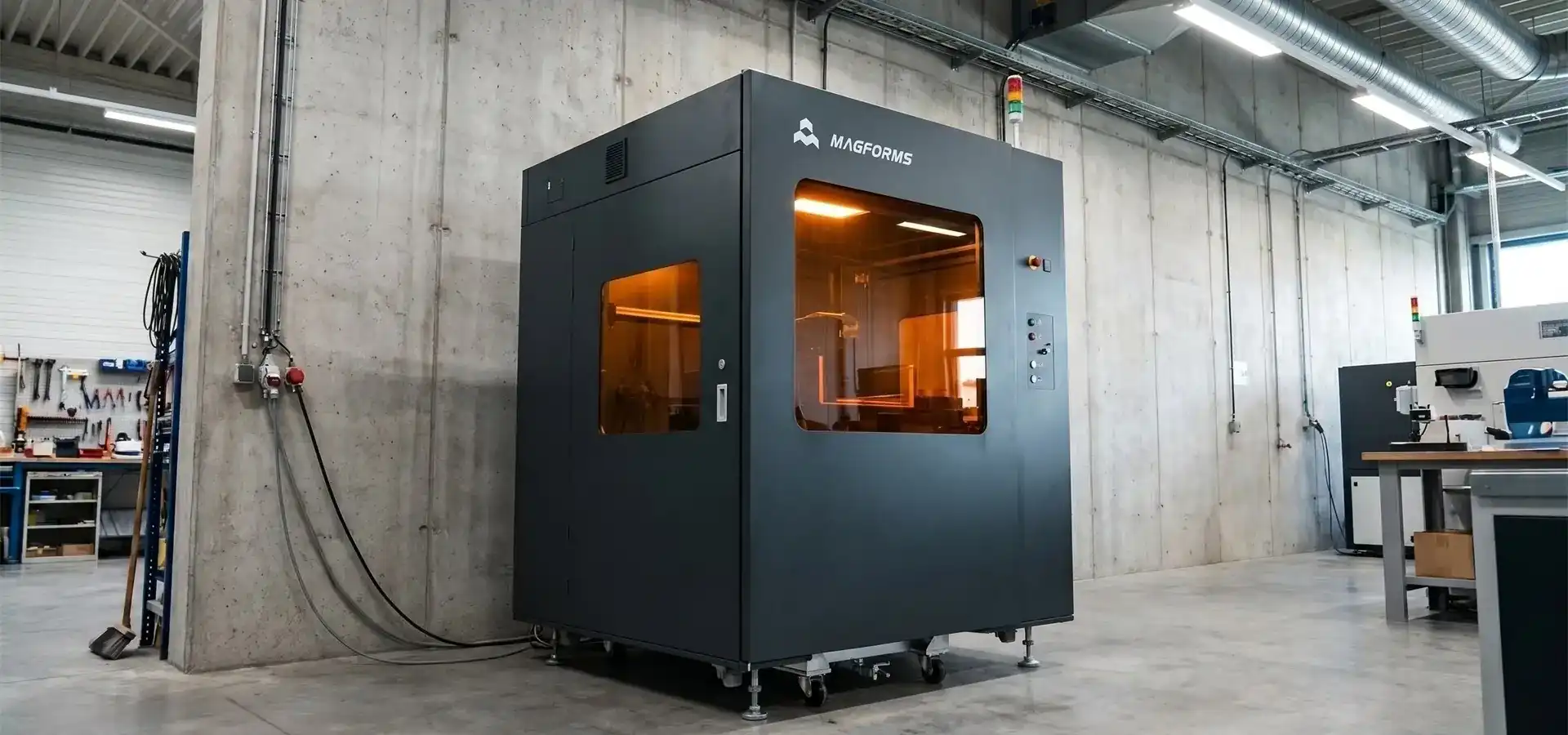
Resolution powers are still the most important thing to think about. An XY precision of 19 to 50 microns can meet most industry prototyping and small-batch production needs. High-torque stepper motors drive the Z-axis precisely, which lets layers cure steadily at 25 to 100 microns depending on material and application requirements. This precision is important for dental models and microfluidic devices. It's important to build a lot of things. Large-format SLA printers, like Magforms' P600 and P800 models, can print on things like car interior panels and aircraft parts that smaller machines can't. Material compatibility gives you options; open-platform printers that can use resins from other companies let you control costs; on the other hand, private systems may force buyers to buy expensive refills.
Speed, Reliability, and Supplier Support
Print speed impacts output, but it shouldn't hurt quality. Variable laser spot technology speeds up big solid areas without losing information in small parts. Reliability measures, which are the average amount of time between failures and hours of constant operation, show if a printer can keep up with production plans without having to shut down for no reason. We stress-test Magforms' equipment for thousands of hours, demonstrating failure rates significantly lower than industry norms and ensuring stability for large-scale production. Total cost of ownership and production continuity are directly affected by supplier support services like guarantee coverage, quick supply of spare parts, and on-site expert training.
Financing Options and Total Investment
Purchasing costly tools can strain the budget, particularly for startups and small design firms. Financing programs, leasing options, and bulk discounts from providers make precision technology easily accessible. When figuring out the total cost of ownership, you have to look at things like how much resin costs per liter, how often the FEP film needs to be replaced, and post-processing items like wash liquids and curing lights that you use up. Magforms offers flexible finance options and bulk discounts for orders of multiple units, which lets customers increase capacity without having to make huge upfront investments.
Procurement Channels and Decision Process
If you buy directly from makers like Magforms, you can get the newest models, get expert help, and get a warranty. Authorized dealers offer help in your area and ship replacement parts more quickly. While online B2B sites make prices clear and let customers leave reviews, they may not offer help after the sale. Before placing large orders, technical staff, such as heads of R&D departments, directors of 3D printing workshops, and production vice presidents, should test the equipment by printing samples and measuring them carefully. By asking for test prints using your own CAD files and measuring the results with calipers or coordinate measuring tools, you can get reliable information about how well the product works, which gives you confidence in your purchase.
Conclusion
Buying a high-resolution 3D printer cuts down on post-processing work, which saves money on labor and speeds up production times in many fields, from aerospace and dentistry to cars and consumer electronics. Precision printing technologies make surfaces that are smoother, tolerances that are tighter, and flaws that are fewer. This reduces the need for manual sanding, finishing, and repair. By combining high-tech tools with the right materials, well-tuned processes, and regular upkeep, these advantages are maximized. This turns additive manufacturing from a tool for prototyping into a practical way to make things. Long-term ROI and operating efficiency are guaranteed by strategic buying choices that put resolution, dependability, material fit, and seller support at the top of the list.
FAQ
How much faster is post-processing when you use a 3D printer with a high resolution?
The savings range from 60% to 80%, based on the use and complexity of the part. Dental labs that make aligner models say that the time it takes to finish each batch has gone down from four hours to less than an hour. When it comes to housings and internal structures, moving from FDM to SLA for consumer electronics prototypes has the same benefits.
Are high-resolution resin printers suitable for batch production?
That's right, especially when using big SLA machines with solid mechanical systems and well-designed material flows. The P600 and P800 models from Magforms can make a lot of aircraft parts and prototypes for cars. They can do this with uniform quality over long print runs, thanks to preventative maintenance and calibration procedures.
What types of businesses can use precise printing technology the most?
Micron-level accuracy and smooth surface finishes are important in many fields, such as dental and orthodontics, jewelry investment casting, medical device manufacturing, aircraft component validation, and consumer electronics prototypes. When these businesses buy modern resin-based printers, they save the most money on post-processing costs and get the best return on their investment.
Partner with a trusted high-resolution 3D Printer Supplier for seamless production.
Magforms offers complete 3D printing options that combine high-precision tools and specially designed materials to get rid of delays in post-processing. Our high-resolution 3D printers are achieving micron-level accuracy and can print at speeds over 30% faster than the average in the industry. Magforms boasts 22 patents and decades of experience in additive manufacturing. We offer full after-sales support to over 300 companies around the world, ranging from dental labs and aerospace suppliers to car R&D departments. This includes machine repair, software updates, and technical training. Contact our team at info@magforms.com to discuss your production problems and find out how our combined material-equipment synergy can help you cut down on finishing work, improve part quality, and get your important applications to market faster.
References
1. Gibson, I., Rosen, D., & Stucker, B. (2021). Additive Manufacturing Technologies: 3D Printing, Rapid Prototyping, and Direct Digital Manufacturing. Springer.
2. Stansbury, J. W., & Idacavage, M. J. (2016). "3D printing with polymers: Challenges among expanding options and opportunities." Dental Materials, 32(1), 54-64.
3. ISO/ASTM 52900:2021. Additive Manufacturing: General Principles—Fundamentals and Vocabulary. International Organization for Standardization.
4. Formlabs. (2020). Post-Processing Techniques for SLA 3D Printing: A Comprehensive Guide. Formlabs Technical Whitepaper Series.
5. Huang, Y., Leu, M. C., Mazumder, J., & Donmez, A. (2015). "Additive Manufacturing: Current State, Future Potential, Gaps and Needs, and Recommendations." Journal of Manufacturing Science and Engineering, 137(1), 014001.
6. Dizon, J. R. C., Espera, A. H., Chen, Q., & Advincula, R. C. (2018). "Mechanical characterization of 3D-printed polymers." Additive Manufacturing, 20, 44-67.

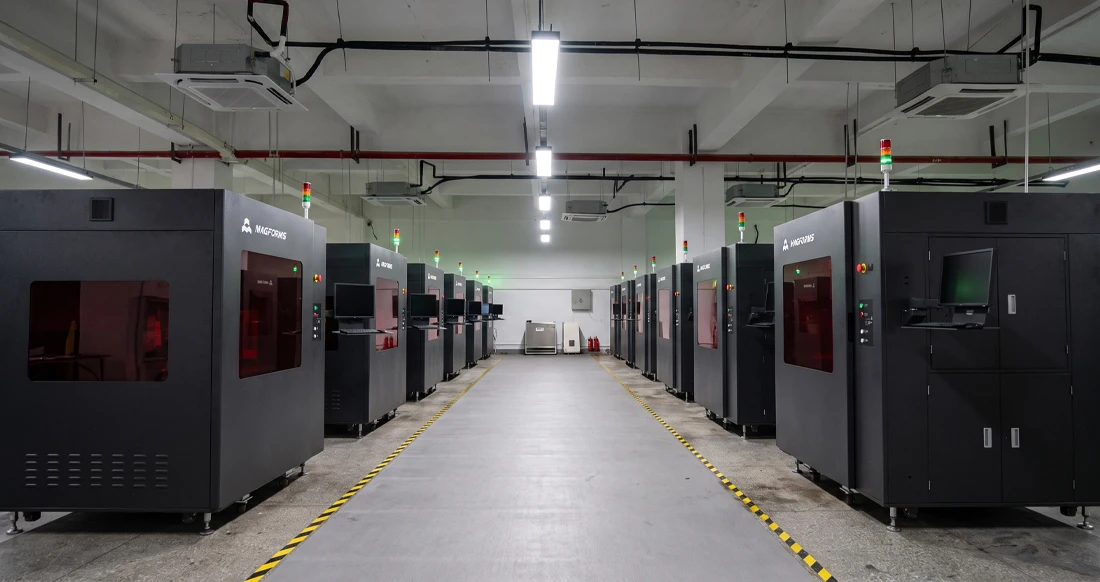
Magforms makes design and manufacture easier.
Popular Blogs
-
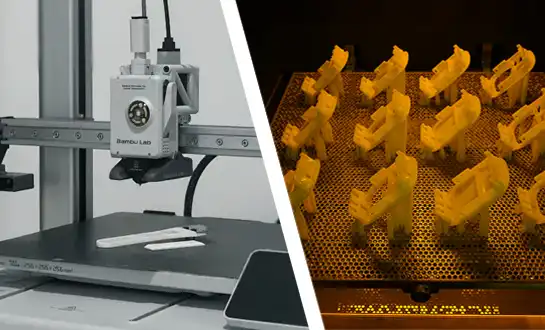 Industry InsightsManufacturing Industry
FDM vs. SLA Printer: Which Technology Is Right for Your Project?
-
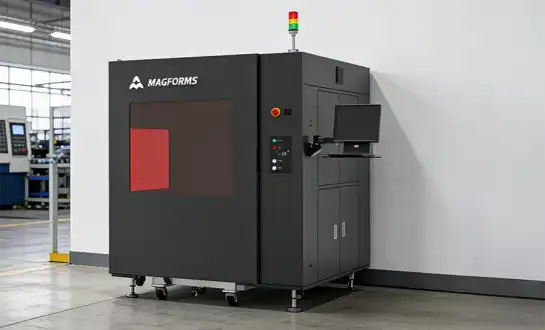 Industry InsightsManufacturing Industry
Top 5 Applications of Industrial 3D Printers in Manufacturing Today
-
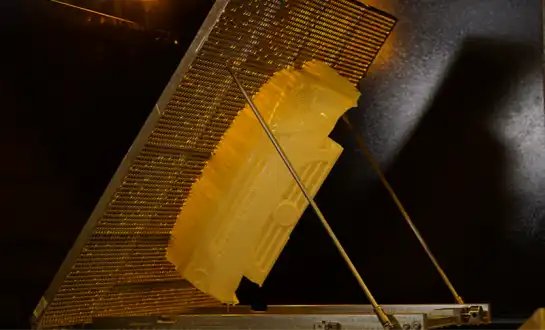 Industry InsightsManufacturing Industry
Why Stereolithography 3D Printers Are Unmatched for Microfluidic Device Prototyping?