Can an Industrial SLA 3D Printer Meet Aerospace Tolerances?
When aerospace engineers and procurement managers ask whether additive manufacturing can deliver the precision their industry demands, the answer increasingly centers on one technology: stereolithography. Modern industrial SLA 3D printers are helping bridge the gap between traditional aerospace manufacturing and the flexibility of additive processes. These systems use UV laser curing of photopolymer resins to produce parts with high dimensional accuracy and fine feature resolution, making them well suited to many aerospace prototyping, tooling, and validation applications. With proper equipment selection, calibration, process control, and material selection, industrial SLA systems can deliver consistent dimensional performance for many aerospace prototyping and tooling applications. For example, the Magforms SL800 is specified at ±0.15 mm for dimensions of 100 mm or less and ±0.15% × L for dimensions greater than 100 mm, with actual results depending on geometry, orientation, resin, and post-processing conditions.
Understanding Industrial SLA 3D Printing Technology
How Stereolithography Works in Industrial Settings
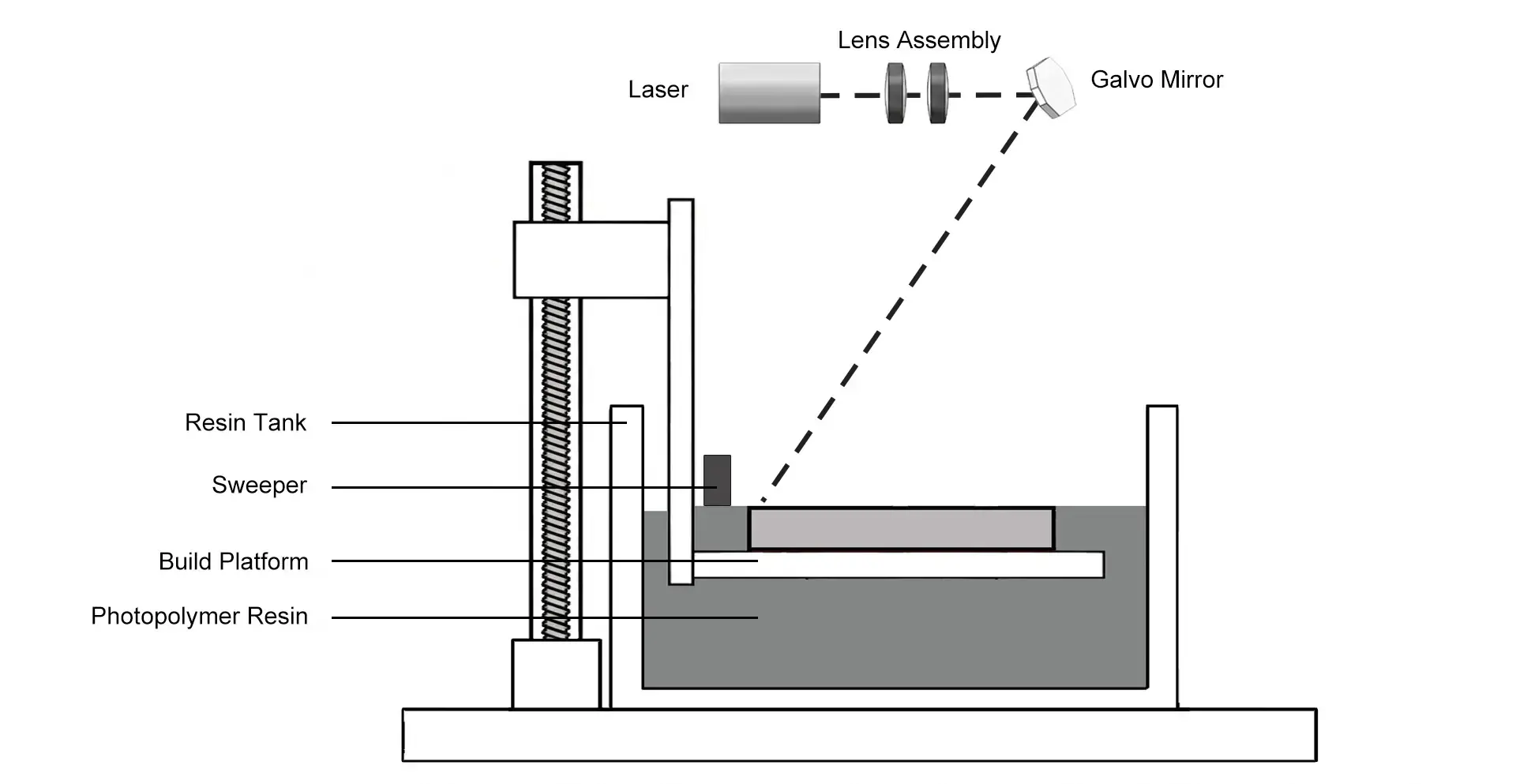
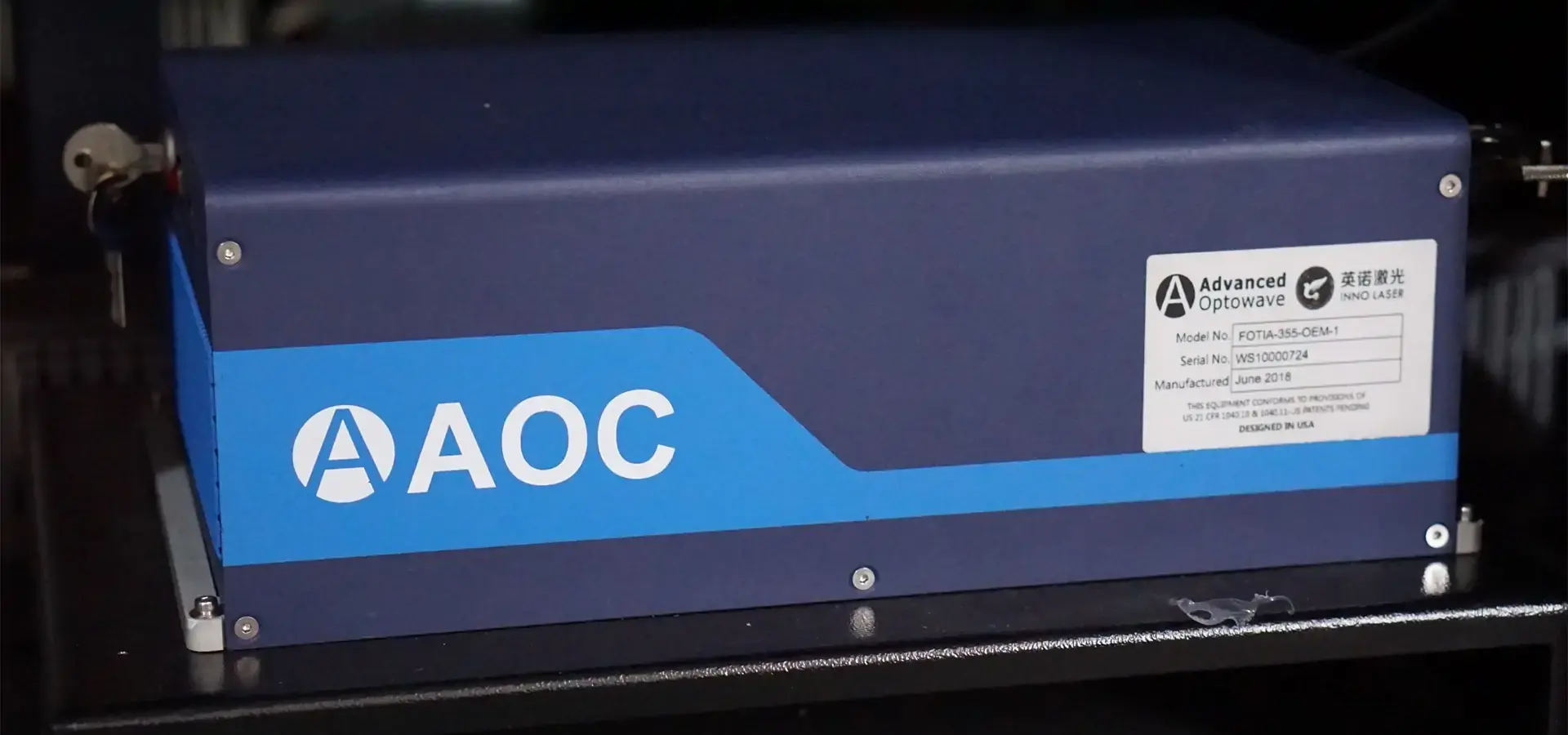
Industrial stereolithography uses a UV laser to selectively cure liquid photopolymer resin layer by layer, with a scanning galvanometer directing the laser beam across the build area. The laser selectively cures each layer of resin, building the part layer by layer from the build platform upward. Depending on the printer, resin, and application, industrial SLA systems can use different layer thicknesses to balance surface quality, feature resolution, and build time. An Industrial SLA 3D Printer differs from a desktop system through its larger build capacity, industrial-grade motion and optical components, process-control capabilities, and suitability for demanding production environments. Industrial systems may use precision galvanometers, such as German Scanlab scanning systems, together with stable laser sources such as AOC lasers to provide accurate and repeatable beam positioning across large build areas. These components are important for maintaining process consistency during extended production runs.
One advantage of stereolithography is that properly cured photopolymer parts can exhibit more uniform mechanical behavior across different build directions than many FDM parts, although the final properties still depend on resin chemistry, exposure conditions, build orientation, and post-curing. Surface quality is another important advantage of stereolithography. SLA can provide relatively smooth surfaces and fine feature definition compared with many other additive manufacturing processes. The final surface roughness depends on layer thickness, laser parameters, build orientation, resin, and post-processing.
👉 What is SLA 3D printing technology
Critical Components Driving Aerospace-Level Performance
Carefully selected subsystems contribute to the dimensional stability and process consistency of industrial SLA systems. The Magforms SL800 illustrates this approach through its optical, motion-control, and structural design:
A well-controlled laser spot profile, together with a precision Scanlab galvanometer system, helps maintain consistent beam positioning and energy distribution across the build area. The SL800 uses variable laser spot strategies for different scanning requirements, with a larger spot for efficient bulk exposure and a finer spot for contours and detailed features. This approach can improve the balance between build efficiency and feature definition compared with using a single fixed scanning strategy, although the actual productivity gain depends on part geometry and process parameters.
Motion control architecture: Panasonic servo motors support precise motion control, while HIWIN linear guides and precision transmission components contribute to stable and repeatable platform and recoater movement. Working together with the optical system, these components support dimensional consistency across the build area during extended production cycles.
Structural stability: A sheet-metal enclosure with a thickness of at least 2 mm, together with an adjustable marble working platform, helps provide structural stability during extended printing processes. Platform flatness and leveling are important factors in maintaining consistent first-layer exposure and dimensional stability across a large build area.
Another crucial issue is temperature control. Resin temperature and viscosity can influence recoating behavior, exposure response, layer formation, and dimensional consistency. For this reason, maintaining a stable operating environment and following the resin manufacturer's recommended processing conditions are important for repeatable results, especially in facilities without tightly controlled environmental conditions.
Resin Materials for Aerospace Applications
Material selection determines whether a printed part is suitable for a specific aerospace application and its expected operating environment. Modern photopolymer formulations extend beyond general-purpose prototyping materials. Depending on the resin system, available options may include high-temperature, flexible, rigid, flame-retardant, or transparent formulations for specific tooling, inspection, and validation applications. Material selection should be based on the resin manufacturer's technical data and the requirements of the intended application. Advanced Industrial SLA 3D Printers have an open material architecture, which means they don't use proprietary material locks. This lets engineers evaluate application-specific photopolymer resins, including formulations designed for flame resistance, high temperature performance, flexibility, or transparency.
Aerospace Tolerances and Why They Matter
Defining Aerospace Dimensional Requirements
Tolerance standards that leave very little room for error are used in aerospace manufacturing. Aerospace components can require tight dimensional control, but the applicable tolerance depends on the component, feature, function, material, manufacturing process, and engineering drawing. Critical interfaces such as fastener locations may require tighter tolerances than general prototype features. Surface finish requirements are also application- and drawing-specific, particularly where surface condition can affect fit, friction, sealing, fluid flow, or fatigue performance. These requirements reflect the demanding operating conditions of aerospace components, including temperature variation, vibration, repeated loading, and long service life, where dimensional deviations can affect fit, function, and system-level performance.
Regulatory structures make these standards stronger. AS9100 provides a quality management framework widely used in the aerospace industry, with requirements covering areas such as documented processes, risk management, traceability, and control of production and quality activities. NADCAP accreditation provides additional process-specific oversight for qualified aerospace suppliers and critical processes.
Challenges in Additive Manufacturing for Aerospace
Additive processes add factors that aren't present in subtractive processes. Photopolymer resins can undergo volumetric shrinkage during polymerization and post-curing. The magnitude varies significantly with resin chemistry, exposure conditions, geometry, and post-processing, so dimensional compensation should be established through material-specific process validation rather than applying a universal shrinkage percentage. Environmental conditions can further affect dimensional consistency and process stability. Ambient temperature can affect resin viscosity and recoating behavior, while environmental conditions can influence curing, surface quality, and dimensional stability depending on the material formulation.
Another problem is that machine accuracy drift can happen. Galvanometer alignment and scanning performance should be verified according to the machine manufacturer's maintenance and calibration procedures to ensure consistent laser positioning across the build area. Platform leveling affects first-layer formation and can consequently influence dimensional consistency throughout the build. Because of these things, maintenance rules must be very strict, which goes beyond what is needed for regular CNC equipment.
Comparison with Traditional Manufacturing Methods
CNC machining remains a preferred manufacturing method for many aerospace components that require tight dimensional tolerances, especially when the final part must meet established engineering and inspection requirements. Conventional subtractive machining, on the other hand, can become more challenging or costly for internal channels, organic geometries, lattice structures, and highly integrated parts. These are areas where Industrial SLA 3D Printers can offer important advantages during prototyping, tooling, and design validation, particularly for complex geometries that are difficult or costly to machine. Even though injection molding is very repeatable, it costs a lot to buy the tools needed for it, which makes it impractical for low-volume aerospace applications. Stereolithography can fill part of this gap by producing functional prototypes, patterns, tooling, and validation parts without the upfront tooling requirements associated with some conventional manufacturing methods. These parts can be used for practical testing, wind tunnel models, and industrial fixtures, and they don't cost nearly as much as traditional tools.
Can Industrial SLA 3D Printers Meet Aerospace Tolerances?
Accuracy and Repeatability Metrics
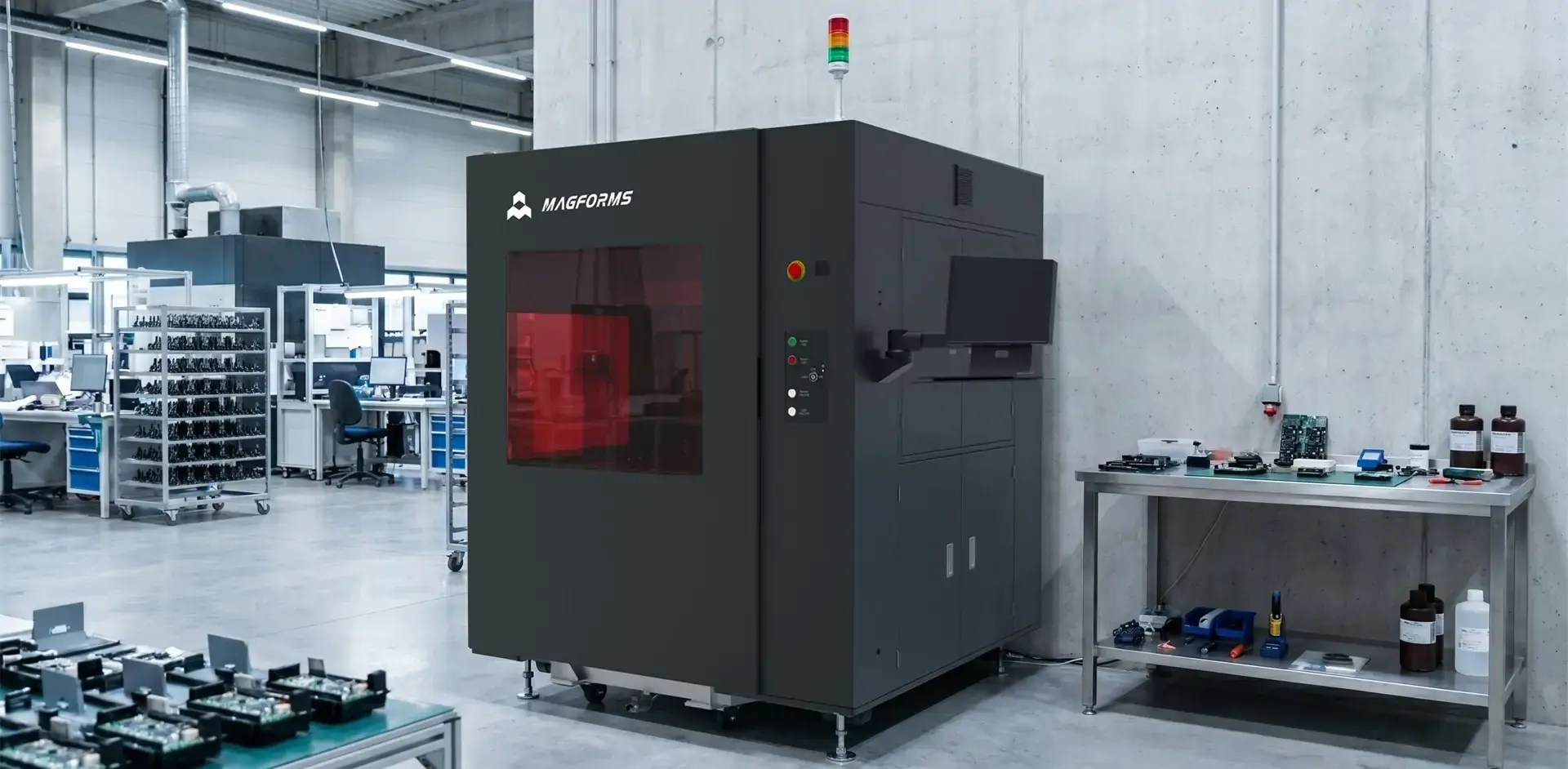
Whether stereolithography can meet an aerospace tolerance depends on the specific part, equipment, material, process conditions, and inspection requirements. For aerospace applications, whether an Industrial SLA 3D Printer can meet a specified tolerance depends on the machine, material, geometry, build orientation, process parameters, and inspection method. For the Magforms SL800, the specified dimensional accuracy is ±0.15 mm for dimensions of 100 mm or less and ±0.15% × L for dimensions greater than 100 mm. These capabilities make the SL800 suitable for applications such as aerospace prototypes, investment-casting patterns, inspection aids, and complex hollow or lightweight structures.
👉 Magforms SL800 Industrial SLA 3D Printer
It's just as important to be able to make the same things over and over again as it is to be absolutely accurate. Several engineering choices in Magforms systems take this into account. The Scanlab galvanometer contributes to accurate and repeatable laser scanning, while the servo-driven motion system supports stable mechanical positioning. Panasonic servo motors support precise and repeatable motion control, helping reduce positioning deviations during extended operation. When process conditions are controlled consistently, industrial SLA systems can provide good repeatability, but actual part-to-part variation should be established through application-specific repeatability testing.
Real-World Aerospace Applications
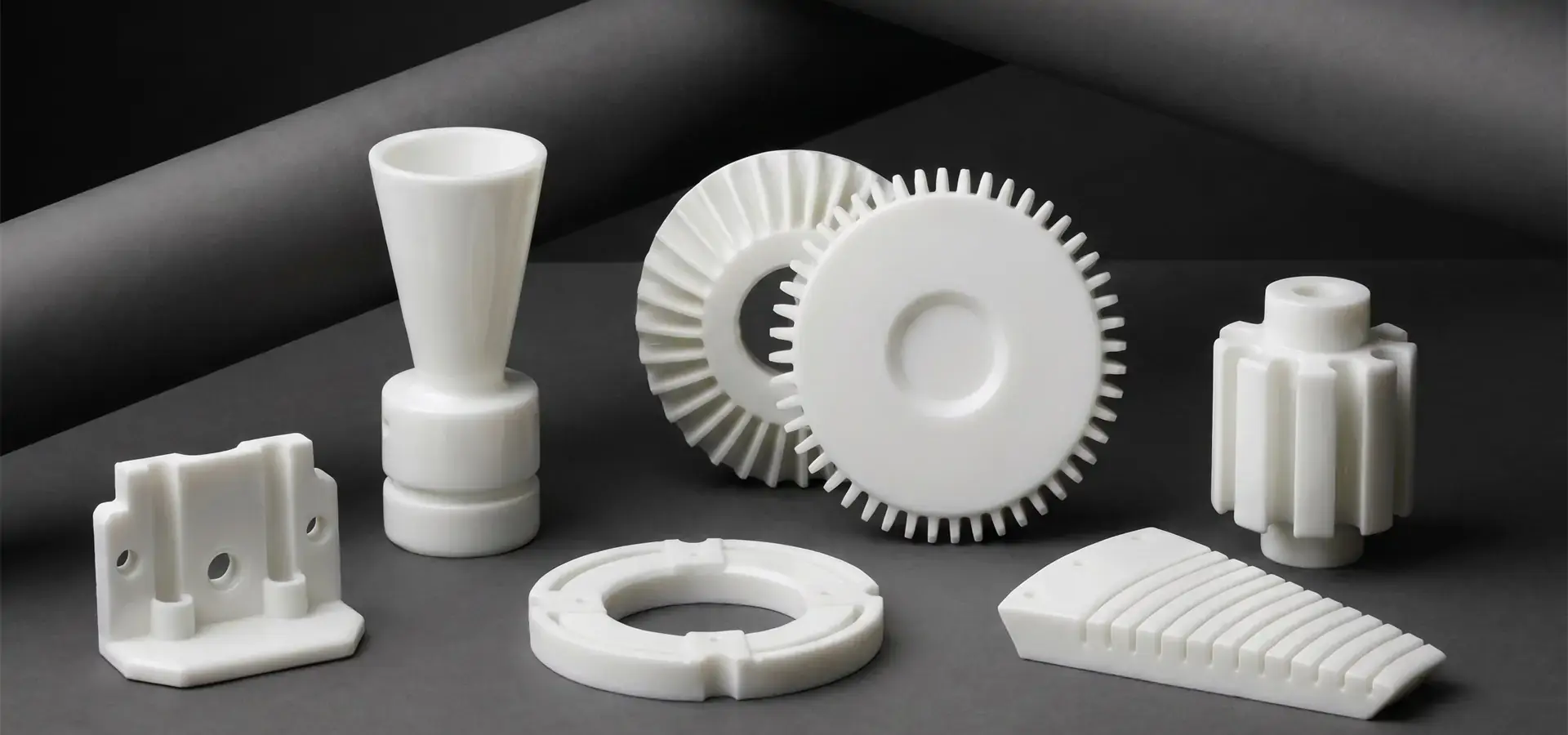
Industrial stereolithography is used in aerospace development for applications such as prototyping, tooling, fit checks, inspection aids, and design validation. Engineers can use SLA-printed wind-tunnel models when dimensional fidelity and surface quality are important factors in aerodynamic testing. Some examples of tooling uses are drill guides, layup mandrels, and inspection tools that require dimensional stability while benefiting from rapid production and iteration. Flight-qualified additive-manufactured parts require application-specific material qualification, process validation, inspection, and certification. For most industrial SLA applications, the more established use cases are prototyping, tooling, fit checks, and non-flight validation rather than directly replacing certified structural components.
Having the option to print on clear resins creates new ways to check things. In transparent manifold or fluid-system prototypes, internal flow paths and assembly interfaces can be visually inspected before committing to production materials. Checks for interference in the assembly can be done before going to metal production. These uses take advantage of stereolithography's good points while also recognizing the current limitations of photopolymer SLA for primary flight hardware and certified structural components.
👉 See how the SL800 is used in real-world engineering applications.
Comparative Analysis: SLA vs. Other Technologies
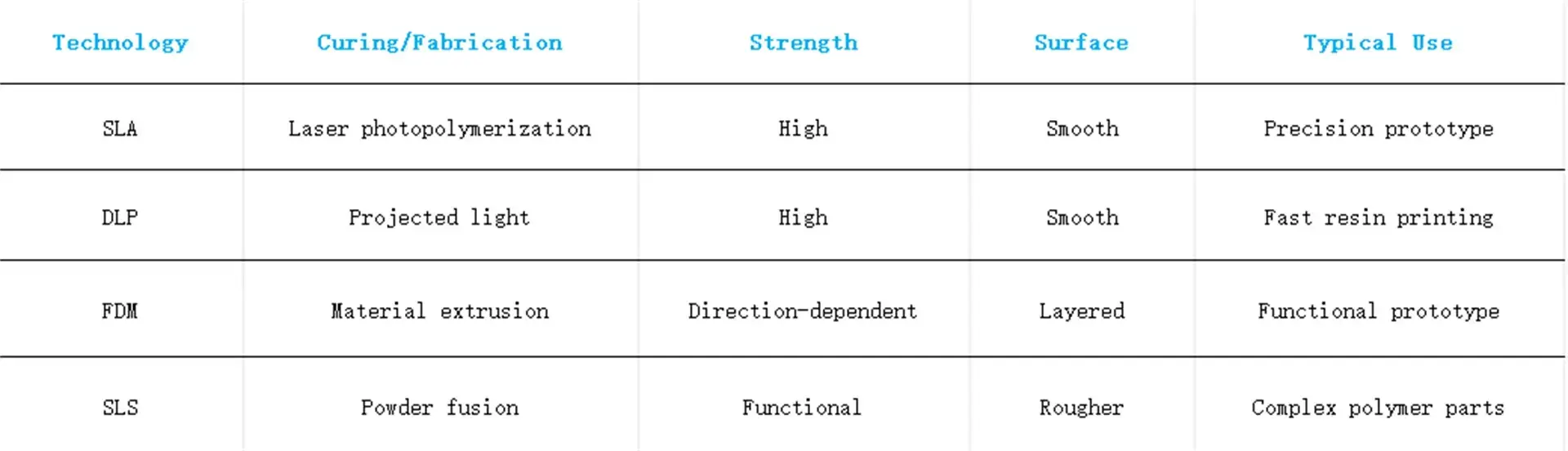
Several different methods are used in aerospace additive printing. Selective laser sintering (SLS) uses a powder-bed process and can produce functional polymer parts with different mechanical and thermal characteristics from photopolymer SLA, but its as-built surfaces are generally rougher. Fused deposition modeling (FDM/FFF) can offer lower equipment and material costs for some applications, but its dimensional accuracy, surface finish, and mechanical anisotropy depend strongly on filament properties, extrusion conditions, layer orientation, and process parameters. Digital Light Processing (DLP) also uses photopolymer resin, but cures each layer by projecting patterned light rather than scanning a laser point across the resin surface. DLP can achieve efficient layer exposure, while its achievable build size, resolution, and productivity depend on the optical architecture and specific machine design.
Industrial SLA 3D Printers are particularly well suited to aerospace prototyping when high surface quality, fine feature definition, dimensional control, and large-format photopolymer printing are important. Compared with FDM and many powder-bed polymer processes, SLA can offer advantages in surface finish and fine-detail reproduction, while the actual performance depends on the specific machine and application. This technology works especially well when a single part needs to have complicated shapes, fine feature resolution, and smooth surfaces.
Maintenance and Process Best Practices to Achieve Consistent Aerospace Tolerances
Routine Calibration and System Verification
Disciplined maintenance is essential for maintaining consistent output when Industrial SLA 3D Printers are used in aerospace-related applications. Laser output and curing performance should be verified periodically according to the manufacturer's maintenance procedures and the requirements of the application. Galvanometer calibration and scanning accuracy should be verified at defined maintenance intervals or whenever inspection results indicate potential drift. Before every build, the platform is checked to make sure it is level. This stops first-layer adhesion failures that spread through the whole part height.
Managing the resin is another important control point. The reactivity of a material changes with age. Resin aging can alter material reactivity and curing behavior, so exposure parameters should be adjusted only when supported by material testing or the resin manufacturer's recommendations. Temperature should be controlled according to the resin manufacturer's recommended processing range, since viscosity varies significantly among different photopolymer formulations. Contamination, partially cured resin, or particles in the resin vat can interfere with recoating and exposure, potentially affecting surface quality and dimensional accuracy.
Process Parameter Optimization
To achieve tighter dimensional control, exposure parameters must be carefully tuned. Layer thickness represents a trade-off between build efficiency, vertical resolution, and the visibility of stair-stepping on angled surfaces. Thinner layers can improve Z-axis resolution and surface quality, particularly on curved or inclined surfaces, but they also increase the total number of layers and therefore build time. Cure depth and lateral overcure are influenced by laser power, scan speed, exposure conditions, resin reactivity, and optical characteristics, all of which can affect dimensional accuracy and feature definition.
Support placement can have significant effects on dimensional stability and surface quality. Inadequate support placement or insufficient support strength can contribute to deformation during printing because of polymerization shrinkage, peel or recoating forces, part weight, and residual stress. Too many supports make it hard to remove and leave marks on the surface. Magforms' iBuild 2.0 software has automated support generation algorithms that balance these different concerns. However, for aerospace applications, it is often best for experienced technicians to review and make changes by hand.
Post-Processing for Dimensional Stability
Parts removed from an Industrial SLA 3D Printer may retain residual uncured resin and may require washing and post-curing to reach the resin manufacturer's specified final properties. For applications requiring stable mechanical and dimensional properties, post-curing should be performed according to the resin manufacturer's validated process. Post-curing completes additional polymerization and can influence the final mechanical and dimensional properties of the part. Because curing requirements vary by resin formulation, UV intensity, temperature, and part geometry, there is no universal post-curing time for all SLA materials.
Using coordinate measuring tools or structured light scanners for dimensional checking is an objective way to make sure that tolerances are met. When compared to the original CAD shape, systematic errors can be found and fixed by changing process parameters or scaling compensation factors. Stereolithography goes from being an art form to a controlled production process with this feedback loop.
Procurement Considerations for Aerospace-Grade Industrial SLA 3D Printers
Essential Features for Aerospace Applications
Industrial stereolithography technologies for aircraft should be examined in depth. Build volume determines the greatest component size. Most prototypes can be made on 600 x 600 x 400 mm platforms, whereas 800 mm-class machines can handle bigger assemblies. Laser spot quality influences surface polish and detail. Laser spot shape, size, and energy distribution can influence feature resolution, dimensional accuracy, and surface quality, so these optical characteristics should be evaluated together with actual test parts.
Material flexibility and compatibility are crucial for aircraft. Open-material Industrial SLA 3D Printers can give engineers greater flexibility to evaluate compatible 355 nm photopolymer resins, including transparent, rigid, flexible, or temperature-resistant formulations, depending on the machine and resin specifications. This openness contrasts with closed-ecosystem machines that only allow customers to utilise vendor-supplied materials, which are more costly and affect project economics.
Software goes beyond slicing. Advanced slicing software can support variable process parameters according to part geometry, helping balance build efficiency and surface quality where the machine and software support these functions. This can reduce build time while helping maintain the required surface quality. For industrial laser SLA, surface quality on curved features is primarily influenced by layer thickness, laser scanning strategy, exposure parameters, build orientation, and post-processing. Engineers may remotely monitor product progress and get notifications when issues arise that would waste resources and machine time.
Supplier Evaluation Criteria
Specifications are only one component of purchasing. Supplier experience in aerospace-related prototyping, tooling, quality documentation, and process support can be useful when evaluating long-term equipment suitability. AS9100-experienced companies know what aerospace clients demand in paperwork, material tracking, and quality systems. Due to its complexity, industrial stereolithography equipment requires extensive after-sales assistance. Magforms provides technical and after-sales support to help customers troubleshoot equipment, materials, and process-related issues. This prevents equipment failures from disrupting production.
Capable providers distinguish themselves from equipment sellers via training and information exchange. Operators must correctly position supports, optimize part orientation, and follow validated post-processing procedures to achieve the dimensional requirements of the intended application. Full onboarding programs speed up learning, and technical seminars update staff on best practices.
Warranty conditions and spare parts availability should be considered while buying. Important elements like lasers and galvanometers are expensive to replace. Knowing how things break down, how frequently they require service, and how long parts take prevents surprises during production ramp-up.
Conclusion
Industrial SLA 3D Printers have become valuable tools for aerospace prototyping, tooling, and selected low-volume applications. Modern stereolithography systems can produce parts with good dimensional accuracy, fine feature resolution, and smooth surfaces, making them valuable for aerospace prototyping, tooling, inspection aids, and design validation. For specific equipment such as the Magforms SL800, dimensional accuracy should be evaluated against the manufacturer's stated specifications and validated under the actual material, geometry, and process conditions. However, they haven't completely replaced traditional cutting for these kinds of parts yet. For something to work, it needs to be carefully chosen equipment that focuses on precise motion systems, thermal stability, and material flexibility, along with strict process control and maintenance rules. Companies that want to use stereolithography for aerospace work should work with suppliers who can show they have both technical know-how and experience in the aerospace industry. This can help them determine where industrial stereolithography can complement, rather than simply replace, traditional manufacturing methods.
FAQ
1. What dimensional accuracy can industrial SLA achieve for aerospace parts?
Industrial SLA 3D Printers can achieve high dimensional accuracy, but actual results depend on machine configuration, material, geometry, orientation, process parameters, and post-processing. For the Magforms SL800, the specified dimensional accuracy is ±0.15 mm for dimensions of 100 mm or less and ±0.15% × L for dimensions greater than 100 mm. This level of dimensional accuracy can be useful for aircraft prototyping, investment-casting patterns, inspection aids, and other non-flight applications where the specified tolerance can be validated. To get these standards, you need high-end tools with accurate galvanometers, steady laser sources, and precise motion systems.
2. How do SLA parts perform in aerospace environmental conditions?
Standard photopolymer resins are sensitive to UV light and don't hold up well against heat, so they can't be used outside in aerospace applications without protective coatings. Specialized high-temperature photopolymers may be suitable for selected prototypes, tooling, fixtures, or ground-support applications when their thermal and mechanical properties match the application requirements. A heat-deflection temperature above 100°C alone does not establish suitability for flight hardware. Material selection should instead be based on the required thermal, mechanical, chemical, dimensional, and environmental performance of the specific application.
3. What is the cost comparison between SLA and traditional aerospace manufacturing?
Industrial stereolithography can reduce or eliminate the need for dedicated tooling in some prototype and low-volume applications. SLA can be economically attractive for prototypes, tooling, design iterations, and low-volume production when tooling costs, lead time, geometry, post-processing, and material consumption are considered. The cost crossover with CNC or other manufacturing methods depends on the specific part and production requirements. When more parts are machined, CNC cutting becomes more cost-effective. The math must take into account the time and money saved on design changes that stereolithography makes possible.
Partner with Magforms for Aerospace-Grade Stereolithography Solutions
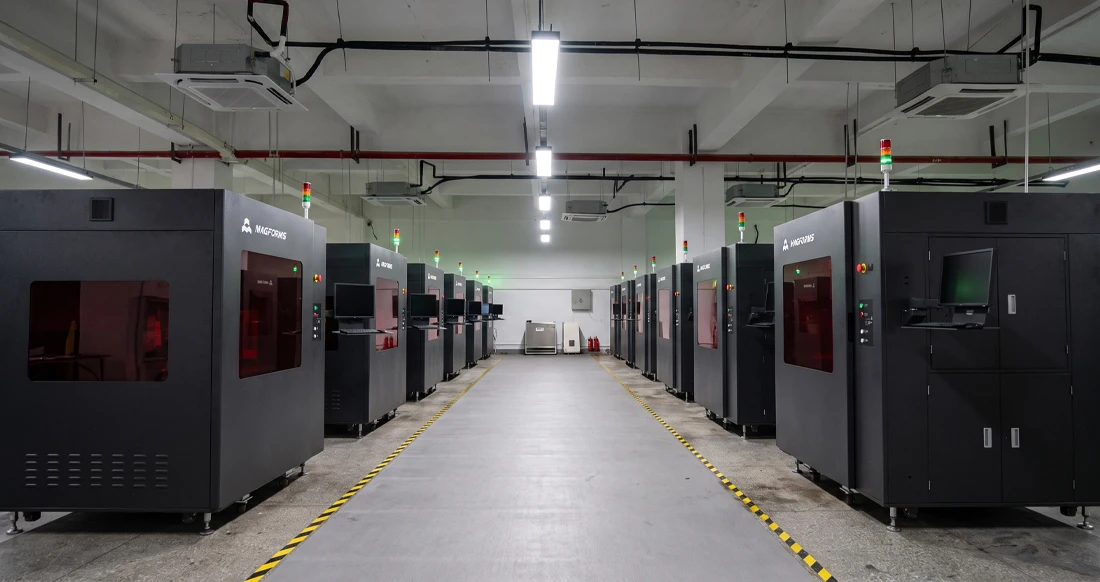
Making things for the aerospace industry requires precise tools and a lot of technical know-how. Magforms offers both through industrial SLA 3D Printer systems based on German Scanlab galvanometers, AOC lasers, and Panasonic servo motors—components selected for stable and repeatable operation in demanding industrial production environments. Our open material platform is designed to support compatible 355 nm photopolymer resins, giving engineers greater flexibility when evaluating application-specific materials.
Magforms adds years of experience in the 3D printing business and understanding of materials science to every relationship with a customer. Our after-sales team provides timely technical support to help customers address equipment, material, and process-related issues. If you're thinking about stereolithography for the first time or are looking for a dependable Industrial SLA 3D Printer supplier to help your growing aerospace prototyping operations, we invite you to talk to our technical experts about your specific tolerance needs. Magforms systems can provide a precision-focused platform for aerospace prototyping, tooling, and application-specific validation. Contact us at info@magforms.com to learn more.
References
1. Gibson, I., Rosen, D., & Stucker, B. (2021). Additive Manufacturing Technologies: 3D Printing, Rapid Prototyping, and Direct Digital Manufacturing (3rd ed.). Springer.
2. SAE International. (2020). AS9100D Quality Management Systems – Requirements for Aviation, Space, and Defense Organizations. SAE International Standards.
3. ASTM International. (2021). ASTM F2792-12a: Standard Terminology for Additive Manufacturing Technologies. ASTM International.
4. Jacobs, P. F. (1992). Rapid Prototyping & Manufacturing: Fundamentals of Stereolithography. Society of Manufacturing Engineers.
5. Performance Composites Ltd. (2019). Aerospace Additive Manufacturing: Materials Qualification and Process Control for Flight-Critical Components. Composites Engineering Journal, 45(3), 112-128.
6. National Institute of Standards and Technology. (2022). Dimensional Accuracy and Repeatability in Additive Manufacturing: Measurement Protocols and Industry Standards. NIST Technical Report Series.

Magforms makes design and manufacture easier.
Popular Blogs
-
 Industry InsightsManufacturing Industry
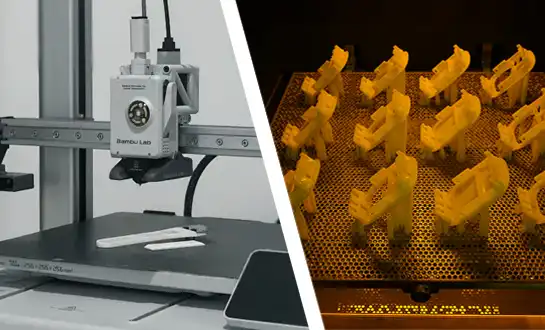
FDM vs. SLA Printer: Which Technology Is Right for Your Project?
-
 Industry InsightsManufacturing Industry
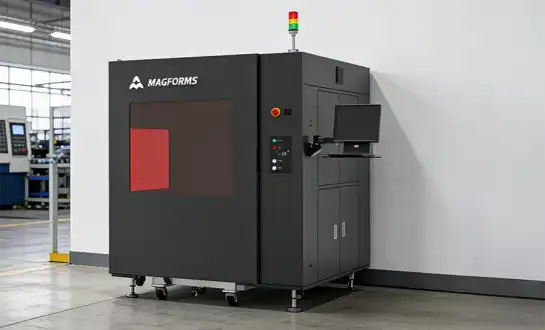
Top 5 Applications of Industrial 3D Printers in Manufacturing Today
-
 Industry InsightsManufacturing Industry
Why Stereolithography 3D Printers Are Unmatched for Microfluidic Device Prototyping?