What Curing Parameters Maximize Industrial SLA 3D Printer Strength?
Maximizing the mechanical strength of parts produced by an Industrial SLA 3D Printer depends on optimizing several interconnected curing parameters, including laser power, scanning speed, spot size, hatch spacing, layer thickness, and post-curing protocols. Achieving optimal strength requires delivering sufficient energy to form stable interlayer bonds and achieve the intended degree of polymerization without introducing excessive thermal stress or dimensional distortion. Balancing laser power with scanning speed is a key part of this process, helping the resin reach the required cure depth and mechanical performance while minimizing the risk of excessive heat buildup. Post-curing under controlled UV wavelengths and temperatures can significantly improve mechanical properties such as tensile strength, stiffness, and heat resistance while helping stabilize the final dimensions of the part. The degree of improvement depends on the resin formulation, part geometry, printing parameters, and post-curing cycle.
👉 What is SLA 3D printing technology
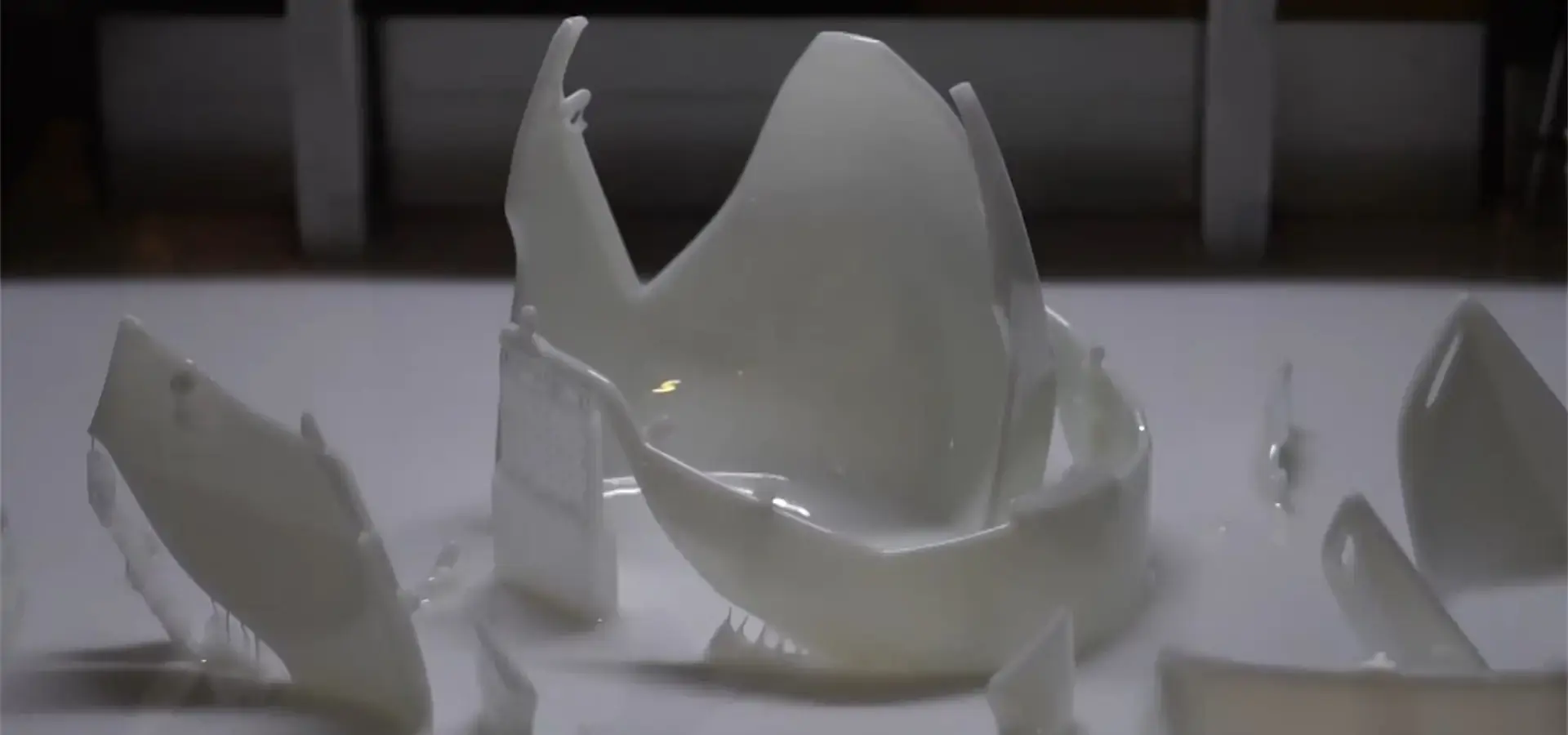
Critical Curing Parameters That Influence Part Strength
Laser Power and Energy Distribution
Laser power is one of the key factors that influences the amount of energy delivered to the resin and, together with scanning speed and resin photosensitivity, affects cure depth and polymer network formation. An Industrial SLA 3D Printer equipped with a stable industrial-grade laser source, such as an AOC laser, can help maintain consistent energy delivery during extended production cycles. Stable laser output is important because significant variations in delivered energy can affect cure depth, interlayer bonding, dimensional accuracy, and overall mechanical consistency. Low ambient or resin temperatures can increase resin viscosity and affect recoating consistency and polymerization behavior. Excessive heat, however, may accelerate unwanted reactions or increase thermal stress, potentially contributing to distortion, warping, or micro-cracking in certain resin systems.
In high-end industrial systems, a stable laser source combined with high-precision galvanometer scanning systems, such as Scanlab galvanometers, helps maintain accurate beam positioning and consistent scanning performance. Proper optical alignment and beam quality are important for achieving uniform energy distribution across the build area. Poor optical alignment, beam instability, or inaccurate scanning can produce inconsistent cure widths and uneven energy distribution, which may lead to dimensional deviations or localized stress concentrations. Variable spot strategies can improve productivity by using larger effective scan widths for less detailed regions and finer spot control for areas requiring higher resolution. When properly calibrated for the resin and part geometry, this approach can improve production efficiency while maintaining the required dimensional accuracy and mechanical performance. Depending on part geometry, scanning strategy, and material requirements, optimized spot and scanning strategies can reduce build time while maintaining the accuracy and mechanical properties required for industrial applications.
Scanning Parameters and Layer Thickness Balance
In an Industrial SLA 3D Printer, curing is typically controlled through the interaction of laser power, scanning speed, spot size, hatch spacing, and layer thickness rather than a single whole-layer exposure time. These parameters determine how long and how intensely the laser interacts with specific regions of each cross-section. Increasing the energy delivered to the resin can improve polymerization when the original setting is insufficient, but excessive energy input may reduce productivity or contribute to over-curing and dimensional distortion. Insufficient energy, on the other hand, can lead to weak interlayer bonding or incomplete curing. In industrial SLA workflows, layer thickness is selected according to the required surface quality, dimensional accuracy, build time, and resin behavior. The appropriate layer thickness range depends on the specific printer, material, and application. Layer thickness affects both productivity and curing requirements. Thinner layers generally require more individual scanning cycles to complete a part but may provide better surface quality and finer vertical resolution. Thicker layers can reduce the total number of layers, but they require curing parameters capable of achieving sufficient cure depth and reliable bonding between successive layers. Over long builds, mechanical positioning errors, resin recoating inconsistencies, or insufficient calibration can accumulate and affect dimensional accuracy. If the curing parameters are not properly adjusted for a thicker layer, insufficient cure depth or excessive energy input can compromise interlayer bonding and dimensional stability.
To improve mechanical consistency in different directions, machines with high positioning accuracy and stable recoating systems can help maintain uniform layer formation and reliable interlayer bonding. With an appropriate resin formulation and optimized curing process, some industrial SLA materials can achieve mechanical properties suitable for functional prototypes and end-use applications. However, performance should be evaluated against the specific requirements of the intended application rather than assuming equivalence to injection-molded materials. Optimized scanning strategies, contour compensation, and appropriate layer thickness can help reduce visible stair-stepping and improve side-wall surface quality. Improved surface consistency may also help reduce localized geometric imperfections that could act as stress concentrators under mechanical loading.
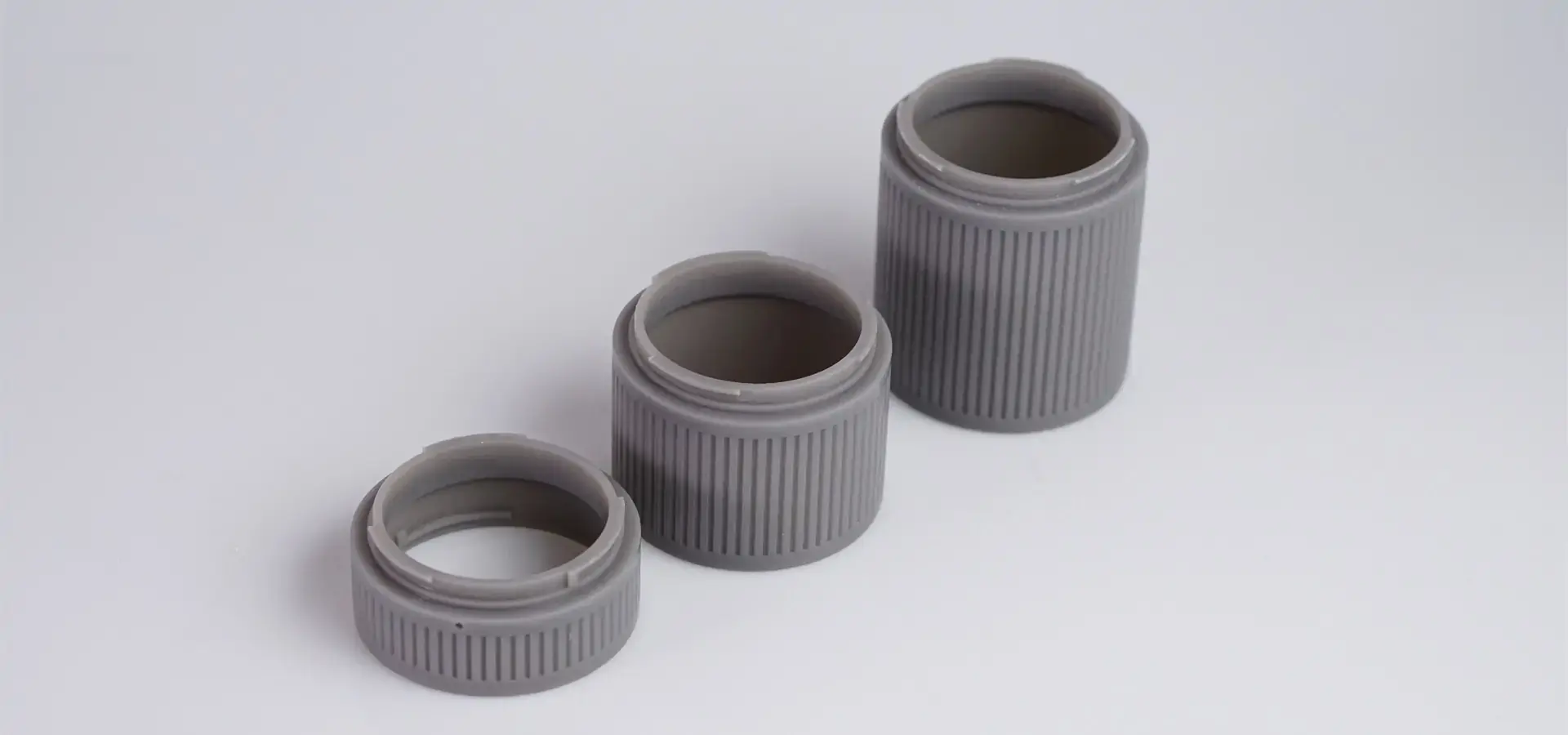
Post-Curing Processes for Maximum Strength
When parts are removed from an Industrial SLA 3D Printer, they are typically in a green state, meaning that the material has not yet reached its final degree of cure and mechanical performance. The cross-linking process is finished by secondary UV post-curing in controlled chambers, which can increase tensile modulus, strength, and heat resistance, depending on the resin chemistry and post-curing conditions. Post-cure procedures may include controlled exposure to UV light at wavelengths compatible with the resin system, combined with elevated temperatures where recommended by the material supplier. The thermal stage can promote further polymer network development and, depending on the resin system, help reduce residual stresses generated during printing and curing.
When post-curing is properly matched to the resin and application requirements, printed parts can achieve the mechanical and thermal properties needed for functional testing, assembly, and other intended service conditions. This step is especially helpful for aerospace uses that need to keep tight standards because it keeps the sizes stable and can improve long-term dimensional stability and creep resistance when the selected resin and post-curing process are appropriate for the intended service conditions. For medical applications, post-curing must follow the validated process specified for the particular biocompatible material. Biocompatibility depends on the complete material system and validated processing conditions, rather than on post-curing alone.
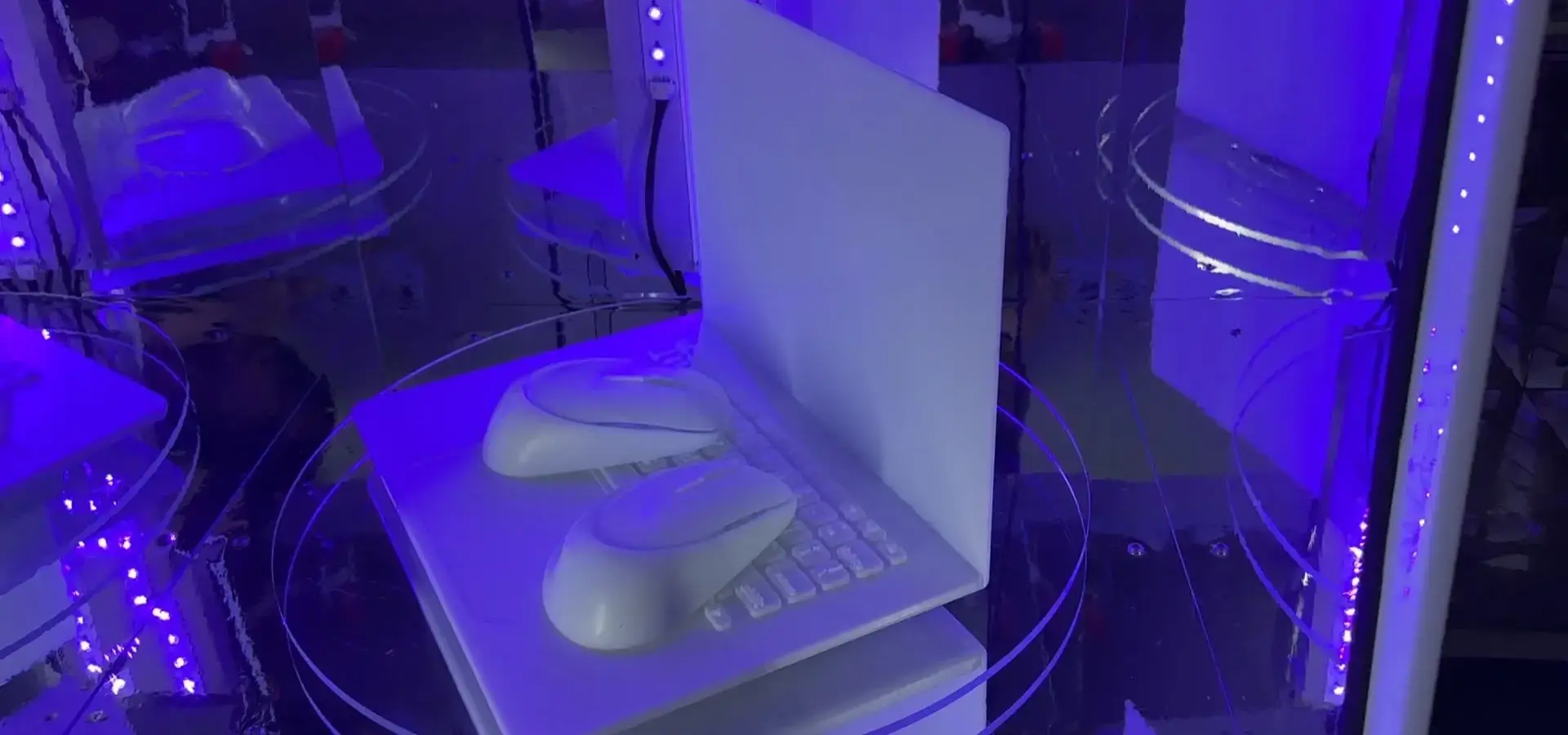
Troubleshooting Common Strength Issues Related to Curing
Identifying Under-Curing and Over-Curing Symptoms
Under-cured parts may have tacky surfaces, reduced mechanical strength, weak interlayer bonding, or premature failure during functional testing. This can occur when insufficient energy is delivered to the resin because of reduced laser output, excessive scanning speed, inappropriate scanning parameters, or resin degradation caused by improper storage, contamination, or excessive exposure to ambient light. On the other hand, over-curing causes warping, yellowing in clear materials, or micro-cracking because of too much thermal stress during the build. Both situations make the part less strong and less accurate in terms of its dimensions, which means samples have to be thrown away and production is held up.
To figure out what's wrong, operators should regularly use calibrated laser power measurement equipment to verify laser output and follow the manufacturer's calibration procedures. When the layers of resin aren't even, the thickness changes, which makes the curing process uneven across the build platform. It is also important to monitor resin age, storage conditions, and unintended exposure to ambient light, since changes in the resin or photoinitiator system can affect curing sensitivity and alter the optimal process parameters. Keeping specific process logs helps find changes in cure factors before they affect the quality of the batch.
Maintenance Practices for Consistent Curing Performance
As part of maintaining an Industrial SLA 3D Printer, the optical parts (galvanometer mirrors and protective lenses) need to be cleaned regularly to prevent dust or contamination from interfering with the optical path, which can attenuate or distort the laser beam and reduce the consistency of energy delivered to the resin. Protective covers and viewing panels can help shield sensitive optical components while allowing operators to monitor the printing process. Regular inspection and calibration of the motion and positioning system, including the servo-driven platform mechanism, help maintain accurate layer positioning and reliable interlayer alignment.
Temperature can affect resin viscosity and flow behavior, while environmental conditions can also influence overall process stability. Maintaining the resin within the temperature range recommended by the material supplier helps support consistent recoating and curing performance. Built-in temperature control systems lessen these effects by maintaining the resin within a controlled operating temperature range to support stable flow and recoating conditions. This helps maintain more consistent resin flow and curing behavior when ambient temperatures would otherwise cause significant changes in resin viscosity. Proactive repair schedules and skilled after-sales teams that can respond to service needs within 24 hours keep production lines running easily and reduce downtime. This dependability is especially helpful for service bureaus that have to handle a lot of different client orders by the due date.
Comparing Industrial SLA 3D Printing Curing With Other Technologies
Desktop SLA vs. Industrial Systems
Desktop resin 3D printers may use laser-based SLA, masked stereolithography (mSLA/LCD), or DLP projection systems. These technologies use different methods to deliver light to the photopolymer resin and should not be treated as identical curing processes. Compared with large-format industrial laser SLA systems, desktop resin printers are generally designed for smaller build volumes and different productivity requirements. Industrial laser SLA systems typically place greater emphasis on large-area scanning accuracy, optical stability, long-duration operation, and process consistency. Large-format industrial laser SLA systems are typically designed with higher-output optical systems, larger scanning fields, and controlled beam characteristics to support efficient processing across larger build areas. Their advantages are most evident in applications that require large parts, long production cycles, or consistent performance across repeated builds. The result can be smooth surfaces and improved side-wall quality that reduce the amount of finishing required for many prototype and tooling applications. Actual surface roughness depends on the resin, layer thickness, part orientation, scanning parameters, and post-processing conditions.
The design of the build platform is also very different. The SL800 large-format Industrial SLA 3D Printer uses a rigid adjustable marble base designed to provide a stable foundation for large-format printing and help maintain mechanical stability during extended builds. Many desktop resin printers operate without the same level of environmental and process control found in some industrial systems. This can affect resin behavior and process consistency, particularly during long builds or when working with more demanding material formulations. When B2B buyers require reliable production of large prototypes, automotive interior components, tooling, or other high-precision applications, industrial SLA systems can offer advantages in build capacity, process control, and repeatability.
👉 Industrial SLA 3D Printer types and solutions
SLA Compared to SLS, FDM, and DLP Technologies
Photopolymer-based stereolithography, selective laser sintering (SLS), fused deposition modeling (FDM), and digital light processing (DLP) use fundamentally different materials and part-formation mechanisms. As a result, their mechanical properties, surface quality, dimensional accuracy, and production characteristics can differ significantly. FDM makes parts from thermoplastic filaments one layer at a time. Because of the way the layers join, the parts have different strengths in different places. DLP printers use projected light to cure an entire layer or image region simultaneously, which can provide high throughput for suitable part sizes. Resolution and surface quality depend on the optical system, pixel size, projection quality, and process parameters, while scanned laser SLA provides continuous beam positioning rather than a pixel-based exposure pattern. Stereolithography is well suited to applications requiring smooth surfaces, fine features, complex geometries, and high dimensional accuracy. Mechanical performance can be optimized through material selection and process parameters, although the final properties may still vary with build orientation and curing conditions.
Curing in stereolithography gives you precise control over how much energy is delivered, so you can fine-tune the mechanical properties by changing the parameters. This level of process control is valuable in applications such as medical device development, where material performance, dimensional accuracy, and validated processing conditions can be critical. SLS and FDM rely on different thermal and material-processing mechanisms. Their final properties are influenced by factors such as material formulation, temperature control, layer bonding, scan strategy, extrusion conditions, and build orientation. When buying teams are looking at different technologies, these differences in curing make it easier to see which platform fits the needs of specific applications and production processes the best.
Practical Guidelines for Procuring Industrial SLA 3D Printers With Optimal Curing Capabilities
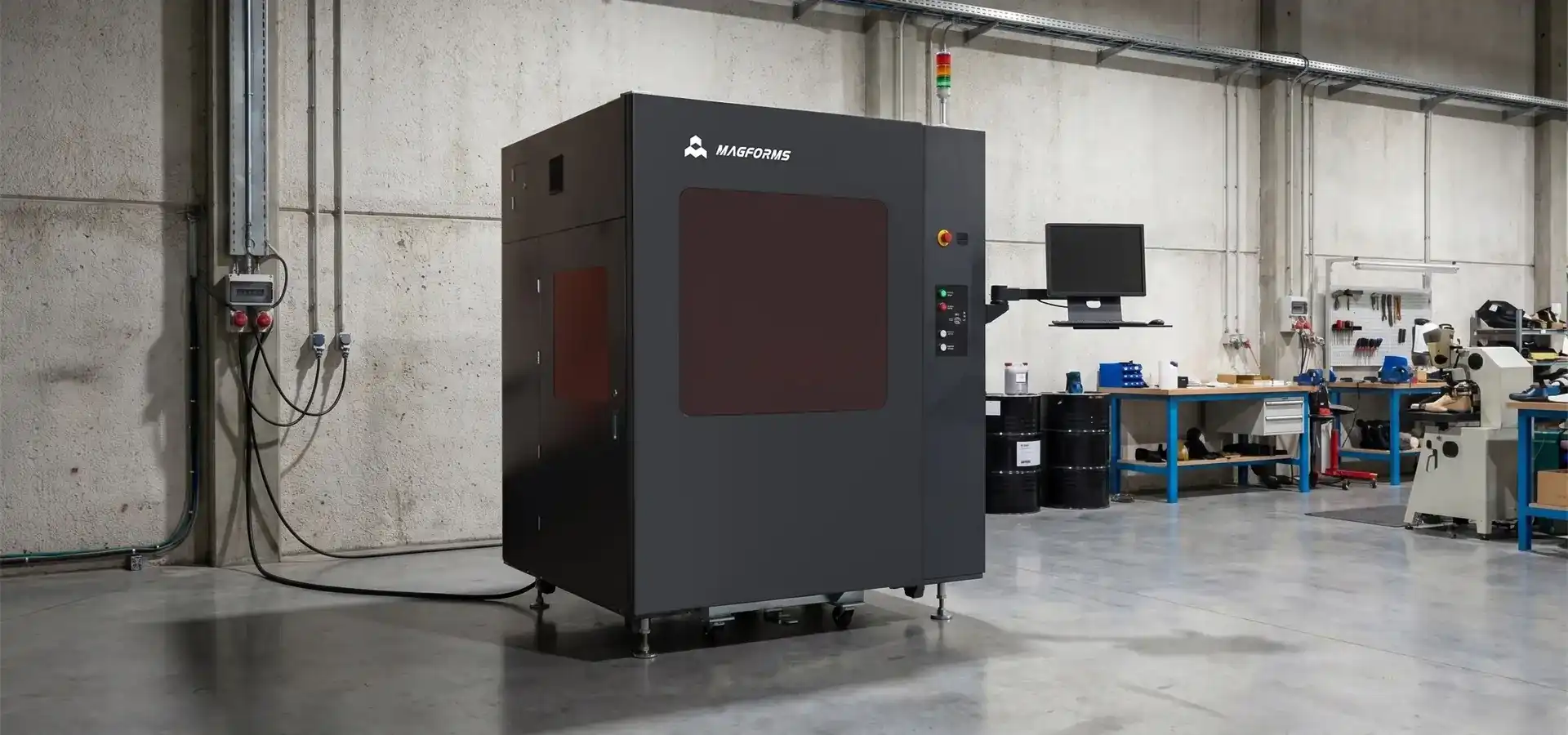
Evaluating Curing Specifications in Equipment Selection
When evaluating an Industrial SLA 3D Printer, buyers should assess the laser source specifications, output stability, expected service life, and compatibility with the intended resin system. A stable industrial laser source, such as an AOC laser used in the system configuration, can support consistent energy delivery when properly calibrated and maintained. Stable laser output can reduce the risk of curing inconsistencies that may affect interlayer bonding and mechanical performance. Buyers should also evaluate the performance, accuracy, and long-term reliability of the galvanometer scanning system. For example, German Scanlab models offer fast and accurate scanning that has a direct effect on both productivity and mechanical consistency. The ability to change the spot size makes the machine more flexible, allowing the system to balance scanning efficiency in larger, less detailed regions with finer control in areas requiring higher resolution.
In addition to laser performance, platform precision and motion-system stability are important factors in maintaining consistent layer formation. High-precision servo systems, such as Panasonic servo motors used in industrial configurations, can support accurate platform movement and repeatable layer positioning. Actual positioning performance should be evaluated according to the specifications and calibration standards of the specific machine. Build-platform flatness and recoating-system alignment are important because they influence the consistency of resin layers across the build area. The required tolerances should be evaluated according to machine size, build volume, and the manufacturer's specifications. These specifications affect how evenly the resin spreads and cures across the build area. High-quality linear guides and motion components, such as those supplied by established manufacturers including HIWIN, can contribute to long-term mechanical stability when properly integrated and maintained. These stop mechanical drift that can affect the consistency of curing over thousands of hours of use.
Post-Curing Equipment and Support Services
Equipment evaluation should consider not only the printer itself but also the available post-curing workflow and equipment. A dedicated UV curing chamber with appropriate wavelength, intensity, and temperature control can help deliver a more consistent and repeatable post-curing process. Post-processing time and labor costs are cut when machines are made with easy-to-use features in mind, like angled platform supports that drain excess resin quickly. You don't have to be locked into one provider when you use open material systems that allow compatible resin formulations to be evaluated with the machine's 355 nm laser process, subject to material testing and parameter validation. This lets you choose the best curing profiles for different uses without having to worry about proprietary material markups.
After-sales support is important for maintaining consistent curing performance and overall system reliability. Troubleshooting and fixing problems before they affect production schedules is easier when suppliers have professional technical teams that can respond within 24 hours. Look for names that offer full training on how to optimize curing parameters, software updates that improve process control or scanning strategies, and extra parts like UV lamps and optical components that are easy to get. These services make sure that your investment keeps making strong, accurate parts for as long as it works. This helps your return on investment (ROI) by reducing downtime and maintaining output quality.
Conclusion
To get the strongest parts from an Industrial SLA 3D Printer, users need to carefully control laser power, scanning speed, energy distribution, layer thickness, resin-specific process parameters, and post-curing protocols. Consistent curing performance depends on the quality and stability of the equipment, including laser output, galvanometer scanning accuracy, optical alignment, recoating consistency, and platform positioning. Users can fine-tune processes to meet strict mechanical requirements across automotive, aerospace, medical, and consumer electronics applications. See how industrial users apply SLA technology in real production environments through our Industrial SLA 3D printing application cases. Long-term curing reliability is also improved by proactive upkeep and quick access to technical help. This lowers the amount of waste and speeds up production cycles, which is important for competitive manufacturing.
FAQ
1. How do curing parameters affect long-term part stability?
Proper curing helps achieve the degree of polymerization and cross-linking required for the material's intended mechanical and thermal performance. This can improve dimensional stability and help maintain the material's resistance to creep or deformation during thermal cycling and long-term mechanical loading. Insufficiently cured parts may continue to undergo additional polymerization or property changes after printing, which can affect dimensional stability and mechanical performance.
2. What maintenance routines are critical for sustaining optimal curing?
Dust or contamination on optical components can scatter or attenuate the laser beam, reducing the consistency of energy delivered to the resin. Laser power should be checked and calibrated according to the manufacturer's maintenance schedule and the machine's production workload. Keeping an eye on the age of the resin and how it is stored can also stop degradation that can alter the resin's curing behavior and affect the consistency of the process.
3. Can curing profiles be adjusted for different resin types on the same machine?
Yes, open material systems can allow operators to optimize parameters such as scanning speed, laser power, hatch spacing, and layer thickness based on the resin formulation, provided that the material compatibility and process settings have been properly validated. This flexibility can allow the same printer platform to process ABS-like, clear, or high-temperature resin formulations when the required material handling, cleaning procedures, and validated process parameters are followed.
Partner With Magforms for Superior Curing Solutions
Magforms provides Industrial SLA 3D Printer systems and material solutions designed for industrial prototyping and production applications. Our machines use top-of-the-line parts like AOC lasers, German Scanlab galvanometers, and Panasonic servo motors to support stable optical performance, accurate scanning, and repeatable platform motion during demanding production workflows. With 22 patents, more than 300 business clients around the world, and an after-sales team that responds within 24 hours, we have the experience and reliability needed for mission-critical applications in medical, automotive, aerospace, and other fields. Our open material approach provides flexibility for evaluating compatible resin formulations, allowing users to select materials based on application requirements while following validated processing parameters. Variable spot and optimized scanning strategies can improve production efficiency by balancing scanning speed and feature resolution according to the geometry and performance requirements of the part. Magforms provides industrial SLA systems and technical support designed to help users optimize mechanical performance, improve process efficiency, and reduce unnecessary downtime. Talk to us about how our Industrial SLA 3D Printer solutions can help you improve your curing parameters and production results by emailing us at info@magforms.com.
References
1. Gibson, I., Rosen, D., & Stucker, B. (2015). Additive Manufacturing Technologies: 3D Printing, Rapid Prototyping, and Direct Digital Manufacturing. Springer.
2. Jacobs, P. F. (1992). Rapid Prototyping & Manufacturing: Fundamentals of Stereolithography. Society of Manufacturing Engineers.
3. ASTM International. (2013). ASTM D638-14: Standard Test Method for Tensile Properties of Plastics. ASTM International.
4. Melchels, F. P., Feijen, J., & Grijpma, D. W. (2010). A review on stereolithography and its applications in biomedical engineering.
5. Biomaterials, 31(24), 6121-6130.
6. Ligon, S. C., Liska, R., Stampfl, J., Gurr, M., & MülMagform. (2017). Polymers for 3D printing and customized additive manufacturing. Chemical Reviews, 117(15), 10212-10290.
7. ISO/ASTM 52915:2016. Specification for Additive Manufacturing File Format (AMF) Version 1.2. International Organization for Standardization.

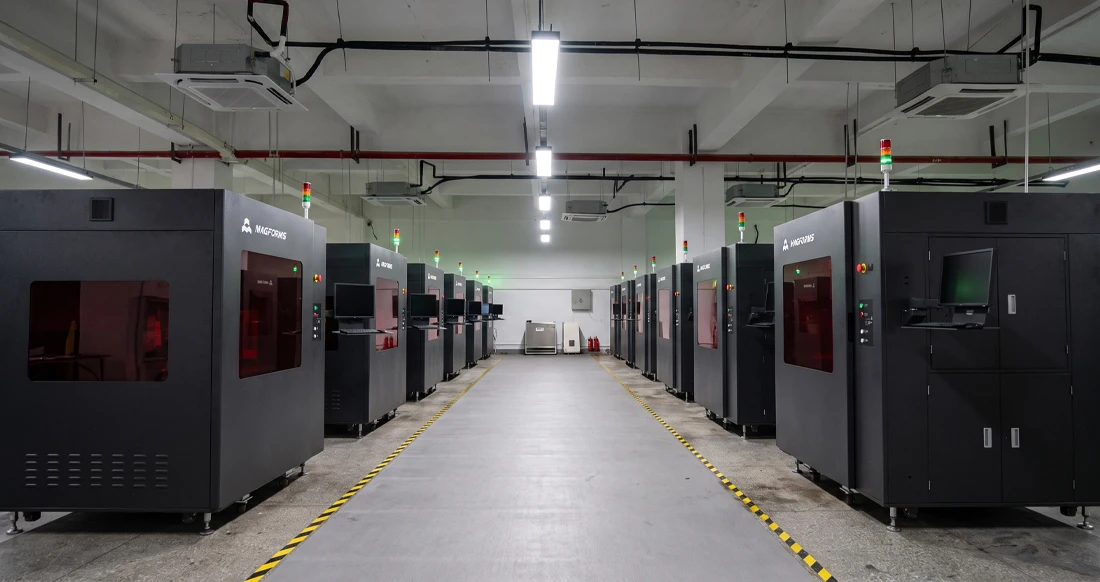
Magforms makes design and manufacture easier.
Popular Blogs
-
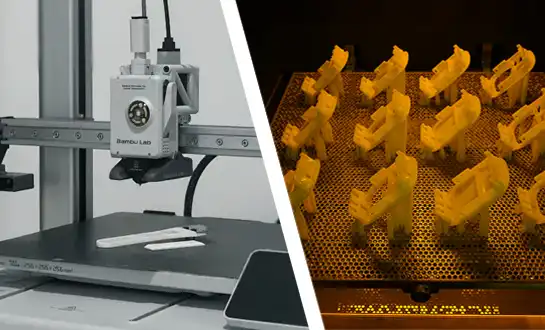 Industry InsightsManufacturing Industry
FDM vs. SLA Printer: Which Technology Is Right for Your Project?
-
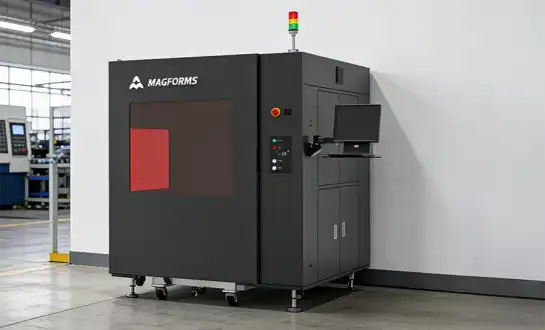 Industry InsightsManufacturing Industry
Top 5 Applications of Industrial 3D Printers in Manufacturing Today
-
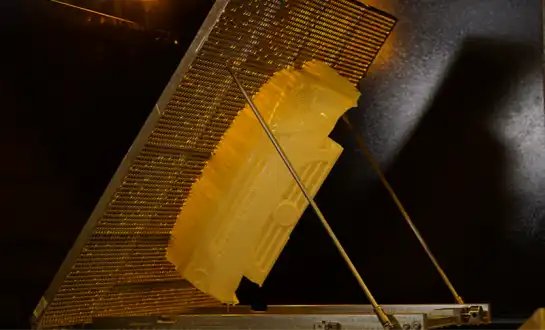 Industry InsightsManufacturing Industry
Why Stereolithography 3D Printers Are Unmatched for Microfluidic Device Prototyping?