How to Minimize Warping on an Industrial SLA 3D Printer?
Minimizing warping on an Industrial SLA 3D Printer requires controlling photopolymerization shrinkage, optimizing resin performance, and maintaining precise calibration of mechanical components. Successful warping reduction hinges on understanding resin shrinkage behavior during photopolymerization, stabilizing environmental temperatures, and selecting high-quality equipment featuring advanced servo motors and precise galvanometer scanning systems. By addressing these interconnected factors—material properties, environmental control, and printer specifications—manufacturers can achieve dimensionally accurate parts while maintaining high throughput in production environments across automotive, aerospace, medical, and consumer electronics sectors.
Main Causes of Warping in Industrial SLA 3D Printing
Resin Chemistry and Material Properties
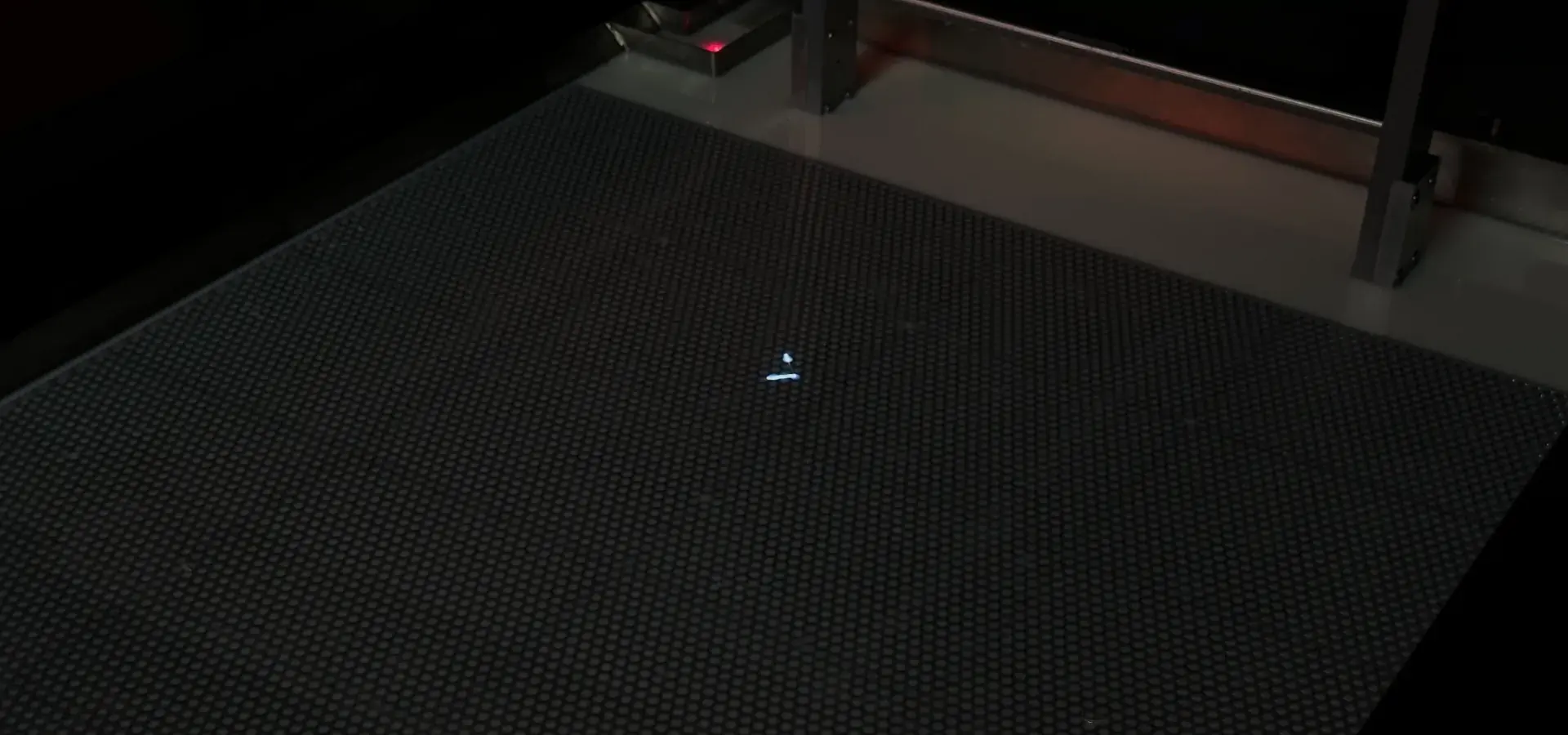
Photopolymer resins undergo volumetric shrinkage during polymerization, with the actual shrinkage behavior depending on resin formulation, cross-link density, and curing conditions. Engineering resins with higher cross-link density may generate greater polymerization stress, which can influence dimensional stability during printing and post-processing. Material datasheets may not provide shrinkage data under the exact processing conditions used in production, so testing in the real world is necessary before committing to large production runs. For functional prototypes that require accurate fit and dimensional stability, it's important to choose resins that are designed to stay stable in their dimensions.
The degree of change during photopolymerization has a direct effect on the size of the finished part. When laser exposure energy is insufficient, incomplete polymerization may leave residual monomers that continue reacting during post-curing, causing dimensional changes. Excessive exposure can increase over-curing and residual stress, which may contribute to dimensional distortion during and after printing. Matching laser exposure to resin photosensitivity requires appropriately calibrated process parameters and, on advanced systems, adaptive scanning strategies for different geometric features.
👉 What is SLA 3D printing technology
Environmental Conditions and Thermal Stability
Changes in the ambient temperature are one of the most underrated causes of warping in Industrial SLA 3D Printer production environments. Lower temperatures generally increase resin viscosity, which can affect recoating performance and lead to inconsistent layer formation. In places that don't have climate control, changes in temperature from morning to afternoon make curing conditions less consistent, which shows up as dimensional drift between print jobs that are done in a certain order. No matter what the weather is like outside, industrial systems with controlled resin temperature management help maintain stable viscosity for consistent recoating performance.
Humidity generally has a smaller influence than temperature, although extreme environmental changes may affect certain resin formulations and post-processing stability. For high-precision uses to have repeated dimensional accuracy, the environment needs to be kept stable through HVAC systems or limited climate-controlled spaces.
Printer Mechanics and Calibration Integrity
Warping can be influenced by build platform calibration errors. Incorrect leveling may create uneven initial layer conditions and inconsistent separation forces, increasing the risk of dimensional distortion. These uneven conditions can introduce additional mechanical stress during the printing process. High-end systems equipped with precision servo motors improve Z-axis positioning stability and platform repeatability, helping maintain consistent print accuracy. Regular precision dial indicator calibration checks prevent the machine from progressively misaligning.
Layer homogeneity depends on recoater blade condition and positioning. Worn or misaligned blades can produce uneven resin distribution and inconsistent layer thickness, which may contribute to dimensional variation and local curing inconsistencies. Precision granite build platforms with high flatness tolerances provide stable support, while accurately calibrated recoater systems ensure consistent resin spreading. Proper mechanical calibration helps maintain consistent layer formation and improves dimensional stability.
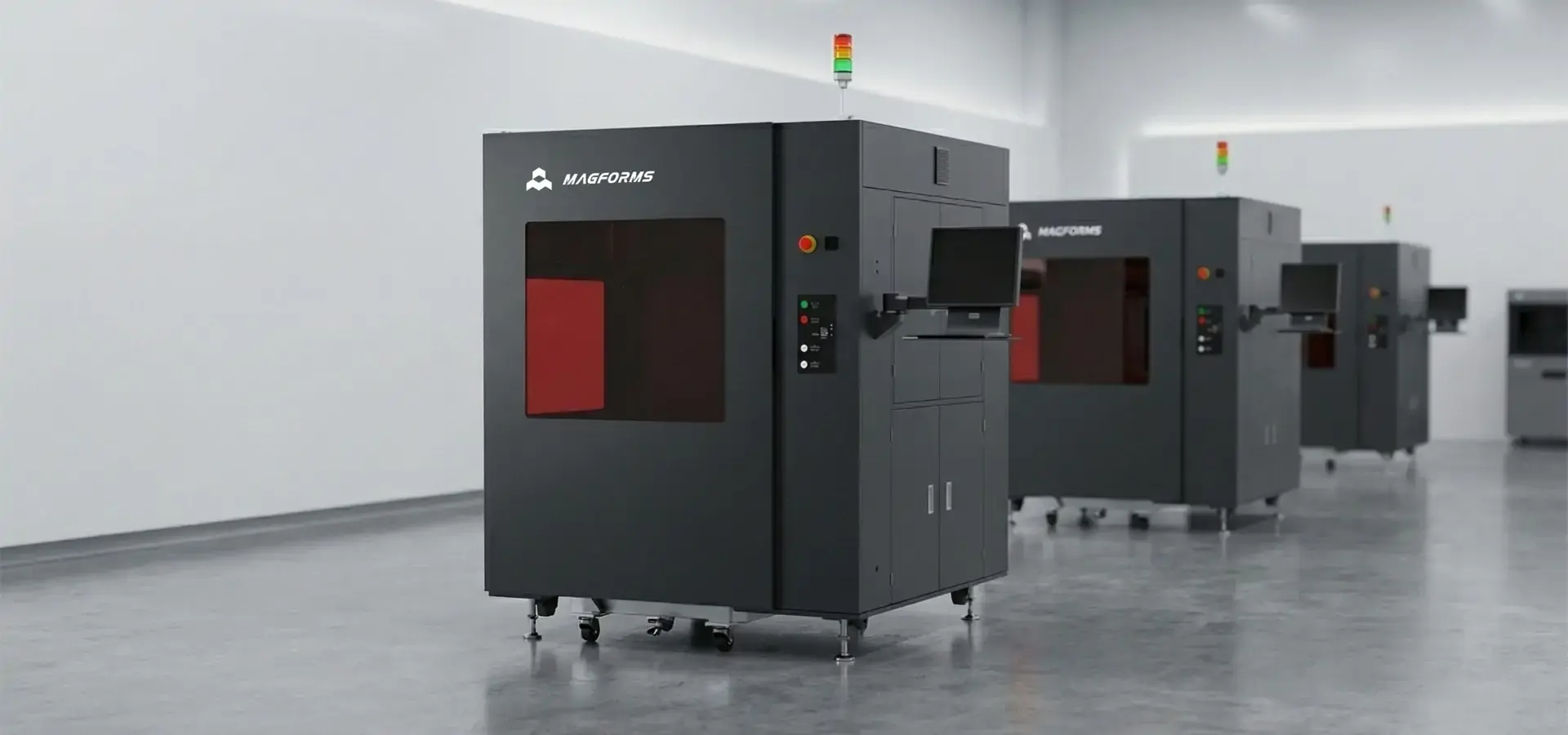
Laser optics stability influences build platform curing equally. Poorly calibrated galvanometer systems may cause inconsistent laser positioning and uneven energy distribution across the build area. German Scanlab galvanometers and stable laser systems, as used in Magforms SL800 Industrial SLA 3D Printer systems, help maintain consistent beam positioning and energy delivery across the build area. Uniform shrinkage patterns decrease warping.
Proven Techniques to Minimize Warping on Industrial SLA 3D Printers
Optimizing Part Orientation and Support Strategies
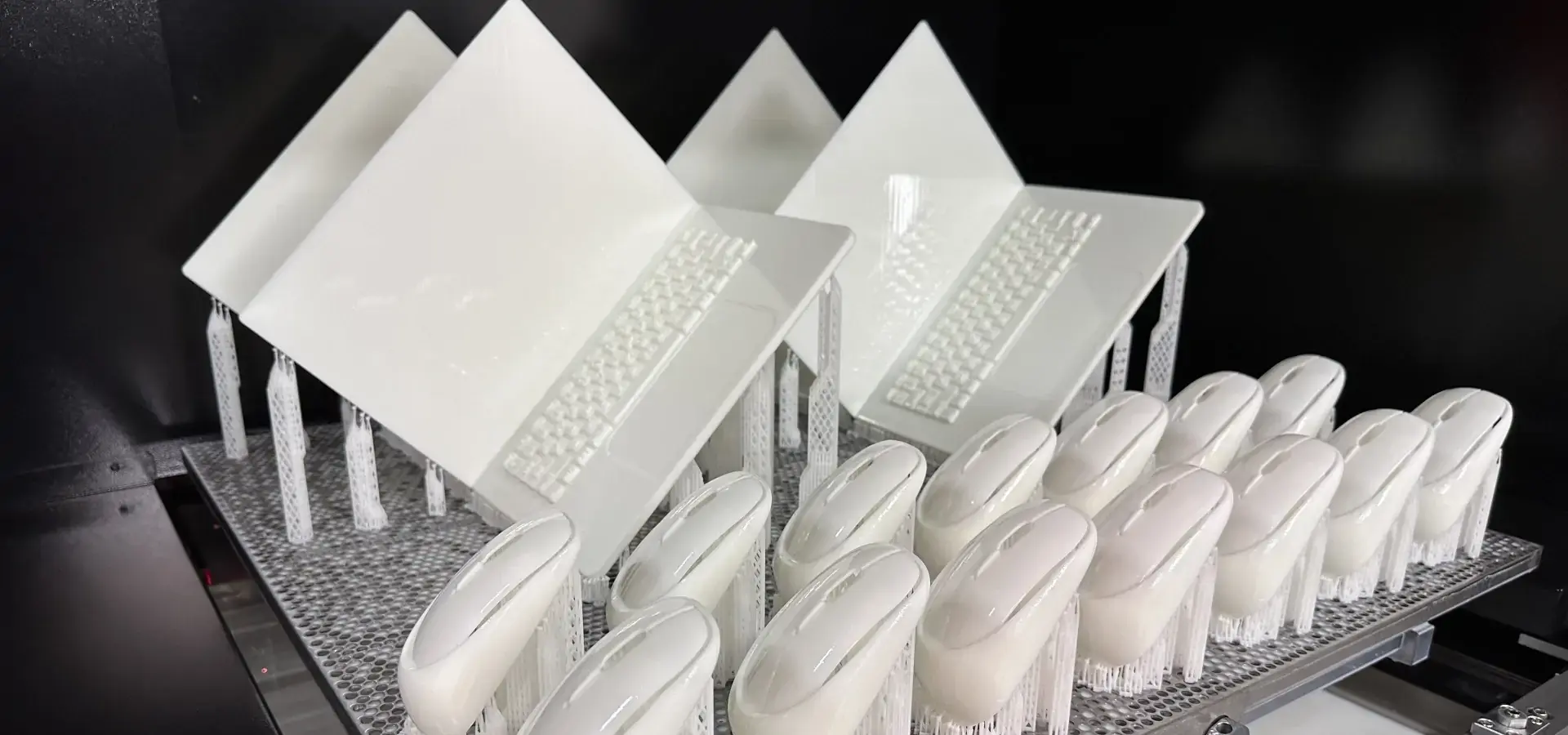
Strategic part orientation lowers changes in cross-sectional area between layers, which lowers the difference in shrinkage forces. Orienting parts at angles of 15° to 30° from vertical can distribute curing stresses more evenly and reduce large cross-sectional changes between layers. By avoiding large flat surfaces parallel to the build platform, manufacturers can reduce separation forces and minimize the stress associated with large cross-sectional areas.
The form of the support structure has a big effect on the end shape of the part. Densely placing supports near areas that might warp gives mechanical support while printing and lets controlled stress release happen when supports are removed. Optimized laser scanning strategies and support parameters allow manufacturers to balance support strength, removal efficiency, and surface quality. This keeps the quality of the finish while adding the necessary structural support.
Fine-Tuning Process Parameters
Choose layer thickness to balance print speed and dimensional accuracy. Thicker layers improve productivity but may reduce dimensional accuracy and increase the challenge of controlling curing consistency. Thinner layers can improve curing consistency and dimensional accuracy by providing finer control over each cured layer. Thinner layers can be beneficial for demanding geometries where finer control of curing and dimensional accuracy is required, although orientation, exposure, support design, and resin behavior also play major roles in warping control.
Each layer's polymerization behavior depends on accurately calibrated laser exposure parameters. Excessive exposure can increase over-curing and polymerization stress, while insufficient exposure may result in incomplete curing and reduced green strength. Advanced process strategies can reduce the stair-step effect and improve cure-depth control by optimizing laser exposure parameters and scanning paths according to different geometric features. This fine-tuned control helps reduce residual stress accumulation throughout the build process.
Scanning speed and pattern optimisation affect layer thermal gradients. High-speed galvanometer systems can optimize scanning efficiency while maintaining stable laser positioning accuracy. Optimized scanning strategies can improve laser path efficiency and energy distribution across complex geometries.
Post-Processing and Thermal Stabilization
Controlled post-curing protocols after printing complete the polymerization process while minimizing additional dimensional changes. Gradual UV exposure ramps allow continued cross-linking without introducing thermal shock. Depending on resin specifications, controlled post-curing temperatures are used to complete polymerization and stabilize mechanical properties.
For resins that are compatible with thermal annealing, controlled heating below the material's relevant thermal transition range can help relieve residual stresses. The appropriate temperature and duration should always follow the resin manufacturer's processing recommendations. This stress relief process reduces delayed warping that might otherwise occur during subsequent handling or assembly operations.
Equipment Maintenance and Environmental Control
Frequent machine calibration ensures mechanical precision for dimensional correctness. Platform flatness, recoater alignment, and laser power output are checked monthly to avoid performance deterioration. Automated calibration processes decrease operator effort and optimise performance.
Environmental control eliminates print quality-affecting factors. No matter the facility, enclosed build chambers with active temperature management keep resin at ideal viscosity. This thermal stability helps manufacturing areas without sophisticated HVAC systems maintain output quality throughout seasonal temperature changes.
These combined methods combat warping from various perspectives. Hardware like AOC lasers, Scanlab galvanometers, and Panasonic servo systems enables accurate control. Mechanical excellence, optimised process parameters, and environmental control enable manufacturing processes that produce dimensionally correct parts with little warping.
Case Studies: Successful Warping Minimization in Industrial SLA Printing
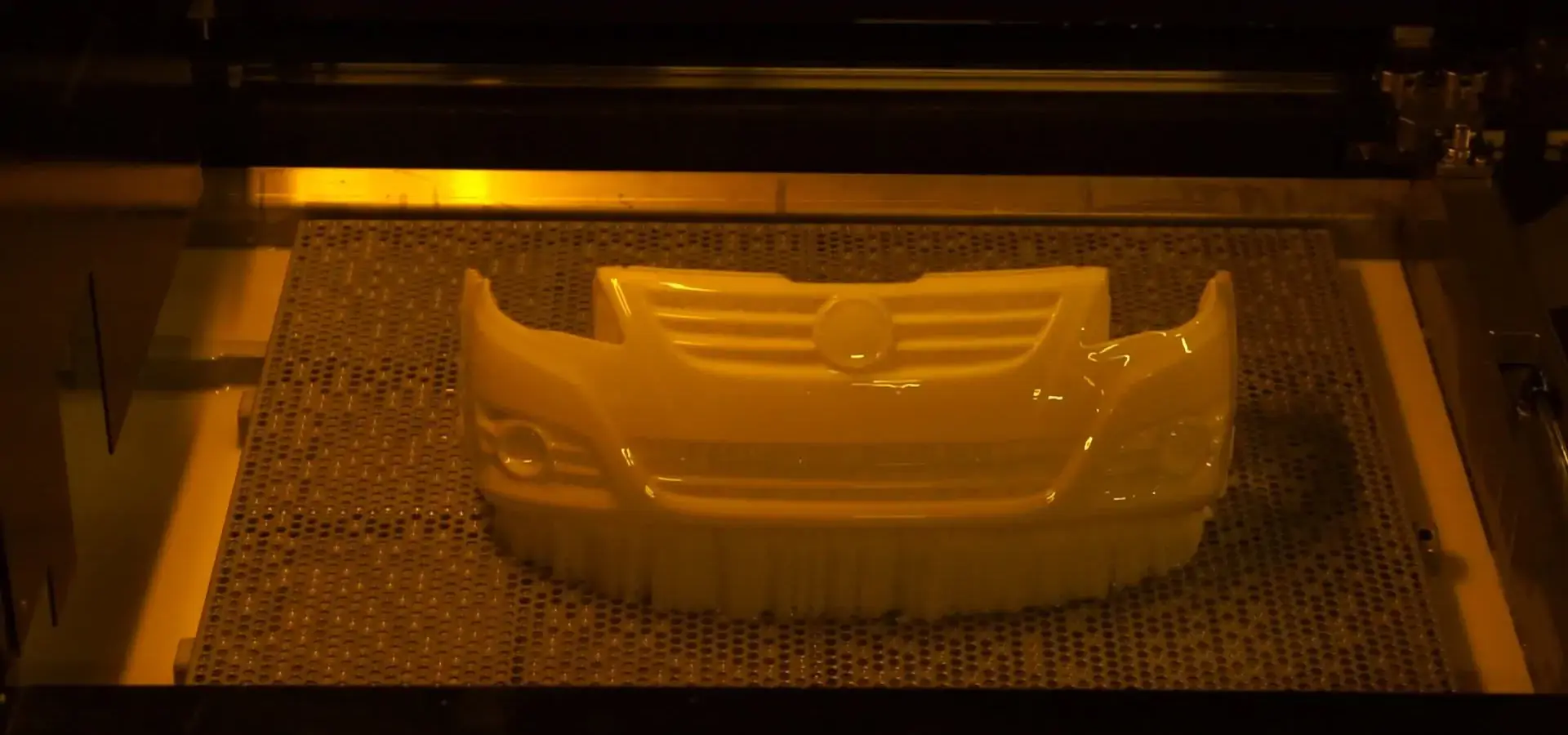
An automotive component manufacturer faced persistent warping issues when producing custom interior trim prototypes measuring 350 mm in length. Initial prints using standard orientation and default exposure settings resulted in end-to-end dimensional deviations exceeding 2 mm, making parts unsuitable for fit verification. Collaboration between design engineers and production technicians identified the root cause as excessive differential shrinkage in the part's varying cross-sections.
The solution involved reorienting parts at 25° from vertical and implementing variable layer thickness strategies. Critical tolerance zones utilized 0.05 mm layers with reduced exposure intensity, while less critical regions employed 0.10 mm layers for faster throughput. Using equipment with controlled resin temperature management helped maintain more consistent viscosity during extended production cycles. In this production case, optimized orientation and process control reduced dimensional deviation to approximately ±0.3 mm.
A medical device contract manufacturer producing surgical guide prototypes encountered warping challenges affecting critical mounting surfaces. The production team discovered that inadequate platform calibration combined with worn recoater blades created uneven layer thickness distributions. Investing in equipment with high-flatness granite bases and Panasonic servo motors with ±8 μm positioning accuracy removed mechanical factors. Implementing weekly calibration methods and monthly recoater blade checks kept this precision over long production periods.
Standardizing post-processing processes further improved accuracy. Controlled UV post-curing at 60°C for 30 minutes completed polymerization while relieving residual stresses. This process standardization reduced dimensional difference across production runs from 0.4 mm to less than 0.15 mm, allowing direct use of printed guides in surgery planning without extra adjustment steps. These improvements significantly increased first-pass yield and reduced material waste during production.
👉 Explore how Industrial SLA technology is applied in real production environments through our Industrial SLA 3D printing application cases.
Summary of Best Practices and Practical Recommendations
Minimizing warping demands thorough attention to equipment selection, process optimization, and environmental management. When evaluating Industrial SLA 3D Printer solutions for production, favor systems featuring precision servo motors, stable laser systems from reputable makers, and sturdy mechanical construction including high-flatness granite bases and high-quality linear motion components. Equipment specifications directly correlate with achievable dimensional accuracy and long-term reliability.
Material selection deserves equal consideration. While open-system compatibility provides cost freedom, checking resin shrinkage traits through test prints saves costly production failures. Maintaining detailed process documents linking specific resins to confirmed parameter sets allows fast production setup for repeat orders while reducing trial-and-error rounds.
The environmental controls should match the needs for both volume and accuracy in production. When you have a lot of work to do, you should invest in climate-controlled facilities or enclosed equipment that can manage its own temperature. Lower-volume shops can get good results by changing some parameters based on the season and keeping a close eye on the surroundings.
Training operators makes sure that improved processes are always carried out correctly. Technical teams need to know how process factors affect warping mechanisms so they can make smart changes when they come across new part shapes. Setting up clear ways for production staff to get help from engineering stops small problems from getting worse and turning into big quality incidents.
Schedules for preventive repair keep tools working well for longer periods of time. Regular checks of the calibration, cleaning of the optical system, and replacement of worn-out parts keep the mechanical precision needed for accurate measurements. Systems with helpful technical support teams have less downtime when problems happen, which keeps production schedules from getting pushed back.
Conclusion
Warping in Industrial SLA 3D Printers is a challenge that can be fixed by paying close attention to the quality of the equipment, improving the process, and making sure the environment is stable. Precision galvanometers, servo motors, and thermal control mechanisms are built into modern systems that make it possible to produce things that are exactly the right size. When you combine this equipment's ability with optimized orientation strategies, calibrated exposure parameters, and standardized post-processing workflows, you get manufacturing processes that are strong enough for demanding uses in the medical, aerospace, automotive, and consumer electronics industries. These performance standards are kept up over long periods of production with regular upkeep and thorough operator training. This ensures the consistent accuracy of dimensions that is needed for competitive manufacturing operations.
FAQ
What dimensional accuracy can realistically be achieved when minimizing warping?
When systems are properly calibrated and processes are optimized, Industrial SLA systems can typically achieve dimensional accuracy around ±0.1–0.2 mm for smaller features, depending on equipment calibration, resin properties, and processing conditions. If tighter tolerances are required, additional post-processing, machining, or dimensional compensation may be necessary depending on the part geometry and application. However, if the warping is controlled properly, these steps are rarely needed.
How significantly does built-in temperature control affect warping reduction?
Controlling the temperature keeps the viscosity of the resin in the best ranges, which gets rid of environmental factors that cause differences in the dimensions. When compared to systems that aren't controlled, equipment with built-in thermal management can significantly improve dimensional consistency by reducing temperature-related variations in resin behavior.
What maintenance frequency prevents warping-related quality degradation?
Platform calibration and recoater inspection should be performed according to the printer manufacturer's maintenance schedule, with additional checks whenever dimensional drift or recoating inconsistencies are observed. Periodic preventive maintenance should include laser power verification, optical alignment checks, and mechanical calibration according to the manufacturer's recommended service intervals.
Can post-processing eliminate warping in already-printed parts?
Post-curing and thermal annealing remove any remaining stresses and finish polymerization. This keeps the dimensions stable and stops delayed warping. But these methods can't fix major deformations that are already there; it's much better to avoid them in the first place by using the right printing technique.
Partner with a Trusted Industrial SLA 3D Printer Manufacturer
Through integrated equipment and materials engineering, Magforms offers complete solutions that deal with problems caused by warping. Our systems have AOC lasers, German Scanlab galvanometers, and Panasonic servo motors that provide positioning accuracy of ±8 μm, which supports stable Z-axis movement and consistent dimensional performance. Built-in temperature control keeps the resin in the best condition no matter what the building is like, and variable spot technology helps balance fine-detail reproduction with production efficiency.
Magforms' equipment is backed by 22 patents and is used by more than 300 businesses around the world. It is based on design principles that have been tested and improved over many years of industrial use. Our professional technical team answers support questions within 24 hours, so production doesn't stop when questions come up. Most 355 nm resins can be used because of open material compatibility. This gives you more options when it comes to buying materials, and our materials engineering knowledge can help you find the best resin-parameter combinations for your needs.
Get in touch with us at info@magforms.com to talk about your needs for precise measurements. Our engineers give you personalized advice based on real-life examples, whether you're setting up new production capabilities or addressing ongoing warping problems with current processes. As a trusted provider of Industrial SLA 3D Printers, we care about your long-term business success.
References
Gibson, I., Rosen, D., & Stucker, B. (2021). Additive Manufacturing Technologies: 3D Printing, Rapid Prototyping, and Direct Digital Manufacturing (3rd ed.). Springer International Publishing.
Jacobs, P. F. (1992). Rapid Prototyping & Manufacturing: Fundamentals of Stereolithography. Society of Manufacturing Engineers.
Melchels, F. P., Feijen, J., & Grijpma, D. W. (2010). A review on stereolithography and its applications in biomedical engineering. Biomaterials, 31(24), 6121-6130.
Stansbury, J. W., & Idacavage, M. J. (2016). 3D printing with polymers: Challenges among expanding options and opportunities. Dental Materials, 32(1), 54-64.
Wang, X., Jiang, M., Zhou, Z., Gou, J., & Hui, D. (2017). 3D printing of polymer matrix composites: A review and prospective. Composites Part B: Engineering, 110, 442-458.
Zhao, Z., Wu, J., Mu, X., Chen, H., Qi, H. J., & Fang, D. (2017). Origami by frontal photopolymerization. Science Advances, 3(4), e1602326.

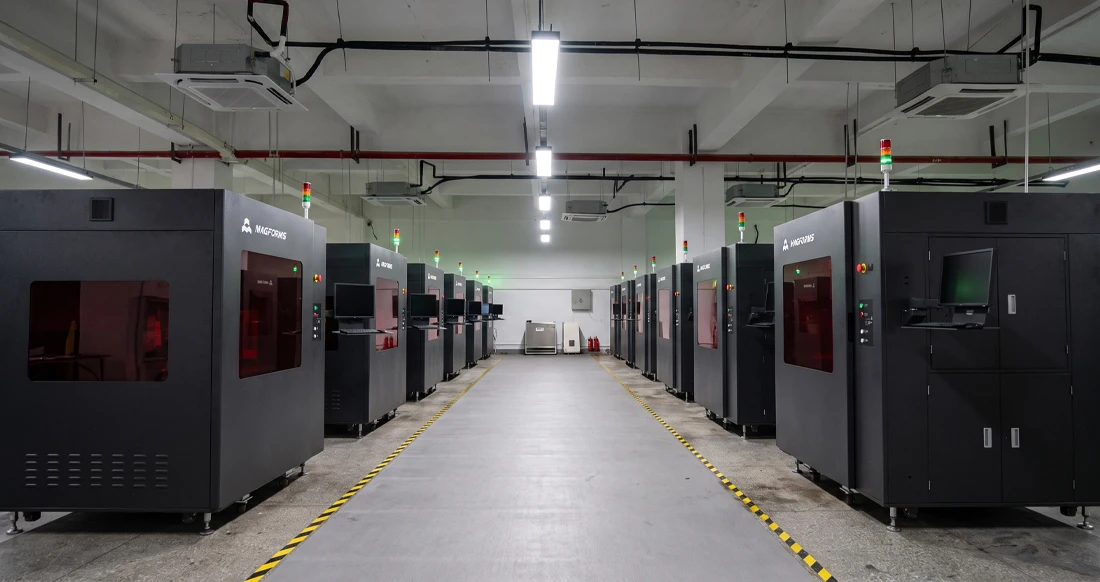
Magforms makes design and manufacture easier.
Popular Blogs
-
 Industry InsightsManufacturing Industry
FDM vs. SLA Printer: Which Technology Is Right for Your Project?
-
 Industry InsightsManufacturing Industry
Top 5 Applications of Industrial 3D Printers in Manufacturing Today
-
 Industry InsightsManufacturing Industry
Why Stereolithography 3D Printers Are Unmatched for Microfluidic Device Prototyping?