Can Big Format SLA 3D Printers Replace Traditional Molding?
Big format SLA 3D printers are a huge change in the way things are made, but can they fully replace molding? The answer is not simple. Large-format stereolithography devices are better at fast prototyping, customized small-batch production, and complex geometries than molding. However, molding is still the best way to make very large quantities of certain materials. But as industrial stereolithography technology gets faster, better at working with different materials, and cheaper, these additive systems are becoming more and more useful as alternatives to standard molding in the medical, consumer electronics, aircraft, and car industries. It depends on how much is being made, how complicated the plan is, what materials are needed, and how quickly the product needs to be on the market.
Understanding Big Format SLA 3D Printing Technology
Large-format stereolithography has grown from a niche field of lab equipment to a strong industry tool that can make things longer than two meters. A UV laser, typically a 355nm solid-state laser, cures liquid photopolymer resin layer by layer according to digital CAD files. This is the basic process. Big format SLA 3D printers are different from desktop models because they can maintain high dimensional accuracy across large build volumes, typically within ±0.05 mm to ±0.1 mm under controlled conditions, which can be anywhere from 600mm x 600mm x 400mm to much larger sizes.
Core Technical Components Driving Performance
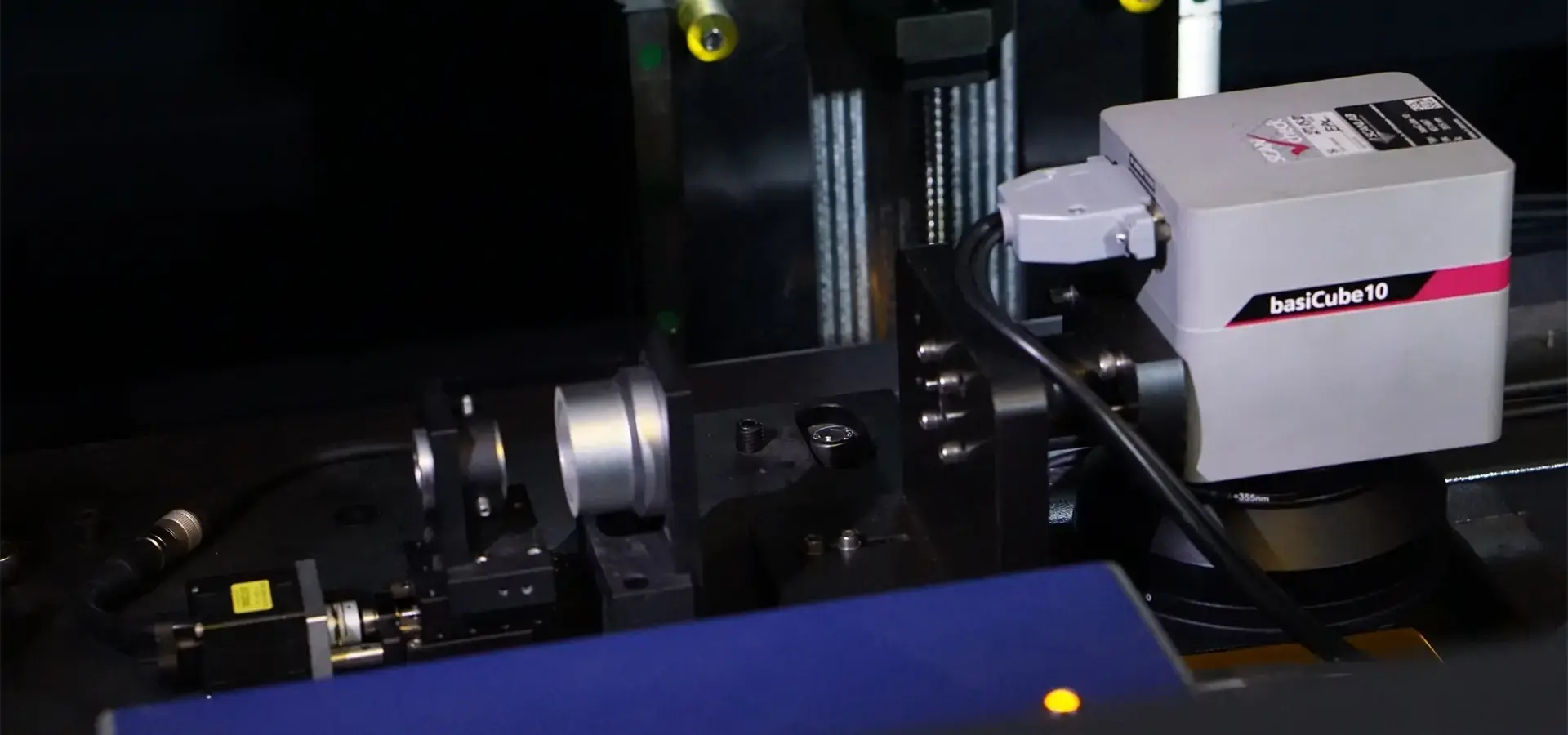
The most important parts of these devices are their precise vision and strong mechanics. Advanced galvanometer scanners direct laser beams quickly and accurately, and variable spot-size technology allows the printer to use smaller laser spots for fine details and larger spots for faster scanning of non-critical regions. This smart beam modulation speeds up print times by more than 30% compared to regular single-spot systems. This solves one of the main problems procurement managers have, which is slow production flow. The range of materials that are compatible has grown enormously. Modern industrial resin formulations include engineering-grade materials with heat deflection temperatures ranging from approximately 80°C to over 200°C depending on formulation, flexible elastomers that behave like rubber, clear resins for optical uses, and safe materials that are approved for making medical devices. These materials undergo extensive validation testing to ensure consistent mechanical performance within specified tolerances. These properties include tensile strength, elongation at break, and HDT scores that meet industry standards like ISO 10993 for biocompatibility or UL 94 for flammability.
Structural Considerations for Industrial Deployment
Big-format SLA 3D printers need strong support systems. Heavy-duty steel frames and granite-reinforced Z-axis modules are built into the machines to reduce shocks during the recoating process, which is when a precision blade spreads new resin across the build platform. Layer alignment stability usually keeps errors between ±0.05 mm and ±0.1 mm across the whole build area. This is important for making parts that meet the requirements of aircraft and medical devices without having to go through a lot of extra work afterward. Thermal control is another important thing to think about. Many industrial systems maintain resin temperature within a tightly controlled range to ensure stable viscosity during long print jobs by using temperature-controlled resin reservoirs capable of supporting large-volume production. This keeps the viscosity constant during print jobs that last more than one day. Changes in temperature lead to differences in dimensions and mechanical properties, so facilities must have controlled settings with an average temperature of 22 to 25°C and a relative humidity of less than 40%.
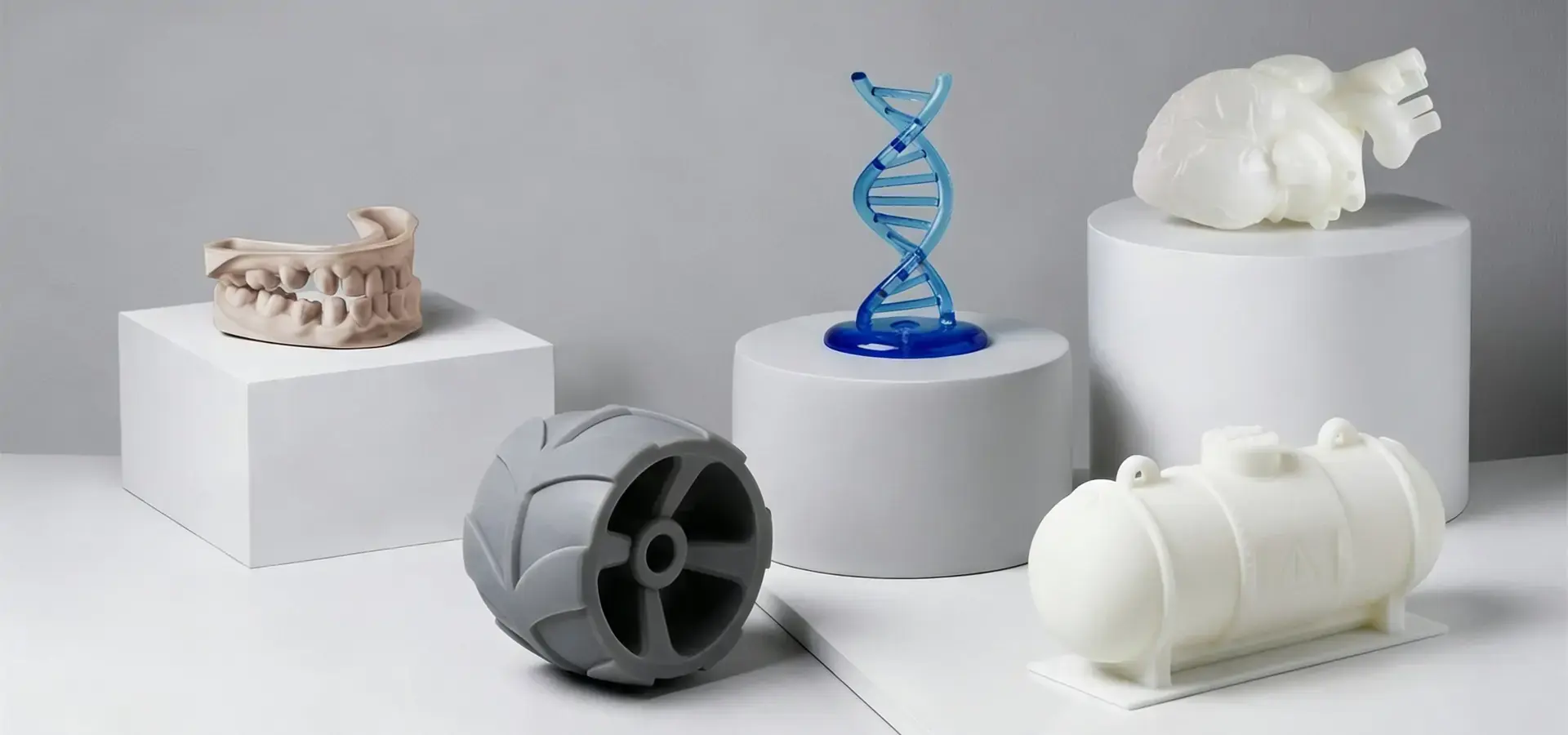
Traditional Molding vs. Big Format SLA 3D Printing: Evaluating the Paradigm Shift
For more than one hundred years, traditional molding—such as injection molding, compression molding, or casting—has been the main method of making things because it can quickly make thousands of similar parts once the molds are set up. The process works best when the amount of work being done is high enough to support the large initial investment in steel or aluminum molds, which can be anywhere from $15,000 for simple shapes to over $100,000 for complex multi-cavity tools.
Where Traditional Molding Falls Short
In today's flexible production world, the stiffness of standard molding is a big problem. Iterations of a design need new tools or expensive changes, which slow down creativity. Manufacturers often have to keep large inventories because of minimum order quantities. This wastes money and warehouse space and puts products at risk of becoming obsolete in fast-moving industries like consumer electronics. Lead times from acceptance of the design to the first shipment of goods are often 8 to 12 weeks, which seems like a very long time when competitors release similar products within weeks.
It is still hard or impossible to make complex internal shapes, undercuts, and lattice structures that have the best strength-to-weight ratios without using complicated side actions or multiple mold components. These design restrictions make it harder for engineers to get the best performance from topology optimization and generative design algorithms, which are being used more and more in aerospace and automobile applications.
How Big Format Stereolithography Changes the Game
Large-format additive manufacturing gets rid of the need for tools, which cuts the time it takes from CAD file to final part from months to days. A design engineer can make changes to a sample panel on Friday afternoon, send the new file to the printer overnight, and test the new version on Monday morning. This is not possible with molding. This speeds up the research and development process a lot, which helps automakers make customized interior parts faster and helps aerospace suppliers check the accuracy of complicated bracket designs.
At smaller numbers, the economic balance changes in a basic way. The cost of each part made by a big format SLA 3D printer might be higher than casting at 10,000 units, but it's a lot less when only 10 to 500 units are made. Stereolithography is a cost-effective way for medical device companies to make surgical guides that are special to each patient or dentistry labs to make custom orthodontic tools. This is because each part is defined differently, which makes molding impossible.
Performance and Cost Comparison: Big Format SLA vs Traditional Molding
When it comes to precision in measurements and surface quality, industrial stereolithography tools really shine. Big format SLA 3D printers can consistently achieve surface roughness (Ra) values around 0.8–1.2 μm directly off the build platform. This is smoother than most molded parts before they are finished. This better surface quality gets rid of or greatly lowers the need for extra processes like sanding and polishing. This is especially helpful for Class-A automotive surfaces and electronic device housings that people will see.
Quantifying Total Cost of Ownership
A full cost study must look at more than just comparing prices per part. It must also look at the total costs of ownership. When molding, big investments in tools have to be spread out over many production runs. This makes figuring out the break-even number very important. As soon as the plan changes and new tools are needed, sunk costs start to add up quickly. Big format SLA 3D printers cost more to buy—from $80,000 for basic industrial units to $500,000 or more for the most advanced multi-laser systems—but they don't need any tools, so there are no costs associated with those.
The cost of materials is another thing to think about. Industrial photopolymer resins usually cost $150 to $400 per kilogram, while thermoplastics for injection casting only cost $2 to $8 per kilogram. When the leftover material from runners and sprues in molding is taken into account, this gap gets smaller, but it's still big when the amount is high. Depending on the size and complexity of the part, the best price range for stereolithography is usually between 1 and 1,000 units.
Operational Efficiency and Maintenance Realities
Different technologies have very different maintenance needs. Big-format SLA 3D printers need to have their laser optical paths calibrated, their recoater blades replaced when they wear out, and their resin vats cleaned so that they don't get contaminated. Every 500 to 1,000 build hours, maintenance is usually done, and laser power meters check the energy density to make sure there are no areas of uncured resin or weak layer bonding.
Flexibility in planning production is a less measurable but strategically important benefit. Stereolithography systems let manufacturers switch between completely different part designs by just adding new files. This allows for make-to-order processes that lower the cost of keeping inventory. This flexibility is especially helpful when making medical devices, since regulatory approvals may spell out exact production steps, but market demand is still unknown.
Selecting the Right Big Format SLA 3D Printer for Your Procurement Needs
When deciding what industrial additive manufacturing tools to buy, you have to weigh the technical skills against strategy goals and budgetary limitations. The most important feature is the build volume. Platforms that are 800mm x 800mm x 600mm can be used to print car door panels or multiple dental arch models at the same time, while systems that are 600mm x 600mm x 400mm are better for most aerospace component validation needs.
Evaluating Technical Specifications That Matter
Resolution requirements need to be carefully interpreted. Manufacturers say that the XY precision is as high as 50μm, but the accuracy of the part relies on the size of the laser spot, the scanning strategy, how much the material shrinks, and how stable the surroundings are. Requesting printed samples of the parts you want to use is a more reliable way to confirm your choices than just looking at specification sheets. The thickness of a layer is usually between 25μm and 100μm. Thinner layers give better surface finishes but make print times much longer.
Long-term operational success often depends on material compatibility and process stability. Open-source systems that can use third-party resins can save you money, but they may need a lot of parameter development to get approved mechanical qualities. When making aircraft parts that need traceable material certifications or medical devices that have to follow FDA rules, closed systems with private materials are necessary to ensure consistency and performance that has been proven in testing labs.
Financial Structuring and Procurement Strategies
Acquisition paths go beyond just buying something. Leasing deals keep money for running the business and allow technology to be improved as stereolithography gets better. Some companies that make big-format SLA 3D printers offer performance-based contracts where customers pay for each part they make. This transfers the risk from the user to the provider. This plan works well for 3D printing service companies that are entering new markets and don't know how many orders they will get.
Sample part programs greatly lower the chance of buying things. By sending CAD files to potential providers and getting printed parts made from materials meant for production, it is possible to directly compare the parts' dimensions, quality of the surface, and mechanical properties. Validating printed parts with a coordinate measuring machine (CMM) against the original design specifications provides objective comparison data to use when comparing providers who say they can do similar things.
Lead times range a lot from when an order is placed to when it is installed. Industrial machines for beginners may ship in 4 to 6 weeks, but high-end laser systems with unique settings take 12 to 16 weeks. For installation to go smoothly, the space needs to be properly set up with temperature control, UV-protected lights to stop the resin from curing in the room, and industrial-grade ventilation to deal with VOC emissions during the washing and post-curing processes.
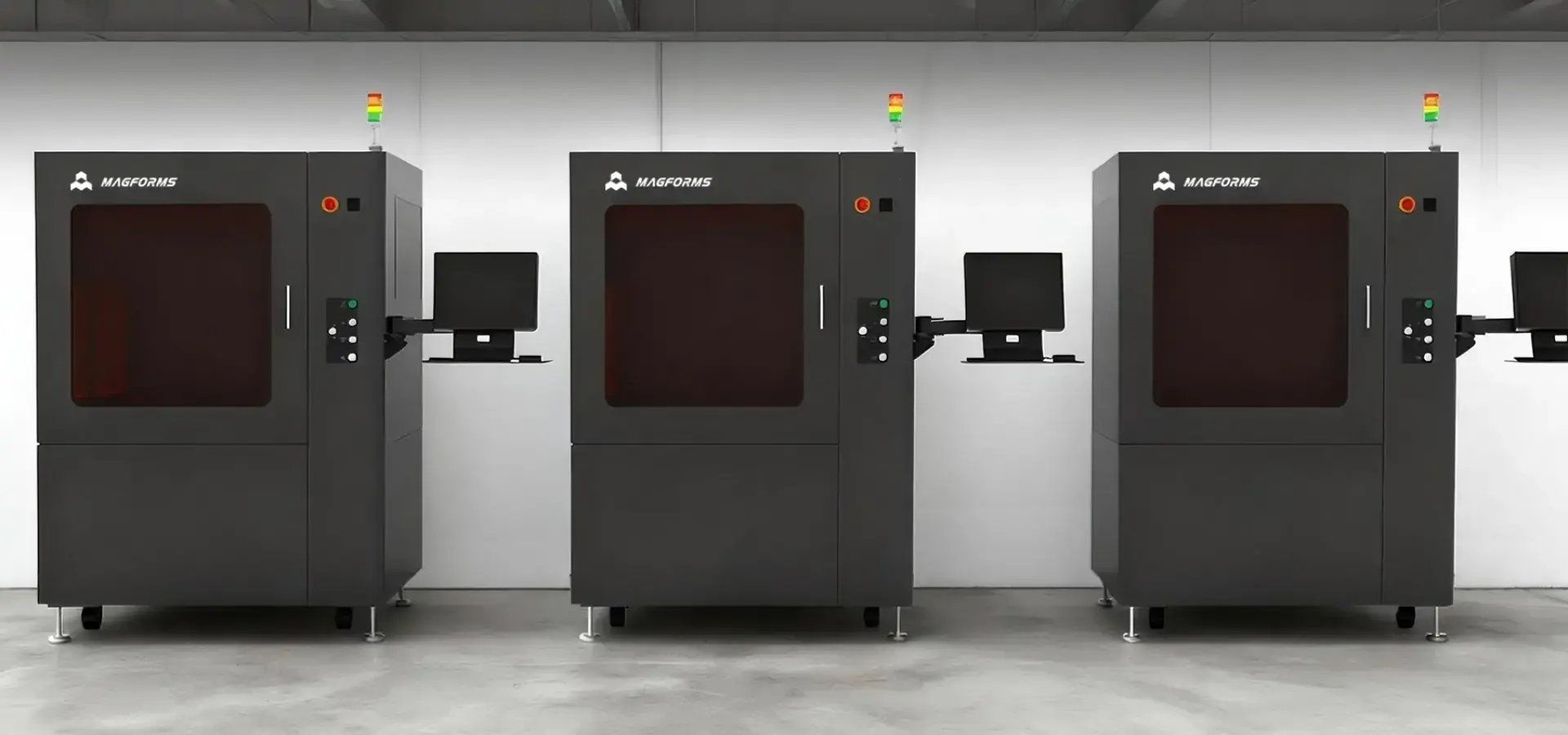
Future Outlook: Will Big Format SLA 3D Printers Replace Traditional Molding?
The current path of additive manufacturing technology suggests that it will continue to grow into areas that have traditionally been controlled by molding. However, in the medium term, it is still unlikely that big-format SLA 3D printers will completely replace molding. Every year, progress in material science makes stereolithography more useful for a wider range of mechanical properties. For example, new ceramic-filled photopolymers and fiber-reinforced composites can be used in places where thermoplastics or thermosets used to be needed.
Technological Barriers and Breakthrough Potential
One of the main problems with stereolithography is that it takes longer to make things than casting does. But improvements in scanning strategies, variable spot-size technology, and process optimization continue to improve productivity. Machines with dynamic stitching algorithms can make big parts 60–70% faster than machines with only one laser, but they are still a long way behind injection molding, which takes seconds per part at volume.
The more fundamental limit is material variety. SLA resins now include engineering-grade photopolymers, ceramic-filled resins, and fiber-reinforced composites, but they still cannot fully replicate the mechanical and thermal properties of common thermoplastics used in injection molding, such as nylon 6/6, polypropylene, or polycarbonate. For uses that need certain FDA-approved polymers for food contact or chemical protection features, molding may still be the only legal choice.
Strategic Integration: Hybrid Manufacturing Approaches
Forward-thinking makers are using hybrid methods more and more, which take advantage of the best parts of both technologies. Stereolithography speeds up product development and can handle low-volume production while a new product is being introduced to the market. On the other hand, traditional casting speeds up production once designs are stable and enough volume is made to justify investing in tools. Time-to-market risk is lower with this phased method, and long-term output costs are improved.
Some factories use large-format SLA 3D printers directly in the molding process, using the printed parts as master designs for making silicone molds. This is a bridge technology that lets them make 50 to 500 units of thermoset or thermoplastic materials that aren't available in photopolymer formulas. This mixed method works especially well for companies that make consumer electronics that need overmolded elastomers or medical devices that need safe silicones.
The competing environment keeps changing quickly. As the patent files of early stereolithography companies become available to the public, new companies come along with creative ways to get around the problems of cost and speed. As a result of competition, resin makers are coming up with new formulas that work best for large-format printing tasks like making structural parts for cars or long-lasting medical items.
Conclusion
Big format SLA 3D printers have proven to be valid alternatives to traditional molding in some manufacturing situations, especially when needs include complicated designs, customization, or low to medium production volumes. The technology offers unique benefits in testing speed, design iteration flexibility, and geometric freedom, which makes it an essential tool in the medical, consumer electronics, aircraft, and car industries. Traditional casting is still better for making a lot of the same parts, but as stereolithography systems get faster, more reliable, and able to work with more materials, the economic tipping point keeps moving. Procurement workers shouldn't look at these two technologies as rivals, but as complementary tools that can be used together in larger manufacturing strategies. They should choose one based on specific application needs rather than general opinions.
FAQ
1. What maintenance protocols are essential for consistent big-format SLA output?
Calibration of laser optical systems on a regular basis ensures that the beam focus and power levels stay within the limits that were set. By checking and replacing recoater blades, surface flaws caused by worn edges can be avoided. Cleaning the resin vat every 100 to 200 build hours gets rid of the particulate matter that makes prints fail. Over time, measurement accuracy is checked by inspecting test objects with a CMM on a regular basis.
2. How do big-format SLA 3D printers compare to FDM and DLP in industrial applications?
Compared to fused deposition modeling (FDM), big-format SLA 3D printers offer superior surface finishes and higher dimensional accuracy, making them ideal for precise prototypes and tooling. Digital light processing (DLP) systems are typically limited by their projection size and cannot achieve the same large build volumes as big-format SLA 3D printers, although DLP may provide finer detail for smaller components. SLA is better for engineering-grade uses because it comes in a variety of materials.
3. What are typical lead times when transitioning from traditional molding to SLA printing?
It takes two to four weeks for the first shift to happen because of choosing the material, optimizing the print parameters, and validating samples. Lead times for ongoing production drop from 8 to 12 weeks for tooled casting to 24 to 72 hours per part, based on size. Overall project timelines for prototype steps are cut by 60–80% when tooling design and manufacturing are not needed.
Partner with Magforms: Your Trusted Big Format SLA 3D Printer Supplier
The manufacturing landscape demands partners who deliver not just equipment but comprehensive solutions addressing your specific production challenges. Big format SLA 3D printers from Magforms are backed by over a decade of stereolithography expertise, holding 22 patents and 30 registered trademarks that demonstrate our commitment to continuous innovation in large-format additive manufacturing technology. Our integrated approach—combining proprietary resins precisely matched to our hardware—eliminates compatibility issues that plague facilities mixing third-party materials with equipment, ensuring dimensional accuracy and print reliability from the first build.
Our systems leverage variable spot-size laser technology and AI-optimized scanning paths to achieve 30%+ faster print speeds than industry averages while maintaining micron-level accuracy across expansive build volumes. Having served over 300 enterprises globally, we understand the procurement concerns that keep technical directors and operations managers awake at night: equipment uptime, material cost predictability, and responsive technical support when production timelines tighten.
Whether you're a 3D printing service bureau expanding capabilities, an automotive design studio accelerating prototyping workflows, or a medical device manufacturer requiring certified biocompatible materials, our engineering team provides personalized consultations evaluating your specific application requirements. We invite procurement professionals to request sample parts printed in production-intent materials for direct validation, or schedule facility demonstrations showcasing our industrial stereolithography systems in operation.
Contact us today at info@magforms.com to discuss how Magforms' big-format SLA 3D printer solutions can transform your manufacturing capabilities, reduce time-to-market, and provide the agility modern production demands in an increasingly competitive global marketplace.
References
1. Gibson, I., Rosen, D., & Stucker, B. (2021). Additive Manufacturing Technologies: 3D Printing, Rapid Prototyping, and Direct Digital Manufacturing (3rd ed.). Springer.
2. Jacobs, P. F. (2019). Stereolithography and Other RP&M Technologies: From Rapid Prototyping to Rapid Tooling. Society of Manufacturing Engineers.
3. Lipson, H., & Kurman, M. (2020). Fabricated: The New World of 3D Printing. John Wiley & Sons.
4. Gebhardt, A. (2018). Understanding Additive Manufacturing: Rapid Prototyping, Rapid Tooling, Rapid Manufacturing. Hanser Publications.
5. Redwood, B., Schöffer, F., & Garret, B. (2022). The 3D Printing Handbook: Technologies, Design and Applications. 3D Hubs B.V.
6. Noorani, R. (2017). Rapid Prototyping: Principles and Applications in Manufacturing. John Wiley & Sons.

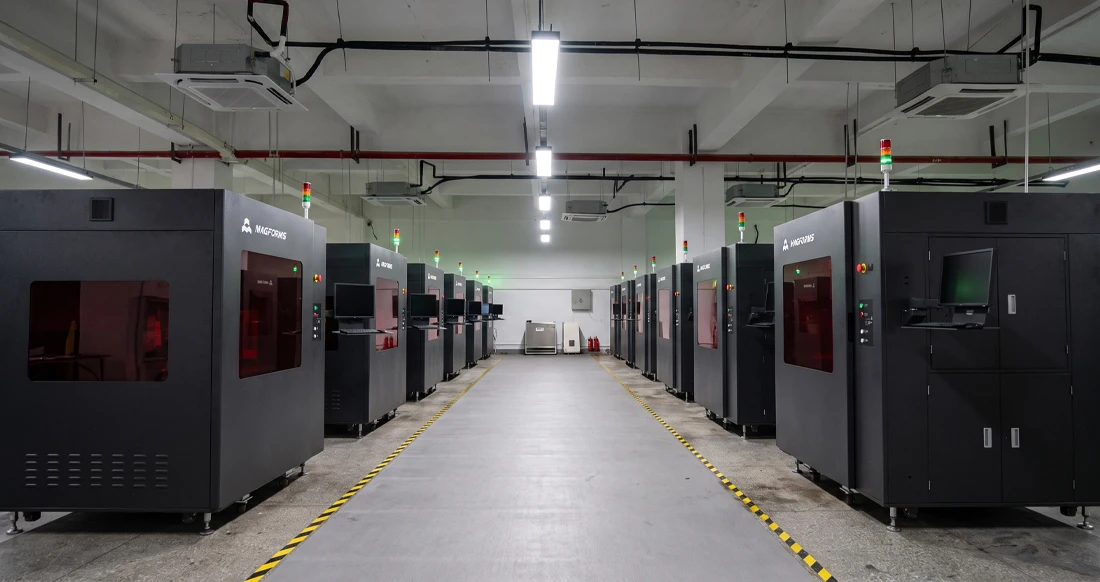
Magforms makes design and manufacture easier.
Popular Blogs
-
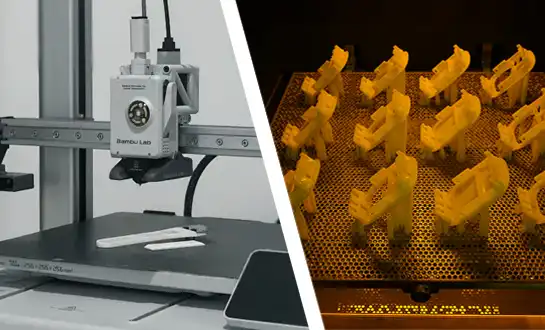 Industry InsightsManufacturing Industry
FDM vs. SLA Printer: Which Technology Is Right for Your Project?
-
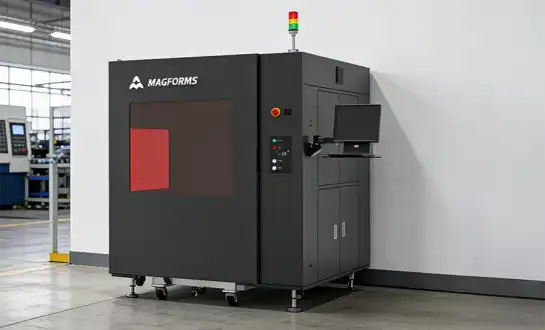 Industry InsightsManufacturing Industry
Top 5 Applications of Industrial 3D Printers in Manufacturing Today
-
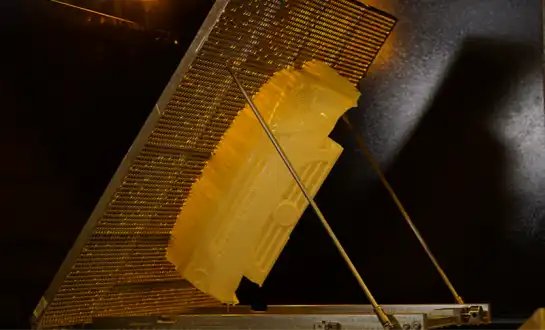 Industry InsightsManufacturing Industry
Why Stereolithography 3D Printers Are Unmatched for Microfluidic Device Prototyping?