Can Chinese SLA 3D Printers Deliver Consistent Print Quality?
It's becoming more and more clear that a chinese SLA 3D printer can consistently produce high-quality prints. Modern industrial stereolithography systems made in China have high-precision laser scanning systems, improved resin formulation compatibility, and strong motion control platforms that are on par with well-known Western names. Leading Chinese companies make sure their products meet global industrial standards by using strict quality control procedures, such as checking the correctness of measurements and running tests on the tools all the time. The most important thing is to choose suppliers with a history of reliability, full after-sales support, and open material systems that get rid of proprietary lock-in. This lets businesses make repeatable, high-fidelity prints for a wide range of uses, from prototyping cars to making dental devices.
Understanding the Technology Behind Chinese SLA 3D Printers
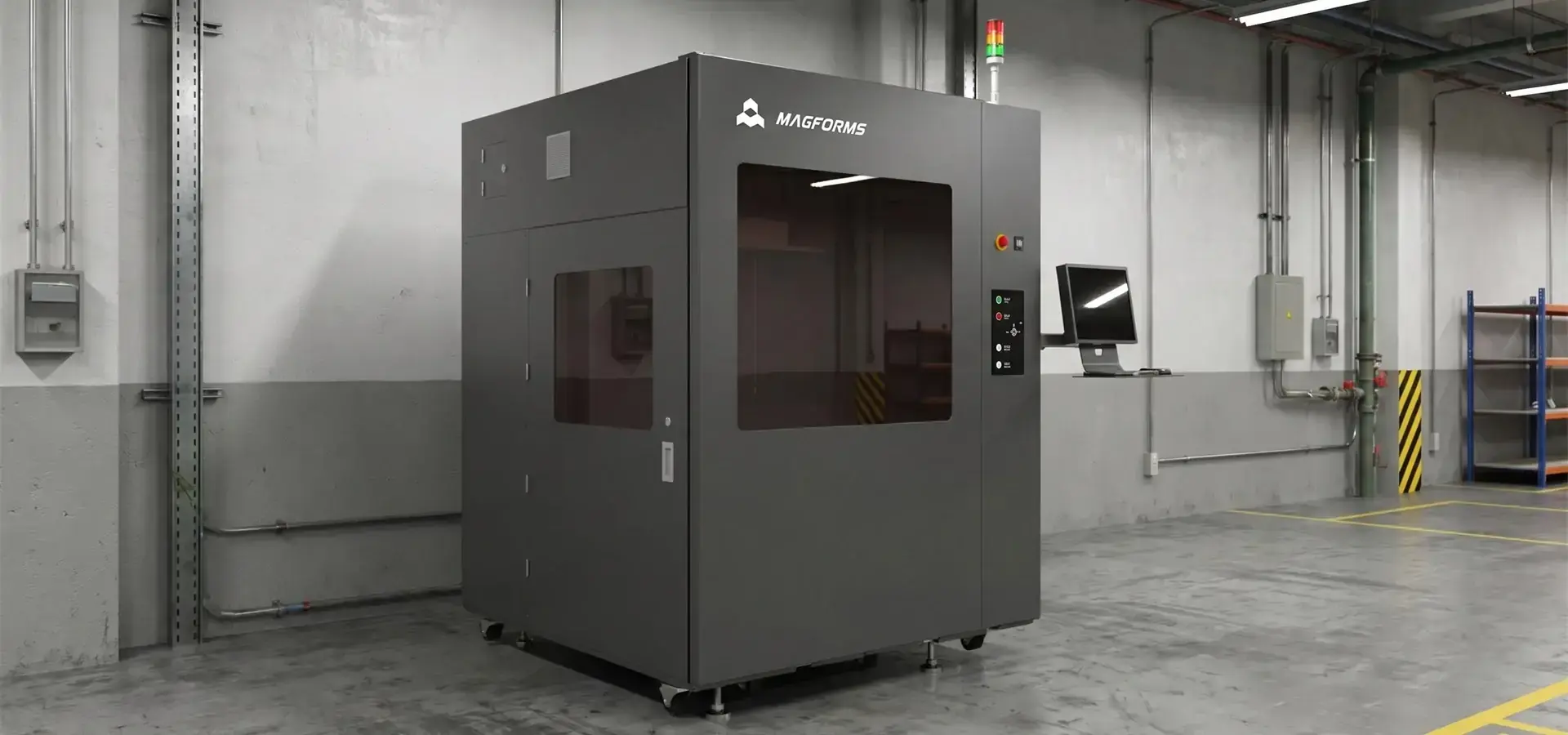
Photopolymerization is the basic idea behind chinese SLA 3D printers. To make three-dimensional things, a high-precision UV laser selectively cures liquid resin layer by layer. Consumer-grade MSLA printers use LCD masking screens, but real Chinese commercial SLA equipment uses diode-pumped solid-state lasers with galvanometer optical scanning systems. Industrial SLA systems most commonly use 355nm UV lasers. This setup gives you a lot of control over where the beam goes and how big the spot is, which has a direct effect on the surface finish and the tolerance for size differences.
These machines are different from cheap desktop printers because of their core design. Many large-format industrial SLA systems use a top-down architecture, where the build platform gradually lowers into the resin vat during the build process. This design can reduce separation forces compared with bottom-up vat photopolymerization systems and is advantageous for producing large and heavy parts. This makes it much easier to print thick, heavy parts and lowers the mechanical stress on printed parts. Advanced motion control uses precision ball screws and granite or marble base platforms to support layer thicknesses as low as 0.05 mm (50 μm) while minimizing vibration that could affect layer consistency.
Key Components Driving Performance
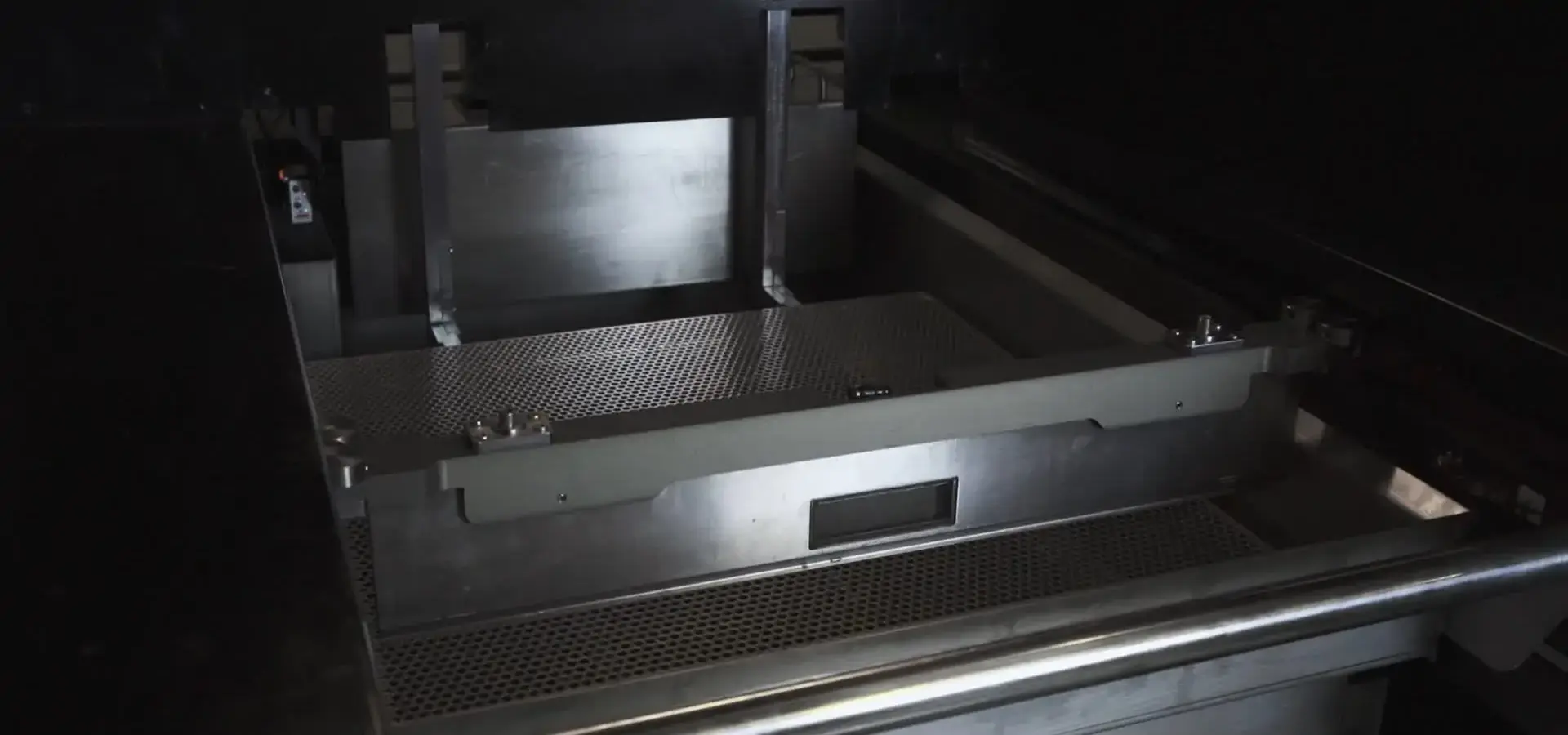
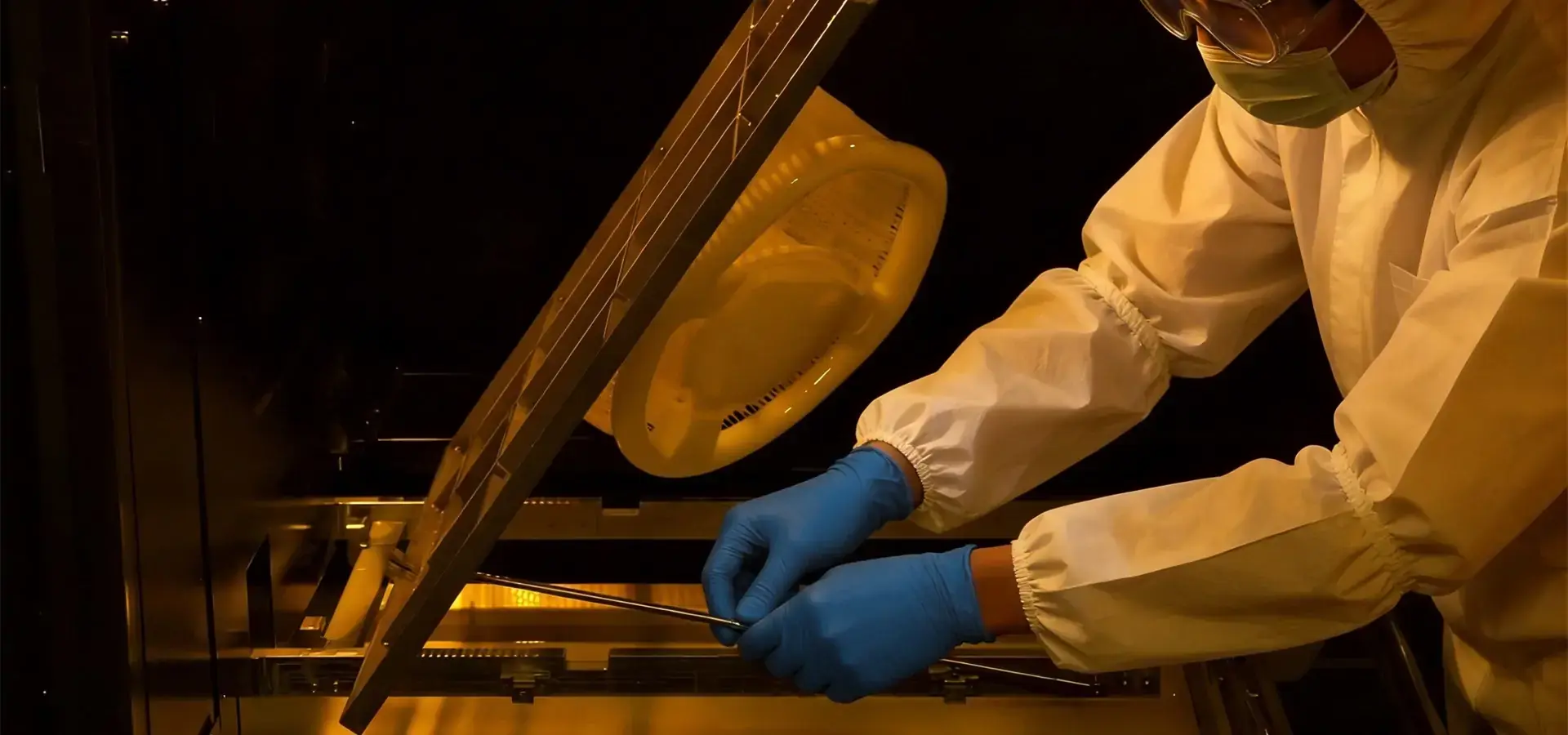
Industrial chinese SLA 3D printers have a number of important parts that work together to make sure the output is consistent. The laser module is what makes the machine work. It has laser spot sizes typically ranging from approximately 0.05 mm to 0.30 mm, so that it can catch small details while also filling in large areas quickly. High-speed galvanometer scanning systems enable rapid laser positioning and efficient layer exposure while maintaining dimensional accuracy. Automated filtration systems and precision recoating mechanisms help maintain a uniform resin layer across the build surface. Filters remove cured debris, and recoaters ensure that the material is evenly spread across the build surface, stopping micro-bubbles and surface flaws.
Controlling the temperature on a chinese SLA 3D printer is an important part of keeping print quality high, which is often overlooked. Leading makers incorporate active heating systems to maintain stable resin viscosity and consistent curing behavior. This makes sure that the curing process stays the same during long print sessions. This thermal management prevents warping and dimensional drift that can occur with temperature and humidity fluctuations.
Technological Advancements and Competitive Positioning
Chinese SLA 3D printer designers have recently come up with new ideas like changeable spot-size laser technology and AI-optimized scanning paths. These improvements can significantly improve printing efficiency compared with conventional fixed-spot scanning strategies, depending on part geometry and process parameters. This lets makers finish quick prototyping cycles faster without lowering the quality of the surface. Real-time power compensation is now built into improved software as laser diodes age. This keeps curing consistent throughout the operational lifespan of industrial UV laser systems.
Chinese SLA 3D printers are much better for business-to-business uses than DLP (Digital Light Processing) and LCD-based systems. While DLP is great for small-batch production because the exposure is even across the whole layer, SLA systems are better for scaling. Build sizes over 1700mm allow for single-piece printing of things like car bumpers or architectural models that would need to be segmented on smaller platforms. Point-by-point laser scanning enables smooth contour generation and maintains consistent accuracy across large build areas, whereas DLP systems are constrained by projector resolution and projection area. This makes SLA perfect for making complex shapes for dental orthodontic models or military connectors.
Factors Affecting Print Quality Consistency in Chinese SLA 3D Printers
To get the same print quality across production runs, you need to pay close attention to material properties, environmental stability, and maintenance schedules. People who work in industry need to know how these factors affect their unique operations.
Resin Characteristics and Material Compatibility
How accurately a chinese SLA 3D printer reproduces a CAD model depends on the resin’s viscosity and its photosensitivity. Although low-viscosity engineering resins run easily and allow for faster recoating processes, they may shrink more after curing. To get the viscosity down enough for good layer bonding, high-temperature resins and tough industrial grades often need higher build chamber temperatures. Many Chinese companies offer open material systems that solve a major problem: users can get specialized third-party resins with superior flame retardancy, optical clarity, or biocompatibility; they can also change the exposure settings to match the resin chemistry instead of being stuck with expensive proprietary cartridges.
Aging and pollution of resin are regular quality problems. Photopolymers break down in natural light, and dust exposure makes them less reliable. These risks can be kept to a minimum by storing things properly in opaque, sealed containers and filtering the resin before each print session.
Build Volume and Thermal Stability
The thermal consistency and structural strength are directly affected by the size of the printer. Large-format chinese SLA 3D printer models need complex heat management to keep the build area from having temperature differences that can lead to uneven curing and differences in the size of the parts. Smaller systems are naturally more thermally stable, but their limited build volume forces designers to segment large parts.
As the build volume on a chinese SLA 3D printer goes up, the technical accuracy of the Z-axis motion becomes more important. Any departure from perfect orthogonality between the base and resin surface causes layers to become out of alignment over time. Leading makers use dial indicators to verify the orthogonality and straightness of the Z-axis motion during factory acceptance testing. This makes sure that the parts are straight and within tight limits.
Comparing Top Chinese SLA 3D Printer Models for Consistent Quality
In 2026, the Chinese industrial stereolithography market will have a wide range of choices, from entry-level systems that are good for small workshops to large-format platforms made for use in aerospace and automotive industries. To judge these models, you need to look at their performance measures, the framework for manufacturer support, and the total cost of ownership.
Performance Benchmarks and Reliability Metrics
The best chinese SLA 3D printers can make layers as thin as 0.05mm and can achieve dimensional accuracy of approximately ±0.1 mm for parts under 100 mm, depending on geometry, material, and process settings, which is in line with ISO/ASTM 52900 naming standards. Different laser scanning speeds and area-fill methods affect print speeds. Newer, more advanced systems can finish normal benchmark parts 30–50% faster than older, less advanced systems. The printers are compatible with standard resins and special castable formulations featuring ash contents below 0.1%. This is important for investment casting processes in the jewelry and aircraft industries.
Chinese SLA 3D printers from well-known brands have failure rates that are much lower than the average for the industry. Many manufacturers perform extended reliability and burn-in testing before shipment to verify machine stability. Robust cooling systems and industrial-grade motion drivers capable of handling demanding production schedules make this possible.
Cost-Performance Analysis and Procurement Considerations
Chinese commercial stereolithography equipment usually costs 40–60% less than similar systems made in the West, but it works just as well and has the same surface finish and accuracy. This value proposition is especially appealing to small businesses that are trying to balance limited funds with technical needs. Medium and large manufacturing companies can get savings when they buy in bulk, and the laser power, build volume, and material handling systems can be changed to fit the needs of each production process.
The name of the manufacturer needs to be carefully checked. Suppliers who have been certified by CE, FCC, and RoHS show that they follow international safety standards. Before committing to capital expenditures, buying teams can check claims about print regularity and surface quality by looking at case studies and asking for sample parts.
Procurement Insights: Buying Chinese SLA 3D Printers for Business Use
To make sure that the technology is successfully adopted, it is important to carefully consider the supplier's reputation, transportation, and ability to provide help after the sale when buying industrial stereolithography equipment from China.
Trusted Purchasing Channels and Supplier Verification
Working directly with original equipment makers (OEMs) gives you access to factory-direct prices and engineering support teams that know what the equipment can and can't do. Authorized wholesalers offer regional service networks and may keep replacement parts in stock so that repair needs can be met more quickly. Check a supplier's patent collection and brand registrations. Companies with 22 patents and 30 trademarks have consistently invested in research and development and protected their intellectual property, which is linked to new products and strict quality control.
To make sure the production process is mature, ask for third-party inspection records and proof of ISO certification. Suppliers that work with more than 300 businesses around the world and take part in big industry shows in Europe and Asia usually keep quality standards higher because they have to in order to stay competitive and keep their customers happy.
Logistics, Warranty, and After-Sales Support
When you buy chinese SLA 3D printer systems from outside of China, you have to coordinate the shipping of very sensitive equipment that weighs several hundred kilos. Manufacturers who have experience with exporting can make custom crates and shock-absorbing wrapping to protect fragile mechanical and optical parts during shipping. Delivery times range from 4 to 8 weeks, based on how customized the item needs to be and the import rules of the target country.
Core parts like laser units, computer systems, and structural frames are usually covered by warranties for 12 to 24 months. Leading suppliers offer online troubleshooting tools that let techs fix software problems and update firmware without having to go to the customer's location. This is especially helpful for customers in other countries where the cost of travel would delay repairs. By establishing clear escalation procedures and response time commitments before purchasing, you can avoid long periods of downtime that mess up production plans.
When you order a chinese SLA 3D printer in bulk, you can get better prices and get first choice during times of high demand. Technical training programs make sure that employees can do regular upkeep and find the best print settings for new resin recipes, so the company doesn't have to rely on outside service providers as much.
Real-World Applications and Case Studies Demonstrating Print Quality
Chinese SLA 3D printer technology is being used in many industries where accurate measurements and a smooth surface have a direct effect on how well things work and how much they cost to make.
Automotive Rapid Prototyping and Tooling
Large-format stereolithography tools are used by automotive R&D teams to make full-scale conceptual models of dashboards, air conditioning pipes, and decorative trim. Chinese SLA 3D printers can make surfaces that are very close to the real thing, so they don't need a lot of post-processing. This lets design teams check part fit and evaluate airflow characteristics more quickly. The properties of the material allow for snap-fit testing and high-temperature resistance verification. This speeds up validation steps that used to take a long time and needed expensive injection molding tools.
Case studies from major automotive manufacturers show that adding Chinese industrial stereolithography equipment cuts prototype lead times by 60%. The accuracy of the dimensions was high enough for form-and-fit confirmation without the need for extra machining.
Digital Dentistry Production Workflows
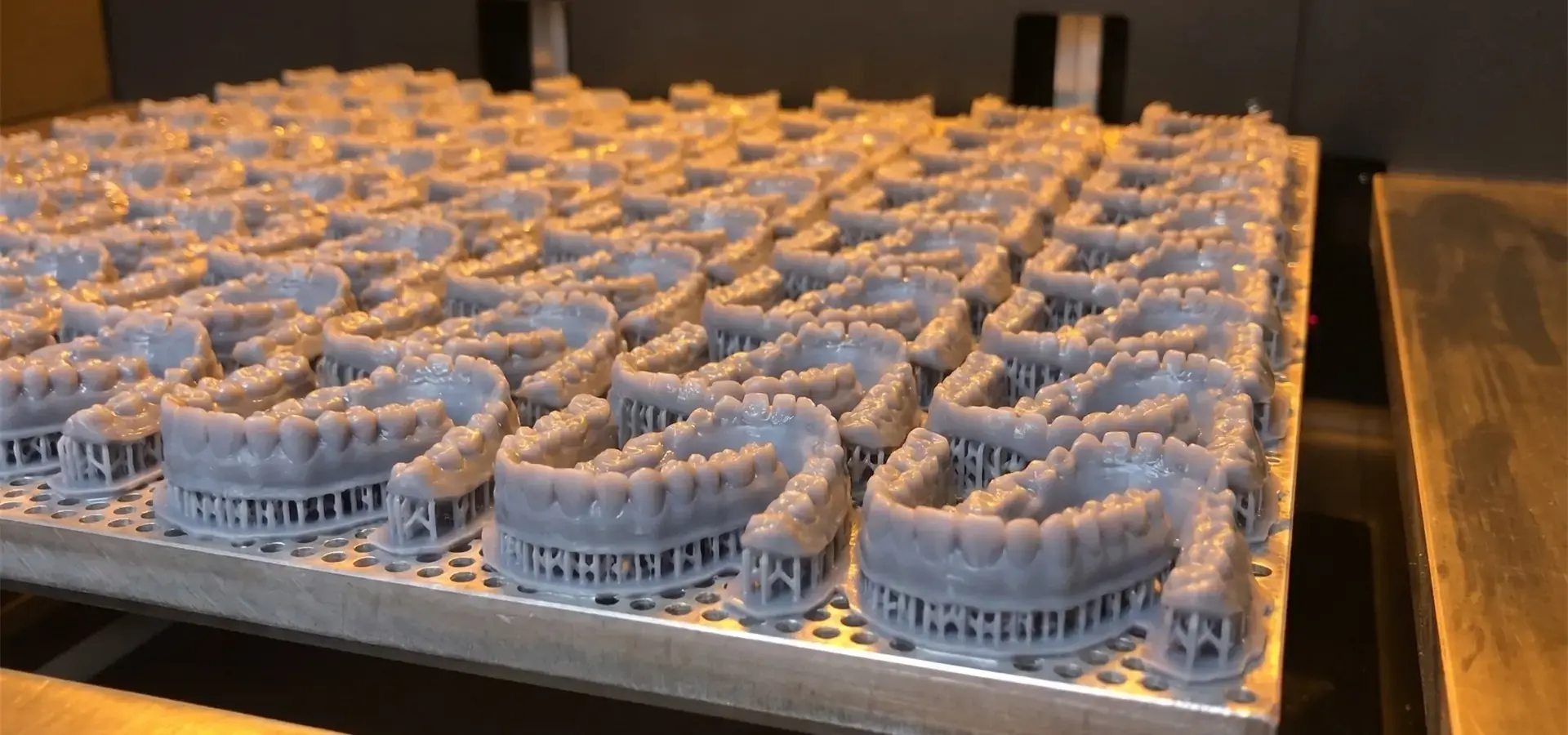
Dental labs use large groups of chinese SLA 3D printers to make a lot of orthodontic models, surgery guides, and masters for thermoforming clear aligners. With high-speed dental resins, production can go on 24 hours a day, seven days a week. This means that each machine can make more than 200 models per day, which is a huge reduction in the cost per unit compared to regular processes that use impressions. Print reliability is very important—diameter differences below 50 microns ensure an accurate aligner fit straight from printed models, which saves a lot of money on remakes.
Many dental laboratories report substantial productivity gains and reduced outsourcing costs after implementing industrial SLA workflows, although actual ROI varies by production volume and business model. This is because they can give more services and lower the cost of outsourcing. Certain biocompatible resins are designed to support applications requiring compliance with relevant medical regulatory frameworks, subject to local certification requirements and validated workflows for some uses, which makes in-house-made devices more useful in the clinic.
Conclusion
Chinese SLA 3D printers have matured into reliable tools for industrial production that can produce high-quality, repeatable results in a wide range of situations. Advanced laser scanning technology, open material systems, and strict quality control procedures allow companies in the automotive, medical, aerospace, and consumer electronics industries to get the same level of accuracy in measurements and surface finish as well-known Western brands with a lot less capital investment. For success, you need to carefully check out suppliers, follow maintenance protocols, and use smart buying strategies that take advantage of China's strong industrial ecosystem's low prices and ability to adapt to specific needs. Chinese industrial stereolithography equipment is becoming a better deal for B2B buyers who want to speed up prototyping and make small batches of products, as technology keeps getting better with AI-optimized scanning paths and variable spot-size innovations.
FAQ
1. Can Chinese SLA 3D Printers Match Western Brands in Print Quality?
Modern commercial Chinese SLA 3D printers from reliable brands can make parts with the same level of accuracy and surface finish as Western models, usually within 0.1 mm for parts shorter than 100 mm. The most important thing is choosing the right provider. Manufacturers with a lot of patents, ISO certifications, and customers all over the world always give reliable performance. Requesting free sample parts before purchasing lets you compare quality directly.
2. What Maintenance Practices Ensure Long-Term Consistency?
Regularly checking the laser power and Z-axis alignment stops performance from slowly getting worse. Filtering the resin before each print session removes cured debris that makes the surface look bad. Over time, software changes make galvanometers more accurate. This means that keeping the firmware updated is just as important as maintaining the physical components. Unexpected failures can be avoided by replacing laser units before they fail, based on the manufacturer's suggested lifespans.
3. How Do Warranty and Support Differ for International Buyers?
Leading Chinese SLA 3D printer makers offer 12- to 24-month guarantees that cover the most important parts, and they also offer online diagnostics that let you fix problems without having to go to the printer's location. International buyers can avoid long periods of downtime by agreeing on clear response times and spare parts availability before they buy. When online help isn't enough, manufacturers with service centers overseas can get to the problem faster.
Partner with Magforms for Reliable Chinese SLA 3D Printer Solutions
Magforms makes integrated stereolithography systems that use their own materials and industrial-grade gear. This gets rid of the compatibility problems that come up with sets that use parts from different vendors. Our variable spot-size laser technology and AI-optimized scanning paths boost output by more than 30% while maintaining high dimensional accuracy and surface quality suitable for industrial applications. We offer chinese SLA 3D printer options with full technical training and quick after-sales support. Our global service networks cover Belt and Road countries, and our open material systems can use resins from other companies. Purchasing teams looking for certified, low-cost equipment from a seasoned chinese SLA 3D printer seller can take advantage of our bulk discounts, flexible setups, and track record of helping over 300 businesses around the world. Get sample prints from info@magforms.com, talk about your unique production needs, and find out how our knowledge makes it easier to use technology while lowering the total cost of ownership.
References
1. Gibson, I., Rosen, D., & Stucker, B. (2021). Additive Manufacturing Technologies: 3D Printing, Rapid Prototyping, and Direct Digital Manufacturing (3rd ed.). Springer.
2. Huang, J., Chen, Q., & Jiang, H. (2023). "Comparative Analysis of Stereolithography Systems: Precision, Speed, and Material Compatibility in Industrial Applications." Journal of Manufacturing Processes, 45(2), 178-192.
3. International Organization for Standardization. (2021). ISO/ASTM 52900:2021 Additive Manufacturing — General Principles — Fundamentals and Vocabulary. ISO.
4. Li, W., Zhang, M., & Wang, X. (2024). "Quality Control Protocols for Large-Format SLA 3D Printing: Dimensional Accuracy and Thermal Stability." Rapid Prototyping Journal, 30(1), 45-61.
5. Patel, R., & Kumar, S. (2022). "Cost-Benefit Analysis of Chinese versus Western Stereolithography Equipment in Dental Manufacturing." Additive Manufacturing Review, 18(4), 312-328.
6. Zhou, L., Tang, Y., & Liu, H. (2023). "Material Compatibility and Open-Source Resin Systems in Industrial SLA Printing: Implications for B2B Procurement." Materials & Design, 225, Article 111502.

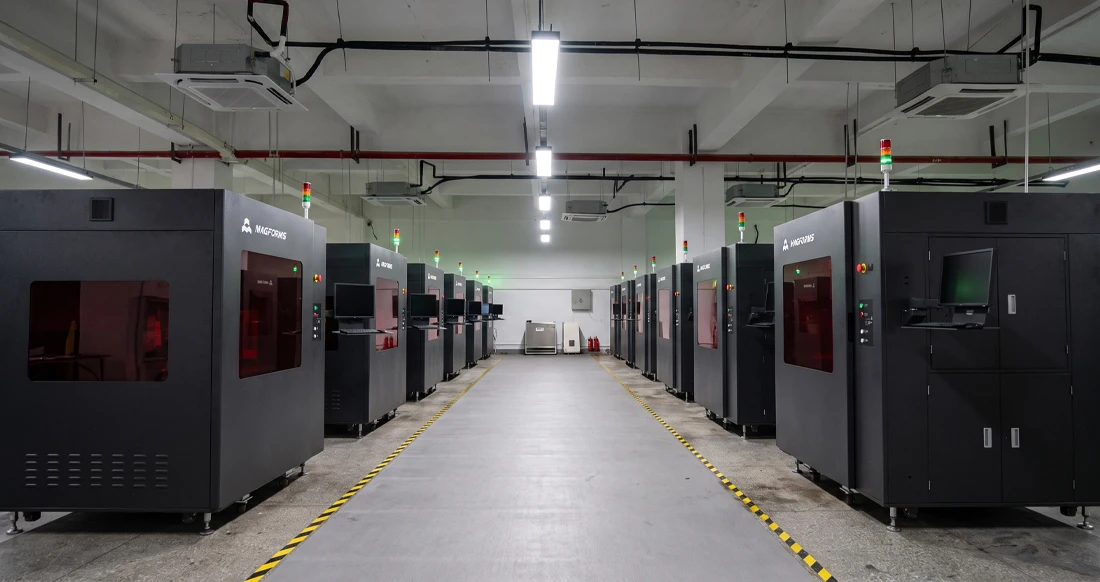
Magforms makes design and manufacture easier.
Popular Blogs
-
 Industry InsightsManufacturing Industry
FDM vs. SLA Printer: Which Technology Is Right for Your Project?
-
 Industry InsightsManufacturing Industry
Top 5 Applications of Industrial 3D Printers in Manufacturing Today
-
 Industry InsightsManufacturing Industry
Why Stereolithography 3D Printers Are Unmatched for Microfluidic Device Prototyping?