Can Custom 3D Print Goods Build Loyal Customers?
Custom 3D print items can definitely build strong customer loyalty when implemented strategically. In contrast to traditional manufacturing, which relies on standard mass production, additive manufacturing lets companies provide customized solutions that exactly meet the needs of each customer. This feature turns normal transactions into partnerships where both parties work together to give customers levels of customization, fast prototyping, and quick service delivery that traditional providers can't match in today's market.
Understanding Custom 3D Printing and Its Business Value
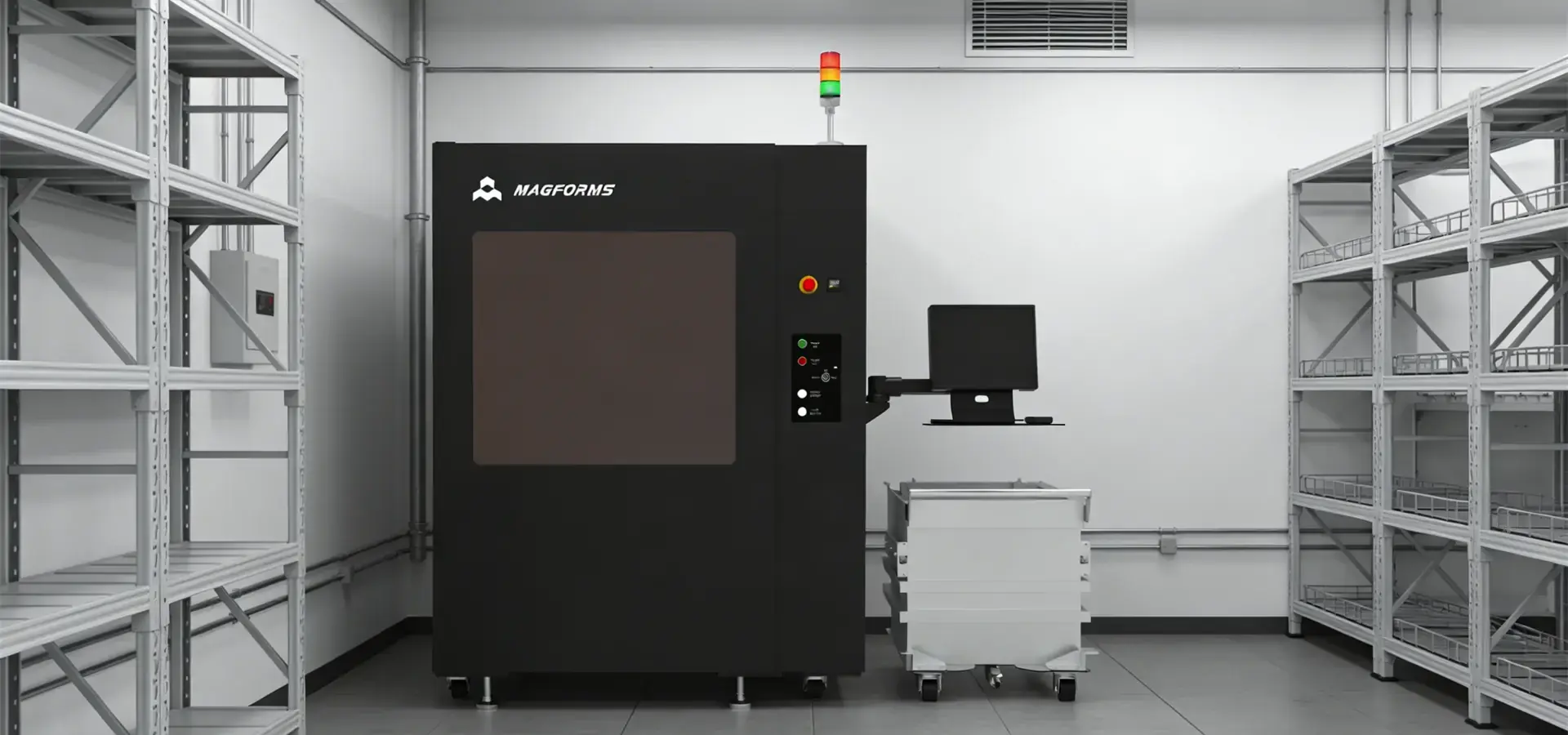
Custom additive manufacturing changes the way companies make things and interact with customers in basic ways. This technology includes different methods, such as Fused Deposition Modeling (FDM), Stereolithography (SLA), and Selective Laser Sintering (SLS). Each has its own benefits for different uses and business needs.
Digital Computer-Aided Design (CAD) files tell modern additive manufacturing systems how to precisely place material layer by layer. Traditional tooling and molds have high engineering costs that are only needed once. This process gets rid of those costs, making low-volume production reasonably possible. Companies can now meet the specific needs of each customer without having to pay huge setup fees, which used to make customization impossible.
The technology fixes important problems with traditional manufacturing by getting rid of physical limits and making it possible to build complex internal structures that can't be done with subtractive methods like CNC cutting. Industrial-grade SLA printers from Magforms and other advanced systems use changeable spot-size laser technology to print 30–50% faster than traditional methods while still being very accurate.
Digital inventory management changes the way the supply chain works in a big way when it comes to custom printing. Instead of keeping a lot of different kinds of parts in stock, businesses can store digital files and make parts as needed, close to where they will be used. This method cuts down on storage costs, lowers the risk of products going out of date, and lets businesses respond quickly to changing customer needs.
Adding deep learning methods to current systems makes them even more efficient. For example, some platforms can print 20% faster than before. Businesses can now offer same-day or next-day shipping of custom parts thanks to improvements in technology. This gives them a competitive edge and builds customer loyalty through better service.
Key Drivers Linking Custom 3D Printed Products to Customer Loyalty
Three main benefits make customers loyal to additive manufacturing: the ability to customize products, faster shipping times, and uniform quality assurance. In B2B buying settings, each part helps to build trust and get people to buy from you again.
The ability to make designs that are unique and meet the needs of each customer is a strong way to keep them coming back. Additive manufacturing lets companies solve problems that standard goods can't, like making medical devices that are specific to each patient, handmade prototypes for cars, or specialized parts for spacecraft.
Consider the medical and dental fields, where surgeons require custom surgical guides or orthodontic braces for each patient. This level of customization would be prohibitively expensive with traditional manufacturing methods, but 3D printing technology enables cost-effective, large-scale production of such personalized items. When customers can rely on providers to deliver exactly what they need, precisely when needed, it fosters strong and lasting customer relationships.
In traditional manufacturing, custom parts often require weeks or months of waiting due to tooling needs and production scheduling constraints. 3D print technology, through customized additive manufacturing, can reduce these lead times to mere days or even hours—fundamentally transforming customer expectations and dramatically enhancing satisfaction with their purchases.
This benefit is shown by Magforms' advanced systems, which use variable spot-size technology to use big laser spots (0.5–0.6 mm) for quick filling inside holes and small spots (0.18–0.2 mm) for fine detail work. With this smart method, businesses don't have to choose between speed and accuracy like they usually do; they can offer both at the same time.
To keep the quality the same across unique production runs, you need to have reliable tools and complex process control. Precision parts like German Scanlab galvanometers and AOC lasers are used in modern industrial-grade systems to make sure that results are always the same. High-end models, like the Helios-P600, have a marble base that allows for printing accuracy of ±0.1 mm. This gives customers stability that is close to industrial-grade.
Aside from the powers of the tools, quality assurance also looks at how well the materials work together and how to improve the process. Integrated material and equipment solutions get rid of interface problems that can lead to errors in measurements and prints. This makes sure that production processes are reliable, which builds customer trust over time.
Decision Criteria for B2B Clients Considering Custom 3D Printed Goods
When making B2B purchasing decisions about custom additive manufacturing, many things need to be carefully thought out, such as the choice of technology, the cost-benefit analysis, and the supplier's skills. Knowing these factors helps suppliers put their products in the right place and build better relationships with customers.
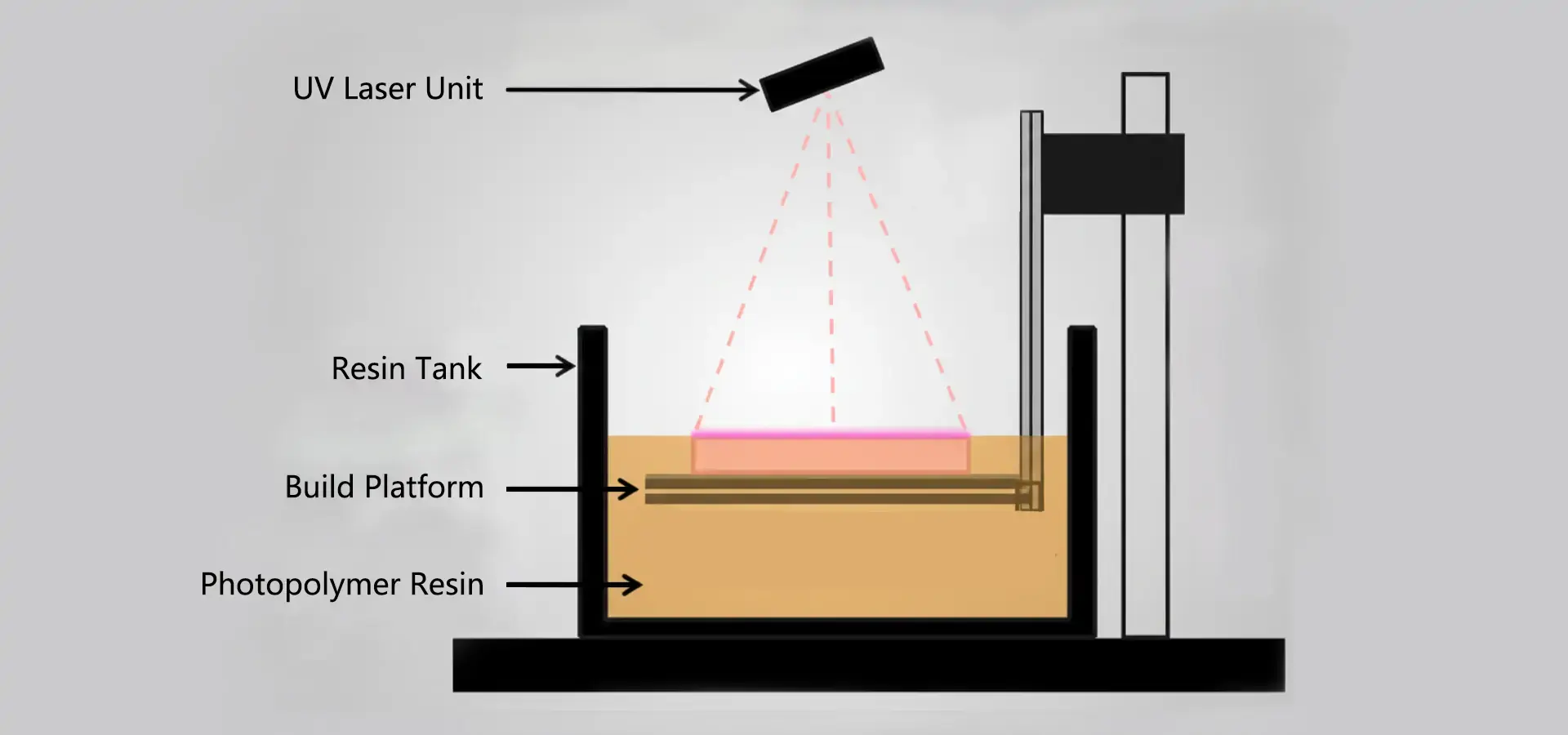
Different additive manufacturing technologies work best for different tasks, so choosing the right technology is very important for the success of the customer. For making precise samples and master patterns, SLA methods provide the best surface finish and dimensional accuracy. Functional samples and parts that will be used in the real world are very strong when made with FDM technology. SLS systems can make complex shapes without the need for support structures, which makes them perfect for the mass production of complicated parts.
Customers in the defense and aircraft industries often need DMLS (Direct Metal Laser Sintering) for fuel tubes and lightweight frames that need to work in harsh thermal conditions. For surgery guides and implants, medical uses often need safe resins and accuracy on the micron level. Automakers may put a high value on quick-turning times for assembly jigs and tools that help the production line run smoothly.
In many aspects, procurement workers need to compare additive manufacturing to more standard methods, such as CNC machining and injection molding. Even though unit prices may seem higher for easy geometries, 3D printing often has a lower total cost of ownership when you look at the ability to eliminate tools, reduce inventory, and make changes to designs.
The cost savings are especially strong for small production runs, where standard methods have a hard time being cost-effective. Companies can start selling new goods right away while fixed tools are being made. This cuts down on the time it takes to get products to market and helps them make money faster. Having the power to build bridges has a lot of strategic value that goes beyond just comparing costs.
To find the best additive manufacturing partner, you need to look at their technical skills, the materials they offer, and the support services they offer. Customers like providers who offer open-source equipment designs that work with a variety of material names. This gives them more control over costs and a wider range of products in their supply chains.
Another important rating factor is the ability to provide technical help. Companies that offer remote consultations 24 hours a day, seven days a week, guarantee reaction times, and on-site tech help give customers trust in the continuity of production. Regular technical training and advice on how to keep tools in good shape adds value that makes relationships with customers stronger and lowers business risks.
How to Integrate Custom 3D Printing into Your Procurement Strategy
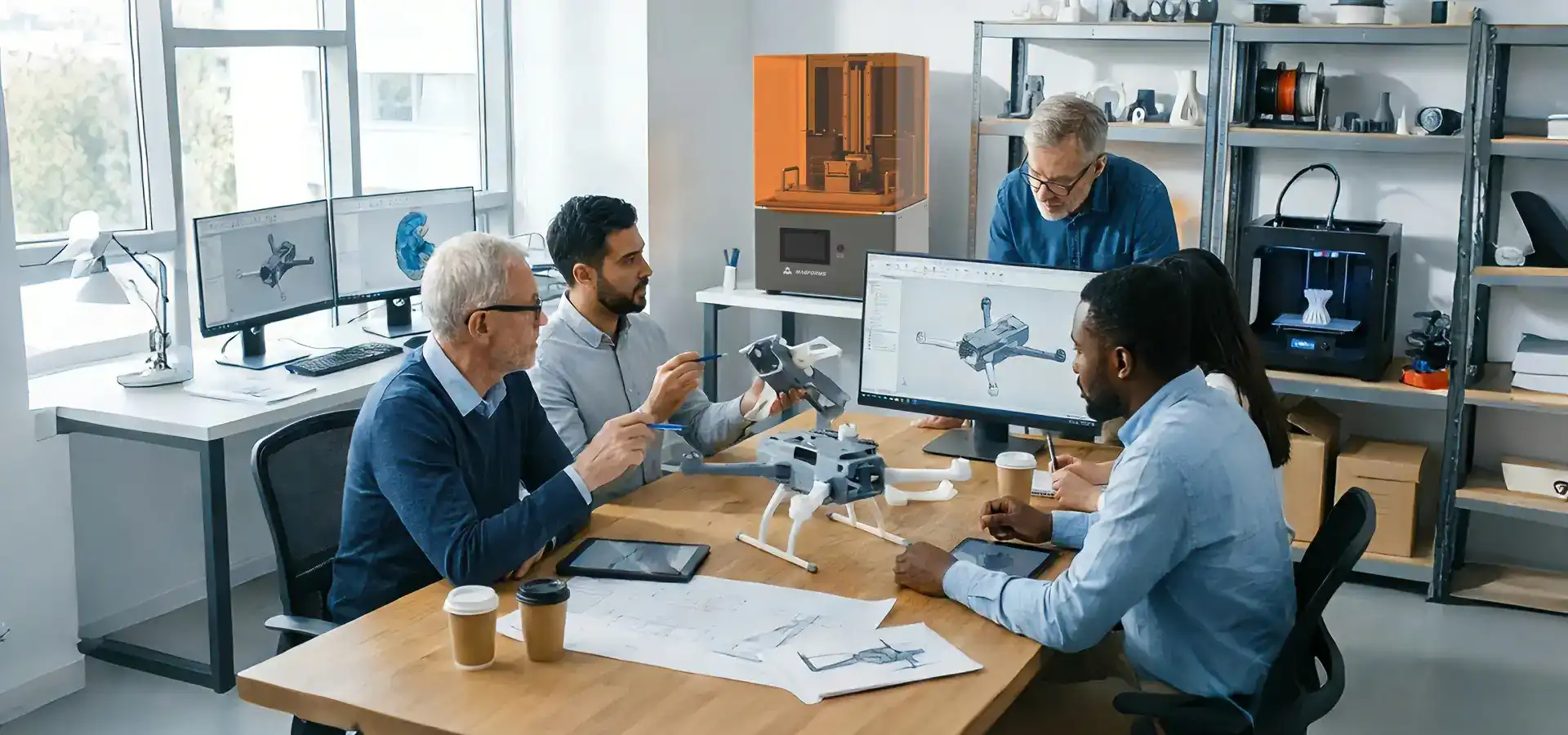
To successfully add additive manufacturing to buying strategies, you need to plan, choose the right partners, and make sure the process is running as smoothly as possible. When companies carefully integrate their suppliers, they gain a competitive edge and build ties with suppliers that help them reach their long-term growth goals.
Finding partners who can grow with your business and offer full support services is the first step to building effective additive manufacturing skills. The best partner provides both tools and materials as a single package, which eliminates problems with connectivity and streamlines the buying process.
Magforms is a good example of this integrated method because they use materials and tools that are perfectly matched and designed to work together smoothly. When you use third-party materials with equipment that doesn't work with them, you often run into problems like measurement errors and unplanned downtime. This end-to-end answer gets rid of all of those issues. Such relationships make operations easier to manage and make sure that results are always the same.
For integration to work well, common problems in file preparation, print process efficiency, and post-processing routines need to be fixed. Setting up regular processes for preparing CAD files, designing support structures, and checking the quality of the work ensures that the results are the same from one production batch to the next.
Smart features built into more advanced systems make these tasks easier. Variable spot-size technology automatically finds the best scanning paths for different part shapes, and AI algorithms make the process more efficient without the need for a lot of user knowledge. These features make it easier for internal teams to learn while still keeping high standards of production.
Partnerships that work well include more than just tools and materials. They also include continued support services that push things to keep getting better. Updating software, maintaining equipment, and getting technical training on a regular basis help businesses get the most out of their money and keep up with how technology is changing.
Technical support teams composed of industry professionals can swiftly resolve workplace issues, maintaining production schedules and minimizing operational downtime. Supported by service guarantees of a one-hour response time and a four-hour resolution window, such specialized support services, including dedicated 3D print technical support, ensure business continuity and strengthen confidence in the decision to adopt new technologies.
Future Outlook: The Role of Custom 3D Print Goods in Building Sustainable B2B Relationships
As additive manufacturing technology improves, it becomes more useful for keeping customers by giving them more material choices, better processing tools, and new abilities. Businesses can set themselves up for long-term success by understanding these trends.
Additive manufacturing is changing from a tool for making prototypes to a production technology that can support mass customization as a result of digitalization and automation. Design optimization driven by AI, automatic support generation, and intelligent process tracking all lower the level of skill needed by operators while increasing accuracy and throughput.
When ideas from Industry 4.0 are combined, they allow for tracking production in real time, planning repair ahead of time, and automating quality assurance. Customers can now see more than ever before about the state of production and quality measures, which makes them more confident in delivery promises and part specifications.
Custom additive manufacturing can be used for more things because new materials are always being made. With high-performance polymers, metal alloys, and composite materials, parts can be made that meet strict performance standards in medical, aircraft, and automobile settings.
Biocompatible materials for medical uses, high-temperature resins for car parts under the hood, and lightweight lattice structures for aircraft uses are just a few examples of how additive manufacturing is growing. Customers can consolidate their supplier base with these material developments, which also give them access to better performance qualities.
When businesses invest in flexible processes and ongoing technology updates, they become the first choice for customers looking for long-term manufacturing solutions. Being able to use new products, methods, and quality standards as they come out makes sure that you stay relevant in markets that are always changing.
Keeping up with the latest technology through research and development, patenting, and a position in markets around the world shows that you care about your customers' success. Magforms is committed to new ideas, as shown by its 22 patents and 30 filed brands. It also has offices in dozens of countries to help customers around the world.
Conclusion
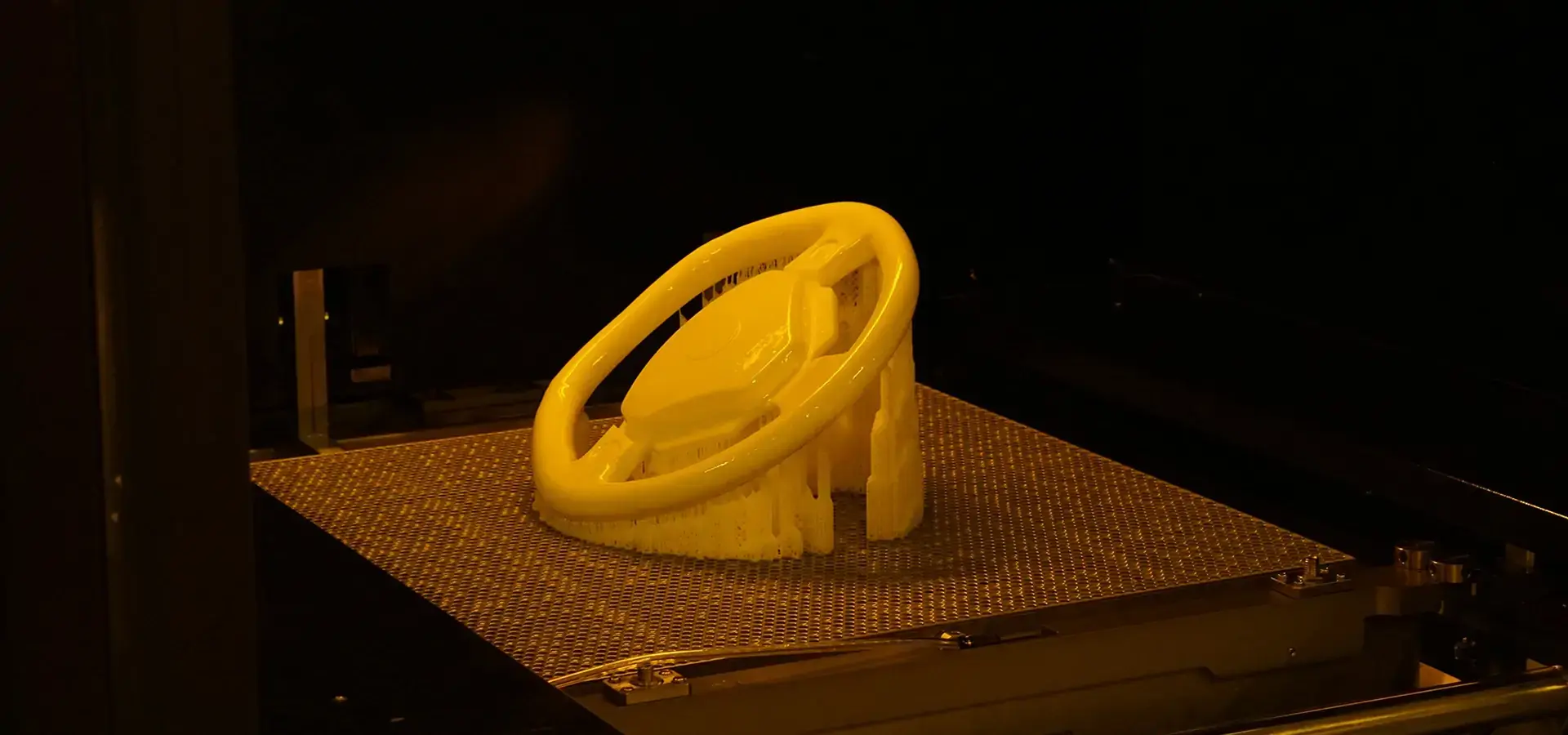
Custom 3D print products hold tremendous potential for fostering customer loyalty, as they can be personalized, produced rapidly, and maintain high quality—advantages not easily achievable through traditional manufacturing methods. The technology's ability to get rid of the need for expensive tools, allow for complicated geometries, and support on-demand output creates value propositions that lead to long-term relationships. To be successful, you need to choose your technologies carefully, work together with many suppliers, and keep investing in improving your skills. Companies that take advantage of these chances while also dealing with the problems that come with merging will build long-lasting competitive benefits in their own markets.
Partner with Us to Build Lasting Competitive Advantages Through Industrial SLA 3D Printing
Just as custom 3D printing creates value by enabling personalized, rapid, and tool‑free production—fostering long‑term customer relationships—success depends on choosing the right technology and partners. We offer industrial‑grade SLA systems that combine precision engineering with intelligent optimization, delivering 30–50% faster print speeds, micron‑level accuracy, and open material compatibility for large‑format builds up to 1700mm. Supported by 22 patents and a global network serving over 300 enterprises, we provide complete solutions alongside expert technical support with guaranteed rapid response. To turn 3D printing into a durable advantage for your business, email our engineering team at info@magforms.com for a tailored consultation.
References
1. Gibson, Ian, et al. "Additive Manufacturing Technologies: 3D Printing, Rapid Prototyping, and Direct Digital Manufacturing." New York: Springer, 2021.
2. Wohlers, Terry, and Tim Gornet. "Wohlers Report 2022: 3D Printing and Additive Manufacturing Global State of the Industry." Fort Collins: Wohlers Associates, 2022.
3. Campbell, Thomas, et al. "Could 3D Printing Change the World? Technologies, Potential, and Implications of Additive Manufacturing." Atlantic Council Strategic Foresight Report, 2011.
4. Sculpteo. "The State of 3D Printing Report: Industrial and Manufacturing Applications in B2B Markets." Paris: Sculpteo Industry Survey, 2023.
5. McKinsey & Company. "Additive Manufacturing: A Long-term Game Changer for Manufacturers." McKinsey Global Institute Manufacturing Practice, 2020.
6. Deloitte Consulting. "3D Opportunity for Life: Additive Manufacturing in Medical and Healthcare Applications." Deloitte Center for Health Solutions, 2022.

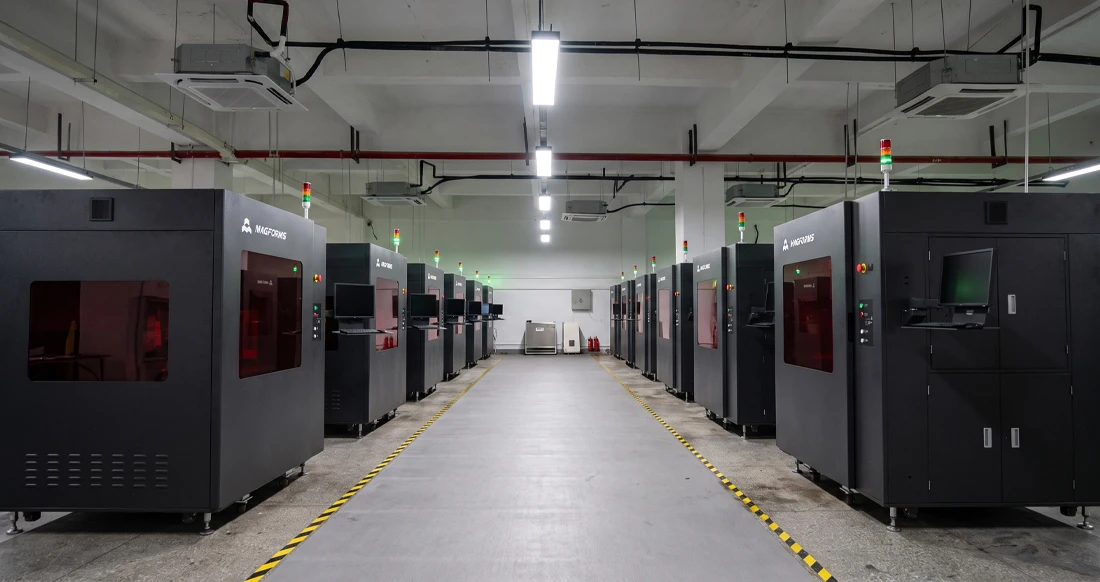
Magforms makes design and manufacture easier.
Popular Blogs
-
 Industry InsightsManufacturing Industry
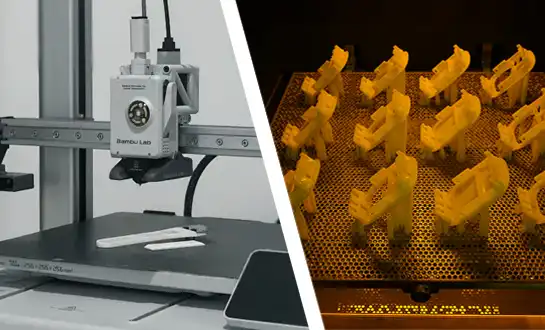
FDM vs. SLA Printer: Which Technology Is Right for Your Project?
-
 Industry InsightsManufacturing Industry
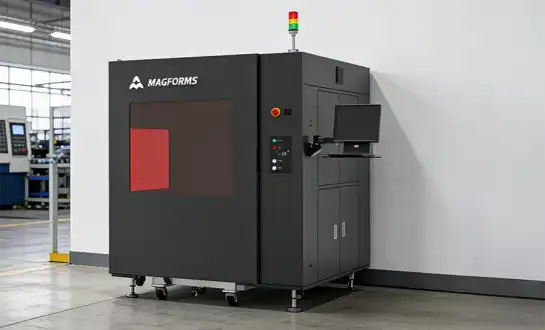
Top 5 Applications of Industrial 3D Printers in Manufacturing Today
-
 Industry InsightsManufacturing Industry
Why Stereolithography 3D Printers Are Unmatched for Microfluidic Device Prototyping?