Can the 3D printing machine P13 Pro Transform Your Workflow?
The 3D printing machine P13 Pro represents a significant advancement that can genuinely transform your production workflow. With its innovative LCD-based mSLA technology, extensive build volume (302.4×161.98×380mm), and dual heating constant-temperature system, this 3D printing machine addresses critical pain points that have traditionally hindered industrial additive manufacturing. It reduces material waste, ensures high printing success rates even in challenging environmental conditions, and delivers precision that meets aerospace and medical application requirements.
Introduction
Additive manufacturing has evolved from experimental prototyping into a production-grade solution reshaping industries from automotive to aerospace. Selecting the right 3D printing machine is no longer just a technical decision—it's a strategic investment that directly impacts your competitive positioning, R&D efficiency, and bottom line. The P13 Pro, developed by Magforms, emerges as a compelling option for B2B procurement managers and engineering directors navigating the complex landscape of industrial 3D printing.
Magforms brings over a decade of industry expertise, holding 22 patents and 30 registered trademarks, with products exported to more than 300 enterprises worldwide. This 3D printing machine combines advanced LCD-based SLA technology with versatile material compatibility, positioning it as a practical solution for multi-industry applications. Our evaluation examines whether the P13 Pro can genuinely deliver workflow transformation across prototyping, tooling, and small-batch production environments.
Understanding the Core Technology of the P13 Pro
Advanced LCD-Based mSLA Architecture
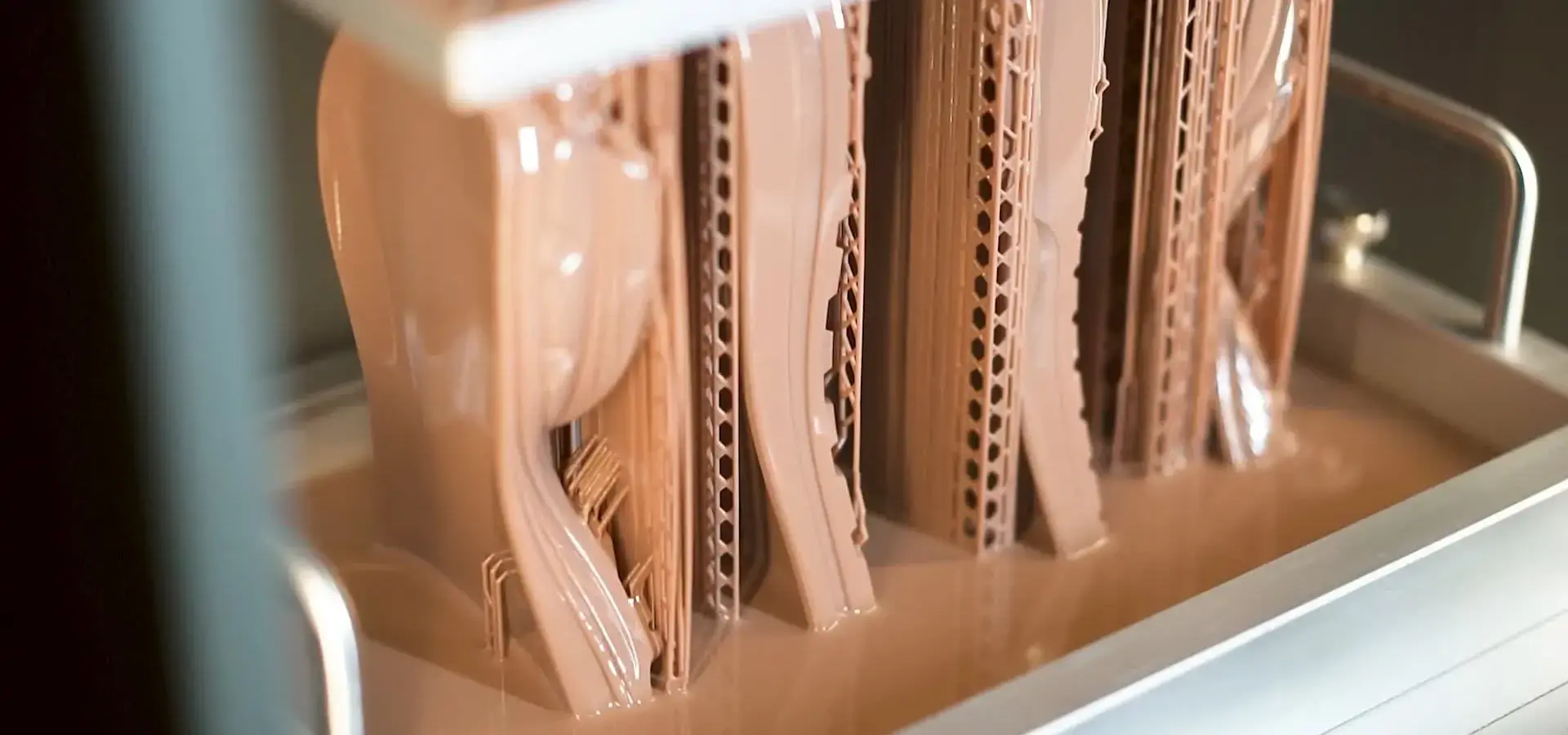
The P13 Pro utilizes an upgraded LCD-based stereolithography approach that differs fundamentally from traditional laser-based SLA systems. This 3D printing machine cures an entire layer simultaneously through a high-resolution LCD masking screen, selectively exposing photopolymer resin with uniform UV light distribution across the build platform. The result is faster print speeds compared to point-by-point laser scanning while maintaining exceptional XY resolution suitable for parts requiring surface finishes that rival injection-molded quality.
Extensive Build Volume for Batch Production
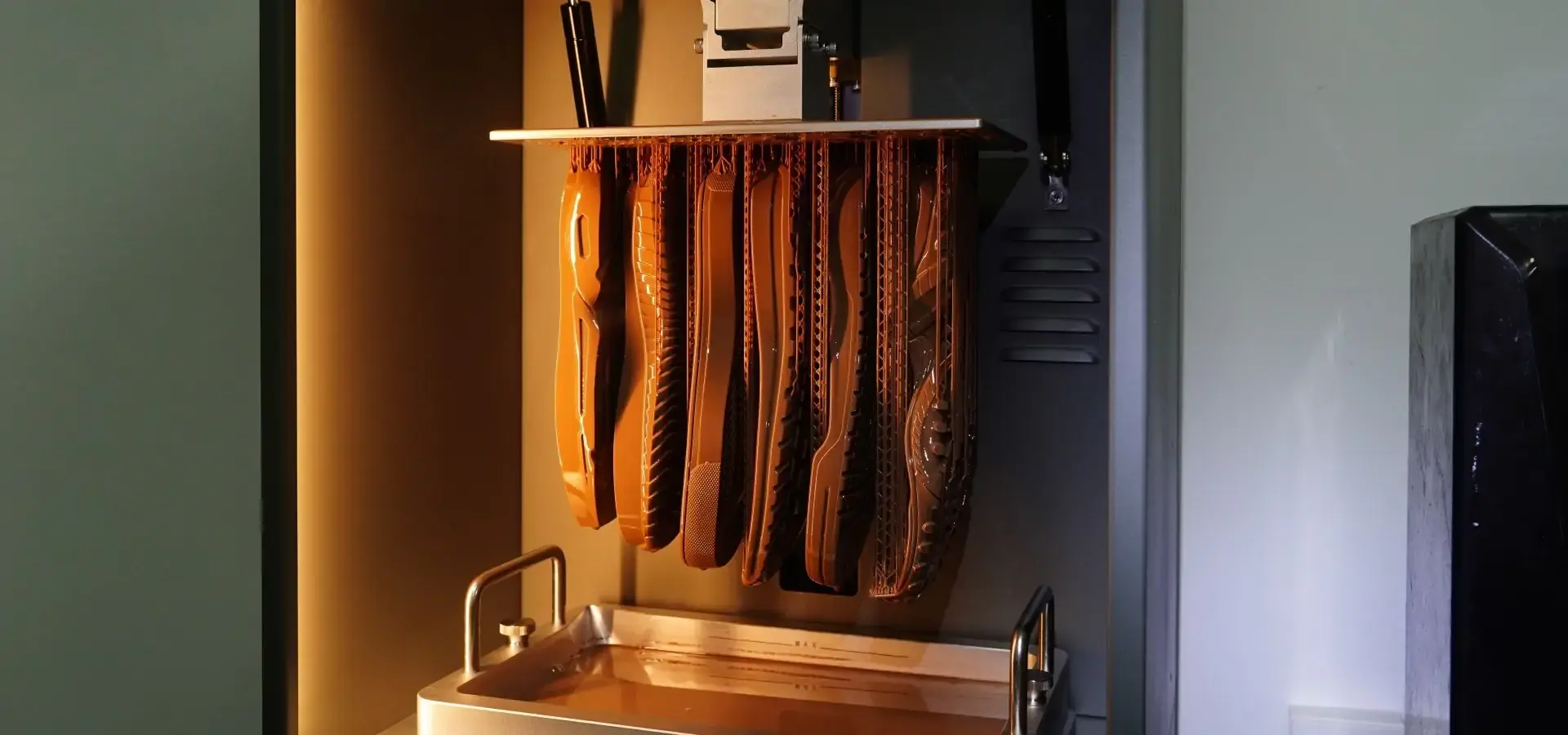
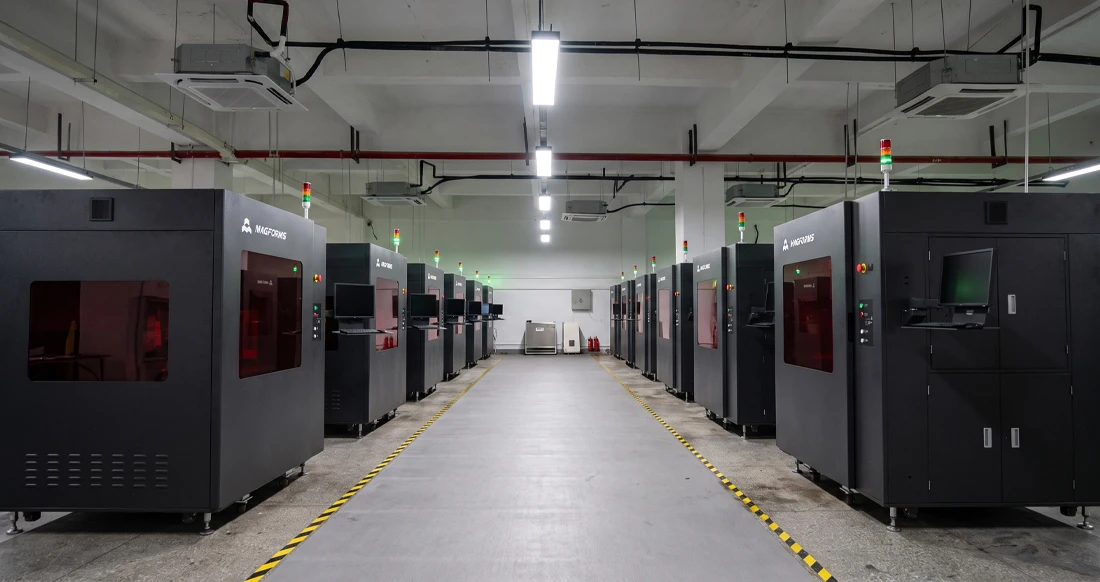
One of the most practical advantages of this 3D printing machine is its 302.4×161.98×380mm build envelope. This capacity allows simultaneous printing of multiple shoe molds (depending on model size) or automotive interior component prototypes in a single build cycle, with a maximum vertical dimension of 380mm. Compared to desktop resin printers typically limited to 200mm Z-height, the P13 Pro provides meaningful scalability for service bureaus and captive production facilities handling diverse client requirements without compromising throughput.
Material Versatility and Compatibility
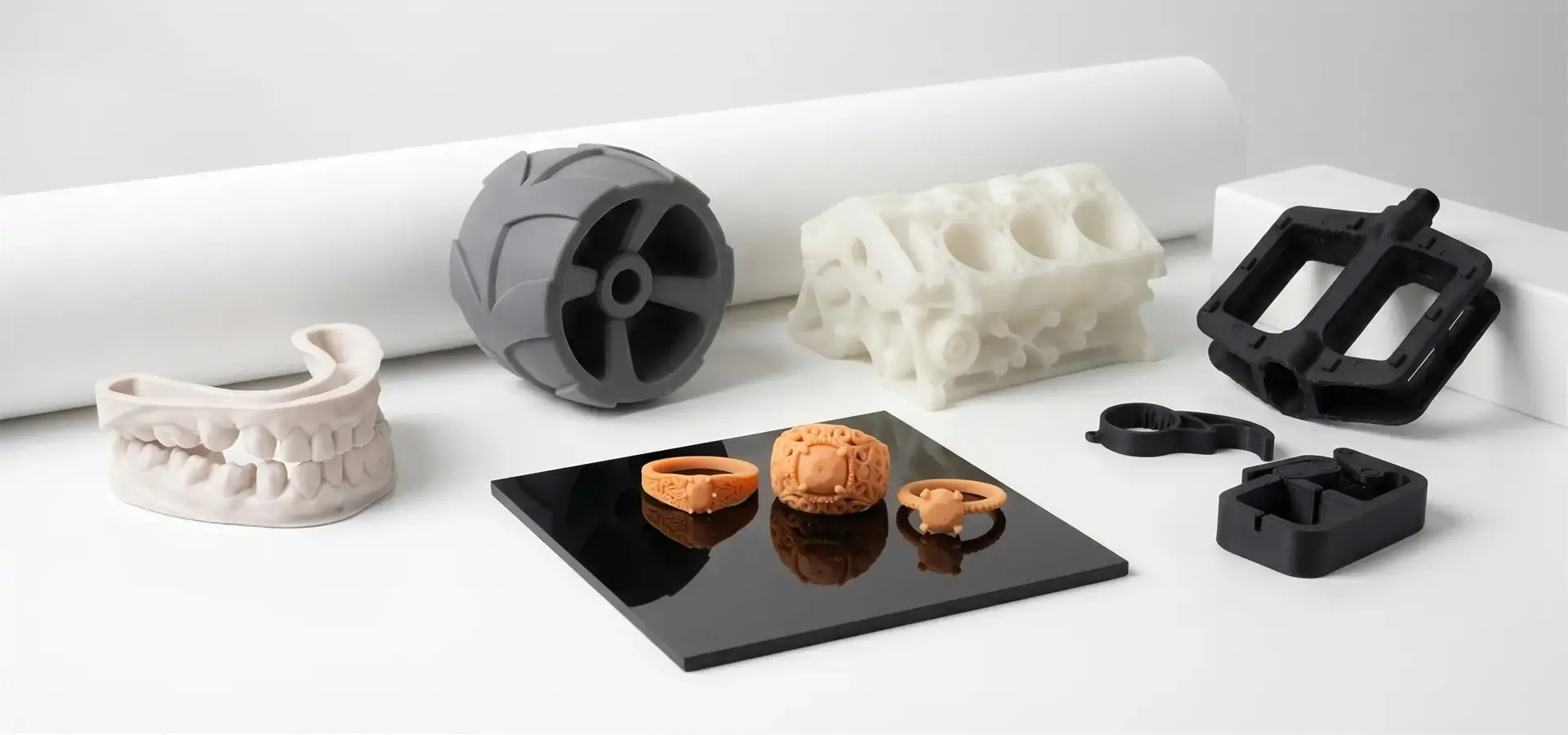
The P13 Pro operates as an open-material system, supporting engineering-grade resins spanning flexible, rigid, transparent, high-temperature, and biocompatible formulations. Magforms' integrated approach—combining proprietary materials with precisely calibrated hardware—helps reduce dimensional deviations and unplanned downtime that plague facilities using third-party materials on closed-system machines. This material compatibility extends workflow flexibility, enabling teams to switch between prototyping ABS-like parts and producing functional high-temperature tooling without equipment changes.
P13 Pro Compared: Positioning Against Other 3D Printing Machines
Desktop Resin Printers Versus Industrial-Grade Solutions
When benchmarking the P13 Pro against consumer-grade desktop resin printers, the distinctions become clear. Desktop units typically offer build volumes under 200×130×200mm and often lack environmental controls, which can lead to higher failure rates during extended batch production. This 3D printing machine, by contrast, incorporates dual heating outlets that maintain uniform chamber temperatures, ensuring consistent curing kinetics even when ambient conditions fluctuate—a critical requirement for unattended overnight production runs in facilities without climate control.
The cost positioning is equally strategic. High-end industrial SLA systems from established brands often exceed $50,000, with proprietary material lock-in adding 40-60% to operational costs. The P13 Pro delivers comparable precision and larger build volumes at a more accessible price point, making it viable for small manufacturing enterprises and startup service providers who previously faced prohibitive capital barriers.
Additive Versus Subtractive Manufacturing Integration
Compared to CNC machining, the P13 Pro's additive process enables geometric freedom impossible with subtractive methods—internal lattice structures, conformal cooling channels, and topologically optimized brackets that maximize strength-to-weight ratios. A dental lab, targeting patient-specific surgical guides, can produce complex undercut geometries in a single print cycle that would require multi-axis CNC programming and multiple setups, reducing lead time from days to several hours in suitable applications.
The synergy between additive and subtractive workflows is where this 3D printing machine excels. Automotive prototyping teams use the P13 Pro to rapidly iterate design variations, then transition to CNC for final machining of metal components once geometry is validated—cutting months from traditional development timelines.
Real-World Benefits of Implementing the P13 Pro in Your Workflow
Accelerated Prototyping Cycles and Market Responsiveness
Integrating this 3D printing machine into product development workflows fundamentally compresses design-to-validation timelines. A consumer electronics manufacturer developing wearable device housings can move from CAD model to physical prototype in under 24 hours, including post-processing. Traditional injection molding tooling requires 8-12 weeks and $15,000-$30,000 in upfront mold costs, making design iteration economically prohibitive. The P13 Pro eliminates this barrier, enabling teams to test five design variations in the time previously required to commit to a single molded prototype.
Cost Efficiency Through Material Optimization and Waste Reduction
The P13 Pro's precision layer control and high printing success rate translate directly into material cost savings. Facilities report less than 5% material waste compared to 15-25% typical with poorly calibrated desktop machines prone to mid-print failures. The dual heating constant-temperature system ensures even low-ambient-temperature environments achieve reliable curing, reducing scrapped parts during winter months—a common issue reported by service bureaus operating in non-climate-controlled spaces.
Energy consumption also merits consideration. LCD-based mSLA systems consume approximately 60-80 watts during operation, substantially less than laser-based industrial machines drawing 300-500 watts, reducing operational costs across multi-machine production facilities.
Flexible Production for Small-Batch and Custom Manufacturing
The P13 Pro's open-system architecture with custom modules allows operators to set print parameters directly on the device and store files internally for offline printing. This operational flexibility proves invaluable for service providers juggling multiple client projects with varying material requirements and quality specifications. A footwear design studio can switch from flexible TPU shoe molds to rigid high-temperature jigs without software reconfiguration, maximizing equipment utilization and minimizing changeover downtime.
The auto-sensing light design enhances usability in diverse production environments. Operators working in dimly lit facilities can monitor build progress without disrupting resin curing—a seemingly minor feature that meaningfully improves workflow efficiency during multi-shift operations.
Procurement Insights: Buying and Supporting the P13 Pro for Your Business
Investment Considerations and Total Cost of Ownership
Procurement directors evaluating this 3D printing machine should assess total cost of ownership beyond initial capital outlay. The P13 Pro's open material system provides ongoing operational cost advantages, allowing facilities to source competitively priced third-party resins while maintaining the option to use Magforms' optimized formulations for critical applications. This flexibility contrasts sharply with proprietary systems where material costs can exceed $200 per liter, compared to approximately $80–120 for open-system alternatives in the general market.
Magforms offers transparent pricing structures with volume discounts for multi-unit purchases, making the P13 Pro accessible for service bureaus scaling capacity. Flexible financing options reduce upfront capital requirements, allowing small enterprises to allocate working capital toward business development rather than equipment acquisition.
After-Sales Support and Operational Continuity
The reliability of post-sale support directly impacts production continuity. Magforms maintains a network of authorized service centers ensuring rapid access to spare parts—a critical consideration for facilities operating mission-critical production schedules. Technical training programs equip operators with troubleshooting skills that minimize downtime, while firmware updates delivered through the company's support infrastructure ensure long-term performance optimization.
Magforms' comprehensive support extends to application engineering, helping customers optimize print parameters for specialized materials or challenging geometries. This consultative approach differentiates the P13 Pro from competitors offering transactional equipment sales without ongoing technical partnership.
Why the P13 Pro is a Rational Choice for Forward-Thinking B2B Clients
Strategic Alignment with Industry 4.0 Integration
The P13 Pro's built-in storage for offline printing and customizable parameter controls position it as a practical component of digitalized manufacturing ecosystems. Facilities implementing distributed production strategies can deploy multiple P13 Pro units across geographic locations, each operating from centralized CAD files stored locally, reducing network dependencies and enhancing production resilience.
This 3D printing machine supports the digital warehousing paradigm where product inventory is replaced by CAD files, manufactured on-demand near consumption points. A medical device distributor serving multiple territories can maintain P13 Pro units regionally, printing surgical guides as orders arrive rather than maintaining physical inventory subject to shelf-life limitations.
Long-Term Reliability and Future-Proofing
Magforms' track record of continuous product development and patent portfolio demonstrates commitment to long-term innovation. The P13 Pro's modular architecture allows hardware upgrades as new capabilities emerge, protecting capital investments from premature obsolescence. Engineering teams can confidently integrate this 3D printing machine knowing it will remain technically relevant throughout its operational lifespan.
The high-efficiency air filtration system addresses environmental health concerns increasingly prioritized by regulatory frameworks and corporate ESG initiatives. Facilities can operate the P13 Pro in shared workspaces without specialized ventilation infrastructure, expanding deployment options and reducing facility modification costs.
Conclusion
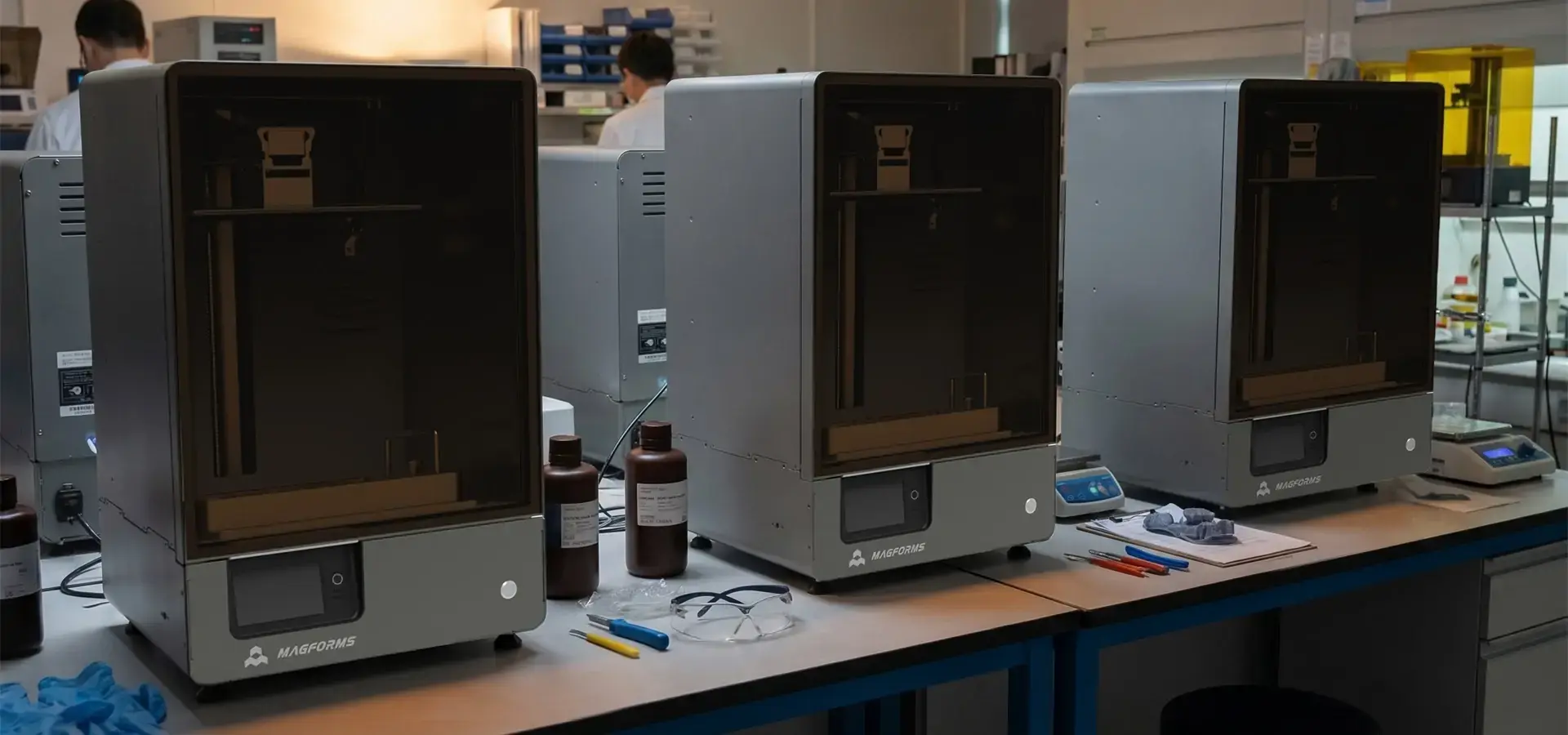
The P13 Pro represents a carefully engineered 3D printing machine that addresses genuine industrial pain points rather than offering incremental improvements to consumer-grade technology. Its combination of extensive build volume, dual heating reliability, material versatility, and operational flexibility delivers tangible workflow transformation across prototyping, tooling, and production applications. Magforms' integrated approach—combining proprietary materials with precisely matched hardware—ensures the performance consistency that B2B environments demand. Procurement managers seeking to modernize additive manufacturing capabilities will find the P13 Pro offers compelling value, balancing industrial-grade performance with operational accessibility.
FAQ
1. What Materials Can the P13 Pro Process Beyond Standard Resins?
The P13 Pro's open-system architecture supports a comprehensive range of photopolymer formulations including engineering-grade ABS-like resins, flexible elastomers, transparent materials for optical prototyping, high-temperature resins suitable for injection molding patterns, and biocompatible formulations meeting ISO 10993 standards for medical device applications. Magforms provides optimized print profiles for its proprietary material line while allowing customers to develop custom parameters for third-party resins.
2. How Does Maintenance Compare to Other Industrial Machines?
Maintenance protocols for this 3D printing machine are streamlined compared to laser-based systems. The LCD panel typically requires replacement after approximately 1,500–2,000 hours of operation, depending on usage intensity and exposure conditions, a predictable wear item costing approximately $200-300. The resin vat demands replacement every 20-30 liters of processed material, depending on resin abrasiveness. These consumables are significantly less expensive than laser tube replacements or galvanometer recalibrations required by traditional SLA systems.
3. Can the P13 Pro Integrate with Existing CNC Workflows?
Absolutely. Many facilities use the P13 Pro for rapid prototyping and tooling fabrication while maintaining CNC capabilities for final metal component machining. The workflow typically involves printing master patterns, vacuum-casting molds, or functional prototypes for design validation before committing to CNC production. The complementary nature of additive and subtractive processes maximizes overall manufacturing flexibility.
Transform Your Production Capabilities with Magforms' P13 Pro
Magforms stands ready to help your organization unlock the full potential of advanced additive manufacturing. Our P13 Pro 3D printing machine delivers the precision, reliability, and material versatility that demanding B2B applications require. We invite procurement managers, engineering directors, and production supervisors to schedule personalized demonstrations tailored to your specific workflow challenges.
Contact our technical team at info@magforms.com to discuss volume pricing, application engineering support, and discover why leading manufacturers across automotive, medical, aerospace, and consumer electronics sectors trust Magforms as their 3D printing machine supplier. Let our decades of industry expertise and comprehensive after-sales support accelerate your journey toward production innovation.
References
1. Gibson, I., Rosen, D., Stucker, B., & Khorasani, M. (2021). Additive Manufacturing Technologies (3rd ed.). Springer International Publishing.
2. Ngo, T. D., Kashani, A., Imbalzano, G., Nguyen, K. T., & Hui, D. (2018). Additive Manufacturing: A Review of Applications and Challenges in Construction Materials and Composites. Composites Part B: Engineering, 143, 172-196.
3. ASTM International. (2021). ASTM F2971-13: Standard Practice for Reporting Data for Test Specimens Prepared by Additive Manufacturing. West Conshohocken, PA: ASTM International.
4. Wohlers Associates. (2022). Wohlers Report 2022: 3D Printing and Additive Manufacturing Global State of the Industry. Fort Collins, CO: Wohlers Associates, Inc.
5. Sculpteo. (2021). The State of 3D Printing 2021: Industry Insights and Forecasts. Sculpteo Industry Report Series.
6. ISO/ASTM. (2021). ISO/ASTM 52900:2021: Additive Manufacturing — General Principles — Fundamentals and Vocabulary. Geneva: International Organization for Standardization.

Magforms makes design and manufacture easier.
Popular Blogs
-
 Industry InsightsManufacturing Industry
FDM vs. SLA Printer: Which Technology Is Right for Your Project?
-
 Industry InsightsManufacturing Industry
Top 5 Applications of Industrial 3D Printers in Manufacturing Today
-
 Industry InsightsManufacturing Industry
Why Stereolithography 3D Printers Are Unmatched for Microfluidic Device Prototyping?