What Makes a Fast resin 3D printer Essential for Modern Makers?
A fast resin 3D printer changes the way accurate manufacturing is done by making it faster without lowering the quality. Modern machines can build vertically at speeds over 100–170mm/hour, while traditional systems can only do 30–50mm/hour on average. This is possible with features like monochrome LCD screens, improved release films, and closed-loop motor control. This technology cuts down on important prototyping delays, so engineers in the automotive, aerospace, consumer electronics, and dental industries can make working parts in hours instead of days. This speeds up product development and puts companies ahead of the competition.
Understanding Fast Resin 3D Printing Technology
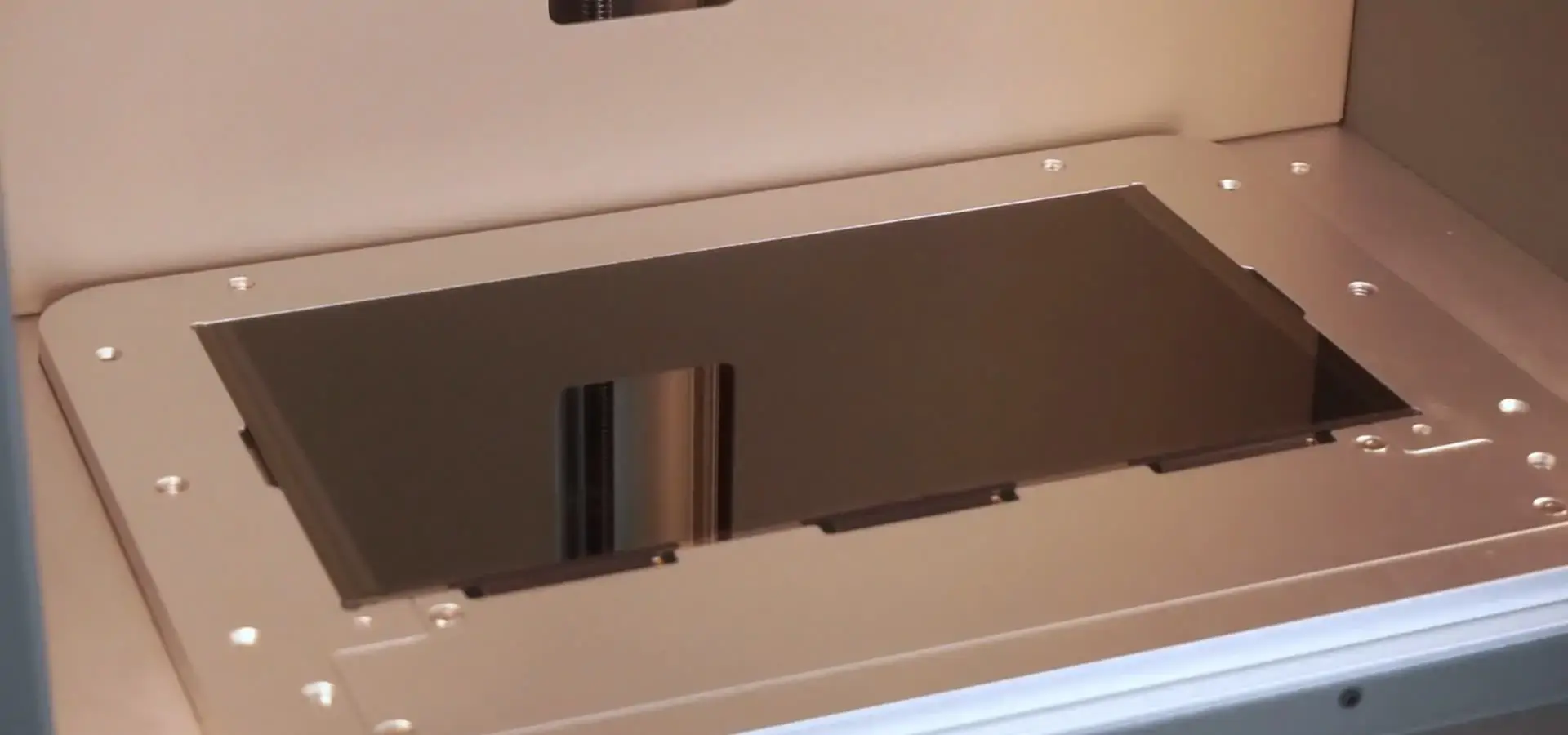
Using Masked Stereolithography (mSLA) or Digital Light Processing (DLP) technologies, Fast resin 3D printing is a more advanced form of vat photopolymerization equipment. These methods are designed to overcome the limitations of traditional resin printing systems, particularly the high peeling resistance and layer separation forces during the curing process. The main improvement is that it cuts print times by a lot without losing any accuracy or detail.
When compared to regular resin printers, fast models can print more quickly because they have a number of built-in improvements. Older RGB LCD screens in early resin 3D printer systems are being replaced with high-transmittance monochrome LCD panels in modern fast resin 3D printer systems, often reaching 12K or 14K resolution. This significantly reduces exposure time per layer. Chip on Board (COB) UV LED light sources combined with LCD masking systems help maintain uniform light intensity (mW/cm²) across the build area. This makes sure that the cure process is even when speeds are sped up.
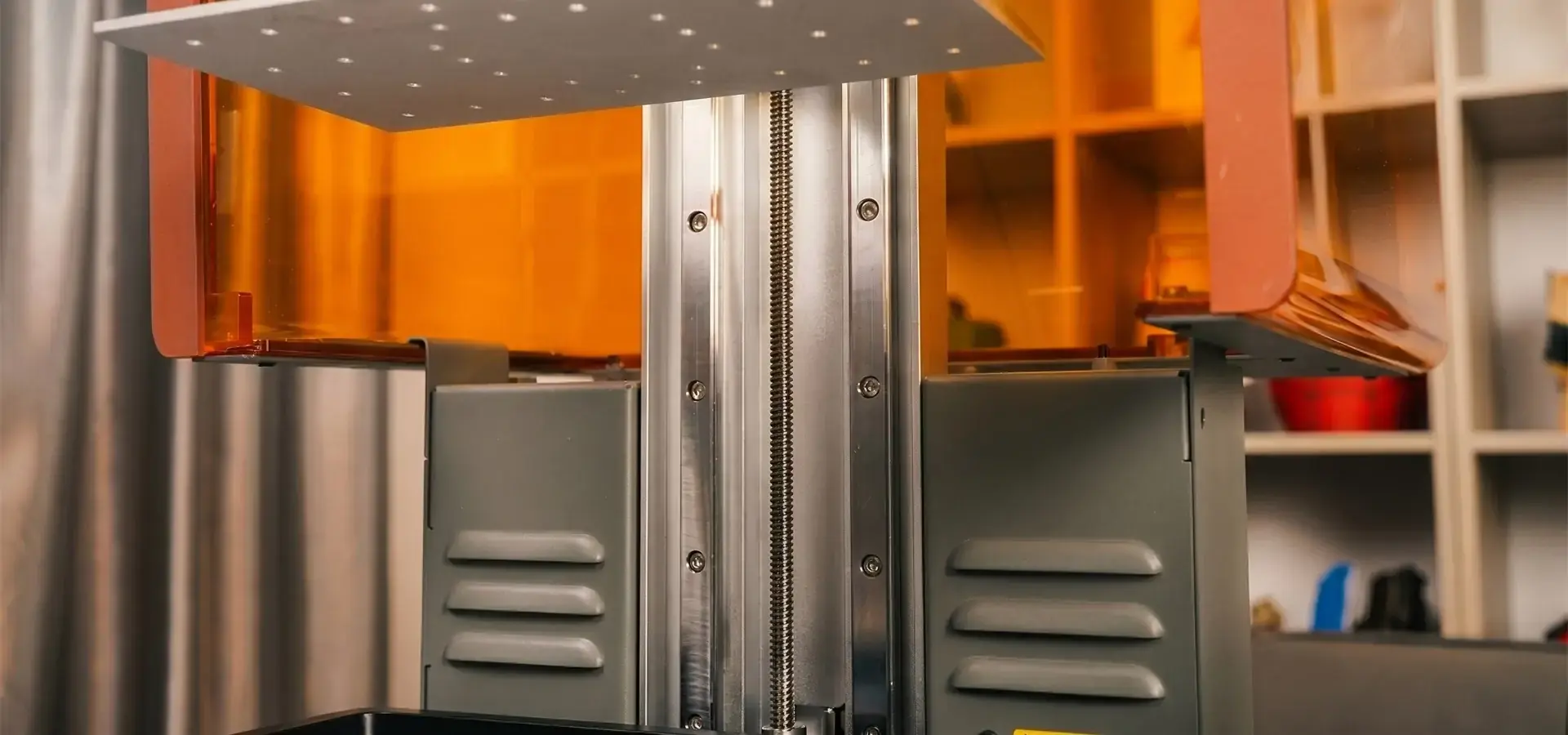
A very important part is also the technical design. The Z-axis stays stable with less than 0.01 mm of wobble thanks to two linear rails. This stability is maintained even at high Z-axis movement speeds of up to 300 mm/s. Specialized release film technologies, such as Advanced Composite Film (ACF) or unique low-tension films, greatly lower the peel force and lift delay between layers. This keeps the layers from coming apart during fast operation.
Material compatibility grows by making photopolymers with low viscosity (less than 200 mPa·s) and high photo-initiator sensitivity. These "fast resins" allow for quick reflow and instant polymerization, which boosts productivity, especially for B2B clients who need consistent, reliable output for prototypes and small production runs. The integration of optical, mechanical, and chemical technologies makes it possible to print vertically at speeds of over 100 mm/h in normal modes and up to 170 mm/h in turbo setups. This is much faster than the average 30 to 50 mm/h in the industry.
The core LCD-based mSLA architecture directly addresses the key challenge in resin printing: layer separation forces. In traditional resin printers, the peel process takes a long time because each layer has to separate from the film or vat bottom. New developments in film technology and release mechanisms lower the pulling force. This lets the models separate more quickly without the film or models coming loose. Thermal management systems keep LCD screens below 60°C even when they are being used continuously. This keeps them from burning out too quickly and keeps the quality of the prints even during long production runs.
Speed Comparison and Performance Evaluation
Modern fast resin 3D printing systems cut print times by 200 to 300 percent compared to normal equipment, according to a quantitative study. A dental arch that used to take two hours could now be finished in just 35 to 40 minutes. This would allow patients to be fitted the same day, which would greatly improve chairside processes. When systems are properly adjusted and matched with the right materials, this speed doesn't come at the cost of quality.
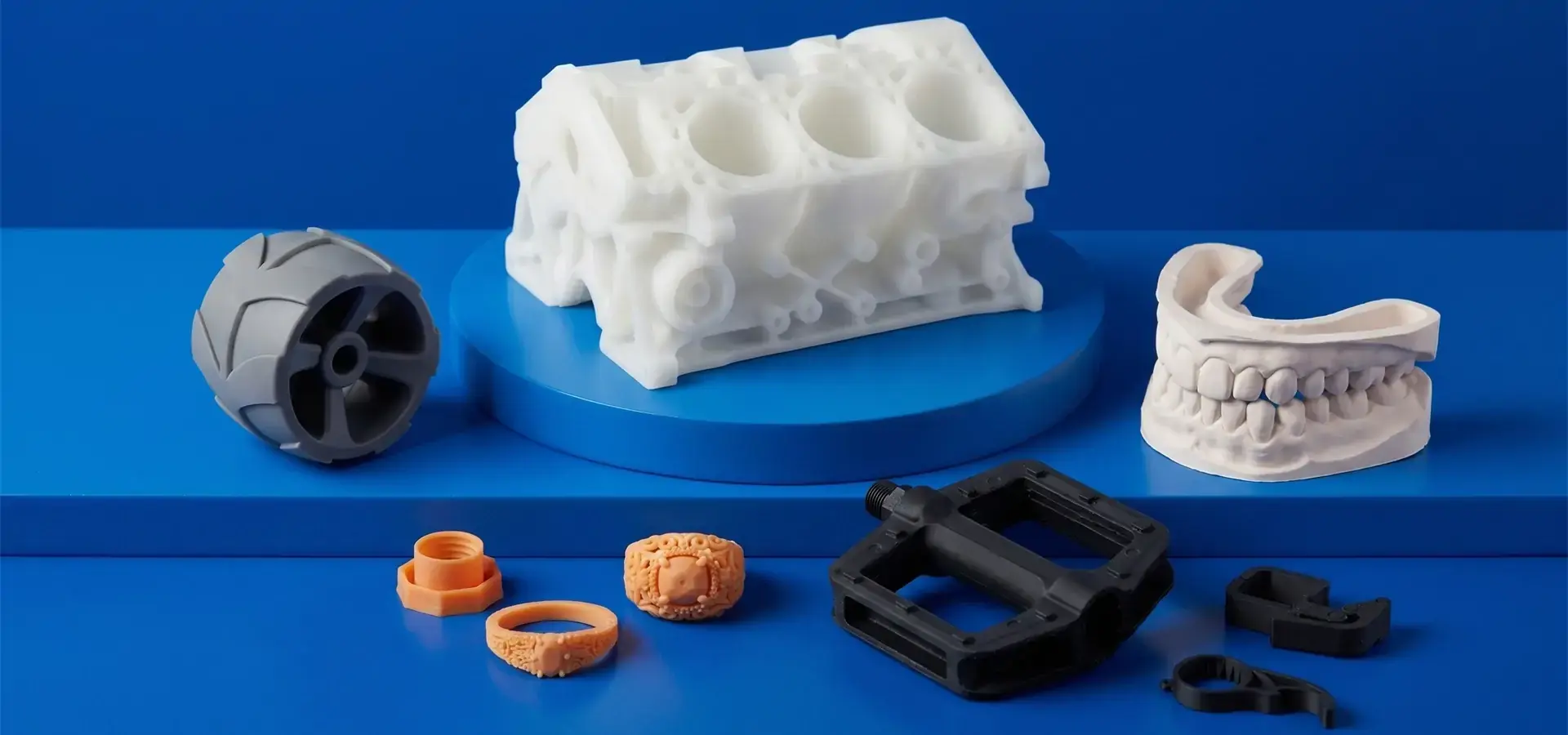
Case studies from real life show how business changes can be seen and felt. A jewelry maker who works nonstop, 24 hours a day, seven days a week said that the daily output of wax-castable patterns tripled, turning a single machine into what works like a mini-factory. The functional component validation cycle for a car development team was cut from three days to a single afternoon shift, but they kept the tight tolerances of ±0.05mm needed for snap-fit verification.
To improve performance, you need to pay attention to a number of things. For certain resins, the print settings need to find the right mix between layer thickness, exposure time, and lift speeds. Chemical interaction with optical systems and mechanical parts is ensured by using materials that the maker recommends. Maintaining release sheets and checking the regularity of UV light on a regular basis keeps quality from going down over time.
Digital dentists who use high-speed tools say they can make whole batches of aligner models in less than 40 minutes, which lets them fit patients right away and cuts down on the work that needs to be done. Consumer electronics development teams can print complex shell designs and internal structures for wearable tech in just a few hours, which works well with quick product updates and different design versions. These measured gains directly lead to shorter lead times and higher profits in fields that need to iterate quickly.
Making the Right Choice: Fast Resin 3D Printer Procurement Guide
When choosing industrial-grade tools for a fast resin 3D printer, you need to look at a number of important factors. Print speed is still very important, but it needs to be looked at along with clarity, build volume, mechanical dependability, and the total cost of ownership. It doesn't matter how fast a system can move vertically (150 mm/h) if it can't keep measurements accurate or needs to be fixed often.
Resolution specs are usually between 8K and 14K, which means that even at fast speeds, small details can be shown. The build volume needs to be big enough to hold your biggest expected parts, and you need to be aware that bigger platforms may make it harder to get the edges of the plate to be regular. Metrics for reliability include the quality of the mechanical parts. For example, dual linear rails and ball screw systems show better Z-axis stability than single-rail designs.
Supplier reliability and strong after-sales support are critical factors in ensuring long-term operational stability and minimizing production downtime. Downtime for equipment has a direct effect on production schedules, so quick expert help and easy access to replacement parts are very important. In addition to covering basic mechanical problems, warranties should also cover optical parts like LCD screens, which are very expensive to repair.
Choosing between normal and high-speed printers relies on the needs of the job. The speed advantages help operations that focus on fast prototyping and frequent design revisions the most. Small-batch production runs, like those used in dentistry, jewelry, or making custom parts, see an instant return on investment (ROI) through higher productivity. On the other hand, applications that want the highest quality for show models or the least amount of post-processing might be okay with longer print times.
Costs and material suitability must be taken into account when buying something. Systems that need special resins make it harder to change how things are done and usually cost more in the long run. Open-material platforms let you keep costs down and make sure that the qualities of the plastic are exactly what the application needs. Long-term operating costs are affected by the ecosystem of compatible materials, their availability, and their price structures just as much as the initial investment in tools.
Procurement and Logistics for Fast Resin 3D Printers
To make procurement plans work for a fast resin 3D printer, you need to find reliable B2B platforms and wholesale sites where well-known providers do business. It's possible to get discounts on both tools and consumables when you buy in bulk. This can help businesses that are planning to buy a lot of things or need materials on a regular basis.
Understanding how shipping works helps avoid delays that are out of your control. Industrial resin printers are precise pieces of equipment that need to be handled with care and often need special freight arrangements. Delivery times should include time for clearing customs, transporting goods within the country, and helping with installation. Making sure you understand the warranty terms before you place your order makes sure that coverage starts correctly and that technical help lines work as they should.
Aside from the main tools, operations also need certain accessories and products to run smoothly. When parts reach the end of their useful lives, replacement release films, extra LCD screens, and adjusted build plates keep the system running. Keeping track of your material supplies makes sure that production keeps going without having to pay more for rush orders. Many businesses set up two sources for important supplies to protect themselves from supply problems.
Strategic purchasing and reliable supply lines ensure that high-speed output can continue at all times. Building relationships with suppliers who keep enough stock on hand, offer expert advice, and back equipment throughout its useful life makes operations more stable in a way that price-based buying can't.
Diversified buying methods keep you from having to deal with a single point of failure. By qualifying more than one material source for each type of resin used in production, choices are available in case wait times grow or quality problems arise. Keeping the right amount of supplies in stock based on how often they are used and how long it takes for suppliers to deliver them stops production breaks that take away from the speed benefits of these systems.
Future Trends and Innovations in Fast Resin 3D Printing
The fast resin 3D printing business is still changing thanks to new ideas in many areas. As resin chemistry improves, the focus is on making materials with even lower viscosity and faster curing times. These materials push the limits of speed while adding more mechanical property choices. Engineering-grade resins that are stronger, more resistant to temperature changes, and more chemically stable make it possible to make useful parts for end use beyond testing.
Exposure times could be cut even more with better light sources that use higher-intensity LED clusters and better collimation systems. AI-driven automation is built into the slicing software and the printer firmware. It automatically finds the best place for supports, changes exposure settings based on shape, and predicts when maintenance is needed before they break.
These advances in technology will have an effect on industry around the world by making customization and time-to-market processes even faster. OEMs and B2B clients who are at the front of the usage curve gain real economic benefits. The gap between digital design and actual proof keeps getting smaller, which is completely changing how products are made in all fields.
Strategies for buying things that look to the future stress working together with creative sellers who introduce new technologies before the market does. When buying equipment today, it's important to make sure that it can be upgraded and that the software will still work with it in the future. Preventing premature failure can be done by working with suppliers who show ongoing R&D commitment and regular product evolution.
Conclusion
Fast resin 3D printing technology has evolved from early-stage development into a mature production-ready solution. It solves major problems in the industry related to development delays and manufacturing flexibility. The significant speed advantages—200 to 300 percent faster than traditional systems—lead to shorter development processes and faster response times to market changes. To get these benefits, you need to carefully choose the tools you need, make sure the materials you use will work together, and form partnerships with sellers who can provide full support. Systems that keep micron-level accuracy while greatly speeding up output are very valuable in many fields, from dentistry to aerospace. These systems change what's possible in fast iteration and customized production.
FAQ
1. How much faster are high-speed resin printers compared to standard models?
Modern fast resin 3D printers can achieve vertical build speeds of 100 to 170 mm/hour, while conventional resin printing systems typically operate at 30 to 50 mm/hour. This is a speed increase of 200 to 300 %. Actual job completion times rely on the shape of the part and the quality settings that are chosen. However, in the real world, print times for common production parts have been cut from several hours to less than an hour while keeping clarity and accuracy.
2. What are the tangible benefits for prototyping operations?
With accelerated printing, design changes can be made on the same day instead of over several days. Engineering teams can test fit, function, and looks in a single work shift, which cuts the time it takes to make a product by a huge amount. This flexibility lets more design options be tried directly while still staying within project budgets and timelines. This improves the quality of the final product while cutting down on time-to-market, which is very important in competitive industries where delays cost market share.
3. How do I maintain printer longevity and performance?
As part of regular maintenance, the state of the release film is checked and replaced if it becomes cloudy or damaged. The UV light level across the build plate is also checked, optical components are cleaned, and proper temperature management is ensured. Chemical conflicts that speed up wear can be avoided by using materials that were recommended by the maker. By following the calibration steps, you can keep the dimensions accurate, and by keeping the software up to date, you can get the best performance as makers improve the working algorithms based on feedback from users.
Partner With Magforms for High-Performance Resin Printing Solutions
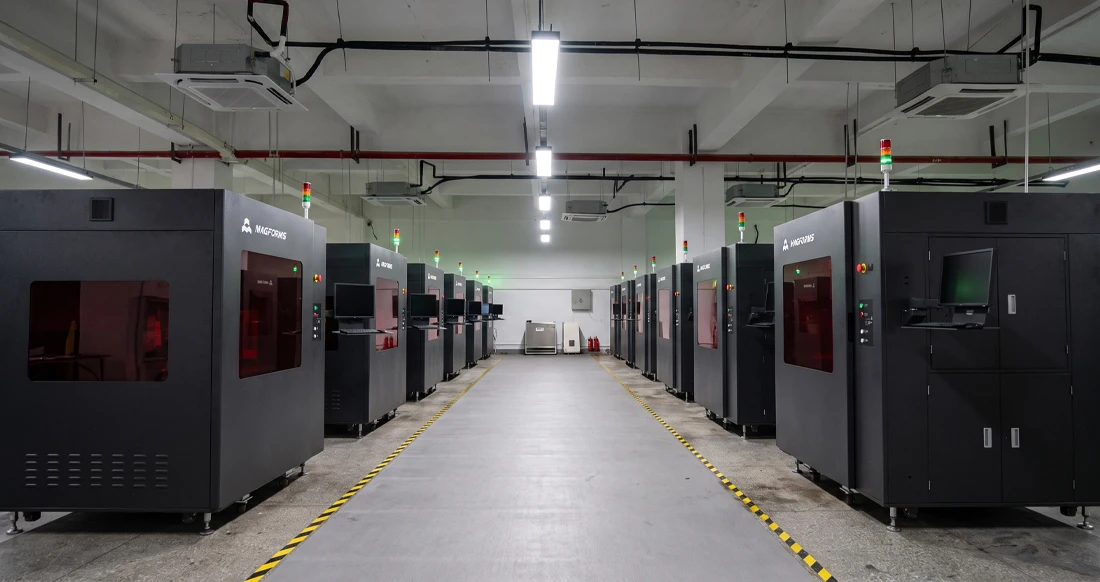
Magforms offers complete, all-in-one solutions that combine precise machinery with optimal materials. These solutions solve the interface problems that come up when processes mix third-party parts. We are a well-established manufacturer of fast resin 3D printer systems. With 22 patents and partnerships with over 300 global enterprises, we provide reliable technical support for industrial-scale production. Our systems are built on high-efficiency LCD-based mSLA architecture, combining monochrome high-transmittance LCD panels, COB UV LED light sources, and AI-optimized exposure control to achieve over 30% higher productivity while maintaining micron-level accuracy. Our professional support team has years of experience in the field, which makes sure that installation goes smoothly and performance lasts. Get in touch with info@magforms.com right away to talk about how our fast resin 3D printer for sale choices can change the way you make things by giving you solutions that are perfect for your needs and the size of your business.
References
1. Chen, Y., & Wang, Z. (2022). Advances in Photopolymer Materials for High-Speed Stereolithography. Journal of Manufacturing Science and Engineering, 144(8), 081005.
2. Gibson, I., Rosen, D., Stucker, B., & Khorasani, M. (2021). Additive Manufacturing Technologies (3rd ed.). Springer International Publishing.
3. Huang, J., Qin, Q., & Wang, J. (2023). Process Optimization and Mechanical Characterization of Fast-Curing Resins in Digital Light Processing. Polymer Testing, 118, 107891.
4. Ligon, S. C., Liska, R., Stampfl, J., Gurr, M., & Mülhaupt, R. (2017). Polymers for 3D Printing and Customized Additive Manufacturing. Chemical Reviews, 117(15), 10212-10290.
5. Stansbury, J. W., & Idacavage, M. J. (2016). 3D Printing with Polymers: Challenges Among Expanding Options and Opportunities. Dental Materials, 32(1), 54-64.
6. Zhang, J., Hu, Q., Wang, S., Tao, J., & Gou, M. (2020). Digital Light Processing Based Three-dimensional Printing for Medical Applications. International Journal of Bioprinting, 6(1), 242.

Magforms makes design and manufacture easier.
Popular Blogs
-
 Industry InsightsManufacturing Industry
FDM vs. SLA Printer: Which Technology Is Right for Your Project?
-
 Industry InsightsManufacturing Industry
Top 5 Applications of Industrial 3D Printers in Manufacturing Today
-
 Industry InsightsManufacturing Industry
Why Stereolithography 3D Printers Are Unmatched for Microfluidic Device Prototyping?