Can the P7 Pro Stereolithography 3D Printer Reduce Prototype Costs?
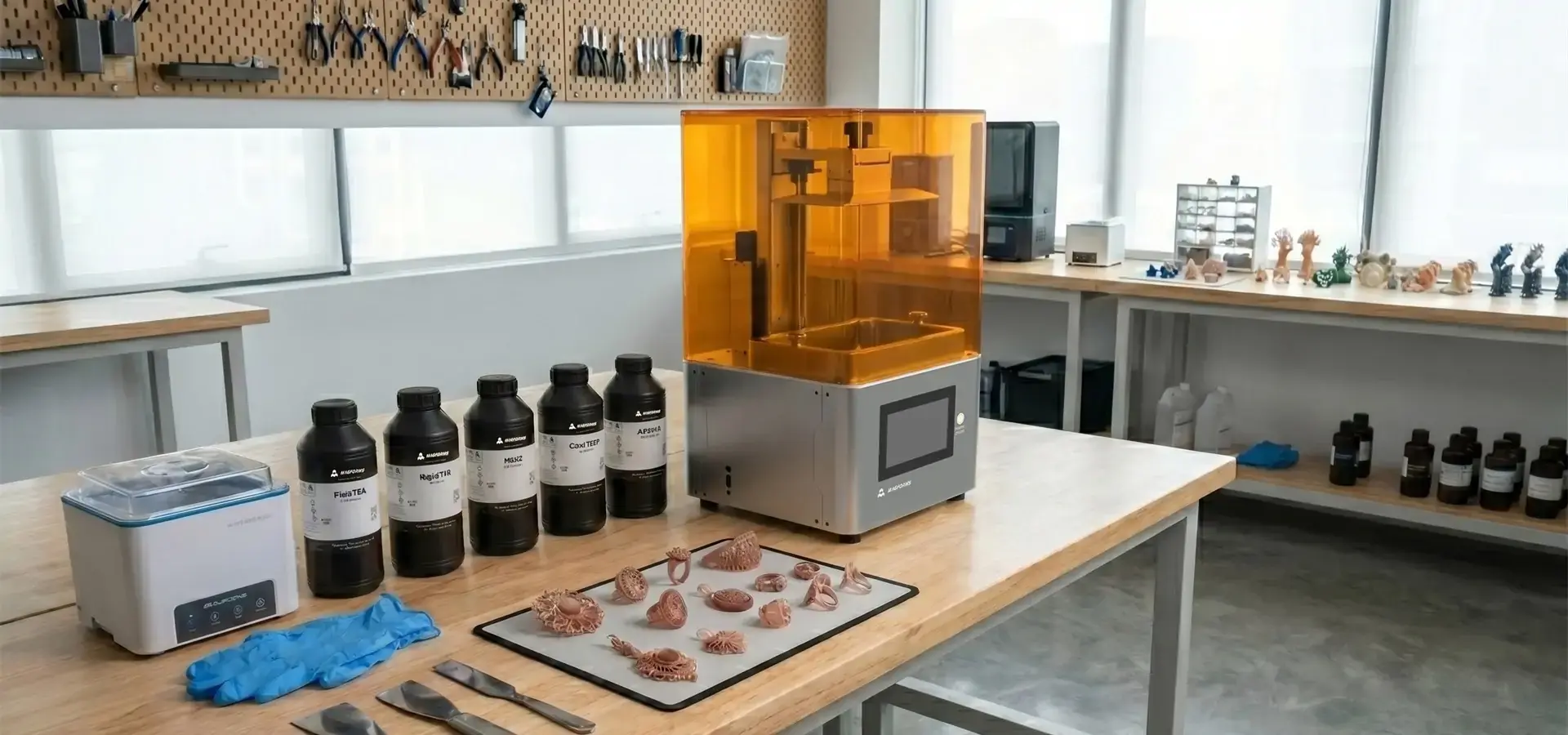
The P7 Pro stereolithography 3D printer can cut the cost of prototypes by a large amount thanks to its advanced engineering and high level of operating efficiency. This small desktop resin printer solves the biggest financial problems in the industry by cutting down on wasteful material use, shortening the time needed for iterations, and keeping high print success rates that stop expensive production failures. With smart temperature control and a unique greyscale adjustment method that achieves 9 μm XY precision, this machine gives you jewelry-grade accuracy while keeping your running costs known and doable.
Understanding Stereolithography and Its Role in Prototyping
Resin-based additive manufacturing has revolutionized how engineering teams approach product development, particularly when precision cannot be compromised for speed or budget constraints.
How Stereolithography Technology Works
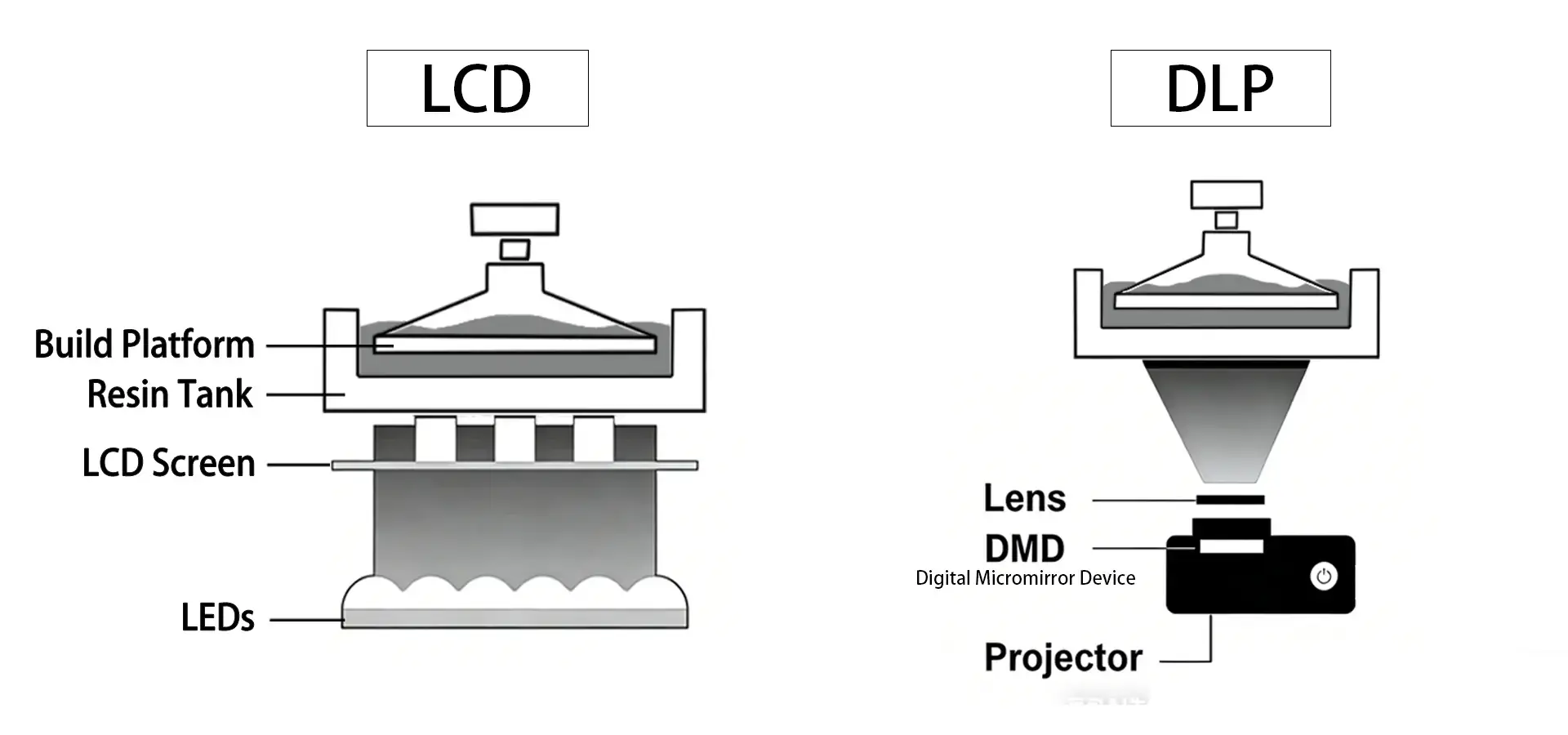
Ultraviolet light (UV light) cures liquid photopolymer resin layer by layer into solid cross-sections. This is the fundamental principle behind stereolithography-based and LCD resin 3D printing technologies. The build platform slowly drops into a vat of photosensitive material, which lets three-dimensional things be built up layer by layer. This method, unlike extrusion-based methods that spread melted thermoplastics, makes parts with uniform mechanical properties and shapes that don't let water in. In traditional SLA systems, a laser scans each layer, while LCD-based resin printers use a monochrome LCD mask and UV backlight to expose entire layer patterns simultaneously from CAD data. This enables highly accurate prototype production without the tooling investment required for injection moulding, making it suitable for design verification and functional testing.
Why Prototyping Demands High-Resolution Output
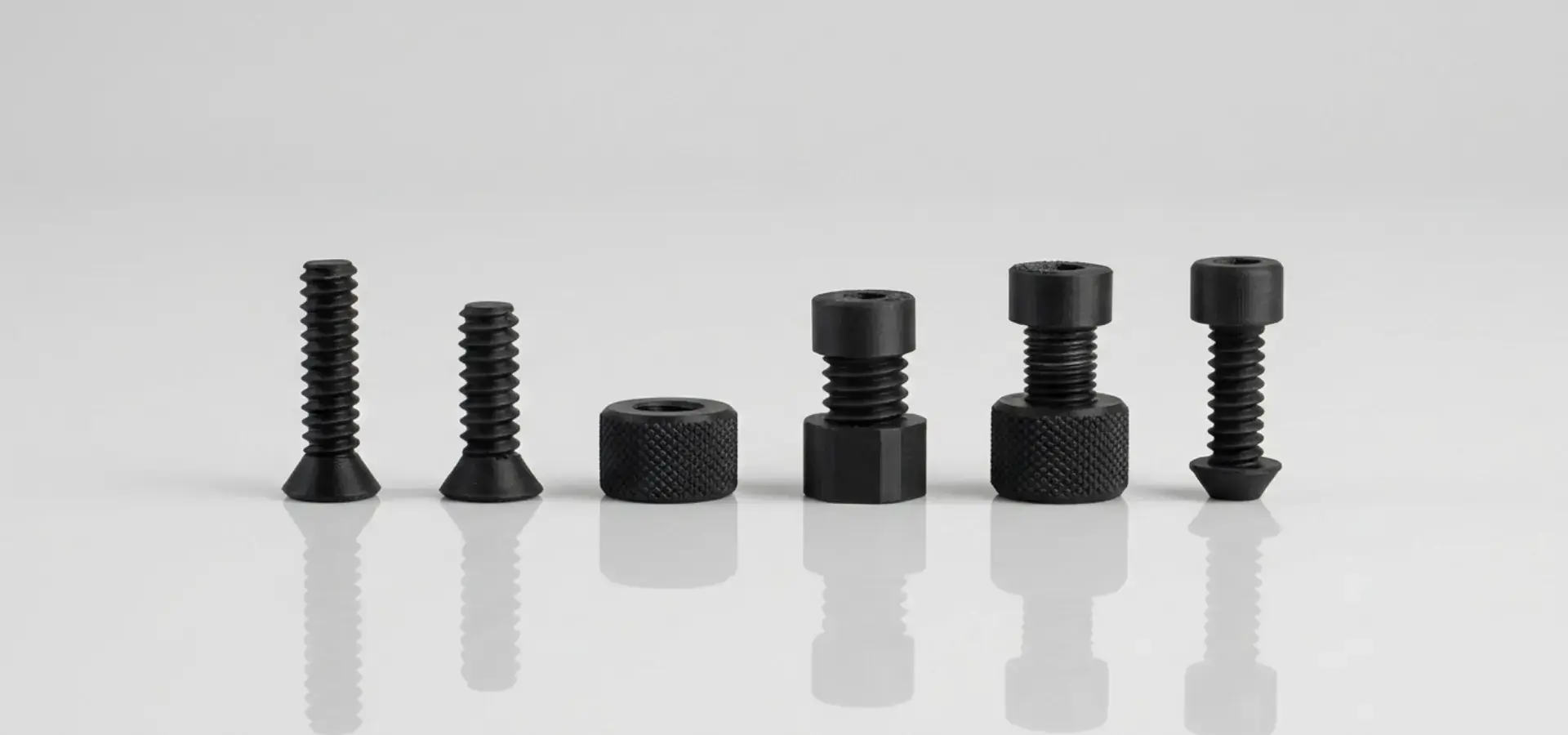
Every year, the time it takes to make a new product gets shorter, which forces design teams to test ideas quickly without losing accuracy. For complicated biological forms or elaborate grid structures, traditional cutting is too expensive. FDM technology often exhibits visible layer lines and anisotropic mechanical properties, which can limit surface quality and fine-detail reproduction. Stereolithography technology fills in this gap by providing smooth surface finishes right off the build platform. This cuts down on post-processing work and makes it possible to test the functionality of snap-fit kits, threaded components, and clear optical parts. This technology is used by companies that make medical devices, cars, and consumer goods to find design flaws early on, before they start mass production.
P7 Pro Stereolithography 3D Printer Technical Capabilities
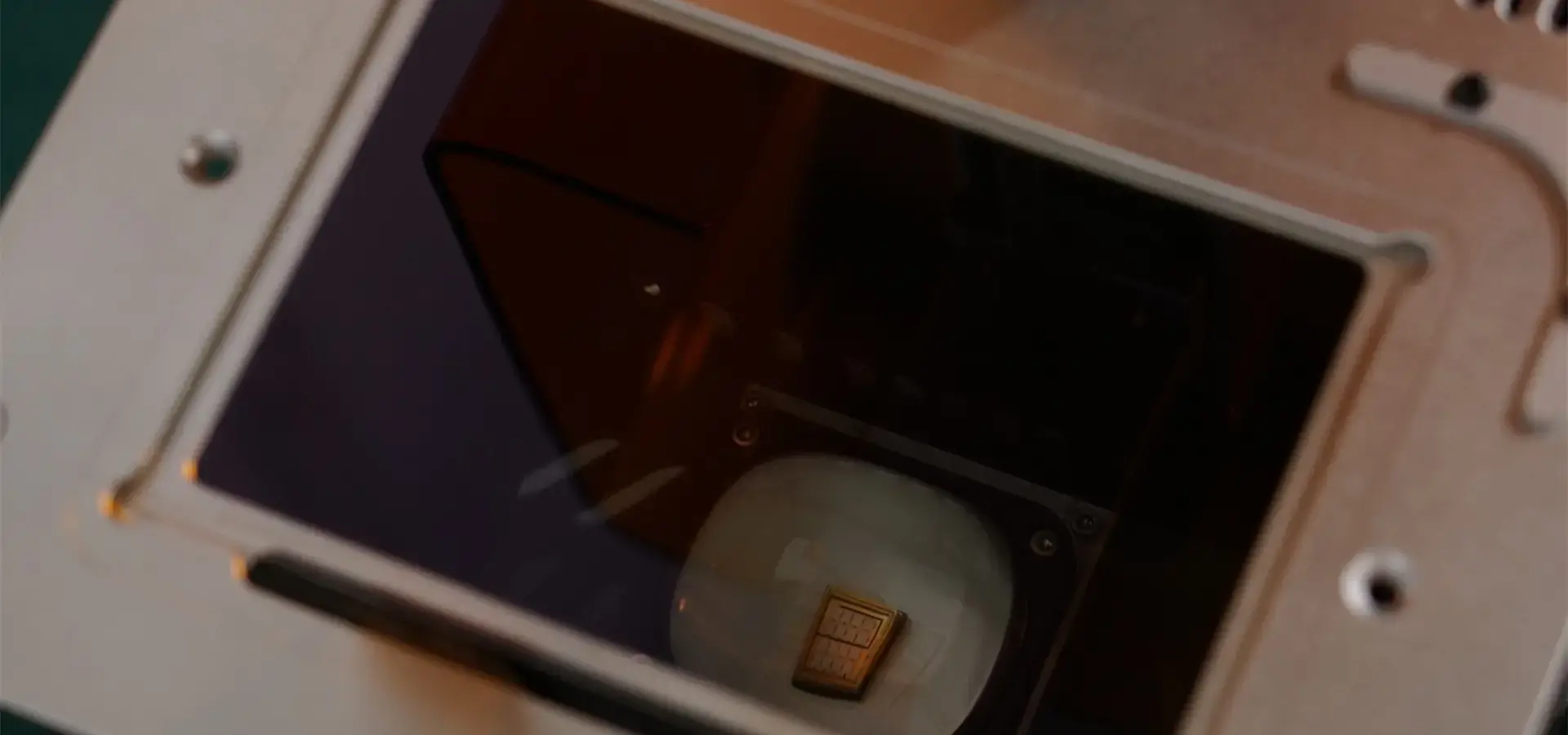
The Magforms P7 Pro is different because it has a few technical improvements that have a direct effect on the cost of the prototype. It has a 6.8-inch 9K black-and-white LCD screen with 18 ×18 μm pixels, providing an 8520 × 4320 resolution capable of reproducing extremely fine details, including intricate textures, small engravings, and fine thread features. The built-in Imadjust greyscale correction technology improves edge definition and dimensional accuracy, enabling an effective XY precision of up to 9 μm under optimized printing conditions, which enables detail reproduction comparable to that of many professional-grade resin printing systems. P-grade industrial linear rails make sure that the Z-axis moves consistently across the 153.36 × 77.76 × 160 mm build space. The full-metal body stops noises that cause layers to shift. A smart heating system keeps the resin vat at a steady 30℃ no matter what the weather is like outside. This stops the frequent print failures that happen in workshops with changing weather.
How the P7 Pro Addresses Prototype Cost Challenges
Budget overruns in prototype development stem from multiple compounding factors that extend beyond the sticker price of equipment.
Breaking Down Hidden Expenses in Traditional Methods
Traditional ways of testing with a stereolithography 3D printer come with high hidden costs that cut into project savings. CNC cutting needs skilled workers, takes hours to set up, and wastes more than 60% of the material when the geometry is complicated. When you outsource to service centers, you have to wait 5–10 business days for your order to arrive, and the price of each part goes up quickly as the design changes. FDM printers are easy to use, but they require a lot of support removal and cleaning work, and prints that don't work right waste time and materials for the user. Many engineering teams don't realise how expensive iteration cycles can be over time. Each change to the design causes more delays in production, shipping, and testing.
Material Efficiency Through Precision Control
The P7 Pro's uniform light source and greyscale optimisation make it so that less resin is used per part. Conventional LCD resin printers may experience uneven curing due to variations in light uniformity and exposure distribution. Excessive exposure can increase resin consumption and reduce dimensional accuracy, particularly in fine-featured parts. Magforms' calibrated light engine cures resin with controlled exposure across the build area, helping maintain consistent dimensional accuracy across the build platform under recommended operating conditions. With this level of accuracy, support structures can be smaller, use less resin, and break away neatly without hurting the surfaces of the parts. Layer thickness can be changed from 25 to 150 μm, which lets operators find the best balance between speed and detail needs. For example, thicker layers can be used for draft models and finer resolution for validation samples, which makes the best use of material for each application.
Operational Reliability Reduces Downtime Costs
One of the most expensive parts of resin printing is print failures, which waste materials, machine time, and user time without creating useful output. The P7 Pro's smart heating system helps maintain stable resin viscosity and curing performance, reducing temperature-related print inconsistencies. By maintaining a stable resin temperature, it helps reduce layer separation, incomplete curing, and other temperature-induced printing defects, even when the temperature in the workshop changes with the seasons. In controlled production environments, stable temperature management can contribute to significantly improved print consistency and success rates. The UV-resistant glass cover lets you keep an eye on the process without stopping prints, and the 5-inch touchscreen lets you change settings in the middle of a job, saving prints that would have failed on less flexible machines.
Accelerating Time-to-Market
In addition to saving material directly, the P7 Pro shortens development times by making iterations happen more quickly. Within 24 hours, design teams can print test pieces at night, look at the results in the morning, make changes, and start another print cycle. This fast feedback loop finds engineering problems during the planning phase, before they become production tools, where fixing them costs a lot more. In many product development workflows, bringing prototyping capabilities in-house can substantially shorten iteration cycles by eliminating outsourcing lead times and communication delays. This speed is especially helpful in the jewellery business, which has to test several different casting pattern changes in just one work week to meet client approval dates.
Comparing the P7 Pro With Other Stereolithography and 3D Printing Options
Procurement decisions require evaluating competing technologies against total cost of ownership rather than acquisition price alone.
Desktop SLA Versus Industrial Systems
Established makers of industrial SLA stereolithography 3D printer machines make very high-quality machines, but they cost a lot—starting at $50,000—and need to be kept in special rooms with temperature control and air systems. While these systems work well for high-volume production settings, small workshops, design companies, and educational schools with limited funds still can't afford to use them. The P7 Pro delivers surface quality and dimensional accuracy comparable to many industrial resin printing systems for prototyping and design validation applications, but it takes up much less space on your desk and costs much less. Because of its compact and integrated design, it can be installed without the specialized environmental infrastructure often required by large industrial systems. This means it can be used in a wide range of places, from basement workshops to university labs.
LCD Versus DLP Technology Trade-offs
Digital Light Processing printers use projector arrays to flash whole layers at once, which speeds up the production of many similar parts at once. The P7 Pro's grayscale-adjusted LCD technology can achieve detail reproduction comparable to many DLP systems while maintaining a lower equipment cost while still letting you print one-of-a-kind things cheaply. Some traditional projector-based DLP systems may require periodic maintenance or light-source replacement, depending on system design and operating hours that raise potentially increasing long-term ownership costs compared with monochrome LCD-based systems. These maintenance differences can significantly influence long-term total cost of ownership.
Material Ecosystem Considerations for a Stereolithography 3D Printer
Many resin printer makers force users to use their own special materials by using chip-enabled cartridges or guarantee limits. This makes the cost of a litre of resin 40–60% higher than with open-system options. Magforms made the P7 Pro as an open-architecture platform that works with resins from other companies. This way, users can choose materials based on their technical needs and price, instead of being locked into one provider. The company's own material recipes go through strict tests to make sure they work well with the printer's light engine tuning. This ensures accurate results while still letting users try out different resins for specific uses, such as high-temperature resistance or biocompatibility.
Optimizing P7 Pro Performance to Maximize Prototype Cost Efficiency
Technical capability means little without proper operational practices that extract maximum value from the equipment investment.
Layer Thickness Strategy
Print speed and quality needs can be balanced by choosing the right layer heights. The P7 Pro can go from 25 to 150 μm thick, so workers can change the settings to fit the goal of the prototype. Draft models for spatial proof print quickly at 100–150 μm, finishing overnight prints that would take 18 hours or more at a higher resolution. 25–50 μm layer heights significantly reduce visible layer lines and improve surface smoothness and show thread details in final validation versions that will be shown to clients or put through functional testing. If you use the highest quality for each revision, this strategy cuts the total print time across development rounds by 30 to 40 percent.
Support Structure Optimization
Too many supports on a stereolithography 3D printer lose material and leave marks on the surface that need a lot of post-processing. When compared to less stable machines, the P7 Pro's solid binding and fine Z-axis control let it use less support density. Magforms suggests putting parts at angles between 30 and 45 degrees to lower the pressure forces that happen when layers separate, which means that fewer support contact points are needed. You can change the automatically formed supports in the slicing software that comes with the printer so that lighter contacts are used on obvious surfaces and heavier structures are kept on secret areas. This keeps the quality of the design and ensures a successful print.
Preventive Maintenance Protocols
Regular maintenance makes tools last longer and stops problems in the middle of a job that throw off plans. The metal frame and industrial-grade linear tracks of the P7 Pro don't need much maintenance, but resin vat care is still very important. Operators should filter resin through an appropriate mesh filter to remove partially cured particles before reuse and look for clouding or holes in the FEP film every 10 to 15 prints to get rid of any finished particles. Light emission is kept even by cleaning the screen with isopropyl alcohol every 20 hours of printing. These easy steps, which take less than 15 minutes a week, stop the quality from slowly declining over time, which shortens the useful life of machines and raises the cost of parts over long periods of time.
Environmental Control Best Practices
Even though the P7 Pro's internal heater keeps the vat at a constant temperature, the thickness of the resin still changes depending on the weather and humidity outside. Keeping resin bottles that haven't been opened between 18 and 25℃ keeps the material's qualities. Allow resin to reach its recommended operating temperature before printing to ensure consistent viscosity and curing performance. The UV-resistant cover keeps light from curing the resin in the pot too quickly, but the printer should still be kept out of direct sunlight and electric lights that give off UV-spectrum components. These natural factors don't cost anything to put into place and increase success rates in a measurable way.
Procurement Guide: How to Acquire the P7 Pro Stereolithography 3D Printer
Making informed purchasing decisions requires understanding available acquisition channels and post-sale support infrastructure.
Direct Manufacturer Relationships
Purchasing directly from Magforms through authorized channels ensures authentic hardware, valid warranties, and access to technical support teams familiar with the equipment. The company maintains a global distribution network spanning North America, Europe, and Asia-Pacific regions, with regional representatives providing localized service. Direct procurement typically includes bundled starter packages with resin samples, cleaning supplies, and extended technical support periods that help new users achieve productivity faster than equipment-only purchases.
Evaluating Total Acquisition Costs
Beyond the printer itself, budget-conscious buyers should account for essential accessories and consumables. Initial setup requires isopropyl alcohol or TPM for part washing, a UV curing station for post-processing, nitrile gloves, and safety equipment. Replacement FEP films cost approximately $25-40 and last 50-100 prints depending on part geometries. Resin consumption varies by application, but typical prototyping operations use 1-2 liters weekly at $40-80 per liter for engineering-grade formulations. These predictable ongoing expenses allow accurate per-part cost modeling when evaluating ROI against outsourcing alternatives.
Warranty and Support Considerations
The P7 Pro includes comprehensive warranty coverage protecting against manufacturing defects and component failures during the guarantee period. Magforms' technical support team provides multilingual assistance via email, phone, and video conferencing to troubleshoot issues and optimize print parameters. This responsive service infrastructure proves invaluable during the learning curve phase, helping teams achieve consistent results within weeks rather than months of trial-and-error experimentation. Extended warranty options and priority support tiers suit production environments where downtime directly impacts revenue generation.
Bulk Procurement Incentives
Educational institutions, service bureaus, and manufacturing facilities deploying multiple units benefit from volume pricing structures and coordinated installation support. Magforms offers customized training programs for organizations equipping multiple operators, covering resin handling safety, slicing software optimization, and preventive maintenance protocols. These bundled services accelerate workforce capability development, ensuring maximum return on capital equipment investments.
Conclusion
The P7 Pro delivers measurable cost reductions across prototype development workflows through exceptional precision, operational reliability, and material efficiency. Its effective 9 μm XY precision supports the production of highly detailed jewelry patterns and precision prototypes while maintaining the accessibility and footprint of desktop equipment. Intelligent temperature control and grayscale optimization eliminate the chronic print failures that inflate true per-part costs. When compared against industrial alternatives or outsourced services, this platform offers compelling total cost of ownership advantages for engineering teams, design studios, and manufacturing operations requiring high-fidelity prototypes without enterprise-scale budgets.
FAQ
How does resin printing compare economically to filament-based methods?
Stereolithography generally costs more per cubic centimeter of material than FDM printing, but the comparison shifts when accounting for labor and iteration cycles. Resin parts typically require washing and UV post-curing, while support removal and light finishing may also be necessary depending on geometry and surface requirements, often reducing the sanding and surface-finishing work commonly required for FDM prototypes intended for presentation or fit verification. The superior detail capture reduces design iterations by catching fitment issues that coarser FDM resolution misses. For prototypes where precision matters, Stereolithography often proves more economical despite higher material costs.
What maintenance expenses should we budget annually?
Expect to replace the FEP film 2-4 times yearly depending on print volume, costing $100-160 total. The monochrome LCD screen lasts thousands of hours but eventually requires replacement at approximately $200-300. Resin consumption dominates ongoing costs, typically ranging from $2,000-5,000 annually for active prototyping operations. These predictable expenses allow accurate cost-per-part modeling.
Can the P7 Pro handle batch production or just single prototypes?
The 153.36 × 77.76 mm build area accommodates multiple small parts in a single print run, making it viable for short-run production of jewelry castings, dental models, or component sets. Stable printing performance helps support reliable batch production with minimal operator intervention. Production volumes exceeding hundreds of units monthly would benefit from larger industrial systems, but the P7 Pro is particularly well suited for low-volume production, prototype batches, and bridge manufacturing applications.
Partner With Magforms for Cost-Effective Prototyping Solutions
Magforms brings decades of additive manufacturing expertise to every stereolithography 3D printer we develop, combining proprietary materials with precision hardware for seamless integration. As an established supplier serving over 300 enterprises globally, we understand the procurement priorities of technical decision-makers evaluating equipment investments. The P7 Pro represents our commitment to delivering industrial-grade performance in accessible desktop formats, backed by responsive technical support and open-material compatibility that protects your operational flexibility. Our engineering team stands ready to discuss your specific prototyping requirements, provide sample prints demonstrating capability, and develop customized solutions matching your workflow. Contact us at info@magforms.com to schedule a consultation and discover how our resin printing technology can reduce your development costs while accelerating innovation timelines.
References
1. Gibson, I., Rosen, D., & Stucker, B. (2021). Additive Manufacturing Technologies: 3D Printing, Rapid Prototyping, and Direct Digital Manufacturing (3rd ed.). Springer.
2. Jacobs, P. F. (2020). Stereolithography and Other RP&M Technologies: From Rapid Prototyping to Rapid Tooling. Society of Manufacturing Engineers.
3. Quan, Z., Wu, A., Keefe, M., & Qin, X. (2019). "Additive Manufacturing of Multi-Directional Preforms for Composites: Opportunities and Challenges." Materials Today, 18(9), 503-512.
4. Ligon, S. C., Liska, R., Stampfl, J., Gurr, M., & Mülhaupt, R. (2017). "Polymers for 3D Printing and Customized Additive Manufacturing." Chemical Reviews, 117(15), 10212-10290.
5. Ngo, T. D., Kashani, A., Imbalzano, G., Nguyen, K. T., & Hui, D. (2018). "Additive Manufacturing (3D Printing): A Review of Materials, Methods, Applications and Challenges." Composites Part B: Engineering, 143, 172-196.
6. Stansbury, J. W., & Idacavage, M. J. (2016). "3D Printing with Polymers: Challenges Among Expanding Options and Opportunities." Dental Materials, 32(1), 54-64.

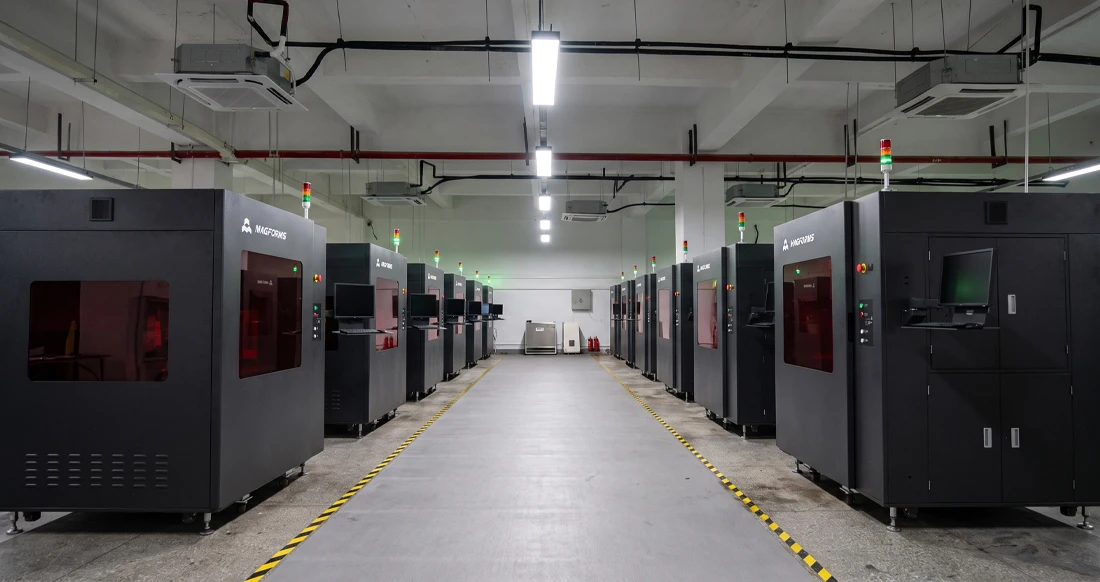
Magforms makes design and manufacture easier.
Popular Blogs
-
 Industry InsightsManufacturing Industry
FDM vs. SLA Printer: Which Technology Is Right for Your Project?
-
 Industry InsightsManufacturing Industry
Top 5 Applications of Industrial 3D Printers in Manufacturing Today
-
 Industry InsightsManufacturing Industry
Why Stereolithography 3D Printers Are Unmatched for Microfluidic Device Prototyping?