P13 Pro 3D Printing Machine for Functional End-Use Components
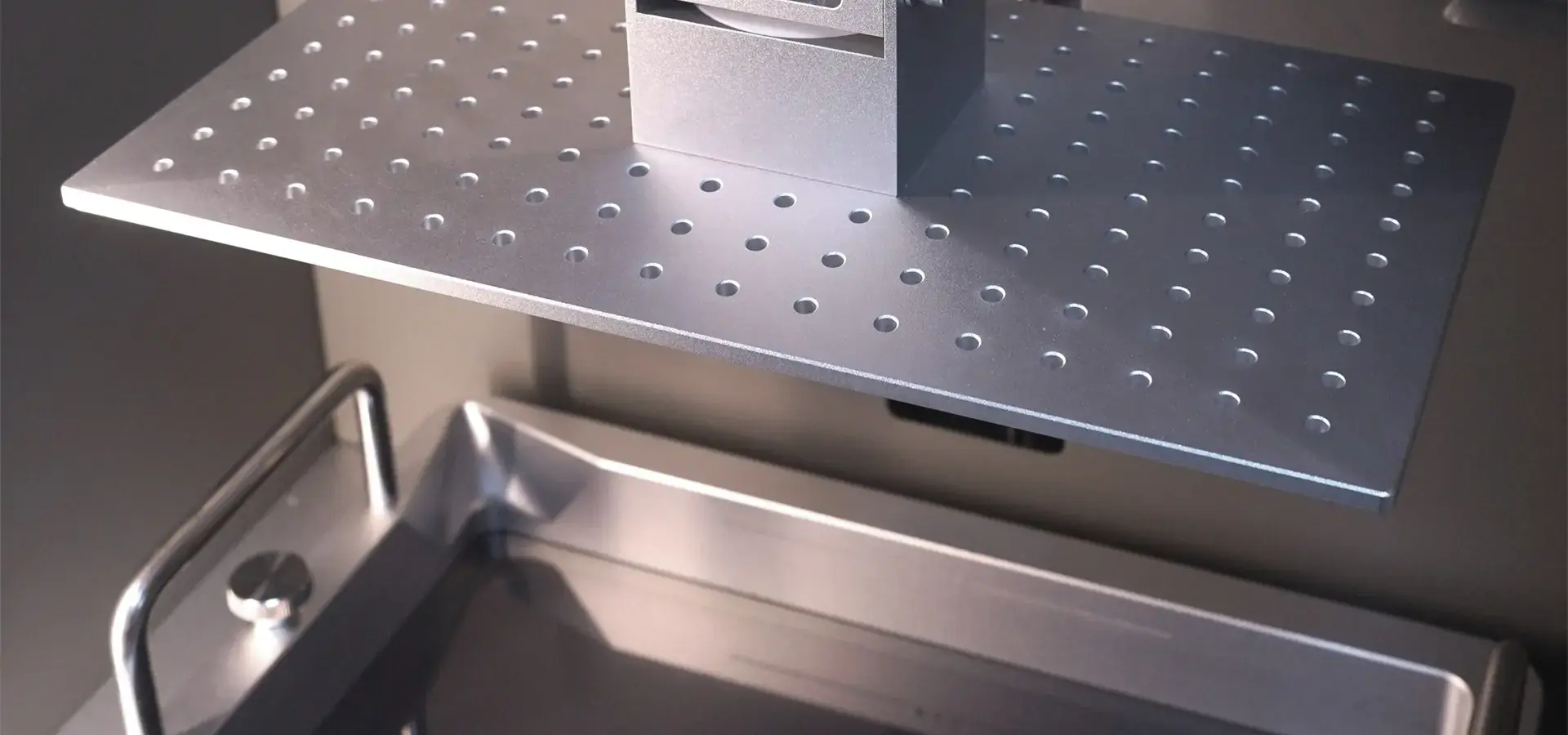
The P13 Pro 3D printing machine is a big step forward for companies that need high-precision parts that are ready for production but don't want to deal with the costs and wait times of standard manufacturing. This industrial additive manufacturing system is designed to produce functional end-use parts, not just prototypes. It consistently produces good results in automobile, aircraft, medical, and consumer electronics fields. The P13 Pro meets the important needs of B2B buying managers who need stability, material freedom, and a clear return on investment in their manufacturing operations with its 302.4×161.98×380mm build volume and advanced dual heating system.
Understanding the P13 Pro 3D Printing Machine and Its Technology
Core Printing Technology: LCD Precision Engineering
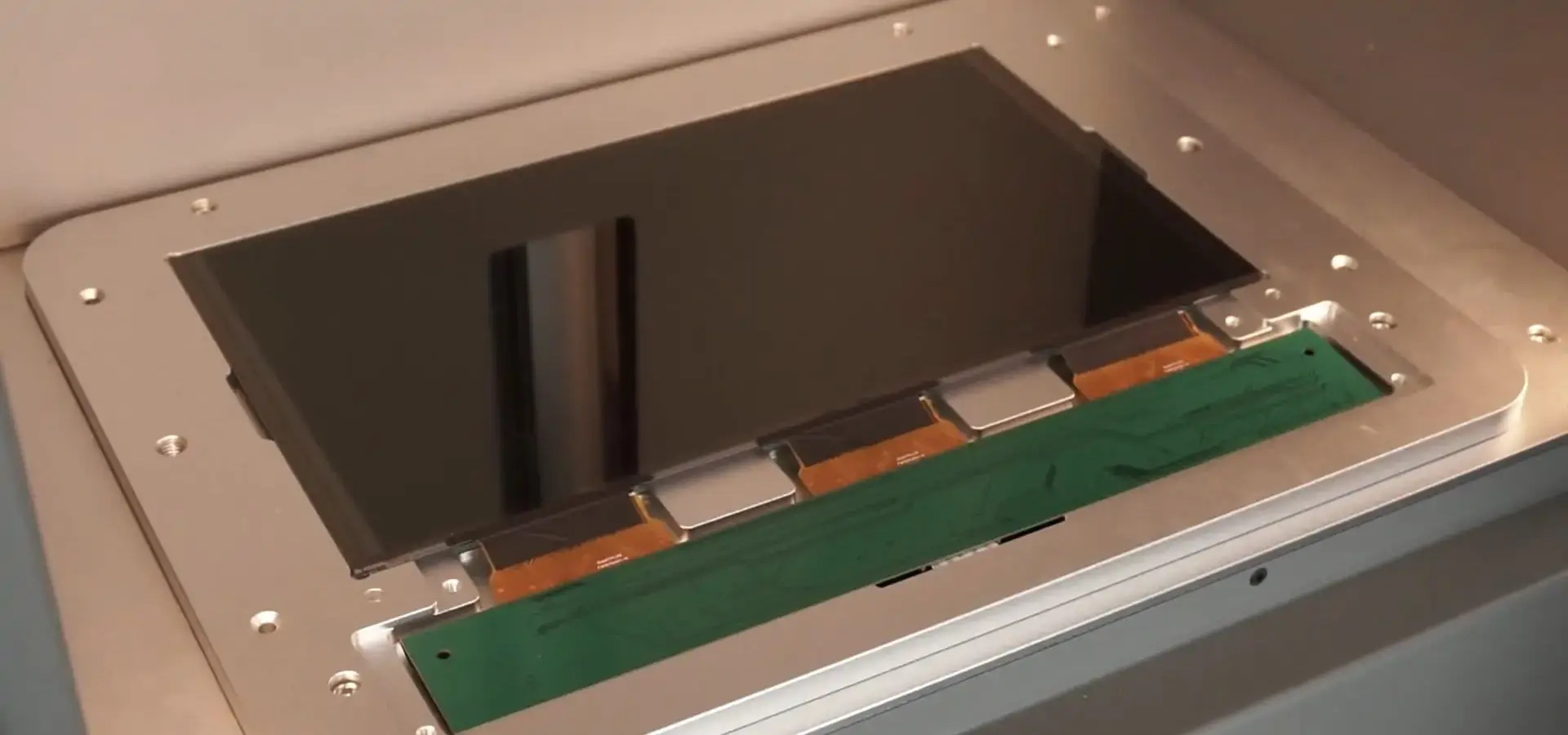
The P13 Pro 3D printing machine utilizes LCD-based photopolymerization technology (mSLA), which uses a high-resolution LCD masking system and UV light source to cure liquid resin layer by layer with exceptional accuracy and consistency. LCD resin printing delivers high dimensional accuracy, fine feature reproduction, and smooth surface quality, while FDM systems create parts by depositing thermoplastic filament through a heated nozzle. Because of this, the P13 Pro is great for dental models, complicated aircraft joints, and consumer electronics housings where the finish directly affects how the part works. The machine's optimized exposure strategy and intelligent layer processing help improve productivity while maintaining consistent print quality across large build volumes. This addresses speed concerns that are often raised by automotive R&D teams that are working to tight deadlines.
Technical Specifications That Matter for Production
The build volume is 302.4 x 161.98 x 380 mm, which means that three normal shoe moulds or one big part up to 380 mm tall can be printed at the same time. This ability makes it much easier for 3D printing service centers to handle a lot of orders from different clients at once. The dual heating system maintains chamber temperature uniformity within ±2°C, which is critical for preventing warping in engineering-grade resins during overnight batch runs. The machine is compatible with high-temperature photopolymer resins for thermal resistance, clear optical-grade materials for light guides, and flexible elastomer-like resins for covers. This means that there are no container limits that drive up running costs.
Real-World Applications Across Industries
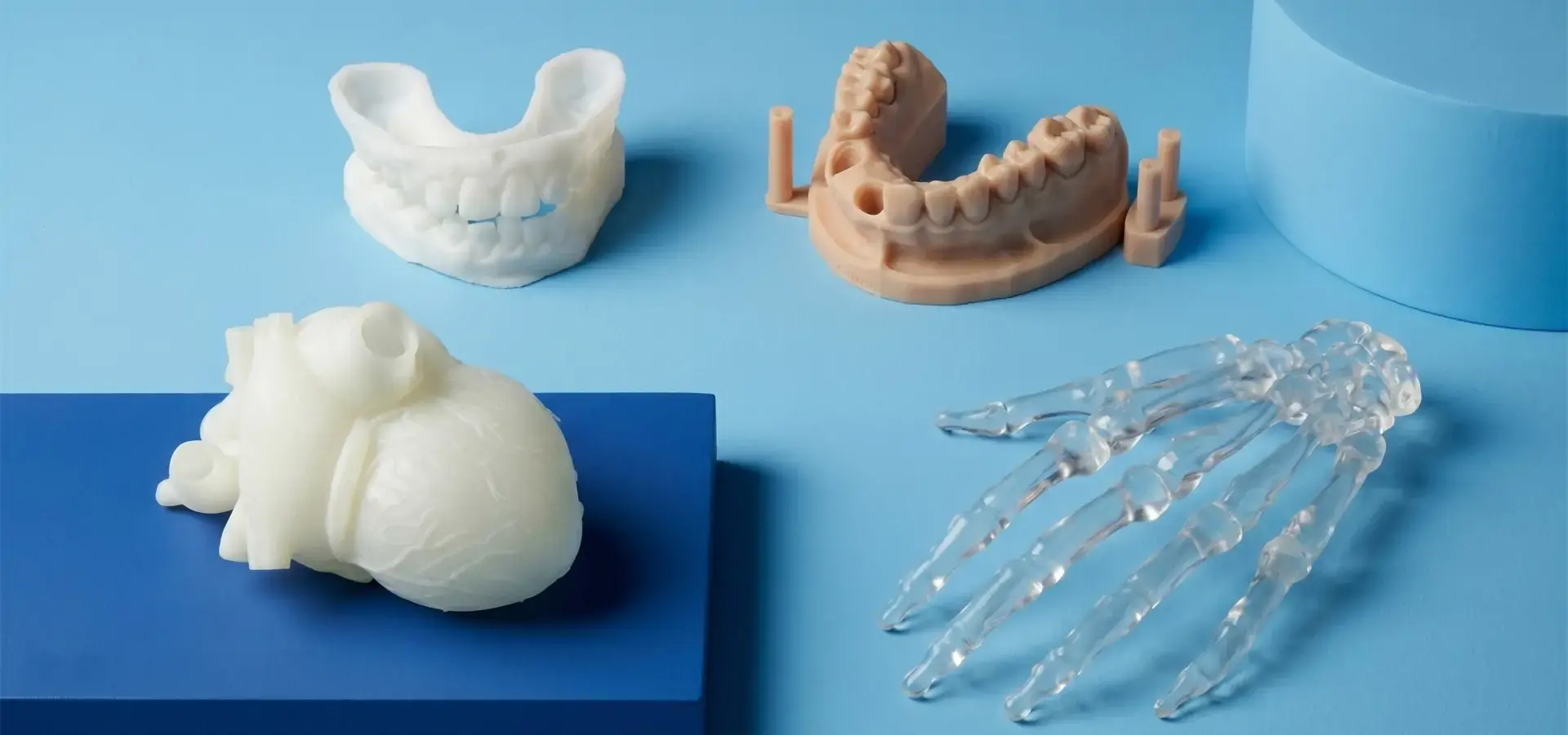
Medical device manufacturers can use the P13 Pro to produce surgical guides requiring high dimensional accuracy and fine surface quality, subject to material validation and regulatory approval requirements. Automotive makers print customized dashboard trim samples in a flexible material that is similar to TPU. This lets customers feel the samples before they commit to injection mould tooling, which can cost over $15,000 per cavity. Before the final metal casting, aerospace testing labs make air duct samples with complicated internal lattice structures that can't be machined. This is done to make sure that the fluid dynamics are correct through wind tunnel testing.
Comparing the P13 Pro with Other 3D Printing Solutions in the Market
Advantages Over Traditional Manufacturing Methods
The P13 Pro 3D printing machine doesn't have the setup time or material waste that come with subtractive processes like CNC cutting. A complicated bracket that needs four-axis cutting and several fittings can be made overnight without any help from a person, which cuts the cost of labour by 60–70%. This additive manufacturing system breaks even at batch sizes as small as 50 pieces, which makes it perfect for niche automotive repair parts or limited-edition consumer electronics items. Injection moulding, on the other hand, only becomes cost-effective above 5,000 units.
Performance Benchmarking Against Competitors
The P13 Pro provides a substantially larger build volume than many desktop resin printing systems, making it suitable for larger parts and batch production workflows. The system supports stable printing performance across a wide range of workshop environments when recommended operating conditions are followed. Even though rivals' high-end systems, like those from Carbon or Stratasys, are just as precise, users are locked into proprietary resin contracts that cost $200–$400 per litre. Because the P13 Pro's design is open to third-party resins that are priced 40–50% lower, the cost of a normal 100g part drops from $8.50 to about $5.20, which is a significant advantage for service bureaus that are highly price-sensitive.
Return on Investment Analysis for Procurement Teams
Many manufacturers report that bringing resin printing capacity in-house can significantly reduce outsourcing costs and shorten development cycles. Actual return on investment depends on production volume, labor costs, material usage, and application requirements. For organizations with significant outsourcing expenses, in-house production may help reduce external service costs and improve development responsiveness, which also speeds up response times by 48 hours. Financing options, such as a 36-month lease at approximately $680/month, enable startups and small product development companies with tight budgets to acquire the equipment.
Procurement Guide: Purchasing the P13 Pro 3D Printing Machine
Verifying Authorized Distributors and Genuine Equipment
To make sure they can get real insurance and technical help, purchasing managers should ask Magforms for proof that they are an authorized dealer. Genuine P13 Pro units include serialized certification labels and factory calibration reports documenting Z-axis accuracy, LCD imaging performance, and optical system verification results. Third-party sellers who offer prices 15% below MSRP often sell old units with optical parts that are worn out. This causes measurement drift and higher failure rates within six months of use.
International Logistics and Warranty Considerations
The P13 Pro is shipped in sturdy wooden crates that meet ISPM 15 guidelines for foreign freight. The equipment is insured during travel up to $35,000 in value. Magforms offers a 12-month warranty that covers major mechanical components, motion systems, LCD exposure modules, and electronic control systems. For an extra 8% of the purchase price per year, you can get additional coverage. Parts like resin vats and build platforms are sent by DHL Express and usually get to North American sites within 5 to 7 business days. This keeps production running as smoothly as possible during repair periods.
Flexible Financing and Volume Pricing Structures
When businesses order three or more units, they can get bulk savings of up to 12 to 15 percent, which brings the price of each machine down to about $21,000 to $23,000, based on how it is configured. Leasing through third-party financial partners needs a 10% down payment and is better for your taxes because the equipment is seen as a routine cost instead of a capital investment. Some customization choices are better filtration systems for dental labs that work with a lot of biocompatible resins and built-in wash-cure stations that make the post-processing process go more quickly.
Optimizing P13 Pro Performance for Functional End-Use Components
Material Selection for Durability and Functionality
Engineering-grade resins for the 3D printing machine, like photopolymers that are similar to ABS, have a tensile strength of more than 55 MPa, making them good for use in automotive clips and electronics cases that are dropped. High-temperature versions keep their structure when exposed to 140°C for a long time, which meets the needs of under-hood automotive parts and medical devices that can be sterilized. The open-system design of the machine lets trial materials from specialty sources be tested. This lets R&D teams find the best plastic formulations for specific mechanical traits without being tied to a single vendor.
Maintenance Protocols to Maximize Uptime
Cleaning the resin vat once a week with isopropyl alcohol keeps polymerized waste from building up and causing print flaws. Heating system components should be inspected periodically according to the maintenance schedule, and consumable components should be replaced when necessary. The included calibration procedure should be performed periodically to verify build platform leveling, LCD exposure uniformity, and Z-axis accuracy. This 20-minute procedure ensures consistent layer bonding and prevents mid-print failures. Magforms' technical support team offers video-guided assistance through their online system. Many common operational issues can be resolved remotely through guided technical support.
Calibration Best Practices and Firmware Optimization
The P13 Pro has a built-in tablet interface that lets users adjust exposure time, light intensity parameters, and peel settings for different resin formulations. Firmware updates may introduce exposure optimization features designed to improve printing efficiency while maintaining dimensional consistency. This cuts print time by 18% for tall, thin shapes while keeping vertical accuracy within 0.05mm. Regular firmware updates delivered via USB drive ensure compatibility with new resin formulations and add requested features, such as automated build platform leveling verification.
Case Study: Dental Lab Production Efficiency
A medium-sized dental lab in California got rid of their old SLA system and replaced it with the P13 Pro. As a result, they were able to make 42% more models every day. The machine's 95% first-pass success rate and ability to nest 18 tooth arch models per build cycle cut the cost of each model from $3.80 to $2.15 and the time it took to deliver them from 72 hours to 36 hours. The better surface finish got rid of the need for secondary grinding, which saved about 12 hours of work each week and improving patient satisfaction due to the better fit of dental appliances.
Future Trends and Strategic Value of the P13 Pro in B2B Manufacturing
Transition from Prototyping to Direct Production
The additive manufacturing industry is witnessing a fundamental shift as companies move beyond prototyping to produce end-use parts at scale. The P13 Pro's combination of speed, precision, and material versatility positions it as a bridge technology—capable of handling both low-volume customization and medium-batch runs of 200-500 units monthly. This flexibility proves invaluable for consumer electronics brands launching limited-edition product variants or automotive suppliers managing spare parts inventory for discontinued vehicle models.
Integration with Industry 4.0 Manufacturing Systems
Modern production environments demand equipment that communicates seamlessly with enterprise resource planning (ERP) and manufacturing execution systems (MES). The P13 Pro's offline printing capability allows pre-scheduling of build jobs via USB storage, while its open API enables integration with digital workflow platforms for automated job tracking and material usage monitoring. This connectivity supports just-in-time manufacturing strategies, where design files stored in digital warehouses can be printed on demand within 24 hours of order receipt, eliminating finished goods inventory carrying costs.

Supply Chain Optimization and Lead Time Reduction
Distributed manufacturing networks benefit significantly from deploying multiple units of industrial 3D printing machines at regional hubs. A footwear company using the P13 Pro at three locations reduced shoe mould delivery time from 14 days (for overseas machining) to 48 hours (local printing), accelerating seasonal collection development cycles. The machine's ability to produce three moulds simultaneously addresses peak demand periods without the capacity constraints typical of CNC machining shops with limited spindle availability.
Sustainability and Waste Reduction Benefits
Compared with many subtractive manufacturing processes, LCD resin printing can reduce material waste by building components additively and using only the material required for the part and support structures. Unused resin remains in the vat for subsequent builds, and support material can be recycled through mechanical cleaning processes. Companies pursuing ISO 14001 environmental certification appreciate the reduced solvent usage compared to CNC operations requiring continuous coolant filtration, and the lower energy consumption per part versus injection moulding's heating-cooling cycles.
Conclusion
The P13 Pro delivers a compelling combination of industrial-grade precision, operational flexibility, and cost-effectiveness that addresses the core pain points experienced by B2B manufacturing professionals. Its large build volume and dual heating system ensure consistent output quality whether producing dental models, automotive components, or consumer electronics housings. The open material ecosystem and straightforward maintenance requirements lower total cost of ownership compared to proprietary systems, while Magforms' global support infrastructure provides the reliability assurance demanded by procurement decision-makers. As additive manufacturing continues its evolution from prototyping tool to production technology, the P13 Pro's scalable architecture and Industry 4.0 compatibility position it as a strategic asset for companies seeking competitive advantage through manufacturing agility and reduced time-to-market.
FAQ
What materials are compatible with the P13 Pro 3D printing machine?
The LCD-based 3D printing machine is compatible with a wide range of 405nm photopolymer resins, including ABS-like, high-temperature, transparent, flexible, and dental-grade materials. The open-system design accepts third-party materials, providing procurement flexibility and cost control compared to proprietary cartridge systems.
How often does the P13 Pro require maintenance?
Routine maintenance includes weekly resin vat cleaning (5 minutes), monthly build platform inspection, and quarterly exposure system verification and build platform calibration (approximately 20 minutes). Heating element filters need replacement every 500 hours of operation. The machine's robust construction and quality components result in minimal unplanned downtime, ensuring reliable operation in continuous production environments when properly maintained.
What financing options are available for industrial buyers?
Magforms offers 36-month leasing programs requiring a 10% down payment, volume discounts of 12-15% for orders of three or more units, and customized payment schedules for educational institutions and research facilities. These flexible procurement structures accommodate diverse organizational budgeting requirements while preserving cash flow for operational expenses.
Partner with a Trusted 3D Printing Machine Supplier
Magforms stands ready to support your transition to high-efficiency additive manufacturing with the P13 Pro solution. Our two decades of industry experience and portfolio of 22 patents demonstrate the technical depth behind every 3D printing machine we deliver. Unlike vendors offering equipment alone, we provide integrated material-hardware solutions where our proprietary resins and printers are optimized together, eliminating compatibility issues that plague multi-vendor setups. Our global technical support team responds within 4 hours to service requests, backed by comprehensive training programs that accelerate your team's proficiency. Contact us at info@magforms.com to schedule a live demonstration, request sample parts produced on the P13 Pro, or discuss volume pricing for multi-unit deployments. We welcome the opportunity to show how our manufacturing excellence translates into your production success.
References
1. Gibson, I., Rosen, D., & Stucker, B. (2021). Additive Manufacturing Technologies: 3D Printing, Rapid Prototyping, and Direct Digital Manufacturing (3rd ed.). Springer.
2. Wohlers, T. (2022). Wohlers Report 2022: 3D Printing and Additive Manufacturing Global State of the Industry. Wohlers Associates.
3. Diegel, O., Nordin, A., & Motte, D. (2019). A Practical Guide to Design for Additive Manufacturing. Springer Series in Advanced Manufacturing.
4. Ligon, S. C., Liska, R., Stampfl, J., Gurr, M., & Mülhaupt, R. (2017). Polymers for 3D Printing and Customized Additive Manufacturing. Chemical Reviews, 117(15), 10212-10290.
5. Ngo, T. D., Kashani, A., Imbalzano, G., Nguyen, K. T., & Hui, D. (2018). Additive Manufacturing (3D Printing): A Review of Materials, Methods, Applications and Challenges. Composites Part B: Engineering, 143, 172-196.
6. Ford, S., & Despeisse, M. (2016). Additive Manufacturing and Sustainability: An Exploratory Study of the Advantages and Challenges. Journal of Cleaner Production, 137, 1573-1587.

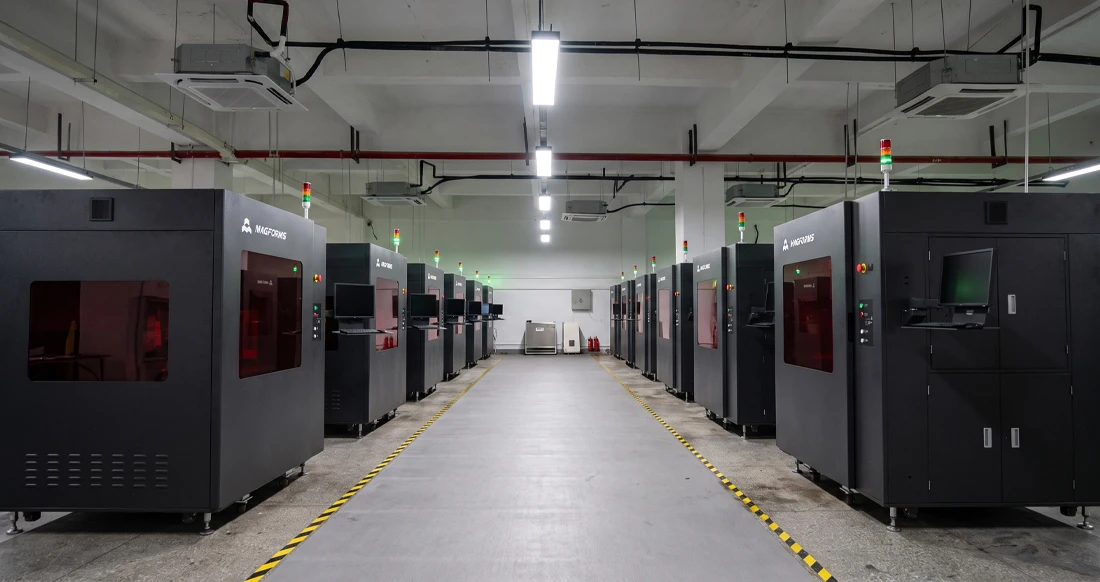
Magforms makes design and manufacture easier.
Popular Blogs
-
 Industry InsightsManufacturing Industry
FDM vs. SLA Printer: Which Technology Is Right for Your Project?
-
 Industry InsightsManufacturing Industry
Top 5 Applications of Industrial 3D Printers in Manufacturing Today
-
 Industry InsightsManufacturing Industry
Why Stereolithography 3D Printers Are Unmatched for Microfluidic Device Prototyping?