P10 Pro Stereolithography 3D Printer for Detailed Concept Verification
When I think about how current products are made, being able to check ideas with complete accuracy becomes very important. This important need is met by the P10 Pro stereolithography 3D printer, which uses high-resolution LCD-based UV light to cure liquid photopolymer layer by layer, producing precise touchable samples. With a level of accuracy of 0.01 mm, this machine lets companies in the automobile, aircraft, medical, and consumer electronics industries test complex shapes before investing in costly tools. Unlike other development methods that give up either speed or detail, this stereolithography 3D printer gives both. This makes it an important tool for technical teams that can't afford to have design failures over and over again.
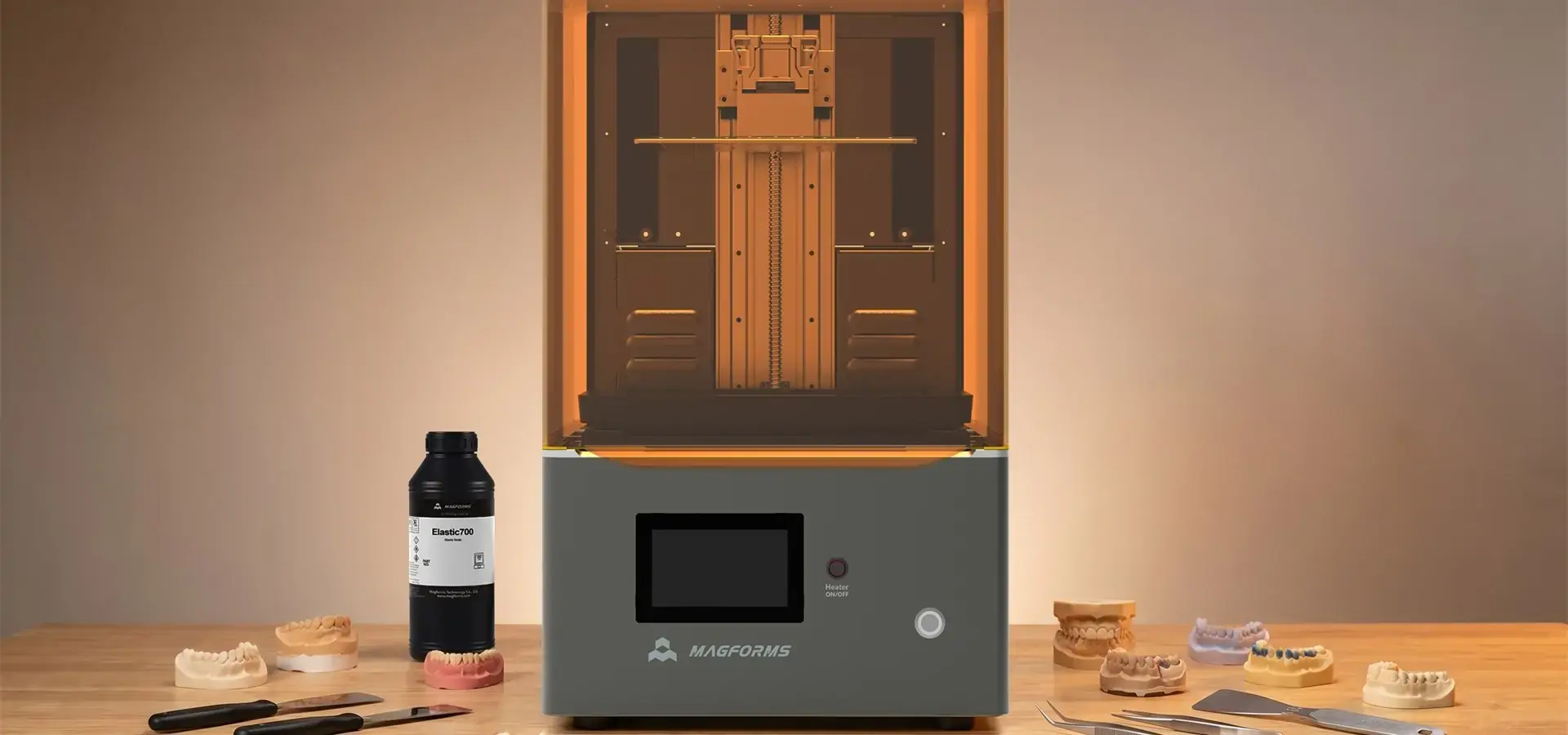
Understanding Stereolithography 3D Printing and Its Role in Concept Verification
Why LCD-Based Resin Curing Transforms Prototyping Accuracy
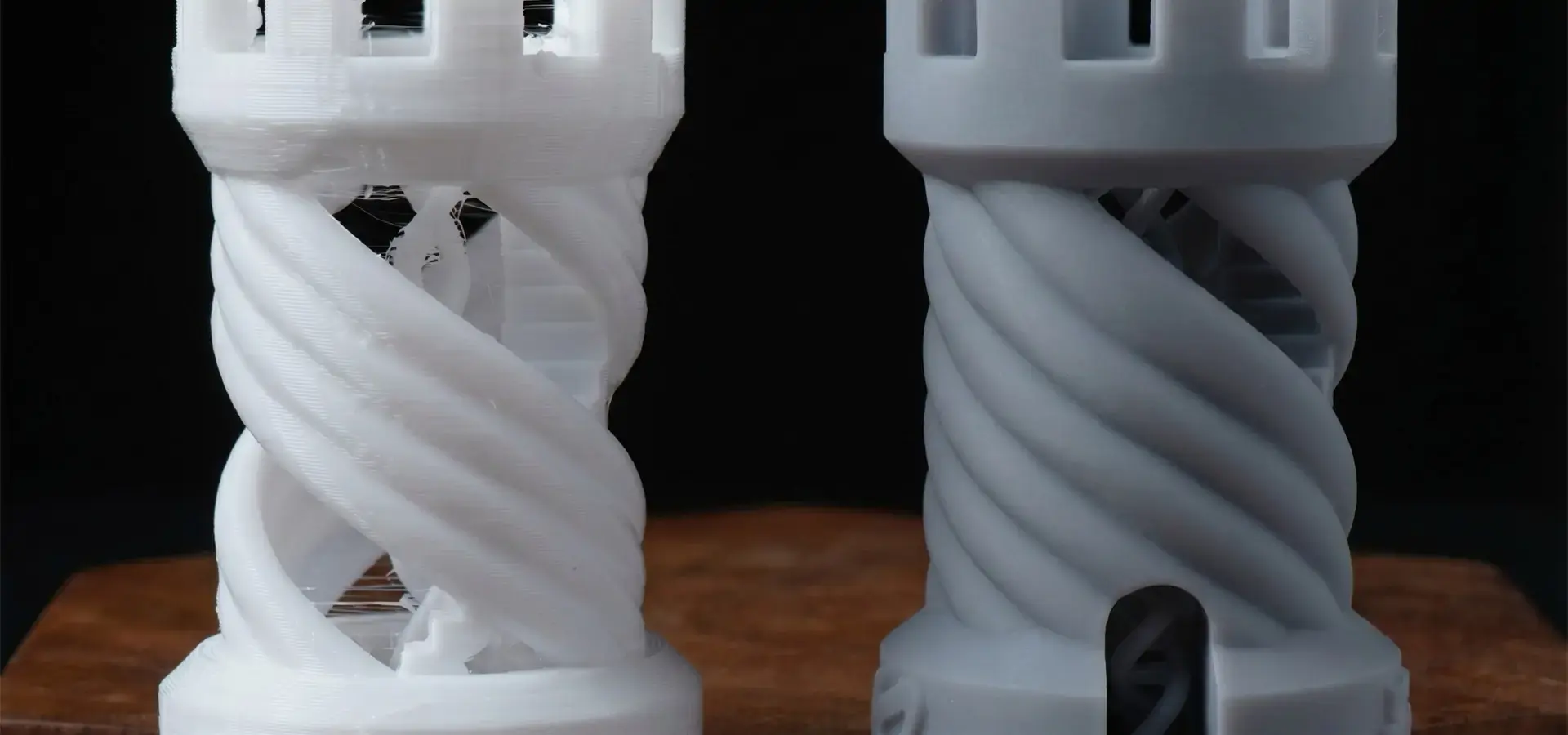
A precise UV light source, projected through an LCD mask, hardens liquid photopolymer according to digital CAD designs, which is the principle behind LCD-based SLA technology. This method is very different from filament extrusion, which has layer lines that can be seen and is weak along the Z-axis. Working with R&D teams has taught me a typical frustration: FDM samples often require significant post-processing before client review, due to visible layer lines and anisotropic strength. The P10 Pro, as an LCD-based stereolithography 3D printer, produces parts with more uniform mechanical properties across layers, reducing the risk of functional testing failures. When engineers in the car industry need to test snap-fit parts or aerospace professionals need to validate fluid channels, these features keep false negatives from happening during functional testing. With the old way of doing things, you would have to make several prototypes, which would take weeks of lead time each. This process is sped up a lot by the P10 Pro.
Industrial Applications Driving SLA Adoption
This technology is being used by companies that make medical devices to make surgery tools and dental braces. The P10 Pro supports biocompatible resin options that meet stringent FDA requirements. This means that within 48 hours, doctors can switch from digital pictures to devices that are made just for each patient. In the same way, companies that make consumer electronics use this stereolithography 3D printer to make samples of enclosures that need to have exact button specs and smooth assembly paths. The most demanding application, however, comes from the aerospace sector. Last year, I went to a maker of propulsion components, and they showed me how the P10 Pro checked complex cooling channel shapes that would be impossible to check once they were cast in metal. By printing with specialized clear engineering resins, engineers can visualize internal flow channels and verify correctness before committing to expensive casting models.
Key Features and Technical Specifications of the P10 Pro SLA 3D Printer
Engineering Excellence Through Integrated Design
This machine is very reliable because it has an industrial-grade Z-axis module and a steel shell base. Structural stiffness stops the tiny movements that cause layer errors during long print runs, which can last more than 20 hours for big parts. I've seen rival systems drift during overnight prints, which led to parts being thrown away and material being lost. Magforms designed the P10 Pro with pressure release holes in the building base. This may seem like a small thing, but it has a big effect on the success rate. These holes lower the pressure forces during the peel cycle, which stops part delamination that happens a lot with other 3D stereolithography printers. The system has a proven 99% success rate over thousands of production hours, thanks to factory-calibrated resin settings saved in the machine's software.
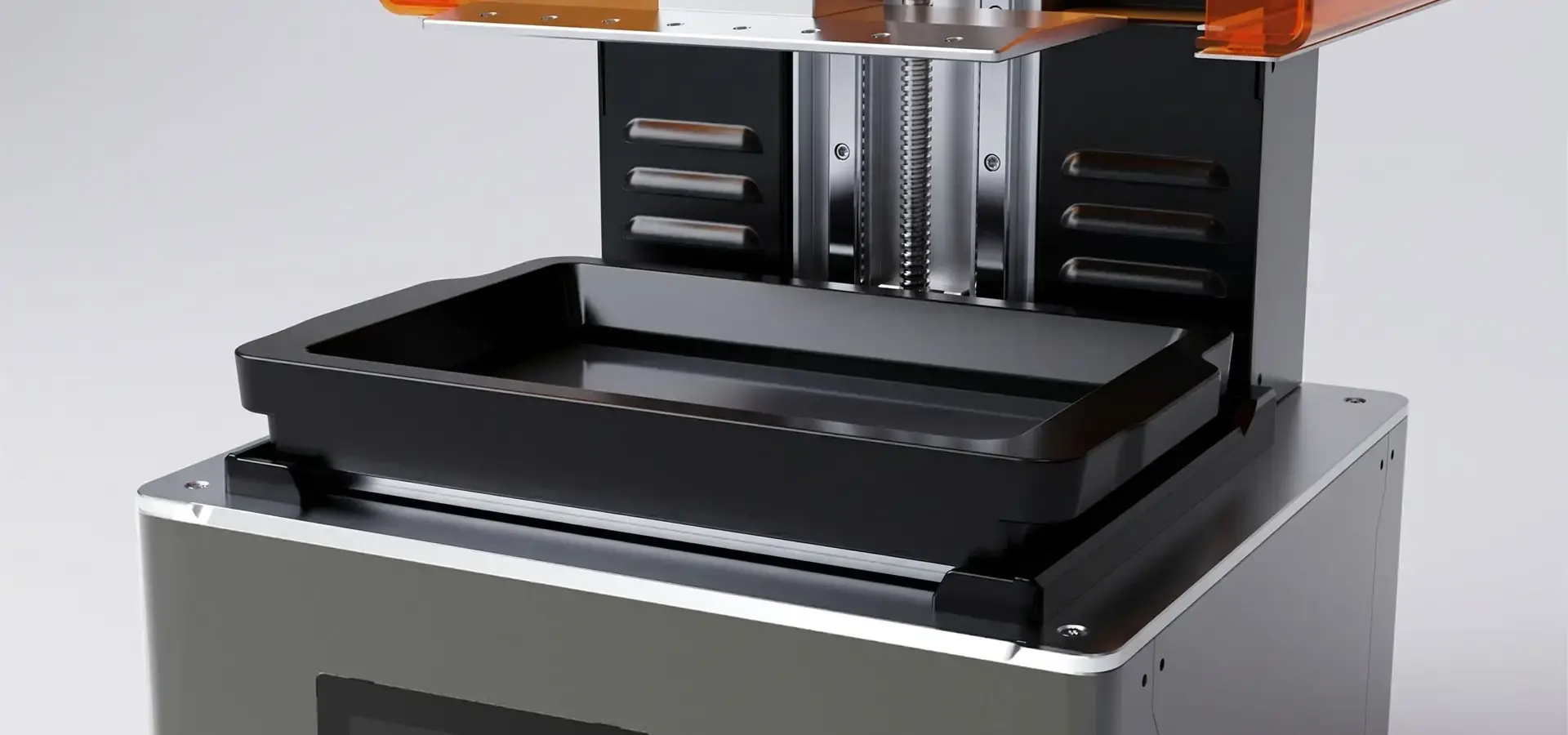
Advanced Components That Deliver Measurable Performance
Several technical innovations distinguish this machine from generic SLA offerings:
The integrated framed nFEP film requires no manual cutting or tensioning—operators simply drop in the pre-stretched module and secure four corner screws. This unbreakable material features a non-stick surface that extends consumable lifespan by approximately 300%, significantly lowering operational costs. Traditional FEP films cloud after 50-100 print hours, degrading laser focus and detail reproduction. Dimensional capacity often limits prototype production. With a 228×128×250mm build volume, the P10 Pro accommodates larger assemblies than competing 10-inch desktop LCD platforms while maintaining uniform exposure across the entire build area. This means corner prints exhibit the same feature resolution as center prints—a rare achievement in desktop-class systems. The dual rail guidance system paired with industrial ball screws ensures positional repeatability that survives millions of Z-axis cycles. When procurement directors evaluate total cost of ownership, this durability translates into extended depreciation schedules and reduced maintenance expenses compared to hobby-grade alternatives.
Material Versatility Unlocking Application Breadth
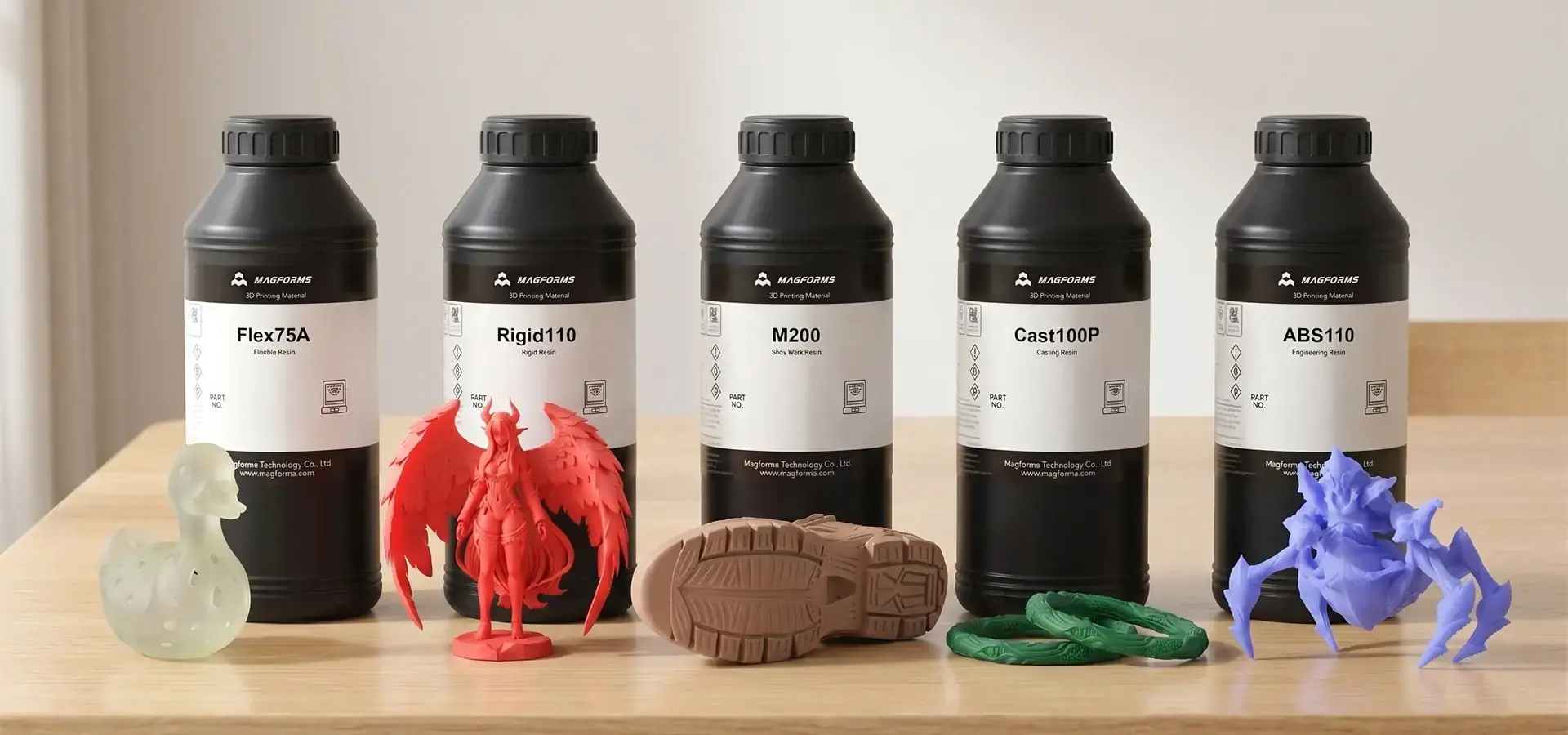
Resin compatibility determines whether a stereolithography 3D printer remains confined to visual prototypes or extends into functional testing. The P10 Pro works seamlessly with Magforms' proprietary resin portfolio spanning standard, engineering-grade, castable, flexible, and high-temperature formulations. Technical datasheets confirm tensile strengths exceeding 60 MPa with certain engineering resins—comparable to injection-molded ABS. Temperature-sensitive applications benefit from the intelligent constant-temperature control system that maintains resin at optimal viscosity regardless of ambient conditions. Manufacturing facilities in cold climates previously struggled with print failures during winter months. This environmental stability ensures consistent results across global operations.
The uniform light source distribution, optimized through advanced optics, prevents the peripheral degradation common in projector-based systems. When dental labs produce full-arch models requiring sub-50-micron accuracy across 150mm spans, this optical uniformity becomes non-negotiable.
Procurement Considerations for Global B2B Clients
Calculating True ROI Beyond Sticker Price
My conversations with procurement managers reveal a persistent challenge: justifying capital equipment purchases requires demonstrating measurable returns. The P10 Pro addresses this through multiple value pathways. Accelerated design validation reduces time-to-market by an average of 6-8 weeks per product cycle. For consumer electronics companies operating on quarterly refresh schedules, this acceleration represents millions in captured revenue. Material waste constitutes a hidden cost drain in additive manufacturing. The 99% success rate mentioned earlier means fewer failed prints consuming expensive engineering resins. Across annual production volumes, this reliability saves approximately $15,000-$25,000 in material costs alone for medium-volume operations.
Vendor Reliability and Support Infrastructure
Magforms has established technical support teams across North America, Europe, and Asia-Pacific, ensuring response times under four hours for critical issues. This distributed support model matters significantly when production schedules depend on equipment uptime. I recall a medical device manufacturer who lost a major contract because their imported stereolithography 3D printer remained inoperable for three weeks awaiting replacement parts from overseas. The comprehensive warranty coverage includes not just mechanical components but also software updates that expand material compatibility and introduce optimization algorithms. Purchasing from a stereolithography 3D printer manufacturer with ongoing R&D investment protects against technical obsolescence.
Strategic Maintenance Practices
Preventative maintenance protocols for the P10 Pro require approximately 30 minutes weekly—primarily resin filtration and optical surface cleaning. The modular architecture means wear components like the nFEP film exchange in under five minutes without specialized tools. This serviceable design contrasts sharply with sealed systems requiring factory technician visits for routine maintenance.
Comparing the P10 Pro SLA Printer to Other 3D Printing Technologies
Technology Selection Framework
Decision-makers often face confusion choosing between FDM, DLP, and SLA technologies. Each serves distinct purposes, though stereolithography 3D printers occupy a unique position balancing precision, finish quality, and material properties. FDM excels at rapid concept models where dimensional tolerance exceeds ±0.5mm and surface texture remains acceptable. However, functional testing of assemblies with mating surfaces invariably requires SLA precision. DLP systems cure entire layers simultaneously using projector arrays, offering speed advantages for small batches of identical parts. The P10 Pro's LCD-based approach delivers smooth surfaces on curved geometries while avoiding common pixelation artifacts seen in some DLP projectors. Aerospace wind tunnel models, which require laminar airflow surfaces, demonstrate this difference clearly—DLP prints often require extensive sanding that introduces dimensional error.
Competitive Benchmarking Against SLA Alternatives
When evaluated against imported industrial SLA systems costing 3-5x more, the P10 Pro delivers 85-90% of the performance at a fraction of the investment. The performance gap primarily appears in extreme build volumes exceeding 300mm or exotic material handling requiring heated vats. For the vast majority of concept verification workflows, these premium capabilities remain unused. Open-platform material compatibility represents another critical differentiator. While many competitors lock users into proprietary resin ecosystems charging $200-$400 per liter, Magforms provides both first-party materials and third-party compatibility. This flexibility allows procurement teams to optimize material costs based on application requirements rather than vendor restrictions.
Software Integration Streamlining Workflows
The included slicing software features automated support generation algorithms that minimize material consumption while ensuring part stability during printing. Engineers can override automatic settings when needed, but the intelligent defaults reduce preparation time from 45 minutes to under 10 minutes for typical parts. Integration with popular CAD platforms enables one-click export to print-ready files. Cloud-based print queue management allows production managers to monitor multiple P10 Pro units remotely, receiving mobile alerts when prints complete or require intervention. This connectivity transforms isolated machines into networked production assets.
Troubleshooting, Calibration, and Best Practices for Optimal Use
Preventative Maintenance: Preventing Production Disruptions
Consistent output quality from any stereolithography 3D printer depends on systematic calibration routines. The P10 Pro includes automated leveling sequences that verify platform parallelism before each print, compensating for thermal expansion or minor mechanical wear. Operators should perform manual verification monthly using the included calibration gauge to ensure the automated system maintains accuracy. Resin handling protocols significantly impact both safety and print quality. Photopolymers degrade under ambient light exposure, so proper storage in opaque containers extends shelf life from 6 months to over 18 months. Temperature fluctuations also affect viscosity—maintaining resin between 20-25°C ensures optimal flow characteristics during printing.
Common Challenges and Practical Solutions
Layer separation typically indicates insufficient UV light intensity or over-aged resin. The P10 Pro's diagnostic interface displays cumulative LED hours, prompting replacement before UV output degrades below specification. When switching between resin types, thorough vat cleaning prevents cross-contamination that causes adhesion failures. Print failures most often result from inadequate support structures rather than machine malfunction. The software's support density settings should match part geometry—thin vertical walls require denser supports than solid blocks. Understanding these relationships reduces trial-and-error experimentation.
Environmental and Safety Compliance
Uncured resin requires careful handling using nitrile gloves and adequate ventilation. The P10 Pro's integrated air filtration system captures volatile organic compounds released during printing, maintaining workplace air quality below OSHA exposure limits. Post-processing workflows must include IPA washing stations and UV curing chambers—both investments that ensure finished parts achieve full mechanical properties. Waste resin disposal follows hazardous material protocols in most jurisdictions. Curing waste resin with UV exposure before disposal converts liquid photopolymers into inert solids acceptable for standard industrial waste streams. This additional step protects environmental resources while maintaining regulatory compliance.
Conclusion
The P10 Pro represents a thoughtfully engineered solution for organizations requiring precision concept verification without the cost barriers of traditional industrial systems. Its combination of 0.01mm accuracy, 99% success rates, extensive material compatibility, and robust construction addresses the core pain points that procurement teams and technical directors face daily. Whether validating snap-fit assemblies, producing dental appliances, or testing aerospace components, this stereolithography 3D printer delivers the reliability and performance that accelerate product development cycles while controlling costs.
FAQ
How does the P10 Pro achieve superior prototype accuracy compared to FDM systems?
The high-resolution LCD photopolymerization process in this stereolithography 3D printer cures resin with micron-level precision, eliminating the dimensional variability caused by filament extrusion mechanics. FDM relies on molten plastic deposition, which introduces thermal warping and layer bonding inconsistencies. The P10 Pro's isotropic mechanical properties ensure parts maintain dimensional stability across all orientations.
What resin types does the P10 Pro support for different applications?
Magforms offers a complete resin portfolio including standard, engineering-grade, castable, flexible, transparent, and high-temperature formulations. Engineering resins provide ABS-like toughness for functional testing, while castable resins burn out cleanly for investment casting workflows. The machine's open-platform architecture also accommodates qualified third-party materials when cost optimization becomes critical.
Can the P10 Pro handle production runs beyond prototyping?
Absolutely. The industrial-grade construction and 99% success rate make this stereolithography 3D printer suitable for small-batch production runs. Dental labs routinely produce 20-30 surgical guides daily, while consumer electronics manufacturers use it for limited-edition product variants. The large build volume enables batch nesting of multiple parts per run, improving throughput efficiency.
Partner with Magforms for Precision Additive Manufacturing Solutions
Elevating your concept verification capabilities requires partnering with a stereolithography 3D printer supplier committed to both technological excellence and customer success. Magforms brings 22 patents, 30 registered trademarks, and a decade of industry expertise supporting over 300 global enterprises. Our integrated materials-and-equipment approach eliminates compatibility issues that plague multi-vendor workflows, while our distributed support network ensures rapid response when production schedules depend on uptime. The P10 Pro delivers the precision, reliability, and material versatility that technical directors demand and financial stakeholders appreciate. We invite procurement teams to experience this capability through sample part production using your actual CAD files—demonstrating real-world performance rather than theoretical specifications. Contact our team at info@magforms.com to schedule a technical consultation, request sample parts, or discuss volume pricing for multi-unit deployments. Let us help transform your product development timeline through proven additive manufacturing technology.
References
1. Gibson, I., Rosen, D., & Stucker, B. (2021). Additive Manufacturing Technologies: 3D Printing, Rapid Prototyping, and Direct Digital Manufacturing (3rd ed.). Springer.
2. Jacobs, P. F. (2020). Stereolithography and Other RP&M Technologies: From Rapid Prototyping to Rapid Tooling. Society of Manufacturing Engineers.
3. Grimm, T. (2019). User's Guide to Rapid Prototyping: Applications in Product Development and Manufacturing. Industrial Press.
4. Lipson, H., & Kurman, M. (2021). Fabricated: The New World of 3D Printing. Wiley Publishers.
5. Chua, C. K., & Leong, K. F. (2022). 3D Printing and Additive Manufacturing: Principles and Applications (6th ed.). World Scientific Publishing.
6. Redwood, B., Schöffer, F., & Garret, B. (2020). The 3D Printing Handbook: Technologies, Design and Applications for Manufacturing. 3D Hubs Knowledge Base.

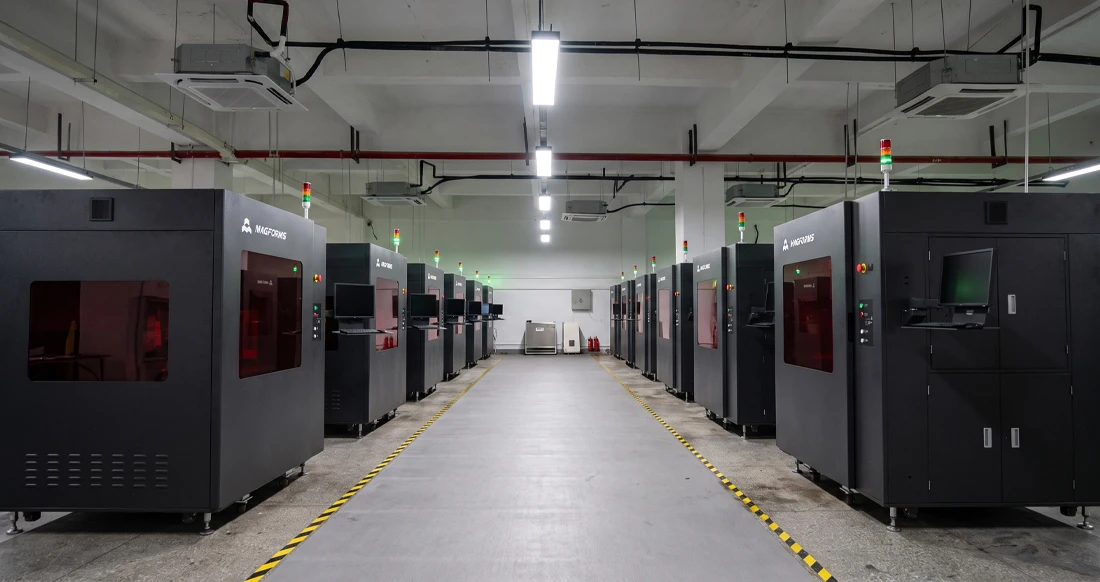
Magforms makes design and manufacture easier.
Popular Blogs
-
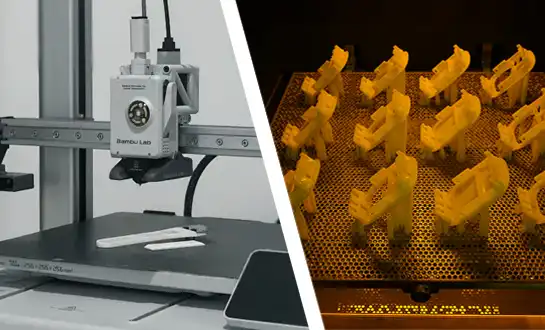 Industry InsightsManufacturing Industry
FDM vs. SLA Printer: Which Technology Is Right for Your Project?
-
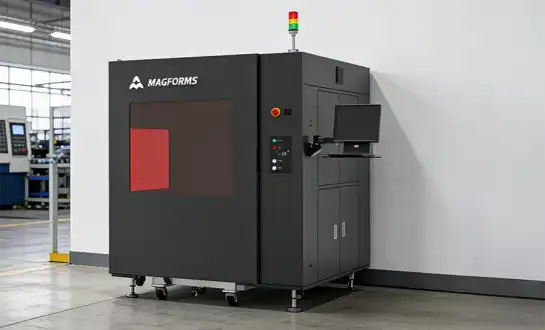 Industry InsightsManufacturing Industry
Top 5 Applications of Industrial 3D Printers in Manufacturing Today
-
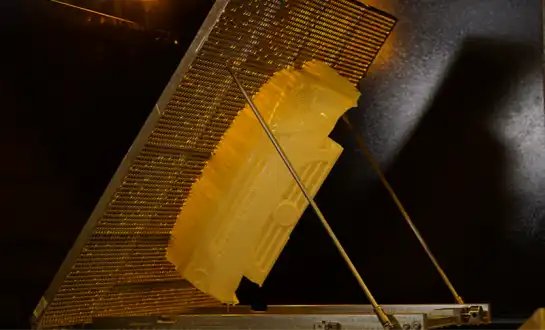 Industry InsightsManufacturing Industry
Why Stereolithography 3D Printers Are Unmatched for Microfluidic Device Prototyping?