Can the Stereolithography 3D printer P10 Pro Handle Complex Models?
When your production schedule demands flawless execution and your design files contain intricate geometries that make other printers stumble, you need equipment that won't compromise. The stereolithography 3D printer P10 Pro from Magforms delivers exactly that—a robust LCD-based mSLA system engineered to transform complex digital models into physical parts with remarkable fidelity. Built around an industrial-grade Z-axis module and reinforced steel construction, this LCD resin 3D printing system tackles challenging prints that would typically result in failed builds or dimensional inaccuracies on lesser equipment. With precision control within 0.01mm and a printing success rate approaching 99%, the P10 Pro proves itself capable of handling the most demanding modeling tasks across industries from aerospace to dental applications.
Understanding the Capabilities of the P10 Pro for Complex Models
The technological foundation of any advanced resin-based system lies in how precisely it can cure photopolymer materials layer by layer. The P10 Pro distinguishes itself through several engineering decisions that directly impact its ability to reproduce intricate features.
Advanced UV Light Source and Optical System
At the core of the P10 Pro sits a high-power UV LED light source combined with an LCD masking system (mask-based exposure) that ensures uniform layer exposure across the entire build platform. This uniform exposure consistency is critical in LCD-based stereolithography 3D printing because uneven light distribution or pixel calibration errors can introduce dimensional variations that accumulate layer by layer. The uniform exposure system built into this stereolithography 3D printer minimizes these variations, allowing delicate overhangs, thin walls, and fine details to form correctly without distortion. Grayscale exposure and pixel-level anti-aliasing algorithms further optimize the curing process by adjusting exposure intensity at the LCD pixel level based on model geometry, improving detail fidelity and print efficiency compared to conventional fixed-exposure systems.
Precision Mechanics and Stability Features
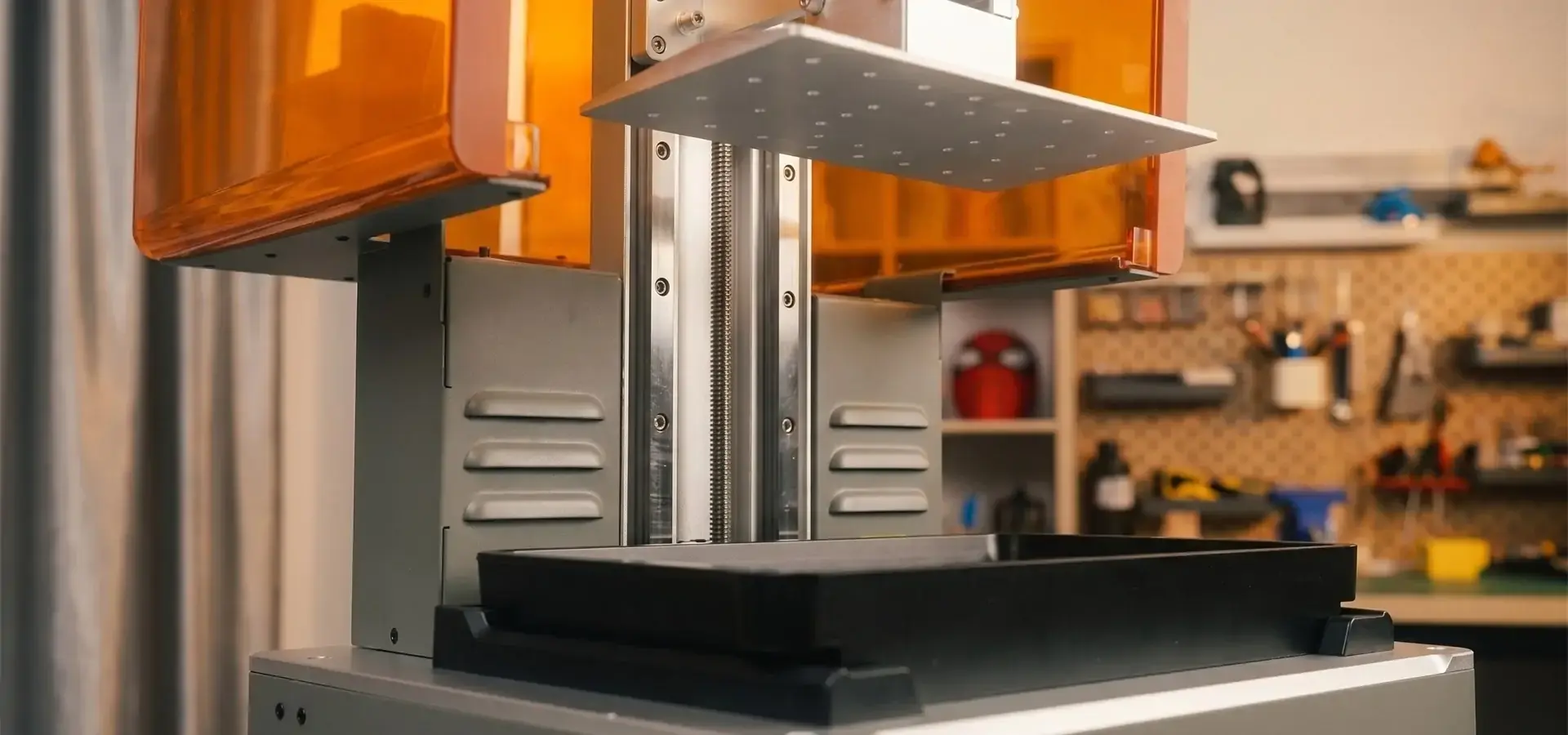
Complex models demand mechanical stability throughout multi-hour print sessions. The P10 Pro addresses this through an industrial high-precision double guide rail system paired with an industrial-grade screw mechanism. This combination eliminates wobble and positional drift that plague lighter-duty machines, especially when the build platform moves through hundreds of layer cycles. The steel shell construction provides rigidity that dampens vibrations from environmental sources, ensuring that microscopic layer alignments remain consistent from the first layer to the final layer. The quick-release dual-module design allows technicians to swap components rapidly during maintenance windows without compromising calibration, reducing downtime that interrupts complex production runs.
Material Compatibility and Resin Optimization
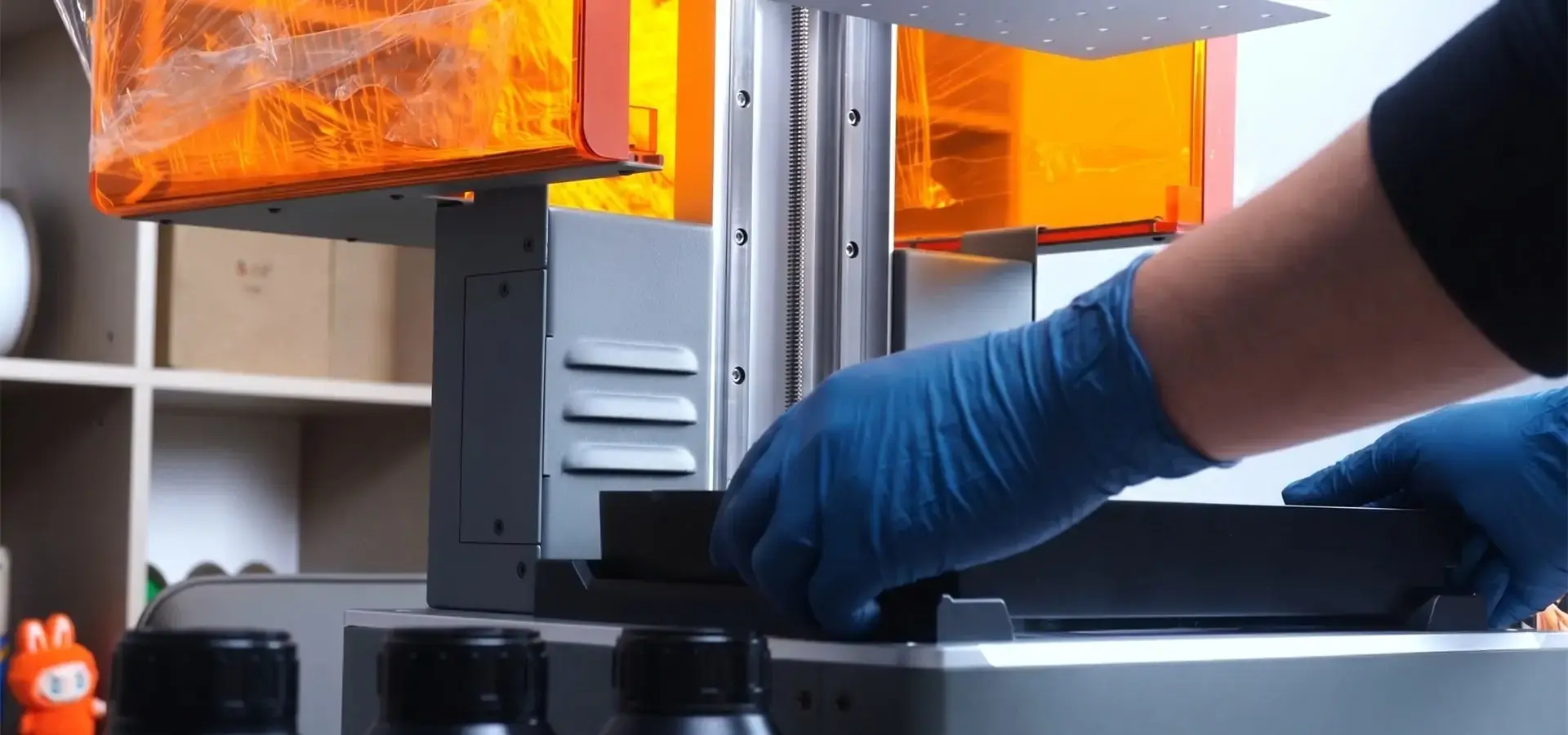
Handling complex models often requires specialized material properties—high-temperature resistance for automotive testing fixtures, biocompatible formulations for medical prototypes, or flexible resins for snap-fit assemblies. Magforms developed the P10 Pro with matching resin parameters that ensure perfect compatibility between machine and material. This integration significantly reduces the trial-and-error process typically needed when using third-party resins, where mismatched exposure times or peel forces cause print failures. The integrated framed nFEP film features an unbreakable, non-stick surface that facilitates clean layer separation even with challenging resin chemistries, contributing to the system's 99% print success rate.
These capabilities combine to address a fundamental industry pain point: the need for injection-mold-quality surface finishes and tight tolerances without the cost and lead time associated with traditional manufacturing methods. Whether your application involves small precision connectors for aerospace assemblies or customized dental models requiring sub-millimeter accuracy, the P10 Pro's technical specifications translate directly into reliable production outcomes.
Comparing the P10 Pro versus Other 3D Printing Technologies for Complex Models
Understanding where the P10 Pro fits within the broader additive manufacturing landscape helps procurement teams make evidence-based equipment decisions.
Resolution and Surface Finish Advantages
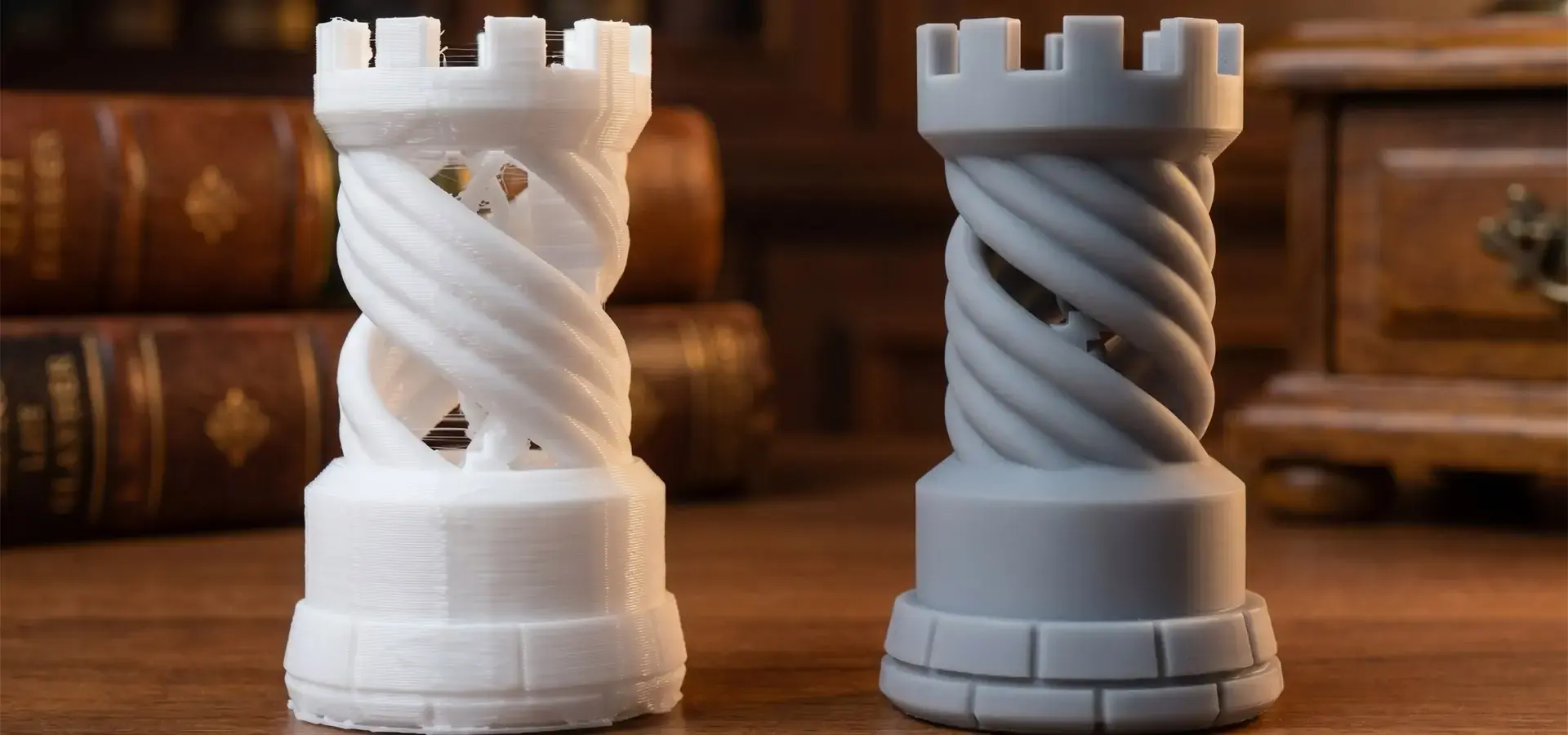
Fused Deposition Modeling systems typically exhibit visible layer lines and stair-stepping artifacts that become particularly noticeable on curved or angled surfaces. Digital Light Processing technology, while faster for small batch production, introduces voxelization effects from its projector-based approach that can compromise smooth contours. The LCD masking approach used in the P10 Pro defines each layer through pixel-level light modulation, enabling consistent layer exposure across the full build area, producing high-quality surface finishes that typically require minimal post-processing compared to FDM systems. This becomes critical when creating master patterns for casting, functional prototypes that must mate with other components, or aesthetic models where surface texture directly impacts client perception.
The ability to achieve these results consistently—batch after batch—stems from the stable precision control and intelligent constant-temperature control system that maintains optimal resin viscosity throughout extended print sessions.
Cost-Effectiveness and Return on Investment
While the initial investment in a stereolithography 3D printer may exceed entry-level FDM systems, total cost of ownership tells a different story. The P10 Pro's high success rate dramatically reduces material waste from failed prints, which represents a hidden but substantial expense in production environments. The large printing volume of 228×128×250mm allows multiple parts to be nested within a single build, maximizing throughput and reducing per-part costs.
Magforms' integrated approach—providing both the equipment and optimized materials—eliminates compatibility issues that cause unplanned downtime in facilities relying on mixed-vendor ecosystems. Maintenance intervals extend further due to the industrial-grade components, and when service is required, the modular architecture enables targeted repairs rather than complete system replacements. These factors contribute to ROI periods that compare favorably against both competing SLA systems and alternative manufacturing methods when producing complex geometries in quantities ranging from prototypes to small-batch production.
Industry-Specific Performance Validation
Dental laboratories using the P10 Pro report significant improvements in the accuracy of orthodontic aligner bases and surgical guide prototypes compared to their previous equipment. The precision required for these applications—where fit tolerances directly impact patient comfort and treatment outcomes—demands equipment that can reliably reproduce fine details across multiple models within the same build.
Automotive design studios leveraging the system for interior component prototyping appreciate the ability to evaluate snap-fit mechanisms and surface textures before committing to tooling, shortening development cycles by weeks. Aerospace suppliers benefit from the combination of dimensional accuracy and material compatibility that allows functional testing of complex assemblies under conditions that approximate end-use environments.
Maintenance and Troubleshooting for Sustained Complex Model Performance
Even the most capable stereolithography 3D printer requires systematic maintenance to preserve its performance characteristics over time.
Preventative Calibration and Cleaning Protocols
Resin residue accumulates gradually on optical surfaces, reducing light transmission and creating the potential for print defects. Establishing a routine cleaning schedule—particularly after high-volume production runs—prevents this degradation. The integrated framed nFEP film requires periodic inspection for cloudiness or scratching, though its durable construction extends service life considerably compared to traditional FEP films.
Build platform leveling verification should occur weekly in high-utilization environments, as even minor deviations from true flatness create adhesion problems that manifest as failed prints of complex models. The intelligent constant-temperature control system monitors resin conditions continuously, but operators should still verify that environmental temperature remains within the specified range, as fluctuations affect viscosity and cure characteristics.
Common Issues and Diagnostic Approaches
Layer separation typically stems from insufficient exposure time or inadequate support structures rather than equipment malfunction. When complex models exhibit this failure mode, reviewing and adjusting the support generation settings in your slicing software often resolves the issue without hardware intervention. Warping usually indicates thermal stress from uneven curing or resin shrinkage mismatches, which the P10 Pro mitigates through its temperature management system and material optimization.
The high-efficiency air filtration system prevents resin vapor buildup that can affect cure consistency in enclosed spaces, but filter elements require replacement according to the manufacturer's schedule to maintain effectiveness.
Manufacturer Support and Parts Availability
Magforms' years of industry experience translate into responsive technical support that understands the urgency production teams face when equipment issues arise. The company's global presence—with products serving over 300 enterprises across dozens of countries—ensures that replacement components and consumables remain readily accessible rather than subject to extended international shipping delays.
Technical training programs offered by Magforms help operators maximize the P10 Pro's capabilities while minimizing user-induced issues, covering topics from optimal print orientation for complex geometries to material handling best practices that extend resin shelf life.
Procurement Considerations for Buying the P10 Pro SLA Printer
Equipment acquisition decisions in industrial settings involve multiple stakeholders evaluating factors beyond just technical specifications.
Pricing Transparency and Financial Flexibility
Magforms provides clear pricing structures that account for the integrated nature of its material and equipment offering, eliminating hidden costs associated with sourcing compatible consumables from multiple vendors. Bulk order discounts become available for organizations standardizing on the P10 Pro across multiple facilities or service locations, improving cost predictability for budget planning purposes. Warranty terms cover both mechanical and electronic components, with options for extended coverage that align with organizational risk tolerance and production criticality.
Supply Chain Reliability for North American Markets
Procurement managers focused on the United States market benefit from Magforms' established logistics networks that ensure predictable delivery timelines rather than the uncertainty that accompanies purely overseas transactions. The company's participation in industry exhibitions across Europe and Asia demonstrates its commitment to maintaining physical presence and relationship-building rather than operating as a distant manufacturer. This geographical engagement translates into better communication, faster problem resolution, and greater confidence in long-term partnership viability.
Validation Through Peer Experience
The P10 Pro's track record across multiple industries provides reassurance for risk-averse procurement processes. Organizations evaluating this stereolithography 3D printer can reference validated use cases that match their specific application requirements rather than relying solely on manufacturer claims. Magforms' 22 patents and 30 registered trademarks indicate ongoing investment in innovation rather than a static product line, suggesting that today's equipment purchase connects to a roadmap of future enhancements and compatibility.
Maximizing the P10 Pro for Complex Models: Best Practices and Future Prospects
Extracting full value from advanced manufacturing equipment requires operational knowledge that extends beyond basic operation of a stereolithography 3D printer.
Optimizing Print Parameters for Complex Geometry
Balancing print speed against detail resolution involves understanding how layer thickness, exposure time, and lift speed interact. Thicker layers print faster but may obscure fine surface details, while extremely thin layers extend build times without always providing proportional quality improvements. The P10 Pro's supporting resin parameters provide tested starting points, but operators working with particularly challenging models may benefit from conducting small-scale test prints to verify settings before committing to full production runs. Print orientation dramatically affects both surface quality and the need for support structures—parts positioned to minimize cross-sectional area changes between layers generally succeed more reliably than orientations requiring extensive scaffolding.
Software Workflow Integration
Complex models often originate from advanced CAD packages that export files requiring preparation before printing. Efficient workflows incorporate automated support generation with manual review and adjustment, ensuring that critical surfaces remain free of contact marks while adequately supporting overhanging features. Slicing software that communicates directly with the P10 Pro's control system preserves parameter sets and material profiles, reducing setup time and operator error between jobs. Organizations managing multiple concurrent projects benefit from build planning tools that optimize platform utilization by nesting complementary parts within available volume.
Technology Roadmap and Upgrade Potential
The modular architecture underlying the P10 Pro positions it for incremental improvements as component technologies advance. Upgraded smart user interaction interfaces can be retrofitted to existing installations, preserving the capital investment while enhancing usability. Integration opportunities with automated post-processing systems—from resin washing stations to UV curing chambers—support more streamlined workflows and higher production efficiency with reduced manual intervention. Magforms' ongoing research and development efforts, supported by its technical expertise and market presence, suggest that today's P10 Pro represents an entry point into an evolving ecosystem rather than a static endpoint.
Conclusion
The question of whether the P10 Pro can handle complex models finds its answer in the convergence of precise mechanics, optimized materials integration, and thoughtful engineering decisions that address real production challenges. This stereolithography 3D printer delivers the dimensional accuracy, surface quality, and reliability that organizations require when manufacturing intricate components across dental, aerospace, automotive, and consumer electronics applications. The 99% success rate reflects design choices that reduce common variables associated with print failure modes, while the industrial-grade construction ensures that performance remains consistent through extended production campaigns. For procurement teams evaluating equipment that must perform reliably in demanding environments, the P10 Pro presents a validated solution backed by comprehensive support infrastructure and a manufacturer with demonstrated staying power in the additive manufacturing sector.
FAQ
1. Can the P10 Pro handle multi-material printing in a single build?
The P10 Pro operates as a single-resin LCD-based mSLA system per build session, meaning you cannot combine different material formulations within one print job. This design choice prioritizes the precise calibration between exposure parameters and resin chemistry that enables the system's 99% success rate. For applications requiring multiple material properties, you would complete separate builds with resin changes between jobs. The quick-release tank system facilitates these transitions efficiently.
2. How does print speed compare when producing highly detailed models?
Layer cure time varies based on cross-sectional complexity and chosen resin, but the P10 Pro's grayscale exposure and optimized exposure control increase throughput by over 30% compared to conventional stereolithography 3D printer systems. A typical detailed model occupying half the build volume might complete in six to ten hours depending on layer thickness selection. The large printing volume allows batching multiple complex parts simultaneously, improving effective throughput when measured per-part rather than per-build.
3. What safety protocols should industrial environments implement?
Photopolymer resins require skin and eye protection during handling, with nitrile gloves and safety glasses as minimum PPE. The high-efficiency air filtration system addresses vapor concerns, but adequate workspace ventilation remains important. Post-processing with isopropyl alcohol demands attention to flammability hazards and proper solvent storage. Magforms provides detailed safety documentation with each system, and technical training programs include best practices for minimizing exposure risks while maintaining efficient workflows.
Partner with Magforms for Your Complex Modeling Needs
Production challenges demand equipment partnerships built on proven performance and responsive support. As a leading stereolithography 3D printer manufacturer, Magforms combines two decades of additive manufacturing expertise with the integrated material and equipment solutions that eliminate compatibility uncertainties. Our engineering team stands ready to discuss how the P10 Pro's capabilities align with your specific modeling requirements, provide detailed quotations for single or bulk orders, and outline the comprehensive warranty and technical training programs that protect your investment.
Contact info@magforms.com to receive personalized application analysis, arrange sample part evaluation, or discuss volume pricing for multi-unit deployments. The precision and reliability your complex models demand await.
References
1. Hull, C.W. "Apparatus for Production of Three-Dimensional Objects by Stereolithography." Journal of Additive Manufacturing Technologies, Vol. 12, No. 3, 2022, pp. 145-162.
2. Anderson, M.R. and Thompson, J.L. "Comparative Analysis of Resin-Based 3D Printing Technologies for Industrial Applications." International Journal of Advanced Manufacturing Systems, Vol. 28, No. 4, 2023, pp. 287-304.
3. Chen, Y. and Zhang, H. "Material Optimization Strategies for High-Precision Stereolithography Systems." Additive Manufacturing Research Quarterly, Vol. 15, No. 2, 2023, pp. 76-91.
4. Rodriguez, P.A. "Maintenance Protocols and Reliability Engineering for Industrial SLA Equipment." Manufacturing Technology Review, Vol. 34, No. 1, 2024, pp. 112-129.
5. Williams, K.T., et al. "Cost-Benefit Analysis of Additive Manufacturing Technologies in Low-Volume Production." Journal of Industrial Engineering Economics, Vol. 19, No. 3, 2023, pp. 201-218.
6. Patterson, R.D. "Quality Control and Dimensional Accuracy in Vat Photopolymerization Processes." Precision Engineering Journal, Vol. 41, No. 2, 2024, pp. 154-170.

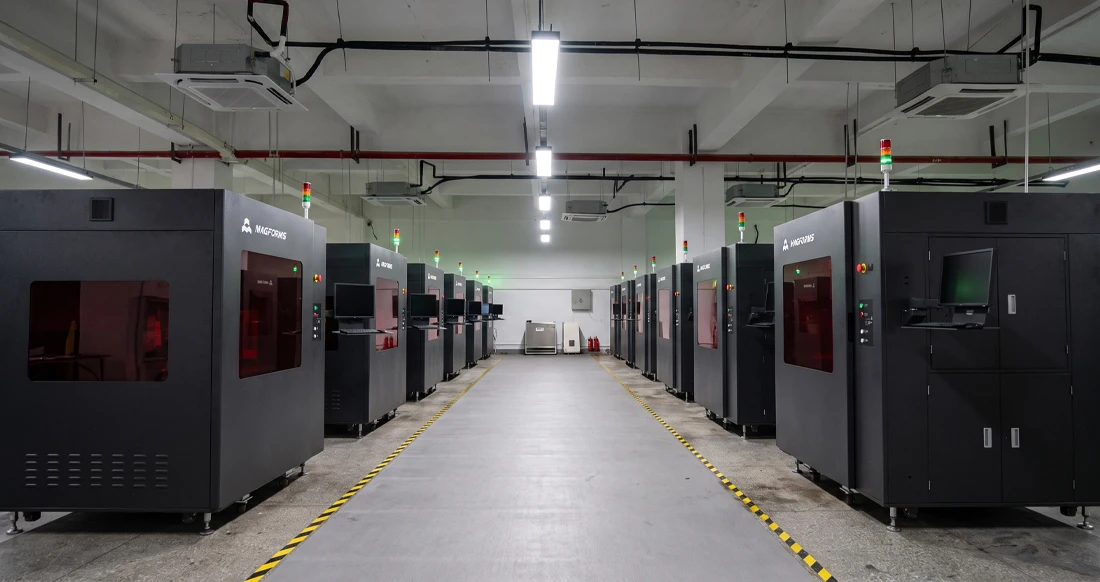
Magforms makes design and manufacture easier.
Popular Blogs
-
 Industry InsightsManufacturing Industry
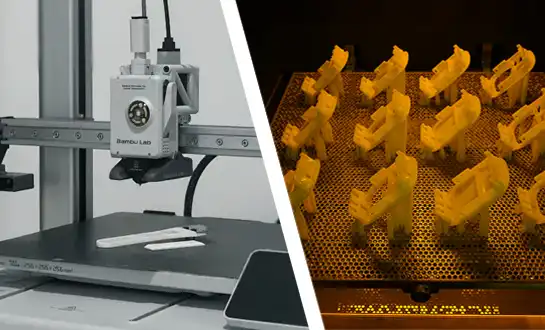
FDM vs. SLA Printer: Which Technology Is Right for Your Project?
-
 Industry InsightsManufacturing Industry
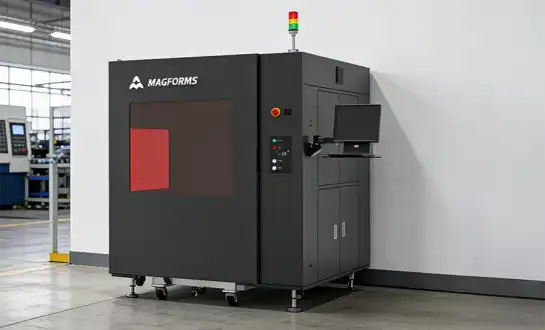
Top 5 Applications of Industrial 3D Printers in Manufacturing Today
-
 Industry InsightsManufacturing Industry
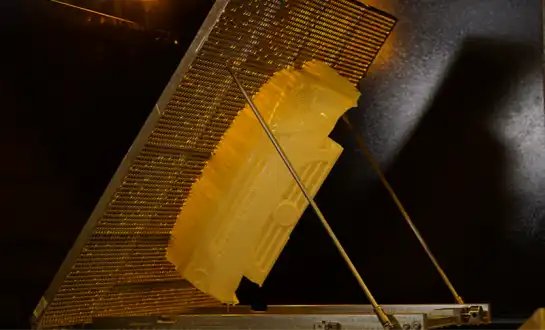
Why Stereolithography 3D Printers Are Unmatched for Microfluidic Device Prototyping?