Can the Stereolithography 3D printer P7 Pro Accelerate Innovation?
The answer is absolutely yes. A stereolithography 3D printer like the P7 Pro fundamentally transforms how businesses approach product development by delivering micron-level precision and dramatically faster iteration cycles. By combining advanced grayscale adjustment algorithms with robust hardware architecture, the P7 Pro reduces prototyping timelines from weeks to days while maintaining accuracy within 0.02mm. This capability allows engineering teams to validate complex designs, optimize geometries, and respond to market demands with unprecedented speed—making innovation not just possible but scalable across industries ranging from jewelry casting to medical device prototyping.
Understanding the Fundamentals of Stereolithography 3D Printing
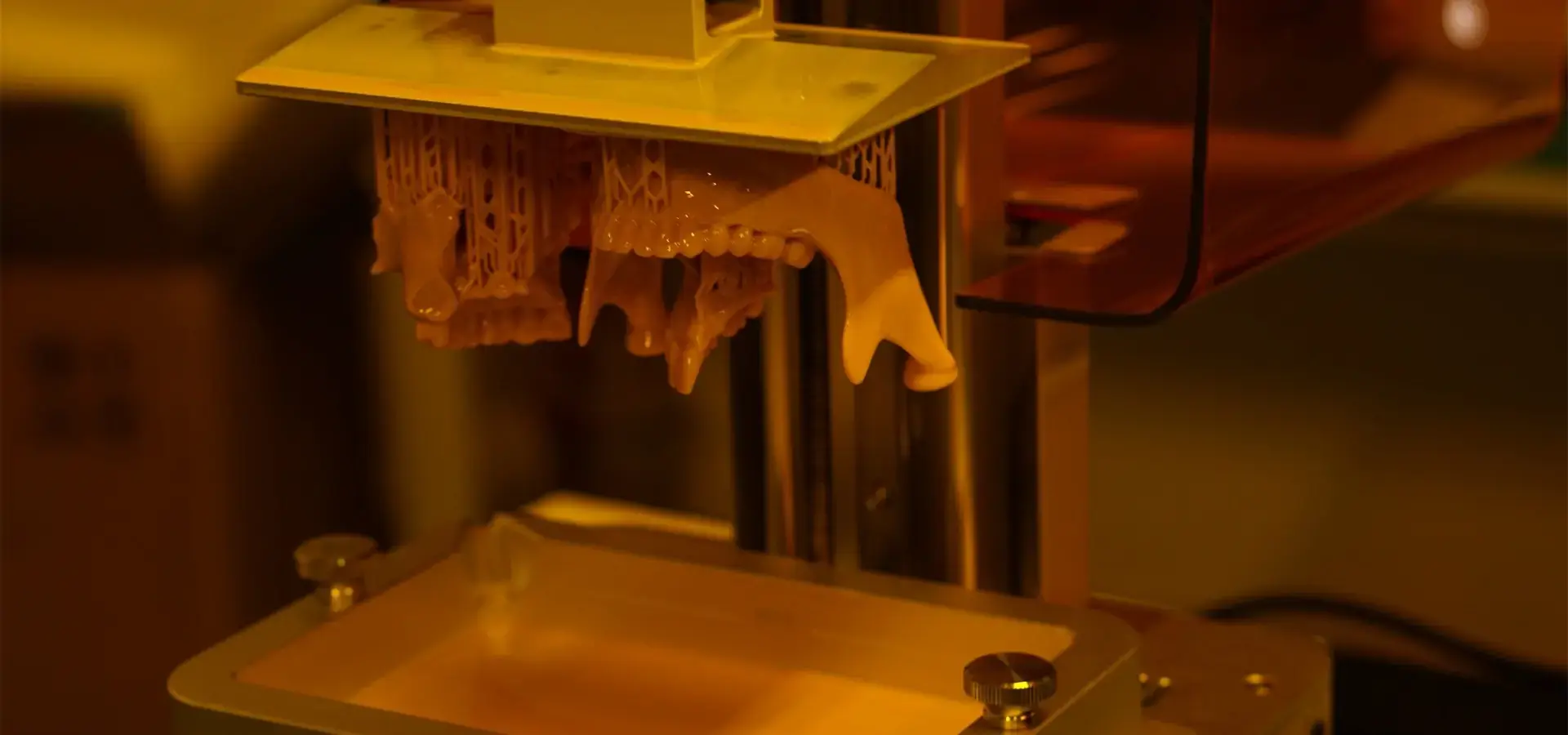
Chuck Hull invented stereolithography in the 1980s. It is the most basic form of additive manufacturing. It uses a UV light source to cure liquid photopolymer resin layer by layer, typically through either a laser scanning system (SLA) or a masked exposure system such as LCD-based stereolithography (mSLA) or DLP. In laser-based SLA systems, a scanning laser draws cross-sections of a CAD model onto the resin surface, while LCD-based stereolithography (mSLA) uses an LCD mask to expose each layer simultaneously. This initiates photopolymerization, forming cross-linked polymer chains that harden the material. After each layer is cured, the build platform moves in Z-axis direction, typically by 25 to 150 micrometres depending on the material and system configuration. This allows fresh resin to coat the previous layer before the next exposure cycle begins.
How Stereolithography Differs from Other Methods
Fused Deposition Modeling (FDM) builds parts by extruding thermoplastic filament layer by layer, typically leaving visible layer lines. Stereolithography (including LCD-based mSLA systems) produces smooth surfaces and generally isotropic mechanical properties after curing. Because of the chemical bonds between the layers, the strength is the same in all directions. This gets rid of the Z-axis weakness that is common in filament-based systems. Digital Light Processing (DLP) uses a projector to flash entire layers at once, which may result in subtle voxelization patterns depending on layer height and pixel resolution. Laser-scanning SLA provides highly precise contour control, while LCD-based stereolithography (mSLA) achieves similar fine-detail output through high-resolution pixel masking.
Material Versatility in Resin Selection
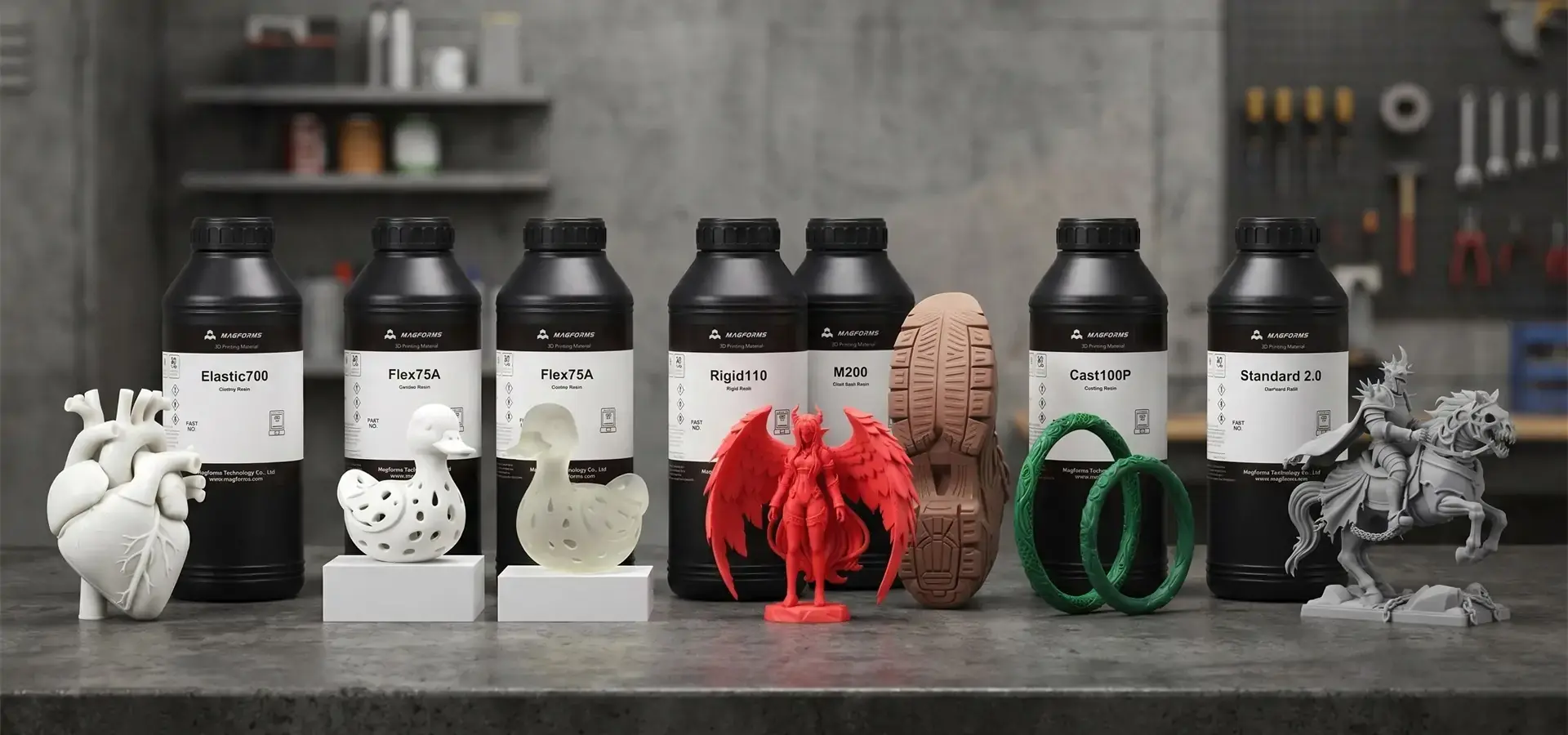
Standard resins for making detailed visual prototypes, tough resins that simulate the mechanical properties of ABS or polypropylene for functional testing, flexible resins with Shore A hardness ratings, high-temperature variants with heat deflection temperatures exceeding 250°C, and castable wax resins that burn out cleanly for investment casting are commonly used within the photopolymer ecosystem supporting stereolithography equipment. The choice of material has a direct effect on how well it works mechanically, how well it resists heat, and what needs to be done after processing. This allows manufacturers to produce parts tailored to specific operational requirements.
If procurement professionals and technical directors understand these basic ideas, they can compare stereolithography equipment to their specific production needs and know when the sub-millimeter accuracy and watertight tolerances make the investment worth it compared to other technologies.
The P7 Pro in Context: Performance and Innovation Potential
The P7 Pro exemplifies how modern LCD-based stereolithography (mSLA) systems bridge the gap between desktop accessibility and industrial-grade performance. Magforms designed this equipment to address the recurring pain points voiced by service bureaus, jewelry workshops, and dental labs: inconsistent batch quality, temperature-dependent failure rates, and the inability to achieve DLP-level detail without the high cost of large-format systems.
Breakthrough Precision Through Grayscale Adjustment
What sets the P7 Pro apart is its proprietary Imadjust algorithm—a grayscale optimization program that dynamically adjusts light exposure at the pixel level. Traditional LCD-based systems deliver binary on-off pixel states, creating stair-stepping effects on angled surfaces. The P7 Pro's 6.8-inch 9K monochrome LCD combined with grayscale modulation achieves an effective XY resolution of 9 micrometers, producing edge sharpness and surface smoothness comparable to high-end DLP and laser-based SLA systems in perceived surface fidelity. This precision meets the strict dimensional tolerances required for jewelry casting models, where even 20-micrometer deviations can cause rejection during investment casting burnout cycles.
The technical specifications reveal the engineering rigor behind this capability. With an 18×18 micrometer pixel size and 8520×4320 resolution, the display can reproduce skin textures, fine threading, and delicate lattice structures that were previously exclusive to machines costing three times more. Accuracy holds within 0.02mm across the 153.36×77.76×160mm build volume, validated through dimensional testing using calibrated gauge blocks and optical measurement systems.
Temperature-Controlled Reliability
We installed a smart heating system that maintains a stable chamber temperature of around 30°C under varying external environmental conditions. During the winter, many shops have print failures because the resin thickens and adhesion to the build plate decreases in low temperatures. The P7 Pro gets rid of this uncertainty, so it can keep up high success rates in rooms that aren't warm and ensure uniform material performance across a wider resin library. This temperature management cuts down on lost materials and unexpected downtime, which are two things that hurt small-batch production profits.
Operational Efficiency and User Experience
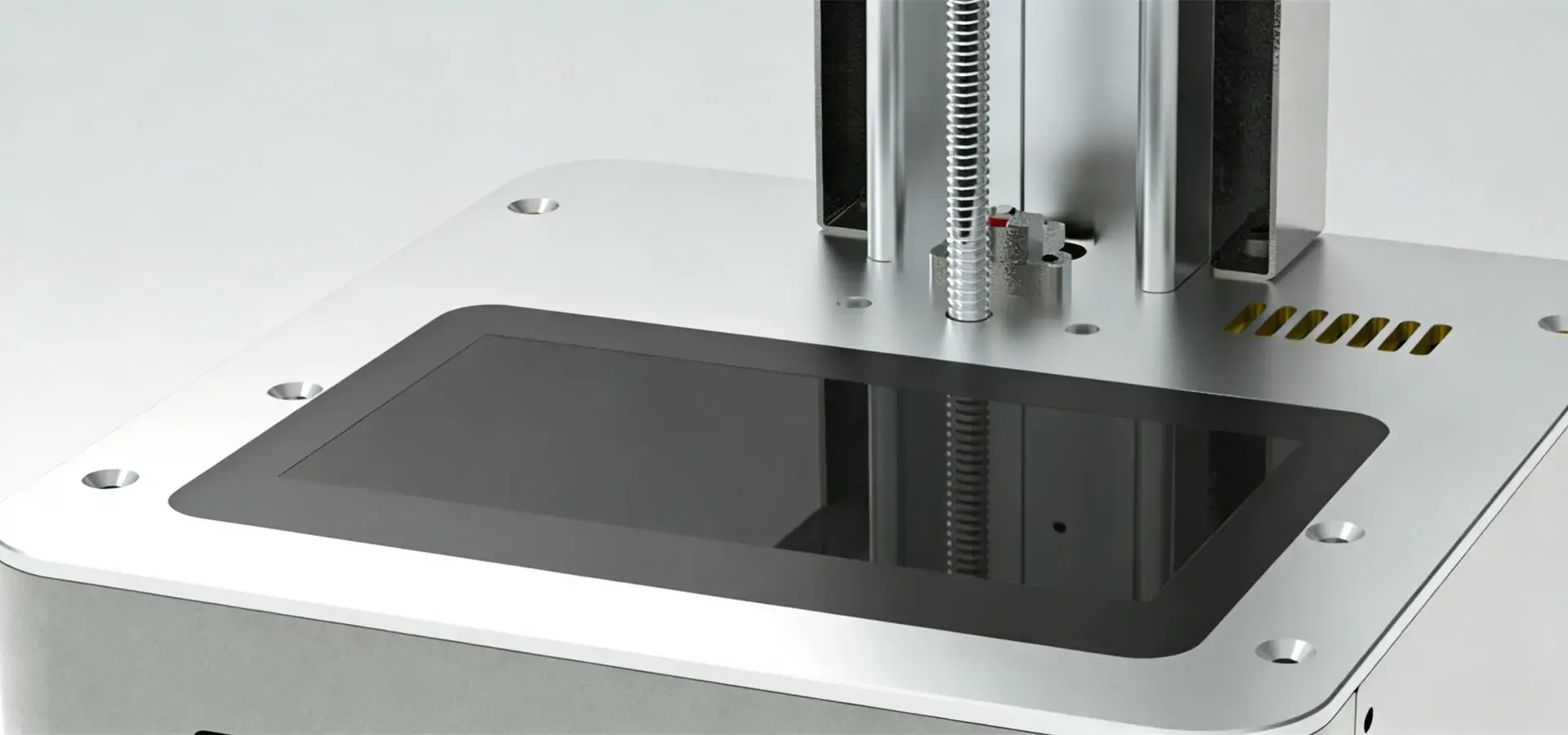
With P-grade industrial precise linear rails, the Z-axis movement can repeat its position, which stops errors from adding up over tall builds. The 5-inch tablet display lets workers change parameters in real time while printing, so they can fix problems that come up without having to cancel jobs. The flip-up cover made of UV-resistant glass lets you see everything clearly while blocking stray UV light that could prematurely cure the resin in the vat.
These combined improvements shorten the time it takes to make a product by letting changes happen overnight. A jewellery artist can send a CAD file before leaving the studio at 6 PM and return the next morning to a fully cured, precisely dimensioned castable resin pattern. In the past, this process had to be outsourced and took several days to complete.
Comparing the P7 Pro with Leading SLA and Alternative 3D Printers
When evaluating stereolithography equipment, procurement professionals must weigh precision, throughput, material compatibility, and total cost of ownership against established competitors and alternative additive technologies.
Benchmark Against Desktop Resin Printers
Formlabs' Form 3 series dominates the professional desktop segment with proven reliability and an extensive material library, yet its proprietary resin cartridges and closed ecosystem increase per-part costs. Anycubic and Elegoo offer budget-friendly consumer-grade LCD printers with acceptable resolution for hobbyists but lack the thermal management and calibration stability required for production environments where batch consistency determines profitability.
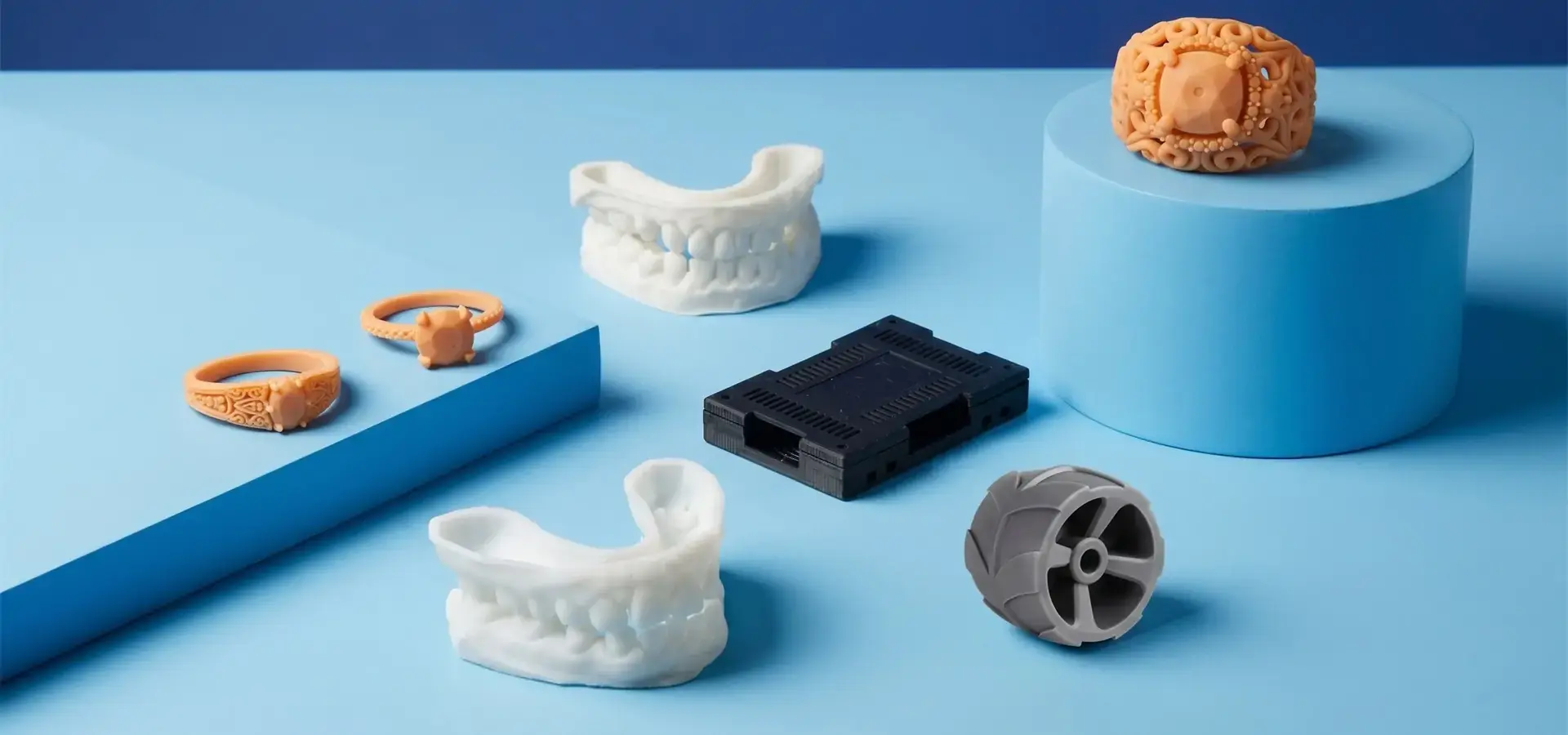
The P7 Pro positions itself strategically between these tiers as a high-resolution LCD-based stereolithography (mSLA) system. It delivers industrial-grade accuracy and environmental control at a price point accessible to small workshops and startup service bureaus. The open material platform accepts third-party resins, reducing consumable expenses while still achieving the dimensional precision necessary for professional applications like dental model fabrication and precision investment patterns.
Stereolithography Versus Alternative Technologies
Fused Deposition Modeling remains cost-effective for large, mechanically robust parts where surface finish is secondary, but its anisotropic layer bonding and visible texture make it unsuitable for visual prototypes or snap-fit assemblies requiring elastic deformation. Digital Light Processing (DLP) and LCD-based mSLA both cure entire layers simultaneously using masked exposure, offering higher throughput than laser-scanning SLA systems. Selective Laser Sintering (SLS) produces durable nylon parts without supports but requires higher system cost and powder handling infrastructure.
For applications demanding fine detail, smooth finishes, and the ability to replicate complex geometries—such as anatomical models, microfluidic devices, or decorative hardware—P7 Pro stereolithography consistently outperforms these alternatives in the sub-$10,000 equipment category.
Value Proposition for Multi-Industry Buyers
Automotive prototyping teams benefit from the P7 Pro's ability to validate snap-fit assemblies and fluid channels before committing to injection mold tooling. Aerospace suppliers use it for small-batch production of inspection fixtures and non-structural components where traditional CNC machining would be prohibitively expensive. Medical device manufacturers appreciate the biocompatible resin options and accuracy needed for surgical guide fabrication. Cultural creatives and footwear designers leverage the rapid iteration capability to test form factors and ergonomic variations during early-stage concept development.
This versatility across sectors stems from the fundamental physics of photopolymerization: when hardware precision aligns with optimized material formulations, a single machine can address diverse manufacturing pain points without requiring specialized configurations for each application.
Evaluating ROI and Procurement Considerations for the P7 Pro SLA Printer
Purchasing decisions for stereolithography equipment extend beyond initial acquisition costs to encompass operational expenses, supplier support infrastructure, and alignment with long-term production scaling strategies.
Total Cost of Ownership Analysis
The P7 Pro's open material compatibility reduces resin costs by 30-50% compared to proprietary cartridge systems. A jewelry workshop printing 200 castable wax patterns monthly saves approximately $1,800 annually on consumables alone. The full-metal chassis and P-grade linear rails minimize maintenance interventions, with the monochrome LCD screen lasting 2,000+ hours before replacement—double the lifespan of RGB screens used in consumer-grade units.
When calculating return on investment, procurement leaders should model time savings against labor costs. Reducing prototyping timelines from five days (outsourced to a service bureau) to overnight in-house production can significantly accelerate design validation workflows, in some cases achieving up to 80% faster iteration compared to outsourced workflows. For a mid-sized automotive tier-two supplier developing custom interior trim components, this acceleration can condense new model development timelines by months, capturing market share before competitors finalize their offerings.
Supplier Reliability and Global Support
Magforms backs the P7 Pro with 22 patents protecting core technologies and 30 registered trademarks, demonstrating sustained investment in intellectual property development. Having served over 300 enterprises across dozens of countries, the company maintains technical support teams experienced in diagnosing regional application challenges—whether addressing humidity-related curing issues in tropical climates or optimizing resin formulations for cold-weather stability.
Bulk purchase incentives and leasing programs accommodate both startup service providers constrained by capital budgets and established manufacturers seeking to deploy multiple units across production lines. The flexibility to scale acquisition aligns equipment investment with revenue growth trajectories, reducing financial risk during market entry phases.
Critical Selection Criteria for Decision-Makers
Technical directors prioritize specifications: Does the system achieve the 9-micrometer XY resolution needed for jewelry details? Can it maintain 0.02mm accuracy across the full build volume? Will the intelligent heating system support the high-temperature resins required for functional testing? The P7 Pro's technical documentation provides third-party validation of these claims, with dimensional accuracy reports available upon request during evaluation phases.
Corporate management examines strategic fit: Does investing in stereolithography capability enable vertical integration of prototyping workflows currently outsourced? Will in-house production capacity unlock new service offerings that differentiate us from competitors? How quickly does equipment downtime get resolved, and what preventative maintenance protocols exist to protect production schedules?
Addressing both technical rigor and business strategy concerns positions the P7 Pro as a procurement choice that satisfies engineering validation while delivering measurable operational advantages.
Future Outlook: The Role of the P7 Pro in Industry Innovation and Digital Manufacturing
The trajectory of additive manufacturing points toward greater integration with enterprise software ecosystems, automation infrastructure, and data-driven process optimization—trends that amplify the strategic value of investing in advanced stereolithography systems today.
AI-Driven Process Optimization
New machine learning methods look at old print data to figure out where to put the supports, how to set the resin exposure, and how long each layer should cure based on how complicated the shape is. In the future, software changes for the P7 Pro could add these adaptable settings, which would automatically adjust factors to get the best results with the least amount of work after the fact. As more users adopt the software, anonymized performance data trains models that continuously improve print outcomes for everyone.
Integration with Digital Manufacturing Workflows
IoT access lets you keep an eye on print lines from afar, keep track of how much material is being used, and get alerts for planned maintenance. A service center that is in charge of several P7 Pro units that work at different times can centrally schedule jobs, get alerts when prints are done, and find problems before they cause batch failures. With this connection, stereolithography tools go from being stand-alone tools to being points in smart production networks.
Customization at Scale
Mass customisation can only work if the setup time between jobs is kept as short as possible. The P7 Pro's software interface lets you handle groups of different shapes without having to do it by hand. This means that a dental lab can make 30 different aligner moulds for different patients in one build. As customer demands for personalised goods rise, the ability to make one-of-a-kind things cheaply without spending a lot of money on tools stops being a nice-to-have and starts being a competitive necessity. Businesses that buy the P7 Pro now will be able to use these new features as they become available. This way, they won't have to deal with the technical debt of old equipment that can't handle advanced software integration.
Conclusion
The stereolithography 3D printer P7 Pro speeds up creation by shortening the time it takes to make changes to designs, providing industrial-grade accuracy on a desktop, and staying reliable in harsh production settings. Magforms has created a solution that addresses the main problems that manufacturers from different industries have been complaining about: inconsistent quality, failures that depend on temperature, and an expensive total cost of ownership. This is done through proprietary greyscale optimisation that achieves 9-micrometer resolution, intelligent thermal management, and an open material platform that lowers the cost of consumables. The P7 Pro supports jewellery casting processes, dental model production, and testing of car parts. It gives a clear return on investment (ROI) through faster time-to-market and less reliance on outsourcing. It also protects investments against changing digital manufacturing needs.
FAQ
1. What resin materials does the P7 Pro support?
The P7 Pro operates as an open-platform stereolithography system compatible with standard 405nm photopolymer resins, including castable wax formulations for jewelry and dental applications, tough engineering resins for functional prototyping, flexible materials for snap-fit testing, and high-temperature variants. This versatility allows users to select cost-effective third-party materials while maintaining print quality, unlike proprietary cartridge systems that lock buyers into single-source consumables.
2. How does the 9-micrometer resolution compare to DLP printers?
Through the Imadjust grayscale algorithm, the P7 Pro achieves effective XY resolution comparable to digital light processing systems that traditionally cost significantly more. Standard LCD printers operate with binary pixel states, whereas the P7 Pro modulates exposure intensity at the pixel level, producing smoother edge transitions and finer surface detail. This capability makes it suitable for applications like jewelry master patterns where dimensional precision directly impacts casting success rates.
3. What maintenance protocols does the P7 Pro require?
Routine upkeep involves cleaning the resin vat with isopropyl alcohol after every 10-15 prints, inspecting the FEP film for cloudiness monthly, and replacing the monochrome LCD screen after approximately 2,000 operational hours. The P-grade linear rails require minimal lubrication due to their sealed design. Magforms provides detailed maintenance schedules and offers remote technical support to diagnose issues, minimizing unplanned downtime that disrupts production schedules.
Partner with Magforms for Your Stereolithography 3D Printer Needs
Magforms stands as a trusted stereolithography 3D printer manufacturer delivering integrated material and equipment solutions backed by 22 patents and a decade of industry expertise. The P7 Pro combines high-precision dimensional accuracy (within 0.02mm) with exceptional cost-performance, serving over 300 enterprises worldwide through reliable global logistics and responsive technical support. Our engineering team collaborates with procurement professionals to configure systems meeting specific application requirements—whether you're scaling a jewelry casting operation, launching a dental service bureau, or establishing in-house prototyping for automotive components. Reach out to info@magforms.com to discuss bulk acquisition options, leasing programs, and technical validation samples. Accelerate your innovation cycles with proven additive manufacturing technology designed for real-world production demands.
References
1. Hull, C. W. (1986). Apparatus for Production of Three-Dimensional Objects by Stereolithography. United States Patent and Trademark Office Patent No. 4,575,330.
2. Gibson, I., Rosen, D., & Stucker, B. (2015). Additive Manufacturing Technologies: 3D Printing, Rapid Prototyping, and Direct Digital Manufacturing (2nd ed.). Springer.
3. Jacobs, P. F. (1992). Rapid Prototyping and Manufacturing: Fundamentals of Stereolithography. Society of Manufacturing Engineers.
4. Melchels, F. P., Feijen, J., & Grijpma, D. W. (2010). A review on stereolithography and its applications in biomedical engineering. Biomaterials, 31(24), 6121-6130.
5. Stansbury, J. W., & Idacavage, M. J. (2016). 3D printing with polymers: Challenges among expanding options and opportunities. Dental Materials, 32(1), 54-64.
6. Wohlers, T., & Gornet, T. (2020). Wohlers Report 2020: 3D Printing and Additive Manufacturing State of the Industry. Wohlers Associates.

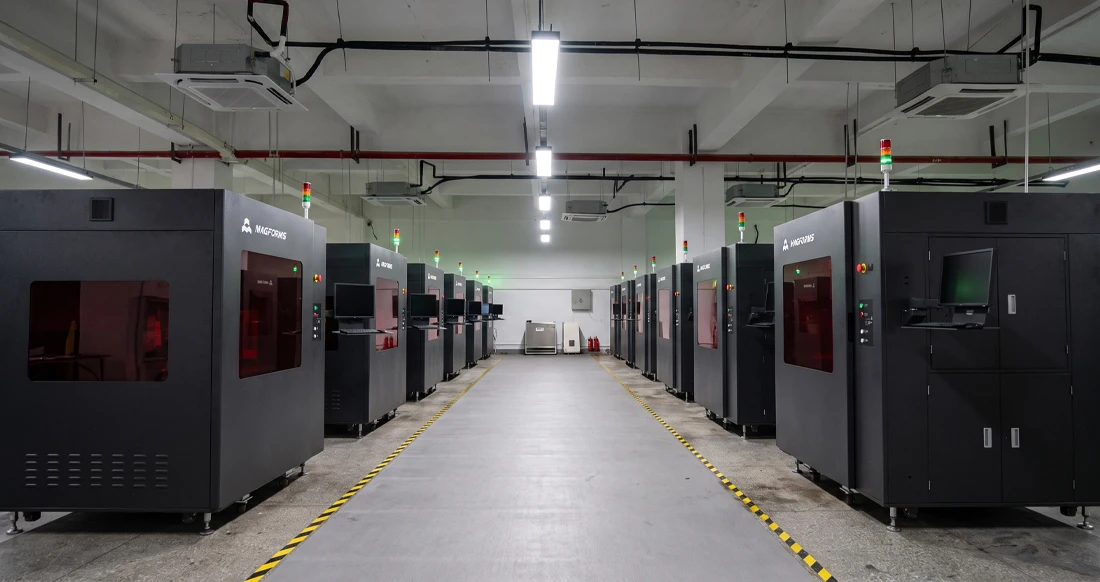
Magforms makes design and manufacture easier.
Popular Blogs
-
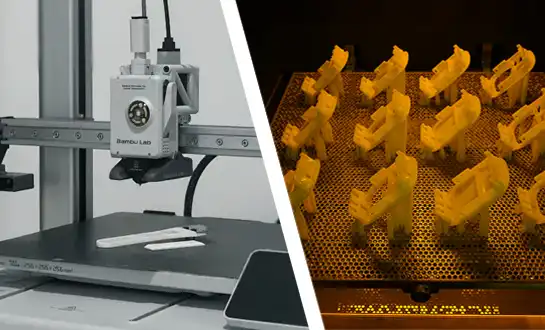 Industry InsightsManufacturing Industry
FDM vs. SLA Printer: Which Technology Is Right for Your Project?
-
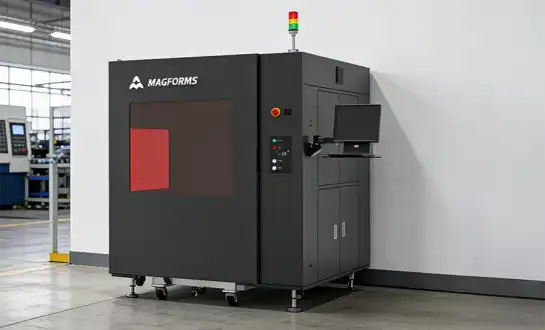 Industry InsightsManufacturing Industry
Top 5 Applications of Industrial 3D Printers in Manufacturing Today
-
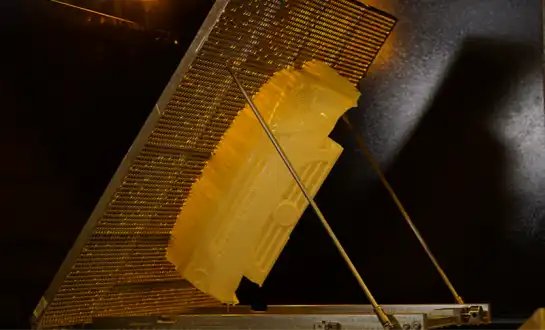 Industry InsightsManufacturing Industry
Why Stereolithography 3D Printers Are Unmatched for Microfluidic Device Prototyping?