Common Failures in Industrial SLA 3D Printers and How to Fix Them
Industrial SLA 3D Printers function as high-precision laser-based stereolithography (SLA) systems that selectively cure photopolymer resin layer by layer using a focused UV laser beam. This results in parts with micron-level accuracy needed for aerospace validation parts, dental orthodontic models, and automotive rapid prototyping. Laser power degradation, resin contamination affecting photopolymerization, galvanometer calibration drift causing dimensional deviation, and vat system wear leading to inconsistent print behavior are all common issues in industrial SLA systems. Manufacturers lose thousands of dollars every hour in lost production capacity when these problems cause equipment to break down. Defective parts also make it harder to check the assembly and meet client delivery deadlines. To fix these problems, it is essential to understand both the optical system mechanics and the photopolymer chemistry that are unique to laser SLA technology. This guide gives procurement managers, technical directors, and leaders of 3D printing workshops diagnostic frameworks and preventative strategies to keep operations running smoothly in production settings with multiple shifts.
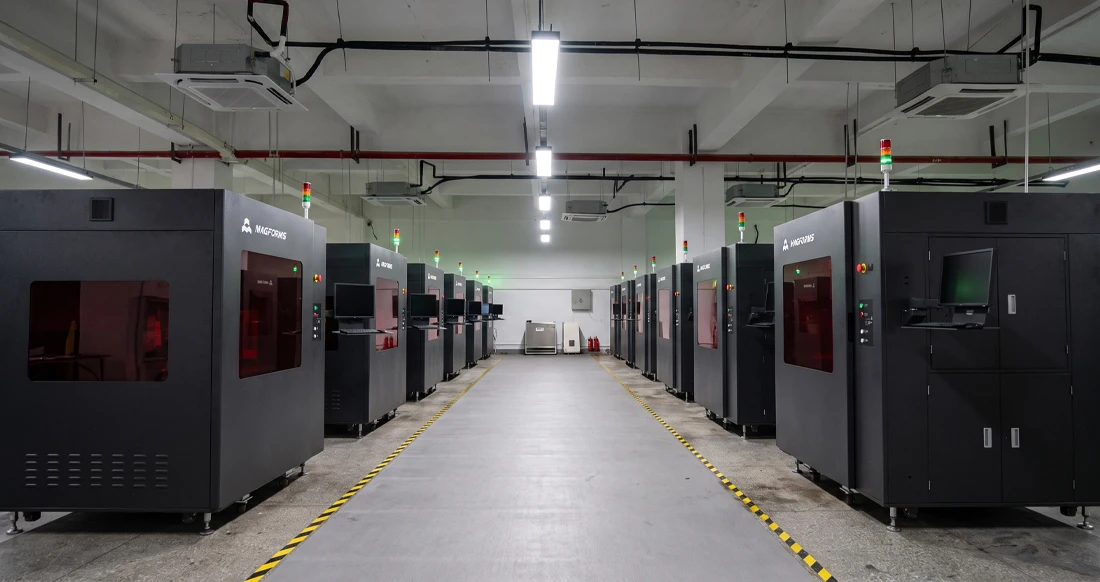
👉Laser-Based Stereolithography (SLA) Technology
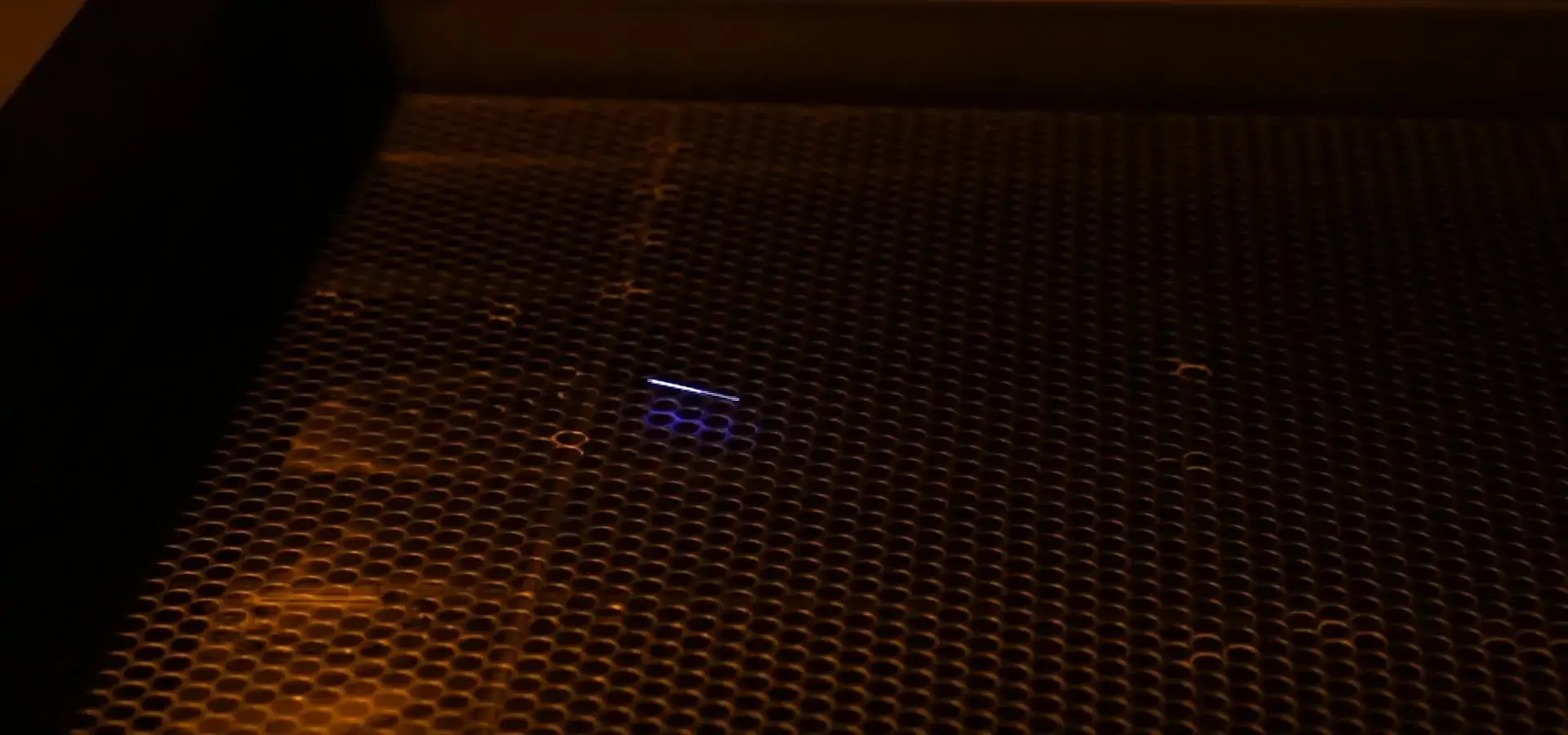
Understanding Common Failures in Industrial SLA 3D Printers
To turn liquid resin into solid shapes, stereolithography devices use coordinated mechanical motion, visual accuracy, and chemical reactions. Failures happen when any part of this chain breaks down or doesn't work as expected.
Resin Tank and Vat System Wear
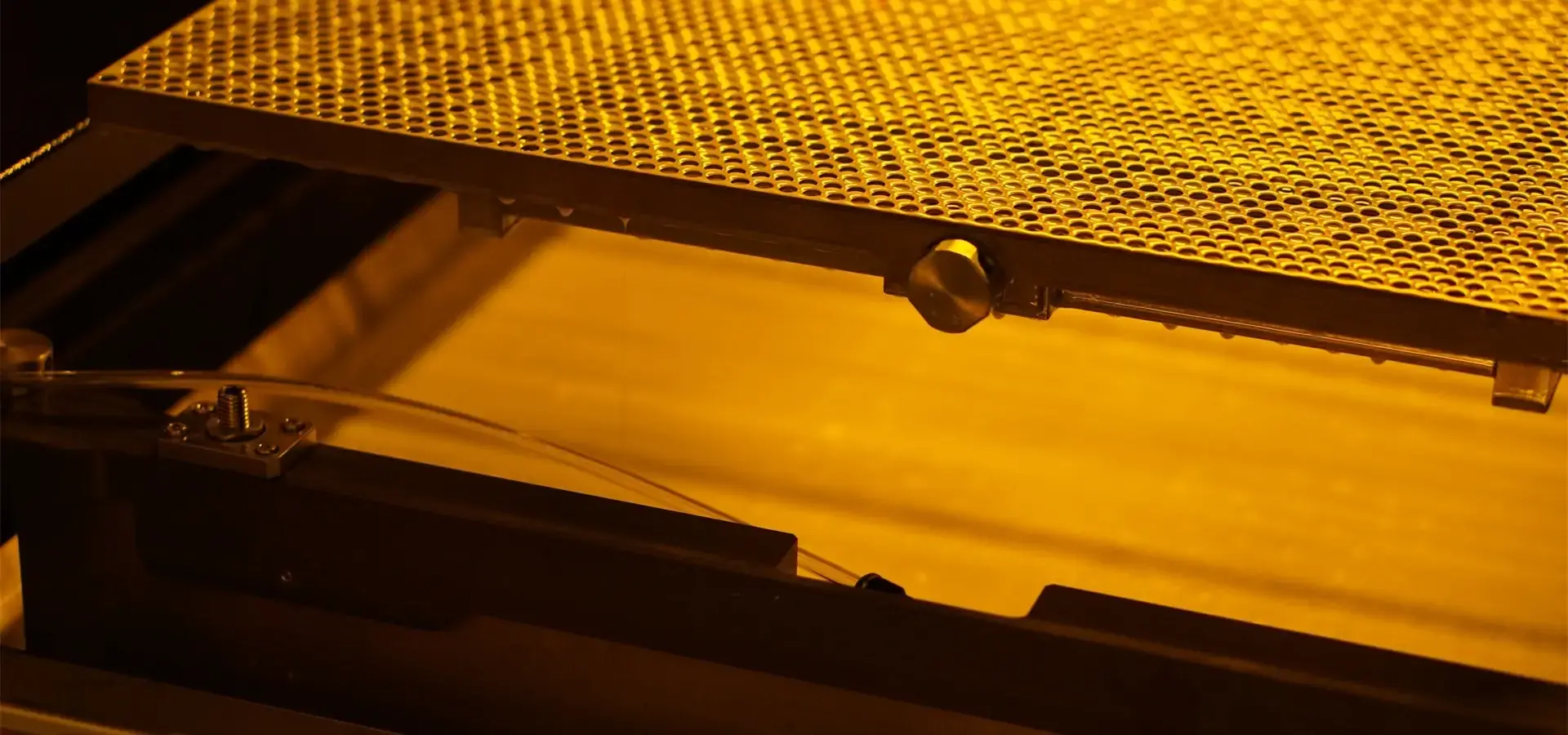
The resin vat in industrial SLA systems is a key component that holds liquid photopolymer during the printing process. Over time, resin contamination, sediment buildup, and residue from partially cured material can accumulate inside the vat, affecting process stability and part repeatability.
In high-volume production environments, improper cleaning or prolonged resin usage can lead to reduced optical clarity of the resin itself and uneven curing behavior on the build surface. Mechanical wear of the vat base and repeated thermal cycling may also contribute to dimensional instability and surface defects in printed parts.
Laser Power Output Degradation
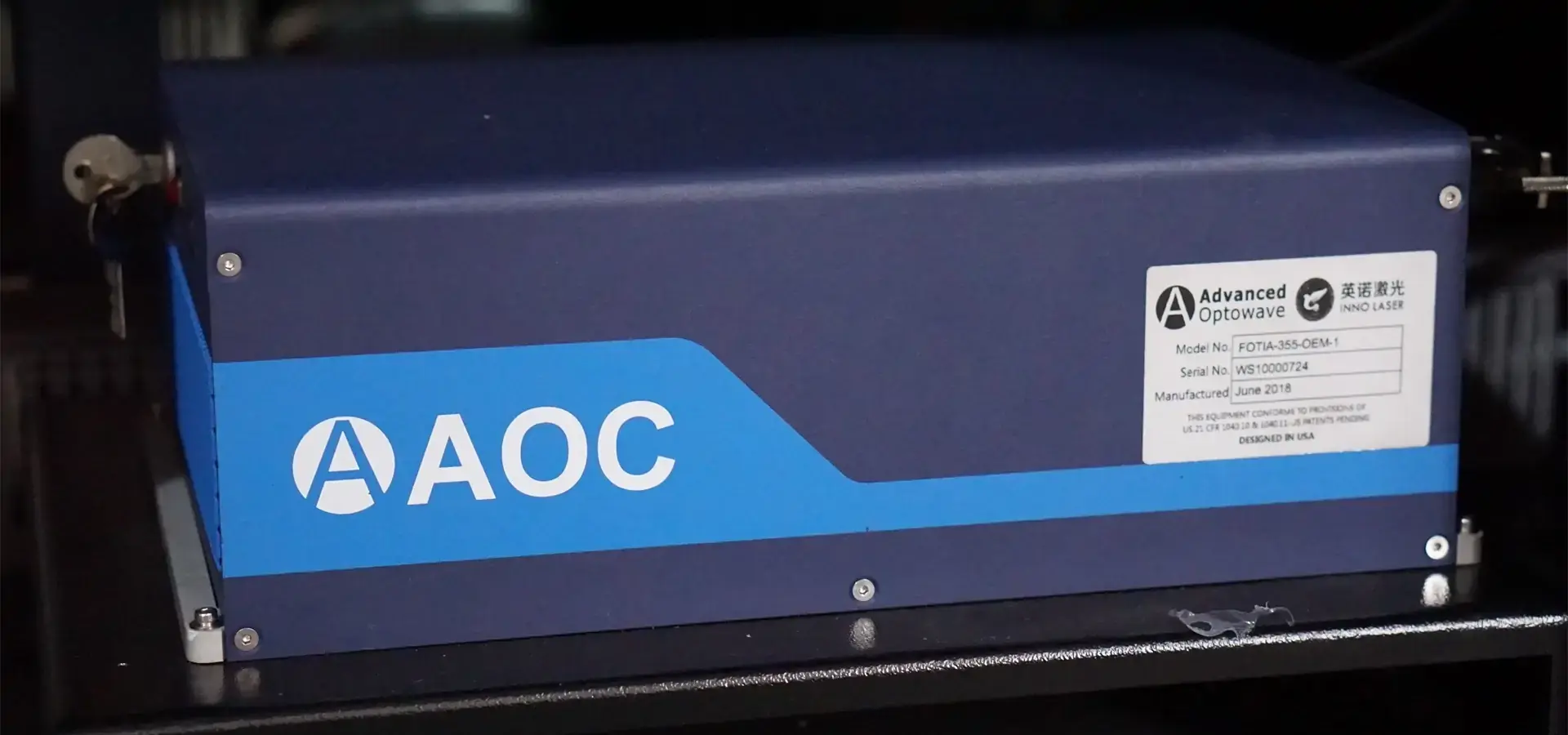
Solid-state lasers in industrial stereolithography tools lose some of their output power over time. When laser energy falls below the resin’s photoinitiation threshold, the parts have layers that aren't fully sealed and don't connect well with each other. This type of failure is especially bad for aerospace uses that need the same tensile strength across different production runs. Operators often think that the problem is with the quality of the plastic when, in reality, it's because the laser is getting old and needs to be recalibrated or parts need to be replaced.
Galvanometer Calibration Drift
Galvanometer scanning systems precisely control the laser beam path across the build area using high-speed mirror deflection. Galvanometer mirrors deviate from calibrated positions, resulting in scanning accuracy errors. This can happen because of thermal cycling, mechanical vibration, or electronic drift. When automakers prototype panel parts and put them together, they find this failure when the parts are out of line with each other. Over time, the problem gets worse, so finding it early through regular test runs is very important for keeping tolerances.
Resin Contamination and Material Handling Issues
Dust particles, partially cured resin fragments, and unintended UV exposure in production environments can all degrade photopolymer stability. When resin is contaminated, its viscosity and photopolymerization behavior can change, leading to inconsistent curing performance, which can lead to parts with surface flaws or differences in size. Companies that make cases for wearing electronics have a hard time with pollution because it leaves marks on clear or see-through parts that can be seen. Temperature changes can also affect how the resin flows. For example, cold resin can become too thick to spread evenly across the build platform.
Diagnosing and Troubleshooting Industrial SLA 3D Printer Failures
Systematic analysis tells the difference between problems with tools and problems with process parameters. This lets you take focused corrective action instead of making changes by trial and error.
Conducting Diagnostic Test Prints
Standardized test geometries for Industrial SLA systems help reveal specific failure modes in a controlled and measurable way. A test part with small features, vertical walls, and horizontal surfaces shows issues with layer bonding, surface finish degradation, and dimensional drift all at the same time. Baseline performance benchmarks are established through periodic test prints at regular intervals. When flaws show up, comparing the latest results to older ones lets you know exactly when the degradation started, linking fails to maintenance events or changes in the environment.
Laser System Verification Procedures
By using a calibrated power meter to measure the real laser power output, energy loss can be found before it causes a lot of print fails. During normal operation, industrial SLA systems typically maintain laser output stability within ±5% of specified power under proper maintenance conditions. For galvanometer alignment checking, a grid pattern is printed across the whole build platform, and then coordinate measuring tools are used to compare the real positions of features to the ones that were set. Deviations greater than ±0.1 mm may indicate galvanometer calibration drift or optical path misalignment and require recalibration.
Resin Quality Assessment Methods
Material degradation can be seen by assessing optical clarity and contamination level in resin, checking its viscosity with flow cups, and curing small test pieces in controlled circumstances. Fresh resin doesn't have any cloudiness or bits floating on top of it. Material that is contaminated has particles or color changes that can be seen. Testing the age and history of contact to resin helps figure out whether replacing the material or filtering it is a more cost-effective way to fix quality problems than fixing the equipment.
Software and Firmware Troubleshooting
Modern stereolithography printers have software that checks the system state, motor performance, and sensor data to make sure it is working properly. By looking at error logs, you can often find faults that happen from time to time before they completely fail. Manufacturers release firmware patches that fix known bugs and make the system more stable. Making sure that the software used for slicing has the right material profiles stops healing parameter mistakes that look like hardware failures.
Preventive Maintenance Tips to Reduce Failure Rates
Preventive repair makes equipment last longer and cuts down on unplanned downtime that can mess up production plans and client responsibilities.
Establishing Component Replacement Schedules
Instead of waiting for critical wear parts to break, they need to be replaced based on how many hours they've been used. Resin vats should be regularly cleaned and inspected, with replacement or refurbishment depending on wear, residue buildup, and surface condition. When supports are taken away, the surfaces of build platforms get tiny damage that needs to be fixed or replaced on a regular basis. To maintain positional accuracy and mechanical stability, linear guides and lead screws should be oiled every 500 hours of use. When compared to standard-grade hardware, equipment with HIWIN Taiwan-made linear motion components has longer service intervals.
Calibration and Alignment Protocols
Laser power in Industrial SLA systems should be periodically checked (typically monthly in production environments) to make sure that the output stays within the limits. Dimensional accuracy is kept up by calibrating the galvanometer every three months using alignment tools given by the maker. Checks to make sure the build platform is level stop first-layer binding fails that waste material and machine time. Advanced industrial SLA systems using Scanlab galvanometer technology and high-stability UV laser modules can help maintain tighter calibration stability over time. This means that they don't need to be calibrated as often but can still achieve micron-level accuracy.
Resin Management Best Practices
Photopolymer resins can be kept in opaque cases away from UV light to keep their qualities. Filtering resin regularly gets rid of bits of contamination that cause flaws on the surface. It's important to keep the glue at the right temperature, and built-in temperature control systems keep viscosity problems from happening when the system is used in cold weather. Industrial sites that work with dental labs like climate-controlled resin management because it makes sure that the results of making orthodontic aligners are always the same, even when the temperature changes with the seasons. In practical production environments, Dental Model Production with Industrial SLA 3D Printing demonstrates how stable resin handling, accurate laser exposure, and consistent calibration can reduce failed prints and improve orthodontic manufacturing efficiency.
Optical System Protection
When dust gets on optical parts, it lowers the quality of the beam and the laser's useful power. Environmental contact is kept to a minimum with equipment that has sealed optical rooms with protective glass covers. Beam focus is kept up by regularly cleaning exposed optical surfaces using ways allowed by the maker. Installing Philips-brand UV-blocking lamps in equipment lighting systems stops ambient UV light from drying resin too quickly and reduces operator exposure to stray UV light.
👉Industrial SLA 3D Printer types and solutions
Comparison of Industrial SLA 3D Printer Failures vs Other 3D Printing Technologies
Different types of additive manufacturing have unique failure modes that are related to the way they work physically.
SLA versus SLS Failure Characteristics
When selective laser sintering systems work with powder materials, they run into problems like inconsistent powder beds, heat warping, and powder decay during recycling. These problems are very different from the problems that come up when working with liquid plastic in stereolithography. SLA systems typically deliver higher surface resolution and smoother surface finish quality, but it needs stricter environmental limits for managing the resin. Medical device companies that make samples of surgery guides like SLA technology because it reproduces details better and doesn't need much post-processing, even though it can get contaminated easily.
SLA versus FDM Reliability Considerations
Problems with nozzle clogging, filament moisture absorption, and heated bed adhesion problems that don't happen with stereolithography systems happen with fused deposition modeling printers. In contrast, SLA printers eliminate filament feeding and extrusion-related challenges, but they do require managing the chemistry of the glue. The cultural and artistic industries that make figures and decorative models with lots of details like SLA technology because it can create complex surface textures that filament extrusion can't.
Maintenance Complexity and Downtime Comparison
For stereolithography upkeep, you need to know a lot about optical alignment and laser systems. For FDM systems, on the other hand, it's easier to just make mechanical changes. SLA cleaning methods need to be done with solvents and waste in the right way. Modern commercial SLA equipment with self-diagnostic software and flexible component design makes it easier to maintain. Systems with Panasonic servo motors for controlling the platform, recoater, and liquid level are accurate to within ±8 micrometers in terms of placement. This means that alignment-related downtime is much less than with stepper motor solutions.
How to Choose Reliable Industrial SLA 3D Printers to Minimize Risk of Failures
Long-term operating success depends on buying things that balance the original investment against the total cost of ownership.
Critical Hardware Component Selection
The build volume capacity must accommodate the largest expected parts without requiring segmented builds that may affect structural integrity. Laser specs, such as frequency compatibility with available resin formulas and power output enough for the layer widths you need, are very important. The speed at which the galvanometer scans directly affects how much work gets done. High-performance systems can scan 10 to 12 meters per second. Compared to fixed-spot systems, variable laser spot technology speeds up printing by 30 to 50 percent by letting you change between 0.15 mm detail spots and 0.6 mm filler spots on the fly.
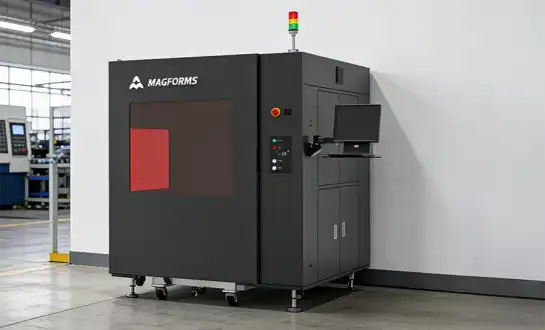
👉 SL800 Industrial SLA 3D Printer system
Material Compatibility and System Openness
Closed private resin systems for Industrial SLA 3D Printer force users to buy materials from a single source, which limits their ability to change how they do business and save money. Open design that lets standard 355nm photopolymer resins from many sources is good for getting deals and trying materials for specific uses. When shoe companies make models for sports shoes, they really like how flexible the material is because it lets them match the mechanical properties of the resin to the properties of the sole substance.
Vendor Support Infrastructure and Service Responsiveness
How reliable your equipment is depends a lot on how well the maker supports it. The ability to provide field service, the time it takes to answer technical questions, and the supply of extra parts all have a direct effect on the continuity of production. When manufacturers have large, skilled after-sales teams that can answer questions 24 hours a day, seven days a week, they can keep small technology problems from turning into long periods of downtime. Advanced systems benefit from the Magforms product line, which combines the accuracy of a German Scanlab galvanometer with the stability of an AOC laser, the accuracy of a Panasonic servo motor, and the dependability of Schneider electrical components.
Software Interface and Operational Efficiency
With intuitive control software, operators don't need to be trained as much, and setup mistakes that waste materials are less likely to happen. Modern systems with clean interfaces that are designed for mobile device use let techs check on prints from afar and change settings without having to be on the floor all the time. Self-learning scanning methods that improve printing paths based on past experience gradually raise output, and speed increases of up to 20% have been recorded over the life of the equipment.
Conclusion
Failures in industrial stereolithography are caused by optical component degradation, mechanical wear, poor resin chemistry management, and external factors that are directly affected by choices about what to buy and how to maintain the machine. Choosing equipment with high-quality parts from well-known brands lowers the failure rate at the start, and planned regular maintenance keeps the equipment running well for as long as it lasts. Knowing the specific ways that SLA technology can fail lets expert teams find problems quickly and make the right fixes, which keeps production running as smoothly as possible. When you combine a wide range of hardware options, thorough vendor support, and well-organized operating procedures, you can create manufacturing settings where additive manufacturing can achieve uniform quality and reliable throughput, which is necessary for competitive production operations.
FAQ
What causes most print failures in industrial stereolithography systems?
A significant proportion of SLA print failures are commonly associated with resin contamination, calibration drift, support structure design, and vat system wear, although actual distributions vary across production environments and materials.
How often should laser calibration occur on production SLA equipment?
Checking the laser's power once a month with accurate meters finds output loss early. Full galvanometer spatial correction should happen every three months for equipment that only works one shift, and once a month for equipment that works 24 hours a day, seven days a week. Systems that use Scanlab galvanometers have better stability in their tuning, often staying within specs between repair periods in Industrial SLA 3D Printers.
Can material choice impact equipment failure rates?
Of course. Low-quality resins with insufficient photoinitiator concentration or the wrong filler materials make the laser exposure time longer, which speeds up the wear on optical components. Premium engineering resins made for industrial use fix quickly at normal laser powers. This lowers the thermal stress on lasers and galvanometers and gives final parts better mechanical qualities.
What distinguishes reliable industrial SLA printer suppliers?
Professional industrial equipment providers are different from consumer-focused vendors because they have a full after-sales support system with responsive expert teams, an inventory of easy-to-find spare parts, and written upkeep methods. Suppliers with free testing programs let you make sure that the Industrial SLA 3D Printer meets the needs of your specific application before you commit to buying it.
Partner with Magforms for Reliable Industrial SLA 3D Printer Solutions
Magforms makes integrated stereolithography systems that use cutting-edge tools and a wide range of materials that can be used in a variety of industrial processes. Our machines have German Scanlab galvanometers that provide micron-level system precision and AOC lasers that provide stable output for constant industrial production. Variable laser spot technology makes printing 30–50% faster than with older systems, and adaptive scanning path optimization algorithms can improve print path efficiency through iterative optimization. Magforms has 22 patents that support ongoing innovation, and its products are sold to over 300 businesses around the world. Its goods are known to be reliable, and its after-sales teams react within 24 hours. Contact our technical experts at info@magforms.com to talk about your unique needs, ask for sample testing, or learn more about how our Industrial SLA 3D Printer solutions can help your manufacturing setting reduce operational risks and increase production efficiency.
References
1. Gibson, I., Rosen, D., & Stucker, B. (2015). Additive Manufacturing Technologies: 3D Printing, Rapid Prototyping, and Direct Digital Manufacturing (2nd ed.). New York: Springer.
2. Jacobs, P. F. (1992). Rapid Prototyping & Manufacturing: Fundamentals of Stereolithography. Dearborn, MI: Society of Manufacturing Engineers.
3. Melchels, F. P. W., Feijen, J., & Grijpma, D. W. (2010). A review on stereolithography and its applications in biomedical engineering. Biomaterials, 31(24), 6121-6130.
4. Stansbury, J. W., & Idacavage, M. J. (2016). 3D printing with polymers: Challenges among expanding options and opportunities. Dental Materials, 32(1), 54-64.
5. Wohlers, T., & Gornet, T. (2016). Wohlers Report 2016: 3D Printing and Additive Manufacturing State of the Industry. Fort Collins, CO: Wohlers Associates.
6. Zhou, C., Chen, Y., 杨, Z., & Khoshnevis, B. (2013). Digital material fabrication using mask-image-projection-based stereolithography. Rapid Prototyping Journal, 19(3), 153-165.

Magforms makes design and manufacture easier.
Popular Blogs
-
 Industry InsightsManufacturing Industry
FDM vs. SLA Printer: Which Technology Is Right for Your Project?
-
 Industry InsightsManufacturing Industry
Top 5 Applications of Industrial 3D Printers in Manufacturing Today
-
 Industry InsightsManufacturing Industry
Why Stereolithography 3D Printers Are Unmatched for Microfluidic Device Prototyping?