How the SL800 Industrial SLA 3D Printer Enhances Precision Manufacturing
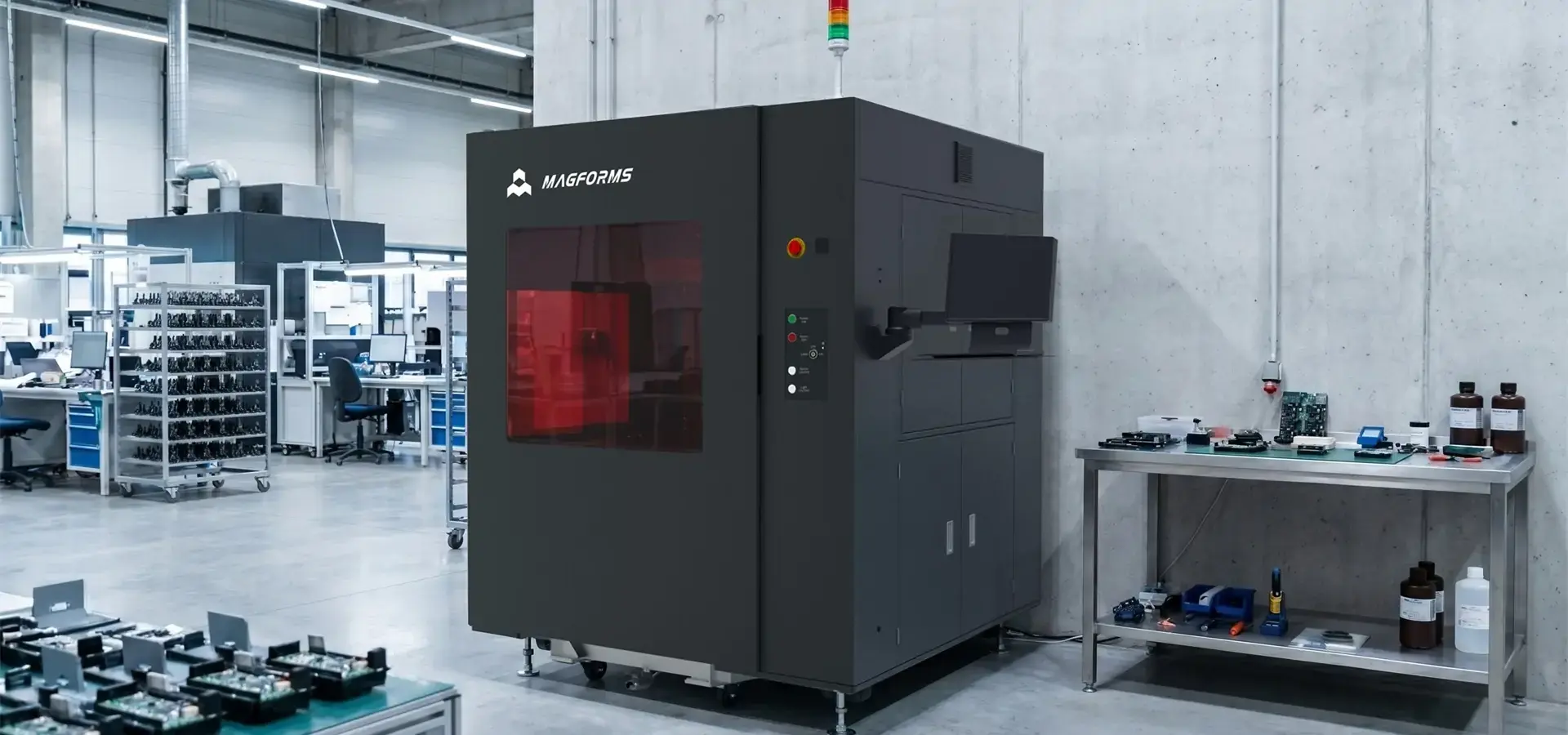
When accuracy is very important in your production line, the SL800 Industrial SLA 3D Printer changes how makers make complex parts. The German Scanlab galvanometer and AOC laser technology in this advanced stereolithography system provide micron-level accuracy, making it possible to produce parts with consistent dimensional accuracy and uniform geometry. Traditional prototyping methods can sometimes result in inconsistent quality depending on process and material conditions. This industrial-grade solution, on the other hand, solves core manufacturing problems by reducing tooling-related lead times, cutting down on material waste, and making it possible to get injection-mold surface finishes that traditional machining can't do cost-effectively.
Understanding Industrial SLA 3D Printing and Its Role in Precision Manufacturing
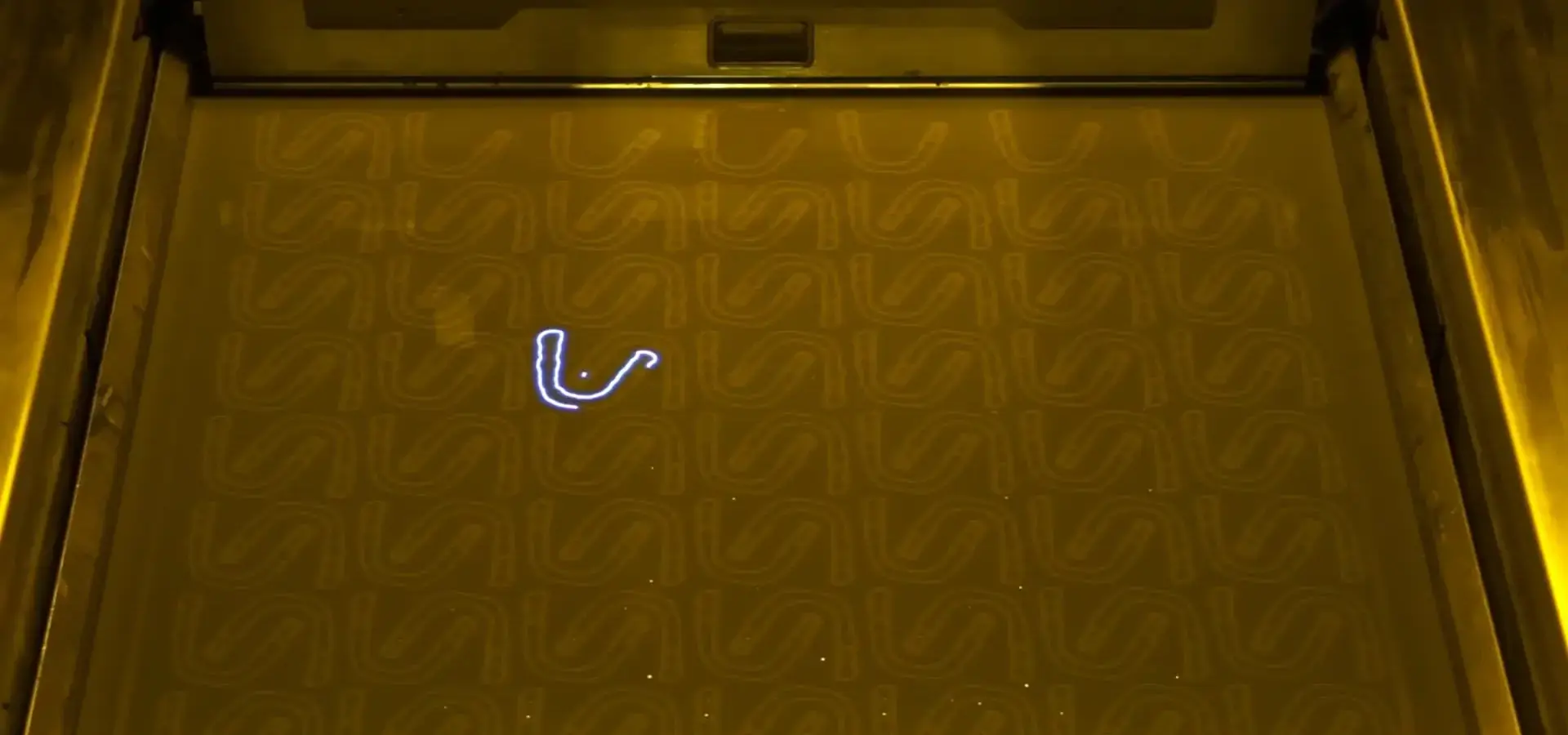
A computer-controlled ultraviolet laser selectively cures liquid photopolymer resin layer by layer in stereolithography, which is the basis of modern additive manufacturing. This method produces three-dimensional parts with very smooth surfaces and high dimensional accuracy. The technology differs significantly from Fused Deposition Modeling (FDM) and Selective Laser Sintering (SLS), as SLA systems can typically achieve surface roughness values around Ra 1–5 micrometers depending on material and process parameters. This means that there are no visible layer lines that negatively affect part aesthetics or functional performance.
👉 Industrial SLA technology principles
Why Precision Manufacturing Demands SLA Technology
The isotropic mechanical qualities of photopolymerization make it useful in manufacturing settings that need to keep very close tolerances. Examples include testing aircraft parts, making dental prosthetics, and quickly developing cars. This method makes parts that are relatively isotropic mechanical properties compared to FDM systems, which is very important for practical testing and small-scale production. The chemical bonding between layers significantly reduces the weak Z-axis adhesion commonly found in filament-based (FDM) systems. This improves structural integrity, helping printed parts achieve better mechanical stability and water resistance under stress conditions.
Bridging Design Validation and Production
Product development teams are always under pressure to shorten iteration cycles without lowering the standard of testing. Stereolithography makes it possible to make prototypes from CAD models by replicating complex lattice structures, micro-scale features, and internal channels that are difficult or cost-prohibitive to produce using CNC machining. Before spending a lot of money on expensive tools, engineering teams can use production-intent materials to make sure that the system fits correctly, test the airflow, and do drop tests.
Why the SL800 Stands Out: Core Features and Technical Advantages
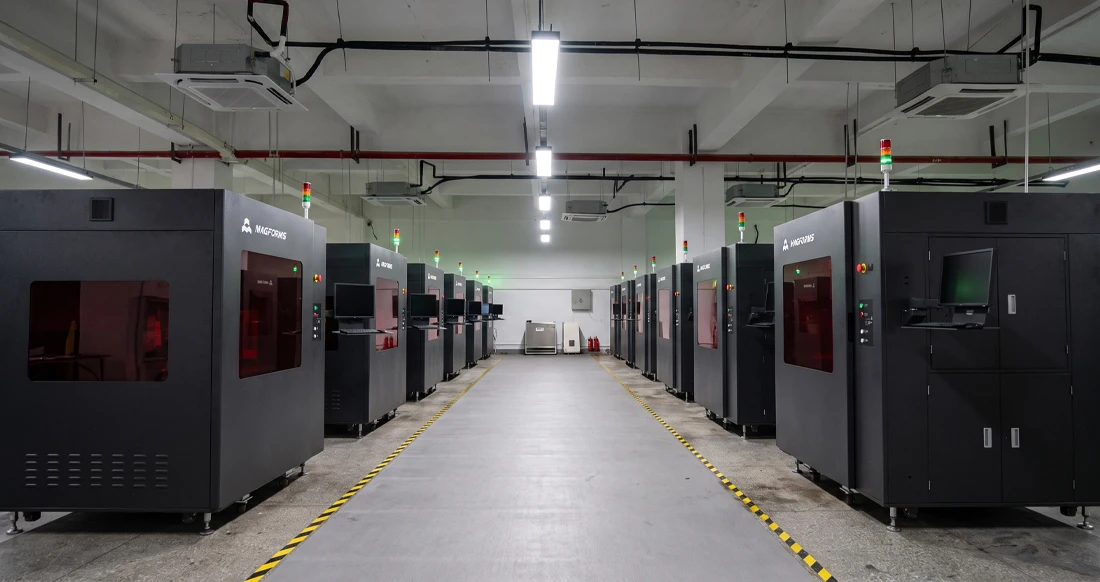
The SL800 uses high-quality parts from well-known manufacturers to make a system that is designed to work continuously in an industrial setting. This method fixes problems that many factories have for a long time: unplanned downtime, uneven part quality, and too high of maintenance costs.
Uncompromising Stability Through Premium Components
The system is built using industrial-grade components to ensure long-term operational reliability. The system has an AOC laser that gives stable power output over long print sessions, which is needed for production plans that run 24 hours a day, seven days a week. Panasonic servo motors contribute to high-precision motion control with system-level positioning accuracy of ±8 micrometers, and HIWIN linear guides from Taiwan make sure the Z-axis moves smoothly without breaking down. Schneider electrical parts and Philips UV-blocking lights finish off a list of specifications that puts durability over cost-effectiveness.
Precision That Meets Aerospace Standards
Accuracy in measurements has a direct effect on how many inspections pass and how easy it is to put together. Panasonic servo technology is used in all platforms, recoaters, and liquid-level motors. This makes it possible to place the recoater with an accuracy of less than 0.02mm and control the liquid level to within ±0.03mm. The German Scanlab galvanometer works with the laser to produce a highly circular laser spot profile. This gets rid of the irregular distortion that makes edge-region errors in less advanced systems.
Speed Without Compromise
The Scanlab galvanometer in the Industrial SLA 3D Printer can achieve scanning speeds of up to 12 meters per second, but during production runs, it usually works at 6 to 10 meters per second. The variable laser spot technology can switch between 0.05 to 0.06mm larger spots for fast filling and 0.15 to 0.2mm micro-spots for fine feature reproduction and support structures. Compared to fixed-spot stereolithography tools, this adaptive method has a 30–50% higher output.
Surface Quality and Detail Reproduction
Variable spot technology makes it possible to copy features that are 0.15 to 0.2mm wide, which enables accurate reproduction of fine threads, sharp edges, and complex surface geometries with high fidelity. The stair-stepping effect between layers is lessened by a built-in grayscale processing method. This makes parts where layer changes are almost impossible to see with the human eye. This surface quality reduces the need for post-processing, which cuts down on work costs and speeds up shipping time.
Material Flexibility Through Open Architecture
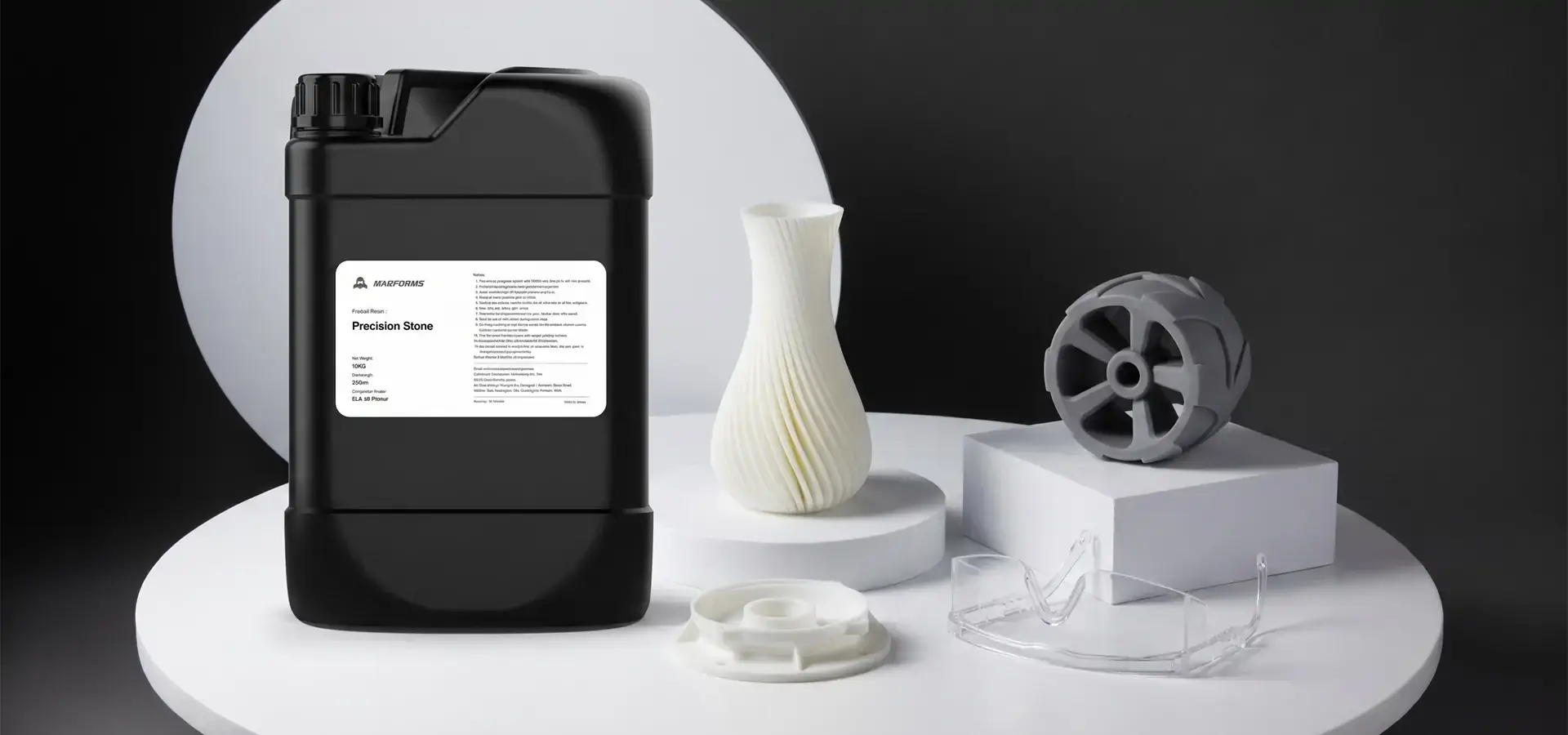
A lot of industrial systems force users to use their own plastic environments, which raises costs and limits what can be used for experiments. The SL800 is compatible with most photopolymer resins designed for 355nm laser-based SLA systems that are on the market because it is an open material base. Because of this, engineering teams can try new materials like high-temperature resins, flexible formulations, and clear polymers without having to get approval from the seller or use material identification chips.
User-Centric Design Features
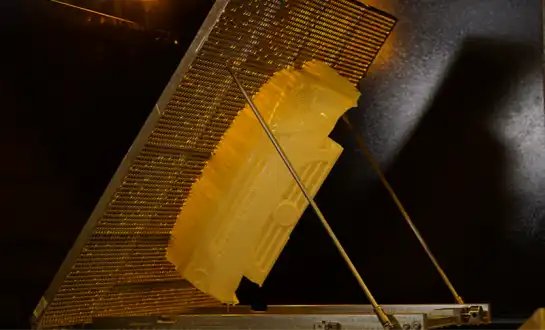
Thoughtful technical design is needed for operations to run smoothly. When the printing is done, two support rods raise the platform at an angle, which lets the resin that hasn't fully hardened run back into the pot. With these rods, the platform can also be turned upside down, which speeds up draining and cuts down on the time needed for cleanup after processing. This simple idea increases the amount of resin that can be recovered while lowering the chance that contaminants will drip onto final parts.
Intelligent Software and Responsive Support
The iBuild 2.0 interface is easy to use and doesn't slow down the speed. It was designed to work quickly on mobile devices. Engineers can keep an eye on the print job from afar, change settings between layers, and get real-time alerts when the job is done or a mistake occurs. This connection makes processing more efficient, especially in places that work multiple shifts or have to manage several printers at the same time.
Temperature Control for Consistent Results
The ideal viscosity of the resin is always maintained by built-in temperature control, no matter what the outside conditions are. When it's cold outside, unheated resin becomes too viscous, which stops layers from hardening fully and causes prints to fail. The SL800's temperature control method gets rid of this variable, so it can keep its high success rate and consistent mechanical qualities even when the temperature changes with the seasons. This feature is especially useful for businesses that sell to customers in a lot of different places or don't have climate-controlled working areas.
Comparing the SL800 with Other Industrial SLA 3D Printers
Objective comparisons of results are needed to make procurement choices. When compared to well-known brands like Formlabs Form 3L, EnvisionTEC systems, and 3D Systems ProX line, the SL800 shows clear benefits in a number of important areas.
Resolution and Mechanical Accuracy
Desktop SLA printers can print very fine details at small sizes, but industrial uses need accuracy that stays the same over big build volumes. With its Scanlab galvanometers and Panasonic servo motors, the SL800 can keep its placement accuracy within micrometers over an entire 800mm build area. When competing systems use galvanometers, they often lose accuracy in the edge regions because of drifting calibration or mechanical backlash in Z-axis parts.
The circular laser spot shape, which comes from using high-quality optical parts, makes layer bonding more even than the elliptical spots that are typical in cheaper systems. This means that the mechanical features of the part will be the same no matter how it is oriented, so test prints are no longer needed to find the best build angles.
Total Cost of Ownership Analysis
The price of buying something is only one part of how much it will cost in the long run. Some makers' proprietary resin systems cost $300 to $500 per liter. The SL800, on the other hand, can use resins that cost between $80 and $200 per liter, based on the material. Material flexibility alone can save sites that use 100 liters of resin per year more than $30,000 over the course of three years.
When figuring out ROI, maintenance costs are also taken into account. The SL800 uses industrial-grade parts that make repair intervals longer and lower the number of times that consumables need to be replaced. HIWIN linear guides and Panasonic motors can handle higher duty cycles than cheaper options. A rigid machine base (such as granite or reinforced composite structures) minimizes thermal deformation and helps maintain long-term alignment stability during operation.
Technology Selection: SLA versus DLP and SLS
There are different Industrial SLA 3D Printer additive technologies that are used for different purposes. Selective Laser Sintering (SLS) makes strong nylon parts without the need for support structures, but the parts don't have the finish on the outside that is needed for visual samples or master designs. Full-area exposure in digital light processing (DLP) accelerates layer curing, but its XY resolution is inherently dependent on pixel size and may face limitations in scalability for very large build volumes compared to laser-scanning SLA systems.
Stereolithography is the best method for tasks that need a smooth surface, accurate measurements, and a wide range of materials. The layer-by-layer laser curing process makes it possible for parts to have different strengths, tight tolerances, and the ability to work with different types of resin. These benefits make it the best choice for dental uses, investment casting, and precision tools.
How to Select the Right Industrial SLA 3D Printer for Your Business
When choosing equipment, it's important to make sure that the basic specs and working needs match up. When reviewing a vendor's support skills, procurement teams have to find a balance between the need for accuracy, the expected throughput, the need for materials, and the budget.
Defining Production Requirements
First, do an audit of your present and future application needs. When making surgery guides, companies that make medical devices put safe material approval and micron-level accuracy at the top of their lists. For automotive design teams to prototype dashboard parts, they need to be able to build a lot of them and use engineering-grade resins that can handle heat testing. Service companies that work on a variety of projects for different clients benefit from having the most material options and the ability to turn projects around quickly.
Think about the build volume in addition to the part measurements. Putting several small parts inside of one print job increases speed, but only if quality stays the same across the whole platform. The SL800's big size lets it handle batch output while still keeping edge-to-edge accuracy through calibrated galvanometer scanning.
Evaluating Material Ecosystem
Closed material systems make it easier to set up at first, but they make you dependent on the prices and supply of vendors in the long run. Open platforms let you manage costs and do whatever you want with your experiments, but they need material testing and profile optimization. The SL800 works with standard 355nm plastics, such as ABS-like, PP-like, high-temperature, clear, and flexible ones. This means that it can be used in a wide range of situations without being tied to a single seller.
End-use performance is directly affected by the qualities of the material. Heat displacement temperature (HDT) rates above 100°C make it possible to test functionality while the temperature is high. Specifications for shore hardness tell us if snap-fit parts are suitable. Tensile strength and extension at break determine how structures are used. By knowing these parameters, you can be sure that the tools you choose can process materials that meet the performance needs of your particular application.
Budget and Financing Considerations
Buying capital property has a different effect on cash flow and balance sheets than renting it for business use. A lot of companies that make things offer financing options that help you keep your working cash and spread the costs of tools over several useful years. To find the total cost of ownership, add up the purchase price plus the costs of consumables (like resin and new parts), upkeep contracts, and operator training.
With its high-quality parts and low price, the SL800 offers a good return on investment in settings with a lot of use. Less downtime means more work gets done, and the ability to change materials keeps changeable costs low. For service providers, faster print speeds let them handle rush orders the same day, which sets them apart from competitors and lets them charge more.
After-Sales Service and Technical Support
Reliable equipment is important, but quick help is just as important. Recalibration of the laser, care on the galvanometer, and software changes all need to be done by a vendor expert. Look at the infrastructure for support, such as local service centers, spare parts inventory, reaction time promises, and expert training programs.
Magforms' 24-hour reaction time and experienced tech team reduce the chance of downtime. Because the company used to specialize in materials, it makes choices about hardware design that are based on real-world production needs instead of numbers from specification sheets.
👉 Industrial SLA 3D Printer solutions
Real-World Impact: Case Studies and Client Testimonials
It's more important to show results than to have theoretical skills. Companies in the aircraft, automobile, dental, and consumer electronics industries have used the SL800 to improve quality, speed, and cost-effectiveness of their production processes.
Aerospace Component Validation
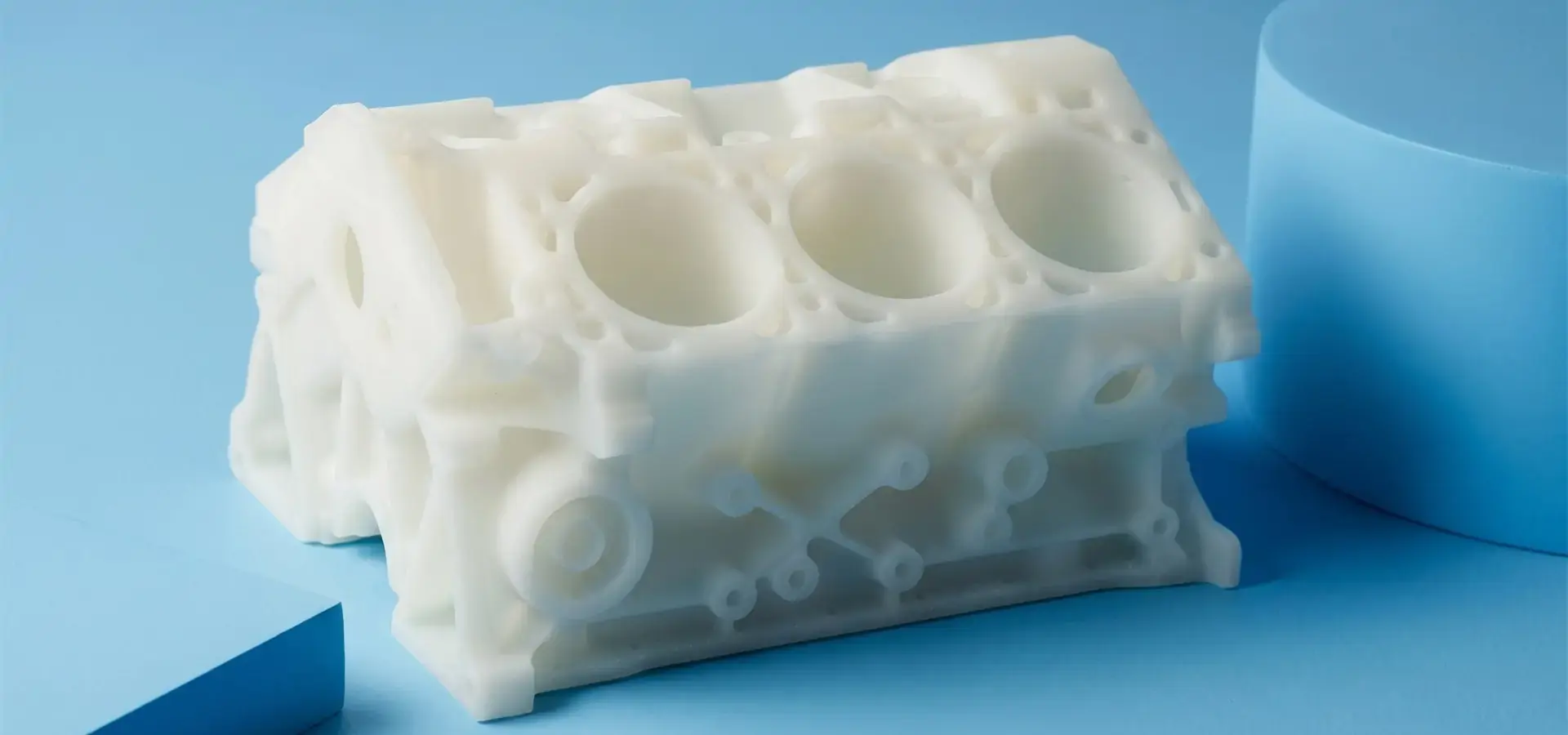
A company that makes precision connectors for the aircraft industry kept having problems with inspection rejects on CNC-machined samples. Parts that had complicated internal shapes had to be machined on multiple axes and had to have their tools changed often, which caused variation that pushed them outside of tolerance bands. By switching prototype production to the Industrial SLA 3D Printer SL800, measurement deviation was cut by 40%, and inspection fails dropped from 15% to less than 3%. Being able to print conformal cooling channels and biological lattice structures opened up new design options that weren't possible before because of the limits of cutting.
Automotive Rapid Prototyping
A studio that designs niche interiors for electric vehicles needed to shorten the time between iterations without lowering the level of proof. Using old-fashioned development methods, like CNC cutting for hard parts and vacuum casting for rubber-like parts, took three to four weeks for each iteration. Because the SL800's materials are flexible, it was able to print both hard ABS housings and flexible TPU seals on the same day. Assembly fit checks used to happen weeks into the development process, but now they happen within 48 hours of the design freeze. This cuts the time it takes to get a product to market by 30%. Similar results can be seen in Automotive Prototype Manufacturing with Industrial SLA 3D Printing, where manufacturers use high-resolution SLA systems to validate vehicle components, interior designs, and functional prototypes before investing in expensive production tooling.
Dental Laboratory Production
A dentistry lab that used basic desktop printers to make custom aligner models and surgery guides had trouble keeping the quality of their work consistent. Aligners didn't fit right because the models were warped, and production plans were thrown off by failed prints. When I upgraded to the SL800, my print success rates went from 82% to 97%. This cut down on waste and got rid of the need to pay backup service providers rush fees. The accurate positioning of the platform guaranteed that the model measurements would be consistent, which improved the results of aligner therapy and cut down on patient callback meetings.
Consumer Electronics Prototyping
A company that makes wearable tech that is developing the next generation of fitness trackers needed clear housing parts for optical sensor proof. Earlier efforts to use DLP printers led to cloudy parts with clear layer lines that spread light and made sensors less effective. Because the SL800 can use a special kind of clear resin, it can match the optical clarity of injection-molded polycarbonate. This lets accurate sensor testing happen during the prototype process. This got rid of the need for expensive changes to the tools that were needed after sensor integration showed problems with optical interference.
Conclusion
When you make things with precision, you need tools that are accurate in terms of size, reliable in terms of operation, and flexible in terms of materials. Because it uses high-quality parts, smart software optimization, and an open material design, the SL800 meets these needs. With German vision systems, Japanese motion control, and its own scanning methods, it performs at an industrial level and has low total ownership costs. This platform meets the strict needs of modern production environments and can be easily changed as application needs change, making it a great choice for companies that want to shorten development processes, improve part quality, and give designers more freedom.
FAQ
What materials can the SL800 process?
The system works as an open base that can work with most 355nm photopolymer plastics. This includes engineering-grade resins that look like ABS and polypropylene, high-temperature resins that can bend heat above 100°C, clear materials for optical uses, flexible Shore A resins, and safe resins that meet the needs of medical devices. Users can try new material chemistries without having to worry about limits from vendors or prove their identity.
How does accuracy compare to FDM and DLP technologies?
Laser-based stereolithography is better than filament casting at getting accurate measurements and a smooth surface. FDM systems typically achieve ±0.2–0.4mm accuracy depending on machine calibration and material shrinkage, while SLA systems can typically reach ±0.05–0.1mm under controlled conditions. Laser scanning SLA can provide highly consistent XY precision due to its focused spot control, depending on system calibration and optics design. It also works better with big build volumes without losing accuracy in the edges.
What maintenance and support services are provided?
Magforms provides full technical support with 24-hour reaction times, including help with fixing problems, software changes, and advice on how to do preventative maintenance. The professional team that works after the sale does online diagnosis, on-site service visits when needed, and training programs for operators that cover how to handle materials, get prints ready, and do regular calibration procedures. To get the most out of the laser's working uptime, scheduled maintenance checks the galvanometer's accuracy and the resin vat.
Partner with a Trusted Industrial SLA 3D Printer Supplier for Your Manufacturing Needs
With 22 patents and decades of experience in additive manufacturing, Magforms can offer Industrial SLA 3D Printer stereolithography options that solve real production problems. As experts in materials and makers of tools, we designed the SL800 to solve the compatibility problems that come up in mixed-vendor processes. Our unified method, which combines special resins with the best tools, guarantees consistent dimensions and reliable printing that separate machines can't do. Our global support infrastructure has installations in over 30 countries in the aircraft, automobile, medical, and electronics industries. It offers localized expert help without slowing down response times. Our engineering team can look at your unique needs and suggest setups that will give you the best throughput, accuracy, and total ownership costs, whether you're setting up a new prototyping capability or increasing production capacity. Get in touch with info@magforms.com to set up a technical consultation, ask for model parts that show what the material can do, or talk about flexible payment options that fit your project's budget and timeline.
References
1. Gibson, I., Rosen, D., Stucker, B., & Khorasani, M. (2021). Additive Manufacturing Technologies (3rd ed.). Springer International Publishing.
2. Jacobs, P. F. (1992). Rapid Prototyping & Manufacturing: Fundamentals of Stereolithography. Society of Manufacturing Engineers.
3. Quan, H., Zhang, T., Xu, H., Luo, S., Nie, J., & Zhu, X. (2020). Photo-curing 3D printing technique and its challenges. Bioactive Materials, 5(1), 110-115.
4. ASTM International. (2021). ASTM D638-14: Standard Test Method for Tensile Properties of Plastics. ASTM International Standards.
5. Stansbury, J. W., & Idacavage, M. J. (2016). 3D printing with polymers: Challenges among expanding options and opportunities. Dental Materials, 32(1), 54-64.
6. Chartrain, N. A., Williams, C. B., & Whittington, A. R. (2018). A review on fabricating tissue scaffolds using vat photopolymerization. Acta Biomaterialia, 74, 90-111.

Magforms makes design and manufacture easier.
Popular Blogs
-
 Industry InsightsManufacturing Industry
FDM vs. SLA Printer: Which Technology Is Right for Your Project?
-
 Industry InsightsManufacturing Industry
Top 5 Applications of Industrial 3D Printers in Manufacturing Today
-
 Industry InsightsManufacturing Industry
Why Stereolithography 3D Printers Are Unmatched for Microfluidic Device Prototyping?