Expert Tips to Reduce 3D Print Production Time
Cutting down on 3D print output time is a key factor for companies in a wide range of industries that want to improve their manufacturing workflows. Today's additive manufacturing still has problems, such as limited tools, problems with materials not working well together, and complicated designs that make projects take longer than planned. To speed up production cycles strategically, you need to carefully choose the right tools, make sure the process is optimized, and make smart material choices. All of these things work together to improve operating efficiency while keeping quality standards high.

Understanding the Key Bottlenecks in 3D Print Production
Finding production bottlenecks is the first step in any good plan to cut down on time. Hardware problems like not enough processing power, old motion control systems, and bad heat management that causes layers to stick together unevenly often cause delays in the manufacturing process.
Hardware Limitations That Impact Speed
Most of the time, old 3D printers have trouble with galvanometer systems and simple laser assemblies that aren't accurate enough for today's production plans. Professional systems that have German Scanlab galvanometers and AOC lasers have better performance traits that directly translate to faster, more reliable output. These high-tech parts cut down on the need for recalibration and the number of print fails that normally slow down production processes.
High-quality motion control systems with Panasonic AC servo motors give machines the security they need to keep running at high speeds. For factories that need to keep making things, having equipment with marble bases and precise linear lines that get rid of common problems caused by shaking is very helpful.

Material-Specific Constraints and Selection Strategies
Material science is a big part of figuring out how long it will take to make something. Photopolymer plastics usually harden faster than filament-based materials, but they need to be processed in a certain way after they are made, which can make the whole cycle take longer. When choosing a smart material, you should look at its cure rate, its mechanical features, and how well it works with the tools you already have.
Because open-source materials are compatible with each other, makers don't have to use proprietary plastics that have long lead times or poor performance. This prevents vendor lock-in. Systems that can handle different resin formulas give businesses the operating freedom they need to meet the needs of a wide range of projects without affecting delivery dates.
Design Complexity and Geometric Optimization
Too complicated shapes often make production take longer because they need more support structures and take longer to slice. Design for Additive Manufacturing (DfAM) principles stress physical simplicity, which cuts down on print time and post-processing needs while keeping the functionality of the part.
Expert Techniques to Optimize 3D Print Production Efficiency
To speed up output in a way that can be measured, advanced optimization techniques mix new technologies with tried-and-true process methods. These methods deal with several parts of the producing process at the same time.
Variable Spot-Size Technology Implementation
New changeable spot-size laser 3D print technology is a big step forward in meeting the needs for both speed and accuracy. For fast internal filling, this method uses bigger laser spots (0.5–0.6mm), while fine laser spots (0.18–0.2mm) are kept for detailed outline work. Companies that use this technology say it speeds up their processes 30 to 50 percent compared to traditional single-spot systems.
Deep learning techniques make these features even better by finding the best scanning paths and guessing the best exposure settings based on the visual complexity of the image. AI-driven process improvement can increase efficiency by an extra 20% by using materials more intelligently and making less trash.
Precision Calibration and Maintenance Protocols
Calibration of tools on a regular basis ensures uniform performance, which cuts down on expensive reprints and waste. Professional maintenance plans take care of important parts like laser alignment, resin tank integrity, and build platform leveling that have a direct effect on the efficiency of production.
Systems calibrated to an accuracy of ±0.1 mm can significantly reduce dimensional errors and improve print reliability.
Advanced Slicing Software Integration
Modern slicing methods make the best use of layer strategies, support placement, and print direction to cut down on the total time needed for production. When software solutions are combined with certain hardware setups, parameters can be changed instantly based on the properties of the material and the shape's needs.
Automated process integration cuts down on the amount of work that needs to be done by hand while keeping quality consistent across production runs. These systems let workers focus on more important tasks while making sure that each project has the best print settings.
Comparing 3D Printing Methods to Shorten Production Cycles
Choosing the right technology has a big effect on output times, and each type of additive manufacturing has its own benefits for certain uses. Knowing these differences helps you make smart choices that keep project plans on track.
Stereolithography (SLA) Advantages for Speed and Precision

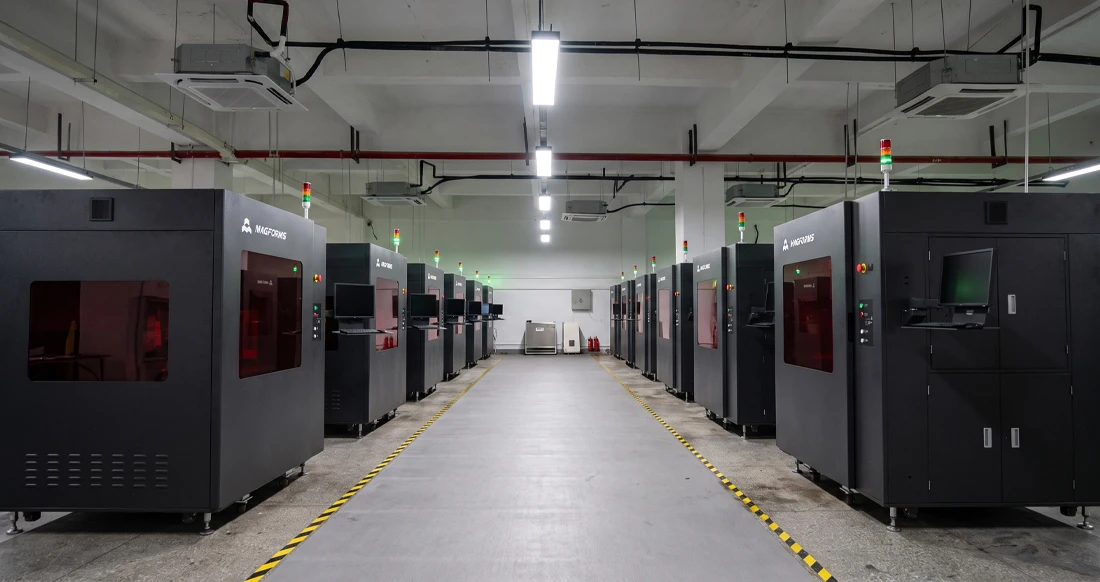
SLA technology works best in situations where high-resolution details are needed along with fast production rates. Modern SLA systems with improved galvanometer kits can work on several parts at once and keep the micron-level accuracy needed for medical devices, dental uses, and precise tools.
Large-format SLA tools let you use batch production methods that spread out the time it takes to set up across many parts. Build volumes that can accommodate useful parts that are too big or too many smaller parts make the best use of tools while lowering the cost of making each part.
Comparative Analysis with Alternative Technologies
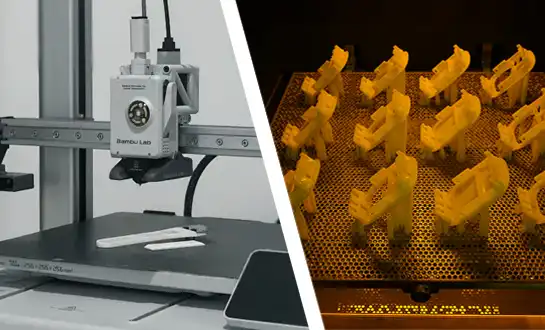
Fused Deposition Modeling (FDM) is better for making bigger structure parts, but it usually takes longer to print because of the rate at which the material is deposited and the need to cool it down. Selective Laser Sintering (SLS) makes materials with great qualities, but it takes a long time to handle the powder and do the post-processing steps.
Studies that directly compare technologies show that SLA 3D print technology has the best speed-to-quality rates for precise tasks that need smooth surfaces and close tolerances on dimensions. Technology selection models that take into account project volume, accuracy needs, and time constraints are helpful for manufacturing teams.

Traditional Manufacturing Integration Strategies
Additive manufacturing doesn't completely replace standard ways of making things; it adds to them. For rapid development, 3D printing is best for testing the first version of a design. Depending on the amount needed, injection molding or CNC machining may be used for the final output.
Hybrid production methods use additive techniques for parts with complicated shapes and traditional methods for parts that need to be made in large quantities. This approach makes the best use of both development time and production costs across a wide range of products.
Utilizing Technology and Service Solutions to Expedite 3D Print Projects
Strategic relationships and integrating technologies can speed up production in ways that go beyond improving internal capabilities. These methods give you access to specialized knowledge and high-tech tool setups.
Professional Service Provider Partnerships
Specialists in 3D printing can give you instant access to high-quality industrial tools and help you handle the whole process. These relationships are especially helpful for complicated projects that need unique materials or advanced post-processing methods that the company doesn't have on hand.
When judging a service provider, you should focus on how fast they deliver, how consistent their quality is, and how well they can help with technology issues. Having established ties with dependable providers ensures that products are always available, even during times of high demand, while still meeting quality standards.
Integrated Material and Equipment Solutions
Compatibility problems that often cause production delays can be solved by complete solutions that combine improved materials with equipment that works with them to 3D print. Integrated methods make sure that performance is always the same, make managing the supply chain easier, and lower the need for stockpiles.
Magforms uses an example of this integrated approach by using exactly matched material and hardware combinations that get rid of the size differences and print flaws that happen when system components aren't matched up right. This method greatly enhances the dependability of production while cutting down on total project timelines.
Emerging Technology Trends
Through predictive repair algorithms and automatic quality control systems, the integration of AI keeps getting better. Complex systems can be made in a single print job thanks to multi-material platforms. This cuts down on assembly time and improves part integration.
Cloud-based workflow management systems make it possible to watch and improve operations from afar, which increases operating efficiency beyond the walls of a traditional building. These technological advances mean that production speed and operating freedom will keep getting better.

Conclusion
To consistently cut down on 3D print production time, you need a complete plan that includes the right tools, the right materials, the right way to use them, and strategic relationships. Technology with varying spot sizes, precise calibration procedures, and combined material solutions all help modern production processes be more efficient in ways that can be measured. When you choose the right technology and work with professional service providers, you can get access to advanced features while still keeping the working freedom you need to meet the needs of a wide range of projects.
FAQ
What factors most significantly impact 3D print production speed?
The main things that affect production deadlines are the hardware that can be used, the choice of materials, and the complexity of the design. Advanced galvanometer systems, improved material chemistry, and simpler shapes all work together to make speed gains that meet quality standards.
How does variable spot-size technology improve printing efficiency?
Variable spot-size systems use big laser spots for quick filling inside holes and small spots for fine work, which makes them 30–50% faster than traditional single-spot methods. This technology strikes a good mix between speed and accuracy, which is important for professional uses.
What maintenance practices help minimize production downtime?
Common failure modes that cause output delays can be avoided by using regular tuning plans, checking the laser's alignment, and keeping an eye on the environmental control. Professional repair procedures make sure that equipment works well all the time, lasts longer, and keeps producing high-quality work.
Boost Your Production Speed with Magforms Advanced 3D Print Solutions
Magforms offers combined 3D printing options that are made for industrial tasks that need to be done quickly. With our varying spot-size laser technology and AI-optimized systems, we can make things 30–50% faster while still being accurate to the micron level. As a top 3D printer maker, we offer complete sets of materials and tools that get rid of compatibility problems and cut down on downtime. Get in touch with our tech support team at info@magforms.com to find out how our creative solutions can help you speed up the production process.
References
1. Gibson, I., Rosen, D.W., and Stucker, B. "Additive Manufacturing Technologies: 3D Printing, Rapid Prototyping, and Direct Digital Manufacturing." Springer Science Business Media, 2021.
2. Thompson, M.K., et al. "Design for Additive Manufacturing: Trends, Opportunities, Considerations, and Constraints." CIRP Annals - Manufacturing Technology, Vol. 65, 2016.
3. Wohlers, T. and Gornet, T. "History of Additive Manufacturing: Wohlers Report 2022." Wohlers Associates, 2022.
4. Ngo, T.D., et al. "Additive Manufacturing Technologies for Process Optimization in Industrial Applications." International Journal of Production Research, Vol. 59, 2021.
5. Huang, Y., et al. "Additive Manufacturing: Current State, Future Potential, Gaps and Needs, and Recommendations." Journal of Manufacturing Science and Engineering, Vol. 137, 2015.
6. Ford, S. and Despeisse, M. "Additive Manufacturing and Sustainability: An Exploratory Study of the Advantages and Challenges." Journal of Cleaner Production, Vol. 137, 2016.

Magforms makes design and manufacture easier.
Popular Blogs
-
 Industry InsightsManufacturing Industry
FDM vs. SLA Printer: Which Technology Is Right for Your Project?
-
 Industry InsightsManufacturing Industry
Top 5 Applications of Industrial 3D Printers in Manufacturing Today
-
 Industry InsightsManufacturing Industry
Why Stereolithography 3D Printers Are Unmatched for Microfluidic Device Prototyping?