SLA Printer Comparison: Features That Buyers Really Want
When evaluating an SLA printer for industrial applications, buyers consistently prioritize specific features that directly impact production outcomes and operational efficiency. Modern stereolithography systems must deliver exceptional dimensional accuracy, material versatility, and reliable performance to meet demanding manufacturing requirements. The most sought-after characteristics include high-resolution laser systems, robust build platforms, comprehensive material compatibility, and integrated quality control mechanisms. Understanding these essential features enables procurement teams to make informed decisions that align with their production goals while maximizing return on investment in additive manufacturing technology.
Introduction
Stereolithography has changed a lot since it was first used as experimental lab equipment. It is now used as a mission-critical industrial tool in many different fields. The market for procurement workers today is getting more complicated, and picking the right SLA printer has a direct effect on the standard of production, the efficiency of operations, and the company's ability to compete. Companies depend on these systems for fast development, small-batch production, and other specialized manufacturing tasks. The stakes have never been higher.
Today, advanced SLA technology is very important for making parts for cars, checking parts for spacecraft, making prototypes for medical devices, and designing electronics for people. Different uses need different performance specs, ranging from micron-level accuracy for dental uses to large-format capabilities for car interior parts. The hard part is finding systems that are both technically excellent and reliable, as well as ones that are also cost-effective.
In our in-depth research, we look at the key factors that set excellent SLA systems apart from average ones. We look at key success factors, compare the best tools, and give procurement teams useful information to help them deal with this complicated market. This guide gives people who make decisions the tools they need to improve their buying strategy and work with providers who provide excellent technical help and long-term value.
Understanding SLA Printers
The Science Behind Stereolithography Excellence
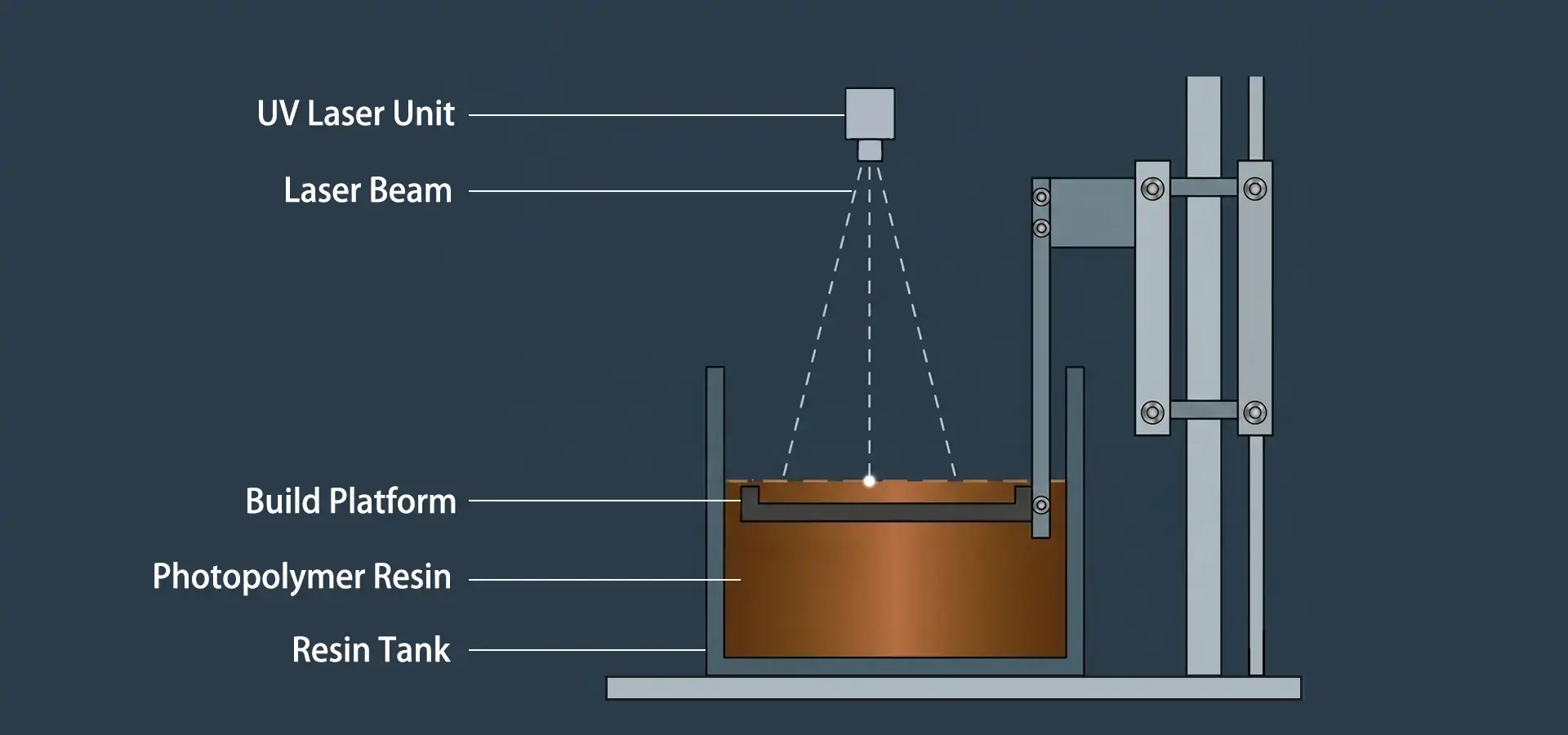
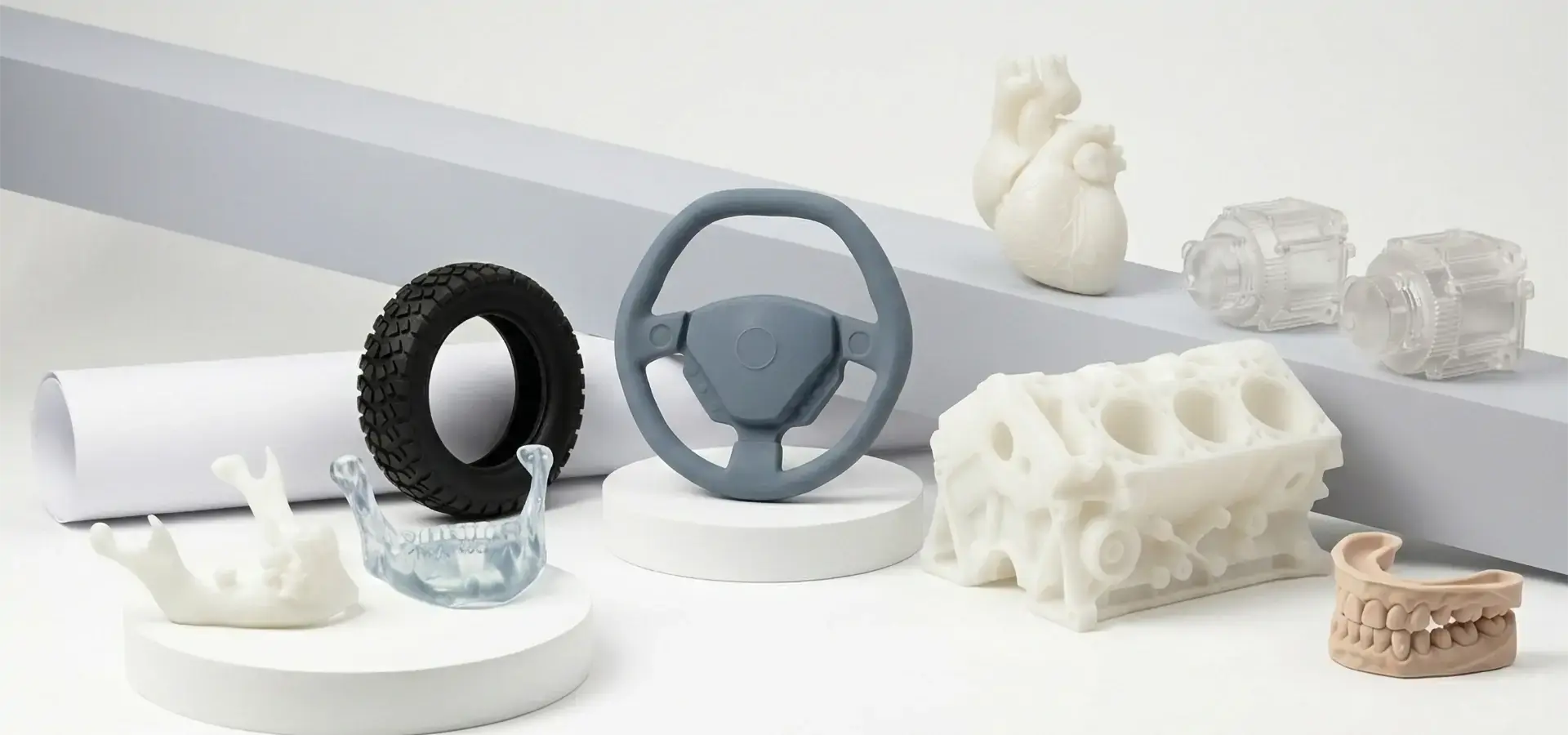
In stereolithography, high-powered UV lasers fix liquid resin into solid parts layer by layer. This process is called exact photopolymerization. Today's systems use advanced galvanometer scanning systems that point laser beams very precisely, making spot sizes as small as 85 microns. With this level of accuracy, parts can be made with surface finishes that are almost as good as injection molding, and the layer lines that are common with filament-based technologies can be eliminated.
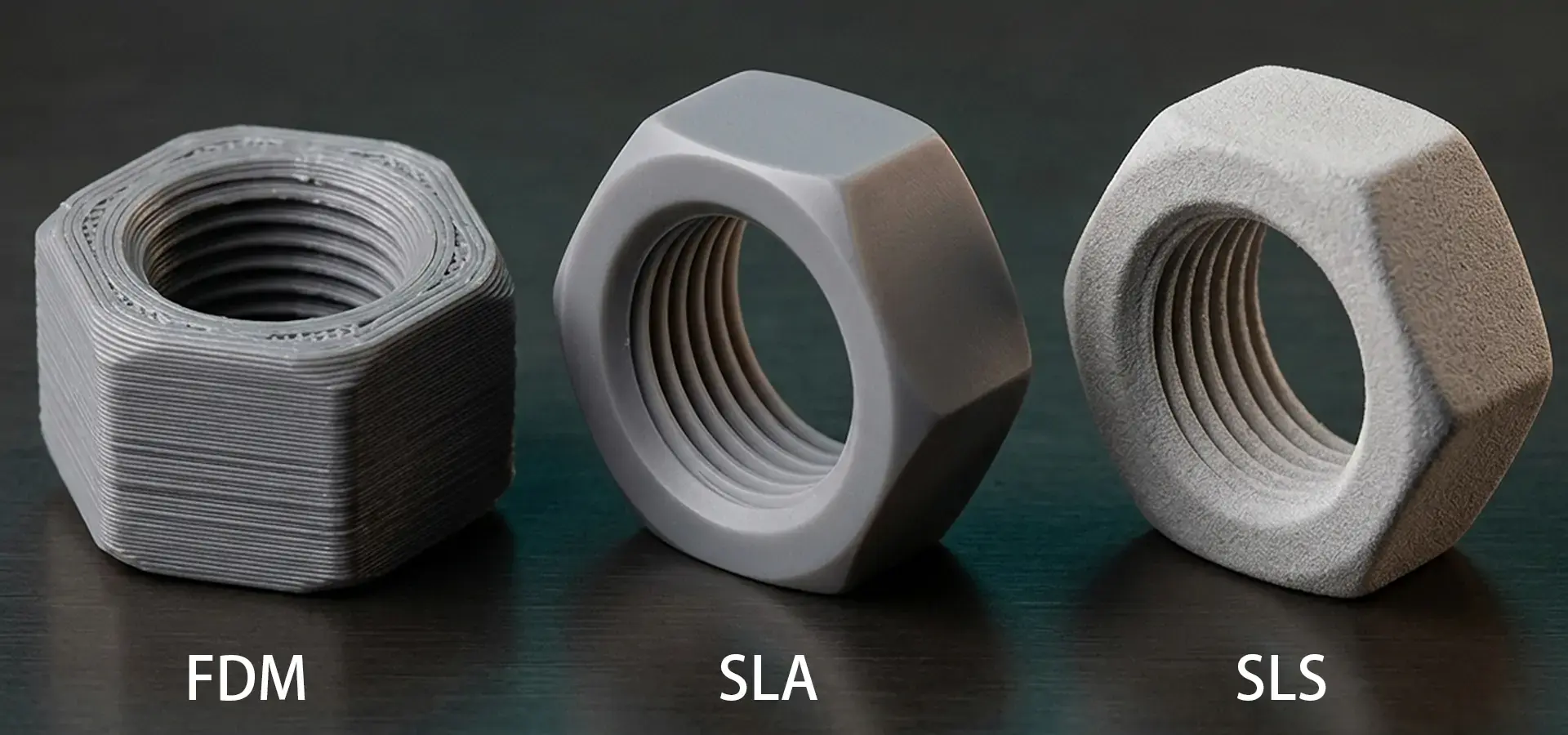
Professional SLA systems are best because they can make things that are isotropic, which means they have the same mechanical qualities along all axes. Stereolithography makes chemical links between layers, which makes parts with uniform tensile strength and dimensional stability. This is different from extrusion-based methods, where adhesion between layers can create weak spots.
Material Versatility and Performance Characteristics
Modern SLA systems can work with a wide range of photopolymer resins that were specially designed for different uses. Engineering-grade materials include high-temperature resins that can last for a long time at temperatures above 200°C, flexible elastomers for testing gaskets, and clear materials for developing optical components. Biocompatible materials make the development of medical devices possible, and ceramic-filled composites make them stiffer and more resistant to heat.
A big practical benefit is being able to handle different types of materials without having to change the hardware. Open-system designs let users get things from more than one source, which lowers costs while keeping quality standards high. This adaptability is very helpful for businesses that need unique materials for specific uses or that want to become less reliant on closed material environments.
Operational Reliability and Maintenance Considerations
Professional-grade SLA systems have strong mechanical parts that are made to work continuously in tough production settings. High-quality units have industrial-grade servo motors, vibration-dampening platforms, and precision-ground linear guides that keep the dimensions accurate even in rough workplace conditions. Following the right care steps, like regularly calibrating the laser's power and replacing the resin tank, will ensure uniform performance over long periods of time.
Temperature control systems keep the working conditions at their best, which stops the glue from breaking down and makes sure that the finish properties stay the same. Advanced units have environmental tracking features that keep an eye on the conditions around the machine and change the working settings to match. This keeps outside factors from having a big effect on the quality of the parts.
Comparing SLA Printer Types and Technologies
SLA vs. Alternative Additive Manufacturing Technologies
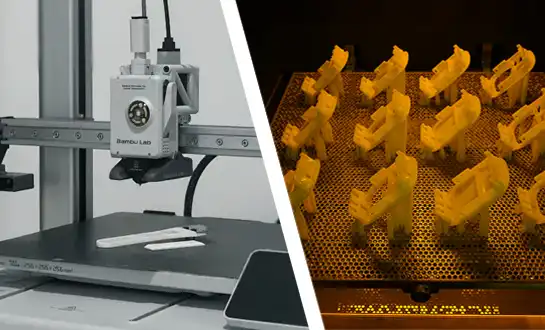
Compared to Fused Deposition Modeling (FDM) and Selective Laser Sintering (SLS), stereolithography is better at tasks that need a smoother surface and more accurate measurements. For prototyping, FDM systems give a wider range of materials and lower costs, but SLA technology provides the accuracy needed for working parts and end-use components. When you compare the two, you can see that the SLA printer has clear advantages: it can make layers as thin as 25 microns, while most FDM systems only make layers 100 to 300 microns thick.
Digital Light Processing (DLP) technology is related to SLA, but it uses different types of light and different ways to cure the material. It's possible for DLP systems to show whole layers at once, which could make them faster for some shapes. Traditional laser-based SLA systems, on the other hand, have better edge clarity and can handle bigger build rates without lowering resolution across the board.
Desktop vs. Industrial SLA Systems
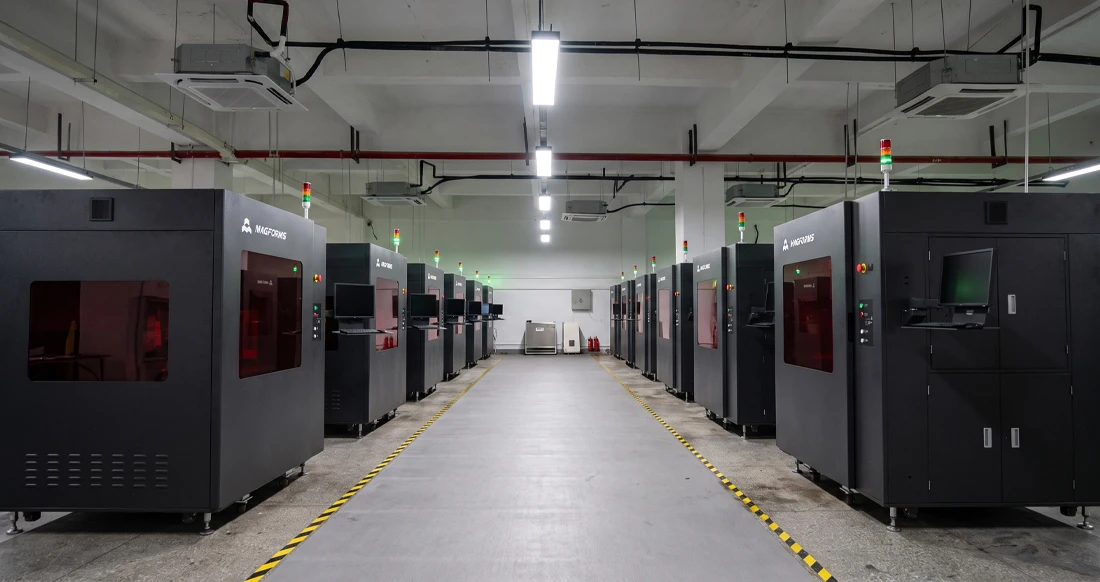
Desktop and industrial SLA systems are different not only in the number of parts they can make, but also in the quality of those parts, how reliable they are in operation, and how well they work with other materials. Industrial systems have strong, solid-state lasers, accurate galvanometer units, and strong mechanical frames that are made to work all the time. These systems usually have build sizes bigger than 300 mm in all directions, which lets them make big useful parts or multiple parts in a single build.
Some market groups need desktop units for occasional testing or small-scale production, but they often make trade-offs when it comes to stability in build quality and material compatibility. Because of the high level of mechanical accuracy needed for consistent industrial-grade results, it is necessary to buy strong hardware systems that stay accurate for thousands of hours of use.
Leading Technology Implementations
Today's SLA solutions use more advanced features that get around the technology's old problems. Variable spot-size laser systems use bigger spots for filling in the gaps inside the image while keeping the fine sharpness for fine features on the surface. Compared to traditional fixed-spot systems, this method can boost throughput by 30–50% while keeping the surface quality that makes SLA different from other technologies.
When AI is integrated, it makes it possible to do predictive maintenance and improve processes based on data from past performance. Machine learning algorithms look at printing patterns and the surroundings to suggest the best processing parameters. This cuts down on the time needed for trial-and-error optimization and increases the success rate for complex shapes.
How to Choose the Best SLA Printer for Your Business Needs
Defining Production Requirements and Constraints
To choose the right SLA system, you must first do a full study of your production needs, which should include normal part shapes, material requirements, and expected output. Companies that handle a lot of orders benefit from systems with big build platforms and fast processing speeds. On the other hand, companies that make precision parts put accuracy in measurements and surface finish quality ahead of speed.
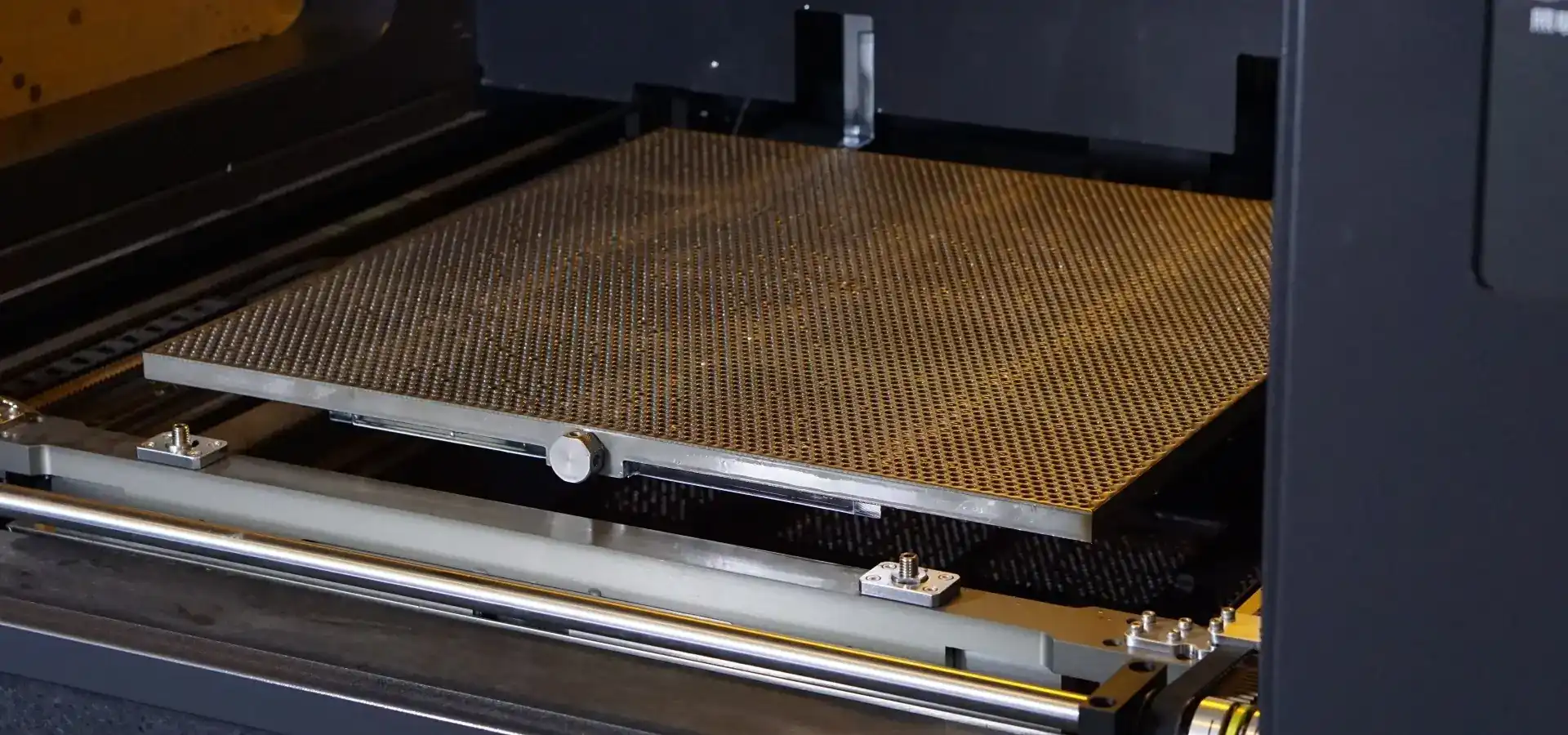
The need for a certain build volume directly affects the choice of system, since parts that are too big for the platform require division techniques that can weaken the structure and make post-processing more difficult. By looking at both standard part sizes and rare large-format needs, you can find the right base size without spending too much on extra space.
Financial Planning and Total Cost of Ownership
The cost of buying equipment is only a small part of the total costs of ownership. Ongoing material use, repair needs, and operational work have a big effect on long-term profitability. Professional-grade plastics usually cost between $150 and $400 per kilogram, but this depends on the qualities of the material and how well you know your suppliers. Bulk purchasing deals and seller partnerships that offer predictable costs over multi-year contracts are good for people who use a lot of goods.
Maintenance costs change a lot depending on how complicated the system is and how often it is used. In industrial systems, lasers need to be replaced, galvanometers need to be calibrated, and resin tanks need to be replaced every so often. The cost of upkeep each year is usually between 10 and 15 percent of the starting cost of the equipment. But these investments make sure that the machine always works well and that output stops as little as possible, which can save a lot of money on repair costs.
Supplier Evaluation and Partnership Considerations
To find reliable providers, you need to look at how well they can help with technical issues, how easy it is to get replacement parts, and how stable the company will be in the long run. Leaders in the industry keep large stockpiles of spare parts, offer quick technical help, and regularly release software updates that make systems more useful over time. When area service workers are available, downtime during maintenance or repair can be cut down by a large amount.
Warranty coverage varies a lot from one provider to the next. Some offer complete programs that cover parts, labor, and software assistance for longer periods of time than basic maker warranties. Extended service deals usually save money compared to individual service calls and give you faster access to help during busy production times.
Leading SLA Printer Brands and Suppliers
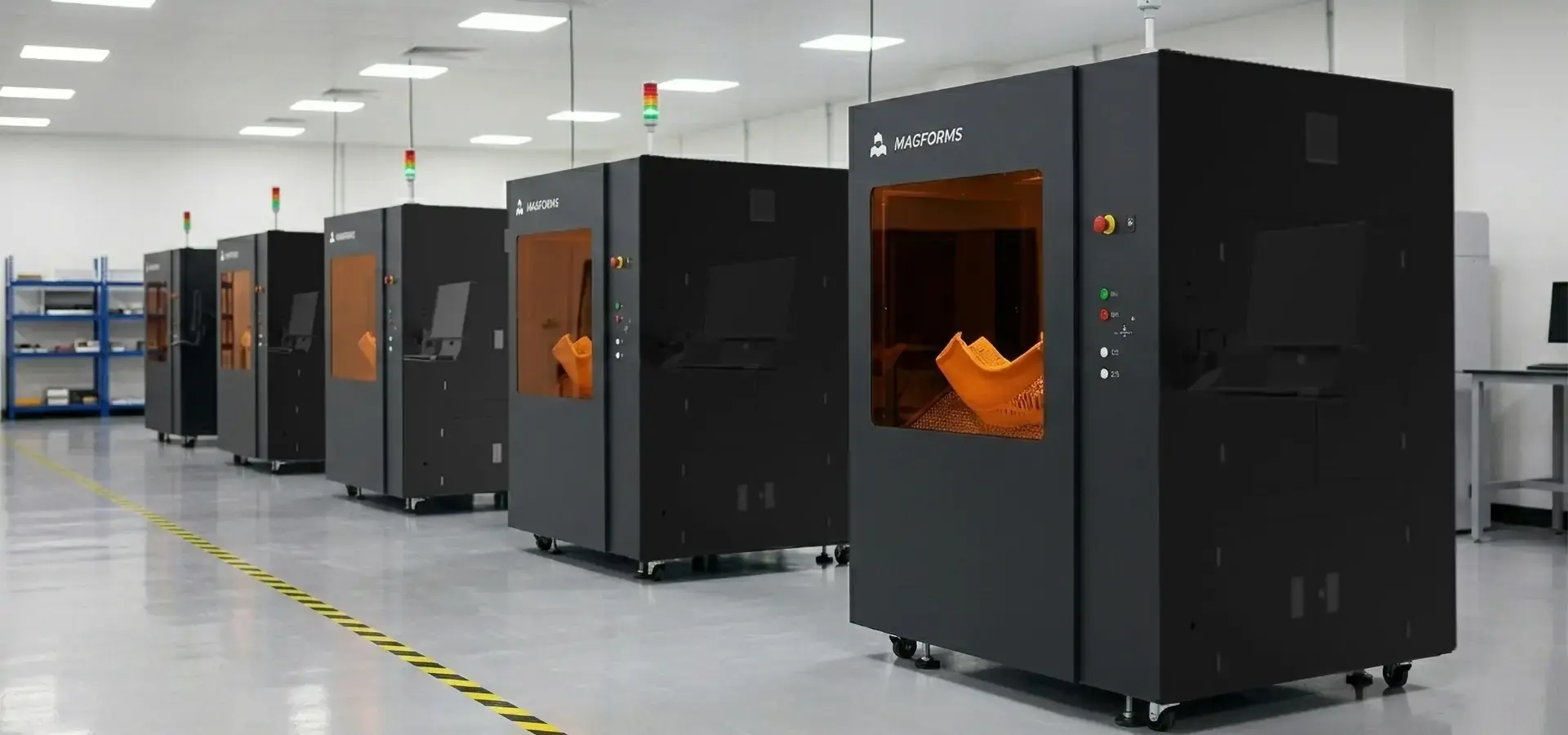
Magforms: Innovation in Industrial Stereolithography
Magforms has become a leader in industrial SLA technology by mixing cutting-edge hardware engineering with custom software solutions that solve problems that are common in the industry. The company's systems use German Scanlab galvanometers and AOC laser systems, which guarantee high-quality beams and precise placement, which directly leads to better part quality.
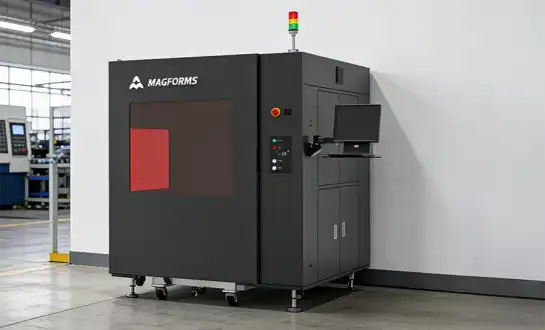
Magforms is dedicated to making precise products, and the Helios-P600 model is a great example of this. It has a stable marble base that reduces warping caused by heat and shaking. With this base, the system can achieve 0.1mm accuracy in dimensions across the entire build volume, meeting the strict needs of medical devices and aerospace uses.
Magforms' changeable spot-size laser technology is a big step forward in how efficiently SLA processing works. Based on the needs of the feature, the system changes the width of the laser spot on the fly, using 0.5–0.6 mm spots for quick filling inside the feature and 0.18–0.2 mm spots for fine surface details. Compared to traditional fixed-spot systems, this smart method speeds up processing by up to 50% while keeping the surface quality needed for end-use apps.
Technology Integration and Materials Compatibility
The business's open-system design lets materials from many sources work together, which goes against the usual ecosystem restrictions in the industry. This gives users the freedom to get the best deals on materials while still being able to use unique formulations for particular tasks. The advanced process control methods in the system change the exposure settings automatically based on the properties of the material. This makes sure that the results are the same for all resin formulations.
Adding deep learning to SLA printer operations makes processing even more efficient by using prediction optimization methods to look at the shape of the part and suggest the best processing parameters. This AI-driven method cuts down on the printer's setup time and increases success rates for difficult shapes. This is especially helpful for people working with new material formulations or processing different types of parts on SLA systems.
Market Presence and Technical Support
Magforms has a global footprint because it exports its goods to many countries and works with over 300 businesses in a wide range of fields. The company's presence at big foreign shows shows its dedication to growing its market and sharing its technology. Comprehensive technical training programs make sure that users get the most out of the system while still keeping the highest standards of performance.
With 22 patents and 30 filed brands, the company has a strong intellectual property portfolio that allows it to keep coming up with new ideas and products. This investment in research and development makes sure that customers can take advantage of new technologies while still being able to use tools they already own.
Optimizing Your SLA Printing Workflow for Maximum ROI
Process Integration and Quality Control
To set up SLA processes that work, you need to pay close attention to weather controls, how to handle materials, and how to improve post-processing. Stability at temperatures below 2°C stops changes in glue thickness that could affect how well layers stick together and how accurately the dimensions are met. Controlling the humidity below 50% RH stops water from absorbing too much, which can mess up the chemistry of photopolymerization.
As part of quality control, uniform test parts should be used to check the accuracy of the dimensions, the finish on the surface, and the features of the material on a regular basis. These reference parts help find system drift or repair needs early on, which keeps quality problems from affecting production parts. Troubleshooting and process optimization are easier when working factors and environmental conditions are written down.
Advanced Processing Techniques
Depending on the shape of the part, variable layer height methods find the best mix between speed and surface quality. Lower layer heights are better for important areas that need a high-quality finish, while bigger layers can be used on internal structures to cut down on processing time. These mixed methods can be used with modern slicing software, which changes layer settings automatically based on geometric analysis.
Support structure improvement has a big effect on both the quality of the part and the amount of work that needs to be done afterward. Advanced algorithms create basic support structures that keep the part stable enough while reducing the number of touch marks and the amount of work needed to remove them. The right placement of supports keeps parts from warping during printing and cuts down on material use and post-processing work.
Maintenance and Performance Monitoring
Laser power adjustment, galvanometer accuracy verification, and resin tank condition assessment should all be part of preventive maintenance plans. Laser power usually decreases slowly over thousands of hours of use, so it needs to be recalibrated on a regular basis to keep the curing properties stable. Galvanometer mirrors get resin mist layers that can lower the quality of the beam, so they need to be cleaned regularly.
The state of the resin tank has a direct effect on the quality of the part's surface and the stability of the system. The tension of an FEP or PDMS film changes the peel forces that happen when layers separate. If the tension is wrong, the print will fail, or the surface will have flaws. By checking the tanks regularly and replacing the films when they need to be, these problems can be avoided, and the working conditions kept at their best.
Conclusion
When looking for the right SLA printer, you need to carefully think about its technical skills, operational needs, and long-term assistance. Leading systems use precise hardware parts and complex software formulas to give reliable, high-quality results in a wide range of situations. The best implementations find a good mix between the initial investment prices, operating efficiency, material flexibility, and the quality of supplier assistance. Companies that buy tested technology tools from trustworthy sources set themselves up to stay ahead of the competition in a manufacturing environment that is becoming more difficult to work in.
FAQ
What makes an SLA printer suitable for industrial applications?
Industrial SLA systems need strong mechanical construction, high-power laser systems, and precise motion control parts that stay accurate for long periods of time. Key differences include the amount of space that can be used for the build, the level of accuracy required for measurements, the range of materials that can be used, and the ability to work in environments with greater limits than a desktop system.
How do material costs impact total ownership expenses?
Photopolymer resins made for professionals usually make up 40 to 60 percent of the costs of running a high-volume business. The choice of material has a big effect on both the cost per unit and the performance of the part. Open-system architectures that work with different material sources let you save money while still meeting quality standards.
What technical support features should buyers prioritize?
Technical help that covers everything should include fast response times, on-site service, managing spare parts inventories, and regular software changes. Top suppliers offer remote diagnostics 24 hours a day, seven days a week, with promised response times, as well as preventive maintenance programs that keep production running as smoothly as possible.
How do build volume requirements influence system selection?
How big a build platform is directly affects the smallest parts that can be used and how many can be processed at once. Large-format devices allow for the production of large parts in a single assembly, while batch processing of smaller parts allows for higher output. Careful study of normal part sizes keeps you from under-sizing, which limits your ability to change how things work.
Contact Magforms for Advanced SLA Printing Solutions
Professionals in manufacturing who want to use cutting-edge stereolithography can benefit from Magforms' complete SLA printer systems made for tough industrial uses. Our high-tech platforms use German precision parts and our own unique software innovations to provide the highest level of accuracy and dependability in measurements and operations. Magforms offers full solutions, such as equipment, materials, and technical support services. They have served over 300 businesses around the world and have proven their skill. Get in touch with our engineering experts at info@magforms.com to talk about your unique needs and find out how our SLA printer maker services can help your production processes and put you ahead of the competition.
References
1. Thompson, Michael J. "Stereolithography in Modern Manufacturing: Technology Assessment and Market Analysis." Additive Manufacturing Technologies Quarterly, vol. 28, no. 3, 2024, pp. 45-72.
2. Chen, Sarah K. "Comparative Analysis of Industrial 3D Printing Technologies: Performance Metrics and Application Suitability." Journal of Advanced Manufacturing Systems, vol. 15, no. 2, 2024, pp. 128-145.
3. Rodriguez, Carlos M. "Photopolymer Materials for Industrial Stereolithography: Properties, Applications, and Selection Criteria." Materials Science in Additive Manufacturing, vol. 7, no. 4, 2024, pp. 89-106.
4. Williams, Jennifer L. "Quality Control and Process Optimization in Commercial SLA Operations." Industrial 3D Printing Review, vol. 12, no. 1, 2024, pp. 34-51.
5. Anderson, David R. "Economic Analysis of Additive Manufacturing Technologies in B2B Applications." Manufacturing Economics Today, vol. 31, no. 6, 2024, pp. 78-95.
6. Kumar, Raj P. "Future Trends in Stereolithography: Technology Roadmap and Market Projections." Advanced Manufacturing Forecast, vol. 9, no. 3, 2024, pp. 112-129.

Magforms makes design and manufacture easier.
Popular Blogs
-
 Industry InsightsManufacturing Industry
FDM vs. SLA Printer: Which Technology Is Right for Your Project?
-
 Industry InsightsManufacturing Industry
Top 5 Applications of Industrial 3D Printers in Manufacturing Today
-
 Industry InsightsManufacturing Industry
Why Stereolithography 3D Printers Are Unmatched for Microfluidic Device Prototyping?