High-End Industrial SLA 3D Printer vs Entry-Level Systems: Performance Gap Analysis
When evaluating an industrial SLA 3D printer, understanding the performance gap between high-end and entry-level systems becomes crucial for procurement decisions. High-end systems deliver superior stability, micron-level accuracy, and 24/7 operational reliability through premium components like German Scanlab galvanometers and AOC lasers. Entry-level machines, while budget-friendly, often compromise on dimensional precision, material compatibility, and long-term durability. This performance disparity directly impacts production efficiency, part quality, and total cost of ownership across aerospace, medical, automotive, and rapid prototyping applications.
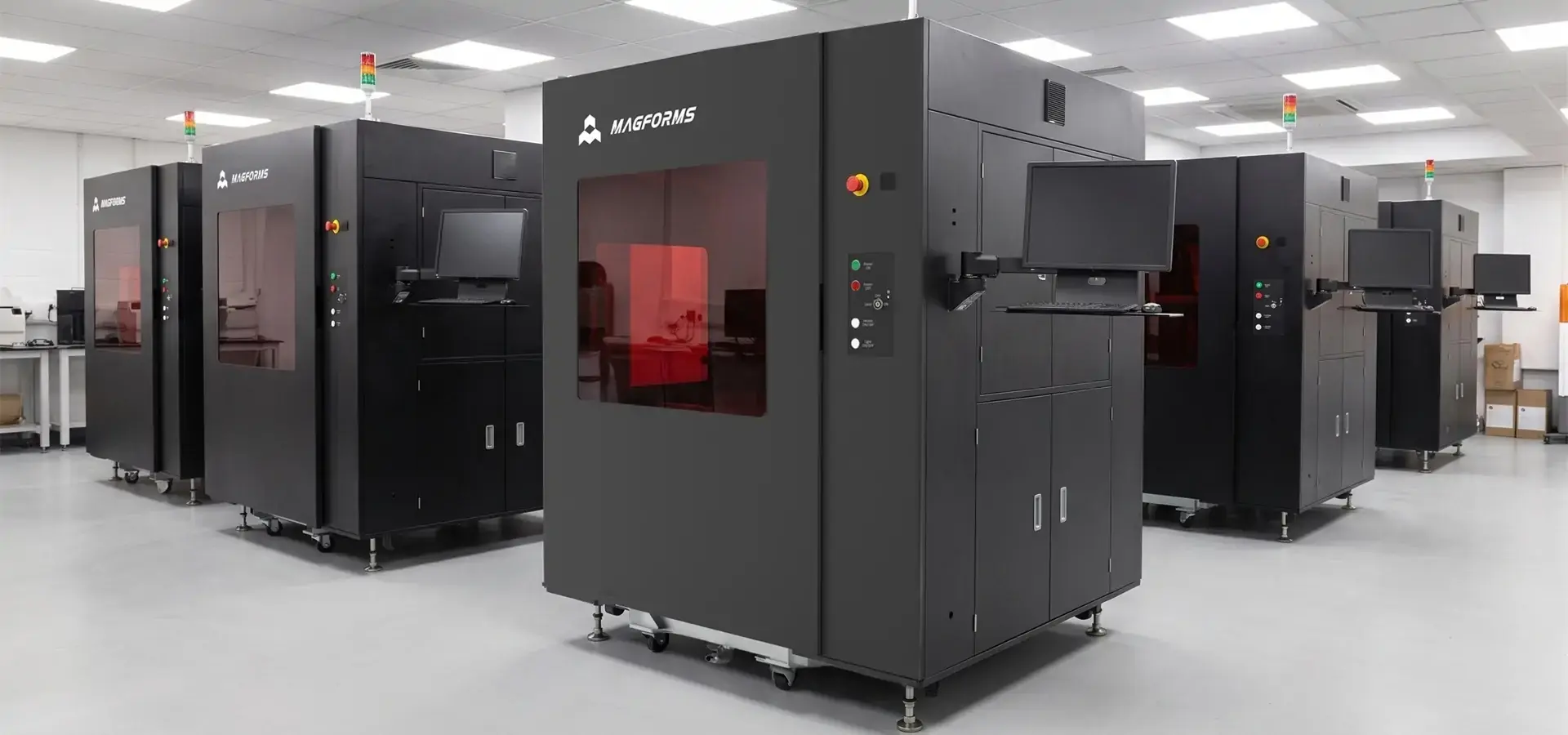
What Defines High-End vs Entry-Level SLA Systems?
The classification of stereolithography equipment extends beyond price tags. High-end industrial SLA 3D printer models integrate internationally renowned components, ensuring failure rates below 2% during continuous production cycles. Entry-level systems typically use cost-optimized parts that may lack the engineering tolerances required for demanding applications.
Three Core Differentiators:
- Component Quality – Premium systems employ Panasonic servo motors with positioning accuracy in the ±10 μm class, compared to generic motors in budget machines that drift by ±50 μm or more.
- Build Volume Consistency – High-end platforms maintain build platform flatness tolerances typically within 0.2–0.5 mm across large-format build areas up to 800 mm, while entry-level systems show deviations exceeding 1.5 mm.
- Material Flexibility – Industrial-grade printers support open resin systems compatible with most 355 nm photopolymers. Some entry-level systems may use material recognition or profile restrictions that limit compatibility to manufacturer-approved resins, inflating operational costs by 40-60%.
If you need to validate complex geometries for aerospace components, high-end systems prevent the dimensional drift that causes assembly failures. Startups prototyping consumer electronics cases may initially manage with entry-level machines, provided tolerance requirements stay above ±0.3 mm. Before comparing industrial platforms, it's helpful to understand how stereolithography works and why laser-based SLA remains the benchmark for high-precision resin printing. Learn more in our guide to SLA 3D printing technology.
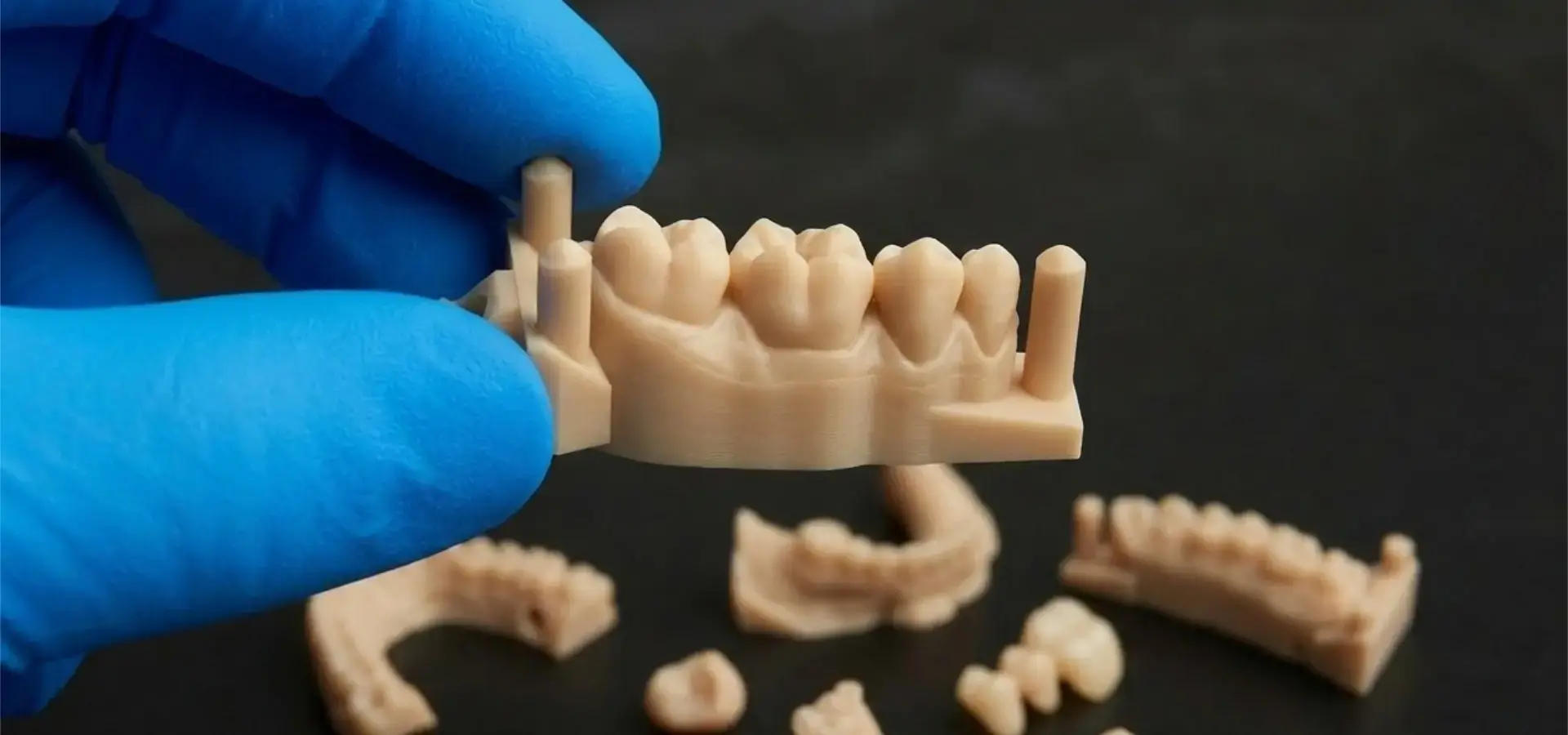
Additive manufacturing consultants consistently note that precision deviations compound across batch production. A dental lab printing 50 orthodontic models daily cannot afford the 12-18% reprint rates common with lower-tier equipment.
Precision and Accuracy: Where Performance Gaps Emerge
Dimensional precision separates viable production tools from experimental devices. High-end industrial SLA 3D printer systems achieve accuracy formulas of L ≤ 100 mm: ±0.1 mm and L > 100 mm: ±0.1% × L through synchronized laser-galvanometer calibration. Entry-level machines rarely guarantee better than ±0.3 mm across similar dimensions.
Measured Performance Data:
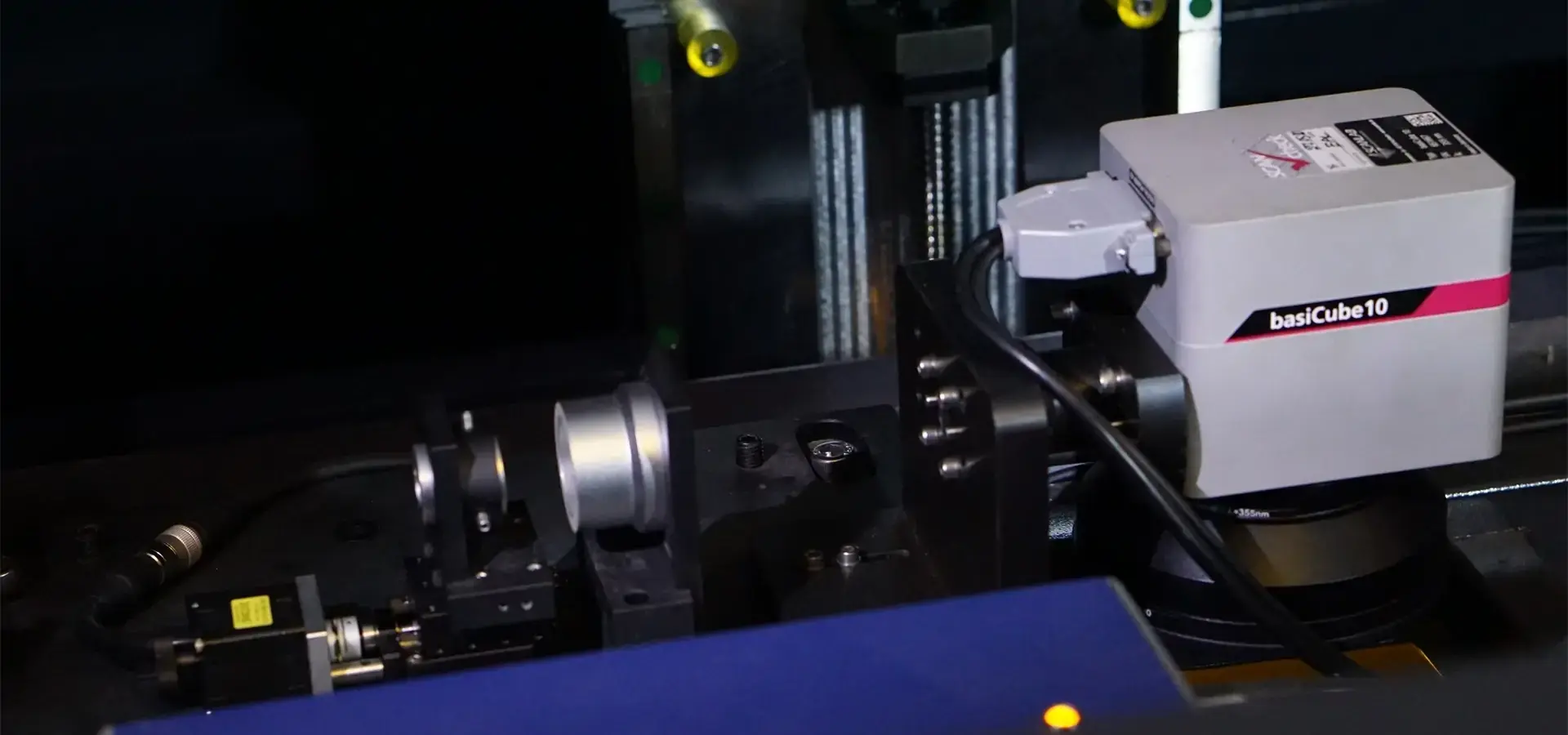
- Laser Spot Geometry – High-end Scanlab galvanometer systems are capable of producing highly uniform, near-circular laser spots, often achieving over 90% energy distribution consistency under optimized calibration. Lower-cost galvanometer systems may produce less uniform, sometimes slightly elliptical spot profiles, with reduced energy distribution consistency compared to industrial-grade systems, causing uneven layer curing.
- Z-Axis Repeatability – HIWIN linear guide systems can maintain high Z-axis repeatability in the ±5–10 μm range under controlled operating conditions over extended usage cycles. Entry-level lead screws may degrade to approximately ±20–30 μm range after extended usage depending on maintenance and load conditions.
- Layer Resolution – Variable spot technology in premium systems dynamically adjusts laser exposure strategies, using smaller effective spot sizes for contours and larger energy distribution for infill regions to balance speed and accuracy. Fixed-spot entry-level printers sacrifice either detail or speed.
A medical device manufacturer reported 89% first-pass approval rates for surgical guide prototypes using high-end equipment, compared to 54% with their previous entry-level system. The difference stemmed from Z-axis drift, causing occlusal surface errors beyond ISO 13485 tolerances.
If you need parts for metrology inspection or functional testing, invest in systems where Panasonic servo motors eliminate the backlash plaguing budget alternatives. Concept models for design reviews can tolerate the lower fidelity of entry-level machines.
Grayscale processing algorithms in advanced systems reduce stair-stepping effects, critical when surface finish directly impacts aerodynamics or fluid dynamics in prototypes. Entry-level slicing software often lacks these photopolymerization optimization features.
Speed and Throughput: Production Efficiency Analysis
Print speed determines whether rapid prototyping remains financially viable. High-end systems leverage variable laser spot technology and adaptive or algorithm-optimized scanning paths to achieve 30-50% faster cycle times than conventional SLA printing. Entry-level machines using fixed parameters cannot match this manufacturing efficiency.
Comparative Throughput Metrics:
- Galvanometer Speed – Scanlab units operate at 6-10 m/s scanning speeds with 12 m/s burst capability. Budget galvos max out at 3-5 m/s.
- Adaptive Scanning – Self-learning systems reduce print time by 20% over 500 hours of operation by refining toolpaths. Entry-level firmware uses static patterns.
- Recoater Velocity – Premium machines complete recoat cycles in 8-12 seconds using precision-engineered rigid recoating systems designed to minimize vibration and layer disturbance. Entry-level systems require 18-25 seconds due to stability concerns.
A 3D printing service bureau calculated that upgrading to high-end equipment reduced per-part production time for automotive interior components from 11 hours to 7.5 hours. This 32% improvement enabled same-day turnaround for rush orders, justifying the equipment premium through revenue expansion.
If you need to fulfill high-volume orders for consumer electronics prototyping, the accelerated output of industrial-grade systems prevents bottlenecks. Low-volume architectural model makers may find entry-level speeds sufficient for their project cadence.
Quality control processes benefit from speed consistency. Premium systems maintain ±3% variance in layer exposure times across 72-hour prints. Entry-level machines show ±12% variance, causing mechanical property inconsistencies between top and bottom sections of tall parts.
Material Compatibility and Operational Flexibility
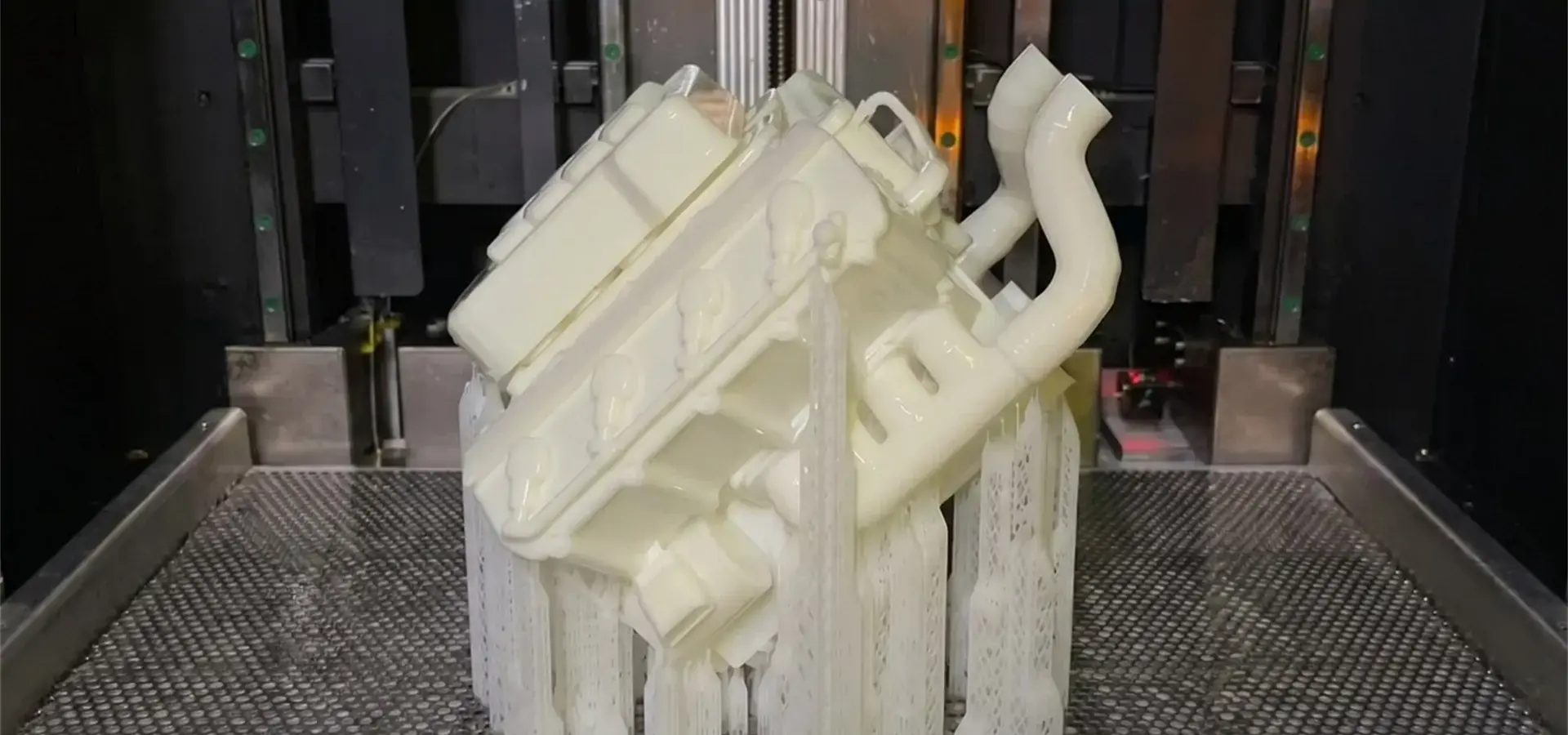
Open material systems versus proprietary resin locks represent a fundamental operational divide. High-end industrial SLA 3D printer platforms support testing with a broad range of 355 nm UV-curable resins, empowering users to optimize cost-performance ratios. Entry-level systems frequently employ material authentication chips that block third-party resins.
Material System Comparison:
- Resin Versatility – Industrial printers handle engineering resins, transparent formulations, high-temperature polymers, and flexible materials without hardware modifications. Entry-level machines often restrict users to 3-5 approved materials.
- Cost Implications – Proprietary resins cost $180-$280 per liter. Open-system compatible alternatives range from $65-$150 per liter for equivalent mechanical properties.
- Application Adaptability – Aerospace clients require flame-retardant resins meeting FAA standards. Medical users need biocompatible formulations. Material lock-in prevents exploring specialized chemistries.
A footwear development studio reduced material costs by 58% after switching to an open-system printer that accepted third-party flexible resins for shoe prototypes. Their previous locked system forced them to use manufacturer resins priced at $240/liter despite market alternatives at $95/liter.
If you need freedom to experiment with custom formulations for specialized applications, prioritize open architecture. Companies satisfied with general-purpose resins may accept entry-level material restrictions.
CAD integration workflows benefit when material profiles can be customized. Advanced systems allow users to create resin profiles matching specific photopolymerization curves. Entry-level software provides only preset profiles, limiting process optimization.
Reliability and Total Cost of Ownership
Equipment stability determines whether production schedules remain predictable. High-end systems demonstrate mean time between failures (MTBF) exceeding 2,500 hours through premium component selection. Entry-level machines average 400-800 hours MTBF due to cost-optimized parts.
Reliability Factors:
- Component Longevity – AOC lasers may retain over 90–95% output stability after extended operational lifetimes under proper maintenance conditions. Generic lasers degrade to 80% output by 3,000 hours, requiring recalibration or replacement.
- Thermal Management – Built-in temperature control systems in premium printers maintain resin at optimal viscosity (200-400 cP) regardless of ambient conditions. Entry-level machines experience print failures when workshop temperatures drop below 20°C.
- Structural Integrity – 2 mm-thick metal enclosures and marble platforms prevent dimensional drift during multi-day prints. Entry-level sheet metal construction allows vibration-induced errors.
An automotive R&D department tracked 94.7% print success rates over 18 months with their high-end system, versus 73.2% with a previous entry-level printer. Unplanned downtime dropped from 140 hours annually to 23 hours, recovering the equipment cost difference within 14 months through improved labor utilization.
If you need dependable output for time-sensitive projects like medical device validation or trade show prototypes, reliability premiums pay dividends. Hobbyist-level operations may tolerate higher failure rates.
Post-processing efficiency also varies. Support structures generated by advanced slicing algorithms detach cleanly, reducing finishing labor by 35-40%. Entry-level systems often generate excessive support that risks damaging part surfaces during removal.
Software Capabilities and User Experience
Control software determines how efficiently operators translate CAD models into physical parts. High-end systems provide intuitive interfaces like Magforms' iBuild 2.0, optimized for responsive mobile device operation. Entry-level software frequently suffers from lag and limited feature sets.
Software Performance Indicators:
- Slicing Speed – Advanced algorithms process large and complex STL files (e.g., 500 MB) in approximately 45–90 seconds depending on hardware configuration. Entry-level software requires 8-15 minutes for equivalent models.
- Support Generation – AI-driven support placement in premium systems reduces material waste by 25% while ensuring part stability. Manual support tools in budget software demand expert knowledge.
- Process Monitoring – Real-time layer imaging and defect detection in high-end systems alerts operators to failures within 10-15 layers. Entry-level machines lack monitoring, wasting hours on failed prints.
A dental laboratory reduced technician training time from 6 weeks to 10 days after adopting streamlined industrial software. Automated support generation eliminated the learning curve that previously caused 30% of trainee prints to fail.
If you need to onboard temporary staff for production surges, user-friendly software minimizes training overhead. Experienced operators comfortable with manual workflows may not prioritize interface simplicity.
SLA software interoperability with industry-standard 3D modeling tools matters for integrated workflows. Premium systems support direct imports from SolidWorks, Rhino, and Blender with automatic mesh repair. Entry-level software often requires manual STL troubleshooting.
After-Sales Support and Service Infrastructure
Technical support quality determines how quickly production resumes after equipment issues. Manufacturers with professional after-sales teams respond to inquiries within 24 hours and dispatch engineers for on-site service within 48-72 hours. Entry-level suppliers often provide email-only support with 5-10 day response times.
Support Service Comparison:
- Response Times – Premium manufacturers maintain 24-hour maximum response commitments with dedicated technical hotlines. Budget suppliers rely on ticket systems with undefined resolution timelines.
- Spare Parts Availability – High-end equipment suppliers stock critical components (galvanometers, resin vats, optical assemblies) for immediate shipment. Entry-level vendors require 3-6 week lead times for parts sourced from third parties.
- Training Resources – Industrial equipment includes comprehensive operator training, material optimization workshops, and application engineering consultations. Entry-level packages provide only basic setup instructions.
A 3D printing service provider calculated that slow after-sales response from their entry-level equipment vendor cost them $18,000 in lost revenue during a 12-day repair delay. Switching to a supplier with a professional support infrastructure reduced average downtime per incident from 9.3 days to 1.4 days.
If you need mission-critical reliability for production commitments, prioritize vendors with proven service networks. Experimental users with flexible timelines can manage slower support cycles.
Custom tooling applications benefit from application engineering assistance. Premium suppliers help optimize support strategies, resin selection, and post-processing workflows for specific part geometries. Entry-level vendors rarely provide consultative support.
Industry-Specific Performance Requirements
Different sectors demand distinct capabilities from photopolymerization systems. Aerospace applications require dimensional stability across thermal cycling and the ability to print large, complex geometries in single builds. Medical device manufacturing prioritizes biocompatible material compatibility and traceability documentation. Automotive prototyping needs rapid iteration cycles with engineering-grade mechanical properties.
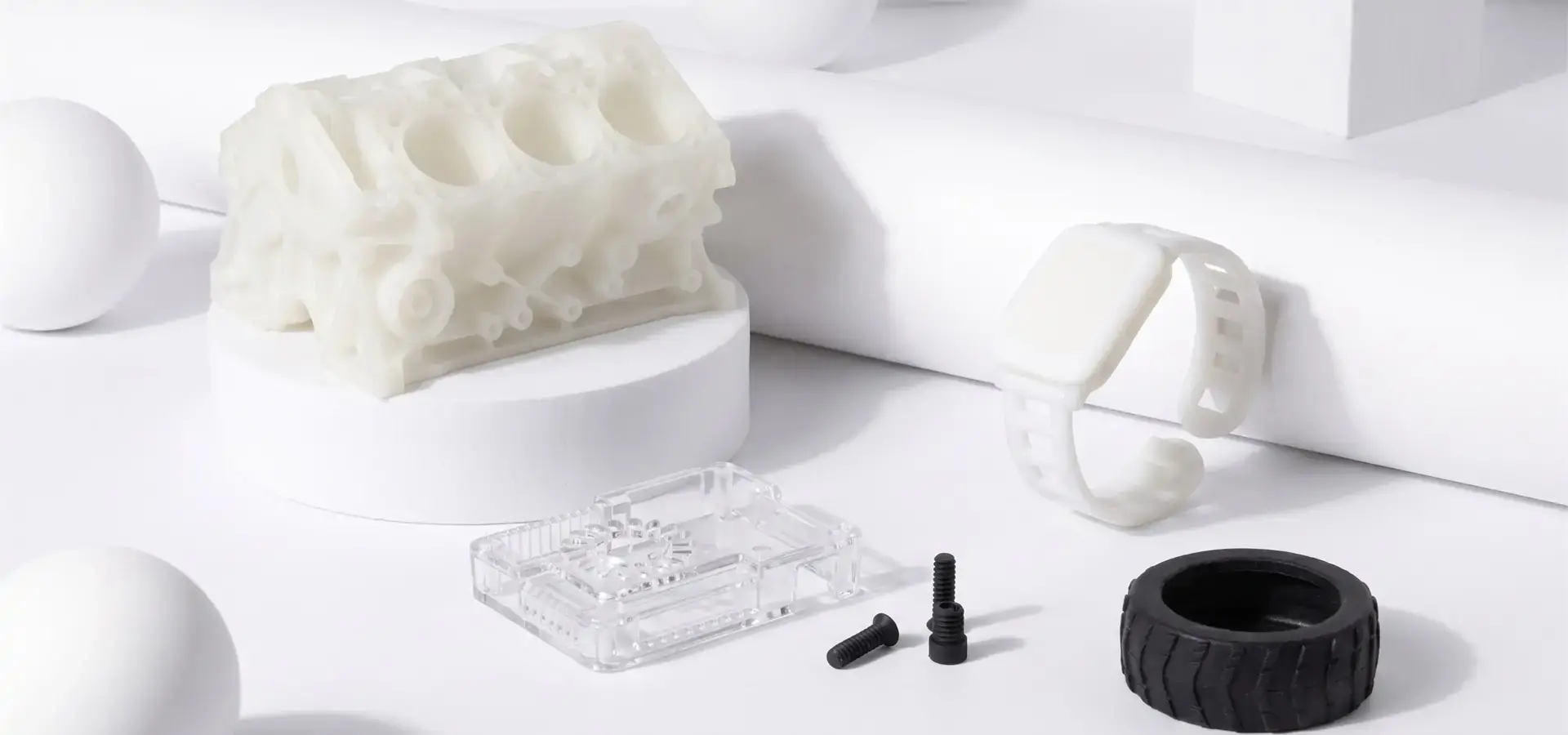
Application-Matched Requirements:
- Aerospace – Build volumes of 600-800 mm to accommodate turbine housings and structural brackets. Entry-level 200-300 mm platforms force part segmentation that introduces assembly errors.
- Medical/Dental – Class I biocompatible resins and sterilization-resistant formulations require validated material compatibility. Entry-level systems lack certification documentation for regulated industries.
- Automotive – ABS-like and PP-like resins with 50+ MPa tensile strength enable functional testing. Entry-level materials typically offer 30-40 MPa, insufficient for snap-fit validation.
- Consumer Electronics – Transparent resins with 90%+ light transmission and minimal yellowing demand precise UV exposure control. Entry-level systems produce opaque or discolored transparent parts.
A medical implant manufacturer achieved 510(k) FDA clearance using high-end equipment that provided complete material traceability and biocompatibility certificates. Their entry-level test system lacked the documentation rigor required for regulatory submissions.
If you need compliance with industry standards like ISO 13485 or AS9100, choose systems designed for regulated environments. General commercial applications face fewer constraints.
Cultural and creative applications like jewelry prototyping or collectible figurines benefit from exceptional surface finish and fine detail resolution. Premium systems reproduce 0.2 mm text and intricate textures that entry-level machines blur or omit.
Cost-Benefit Analysis: Making the Investment Decision
Procurement decisions must balance upfront costs against operational expenses and opportunity costs. High-end industrial SLA 3D printer systems command $45,000-$180,000 price points but deliver lower per-part costs through material efficiency, reduced failures, and faster throughput. Entry-level machines cost $8,000-$25,000 but incur higher operational expenses.
Total Cost of Ownership Calculation (5-Year Horizon):
High-End System:
- Equipment: $85,000
- Materials (open system): $42,000
- Maintenance/Repairs: $8,500
- Failed Print Waste: $3,200
- Labor (faster processing): Savings of $31,000
- Total: $107,700
Entry-Level System:
- Equipment: $18,000
- Materials (proprietary): $78,000
- Maintenance/Repairs: $22,000
- Failed Print Waste: $14,500
- Labor (slower processing): Baseline
- Total: $132,500
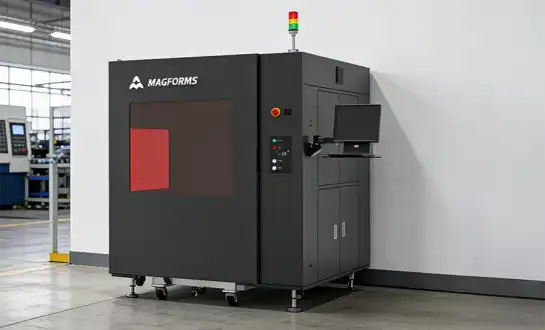
This analysis assumes 1,500 annual print hours and medium-complexity parts. The high-end system achieves 23% lower TCO despite 4.7× higher purchase price. For manufacturers seeking a large-format industrial platform with open material compatibility and variable spot technology, the SL800 Industrial SLA 3D Printer provides an ideal balance of precision, productivity, and long-term operating cost.
If you need predictable unit economics for quoting client projects, premium equipment provides cost certainty. Startups with uncertain demand may prefer lower capital commitment despite higher operating costs.
Return on investment timelines vary by application intensity. Service bureaus running equipment 60+ hours weekly recover premium costs within 18-24 months. In-house design studios printing 15 hours weekly may require 48-60 months.
Conclusion
The performance gap between high-end and entry-level industrial SLA 3D printer systems directly impacts production efficiency, part quality, and long-term operational costs. Premium equipment delivers superior accuracy, reliability, and material flexibility through internationally recognized components and advanced scanning technologies. Entry-level machines suit experimental applications but struggle with demanding production requirements. Procurement decisions must weigh upfront investment against total cost of ownership, application-specific precision needs, and support infrastructure quality to select systems that align with organizational capabilities and growth trajectories.
Partner with Magforms as Your Industrial SLA 3D Printer Supplier
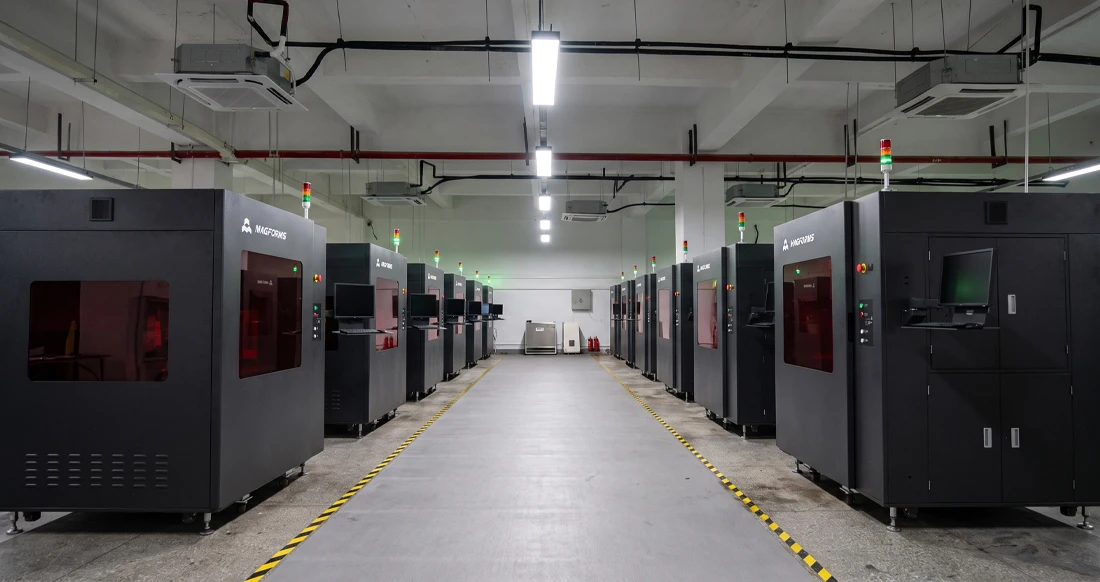
Magforms stands as a trusted industrial SLA 3D printer manufacturer, combining material science expertise with precision hardware engineering. Our integrated solutions eliminate the compatibility challenges, material lock-in, and support gaps that compromise production reliability. With 300+ global enterprise customers across automotive, aerospace, medical, and consumer electronics sectors, we deliver proven additive manufacturing systems backed by 24-hour technical support commitments. Contact our engineering team at info@magforms.com to discuss how our open-architecture platforms, variable spot technology, and comprehensive material compatibility can optimize your rapid prototyping or production workflows.
References
1. Gibson, I., Rosen, D., & Stucker, B. (2021). Additive Manufacturing Technologies: 3D Printing, Rapid Prototyping, and Direct Digital Manufacturing (3rd ed.). Springer.
2. Jacobs, P. F. (2019). Stereolithography and Other RP&M Technologies: From Rapid Prototyping to Rapid Tooling. Society of Manufacturing Engineers.
3. Quan, Z., Wu, A., Keefe, M., Qin, X., Yu, J., Suhr, J., Byun, J. H., Kim, B. S., & Chou, T. W. (2020). Additive Manufacturing of Multi-Directional Preforms for Composites: Opportunities and Challenges. Materials Today, 23(6), 131-141.
4. Ligon, S. C., Liska, R., Stampfl, J., Gurr, M., & Mülhaupt, R. (2017). Polymers for 3D Printing and Customized Additive Manufacturing. Chemical Reviews, 117(15), 10212-10290.
5. Santoro, M., Poudel, I., Kwon, S. K., Miya, D., Pratta, E., Shankles, P., Haussmann, M., & Weisman, J. A. (2022). Industrial Applications of Stereolithography: Precision, Speed, and Material Considerations. Journal of Manufacturing Processes, 74, 89-103.
6. Mele, M., Campana, G., & Monti, G. L. (2021). Cost-Benefit Analysis of Additive Manufacturing Technologies for Industrial Production: Comparing SLA and FDM Systems. International Journal of Advanced Manufacturing Technology, 115(7), 2377-2391.

Magforms makes design and manufacture easier.
Popular Blogs
-
 Industry InsightsManufacturing Industry
FDM vs. SLA Printer: Which Technology Is Right for Your Project?
-
 Industry InsightsManufacturing Industry
Top 5 Applications of Industrial 3D Printers in Manufacturing Today
-
 Industry InsightsManufacturing Industry
Why Stereolithography 3D Printers Are Unmatched for Microfluidic Device Prototyping?